Introduction: Navigating the Global Market for doggy water bottle
The growing demand for portable doggy water bottles presents a unique challenge for international B2B buyers seeking to source reliable and innovative products. With pet owners increasingly prioritizing hydration solutions for their dogs during outdoor activities, the market has expanded significantly. This comprehensive guide delves into the various types of doggy water bottles, their applications, and essential features that enhance usability—such as leak-proof designs, portability, and ease of cleaning.
B2B buyers from diverse regions—including Africa, South America, the Middle East, and Europe—will find valuable insights into effective supplier vetting processes, cost considerations, and the latest trends influencing consumer preferences. Understanding the nuances of sourcing doggy water bottles is crucial for making informed purchasing decisions that align with market demands.
This guide empowers businesses to navigate the complexities of the global market, ensuring that they can offer high-quality, functional products that cater to the needs of pet owners. By leveraging this resource, international buyers can confidently approach potential suppliers, streamline their procurement processes, and ultimately enhance their product offerings in this competitive landscape.
Understanding doggy water bottle Types and Variations
| Type Name | Key Distinguishing Features | Primary B2B Applications | Brief Pros & Cons for Buyers |
|---|---|---|---|
| Squeeze Water Bottles | Integrated bowl, easy to dispense water | Pet supply retailers, outdoor gear shops | Pros: Portable, convenient for active dogs. Cons: May require frequent refills. |
| Collapsible Water Bottles | Soft-sided, lightweight, space-saving design | E-commerce platforms, pet travel retailers | Pros: Compact for storage, good for longer trips. Cons: Less durable than hard-sided. |
| Insulated Water Bottles | Keeps water cool, often includes extra compartments | Premium pet product retailers | Pros: Ideal for hot climates, versatile. Cons: Heavier and bulkier to carry. |
| Gravity Feed Water Dispensers | Continuous supply, larger capacity | Pet boarding facilities, dog daycares | Pros: Low maintenance, good for multiple dogs. Cons: Not portable, requires space. |
| Automatic Water Fountains | Self-refilling, promotes hydration | Pet supply stores, vet clinics | Pros: Encourages drinking, convenient for busy owners. Cons: Higher initial cost. |
What Are the Characteristics of Squeeze Water Bottles?
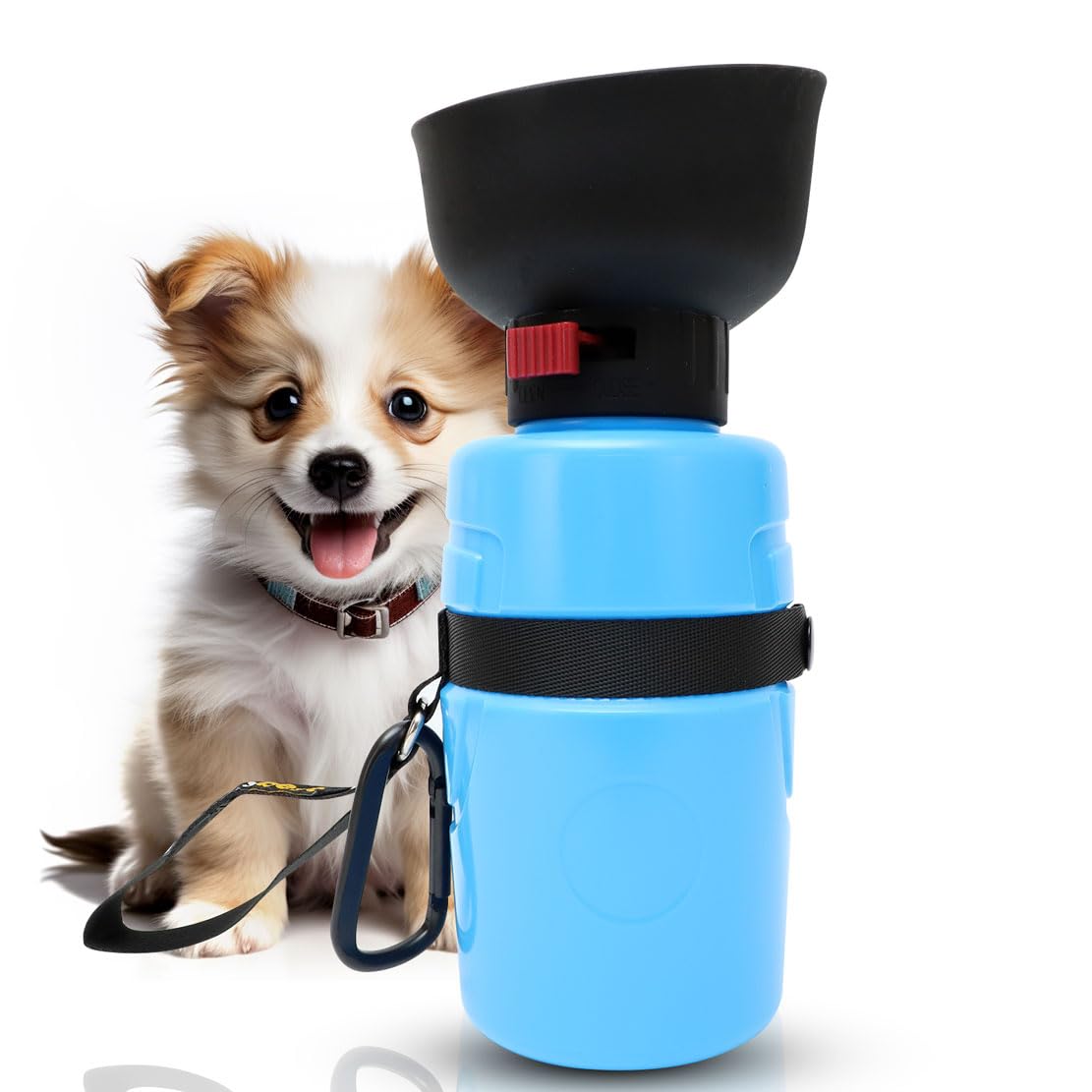
Squeeze water bottles are designed for ease of use, featuring an integrated bowl that allows pet owners to dispense water with a simple squeeze. They are ideal for active dogs during outdoor activities like hiking or long walks. B2B buyers should consider the portability and convenience these bottles offer, making them suitable for retailers focused on outdoor gear and pet supplies. However, frequent refills may be necessary, which could impact user experience.
How Do Collapsible Water Bottles Stand Out?
Collapsible water bottles are soft-sided and designed to be lightweight and space-efficient. Their ability to fold down makes them perfect for storage and travel, appealing to businesses that cater to pet owners who are on the go. Key purchasing considerations for B2B buyers include the balance between weight and durability, as these bottles may not withstand rough handling as well as their hard-sided counterparts.
Why Choose Insulated Water Bottles?
Insulated water bottles are particularly beneficial in hot climates, as they keep water cool for extended periods. Many come with additional compartments for storing treats or other essentials, making them versatile for various uses. B2B buyers targeting premium markets may find these bottles appealing due to their added functionality. However, the increased weight and bulkiness can be a drawback for consumers prioritizing portability.
What Are the Benefits of Gravity Feed Water Dispensers?
Gravity feed water dispensers provide a continuous supply of water, making them perfect for environments with multiple dogs, such as boarding facilities or dog daycares. They require minimal maintenance and are designed to hold a larger capacity of water. For B2B buyers, the low maintenance requirement is a significant selling point, although the lack of portability means they are not suitable for on-the-go use.
How Do Automatic Water Fountains Enhance Hydration?
Automatic water fountains are designed to promote hydration by providing a constant flow of fresh water. They are ideal for busy pet owners and can be marketed through pet supply stores and veterinary clinics. While they encourage dogs to drink more, the higher initial investment may deter some buyers. B2B buyers should consider the potential for repeat purchases of filters and maintenance supplies when evaluating this product category.
Key Industrial Applications of doggy water bottle
| Industry/Sector | Specific Application of doggy water bottle | Value/Benefit for the Business | Key Sourcing Considerations for this Application |
|---|---|---|---|
| Pet Retail | Selling portable dog water bottles for outdoor activities | Increases product range, attracts outdoor pet owners | Quality assurance, durability, and ease of use for customers |
| Veterinary Services | Providing dog water bottles for pet hydration during visits | Enhances customer experience, promotes pet health | Custom branding options, easy cleaning features, and leak-proof design |
| Dog Walking and Pet Sitting Services | Supplying dog water bottles for on-the-go hydration | Improves service quality, ensures pet health during activities | Portability, size options, and affordability for bulk purchases |
| Outdoor Adventure Companies | Including dog water bottles in adventure gear packages | Adds value to packages, caters to pet-friendly outdoor activities | Lightweight materials, collapsible designs, and durability |
| Animal Shelters and Rescues | Distributing dog water bottles for adoption events | Promotes responsible pet ownership, enhances event experience | Cost-effectiveness, customizable designs, and easy distribution |
How is the Doggy Water Bottle Used in the Pet Retail Sector?
In the pet retail industry, doggy water bottles serve as essential accessories for pet owners who enjoy outdoor activities with their dogs. Retailers can capitalize on the growing trend of pet-friendly hiking and travel by offering a variety of portable water bottles. These products not only enhance the shopping experience but also encourage responsible pet ownership by ensuring dogs remain hydrated during activities. Buyers should consider sourcing durable, easy-to-clean, and leak-proof designs to meet consumer expectations.
Why are Doggy Water Bottles Valuable for Veterinary Services?
Veterinary clinics can utilize doggy water bottles to provide hydration for pets during visits, especially for those that may be anxious or reluctant to drink from standard bowls. This promotes a positive experience for both pets and their owners, reinforcing the clinic’s commitment to pet health. For international buyers in regions like Africa and the Middle East, sourcing options that allow for customization—such as branding or unique colors—can enhance the clinic’s visibility and customer loyalty.
How Do Doggy Water Bottles Benefit Dog Walking and Pet Sitting Services?
For dog walking and pet sitting services, portable water bottles are indispensable tools for ensuring pets stay hydrated during long walks or play sessions. These services can elevate their offerings by providing high-quality water bottles, which not only improve the health of the pets under their care but also enhance their professional image. Key considerations for buyers include affordability for bulk purchases, portability, and varying sizes to accommodate different breeds.
What Role Do Doggy Water Bottles Play in Outdoor Adventure Companies?
Outdoor adventure companies can integrate doggy water bottles into their product offerings, appealing to pet owners who enjoy outdoor activities. By including these bottles in adventure gear packages, companies can differentiate themselves in a competitive market. Buyers should focus on lightweight, collapsible designs that are easy to carry, ensuring that the products can withstand outdoor conditions while remaining functional for both pets and their owners.
How Can Animal Shelters and Rescues Utilize Doggy Water Bottles?
Animal shelters and rescues can distribute doggy water bottles during adoption events to promote responsible pet ownership. Providing these bottles not only enhances the experience for new pet owners but also serves as a reminder of the shelter’s commitment to animal welfare. When sourcing these products, shelters should prioritize cost-effectiveness, ease of distribution, and the ability to customize bottles with their branding to foster community engagement and awareness.
A stock image related to doggy water bottle.
3 Common User Pain Points for ‘doggy water bottle’ & Their Solutions
Scenario 1: Navigating Quality and Reliability in Bulk Purchases
The Problem: B2B buyers often face significant challenges when sourcing doggy water bottles in bulk, particularly when it comes to quality assurance. Many suppliers offer products that may look appealing online, but upon arrival, the bottles may not meet the expected standards. Issues like poor durability, leaks, or subpar materials can lead to dissatisfaction among clients and ultimately harm the buyer’s reputation in the market. This is especially critical in regions like Africa and South America, where local consumers may be less forgiving of product failures.
The Solution: To mitigate these risks, B2B buyers should prioritize suppliers who offer samples or trial orders before committing to large-scale purchases. Establish a set of quality metrics that the products must meet, including leak-proof designs, durable materials, and ease of cleaning. Engage in a thorough vetting process by checking reviews and testimonials from other businesses. Additionally, consider partnering with suppliers that have established quality control processes, ensuring that every batch meets your standards. This proactive approach not only enhances product reliability but also fosters long-term supplier relationships.
Scenario 2: Addressing Cultural Preferences and Market Demands
The Problem: Different markets have varying preferences when it comes to pet products, including doggy water bottles. For instance, buyers in the Middle East may prioritize insulated bottles due to high temperatures, while European buyers might look for eco-friendly materials. Misunderstanding these cultural nuances can lead to stock that doesn’t sell, resulting in financial losses and wasted resources.
The Solution: Conduct thorough market research to understand the specific needs and preferences of your target demographic. Utilize surveys, focus groups, and analysis of local competitors to gather insights. Collaborate with local distributors who can provide valuable feedback on product design and features that resonate with the market. Furthermore, consider offering a diverse range of products tailored to different regions. For example, a lightweight, collapsible bottle might appeal to hikers in Europe, while a heavy-duty, insulated option could attract buyers in hotter climates. This tailored approach ensures that your product offerings meet local demands and encourages quicker sales.
Scenario 3: Overcoming Distribution and Logistics Challenges
The Problem: For B2B buyers, logistical issues can be a major pain point when sourcing doggy water bottles, especially in regions with underdeveloped infrastructure. Delays in shipping, customs complications, and high transportation costs can affect the timely availability of products. Such disruptions can hinder the ability to meet customer demands, leading to lost sales and damaged relationships.
The Solution: To streamline logistics, buyers should develop a comprehensive logistics plan that includes reliable shipping partners and contingency strategies for potential delays. Consider sourcing from local manufacturers or distributors to reduce transportation costs and lead times. Additionally, leverage technology to track shipments in real time and maintain open communication with suppliers. Implementing a just-in-time inventory system can also minimize excess stock and reduce storage costs. By actively managing logistics and maintaining flexibility, businesses can enhance their ability to respond to market demands promptly and efficiently.
Strategic Material Selection Guide for doggy water bottle
What Are the Key Materials Used in Doggy Water Bottles?
When selecting materials for doggy water bottles, manufacturers must consider various factors including durability, safety, and functionality. Below are some commonly used materials, their properties, advantages, disadvantages, and specific considerations for international B2B buyers.
How Does Plastic Perform in Doggy Water Bottles?
Key Properties: Plastic, particularly high-density polyethylene (HDPE) and polycarbonate, is lightweight and can withstand a range of temperatures. It generally offers good resistance to impact and is not prone to corrosion.
Pros & Cons: The primary advantage of plastic is its cost-effectiveness and ease of manufacturing. However, it may not be as durable as other materials and can degrade over time, especially when exposed to UV light. Additionally, some plastics may leach harmful chemicals if not properly formulated.
Impact on Application: Plastic is suitable for various media, including water and some dog-safe liquids, but it may not be ideal for hot liquids due to potential deformation.
Considerations for International Buyers: Compliance with safety standards such as ASTM or FDA regulations is crucial, especially in regions like Europe where stricter guidelines apply. Buyers should also be aware of local preferences for BPA-free products.
What Advantages Does Stainless Steel Offer for Doggy Water Bottles?
Key Properties: Stainless steel is highly resistant to corrosion and can withstand high temperatures and pressures. It is also non-reactive, making it suitable for various liquids.
Pros & Cons: The durability of stainless steel is a significant advantage, as it can last for years without degrading. However, it is heavier and more expensive than plastic, which can affect shipping costs and end-user convenience.
Impact on Application: Stainless steel is ideal for both hot and cold liquids, making it versatile for different climates and uses. It is also easy to clean, which is essential for maintaining hygiene.
Considerations for International Buyers: Buyers should ensure that the stainless steel used complies with international standards such as ISO or ASTM. Additionally, they should consider the implications of weight and shipping costs in regions with limited logistics infrastructure.
How Do Silicone Materials Enhance Doggy Water Bottles?
Key Properties: Silicone is flexible and can endure a wide temperature range without degrading. It is also resistant to UV light and does not absorb odors or flavors.
Pros & Cons: The flexibility of silicone allows for collapsible designs, making it highly portable. However, it may not be as durable as plastic or stainless steel and can be more expensive to manufacture.
Impact on Application: Silicone is suitable for water and other dog-safe liquids but may not be ideal for hot liquids due to potential deformation at high temperatures.
Considerations for International Buyers: Buyers should look for food-grade silicone that meets safety standards. In regions like Africa and South America, where outdoor activities are prevalent, the portability of silicone bottles can be a selling point.
What Role Does Glass Play in Doggy Water Bottles?
Key Properties: Glass is non-reactive and offers excellent resistance to temperature changes. It is also highly durable against scratches and does not leach chemicals.
Pros & Cons: The primary advantage of glass is its safety and purity, making it ideal for health-conscious consumers. However, it is heavy and can break easily, which poses challenges in transportation and usability.
Impact on Application: Glass is suitable for water and other liquids but may not be practical for outdoor use where durability is a concern.
Considerations for International Buyers: Glass products must meet safety standards to avoid breakage during shipping. Buyers in regions with high outdoor activity levels may prefer more robust alternatives.
Summary Table of Material Properties for Doggy Water Bottles
| Material | Typical Use Case for doggy water bottle | Key Advantage | Key Disadvantage/Limitation | Relative Cost (Low/Med/High) |
|---|---|---|---|---|
| Plastic | Everyday use, lightweight bottles | Cost-effective and easy to manufacture | Less durable, potential chemical leaching | Low |
| Stainless Steel | Premium, durable outdoor bottles | Highly durable and corrosion-resistant | Heavier and more expensive | High |
| Silicone | Collapsible and portable designs | Flexible and UV resistant | Less durable than plastic or steel | Medium |
| Glass | Health-conscious consumer products | Non-reactive and safe | Heavy and prone to breakage | Medium |
In summary, the choice of material for doggy water bottles significantly impacts product performance and marketability. By understanding the properties, advantages, and limitations of each material, B2B buyers can make informed decisions that align with their target markets and compliance requirements.
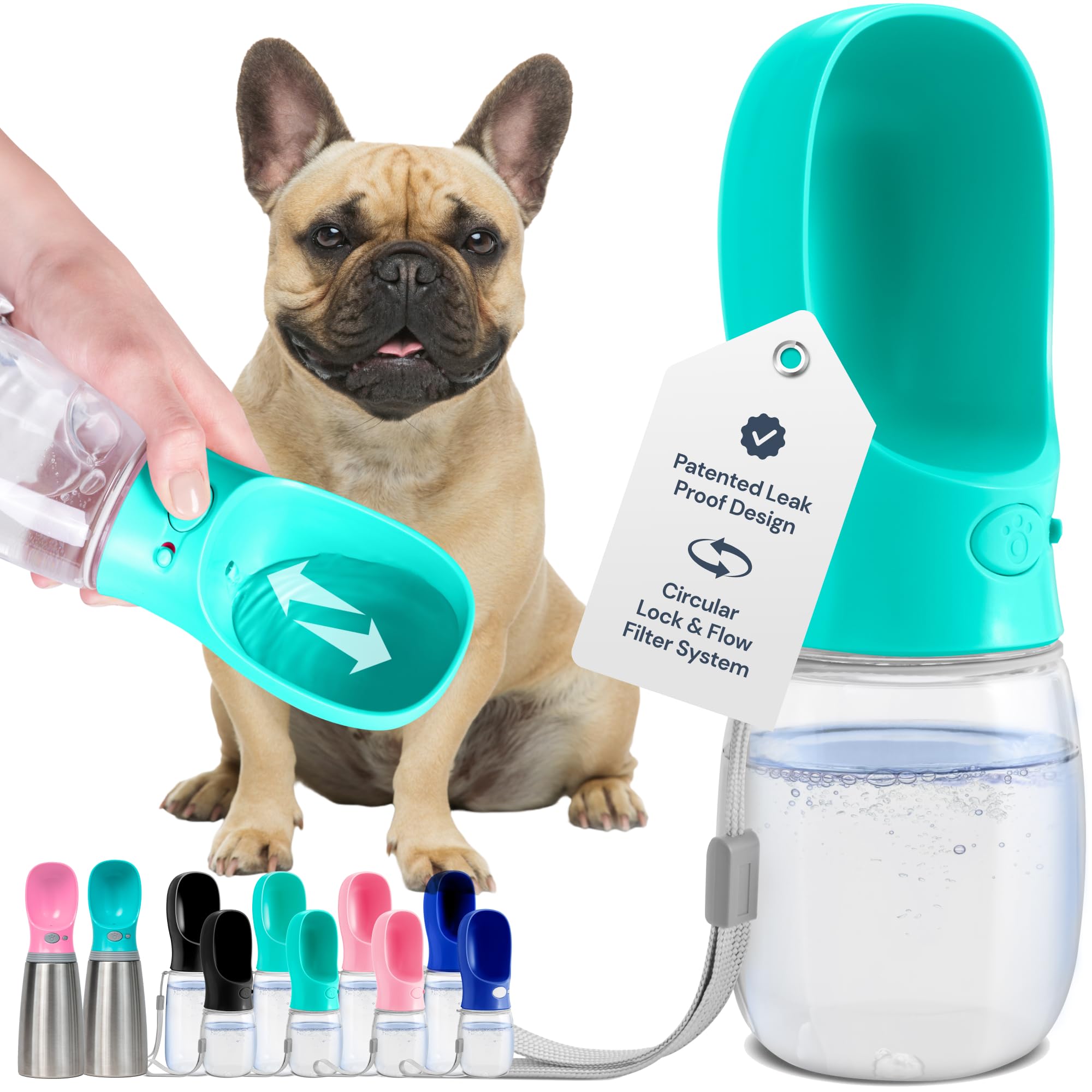
A stock image related to doggy water bottle.
In-depth Look: Manufacturing Processes and Quality Assurance for doggy water bottle
What Are the Key Stages in the Manufacturing Process of Doggy Water Bottles?
The manufacturing of doggy water bottles involves several critical stages, each designed to ensure the final product meets quality and functionality standards.
Material Preparation
The first stage in the manufacturing process is material preparation. Most dog water bottles are crafted from materials like BPA-free plastic, stainless steel, or silicone. Suppliers must source high-quality raw materials that comply with safety regulations and are durable enough to withstand outdoor use. This step includes thorough checks to ensure that materials are free from contaminants and meet the necessary specifications.
Forming Techniques: How Are Doggy Water Bottles Shaped?
Once materials are prepared, the next phase is forming. Different techniques are utilized depending on the material:
- Injection Molding: This is a prevalent method for plastic bottles, where heated plastic is injected into molds to form the desired shape.
- Blow Molding: This technique is often used for hollow bottles, allowing for lightweight designs that maintain strength.
- Metal Fabrication: For stainless steel bottles, processes such as stamping and welding are employed to create robust structures.
These forming techniques allow manufacturers to produce various designs, including those with integrated bowls or collapsible features, catering to diverse customer needs.
Assembly: How Are Components Brought Together?
Following the forming process, the assembly stage combines the various components of the dog water bottle. This could include attaching lids, seals, and any additional features like collapsible bowls or carabiner clips. Manual assembly is common for products requiring precision, while automated processes may be employed for simpler designs.
Finishing: What Ensures the Final Product is Ready for Market?
Finishing processes include polishing, coating, and printing, which enhance the bottle’s aesthetic appeal and functionality. For instance, a non-slip coating might be applied to improve grip, while branding and product information are printed on the surface. This stage is essential for ensuring that the product is visually appealing to B2B buyers and consumers.
What Quality Assurance Standards Should B2B Buyers Consider?
Quality assurance is critical in the manufacturing of doggy water bottles. International standards such as ISO 9001 provide a framework for quality management systems. Compliance with these standards is crucial for ensuring that products are consistently manufactured to meet customer and regulatory requirements.
What Industry-Specific Certifications Are Relevant?
In addition to ISO 9001, specific industry certifications like CE marking for products sold in Europe, and compliance with American Pet Products Association (APPA) guidelines can indicate product safety and reliability. These certifications ensure that the products meet the safety and quality standards specific to pet products.
How Are Quality Control Checkpoints Implemented in Production?
Quality control (QC) is integrated at multiple checkpoints throughout the manufacturing process:
- Incoming Quality Control (IQC): This initial checkpoint involves inspecting raw materials upon arrival to ensure they meet specified standards.
- In-Process Quality Control (IPQC): Ongoing checks during the manufacturing process help to identify defects early, allowing for immediate corrective actions.
- Final Quality Control (FQC): Once production is complete, final inspections are conducted to verify that the finished products conform to quality standards before packaging and shipping.
These checkpoints are crucial for maintaining quality and ensuring that any issues are addressed promptly.
What Common Testing Methods Are Used to Ensure Product Safety?
Testing methods for doggy water bottles typically include:
- Leak Testing: Ensures that the bottles do not leak when filled with water.
- Durability Testing: Assesses the strength and longevity of the materials under typical usage conditions.
- Chemical Safety Testing: Confirms that materials are free from harmful substances, particularly important for products used by pets.
These tests not only ensure product reliability but also enhance brand reputation in the competitive pet accessory market.
How Can B2B Buyers Verify Supplier Quality Control?
B2B buyers can take several steps to verify the quality control measures of their suppliers:
- Supplier Audits: Conducting on-site audits allows buyers to observe the manufacturing processes and QC measures firsthand. This is particularly valuable for buyers from regions like Africa and South America, where local standards may vary.
- Quality Reports: Requesting detailed QC reports from suppliers can provide insight into their testing methods and results.
- Third-Party Inspections: Engaging third-party inspection services can offer an unbiased assessment of the supplier’s quality control processes.
These methods enable buyers to make informed decisions and mitigate risks associated with product quality.
What Are the QC and Certification Nuances for International B2B Buyers?
International B2B buyers, particularly those from diverse markets like Nigeria, Saudi Arabia, and Europe, must navigate various certification requirements and quality expectations. It is vital to understand the specific regulations applicable in the target market, such as:
- Regional Compliance: Different regions have unique safety standards and certifications. For example, products sold in the EU must meet stringent CE marking requirements, while the U.S. market may require compliance with FDA regulations for materials in contact with food and water.
- Cultural Considerations: Buyers should also consider cultural preferences and usage patterns in their respective markets. For instance, dog ownership rates and outdoor activities may vary, influencing the design and features of water bottles.
By being aware of these nuances, buyers can better align their sourcing strategies with market demands and regulatory requirements.
Conclusion: Ensuring Quality in Doggy Water Bottle Manufacturing
In summary, the manufacturing and quality assurance processes for doggy water bottles are multifaceted and require meticulous attention to detail. By understanding the manufacturing stages, quality assurance standards, and verification methods, B2B buyers can ensure they source high-quality products that meet both consumer expectations and regulatory requirements. Engaging in thorough supplier evaluations and understanding regional nuances will further empower buyers to make informed decisions in a competitive market.
Practical Sourcing Guide: A Step-by-Step Checklist for ‘doggy water bottle’
In the competitive landscape of pet supplies, particularly for doggy water bottles, B2B buyers must navigate various factors to ensure quality and functionality. This guide serves as a practical checklist to streamline the sourcing process for your business needs, focusing on critical considerations that can impact both your brand reputation and customer satisfaction.
Step 1: Define Your Technical Specifications
Establishing clear technical specifications is vital for ensuring the products meet your market’s needs. Consider factors such as size, material, and functionality. For instance, specify whether you require a portable design with an attached bowl or a more traditional bottle format.
- Capacity Requirements: Determine the volume of water your target customers may need for their dogs based on activity levels.
- Material Preferences: Opt for BPA-free materials for safety and durability, especially if targeting health-conscious consumers.
Step 2: Research Market Trends
Understanding current market trends will help you select products that resonate with your target audience. Analyze popular features such as leak-proof designs, ease of cleaning, and additional functionalities like treat compartments.
- Consumer Feedback: Look for reviews and testimonials on existing products to gauge what customers appreciate or dislike.
- Competitive Analysis: Identify what similar businesses are offering to ensure your products stand out.
Step 3: Evaluate Potential Suppliers
Thorough vetting of suppliers is crucial to mitigate risks associated with quality and reliability. Request detailed company profiles, including years in business, production capabilities, and prior client references.
- Certifications: Verify that suppliers hold relevant certifications, such as ISO or safety standards, to ensure compliance and quality assurance.
- Production Capacity: Assess whether the supplier can meet your anticipated order volumes, especially during peak seasons.
Step 4: Request Samples for Testing
Before finalizing a supplier, request samples to evaluate product quality firsthand. Testing samples will allow you to assess not only the material quality but also the practicality of the design.
- Functionality Testing: Check for features like leak-proof capabilities and ease of use.
- Durability Assessment: Ensure that the materials used can withstand typical wear and tear, especially for outdoor use.
Step 5: Negotiate Pricing and Terms
Once you have identified a potential supplier, engage in pricing negotiations to secure the best deal without compromising on quality. Consider bulk purchase discounts or favorable payment terms.
- Shipping Costs: Factor in logistics and shipping fees, especially if sourcing from international suppliers.
- Minimum Order Quantities: Clarify the minimum order quantities to align with your inventory management strategies.
Step 6: Confirm Compliance with Regional Regulations
If you are sourcing for specific regions, such as Africa or the Middle East, ensure that the products comply with local regulations regarding pet products. This can include safety standards, import restrictions, and labeling requirements.
- Documentation: Request documentation that confirms compliance with regional safety standards.
- Market Adaptability: Consider whether the product design aligns with cultural preferences and pet ownership trends in the target market.
Step 7: Establish a Reliable Communication Channel
Maintain open lines of communication with your supplier throughout the procurement process. A reliable communication channel fosters transparency and can help resolve issues more efficiently.
- Regular Updates: Schedule regular check-ins to discuss order status, product improvements, and market feedback.
- Feedback Mechanism: Implement a system for providing feedback on product performance and any potential issues encountered.
By following this comprehensive checklist, B2B buyers can confidently navigate the sourcing process for doggy water bottles, ensuring they select the right products that meet market demands and enhance customer satisfaction.
Comprehensive Cost and Pricing Analysis for doggy water bottle Sourcing
What Are the Key Cost Components in Doggy Water Bottle Manufacturing?
When sourcing doggy water bottles, understanding the cost structure is essential for effective budgeting and pricing strategies. The primary cost components include:
-
Materials: The choice of materials significantly influences the cost. Common materials such as BPA-free plastic, stainless steel, or eco-friendly alternatives like corn-based plastics vary in price and durability. High-quality materials can enhance the product’s lifespan, impacting the Total Cost of Ownership (TCO) for buyers.
-
Labor: Labor costs depend on the manufacturing location and the complexity of the production process. Countries with lower wage standards may offer cost advantages, but quality control and labor practices should be evaluated to avoid potential reputational risks.
-
Manufacturing Overhead: This encompasses utilities, rent, and administrative expenses associated with the production facility. Efficient operations can reduce overhead costs, which can be reflected in pricing.
-
Tooling: Initial tooling costs for molds and manufacturing setups can be significant. Custom designs or unique features (like integrated bowls or collapsible designs) may increase tooling costs, impacting the overall pricing strategy.
-
Quality Control (QC): Implementing rigorous QC processes ensures product reliability and compliance with safety standards. This may incur additional costs but is critical for maintaining brand reputation and avoiding costly recalls.
-
Logistics: Shipping and handling costs vary based on the geographical location of suppliers and buyers. Incoterms play a crucial role here, as they dictate who bears the costs and risks during transportation. For international buyers, understanding these terms can lead to substantial savings.
-
Margin: Suppliers typically add a markup to cover costs and generate profit. This margin can vary based on market conditions, competition, and perceived value of the product.
How Do Price Influencers Affect Doggy Water Bottle Sourcing?
Several factors can influence the pricing of doggy water bottles, especially for international B2B buyers:
-
Volume/MOQ: Bulk purchasing often leads to significant discounts. Establishing a minimum order quantity (MOQ) can help negotiate better prices, but buyers should balance volume with storage capabilities.
-
Specifications and Customization: Custom designs or specifications can increase costs. Buyers should assess whether unique features justify the higher prices or if standard models will suffice for their target market.
-
Materials and Quality Certifications: Higher-quality materials and certifications (like FDA approval or eco-labels) can increase costs but may attract a premium market. Buyers should consider the balance between quality and price to meet their target audience’s expectations.
-
Supplier Factors: The supplier’s reputation, reliability, and service level can influence pricing. Established suppliers may command higher prices due to their track record, while emerging suppliers might offer competitive rates to gain market share.
What Are the Best Buyer Tips for Cost Efficiency in Doggy Water Bottle Sourcing?
Navigating the complexities of sourcing doggy water bottles can be daunting, especially for international buyers from regions like Africa, South America, the Middle East, and Europe. Here are some actionable tips:
-
Negotiate Effectively: Leverage your purchasing power by negotiating terms with suppliers. Discuss volume discounts, payment terms, and shipping arrangements to optimize costs.
-
Focus on Total Cost of Ownership (TCO): Evaluate not just the purchase price but also maintenance, durability, and potential replacement costs. A higher upfront cost may lead to lower overall expenses if the product lasts longer.
-
Understand Pricing Nuances: International buyers should be aware of currency fluctuations, tariffs, and import duties that can affect pricing. Engaging with local agents or consultants can provide insights into market conditions and pricing trends.
-
Be Aware of Seasonality: Demand for doggy water bottles may fluctuate based on seasons or events (e.g., summer hikes). Timing your orders can lead to better pricing and availability.
-
Research and Compare: Utilize multiple suppliers to compare prices, quality, and service levels. This not only helps in negotiating better deals but also in understanding market standards.
Disclaimer on Indicative Prices
Prices for doggy water bottles can vary widely based on the aforementioned factors. It is advisable for buyers to conduct thorough market research and obtain quotes from multiple suppliers to ensure competitive pricing and value for their investment.
Alternatives Analysis: Comparing doggy water bottle With Other Solutions
Introduction to Alternative Solutions for Pet Hydration
When it comes to ensuring dogs stay hydrated during outdoor activities, doggy water bottles are a popular choice among pet owners. However, several alternative solutions can also effectively meet this need. This analysis will compare doggy water bottles with other viable options, such as portable water bowls and self-water dispensers. By examining their performance, cost, ease of implementation, maintenance, and best use cases, B2B buyers can make informed decisions tailored to their specific market demands.
Comparison Table of Doggy Water Bottle and Alternatives
| Comparison Aspect | Doggy Water Bottle | Portable Water Bowl | Self-Water Dispenser |
|---|---|---|---|
| Performance | Highly portable; good for hikes | Limited portability; suitable for stops | Continuous water supply; less portable |
| Cost | $10 – $30 | $5 – $20 | $25 – $100 |
| Ease of Implementation | Simple to use; minimal setup | Easy to fill; requires manual handling | Requires installation; complex setup |
| Maintenance | Low; requires occasional cleaning | Low; typically dishwasher safe | Moderate; regular cleaning needed |
| Best Use Case | Hiking and travel with dogs | Short stops during travel | Home use or dog parks |
Detailed Breakdown of Alternatives
Portable Water Bowl: Is It a Practical Choice?
Portable water bowls are lightweight and often made from collapsible materials, making them easy to carry. They are ideal for quick stops and can be filled using any water source. However, their main limitation lies in portability during prolonged activities, as they require a separate water source and manual filling. For businesses catering to dog owners who prioritize short outings or travel, these bowls may offer an appealing, cost-effective solution, especially in regions where hiking is less common.
Self-Water Dispenser: A Long-Term Solution for Hydration
Self-water dispensers provide a continuous supply of water for dogs, making them ideal for home use or dog parks. These dispensers can be connected to a water source and typically feature a gravity-fed design, ensuring a steady flow. While they require more setup and maintenance, they effectively ensure dogs always have access to fresh water. For B2B buyers focusing on pet care facilities or dog-friendly establishments, self-water dispensers can be a valuable investment, enhancing the overall experience for pet owners and their dogs.
Conclusion: Making the Right Choice for Your Market
In choosing the right hydration solution for dogs, B2B buyers should consider their target market’s specific needs and preferences. Doggy water bottles are perfect for active pet owners who enjoy hiking and traveling with their dogs, offering a blend of portability and convenience. In contrast, portable water bowls cater to those who prefer quick stops, while self-water dispensers serve those seeking long-term hydration solutions for home or communal spaces. By understanding these alternatives, businesses can tailor their offerings to meet diverse customer demands, ensuring they provide effective hydration solutions for dogs in various environments.
Essential Technical Properties and Trade Terminology for doggy water bottle
What Are the Key Technical Properties of Doggy Water Bottles for B2B Buyers?
When considering doggy water bottles for retail or distribution, understanding their technical properties is crucial. Here are some essential specifications to keep in mind:
1. Material Grade
Doggy water bottles are typically made from materials like BPA-free plastic, stainless steel, or silicone. The material grade determines durability, safety, and usability. For instance, BPA-free plastics are essential for safety, especially in markets concerned about pet health. Stainless steel offers higher durability and is resistant to rust, making it ideal for outdoor use. Understanding material specifications can influence product longevity and customer satisfaction.
2. Capacity
The capacity of a doggy water bottle is a critical specification that directly affects its usability. Most bottles range from 8 ounces to over 24 ounces. For B2B buyers, considering the intended use—whether for short walks, long hikes, or travel—can inform purchasing decisions. A bottle with a larger capacity may appeal to consumers needing hydration for multiple pets or extended outdoor activities.
3. Leak-proof Design
A leak-proof design is essential for any portable water bottle, especially for those intended for outdoor use. This feature prevents spillage during transport, ensuring that the product remains functional and mess-free. B2B buyers should prioritize sourcing bottles with proven leak-proof mechanisms, as this can significantly affect consumer satisfaction and brand reputation.
4. Ease of Cleaning
The cleaning process for a doggy water bottle can impact its marketability. Bottles designed for easy disassembly or those that are dishwasher safe are more appealing to consumers. Buyers should consider the cleaning requirements when selecting products, as ease of maintenance can lead to higher sales and repeat customers.
5. Portability Features
Portability features, such as carabiner clips, collapsible bowls, or lightweight designs, are crucial for outdoor enthusiasts. These features enhance the user experience by making it easier to carry water for pets during activities. B2B buyers should look for products with innovative portability solutions to cater to active pet owners.
Which Trade Terms Are Commonly Used in the Doggy Water Bottle Industry?
Understanding industry jargon is essential for effective communication in B2B transactions. Here are some key terms relevant to doggy water bottles:
1. OEM (Original Equipment Manufacturer)
OEM refers to companies that produce products that are marketed under another company’s brand. For doggy water bottles, sourcing from an OEM can help businesses offer unique products without investing in manufacturing capabilities. Buyers should evaluate potential OEM partners for quality assurance and reliability.
2. MOQ (Minimum Order Quantity)
MOQ is the smallest quantity of a product that a supplier is willing to sell. Understanding MOQ is vital for budgeting and inventory planning. For doggy water bottles, MOQs can vary based on the manufacturer and product type. Buyers should negotiate MOQs that align with their sales projections to optimize cash flow.
3. RFQ (Request for Quotation)
An RFQ is a document sent to suppliers asking for pricing and terms for specific products. When sourcing doggy water bottles, buyers can use RFQs to gather competitive pricing and assess supplier capabilities. This process is crucial for informed purchasing decisions and cost management.
4. Incoterms
Incoterms (International Commercial Terms) define the responsibilities of buyers and sellers in international shipping. They specify who bears the risk and costs at various stages of transportation. Understanding Incoterms is essential for B2B buyers involved in cross-border transactions to avoid disputes and ensure smooth logistics.
5. SKU (Stock Keeping Unit)
A SKU is a unique identifier for each distinct product and service that can be purchased. For doggy water bottles, having SKUs helps retailers manage inventory efficiently. Buyers should consider SKU organization for better tracking and sales analysis.
By grasping these technical properties and trade terms, B2B buyers can make informed decisions when sourcing doggy water bottles, ultimately enhancing their product offerings and customer satisfaction.
Navigating Market Dynamics and Sourcing Trends in the doggy water bottle Sector
What Are the Current Market Dynamics and Key Trends in the Doggy Water Bottle Sector?
The doggy water bottle sector is experiencing notable growth driven by several global trends. Increasing pet ownership, particularly in emerging markets in Africa and South America, is creating a surge in demand for pet hydration products. Urbanization is pushing pet owners to seek portable and convenient solutions that fit their active lifestyles, especially in regions like Nigeria and Saudi Arabia where outdoor activities are popular. Moreover, the rise of eco-conscious consumers is influencing product design, with a focus on sustainability and functionality.
Technological advancements are also shaping the market. Smart water bottles equipped with sensors to monitor hydration levels and integrated features for ease of use are becoming more prevalent. B2B buyers are particularly interested in sourcing products that offer unique features, such as leak-proof designs, collapsible bowls, and materials that are safe for both pets and the environment. Additionally, the trend toward customization allows businesses to cater to local markets by offering products in various sizes and colors that resonate with regional preferences.
Furthermore, the competitive landscape is evolving with the entry of new players and the expansion of existing brands. International buyers must navigate this dynamic environment by establishing strong supplier relationships and ensuring product quality to differentiate themselves in the market.
How Important Is Sustainability and Ethical Sourcing in the Doggy Water Bottle Market?
Sustainability and ethical sourcing have become imperative for B2B buyers in the doggy water bottle sector. The environmental impact of plastic waste is prompting companies to seek alternatives made from sustainable materials. Products crafted from recycled plastics, biodegradable components, or plant-based materials are gaining traction, appealing to eco-conscious consumers and retailers alike.
Moreover, ethical supply chains are crucial for building brand reputation and trust. B2B buyers are increasingly scrutinizing their suppliers’ practices, ensuring that they adhere to ethical labor standards and sustainable manufacturing processes. Certifications such as Fair Trade and ISO 14001 for environmental management can enhance credibility and marketability.
As consumers demand transparency, businesses that prioritize sustainability and ethical sourcing are likely to achieve a competitive edge. This commitment not only meets market expectations but also aligns with global initiatives to reduce carbon footprints and promote responsible consumption.
How Has the Doggy Water Bottle Market Evolved Over Time?
The evolution of the doggy water bottle market reflects broader changes in consumer behavior and product innovation. Initially, dog water bottles were simple, utilitarian designs focused primarily on functionality. However, as pet ownership has surged, particularly among millennials and urban dwellers, there has been a shift toward more sophisticated products that blend aesthetics with practicality.
The introduction of features such as integrated bowls, collapsible designs, and even smart technology has transformed the market. These innovations cater to the needs of modern pet owners who value convenience and style. Additionally, the growing emphasis on sustainability has led to the development of eco-friendly materials and production methods, marking a significant shift in how products are designed and marketed.
As the market continues to grow and evolve, B2B buyers must stay informed about these trends to effectively source products that meet the demands of an increasingly discerning consumer base.
Frequently Asked Questions (FAQs) for B2B Buyers of doggy water bottle
-
How do I choose the right doggy water bottle for my business needs?
When selecting a doggy water bottle for your business, consider factors such as portability, capacity, and material. Evaluate your target market’s preferences—are they looking for lightweight options for hiking or durable bottles for everyday use? Check for features like leak-proof designs and easy cleaning, as these enhance user experience. Additionally, assess the aesthetic appeal and branding opportunities, as these can influence purchasing decisions. Conduct surveys or gather feedback from potential customers to align your offerings with market demands. -
What is the best material for doggy water bottles?
The best materials for doggy water bottles typically include BPA-free plastic, stainless steel, and silicone. BPA-free plastic is lightweight and affordable, making it popular for budget-conscious buyers. Stainless steel offers durability and insulation, keeping water cool for longer periods, which is ideal for outdoor adventures. Silicone is flexible and collapsible, providing convenience for storage. Assess your target market’s preferences and potential environmental concerns when deciding on materials, as eco-friendly options may appeal to a growing segment of consumers. -
What customization options should I consider for doggy water bottles?
Customization can significantly enhance the appeal of your doggy water bottles. Options include logo printing, color variations, and unique designs that reflect your brand identity. You may also consider functional customizations, such as adding detachable bowls or treat compartments. Collaborating with suppliers who offer flexible manufacturing processes will enable you to meet specific customer requests effectively. Ensure that your customization options align with market trends and consumer preferences to maximize their impact. -
What are the typical minimum order quantities (MOQ) for doggy water bottles?
Minimum order quantities for doggy water bottles can vary significantly based on the manufacturer and the complexity of the product. Generally, MOQs can range from 500 to several thousand units. It’s essential to discuss MOQs with potential suppliers early in the negotiation process to ensure they align with your business strategy. If you are a smaller business or just starting, consider seeking suppliers willing to work with lower MOQs or exploring dropshipping options to minimize upfront investment. -
What payment terms are common in international trade for doggy water bottles?
Payment terms in international trade often include options such as Letters of Credit, telegraphic transfers (T/T), and PayPal. A common structure is a 30% deposit upon order confirmation and the remaining 70% before shipment. It’s crucial to establish clear payment terms with your supplier to avoid misunderstandings and ensure smooth transactions. Additionally, consider the currency fluctuations and transaction fees that may impact your overall costs, especially when dealing with suppliers across different regions. -
How can I ensure the quality of doggy water bottles from suppliers?
To ensure quality, implement a robust supplier vetting process. Start by reviewing supplier certifications, such as ISO standards, which indicate adherence to quality management practices. Request product samples to assess material quality, functionality, and safety. Establish a quality assurance protocol that includes regular inspections during production and before shipment. Consider third-party quality audits for added assurance. Building a long-term relationship with reliable suppliers can also help maintain consistent quality in your product offerings. -
What logistics considerations should I keep in mind when sourcing doggy water bottles?
Logistics is crucial in international sourcing. Evaluate shipping methods, transit times, and costs to determine the most efficient options for your business. Consider the location of your suppliers and the proximity to major shipping routes. Be aware of customs regulations and tariffs that could impact your total landed cost. Collaborating with a logistics partner experienced in international trade can help streamline the process and mitigate potential delays or complications during shipping. -
How do I effectively market doggy water bottles to international buyers?
To market doggy water bottles effectively to international buyers, leverage digital marketing strategies tailored to specific regions. Utilize social media platforms popular in your target markets, and consider localized content that resonates with cultural preferences. Attend international trade shows to showcase your products and network with potential buyers. Additionally, offer competitive pricing and highlight unique selling points, such as eco-friendliness or innovative designs. Building strong relationships with distributors in your target regions can also enhance your market reach.
Important Disclaimer & Terms of Use
⚠️ Important Disclaimer
The information provided in this guide, including content regarding manufacturers, technical specifications, and market analysis, is for informational and educational purposes only. It does not constitute professional procurement advice, financial advice, or legal advice.
While we have made every effort to ensure the accuracy and timeliness of the information, we are not responsible for any errors, omissions, or outdated information. Market conditions, company details, and technical standards are subject to change.
B2B buyers must conduct their own independent and thorough due diligence before making any purchasing decisions. This includes contacting suppliers directly, verifying certifications, requesting samples, and seeking professional consultation. The risk of relying on any information in this guide is borne solely by the reader.
Top 4 Doggy Water Bottle Manufacturers & Suppliers List
1. OllyDog – The OllyBottle
Domain: ollydog.com
Registered: 2004 (21 years)
Introduction: The OllyBottle – Dog Water Bottle | OllyDog
– Available colors: Plum, Grass, Grey, Ocean, Flame
– Price: From $12.95
– Features: Water Sharing System
– Based in Boulder, CO
– Designed for durability, functionality, and smart design
– Suitable for adventures with dogs
2. Reddit – Collapsible Dog Bowl
Domain: reddit.com
Registered: 2005 (20 years)
Introduction: Lightweight, holds enough water for big dogs, collapsible bowl recommended, 40oz capacity mentioned, gallon jug preferred by some users.
3. Springland Pets – 22oz Original Springer Dog Travel Water Bottle
Domain: springerpets.com
Registered: 2021 (4 years)
Introduction: {“name”:”22oz Original Springer Dog Travel Water Bottle”,”brand”:”Springland Pets”,”size”:”22oz”,”colors”:[“Green”,”Lilac”,”Sky Blue”,”Poppy”,”Cotton Candy”,”Indigo”,”Grey”],”price”:”$25 USD”,”features”:[“One-handed hydration”,”Squeeze-to-drink design”,”Leak-proof lock design”,”BPA-free, food-grade materials”,”Includes carabiner for easy attachment”,”Dishwasher safe (top rack only)”],”awards”:[“As…
4. Springland Pets – Dog Travel Water Bottles

Domain: springlandpets.com
Registered: 2024 (1 years)
Introduction: Springland Pets offers innovative dog essentials, particularly focusing on dog travel water bottles. Key products include: 15oz Mini, 20oz Flip, 22oz Classic, 44oz Growler, and 24oz Dog & Me Insulated Water Bottle, with prices ranging from $12 to $35. The 20oz Flip is priced at $28 and features a squeeze-to-fill mechanism, leak-tight lock, and is available in multiple colors including Green, Lilac…
Strategic Sourcing Conclusion and Outlook for doggy water bottle
In the competitive landscape of the pet care industry, strategic sourcing of doggy water bottles can significantly enhance your product offerings and meet the diverse needs of pet owners. Key insights from recent trends emphasize the importance of portability, leak-proof designs, and additional features such as collapsible bowls and integrated treat compartments. These attributes not only cater to the growing demand for convenience but also align with the increasing focus on outdoor activities and pet wellness.
For international B2B buyers, particularly those in emerging markets like Nigeria and Saudi Arabia, investing in high-quality dog water bottles can set your business apart in a crowded marketplace. As pet ownership continues to rise globally, the potential for growth in this segment is substantial. By sourcing innovative and durable products, you can capitalize on this trend while enhancing customer satisfaction.
Looking forward, now is the time to explore partnerships with reliable manufacturers who prioritize quality and sustainability. Embrace the opportunity to elevate your brand’s presence in the pet care sector and respond to the evolving preferences of pet owners. Begin your strategic sourcing journey today to secure a competitive edge in the doggy water bottle market.