Introduction: Navigating the Global Market for free bpa water bottles
As the demand for eco-friendly products continues to rise globally, sourcing free BPA water bottles has emerged as a key priority for B2B buyers. Companies are increasingly faced with the challenge of providing safe and sustainable hydration solutions for their employees, customers, and communities. This comprehensive guide addresses critical aspects of sourcing, including the various types of BPA-free bottles, their applications across different industries, and insights into supplier vetting processes.
International buyers, particularly from regions such as Africa, South America, the Middle East, and Europe, will find valuable information on cost considerations, quality certifications, and the environmental impact of their choices. By understanding the nuances of the global market for BPA-free bottles, businesses can make informed purchasing decisions that align with their sustainability goals and consumer expectations.
This guide empowers B2B buyers to navigate the complexities of sourcing by providing actionable insights and best practices. From identifying reliable suppliers to evaluating product specifications, readers will gain the knowledge necessary to select high-quality, BPA-free water bottles that not only meet regulatory standards but also resonate with the growing trend toward environmental responsibility. As you delve into the sections ahead, you will discover how to effectively balance cost, quality, and sustainability in your procurement strategies.
Understanding free bpa water bottles Types and Variations
| Type Name | Key Distinguishing Features | Primary B2B Applications | Brief Pros & Cons for Buyers |
|---|---|---|---|
| Tritan Plastic Bottles | Durable, lightweight, and shatter-resistant | Corporate gifts, events | Pros: BPA-free, customizable designs. Cons: May be more expensive than basic plastic. |
| Stainless Steel Bottles | Insulated, rust-resistant, often double-walled | Outdoor activities, employee gifts | Pros: Long-lasting, maintains temperature. Cons: Heavier and pricier than plastic options. |
| Recycled RPET Bottles | Made from recycled plastics, eco-friendly | Sustainability initiatives | Pros: Supports eco-friendly branding. Cons: Limited color choices, may not be as durable. |
| Collapsible Silicone Bottles | Space-saving, lightweight, flexible | Travel, events | Pros: Portable, easy to store. Cons: Can be less sturdy than rigid options. |
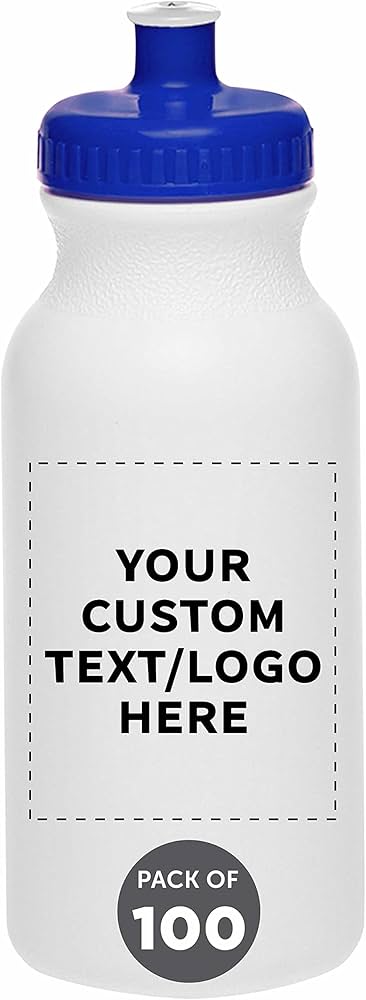
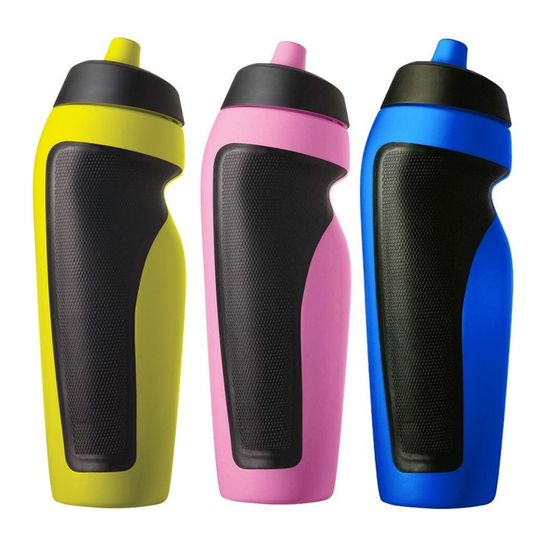
| Customizable Sports Bottles | Variety of sizes and colors, often with branding options | Promotions, giveaways | Pros: High visibility for brands. Cons: May require minimum order quantities. |
What Are Tritan Plastic Bottles and Their B2B Suitability?
Tritan plastic bottles are known for their exceptional durability and lightweight properties, making them ideal for various B2B applications, such as corporate gifting and event promotions. These bottles are shatter-resistant and BPA-free, ensuring safety for users. When considering Tritan bottles, buyers should evaluate customization options for branding and the potential for higher costs compared to standard plastic bottles. Their appealing design and functionality can enhance brand visibility while promoting hydration among employees or clients.
Why Choose Stainless Steel Bottles for Corporate Use?
Stainless steel bottles offer a premium choice for businesses looking to invest in long-lasting hydration solutions. With their insulated features, these bottles can keep beverages hot or cold for extended periods, making them suitable for outdoor activities and corporate gifts. Buyers should consider the initial investment, as stainless steel options tend to be pricier and heavier than plastic counterparts. However, their durability and aesthetic appeal can provide significant returns in employee satisfaction and brand loyalty.
How Do Recycled RPET Bottles Support Sustainability Goals?
Recycled RPET bottles are an excellent choice for businesses committed to sustainability and eco-friendly practices. Made from recycled plastics, these bottles help reduce environmental impact and promote a greener brand image. While they are often less durable than traditional plastic bottles, their eco-friendly nature can resonate well with consumers and clients who prioritize environmental responsibility. B2B buyers should weigh the benefits of supporting sustainability initiatives against the limited customization options available.
What Advantages Do Collapsible Silicone Bottles Offer for Events?
Collapsible silicone bottles are designed for convenience and portability, making them ideal for travel and event giveaways. Their lightweight and flexible nature allows for easy storage, which is particularly beneficial for businesses attending trade shows or corporate retreats. However, buyers should note that while these bottles are space-saving, they may not offer the same level of sturdiness as rigid options. Evaluating the target audience’s preferences can help determine if the practicality of collapsible bottles aligns with the company’s promotional goals.
Why Are Customizable Sports Bottles Popular for Promotions?
Customizable sports bottles are a popular choice for businesses looking to enhance brand visibility through promotional products. Available in various sizes and colors, these bottles can be tailored to reflect a company’s branding, making them perfect for giveaways and events. While they provide high exposure for brands, buyers should consider minimum order quantities and the production timeline when planning their promotional strategies. Investing in customizable bottles can yield significant marketing benefits, especially when targeting active demographics.
Key Industrial Applications of free bpa water bottles
| Industry/Sector | Specific Application of Free BPA Water Bottles | Value/Benefit for the Business | Key Sourcing Considerations for this Application |
|---|---|---|---|
| Food and Beverage | Employee hydration stations in food processing facilities | Enhances employee health and productivity | Compliance with food safety regulations, durability |
| Outdoor Recreation | Custom branded bottles for outdoor events and tours | Increases brand visibility and customer engagement | Customization options, material sustainability |
| Corporate Wellness Programs | BPA-free bottles for employee wellness initiatives | Promotes healthy lifestyle and boosts employee morale | Bulk purchasing options, ergonomic designs |
| Education | Reusable bottles for schools and educational institutions | Supports sustainability initiatives and reduces waste | Cost-effectiveness, variety of sizes and colors |
| Hospitality | Guest amenities in hotels and resorts | Enhances guest experience and brand loyalty | Aesthetic appeal, ability to customize with branding |
How Are Free BPA Water Bottles Utilized in the Food and Beverage Industry?
In the food and beverage sector, free BPA water bottles are essential for hydration stations in processing facilities. These bottles help maintain employee health, ensuring they stay hydrated during long shifts, which can lead to improved productivity and reduced workplace accidents. Buyers in this sector must ensure that the bottles comply with food safety regulations and are durable enough to withstand frequent use in industrial environments.
What Role Do Free BPA Water Bottles Play in Outdoor Recreation?
Outdoor recreation companies often utilize custom-branded free BPA water bottles during events and tours. These bottles serve as both functional hydration solutions and promotional items, enhancing brand visibility while encouraging participants to stay hydrated. For international buyers, sourcing options should include customization capabilities and a focus on sustainable materials, aligning with eco-conscious consumer trends.
How Can Free BPA Water Bottles Enhance Corporate Wellness Programs?
In corporate wellness programs, BPA-free bottles are increasingly used to promote healthy habits among employees. By providing these reusable bottles, companies encourage hydration, which can lead to increased energy levels and overall employee satisfaction. When sourcing, businesses should consider bulk purchasing options and ergonomic designs that appeal to a diverse workforce, ensuring usability across different demographics.
Why Are Free BPA Water Bottles Important in Educational Settings?
Schools and educational institutions leverage free BPA water bottles as part of their sustainability initiatives. By providing students with reusable bottles, these institutions reduce single-use plastic waste and promote eco-friendly practices. Buyers in this sector should focus on cost-effectiveness and a range of sizes and colors to cater to different age groups and preferences, ensuring widespread adoption among students.
How Do Free BPA Water Bottles Improve Guest Experience in Hospitality?
In the hospitality industry, hotels and resorts use free BPA water bottles as part of their guest amenities. These bottles not only enhance the guest experience by providing convenient hydration options but also contribute to brand loyalty when customized with hotel logos. Sourcing considerations for hospitality buyers should include aesthetic appeal and the ability to customize bottles to reflect the hotel’s branding and ethos.
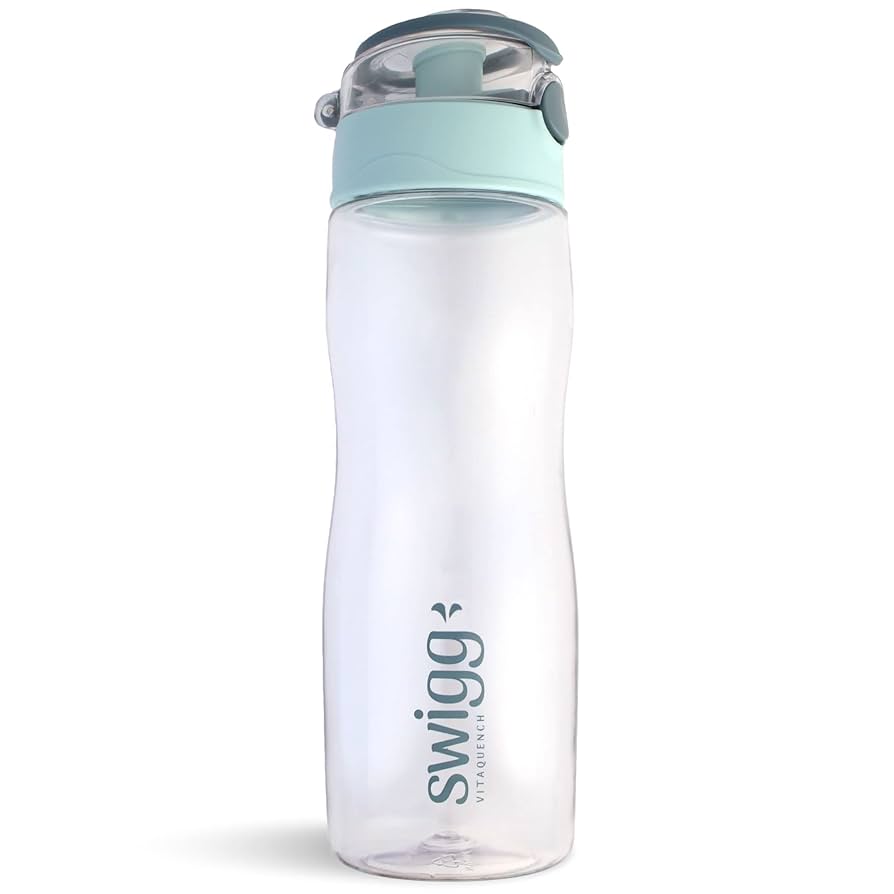
A stock image related to free bpa water bottles.
3 Common User Pain Points for ‘free bpa water bottles’ & Their Solutions
Scenario 1: Navigating Regulatory Compliance for BPA-Free Water Bottles
The Problem: B2B buyers, particularly in regions like Europe and North America, face stringent regulations regarding the use of materials in consumer products. The challenge lies in ensuring that the free BPA-free water bottles they source comply with local and international safety standards. This is especially critical for companies in the food and beverage industry where any non-compliance can lead to severe legal repercussions and damage to brand reputation. Buyers often struggle with verifying the certifications of their suppliers, leading to uncertainty about the safety and legality of their products.
The Solution: To effectively navigate regulatory compliance, B2B buyers should establish a thorough vetting process for their suppliers. This includes requesting documentation that verifies the BPA-free status of the bottles, such as Certificates of Compliance or Material Safety Data Sheets (MSDS). Additionally, buyers can utilize third-party testing services to independently verify that the materials meet local regulations. Implementing a checklist of compliance requirements based on their target markets can streamline the sourcing process. Regular audits of suppliers and maintaining open communication about regulatory updates can further mitigate risks.
Scenario 2: Addressing Sustainability Concerns in Bulk Purchases
The Problem: Many businesses are under increasing pressure to adopt sustainable practices, particularly in regions where environmental awareness is high. B2B buyers often find it challenging to source free BPA water bottles that not only meet their needs but also align with their sustainability goals. The concern is not only about the materials used but also about the overall lifecycle of the products, including their recyclability and environmental impact.
The Solution: To address sustainability concerns, B2B buyers should prioritize suppliers who offer eco-friendly options, such as bottles made from recycled materials or those that are fully recyclable. It is essential to look for certifications such as the Recycling Symbol or other eco-labels that indicate responsible manufacturing practices. Buyers can also consider engaging in partnerships with suppliers that have a proven track record in sustainability. For instance, implementing a take-back program for used bottles can enhance the sustainability aspect of their offering while promoting a circular economy. Highlighting these efforts in marketing materials can also resonate well with environmentally conscious consumers.
Scenario 3: Managing Customization and Branding Needs
The Problem: Many businesses seek to leverage promotional products, such as free BPA-free water bottles, to enhance brand visibility. However, B2B buyers often encounter limitations when it comes to customization options. This can lead to frustration, as generic products may not effectively convey the brand message or connect with the target audience, diminishing the overall impact of the promotional campaign.
The Solution: To effectively manage customization and branding needs, B2B buyers should collaborate closely with manufacturers who specialize in customizable products. This collaboration should focus on understanding the specific branding requirements, including color schemes, logo placement, and unique design elements. Buyers can request samples to assess the quality of customization before placing large orders. Additionally, exploring various materials and bottle shapes can help differentiate their promotional items in the market. Leveraging digital printing technologies can also provide more flexibility in design, enabling businesses to create more engaging and visually appealing products that resonate with their audience.
Strategic Material Selection Guide for free bpa water bottles
When selecting materials for BPA-free water bottles, it’s essential to consider various factors that influence product performance, cost, and compliance with international standards. Below is an analysis of four common materials used in the production of BPA-free water bottles, focusing on their properties, advantages, disadvantages, and implications for international B2B buyers.
What are the Key Properties of Tritan™ Copolyester for BPA-Free Water Bottles?
Tritan™ copolyester is a popular choice for BPA-free water bottles due to its excellent clarity and durability. It has a high-temperature resistance, typically rated up to 90°C (194°F), making it suitable for both cold and hot beverages. Tritan also exhibits good impact resistance, which is crucial for active lifestyles.
Pros: Tritan is lightweight, shatter-resistant, and dishwasher safe, making it easy to clean and maintain. Its clarity mimics glass, appealing to consumers who prefer a premium look.
Cons: The manufacturing process for Tritan can be more complex than traditional plastics, potentially increasing production costs. Additionally, it may not be as recyclable as other materials, which can be a concern for environmentally conscious buyers.
Impact on Application: Tritan is compatible with a wide range of beverages and is resistant to staining and odors, making it ideal for various applications, including sports and outdoor activities.
How Does Polypropylene Compare as a Material for BPA-Free Water Bottles?
Polypropylene (PP) is another common material used in BPA-free water bottles. It has a high melting point of around 160°C (320°F), which allows it to withstand higher temperatures without deforming. Its chemical resistance makes it suitable for various liquids.
Pros: PP is cost-effective and has good flexibility, which can enhance the durability of the bottles. It is also recyclable, aligning with sustainability goals.
Cons: While durable, polypropylene can become brittle over time, especially when exposed to UV light. This may limit its lifespan compared to other materials.
Impact on Application: Polypropylene is suitable for cold beverages and can handle some hot liquids, though it may not be ideal for prolonged exposure to high temperatures.
What Advantages Does Stainless Steel Offer for BPA-Free Water Bottles?
Stainless steel is increasingly popular for BPA-free water bottles, especially in markets focused on durability and sustainability. It has excellent corrosion resistance and can maintain the temperature of liquids for extended periods.
Pros: Stainless steel is incredibly durable, resistant to rust and corrosion, and typically BPA-free. It’s also easy to clean and offers a premium feel.
Cons: The initial manufacturing costs for stainless steel bottles are higher than for plastic options. Additionally, they can be heavier, which may be a drawback for some consumers.
Impact on Application: Stainless steel is suitable for both hot and cold beverages, making it versatile for various markets, including outdoor and fitness sectors.
What Role Does RPET Play in Sustainable BPA-Free Water Bottle Production?
Recycled PET (RPET) is gaining traction as a sustainable option for BPA-free water bottles. It is made from recycled plastic, reducing the environmental impact associated with new plastic production.
Pros: RPET is lightweight, cost-effective, and has a good clarity similar to virgin PET. It also supports sustainability initiatives, appealing to eco-conscious buyers.
Cons: The strength and durability of RPET can be lower than that of virgin PET or Tritan, potentially affecting the longevity of the bottles. The recycling process can also introduce contaminants that may impact performance.
Impact on Application: RPET is suitable for cold beverages and aligns with growing consumer demand for environmentally friendly products.
Summary Table of Material Selection for BPA-Free Water Bottles
| Material | Typical Use Case for free bpa water bottles | Key Advantage | Key Disadvantage/Limitation | Relative Cost (Low/Med/High) |
|---|---|---|---|---|
| Tritan™ Copolyester | Sports and outdoor activities | Shatter-resistant and lightweight | Higher manufacturing complexity | Medium |
| Polypropylene | Everyday use, cold beverages | Cost-effective and flexible | Can become brittle over time | Low |
| Stainless Steel | Hot and cold beverages, premium markets | Durable and corrosion-resistant | Higher initial cost and weight | High |
| RPET | Eco-friendly products | Supports sustainability initiatives | Lower strength and potential contaminants | Medium |
By carefully considering these materials, international B2B buyers can make informed decisions that align with their product requirements, market demands, and sustainability goals.
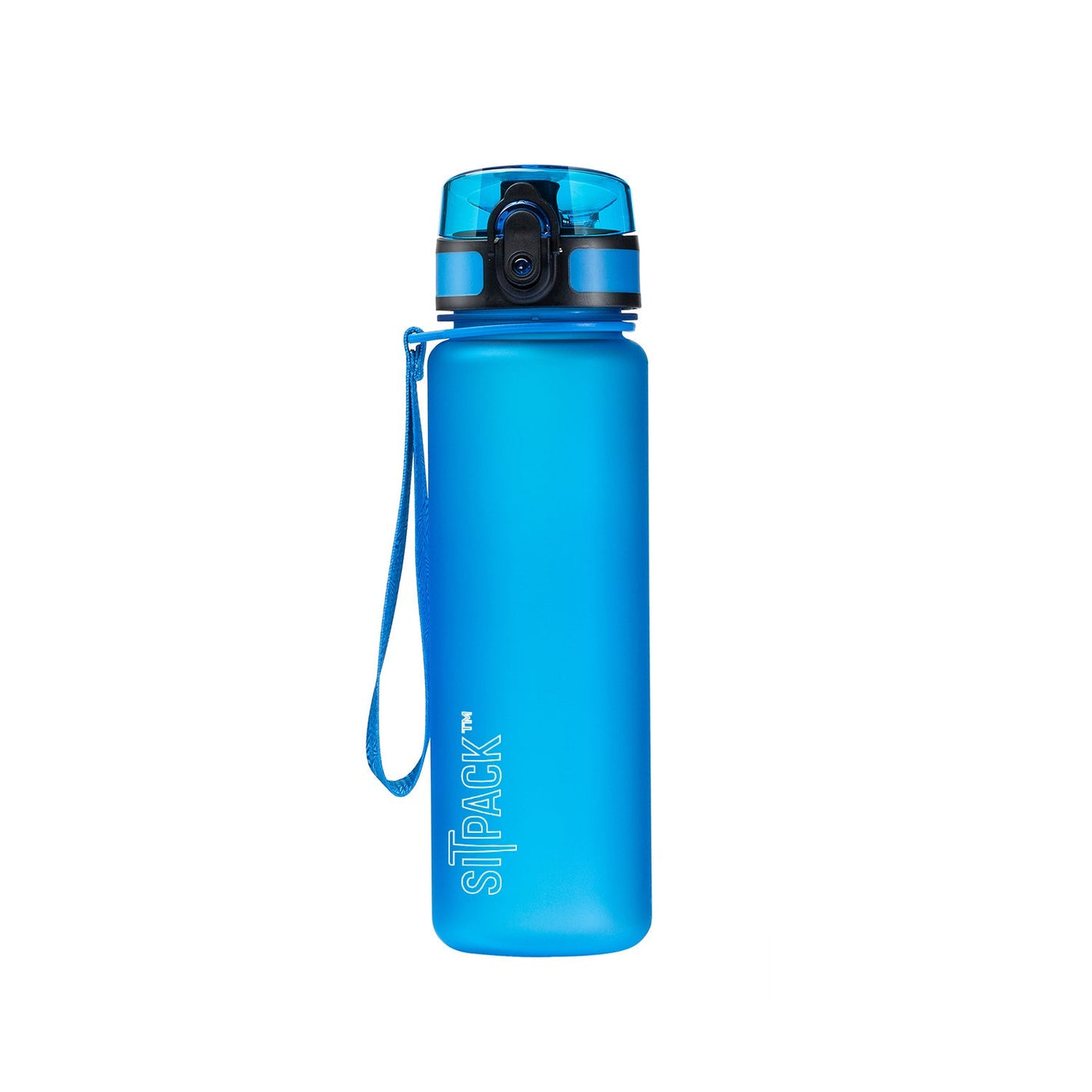
A stock image related to free bpa water bottles.
In-depth Look: Manufacturing Processes and Quality Assurance for free bpa water bottles
What Are the Main Stages in the Manufacturing Process of BPA-Free Water Bottles?
The production of BPA-free water bottles involves several critical stages that ensure both product quality and safety. Understanding these stages can aid B2B buyers in making informed decisions when selecting suppliers.
Material Preparation
The first step in the manufacturing process is material preparation. BPA-free bottles are typically made from alternative plastics such as Tritan™, polyethylene, or polypropylene, which do not contain harmful bisphenol compounds. The raw materials undergo rigorous quality assessments to ensure they meet industry standards. This stage includes:
- Sourcing: Reputable manufacturers source high-quality, food-grade materials from verified suppliers.
- Testing: Before production, materials are subjected to tests for chemical composition, durability, and safety compliance.
- Storage: Proper storage conditions are maintained to prevent contamination or degradation of the materials.
Forming Techniques
Once materials are prepared, they undergo various forming techniques to create the desired bottle shapes. Common methods include:
- Injection Molding: This is one of the most widely used techniques for creating plastic bottles. Plastic pellets are melted and injected into molds, forming the bottle shape.
- Blow Molding: For hollow structures, blow molding is employed. A preform is heated and then inflated with air to take the shape of the mold.
- Extrusion: This method is used for producing bottles with complex designs. It involves forcing melted plastic through a mold to create a continuous profile that is then cut to size.
Each forming technique has its benefits and is chosen based on the design and functionality of the bottle.
Assembly and Finishing
After forming, the next stage involves assembly and finishing. This includes:
- Cap and Lid Attachment: Depending on the design, caps are either molded separately or attached after the bottle is formed.
- Labeling: Branding and product information are added through printing or labeling processes. This is crucial for marketing and compliance with regulations.
- Quality Checks: During this phase, bottles undergo initial quality checks to ensure they meet design specifications and are free from defects.
How Is Quality Control Implemented in BPA-Free Bottle Manufacturing?
Quality control (QC) is vital in ensuring that BPA-free water bottles meet safety and quality standards. Manufacturers typically adhere to various international and industry-specific standards, including ISO 9001, CE, and API certifications.
What Are the Relevant International Standards for BPA-Free Bottles?
- ISO 9001: This standard focuses on quality management systems and ensures that manufacturers consistently meet customer and regulatory requirements.
- CE Marking: For products sold in the European market, CE marking indicates compliance with health, safety, and environmental protection standards.
- API Certification: This is particularly relevant for products that may interact with food and beverages, ensuring they are safe for consumption.
B2B buyers should ensure that their suppliers are compliant with these standards, which can be verified through documentation and certifications.
What Are the QC Checkpoints in the Manufacturing Process?
Quality control is implemented at various checkpoints throughout the manufacturing process:
- Incoming Quality Control (IQC): This involves inspecting raw materials upon arrival to ensure they meet specified standards.
- In-Process Quality Control (IPQC): Continuous monitoring during production helps identify defects early. This includes inspections at each stage of the manufacturing process.
- Final Quality Control (FQC): Before products are shipped, final inspections are conducted to ensure that bottles meet all quality and safety requirements.
What Testing Methods Are Commonly Used for BPA-Free Water Bottles?
Testing is essential for validating the safety and durability of BPA-free bottles. Common testing methods include:
- Chemical Migration Testing: This assesses the potential for harmful substances to leach from the plastic into liquids.
- Mechanical Testing: Bottles undergo stress tests to evaluate their strength and resistance to impacts.
- Thermal Testing: This ensures that bottles can withstand temperature variations without deforming or releasing toxins.
How Can B2B Buyers Verify Supplier Quality Control?
B2B buyers have several options to verify the quality control measures of potential suppliers:
- Audits: Conducting on-site audits allows buyers to assess manufacturing processes, QC measures, and compliance with standards.
- Reports and Certifications: Requesting documentation on quality certifications and test results can provide assurance of a supplier’s commitment to quality.
- Third-Party Inspections: Engaging independent inspection agencies can offer unbiased assessments of product quality and compliance.
What Are the Quality Control Nuances for International B2B Buyers?
International B2B buyers, particularly from regions such as Africa, South America, the Middle East, and Europe, should be aware of specific nuances in quality control:
- Regulatory Differences: Different countries may have varying regulations regarding product safety and quality. Understanding these differences is crucial for compliance.
- Cultural Considerations: Communication styles and business practices may differ, impacting negotiations and quality expectations. Establishing clear agreements is essential.
- Logistics and Supply Chain Risks: Ensure that suppliers can maintain quality throughout the shipping process, as international transport can introduce risks such as damage or contamination.
By understanding the manufacturing processes and quality assurance measures involved in producing BPA-free water bottles, B2B buyers can make informed decisions and select reliable suppliers that meet their quality standards. This not only ensures product safety but also contributes to building a sustainable and reputable brand in the market.
Practical Sourcing Guide: A Step-by-Step Checklist for ‘free bpa water bottles’
Introduction
This guide serves as a comprehensive checklist for B2B buyers looking to source free BPA water bottles. As awareness around health and environmental sustainability increases, the demand for BPA-free products is on the rise. This checklist will help you navigate the sourcing process effectively, ensuring you find reliable suppliers and quality products that meet your specific needs.
Step 1: Define Your Technical Specifications
Start by establishing the exact specifications for the BPA-free water bottles you wish to procure. Consider factors such as size, design, material, and usability.
– Key Considerations: Will the bottles be used for promotional purposes or everyday hydration? Are there specific design elements that align with your brand identity?
Step 2: Research Compliance and Safety Standards
Verify that the products comply with international safety standards for BPA-free materials. This is crucial for ensuring the safety and health of end-users.
– What to Look For: Certifications from recognized organizations such as FDA or EU regulations that affirm the bottles are free from harmful chemicals.
Step 3: Evaluate Potential Suppliers
Before committing to a supplier, conduct a thorough evaluation. Request company profiles, case studies, and references from previous buyers, especially those in your industry or region.
– Why It Matters: A well-vetted supplier is more likely to provide consistent quality and timely delivery, minimizing risks in your supply chain.
Step 4: Request Samples for Quality Assessment
Always ask for samples before placing a bulk order. This allows you to evaluate the quality, durability, and functionality of the bottles firsthand.
– What to Observe: Check for design flaws, material quality, and overall finish. Assess how well the bottles hold liquids and whether they maintain temperature if insulation is a feature.
Step 5: Negotiate Terms and Pricing
Engage in discussions with potential suppliers about pricing, payment terms, and delivery schedules. Aim for a win-win scenario that ensures both parties are satisfied.
– Tips for Negotiation: Consider bulk discounts and inquire about any additional costs that may arise during shipping or customization.
Step 6: Confirm Customization Options
If you plan to brand the water bottles, confirm the customization options available with the supplier. This could include printing your logo or selecting specific colors that align with your brand.
– Customization Benefits: Custom-branded bottles can enhance brand visibility and customer loyalty, making them an effective marketing tool.
Step 7: Establish a Clear Communication Channel
Once you’ve selected a supplier, establish a clear line of communication to address any questions or concerns that may arise during the ordering process.
– Why This is Important: Open communication helps in resolving issues quickly and ensures that both parties are aligned on expectations and timelines.
By following these steps, B2B buyers can make informed decisions when sourcing free BPA water bottles, ensuring quality products that meet both safety standards and branding needs.
Comprehensive Cost and Pricing Analysis for free bpa water bottles Sourcing
What Are the Key Cost Components in Sourcing BPA-Free Water Bottles?
When sourcing BPA-free water bottles, understanding the cost structure is essential for B2B buyers. The primary cost components include materials, labor, manufacturing overhead, tooling, quality control (QC), logistics, and profit margins.
-
Materials: The choice of materials significantly affects the cost. BPA-free options, often made from Tritan™, polyethylene, or recycled plastics, generally range from $0.74 to $7.33 per unit depending on the type and quality. High-quality materials with certifications such as FDA approval may command higher prices.
-
Labor: Labor costs vary by region and production scale. In countries with lower labor costs, such as Vietnam, production expenses can be more manageable. However, international buyers should consider potential labor-related tariffs or import duties.
-
Manufacturing Overhead: This encompasses utilities, equipment maintenance, and factory management. Efficient manufacturing processes can reduce overhead, leading to lower overall costs.
-
Tooling: Custom designs often require specific tooling, which can be a significant upfront investment. The initial tooling costs can be amortized over larger production volumes, making it crucial to negotiate minimum order quantities (MOQs) effectively.
-
Quality Control: Implementing robust QC measures ensures product reliability, particularly for health-related items like water bottles. While this adds to the cost, it protects brand reputation and minimizes returns.
-
Logistics: Shipping costs can vary greatly based on the distance from the manufacturer to the buyer, the mode of transport, and current fuel prices. Incoterms also play a crucial role in determining who bears the cost and risk during transit.
-
Margin: Suppliers typically add a profit margin, which can vary widely based on market competition and brand positioning. Buyers should research market rates to ensure they are not overpaying.
How Do Price Influencers Affect BPA-Free Water Bottle Costs?
Several factors can influence the final price of BPA-free water bottles:
-
Volume/MOQ: Higher order volumes usually lead to lower per-unit costs. Suppliers often provide tiered pricing, incentivizing larger purchases.
-
Specifications/Customization: Custom designs, colors, or branding can increase costs. Buyers should weigh the benefits of customization against the potential price hike.
-
Materials and Quality Certifications: Bottles made from premium materials or those that meet strict safety standards will typically cost more. Certifications can enhance marketability but should be balanced against budget constraints.
-
Supplier Factors: Supplier reputation, production capabilities, and experience can impact pricing. Established suppliers may offer higher quality but at a premium.
-
Incoterms: The chosen Incoterms (e.g., FOB, CIF) determine the allocation of shipping costs and risks. Understanding these terms is essential for accurate cost calculations.
What Tips Can Help International B2B Buyers Optimize Costs?
For international buyers, especially from regions like Africa, South America, the Middle East, and Europe, several strategies can enhance cost efficiency:
-
Negotiate Effectively: Building strong relationships with suppliers can lead to better pricing and terms. Be prepared to negotiate based on volume and long-term potential.
-
Consider Total Cost of Ownership (TCO): Evaluate not just the purchase price but the entire lifecycle cost, including shipping, storage, and potential disposal costs.
-
Understand Pricing Nuances: Be aware of fluctuations in material costs, currency exchange rates, and shipping fees, which can affect pricing. Seasonal variations in demand can also lead to price changes.
-
Research Local Regulations: Compliance with local import regulations and safety standards is crucial. Understanding these can prevent costly delays or fines.
-
Utilize Technology: Leverage digital tools for market analysis and supplier comparison to make informed purchasing decisions.
Disclaimer on Pricing Information
The prices mentioned are indicative and subject to change based on market conditions, supplier negotiations, and other factors. Always conduct thorough research and obtain quotes from multiple suppliers before finalizing any procurement decision.
Alternatives Analysis: Comparing free bpa water bottles With Other Solutions
Exploring Alternative Solutions to Free BPA Water Bottles
In the quest for sustainable hydration solutions, businesses are increasingly evaluating their options beyond free BPA water bottles. While BPA-free bottles are a popular choice due to their safety and environmental benefits, several alternatives offer unique advantages. This section presents a comparison of free BPA water bottles with other viable solutions, helping international B2B buyers make informed decisions based on their specific needs.
| Comparison Aspect | Free BPA Water Bottles | Stainless Steel Bottles | Glass Water Bottles |
|---|---|---|---|
| Performance | Durable, lightweight, good insulation | Excellent thermal insulation, durable | Fragile, heavy, good taste preservation |
| Cost | Generally low-cost, often provided for free | Higher initial investment | Moderate to high cost |
| Ease of Implementation | Simple distribution, no setup required | Requires initial purchase and vendor management | Requires careful handling and distribution |
| Maintenance | Low maintenance; dishwasher safe | Low maintenance; often dishwasher safe | Requires hand washing and careful handling |
| Best Use Case | Promotional giveaways, events | Corporate gifting, outdoor activities | High-end events, eco-conscious brands |
What Are the Pros and Cons of Stainless Steel Bottles as an Alternative?
Stainless steel bottles are an excellent alternative to free BPA water bottles, particularly for businesses focused on durability and thermal insulation. They maintain beverage temperatures for longer periods and are resistant to corrosion and rust. However, the initial investment is higher compared to free BPA bottles, which may deter budget-conscious buyers. Additionally, while they are generally low-maintenance, stainless steel bottles can be heavier, which might not be ideal for all applications.
How Do Glass Water Bottles Compare to Free BPA Water Bottles?
Glass water bottles present another compelling alternative, especially for businesses prioritizing taste and sustainability. They do not leach chemicals and preserve the taste of beverages well, making them ideal for high-end events and eco-conscious brands. However, glass bottles are heavier and more fragile than BPA-free plastic options, requiring careful handling and storage. The cost of glass bottles is also generally higher, which could be a consideration for large-scale distribution.
Choosing the Right Solution for Your Business Needs
When selecting the appropriate hydration solution for your organization, it’s vital to assess your specific requirements and budget constraints. Free BPA water bottles are advantageous for promotional purposes and low-cost initiatives, while stainless steel and glass alternatives offer durability and sustainability benefits that may align better with brand values. Consider factors such as performance, cost, ease of implementation, and maintenance to find the best fit for your operational needs and target audience. Ultimately, the right choice will not only meet hydration needs but also reflect your company’s commitment to health and environmental stewardship.
Essential Technical Properties and Trade Terminology for free bpa water bottles
What are the Key Technical Properties of BPA-Free Water Bottles?
When sourcing BPA-free water bottles, understanding their technical specifications is crucial for making informed purchasing decisions. Here are some essential properties to consider:
1. Material Composition
BPA-free water bottles are typically made from alternative plastics such as Tritan™, polyethylene, or polypropylene. Tritan™ is known for its durability and clarity, making it a popular choice in consumer products. The material’s safety and environmental impact should be assessed, as some alternatives might still leach harmful chemicals.
2. Capacity
Water bottles come in various sizes, commonly ranging from 12 oz to 32 oz or more. Understanding the capacity is essential for your target market; larger sizes may appeal to outdoor enthusiasts, while smaller bottles are ideal for children or casual users. The right capacity can enhance the product’s marketability and meet diverse consumer needs.
3. Weight and Portability
The weight of the bottle affects its usability, especially for customers seeking lightweight options for travel or outdoor activities. A lighter bottle is often preferred, but it must still maintain durability. Evaluate the balance between weight and strength to ensure the product meets your customers’ expectations.
4. Temperature Resistance
BPA-free bottles may offer varying levels of temperature resistance, which is important for those using them for hot beverages or in extreme conditions. Understanding the thermal properties helps to ensure that the bottles maintain their integrity when exposed to high temperatures, thus preventing deformation or leaching.
5. Recyclability
With a growing emphasis on sustainability, the recyclability of materials is a significant property. Buyers should look for bottles that are made from recyclable materials and can be easily processed at the end of their lifecycle. This feature not only appeals to eco-conscious consumers but can also enhance brand reputation.
6. FDA Compliance
Ensure that the bottles meet FDA standards for food and beverage safety. Certification can serve as a critical selling point, assuring customers of the product’s safety for everyday use. Compliance with health regulations can also facilitate smoother import/export processes across different regions.
What are Common Trade Terms in the BPA-Free Water Bottle Market?
Familiarity with industry jargon is essential for effective communication in B2B transactions. Here are key terms relevant to the BPA-free water bottle market:
1. OEM (Original Equipment Manufacturer)
OEM refers to companies that produce parts or products that are used in another company’s end product. In the context of BPA-free water bottles, an OEM might produce the bottles for a brand that sells them under its label. Understanding OEM relationships can help buyers navigate sourcing and branding strategies.
2. MOQ (Minimum Order Quantity)
MOQ is the smallest quantity of a product that a supplier is willing to sell. This term is crucial when negotiating with manufacturers, as it impacts inventory management and cash flow. Buyers should assess their demand to ensure that the MOQ aligns with their purchasing strategy.
3. RFQ (Request for Quotation)
An RFQ is a document sent to suppliers requesting pricing and terms for specific products. When sourcing BPA-free water bottles, an RFQ can streamline the procurement process, allowing buyers to compare costs and terms from various suppliers efficiently.
4. Incoterms (International Commercial Terms)
Incoterms are a set of predefined international shipping terms that clarify the responsibilities of buyers and sellers. Understanding these terms is vital for international transactions involving BPA-free bottles, as they determine who bears the costs and risks during shipping and delivery.
5. Lead Time
Lead time refers to the time it takes from placing an order to receiving the product. This term is critical for inventory planning and ensuring timely delivery to customers. Buyers should always inquire about lead times to manage expectations and supply chain efficiency.
6. Custom Branding
Custom branding involves the personalization of products, such as adding logos or unique designs to BPA-free water bottles. This practice can enhance brand visibility and customer loyalty, making it an attractive option for businesses looking to differentiate themselves in a competitive market.
By understanding these technical properties and trade terms, B2B buyers can make informed decisions that align with their business needs and market demands.
Navigating Market Dynamics and Sourcing Trends in the free bpa water bottles Sector
What Are the Key Trends Shaping the Global Market for BPA-Free Water Bottles?
The global market for BPA-free water bottles is currently experiencing dynamic growth driven by increasing health awareness among consumers and a robust shift towards sustainable packaging solutions. Key trends influencing this sector include the rising demand for eco-friendly products, the proliferation of custom branding options, and advancements in materials technology. As international B2B buyers, particularly from regions such as Africa, South America, the Middle East, and Europe, look to source these products, they should be aware of the growing emphasis on functionality and aesthetic appeal. Customization options are becoming increasingly popular, allowing businesses to leverage unique designs that reflect their brand identity while catering to consumer preferences.
Emerging technologies in manufacturing are also reshaping sourcing strategies. Innovations such as 3D printing and biodegradable materials are enhancing product offerings and reducing lead times. Furthermore, e-commerce platforms are enabling seamless access to global suppliers, making it easier for buyers to compare products and negotiate terms. This shift towards digital sourcing is particularly beneficial for companies in developing markets looking to establish competitive pricing without compromising on quality.
How Important Is Sustainability and Ethical Sourcing in the BPA-Free Water Bottles Market?
Sustainability has become a pivotal concern for businesses in the BPA-free water bottle sector. The environmental impact of plastic waste, particularly single-use bottles, has prompted a collective shift towards reusable solutions. B2B buyers must consider suppliers that prioritize ethical sourcing and sustainable practices. This includes using recycled materials, such as RPET (Recycled Polyethylene Terephthalate), which not only reduces environmental footprints but also aligns with consumer expectations for responsible sourcing.
Certifications such as Green Seal, Cradle to Cradle, and ISO 14001 are becoming essential indicators of a supplier’s commitment to sustainability. These certifications assure buyers that the products meet stringent environmental standards. Moreover, as regulations around plastic use tighten globally, sourcing BPA-free bottles from certified suppliers can mitigate risks associated with compliance and enhance corporate responsibility profiles.
How Has the BPA-Free Water Bottle Market Evolved Over Time?
The evolution of the BPA-free water bottle market reflects broader societal changes regarding health and environmental awareness. Initially, the introduction of BPA-free materials was primarily a response to health concerns surrounding the leaching of chemicals from plastics into beverages. As these concerns gained traction, manufacturers began to innovate, leading to the development of alternative materials such as Tritan and glass.
Over the years, the market has transitioned from basic functionality to a focus on design and branding, with custom solutions now prevalent. This evolution has enabled brands to create a stronger connection with consumers, particularly in regions where hydration and wellness are increasingly prioritized. Today, the BPA-free water bottle market is not just about product safety; it embodies a lifestyle choice that resonates with health-conscious and environmentally aware consumers globally.
In conclusion, the BPA-free water bottle market presents significant opportunities for B2B buyers willing to navigate the complexities of sourcing sustainably and ethically. By understanding market dynamics, embracing innovation, and prioritizing sustainability, businesses can enhance their competitive edge in this growing sector.
Frequently Asked Questions (FAQs) for B2B Buyers of free bpa water bottles
-
How do I choose a reliable supplier for BPA-free water bottles?
Selecting a trustworthy supplier involves several critical steps. First, verify their certifications, such as compliance with FDA regulations or ISO standards, which ensure product safety and quality. Next, assess their manufacturing capabilities and experience in producing BPA-free products. Request samples to evaluate quality firsthand. It’s also beneficial to check customer reviews and testimonials, and possibly visit their facilities if feasible. Lastly, ensure they have a transparent communication process regarding order fulfillment, lead times, and any potential challenges. -
What customization options are available for BPA-free water bottles?
Many suppliers offer extensive customization options for BPA-free water bottles, including size, color, shape, and material. You can often add your brand’s logo or unique designs through methods like screen printing, pad printing, or engraving. Some suppliers may also offer eco-friendly materials or special features like insulation or collapsibility. Discuss your specific needs with the supplier to ensure they can accommodate your design and functionality requirements, as well as any minimum order quantities (MOQs) associated with customized products. -
What are the typical minimum order quantities (MOQs) for BPA-free water bottles?
MOQs for BPA-free water bottles can vary significantly based on the supplier and the level of customization required. For standard, non-customized bottles, MOQs may range from 500 to 1,000 units. However, for customized products, suppliers might set higher MOQs, often starting at 1,500 units or more. It’s essential to clarify these details upfront to align your purchasing needs with the supplier’s capabilities, ensuring you can meet your market demand without overcommitting financially. -
What payment terms should I expect when purchasing BPA-free water bottles internationally?
Payment terms can vary widely among suppliers, but common options include upfront payment, a deposit followed by final payment upon delivery, or payment against shipping documents. For international transactions, consider using secure payment methods such as letters of credit or escrow services to protect your investment. Discussing payment terms early in negotiations can help avoid misunderstandings and ensure smooth financial transactions, especially when dealing with suppliers from different regions. -
How can I ensure quality assurance (QA) for my order of BPA-free water bottles?
To ensure quality assurance, request a detailed quality control plan from your supplier before placing an order. This plan should outline inspection processes at various production stages, including raw materials, in-process checks, and final product inspections. You might also consider hiring a third-party quality assurance company to conduct on-site inspections or product testing. Establishing clear quality expectations and specifications in your contract can further safeguard your interests and ensure you receive products that meet your standards. -
What are the logistics considerations when importing BPA-free water bottles?
When importing BPA-free water bottles, logistics considerations include shipping methods, customs regulations, and delivery times. Determine whether air freight or sea freight is more suitable for your order size and urgency. Familiarize yourself with the customs regulations of your destination country, including any tariffs or duties applicable to plastic products. Partnering with a reliable freight forwarder can streamline the logistics process, ensuring timely delivery and compliance with all international shipping requirements. -
Are BPA-free water bottles safe for food and beverage use?
Yes, BPA-free water bottles are generally considered safe for food and beverage use. They are designed to be free from Bisphenol A, a chemical linked to health risks when leached into food or drink. However, it’s important to confirm that the materials used are compliant with food safety regulations in your target market, such as FDA standards in the U.S. or equivalent regulations in Europe and other regions. Always check for certifications or testing results from your supplier to ensure product safety. -
What are the environmental benefits of choosing BPA-free water bottles?
Opting for BPA-free water bottles contributes positively to environmental sustainability. These bottles are often made from recyclable materials, reducing plastic waste and its impact on ecosystems. Additionally, by promoting the use of reusable bottles over single-use plastics, businesses can encourage responsible consumer behavior and align with global sustainability goals. Many suppliers also offer eco-friendly production processes, further enhancing the environmental benefits of BPA-free products.
Important Disclaimer & Terms of Use
⚠️ Important Disclaimer
The information provided in this guide, including content regarding manufacturers, technical specifications, and market analysis, is for informational and educational purposes only. It does not constitute professional procurement advice, financial advice, or legal advice.
While we have made every effort to ensure the accuracy and timeliness of the information, we are not responsible for any errors, omissions, or outdated information. Market conditions, company details, and technical standards are subject to change.
B2B buyers must conduct their own independent and thorough due diligence before making any purchasing decisions. This includes contacting suppliers directly, verifying certifications, requesting samples, and seeking professional consultation. The risk of relying on any information in this guide is borne solely by the reader.
Top 6 Free Bpa Water Bottles Manufacturers & Suppliers List
1. Brio Water – BPA-Free Bottles
Domain: briowater.com
Registered: 2015 (10 years)
Introduction: BPA-Free Bottles available from Brio Water. The collection includes various types of bottles such as sports bottles and cooler bottles. The site features a range of products including bottled coolers, bottleless coolers, filter systems, replacement filters, and accessories. The BPA-Free Bottles are designed to be safe and environmentally friendly.
2. Target – BPA-Free Water Bottles
Domain: target.com
Registered: 1997 (28 years)
Introduction: BPA-free water bottles available at Target. Features include durable construction from high-quality materials like stainless steel, vacuum insulation for temperature retention, wide mouths for easy filling and cleaning, and leak-proof lids. Eco-friendly and reusable, designed to reduce waste. Options include stainless steel designs and vibrant tumblers with straw lids. Many bottles are dishwasher …
3. REI – BPA Free Water Bottles
Domain: rei.com
Registered: 1996 (29 years)
Introduction: This company, REI – BPA Free Water Bottles, is a notable entity in the market. For specific product details, it is recommended to visit their website directly.
4. Hydroflask – Easy to Clean Water Bottle
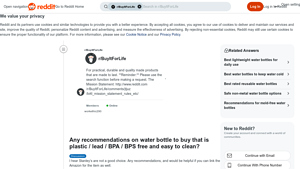
Domain: reddit.com
Registered: 2005 (20 years)
Introduction: Recommendations for water bottles that are plastic, lead, BPA, and BPS free, and easy to clean include: 1. Hydroflask – noted for ease of cleaning with a standard dish brush. 2. Clean Canteen – specifically recommended are stainless steel water bottles with stainless steel tops. A link to a specific model is provided: https://www.kleankanteen.com/collections/drinkware/products/insulated-water-bott…
5. The Water Bottle Store – BPA Free Reusable Bottles
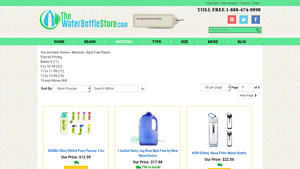
Domain: thewaterbottlestore.com
Registered: 2005 (20 years)
Introduction: BPA Free Plastic Reusable Water Bottles available in various brands including Asobu, Aquaovo, Beachcomber, BKR, Bluewave, Boon Supply, Bubi, EarthLust, EcoVessel, Kid Basix, KOR, Nalgene, New Wave Enviro, and more. Sizes range from under 8oz to 5 gallons. Types include insulated, collapsible, filtered, freezable, infuser, and kids’ water bottles. Various colors and styles available, including spor…
6. Waterbottles.com – Custom BPA-Free Water Bottles
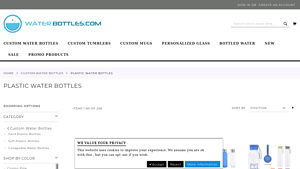
Domain: waterbottles.com
Registered: 1998 (27 years)
Introduction: Custom Plastic Water Bottles are BPA-free and reusable promotional products. They come in various types including hard plastic bottles, soft plastic bottles, and collapsible water bottles. The available capacities range from 12 oz to 64 oz. The bottles can be customized with logos or themed artwork. The materials used include Tritan® plastic and BPA-free plastic. The product line includes brands l…
Strategic Sourcing Conclusion and Outlook for free bpa water bottles
In the dynamic landscape of B2B sourcing, the shift towards BPA-free water bottles presents a compelling opportunity for international buyers. Emphasizing sustainability and health, these products not only cater to growing consumer demand for safe, eco-friendly options but also align with corporate responsibility initiatives. By strategically sourcing BPA-free bottles, businesses can enhance their brand image while contributing to environmental preservation.
International buyers from Africa, South America, the Middle East, and Europe should consider the diverse range of BPA-free options available, from customizable designs to bulk purchasing. This approach not only allows for greater flexibility in branding and marketing but also positions companies favorably in competitive markets.
As the global demand for sustainable products continues to rise, proactive engagement in sourcing BPA-free water bottles can set businesses apart. Embrace this trend and start exploring partnerships with reputable suppliers who prioritize quality and sustainability. The future of responsible sourcing is here—take the initiative today to secure your place in this evolving market.