Introduction: Navigating the Global Market for insulated cycling water bottle
In today’s competitive landscape, sourcing high-quality insulated cycling water bottles presents a significant challenge for international B2B buyers. With the rising demand for sustainable and efficient hydration solutions, companies must navigate an array of options that cater to varying climatic conditions and consumer preferences. This comprehensive guide delves into the diverse types of insulated cycling water bottles available, their specific applications, and critical factors for supplier vetting. By exploring cost considerations and market trends, this resource equips buyers from regions like Africa, South America, the Middle East, and Europe—including emerging markets like Saudi Arabia and Vietnam—with the insights necessary for making informed purchasing decisions.
The global market for insulated cycling water bottles is rapidly evolving, influenced by trends in outdoor recreation and a heightened awareness of environmental sustainability. As buyers assess potential suppliers, they must consider product specifications such as insulation technology, material safety, and design innovations that enhance user experience. This guide empowers businesses to identify reliable manufacturers, understand pricing structures, and evaluate product performance against competitors. By harnessing the information provided, B2B buyers can strategically position themselves to meet the growing consumer demands for premium cycling hydration solutions.
Understanding insulated cycling water bottle Types and Variations
| Type Name | Key Distinguishing Features | Primary B2B Applications | Brief Pros & Cons for Buyers |
|---|---|---|---|
| Vacuum-Insulated Steel | Double-wall vacuum insulation, durable stainless steel | High-end cycling shops, promotional merchandise | Pros: Excellent temperature retention, robust design. Cons: Higher cost, heavier than plastic. |
| Lightweight Plastic | Foam insulation, often BPA-free, lightweight design | Entry-level cycling retailers, mass-market sales | Pros: Affordable, lightweight. Cons: Less effective insulation, may not withstand rough handling. |
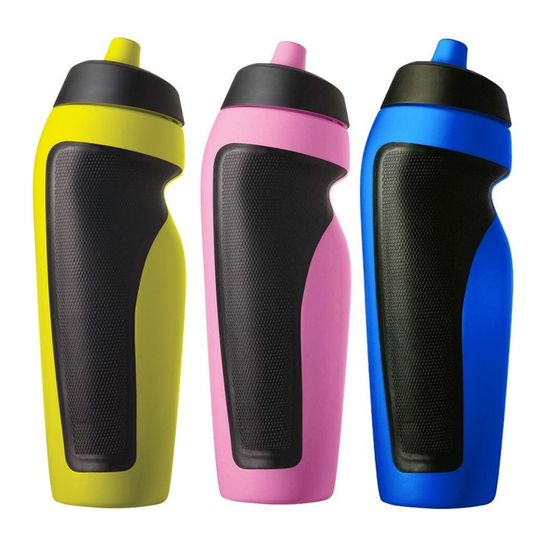
| High-Flow Sport Bottles | Specialized nozzle for easy drinking, often silicone-coated | Specialty cycling stores, fitness centers | Pros: Enhanced user experience, easy to clean. Cons: May require specific maintenance, higher price point. |
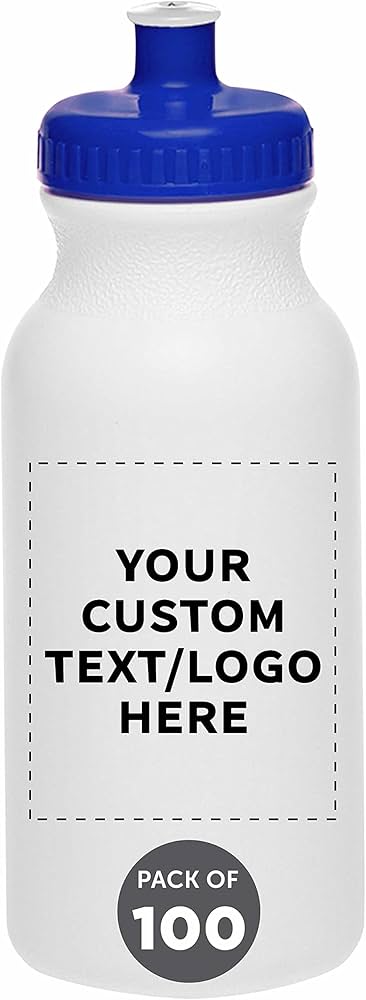
| Customizable Bottles | Options for branding and personalization, various materials | Corporate gifts, event sponsorships | Pros: Brand visibility, tailored marketing. Cons: Longer lead times for production, potential minimum order quantities. |
| Eco-Friendly Options | Made from recyclable materials, often carbon-neutral production | Sustainable brands, eco-conscious retailers | Pros: Appeals to environmentally conscious consumers, often unique designs. Cons: May be more expensive, limited availability. |
What Are the Key Characteristics of Vacuum-Insulated Steel Bottles?
Vacuum-insulated steel bottles are designed with double-wall construction that significantly enhances their thermal retention capabilities. They are typically made from high-grade stainless steel, ensuring durability and resistance to rust and corrosion. These bottles are ideal for high-end cycling shops and promotional merchandise, appealing to consumers who prioritize quality and performance. When purchasing, B2B buyers should consider the cost, as these bottles tend to be more expensive, but their longevity and effectiveness can justify the investment.
How Do Lightweight Plastic Bottles Compare in the Market?
Lightweight plastic bottles are often designed with foam insulation and are BPA-free, making them a popular choice for entry-level cycling retailers. Their affordability and lightweight nature make them attractive to mass-market consumers. However, B2B buyers should be aware that while these bottles are cost-effective, they may not provide the same level of insulation as their metal counterparts. Additionally, they may not withstand rough handling as well, which could affect long-term customer satisfaction.
What Makes High-Flow Sport Bottles Ideal for Specialized Markets?
High-flow sport bottles feature a specialized nozzle that allows for easy drinking without the need to squeeze, catering to cyclists who require quick hydration during rides. Often coated with silicone for grip and comfort, these bottles are suitable for specialty cycling stores and fitness centers. B2B buyers should consider the enhanced user experience and ease of cleaning as key selling points, although they may come at a higher price point and require specific maintenance.
Why Are Customizable Bottles Gaining Popularity Among B2B Buyers?
Customizable bottles offer options for branding and personalization, making them ideal for corporate gifts and event sponsorships. They can be made from various materials, providing flexibility in design and functionality. B2B buyers should evaluate the potential for brand visibility and tailored marketing opportunities, while also considering the longer lead times for production and possible minimum order quantities that could affect inventory management.
How Do Eco-Friendly Options Fit into the Cycling Market?
Eco-friendly insulated bottles are crafted from recyclable materials and often produced with carbon-neutral practices, appealing to sustainable brands and eco-conscious retailers. These bottles not only cater to environmentally aware consumers but also often feature unique designs that stand out in the market. B2B buyers should weigh the benefits of appealing to this demographic against the potential for higher costs and limited availability, as these products may not be as widely produced as traditional options.
Key Industrial Applications of insulated cycling water bottle
| Industry/Sector | Specific Application of Insulated Cycling Water Bottle | Value/Benefit for the Business | Key Sourcing Considerations for this Application |
|---|---|---|---|
| Outdoor Recreation | Used by cycling tour operators for guided tours. | Enhances customer experience by providing cold hydration, thus improving overall satisfaction. | Durability, insulation performance, and eco-friendly materials are critical for branding. |
| Corporate Wellness | Distributed as part of employee wellness programs. | Promotes healthy hydration habits among employees, leading to increased productivity and morale. | Custom branding options and bulk purchasing discounts are essential for cost efficiency. |
| Sports Teams | Provided to athletes during training and competitions. | Ensures athletes remain hydrated, thus optimizing performance and recovery. | Lightweight design and compatibility with various bike mounts are crucial for usability. |
| Event Management | Used in cycling events and marathons for participants. | Creates a positive brand image while supporting sustainability initiatives through reusable products. | Quick availability for event dates and potential for customization for branding are key factors. |
| Retail & E-commerce | Sold in specialty bike shops and online platforms. | Attracts a niche market of cycling enthusiasts and eco-conscious consumers. | Consideration for shipping logistics, packaging, and product differentiation from competitors. |
How Do Outdoor Recreation Companies Benefit from Insulated Cycling Water Bottles?
Outdoor recreation companies, especially those offering cycling tours, utilize insulated cycling water bottles to enhance the customer experience. Providing participants with cold hydration during rides improves satisfaction and promotes a positive image of the company. Buyers in this sector should consider the durability and insulation performance of the bottles, as these features directly impact customer experience. Eco-friendly materials are also significant, as they align with the values of environmentally conscious consumers, particularly in regions like Europe and South America.
What Value Do Corporate Wellness Programs Find in Insulated Cycling Water Bottles?
Corporate wellness programs leverage insulated cycling water bottles as part of their initiative to encourage healthy habits among employees. By offering these bottles, companies promote hydration, which can lead to improved productivity and employee morale. For international buyers, custom branding options are essential to reinforce company identity, and bulk purchasing discounts can optimize costs. Additionally, suppliers should ensure that the bottles are made from safe, non-toxic materials, appealing to health-conscious organizations across diverse markets.
How Do Sports Teams Utilize Insulated Cycling Water Bottles for Performance?
Sports teams incorporate insulated cycling water bottles into their training and competition routines to ensure athletes remain hydrated. These bottles are designed to provide quick access to cold water, crucial for performance and recovery. Buyers in this sector prioritize lightweight designs and compatibility with bike mounts, as these features enhance usability during rigorous activities. Teams in regions with extreme temperatures, such as the Middle East, particularly benefit from high-performance insulation technologies that keep drinks cold for extended periods.
Why Are Insulated Cycling Water Bottles Important for Event Management?
Event management companies use insulated cycling water bottles at cycling events and marathons to support participants’ hydration needs. By providing these bottles, organizers not only enhance the event experience but also promote sustainability by reducing single-use plastic waste. Key considerations for sourcing include ensuring quick availability for event dates and the potential for customization, which can help in branding efforts. This is particularly important in regions like Africa and Europe, where sustainability is a growing concern among event-goers.
How Do Retail and E-commerce Platforms Leverage Insulated Cycling Water Bottles?
Retailers and e-commerce platforms capitalize on the growing demand for insulated cycling water bottles by offering a diverse range of options to cycling enthusiasts. These bottles appeal to a niche market focused on sustainability and performance. For businesses, considerations around shipping logistics and packaging are critical to ensure product integrity during transit. Additionally, product differentiation, such as unique designs or features, can attract consumers in competitive markets across South America and Europe, enhancing sales potential.
A stock image related to insulated cycling water bottle.
3 Common User Pain Points for ‘insulated cycling water bottle’ & Their Solutions
Scenario 1: Difficulty in Ensuring Temperature Retention During Long Rides
The Problem: B2B buyers, particularly those supplying cycling equipment to enthusiasts or competitive riders, often face challenges related to the temperature retention capabilities of insulated cycling water bottles. Given the increasing global temperatures and the rising popularity of cycling in hot climates—especially in regions like Africa and the Middle East—it’s crucial for these bottles to maintain cold water for extended periods. However, not all insulated bottles deliver on this promise, leading to customer dissatisfaction and potential loss of sales.
The Solution: When sourcing insulated cycling water bottles, buyers should prioritize products that feature advanced insulation technology, such as double-walled vacuum insulation. Brands like Bivo and CamelBak have developed bottles that can maintain cold temperatures for over 12 hours, making them ideal for long rides in hot conditions. Additionally, conducting temperature tests on samples can provide assurance of their performance. Buyers should also consider bottles with a high flow-rate nozzle, ensuring that cyclists can hydrate quickly without interrupting their ride. Providing detailed product specifications and performance reviews in marketing materials will help build trust with customers looking for reliable hydration solutions.
Scenario 2: Challenges with Material Safety and Sustainability
The Problem: As environmental awareness grows, B2B buyers are increasingly concerned about the materials used in insulated cycling water bottles. Many customers demand products that are free from harmful chemicals, such as BPA and phthalates, and those that contribute to sustainability efforts. This is particularly important in markets like Europe and South America, where regulations and consumer expectations regarding product safety and environmental impact are stringent.
The Solution: Buyers should focus on sourcing insulated bottles made from food-grade stainless steel and BPA-free plastics. Brands such as Bivo highlight their commitment to sustainability by using recyclable materials and ensuring their production processes are carbon neutral. Buyers can enhance their product offerings by emphasizing these features in their sales pitches and marketing campaigns. Additionally, they should seek certifications that affirm the safety and environmental standards of the products, such as LFGB compliance, to reassure their customers. By aligning their product lines with the values of health and sustainability, buyers can cater to a growing demographic of eco-conscious consumers.
Scenario 3: Difficulty in Finding the Right Fit for Various Bike Models
The Problem: B2B buyers often encounter challenges when it comes to the compatibility of insulated cycling water bottles with different bike models. Cyclists require bottles that fit securely in their bike cages, allowing for easy access during rides. However, if a bottle does not fit properly, it can lead to frustration and even accidents if the bottle falls out during cycling, especially on uneven terrains prevalent in regions like South America.
The Solution: To address this pain point, buyers should prioritize bottles designed with a universal fit for bike cages. Many manufacturers, like CamelBak and HydraPak, have tailored their bottle shapes to ensure compatibility with a wide range of bike models. Providing a detailed compatibility chart alongside product listings can help buyers make informed decisions. Additionally, conducting market research to identify popular bike models in their target regions can aid in selecting the right products. Offering a satisfaction guarantee or easy return policy can further build customer confidence, ensuring that cyclists can find a reliable hydration solution that meets their needs.
Strategic Material Selection Guide for insulated cycling water bottle
What Are the Key Materials for Insulated Cycling Water Bottles?
When selecting materials for insulated cycling water bottles, it is crucial to consider their performance characteristics, manufacturing complexities, and suitability for different markets. Below, we analyze four common materials used in the production of these bottles: stainless steel, plastic, aluminum, and silicone.
How Does Stainless Steel Perform in Insulated Cycling Water Bottles?
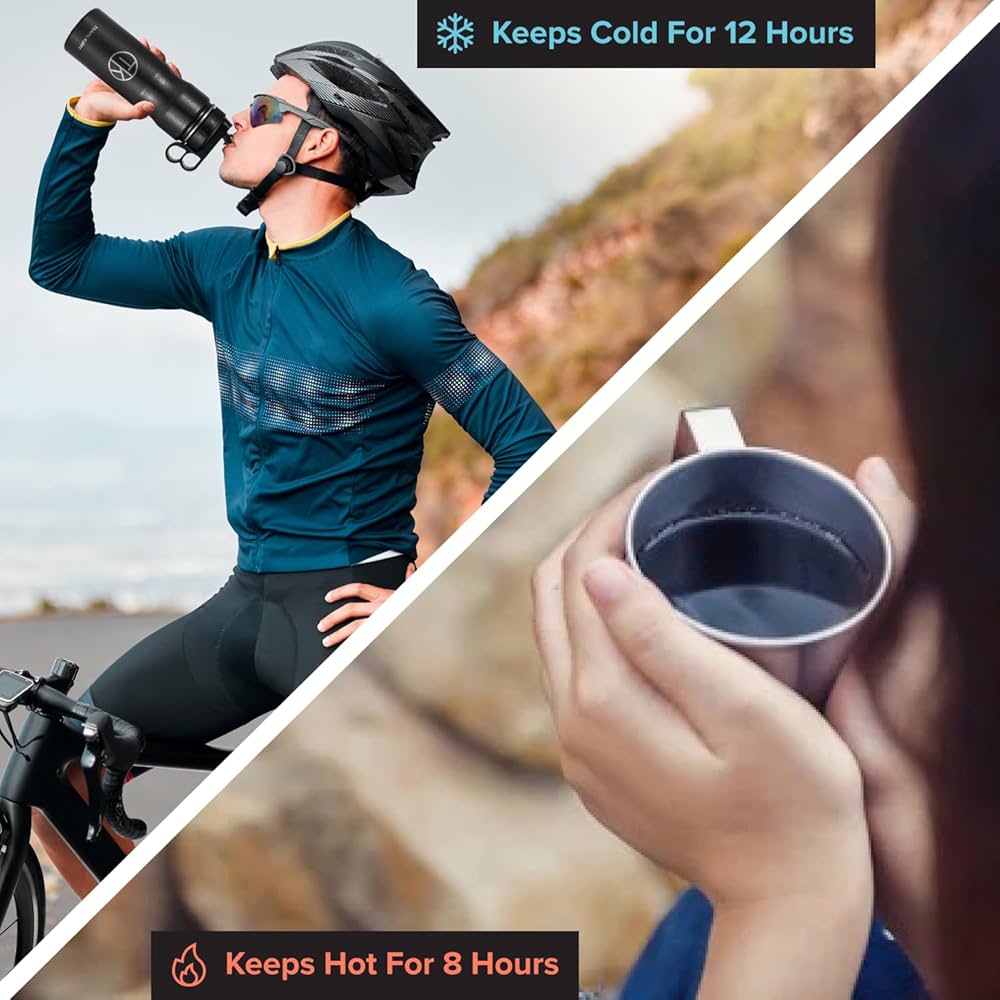
Stainless steel is a popular choice for insulated cycling water bottles due to its excellent thermal insulation properties and durability. It typically features a double-wall vacuum insulation design, which can keep liquids cold for over 12 hours. Stainless steel is also resistant to corrosion, making it suitable for various climates, including humid regions in Africa and coastal areas in South America.
Pros: Stainless steel bottles are highly durable, resistant to rust, and do not retain flavors or odors. They are also recyclable, aligning with environmental sustainability trends.
Cons: The manufacturing process can be complex and costly, which may impact the final price point. Additionally, stainless steel bottles are heavier than plastic alternatives, which could deter some cyclists.
Impact on Application: Stainless steel is compatible with a wide range of beverages, including acidic drinks, without risk of leaching harmful substances.
International Considerations: Buyers from regions like the Middle East and Europe should ensure compliance with food safety standards such as ASTM and DIN, which govern the use of materials in food and beverage containers.
What Role Does Plastic Play in Insulated Cycling Water Bottles?
Plastic, particularly high-density polyethylene (HDPE) and polypropylene, is frequently used in insulated cycling water bottles. These materials are lightweight and can be manufactured with double-wall insulation, although they typically do not provide as much thermal retention as stainless steel.
Pros: Plastic bottles are generally less expensive and easier to manufacture, allowing for a wider range of designs and colors. They are also lightweight, making them more appealing for long-distance cyclists.
Cons: Plastic can be less durable than metal and may degrade over time, especially when exposed to UV light. Additionally, some plastics can retain flavors or odors from previous contents.
Impact on Application: While plastic is suitable for most beverages, it is essential to ensure that the specific type used is BPA-free and safe for food contact.
International Considerations: Buyers should be aware of local regulations regarding plastic use, particularly in regions like Europe, where there is a strong push towards reducing plastic waste.
How Does Aluminum Compare in Insulated Cycling Water Bottles?
Aluminum is another material used in insulated cycling water bottles, often coated with a protective layer to prevent corrosion. Aluminum bottles can also feature double-wall insulation, providing good thermal retention.
Pros: Aluminum is lightweight and can be produced at a lower cost than stainless steel. It can also be anodized for added durability and aesthetic appeal.
Cons: While aluminum is generally durable, it can dent easily and may not be as resistant to extreme temperatures as stainless steel. The coating can wear off over time, potentially exposing the metal to the contents.
Impact on Application: Aluminum is suitable for a variety of beverages, but it is essential to ensure that the internal coating is food-safe and free from harmful chemicals.
International Considerations: Compliance with international standards for food safety is crucial, especially in regions with strict regulations, such as Europe and the Middle East.
What Advantages Does Silicone Offer in Insulated Cycling Water Bottles?
Silicone is increasingly being used in insulated cycling water bottles, particularly for components like nozzles and seals. It offers flexibility and durability, making it an excellent choice for parts that require frequent handling.
Pros: Silicone is highly resistant to temperature extremes and does not retain odors or flavors. It is also lightweight and can be molded into various shapes.
Cons: While silicone is durable, it may not provide the same level of insulation as metals. Additionally, the manufacturing process can be more complex, potentially increasing costs.
Impact on Application: Silicone is compatible with a wide range of beverages and is particularly useful for creating leak-proof seals in insulated bottles.
International Considerations: Buyers should ensure that silicone components meet relevant safety standards, particularly in regions like Africa where regulations may vary widely.
Summary Table of Material Selection for Insulated Cycling Water Bottles
| Material | Typical Use Case for insulated cycling water bottle | Key Advantage | Key Disadvantage/Limitation | Relative Cost (Low/Med/High) |
|---|---|---|---|---|
| Stainless Steel | High-performance insulated bottles | Excellent thermal retention | Higher manufacturing cost | High |
| Plastic | Lightweight, budget-friendly options | Cost-effective and customizable | Less durable, potential leaching | Low |
| Aluminum | Lightweight, aesthetically pleasing designs | Lightweight and lower cost | Susceptible to dents and corrosion | Medium |
| Silicone | Flexible components like nozzles and seals | Temperature resistant and durable | Limited insulation capabilities | Medium |
This analysis provides B2B buyers with a comprehensive understanding of the materials available for insulated cycling water bottles, along with their advantages, disadvantages, and considerations for different markets.
A stock image related to insulated cycling water bottle.
In-depth Look: Manufacturing Processes and Quality Assurance for insulated cycling water bottle
What are the Key Manufacturing Processes for Insulated Cycling Water Bottles?
The production of insulated cycling water bottles involves several critical stages, each contributing to the durability, functionality, and aesthetic appeal of the final product. Here’s a detailed look at the main manufacturing processes:
Material Preparation: What Materials Are Used in Insulated Cycling Water Bottles?
The first step in manufacturing insulated cycling water bottles is the selection and preparation of materials. Common materials include:
- Stainless Steel: Known for its durability and resistance to corrosion, stainless steel is often used for vacuum-insulated bottles. It is lightweight yet sturdy, making it suitable for cycling enthusiasts.
- BPA-Free Plastics: Many bottles are made from high-quality plastics that are BPA-free, ensuring safety and health compliance for users. These plastics can be molded into various shapes and are often used in the outer layers.
- Silicone: Food-grade silicone is used for components like nozzles and caps, providing flexibility and a safe drinking experience.
Each material undergoes thorough quality checks before use, ensuring that they meet international safety and performance standards.
How Are Insulated Cycling Water Bottles Formed?
The forming process involves several techniques to shape and mold the materials into the final product:
- Injection Molding: This technique is commonly used for plastic components. It involves injecting molten plastic into a mold to create specific shapes, such as bottle caps or nozzles. This process is highly efficient and allows for mass production.
- Deep Drawing: For stainless steel bottles, deep drawing is utilized. Sheets of stainless steel are pressed into molds to create the body of the bottle, ensuring uniform thickness and strength.
- Vacuum Insulation: This crucial step involves creating a vacuum between two walls of the bottle. The vacuum insulation process enhances thermal efficiency, keeping liquids cold or hot for extended periods.
What Is the Assembly Process Like for Insulated Cycling Water Bottles?
Once the individual components are formed, they undergo assembly:
- Component Assembly: This stage involves fitting together the various parts of the bottle, including the inner and outer layers, caps, and nozzles. This is often done manually or with the aid of automated machinery.
- Sealing and Quality Checks: After assembly, bottles are sealed to ensure they are leak-proof. Quality checks are performed to confirm the integrity of seals and the overall assembly.
What Quality Assurance Standards Are Relevant for Insulated Cycling Water Bottles?
Quality assurance is paramount in ensuring that insulated cycling water bottles meet consumer expectations and regulatory requirements. Various international and industry-specific standards come into play:
Which International Standards Should B2B Buyers Consider?
- ISO 9001: This standard pertains to quality management systems and is crucial for manufacturers. Compliance indicates that the manufacturer has established processes for consistent quality and customer satisfaction.
- CE Marking: For products sold in Europe, CE marking signifies conformity with health, safety, and environmental protection standards.
- LFGB Compliance: In Germany, the LFGB standard is essential for food safety, ensuring that materials used in food contact products are safe.
How Are Quality Checks Conducted During Manufacturing?
Quality control (QC) checkpoints are established at various stages of the production process:
- Incoming Quality Control (IQC): This initial stage checks raw materials for compliance with specifications before they enter the production line.
- In-Process Quality Control (IPQC): During manufacturing, IPQC monitors production processes to catch defects early. This includes checking for dimensional accuracy and proper assembly.
- Final Quality Control (FQC): After production, FQC involves comprehensive testing of the finished bottles for leaks, thermal performance, and aesthetic defects.
What Common Testing Methods Are Used for Insulated Cycling Water Bottles?
Testing is essential to ensure that the bottles perform as expected. Common methods include:
- Thermal Testing: This involves measuring the insulation performance by keeping liquids at specific temperatures and monitoring temperature changes over time.
- Leak Testing: Bottles are subjected to pressure tests to ensure they do not leak under normal use conditions.
- Drop Testing: This assesses the durability of bottles by simulating drops from various heights.
How Can B2B Buyers Verify Supplier Quality Control?
For B2B buyers, verifying a supplier’s quality control measures is vital to ensure product reliability. Here are practical steps:
- Conduct Audits: Regular audits of suppliers can help verify their compliance with quality standards and processes. This can be done by third-party agencies or through direct visits.
- Request Quality Reports: Buyers should ask suppliers for documentation of their quality control processes, including IQC, IPQC, and FQC reports.
- Third-Party Inspections: Engaging third-party inspection services can provide an unbiased assessment of the manufacturer’s quality assurance practices.
What Nuances Should International B2B Buyers Be Aware Of?
International buyers, especially from regions like Africa, South America, the Middle East, and Europe, should consider several nuances:
- Regulatory Compliance: Different regions have varying regulations regarding food safety and product standards. Understanding local requirements is essential for compliance.
- Cultural Expectations: Preferences for design, functionality, and even packaging may differ across regions. Tailoring products to meet these expectations can enhance market acceptance.
- Supply Chain Logistics: Considerations around shipping, tariffs, and local distribution channels are critical for ensuring timely delivery and cost-effectiveness.
By understanding these manufacturing processes and quality assurance measures, B2B buyers can make informed decisions when sourcing insulated cycling water bottles, ensuring they partner with reliable suppliers committed to quality.
Practical Sourcing Guide: A Step-by-Step Checklist for ‘insulated cycling water bottle’
This guide provides an actionable checklist for B2B buyers looking to procure insulated cycling water bottles. By following these steps, you can ensure that your sourcing process is efficient, informed, and aligned with your business needs.
1. Define Your Technical Specifications
Before initiating the sourcing process, clearly outline the technical requirements for the insulated cycling water bottles. Consider factors such as material (e.g., stainless steel or BPA-free plastic), insulation type (double-walled vacuum or foam), and capacity (e.g., 21 oz or 24 oz). This step is crucial as it helps narrow down options and ensures that the products meet the performance standards expected by your customers.
2. Research Market Trends and Consumer Preferences
Stay informed about the latest trends in the cycling and outdoor gear market. Research consumer preferences related to design, functionality, and sustainability. Understanding what features are currently in demand—such as eco-friendly materials or enhanced insulation technology—can guide your purchasing decisions and align your offerings with market needs.
3. Identify and Evaluate Potential Suppliers
Thoroughly vet potential suppliers to find reliable partners. Request company profiles, certifications, and references to assess their credibility. Focus on suppliers who have experience in the cycling gear sector and can demonstrate a track record of quality and compliance with international standards, especially if you’re sourcing for diverse markets in Africa, South America, the Middle East, and Europe.
4. Assess Product Quality and Compliance
Request samples of the insulated cycling water bottles to evaluate their quality firsthand. Pay attention to aspects such as insulation effectiveness, durability, and ease of cleaning. Additionally, ensure that the products comply with relevant safety and environmental regulations, including food-grade material certifications and BPA-free components.
5. Compare Pricing and Payment Terms
Once you have a shortlist of suppliers, compare their pricing structures and payment terms. Look for transparency in pricing and inquire about bulk order discounts. Ensure that the payment terms are favorable and align with your cash flow management practices, particularly when sourcing from international suppliers.
6. Negotiate Contracts and Terms of Service
Engage in negotiations to finalize contracts with your selected supplier. Clearly outline terms related to pricing, delivery schedules, quality assurance, and after-sales support. This step is vital to establishing a mutually beneficial relationship and safeguarding your investment in the insulated cycling water bottles.
7. Plan for Logistics and Distribution
Develop a logistics strategy for the timely delivery of products to your distribution centers or directly to customers. Consider factors such as shipping methods, customs regulations, and warehousing needs. Effective logistics planning will help you minimize delays and ensure that your inventory meets customer demand efficiently.
By following this checklist, B2B buyers can navigate the procurement process for insulated cycling water bottles with confidence, ensuring they select high-quality products that cater to their market’s needs.
Comprehensive Cost and Pricing Analysis for insulated cycling water bottle Sourcing
What Are the Key Cost Components in Sourcing Insulated Cycling Water Bottles?
When sourcing insulated cycling water bottles, understanding the cost structure is critical for making informed purchasing decisions. The primary cost components include materials, labor, manufacturing overhead, tooling, quality control (QC), logistics, and profit margin.
-
Materials: The choice of materials significantly impacts the cost. High-quality stainless steel and advanced insulating materials, such as double-walled vacuum insulation, often come with a higher price tag but offer better performance. Eco-friendly materials may also cost more but can appeal to a growing market segment prioritizing sustainability.
-
Labor: Labor costs vary by region and can influence overall pricing. Countries with lower labor costs, such as those in parts of Asia, may provide competitive pricing. However, it’s essential to consider the skill level required for manufacturing high-quality insulated bottles, as this can affect product quality and, ultimately, customer satisfaction.
-
Manufacturing Overhead: This includes costs related to utilities, rent, and administrative expenses. Efficient manufacturing processes can help keep these costs down, but they can vary significantly between suppliers.
-
Tooling: Custom tooling for bottle designs or specific features can incur substantial upfront costs. Buyers should consider whether the tooling costs can be amortized over a sufficient production volume to justify the investment.
-
Quality Control: Implementing robust QC measures ensures product reliability and safety, which is crucial for maintaining brand reputation. However, rigorous QC processes can add to overall costs, especially if third-party inspections are involved.
-
Logistics: Shipping costs can vary widely based on distance, mode of transport, and volume. For international buyers, understanding Incoterms is vital to clarify who bears the shipping costs and risks.
-
Margin: Suppliers typically add a margin to cover their costs and ensure profitability. This margin can vary based on market demand, competition, and perceived value.
How Do Price Influencers Impact the Total Cost of Insulated Cycling Water Bottles?
Several factors influence the pricing of insulated cycling water bottles, including volume or minimum order quantities (MOQs), specifications or customization options, material choices, quality certifications, supplier factors, and Incoterms.
-
Volume/MOQ: Ordering in bulk often results in lower per-unit costs. Buyers should negotiate MOQs that align with their demand forecasts to optimize pricing.
-
Specs/Customization: Custom designs or unique features can increase costs. Buyers should assess whether these enhancements provide enough value to justify the additional expense.
-
Materials: Premium materials may enhance product performance but at a higher cost. Buyers should weigh the benefits against the pricing to determine the best fit for their target market.
-
Quality/Certifications: Bottles that meet international safety and quality standards may command higher prices. However, such certifications can enhance marketability and consumer trust, particularly in regions with stringent regulations.
-
Supplier Factors: The reputation and reliability of suppliers can affect pricing. Established suppliers may charge more for their experience and quality assurance, while newer suppliers may offer lower prices to gain market entry.
-
Incoterms: Understanding shipping terms is essential for calculating total landed costs. Different Incoterms can shift responsibilities and costs between buyer and seller, impacting overall pricing.
What Buyer Tips Should International B2B Buyers Consider for Cost Efficiency?
International buyers, particularly from Africa, South America, the Middle East, and Europe, should consider several strategies for cost efficiency in sourcing insulated cycling water bottles.
-
Negotiation: Leverage volume purchasing to negotiate better pricing. Establishing long-term relationships with suppliers can also lead to favorable terms.
-
Cost-Efficiency: Analyze the Total Cost of Ownership (TCO), which includes not just the purchase price but also shipping, handling, storage, and potential returns. This holistic approach helps identify the best value.
-
Pricing Nuances: Be aware of currency fluctuations and their impact on costs, especially for international transactions. Establishing contracts in stable currencies can mitigate risks.
-
Market Research: Understand regional preferences and trends, as these can influence demand and pricing strategies. Tailoring products to local markets can enhance sales potential.
Disclaimer on Indicative Prices
While this analysis provides insights into cost components and price influencers, actual prices can vary widely based on specific supplier negotiations, market conditions, and other variables. Buyers should conduct thorough research and obtain quotes from multiple suppliers to ensure competitive pricing.
Alternatives Analysis: Comparing insulated cycling water bottle With Other Solutions
Introduction to Alternative Solutions for Hydration in Cycling
In the realm of cycling, staying hydrated is crucial for both performance and enjoyment. While insulated cycling water bottles are a popular choice among riders, various alternative solutions exist that cater to different needs and preferences. This analysis will explore how insulated cycling water bottles compare with alternative hydration solutions, helping B2B buyers make informed decisions based on their specific requirements.
Comparison Table
| Comparison Aspect | Insulated Cycling Water Bottle | Hydration Pack | Traditional Plastic Bottle |
|---|---|---|---|
| Performance | Excellent insulation for temperature retention (12+ hours) | Good for long rides, hands-free access | Limited insulation, quick temperature change |
| Cost | Moderate ($30 – $50) | Higher ($50 – $100) | Low ($5 – $15) |
| Ease of Implementation | Simple to use, fits in standard cages | Requires fitting and adjustment | Very straightforward, no setup needed |
| Maintenance | Requires regular cleaning, may develop odors | Needs thorough cleaning to prevent mold | Easy to clean but may retain odors |
| Best Use Case | Ideal for moderate to long rides in hot climates | Best for endurance rides or multi-day trips | Suitable for casual, short rides |
Detailed Breakdown of Alternatives
1. Hydration Pack
Hydration packs offer a hands-free solution, allowing cyclists to drink while riding without stopping. These packs typically include a reservoir and a tube for easy sipping, making them ideal for long-distance rides or endurance events. However, they tend to be more expensive than insulated bottles and require careful maintenance to avoid mold buildup. While hydration packs are excellent for extended use, they may not provide the same level of insulation, leading to quicker temperature changes in the beverage.
2. Traditional Plastic Bottle
Traditional plastic bottles are the most economical option for hydration while cycling. They are lightweight, easy to use, and can be purchased at a very low cost. However, they lack insulation, which can result in beverages becoming warm quickly, particularly in hot climates. Additionally, these bottles may retain odors and flavors from previous contents, affecting the taste of future drinks. While they are suitable for short rides, their performance diminishes during longer excursions where temperature control is essential.
Conclusion: Choosing the Right Hydration Solution
When selecting a hydration solution, B2B buyers should consider the specific needs of their target audience. Insulated cycling water bottles excel in performance and temperature retention, making them ideal for riders who prioritize hydration during warm weather. Hydration packs are suitable for endurance cyclists who require hands-free access to water but come at a higher price point and maintenance requirement. On the other hand, traditional plastic bottles offer a budget-friendly choice for casual cyclists but fall short in terms of performance. By evaluating the trade-offs of each option, buyers can select the most appropriate product that aligns with their clientele’s cycling habits and preferences.
Essential Technical Properties and Trade Terminology for insulated cycling water bottle
What Are the Key Technical Properties of Insulated Cycling Water Bottles?
Understanding the technical specifications of insulated cycling water bottles is essential for B2B buyers to make informed purchasing decisions. Here are some critical properties to consider:
1. Material Composition
The most common materials used in insulated cycling water bottles include stainless steel, BPA-free plastic, and silicone. Stainless steel is favored for its durability, resistance to corrosion, and non-reactive nature, ensuring that the water tastes clean and fresh. BPA-free plastics are lightweight and can be manufactured in various colors and designs. Selecting the right material can affect the product’s longevity, safety, and overall user experience.
2. Insulation Type
Insulated bottles typically use either double-wall vacuum insulation or foam insulation. Double-wall vacuum insulation is superior for maintaining temperature, keeping liquids cold for over 12 hours. This feature is particularly important for cyclists in hot climates, as it ensures hydration remains refreshing during long rides. Buyers should consider the insulation technology to guarantee product performance aligns with their market needs.
3. Flow Rate and Nozzle Design
The flow rate refers to how quickly liquid can be dispensed from the bottle, which is critical during cycling. High-flow nozzles, often designed with patented technology, allow users to hydrate quickly without needing to squeeze the bottle. This feature enhances usability and can be a significant selling point for B2B buyers targeting performance-oriented consumers.
4. Capacity and Dimensions
Typical capacities for insulated cycling bottles range from 500ml to 800ml (17oz to 27oz). Dimensions are also crucial, as they determine compatibility with standard bike cages. Buyers should ensure that the products they source fit well in various bike models, enhancing customer satisfaction and reducing returns.
5. Weight and Portability
Lightweight designs (often achieved through advanced materials) contribute to ease of transport, especially for competitive cyclists. Products that are 25% lighter than traditional models are increasingly popular. This property can be pivotal in markets where performance and ease of use are top priorities.
6. Recyclability and Environmental Compliance
With growing environmental awareness, the recyclability of materials used in water bottles has become a significant concern. Look for products made from recyclable materials and those that comply with environmental regulations. This not only appeals to eco-conscious consumers but also aligns with global sustainability trends.
What Are Common Trade Terms in the Insulated Cycling Water Bottle Industry?
Familiarity with industry jargon can enhance communication between buyers and suppliers. Here are some essential terms:
1. OEM (Original Equipment Manufacturer)
OEM refers to a company that produces parts or equipment that may be marketed by another manufacturer. In the context of insulated water bottles, buyers may seek OEM partners to customize products to their specifications, enhancing brand identity.
2. MOQ (Minimum Order Quantity)
MOQ is the smallest number of units a supplier is willing to sell. Understanding MOQ is crucial for B2B buyers to manage inventory levels and cash flow effectively, ensuring that they can meet market demand without overcommitting financially.
3. RFQ (Request for Quotation)
An RFQ is a document sent to suppliers requesting a quote for specific products or services. B2B buyers should prepare detailed RFQs to ensure they receive accurate pricing and delivery timelines, facilitating smoother negotiations.
4. Incoterms (International Commercial Terms)
Incoterms are internationally recognized rules that define the responsibilities of buyers and sellers in international transactions. Familiarity with these terms helps buyers understand shipping logistics, costs, and risk management, which are critical when sourcing insulated cycling bottles from global suppliers.
5. Lead Time
Lead time refers to the time taken from placing an order to delivery. Understanding lead times is essential for managing stock levels and ensuring timely availability of products in the market.
6. Certification Standards
Certification standards, such as LFGB or FDA compliance, indicate that products meet specific safety and quality requirements. Buyers should prioritize sourcing insulated cycling bottles that comply with relevant certifications to ensure product safety and market acceptance.
By understanding these technical properties and trade terms, B2B buyers can enhance their purchasing strategies, ensuring they select the best insulated cycling water bottles for their target markets.
Navigating Market Dynamics and Sourcing Trends in the insulated cycling water bottle Sector
What are the Key Market Drivers and Trends in the Insulated Cycling Water Bottle Sector?
The insulated cycling water bottle market is witnessing significant growth driven by several global factors. Increased participation in cycling as a recreational and competitive activity, particularly in regions like Europe, South America, and the Middle East, is propelling demand. Additionally, the rising awareness of hydration’s role in athletic performance has positioned insulated bottles as essential gear for cyclists. The trend toward eco-friendly products is also influencing buyers, with a growing preference for sustainable materials and ethical manufacturing processes.
Emerging technologies are reshaping the product offerings in this space. Innovations such as double-wall vacuum insulation and advanced materials like stainless steel are enhancing thermal retention capabilities, keeping beverages cold for extended periods. This is particularly relevant in hot climates, where cyclists are more susceptible to dehydration and heat exhaustion. Brands are also leveraging smart technology, integrating features like temperature indicators and app connectivity, which appeal to tech-savvy consumers.
For B2B buyers, understanding regional preferences is crucial. In Africa and South America, affordability and durability are key factors, while buyers in Europe and the Middle East may prioritize advanced features and sustainability certifications. Thus, suppliers must tailor their offerings to meet the diverse needs of international markets, ensuring competitive pricing while maintaining high product quality.
How Can Sustainability and Ethical Sourcing Impact the Insulated Cycling Water Bottle Market?
Sustainability is a pivotal concern in the insulated cycling water bottle sector. The environmental impact of single-use plastics has prompted a significant shift toward reusable products, and insulated bottles are at the forefront of this transition. B2B buyers are increasingly seeking suppliers who prioritize sustainable practices, from the sourcing of raw materials to the manufacturing processes.
Ethical supply chains are becoming essential in the decision-making process for international buyers. Certifications such as Fair Trade, B Corp, and various environmental labels signal a commitment to sustainable practices. Products made from recyclable materials, like stainless steel and BPA-free plastics, are gaining traction, as they align with the eco-conscious values of consumers.
Moreover, brands that demonstrate transparency in their supply chain and production methods are more likely to attract B2B partnerships. This trend is particularly strong in Europe, where stringent regulations around environmental impact are influencing purchasing decisions. By investing in sustainable practices, suppliers can not only enhance their market appeal but also contribute positively to global environmental goals.
What is the Historical Context of Insulated Cycling Water Bottles?
The evolution of insulated cycling water bottles can be traced back to the late 20th century when cycling began to gain popularity as a sport and lifestyle choice. Initially, cyclists relied on basic plastic bottles that offered minimal insulation. As the demand for improved performance grew, manufacturers began experimenting with materials and designs that could better maintain beverage temperatures.
The introduction of vacuum insulation technology marked a significant turning point, allowing bottles to keep drinks cold for extended periods. Over the years, advancements in materials, such as stainless steel and food-grade silicone, have further enhanced product safety and usability. Today, insulated cycling water bottles are not only functional but also stylish, catering to a diverse range of consumer preferences and environmental consciousness. This historical context underscores the importance of innovation and sustainability in the market, providing valuable insights for B2B buyers looking to source the latest products.
Frequently Asked Questions (FAQs) for B2B Buyers of insulated cycling water bottle
-
1. How do I choose the right insulated cycling water bottle for my customers?
When selecting insulated cycling water bottles, consider factors such as insulation performance, material quality, capacity, and design features. Look for double-wall vacuum insulation for optimal temperature retention, ensuring drinks stay cold for extended periods. Evaluate the materials used—stainless steel and BPA-free plastics are popular for durability and safety. Additionally, assess the bottle’s compatibility with standard bike cages, ease of cleaning, and unique features like high-flow nozzles. Customer preferences in your target markets will also guide your decision, so conduct market research to identify trends. -
2. What customization options are available for insulated cycling water bottles?
Customization options typically include color choices, branding through logos or labels, and even design modifications such as different lid types or sizes. Many suppliers offer the ability to create unique designs that cater to specific markets, which can be advantageous in regions like Africa and South America, where local preferences may vary. Ensure you discuss minimum order quantities (MOQs) for customized products, as these can differ significantly among manufacturers. Be prepared to provide design specifications and any necessary artwork files for branding. -
3. What are the typical minimum order quantities (MOQs) for insulated cycling water bottles?
MOQs for insulated cycling water bottles can vary widely based on the manufacturer and customization level. Generally, MOQs range from 500 to 5,000 units, with lower quantities often available for non-customized products. For customized orders, MOQs tend to be higher due to setup costs. When sourcing, it’s essential to communicate your needs clearly to suppliers and negotiate terms that suit your business model, especially if you are testing new products in specific markets. -
4. How can I verify the credibility of a supplier for insulated cycling water bottles?
To verify a supplier’s credibility, start by checking their business credentials, such as registration and certifications. Look for reviews or testimonials from previous clients and assess their experience in the industry. Request product samples to evaluate quality firsthand. Engaging in a video call can also provide insights into their operations. Furthermore, consider using third-party verification services or trade platforms that list supplier ratings to ensure reliability, especially when sourcing from international markets. -
5. What payment terms should I expect when sourcing insulated cycling water bottles internationally?
Payment terms can vary based on the supplier’s policies and your negotiation power. Common terms include a 30% deposit upfront with the balance paid upon shipment or delivery. For larger orders, suppliers may offer letter of credit (LC) options or extended payment terms. Be cautious and ensure that the payment method provides adequate security, particularly for international transactions. Always clarify terms in the contract to avoid misunderstandings and ensure compliance with local regulations in your target market. -
6. How do I handle quality assurance (QA) for insulated cycling water bottles?
Implementing a robust QA process involves several steps. Begin with setting clear quality standards and specifications before production. Arrange for in-factory inspections during production to monitor compliance with these standards. Additionally, consider third-party quality control services for unbiased assessments. Upon receiving goods, conduct random sampling and testing to ensure products meet your requirements. Establishing a strong relationship with your supplier can also facilitate better communication regarding quality expectations and issues. -
7. What logistics considerations should I keep in mind when importing insulated cycling water bottles?
When importing insulated cycling water bottles, consider shipping methods, costs, and lead times. Evaluate whether air freight or sea freight best suits your timeline and budget. Understand customs regulations in your country, including any tariffs or duties applicable to your products. Working with a reliable freight forwarder can simplify the logistics process and help you navigate any documentation requirements. Additionally, consider warehousing options if you plan to stock inventory locally for quicker distribution. -
8. Are there specific certifications I should look for in insulated cycling water bottles?
Yes, several certifications can indicate product quality and safety. Look for compliance with FDA or LFGB standards, which ensure that materials used are safe for food contact. Certifications such as BPA-free and recyclable labels are also important for appealing to environmentally conscious consumers. In markets like Europe and the Middle East, compliance with local health and safety regulations may be required. Ensure your supplier can provide documentation for these certifications to facilitate smoother market entry.
Important Disclaimer & Terms of Use
⚠️ Important Disclaimer
The information provided in this guide, including content regarding manufacturers, technical specifications, and market analysis, is for informational and educational purposes only. It does not constitute professional procurement advice, financial advice, or legal advice.
While we have made every effort to ensure the accuracy and timeliness of the information, we are not responsible for any errors, omissions, or outdated information. Market conditions, company details, and technical standards are subject to change.
B2B buyers must conduct their own independent and thorough due diligence before making any purchasing decisions. This includes contacting suppliers directly, verifying certifications, requesting samples, and seeking professional consultation. The risk of relying on any information in this guide is borne solely by the reader.
Top 7 Insulated Cycling Water Bottle Manufacturers & Suppliers List
1. CamelBak – Bike Water Bottles
Domain: camelbak.com
Registered: 1996 (29 years)
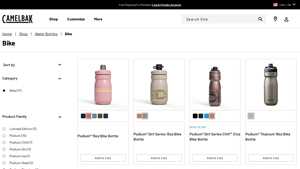
Introduction: Bike Water Bottles from CamelBak include various models such as Podium® 15oz, Podium® Dirt Series 15oz, Podium® Dirt Series Chill™ 21oz, Podium® Titanium 18oz, Podium® Steel 22oz, Podium® Chill™ 21oz, Podium® Steel 18oz, and Podium® 24oz. Prices range from $12.00 to $100.00. There are options for customization and limited editions available.
2. Bivo – Insulated Cycling Bottle
Domain: drinkbivo.com
Registered: 2019 (6 years)
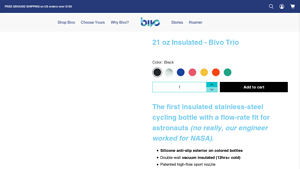
Introduction: {“name”: “Bivo Insulated Cycling Bottle – Stainless Steel – 21 oz”, “price”: “$49”, “colors”: [“Black”, “Raw”, “True Blue”, “Strawberry”, “Sun”, “Tomato”, “Turquoise”], “capacity”: “21 oz (621 ml)”, “weight”: “270 g dry weight”, “dimensions”: {“height”: “10.23” (260 mm)”, “max_diameter”: “3” (77 mm)}, “features”: [“First insulated stainless-steel cycling bottle with a flow-rate fit for astronauts”…
3. Camelbak – Podium Insulated Cycling Bottle
Domain: reddit.com
Registered: 2005 (20 years)
Introduction: Camelbak Podium insulated cycling bottle; features include: quick flow nozzle, dishwasher safe, easy to clean, durable, available in many colors and sizes. Variants mentioned: Podium (regular), Podium Insulated, and Podium Chill (better insulation but larger size). Users report satisfaction with insulation performance for both hot and cold beverages.
4. Escape Collective – Bivo Trio & CamelBak Podium Bottles
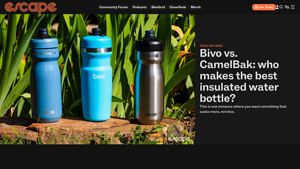
Domain: escapecollective.com
Registered: 2017 (8 years)
Introduction: Bivo Trio: 500 mL (17 oz) and 620 mL (21 oz) sizes, available in 3 colors (Mini) and 5 colors (larger); price range: US$39-49. CamelBak Podium insulated stainless steel: 530 mL (18 oz) and 650 mL (22 oz) sizes, available in 6 colors; price range: US$35-40. CamelBak Podium insulated titanium: 530 mL (18 oz) size, raw brushed finish; price: US$100. All bottles are vacuum-insulated and designed to ke…
5. Bicycling – Best Insulated Water Bottles
Domain: bicycling.com
Registered: 1999 (26 years)
Introduction: Best Stainless Insulated: CamelBak Podium Steel (non-chilled, 3 hours)\nBest Plastic Insulated: Specialized Purist Insulated (pre-chilled, 90 mins)\nBest Riding Stainless Insulated: Bivo Insulated Trio\nBest Riding Plastic Insulated: Elite IceFly 500mL and RockBros Insulated\nTested 5 metal-insulated, 7 plastic-insulated, and 3 non-insulated bottles.\nInsulated Bottle Types: Plastic and Metal.\nSt…
6. Cyclist – Top Bottles
Domain: cyclist.co.uk
Registered: 1997 (28 years)
Introduction: Rapha Bidon Small: £16, 625ml, BPA-free plastic, dishwasher safe, larger 750ml available (£18). Camelbak Podium Ice Insulated Bottle: £28, 620ml, insulated, keeps water cold for 4x longer, easy squeeze, lockable mouthpiece. Silca Mondrian Bottle: £17, 625ml, BPA-free, clear side panel gauge, limited edition design. Elite Fly Tex Water Bottle: £5.99, 550ml, lightweight (51g), ridged texture for gri…
7. Bikeradar – Elite Fly Water Bottle
Domain: bikeradar.com
Registered: 2006 (19 years)
Introduction: [{‘name’: ‘Elite Fly’, ‘price’: ‘£5.99 / €7 / $7 / AU$10.46’, ‘capacity’: ‘550ml’, ‘weight’: ’74g’, ‘features’: ‘Lightweight, minimalist design, easy to drink from, fits standard bottle cages.’}, {‘name’: ‘Tacx Shanti Twist’, ‘price’: ‘£5 / €6’, ‘capacity’: ‘500ml’, ‘weight’: ‘100g’, ‘features’: ‘Pressure valve for controlled flow, twist-lock top, good for adding energy powders.’}, {‘name’: ‘Camel…
Strategic Sourcing Conclusion and Outlook for insulated cycling water bottle
As the demand for insulated cycling water bottles continues to rise globally, particularly in regions experiencing hotter climates, strategic sourcing becomes essential for B2B buyers looking to capitalize on this trend. Key insights reveal that quality, functionality, and sustainability are paramount when selecting suppliers. Brands like CamelBak and Bivo demonstrate the importance of innovative features such as double-wall insulation, high-flow nozzles, and eco-friendly materials, which not only enhance user experience but also align with growing consumer preferences for sustainable products.
Investing in strong supplier relationships can lead to competitive advantages, enabling businesses to offer high-quality products that meet the needs of cyclists in diverse markets. As climate conditions evolve, the necessity for effective hydration solutions will only intensify, making insulated bottles a staple in cycling gear.
International buyers from Africa, South America, the Middle East, and Europe should leverage this growing market by prioritizing suppliers that can deliver both performance and sustainability. By doing so, you position your business to thrive in a competitive landscape. Explore strategic partnerships today to ensure you are equipped to meet the demands of the future cycling market.