Introduction: Navigating the Global Market for slimmest water bottle
In today’s fast-paced global market, sourcing the slimmest water bottle can pose a significant challenge for B2B buyers aiming to meet the demands of environmentally-conscious consumers while maximizing space efficiency. As urbanization increases and lifestyles become more mobile, the need for sleek, space-saving hydration solutions has never been greater. This comprehensive guide delves into various types of slim water bottles, their applications across different industries, and essential factors for vetting suppliers.
From understanding material options, such as BPA-free Tritan and stainless steel, to exploring innovative designs that cater to consumer preferences, this guide equips international buyers—especially those from Africa, South America, the Middle East, and Europe—with the insights needed to make informed purchasing decisions. Additionally, we will discuss pricing strategies and cost considerations to ensure you achieve a balance between quality and affordability.
By addressing key challenges and providing actionable insights, this resource empowers you to navigate the complex landscape of slim water bottles, ultimately enhancing your product offerings and meeting the evolving needs of your customer base. Whether you are a retailer, distributor, or corporate buyer, this guide serves as your roadmap to successfully sourcing the slimmest water bottles in the market.
Understanding slimmest water bottle Types and Variations
| Type Name | Key Distinguishing Features | Primary B2B Applications | Brief Pros & Cons for Buyers |
|---|---|---|---|
| Slim Memobottle | Flat design, Tritan plastic, BPA-free, customizable lids | Corporate gifts, promotional items | Pros: Stylish, space-saving, eco-friendly. Cons: Not suitable for carbonated drinks. |
| All Day Slim Bottle | Stainless steel, double-wall vacuum insulation, leakproof | Outdoor events, travel, corporate use | Pros: Keeps beverages cold, durable. Cons: Limited color options. |
| Insulated Slim Bottle | Insulated design, various materials (stainless steel, plastic) | Fitness, outdoor activities, retail | Pros: Retains temperature, versatile. Cons: Heavier than non-insulated options. |
| Slim Reusable Water Bottle | Variety of colors, lightweight, easy to clean | Retail, hospitality, personal use | Pros: Affordable, customizable. Cons: May lack advanced insulation features. |
| Eco-Friendly Slim Bottle | Made from recycled materials, sustainable production | Eco-conscious brands, corporate gifting | Pros: Appeals to green consumers, reduces plastic waste. Cons: Potentially higher cost. |
What Are the Key Characteristics of Slim Memobottles?
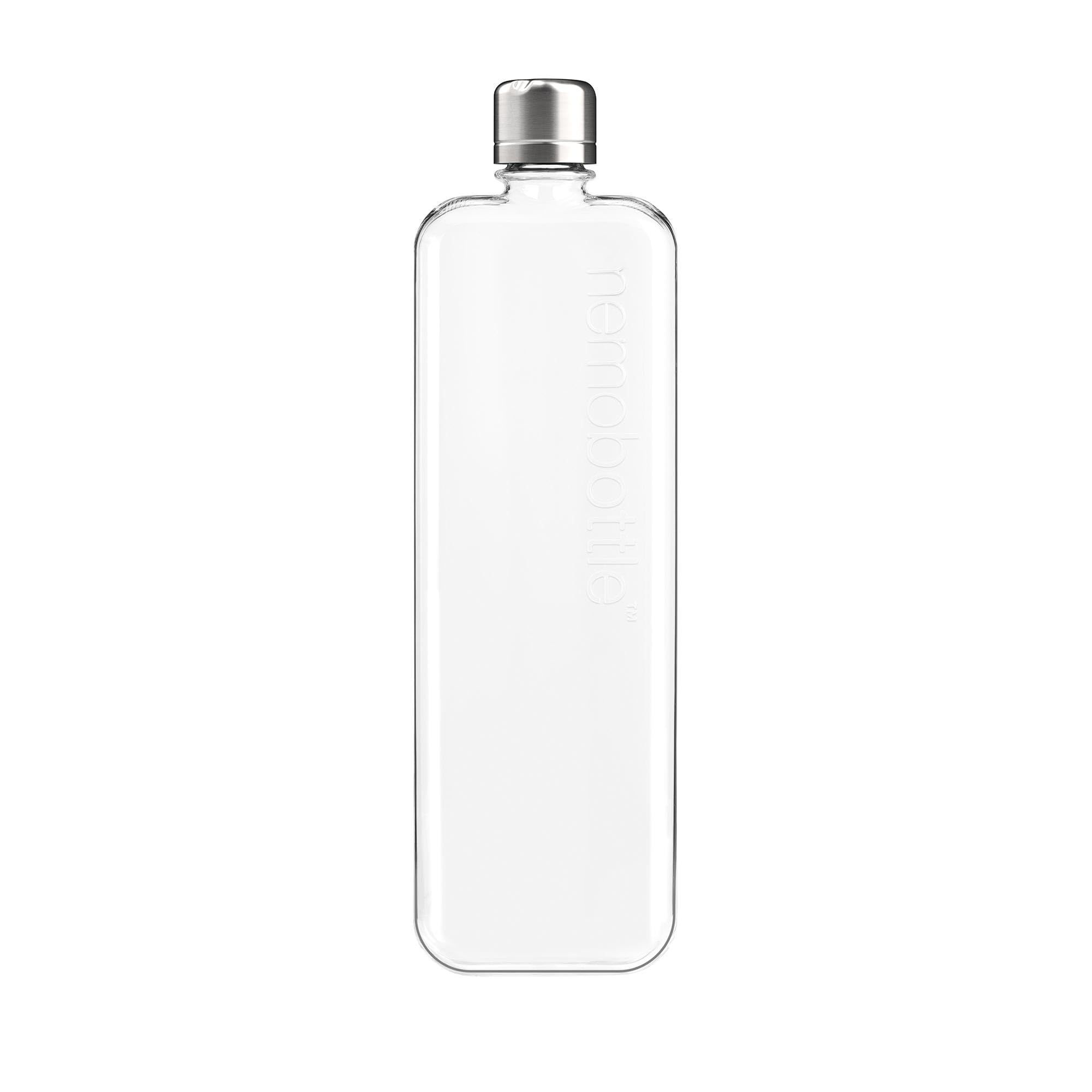
Slim Memobottles are designed for portability and style, featuring a flat profile that allows them to fit into tight spaces, such as bags and backpacks. Made from Tritan plastic, they are lightweight, shatterproof, and BPA-free, making them safe for everyday use. B2B buyers often choose these bottles for corporate gifting or promotional items due to their modern aesthetics and eco-friendly appeal. However, they are not suitable for carbonated beverages, which can limit their use in certain contexts.
How Do All Day Slim Bottles Stand Out in the Market?
The All Day Slim Bottle is distinguished by its stainless steel construction and double-wall vacuum insulation, which keeps drinks cold for extended periods. Its leakproof design and compatibility with car cup holders make it ideal for travel and outdoor events. Businesses in sectors such as tourism and corporate events find these bottles attractive due to their durability and functionality. Despite their many advantages, the limited color options may not appeal to all branding strategies.
What Benefits Do Insulated Slim Bottles Offer?
Insulated Slim Bottles come in various materials, including stainless steel and plastic, designed to maintain the temperature of beverages for longer periods. These bottles are particularly popular in fitness and outdoor activities, where hydration is essential. B2B buyers appreciate their versatility and the ability to brand them with logos for retail or corporate use. However, their heavier weight compared to non-insulated options may be a drawback for some consumers.
Why Choose Slim Reusable Water Bottles for Retail?
Slim Reusable Water Bottles are available in a variety of colors and designs, making them an appealing choice for retail and hospitality settings. Their lightweight nature and ease of cleaning add to their practicality for everyday use. B2B buyers often select these bottles for their affordability and customization options, allowing businesses to align the product with their brand identity. However, they may lack advanced insulation features, which could be a consideration for buyers focused on temperature retention.
What Makes Eco-Friendly Slim Bottles a Smart Choice?
Eco-Friendly Slim Bottles are crafted from recycled materials and produced through sustainable processes, making them an excellent choice for businesses that prioritize environmental responsibility. These bottles appeal to eco-conscious consumers and can enhance a company’s image as a responsible brand. B2B buyers looking to align with sustainability goals may find these bottles particularly attractive, though they often come at a higher cost than traditional options.
Key Industrial Applications of slimmest water bottle
| Industry/Sector | Specific Application of Slimmest Water Bottle | Value/Benefit for the Business | Key Sourcing Considerations for this Application |
|---|---|---|---|
| Hospitality | In-room amenities for hotels and resorts | Enhances guest experience and promotes sustainability | Material quality, design aesthetics, and eco-friendliness |
| Corporate Gifts | Employee wellness programs | Supports health initiatives and brand promotion | Customization options, branding capabilities, and bulk pricing |
| Travel and Tourism | Travel kits for tour operators | Provides convenience for travelers and reduces waste | Durability, lightweight design, and compatibility with travel gear |
| Retail | Branded merchandise for retail stores | Increases brand visibility and customer loyalty | Design uniqueness, pricing strategies, and inventory management |
| Education | Student hydration solutions | Encourages healthy habits among students | Safety standards, ease of cleaning, and bulk purchasing options |
How Are Slimmest Water Bottles Used in the Hospitality Industry?
In the hospitality sector, slimmest water bottles serve as elegant in-room amenities in hotels and resorts. Their sleek design allows them to fit seamlessly into tight spaces, enhancing the aesthetic appeal of the room. By offering these bottles, establishments can promote sustainability by reducing single-use plastics, which is increasingly important to eco-conscious travelers. Buyers in this sector should prioritize materials that are durable and easy to clean, as well as designs that align with the hotel’s branding and guest experience.
What Role Do Slimmest Water Bottles Play in Corporate Gifts?
Slimmest water bottles are popular choices for corporate gifts, particularly in employee wellness programs. By providing these bottles, companies can encourage hydration and healthier lifestyles among their workforce, which can lead to increased productivity and morale. Additionally, these bottles can be customized with company logos, serving as a promotional tool. When sourcing for corporate gifts, businesses should consider customization options, bulk pricing, and the overall quality of the product to ensure it reflects their brand values.
How Do Slimmest Water Bottles Enhance Travel Experiences?
For travel and tourism companies, slimmest water bottles are essential components of travel kits offered to tourists. Their compact design makes them easy to pack, while their durability ensures they can withstand the rigors of travel. This convenience not only enhances the travel experience but also reduces reliance on single-use plastic bottles. Buyers in this industry should focus on sourcing bottles that are lightweight, durable, and compatible with various travel gear, ensuring they meet the needs of diverse travelers.
Why Are Slimmest Water Bottles Valuable for Retail Brands?
In retail, slimmest water bottles can be effective branded merchandise that enhances customer loyalty and visibility. Their unique design attracts consumers looking for stylish and practical hydration solutions, making them ideal for promotional campaigns. Retailers should consider factors such as design uniqueness, competitive pricing, and efficient inventory management when sourcing these products to maximize sales potential and customer satisfaction.
How Can Slimmest Water Bottles Benefit Educational Institutions?
Educational institutions can utilize slimmest water bottles as part of their student hydration initiatives. By providing these bottles, schools can promote healthy habits and reduce waste from single-use plastics. The bottles’ easy-to-clean features and safety standards are critical for school environments, ensuring they are suitable for daily use by students. Buyers in this sector should prioritize bulk purchasing options and ensure the bottles meet safety regulations to support a healthy learning environment.
A stock image related to slimmest water bottle.
3 Common User Pain Points for ‘slimmest water bottle’ & Their Solutions
Scenario 1: Difficulty in Transportation and Storage
The Problem: B2B buyers often face challenges when it comes to transporting and storing products due to limited space. The slimmest water bottles, while designed for convenience, can still pose issues if they are not optimized for packing and transportation. For instance, companies distributing these bottles may find that traditional round bottles take up unnecessary space, leading to increased shipping costs and logistical headaches. Furthermore, storing these bottles in warehouses or retail spaces can be cumbersome, impacting inventory management and workflow efficiency.
The Solution: To address these challenges, B2B buyers should prioritize sourcing slimmest water bottles that offer a flat design, specifically designed to maximize space efficiency. When selecting suppliers, look for bottles that not only have a slim profile but also stackable features or designs that allow for compact storage. For example, choosing products like the memobottle, which can slide easily into bags and stack neatly in storage, can significantly reduce storage space. Additionally, implementing a just-in-time inventory strategy can help manage stock levels more effectively, ensuring that space is used efficiently without overstocking.
Scenario 2: Concerns About Durability and Quality
The Problem: One of the major pain points for B2B buyers is ensuring the durability and quality of the products they purchase, especially when dealing with water bottles that will be used in various environments. Buyers worry about bottles that may crack, leak, or degrade over time, leading to customer dissatisfaction and potential returns. This is particularly important in regions where temperature extremes can affect product integrity.
The Solution: To mitigate these concerns, B2B buyers should conduct thorough research on the materials used in the production of slimmest water bottles. Opting for bottles made from high-quality materials such as BPA-free Tritan or stainless steel ensures better durability and resistance to temperature changes. Additionally, requesting samples for testing before bulk orders can provide insight into the product’s quality. Establishing partnerships with manufacturers known for their rigorous quality control processes can also help ensure that the products meet the required standards, reducing the risk of returns and enhancing customer satisfaction.
Scenario 3: Limited Customization Options for Branding
The Problem: In competitive markets, branding plays a crucial role in product differentiation. However, many B2B buyers find that slimmest water bottles often come with limited customization options, making it difficult to align with their branding strategies. This limitation can hinder their ability to create unique promotional items or corporate gifts that resonate with their target audiences.
The Solution: To overcome this issue, B2B buyers should seek suppliers that offer extensive customization options. This includes not only the ability to print logos and brand messaging but also to choose from a variety of colors, materials, and accessory options. Engaging with suppliers who have a proven track record of providing customizable solutions can enhance the branding experience. For instance, brands like memobottle offer various accessories like silicone sleeves and unique lids, allowing for personalized product presentations. Additionally, discussing customization capabilities upfront during the sourcing process can help ensure that the products meet specific branding needs, fostering stronger customer connections and enhancing brand visibility.
Strategic Material Selection Guide for slimmest water bottle
What Are the Key Materials for Slimmest Water Bottles?
When selecting materials for the slimmest water bottles, several factors come into play, including durability, cost, and compliance with international standards. Here, we analyze four common materials used in the production of these bottles: Tritan plastic, stainless steel, aluminum, and glass. Each material offers unique properties that can significantly influence the performance and marketability of the final product.
How Does Tritan Plastic Perform in Slim Water Bottles?
Tritan plastic is a popular choice for manufacturers of slim water bottles due to its lightweight and shatter-resistant properties. It can withstand temperatures up to 100°C (212°F) and is BPA and BPS free, making it safe for food and drink applications. Tritan’s clarity mimics that of glass, providing an aesthetically pleasing product.
Pros: Tritan is cost-effective, easy to mold into various shapes, and offers excellent impact resistance. It is also dishwasher safe, simplifying the cleaning process for end-users.
Cons: While Tritan is durable, it can scratch more easily than stainless steel and may not be suitable for high-temperature liquids over extended periods. Additionally, it has a shorter lifespan compared to metal alternatives.
Impact on Application: Tritan is compatible with a wide range of beverages, but it is not suitable for carbonated drinks due to potential deformation.
Considerations for International Buyers: Compliance with standards such as FDA regulations for food safety is crucial. Buyers in regions like Europe often prefer materials that are recyclable and environmentally friendly, aligning with sustainability trends.
What Are the Benefits of Using Stainless Steel?
Stainless steel is renowned for its durability and resistance to corrosion and staining. It can handle extreme temperatures, making it ideal for both hot and cold beverages. Double-wall vacuum insulation options further enhance its thermal retention capabilities.
Pros: Stainless steel offers exceptional longevity and is resistant to rust and corrosion. It is also easy to clean and maintain, making it a favorite among consumers.
Cons: The cost of stainless steel is generally higher than that of plastics. Manufacturing processes can be more complex, requiring specialized equipment for shaping and welding.
Impact on Application: Stainless steel is suitable for all types of beverages, including carbonated drinks, due to its robust structure.
Considerations for International Buyers: Buyers should ensure compliance with international standards like ASTM and DIN for material safety. The preference for stainless steel is growing in markets like Germany, where sustainability is a key concern.
How Does Aluminum Compare in Slim Water Bottle Manufacturing?
Aluminum is lightweight and offers good thermal conductivity, making it a viable option for slim water bottles. It is often coated to prevent corrosion and enhance its aesthetic appeal.
Pros: Aluminum is lightweight, making it easy to transport and carry. It can be produced at a lower cost compared to stainless steel.
Cons: Aluminum is less durable than stainless steel and can dent easily. It may also require a lining to prevent reactions with acidic beverages.
Impact on Application: Aluminum bottles are suitable for a variety of drinks but may not be ideal for hot liquids unless properly insulated.
Considerations for International Buyers: Compliance with recycling regulations is crucial, especially in Europe, where aluminum recycling is highly promoted. Buyers should also consider the environmental impact of production processes.
Why Is Glass a Viable Option for Slim Water Bottles?
Glass is often viewed as a premium option due to its aesthetic appeal and inert nature, which means it doesn’t leach chemicals into beverages. It is suitable for both hot and cold drinks.
Pros: Glass provides a high-quality look and feel, is fully recyclable, and does not retain flavors or odors.
Cons: The fragility of glass makes it less suitable for on-the-go use. It is also heavier than plastic and metal alternatives.
Impact on Application: Glass is ideal for still beverages but poses a risk for carbonated drinks unless designed with reinforced materials.
Considerations for International Buyers: Buyers should be aware of packaging regulations and the need for protective designs to prevent breakage during transport, especially in regions with rough handling practices.
Summary Table of Material Properties for Slimmest Water Bottles
| Material | Typical Use Case for Slimmest Water Bottle | Key Advantage | Key Disadvantage/Limitation | Relative Cost (Low/Med/High) |
|---|---|---|---|---|
| Tritan Plastic | Everyday use, non-carbonated beverages | Lightweight and shatter-resistant | Scratches easily, shorter lifespan | Medium |
| Stainless Steel | Hot and cold beverages, carbonated drinks | Highly durable and corrosion-resistant | Higher cost, complex manufacturing | High |
| Aluminum | Lightweight travel bottles | Low cost, lightweight | Dents easily, may require lining | Low |
| Glass | Premium, aesthetic-focused applications | Inert, recyclable, high-quality look | Fragile, heavier than alternatives | Medium |
This strategic material selection guide provides B2B buyers with essential insights into the various materials available for the slimmest water bottles, helping them make informed decisions tailored to their market needs.
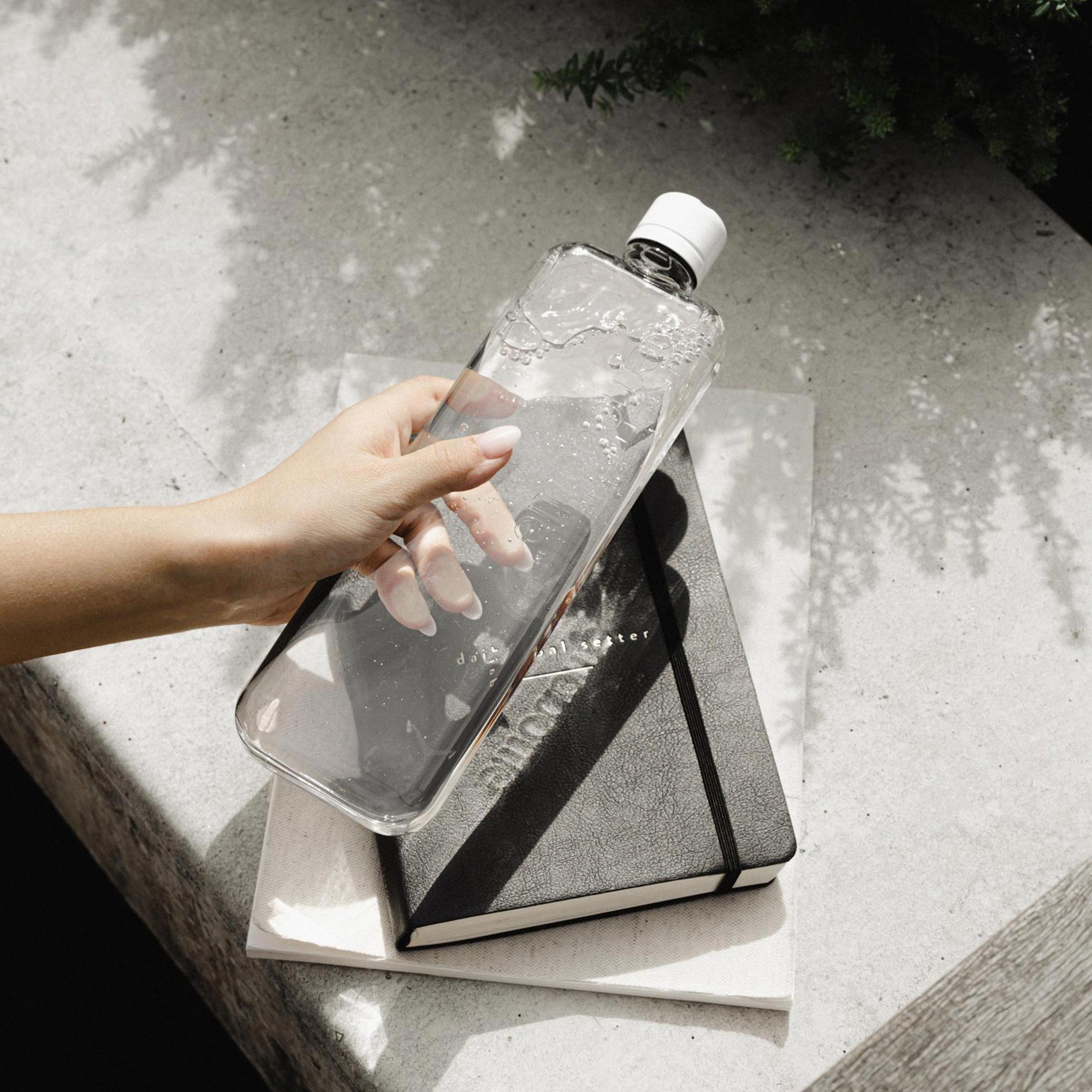
A stock image related to slimmest water bottle.
In-depth Look: Manufacturing Processes and Quality Assurance for slimmest water bottle
What Are the Main Stages in the Manufacturing Process of the Slimmest Water Bottle?
The manufacturing of slimmest water bottles involves several key stages: material preparation, forming, assembly, and finishing. Each stage is crucial in ensuring the final product meets quality and safety standards expected by consumers and regulatory bodies.
How Is Material Prepared for Slim Water Bottles?
The manufacturing process begins with the selection of high-quality materials. Most slim water bottles are made from BPA-free plastics like Tritan or stainless steel, which provide durability and safety. The material is sourced from certified suppliers who meet international standards. During material preparation, raw materials undergo rigorous testing for chemical composition and physical properties to ensure they are suitable for beverage containment.
What Techniques Are Used in Forming Slim Water Bottles?
Forming is the next step in the manufacturing process, where the chosen materials are molded into the desired bottle shape. For plastic bottles, techniques such as injection molding or blow molding are commonly used. In injection molding, molten plastic is injected into a mold to create the bottle shape. Blow molding, on the other hand, involves inflating a heated plastic tube into a mold to form the bottle. For stainless steel bottles, processes like deep drawing or spinning are employed to create the bottle’s body.
How Are Slim Water Bottles Assembled?
After forming, the bottles move to the assembly stage. This includes attaching components such as lids and seals. For quality and safety, manufacturers often use leak-proof designs that require precise fitting of parts. Automated assembly lines are typically utilized to ensure consistency and efficiency in the production process.
What Finishing Processes Are Involved in Slim Water Bottle Production?
Finishing processes enhance both the aesthetic appeal and functionality of the bottles. This may include surface treatment to ensure a smooth finish, printing logos or designs, and applying protective coatings. For stainless steel bottles, polishing may be done to achieve a high-quality shine. Final inspection during this stage ensures that the products meet the required specifications.
How Is Quality Assurance Implemented in the Manufacturing of Slim Water Bottles?
Quality assurance (QA) is a critical component of the manufacturing process, ensuring that each bottle meets international standards and customer expectations. Manufacturers typically adhere to various standards such as ISO 9001 for quality management systems, which is vital for maintaining consistency in product quality.
What International Standards Should B2B Buyers Be Aware Of?
B2B buyers should familiarize themselves with international standards relevant to water bottle manufacturing. In addition to ISO 9001, certifications like CE (Conformité Européenne) are crucial for products sold in Europe, indicating that they meet safety and health requirements. For buyers in regions like Africa and South America, understanding local regulations and compliance is also essential.
How Are Quality Control Checkpoints Structured?
Quality control (QC) checkpoints are integrated throughout the manufacturing process. These typically include:
- Incoming Quality Control (IQC): Inspecting raw materials upon arrival to ensure they meet specifications.
- In-Process Quality Control (IPQC): Monitoring production processes to catch defects early. This may involve sampling and testing during the molding and assembly stages.
- Final Quality Control (FQC): Conducting a comprehensive inspection of the finished products to ensure they meet all quality standards before packaging and shipment.
What Common Testing Methods Are Used for Quality Assurance?
Common testing methods include:
- Mechanical Testing: Assessing the strength and durability of the materials used.
- Chemical Testing: Ensuring that materials are free from harmful substances, particularly for plastic bottles.
- Thermal Testing: Evaluating the bottle’s ability to withstand temperature changes, especially for insulated options.
- Leak Testing: Ensuring that all bottles are leak-proof to maintain product integrity.
How Can B2B Buyers Verify Supplier Quality Control Processes?
B2B buyers can take several steps to ensure that their suppliers maintain robust QC processes. Conducting regular audits of suppliers is a proactive approach. Buyers should request copies of quality management system certifications and QC reports that detail the findings from various checkpoints in the manufacturing process.
What Role Do Third-Party Inspections Play in Quality Assurance?
Engaging third-party inspection services can provide an additional layer of assurance. These independent entities can conduct thorough inspections and testing, providing unbiased reports on product quality. This is particularly important for international buyers who may not have the capacity to audit suppliers on-site.
What Are the Quality Control Nuances for International B2B Buyers?
International B2B buyers should be aware of specific nuances in QC that may differ by region. For example, European markets may have stricter regulations regarding plastic use and environmental impact, while buyers in Africa may face challenges with supply chain reliability. Understanding these differences can help buyers make informed decisions and foster strong partnerships with their suppliers.
How Can B2B Buyers Ensure Compliance with Local Regulations?
It is essential for B2B buyers to stay updated on local regulations regarding product safety and environmental standards. This includes knowing which certifications are required for their target markets and ensuring that suppliers can meet these standards. Regular communication with suppliers and staying informed about regulatory changes can help mitigate compliance risks.
Conclusion
The manufacturing processes and quality assurance for the slimmest water bottle involve a meticulous approach to material selection, production techniques, and comprehensive quality checks. For B2B buyers, understanding these processes is essential to ensure product quality and compliance with international standards. By implementing thorough verification methods and staying informed about regional regulations, buyers can secure reliable partnerships and high-quality products for their markets.
Practical Sourcing Guide: A Step-by-Step Checklist for ‘slimmest water bottle’
This guide serves as a comprehensive checklist for B2B buyers looking to procure the slimmest water bottles, ensuring that you make informed decisions that align with your business needs and sustainability goals.
1. Identify Your Target Market
Understanding your target market is critical to selecting the right product. Different regions have varying preferences, such as design aesthetics, functionality, and material safety standards. For example, European markets may prioritize eco-friendliness and sleek designs, while buyers in Africa or South America might focus on durability and cost-effectiveness.
2. Define Your Technical Specifications
Clearly outline the specifications for the slim water bottles you intend to procure. This includes dimensions, material (e.g., Tritan, stainless steel), capacity, and insulation properties. Knowing these parameters will help you evaluate products that meet your exact needs and avoid misalignment with your brand image.
3. Research Supplier Credentials
Before engaging with suppliers, verify their credentials and reputation in the market. Look for certifications that indicate compliance with international safety standards, such as BPA-free materials or ISO certifications. This not only ensures product safety but also enhances your brand’s credibility in the marketplace.
4. Evaluate Supplier Product Range
Assess the range of products offered by potential suppliers. A diverse product line allows for greater flexibility in customization and branding. Consider suppliers that provide various sizes, colors, and designs, as this can cater to different customer preferences and enhance your market appeal.
5. Request Samples for Quality Assurance
Always request samples before placing a bulk order. Evaluating the quality firsthand will help you ascertain if the product meets your expectations in terms of durability, aesthetics, and functionality. Pay attention to the weight, finish, and usability, as these factors can significantly impact customer satisfaction.
6. Assess Pricing and Payment Terms
Compare pricing structures among different suppliers to ensure you are getting a competitive rate. Beyond the base cost, inquire about bulk order discounts, shipping fees, and payment terms. Understanding the total cost will help you budget effectively and maximize your profit margins.
7. Understand Logistics and Delivery Times
Finally, clarify the logistics involved in your procurement process. Confirm the supplier’s delivery times and shipping options, especially if you are sourcing internationally. Efficient logistics are crucial to maintaining your inventory levels and meeting customer demand, particularly in fast-paced markets.
By following these steps, you can streamline your sourcing process and select the best suppliers for the slimmest water bottles, ensuring both quality and customer satisfaction.
Comprehensive Cost and Pricing Analysis for slimmest water bottle Sourcing
What Are the Key Cost Components in Sourcing Slim Water Bottles?
When sourcing slimmest water bottles, understanding the cost structure is crucial for B2B buyers. The primary cost components include:
-
Materials: The choice of materials significantly affects costs. Common options include Tritan plastic, stainless steel, and BPA-free materials. Each has its cost implications, with stainless steel generally being more expensive due to its durability and insulation properties.
-
Labor: Labor costs vary by region. For instance, manufacturing in Southeast Asia may offer lower labor costs compared to Europe. However, it’s essential to balance cost with quality, as lower labor costs can sometimes compromise product integrity.
-
Manufacturing Overhead: This encompasses costs related to factory operations, including utilities, equipment maintenance, and administrative expenses. A well-managed facility can help minimize these costs.
-
Tooling: The initial tooling costs for creating molds and production setups can be significant, particularly for customized designs. Buyers should consider these costs in their budget, especially for low-volume orders.
-
Quality Control (QC): Investing in QC ensures product reliability and compliance with international standards. This is especially important for buyers in regions with strict import regulations.
-
Logistics: Transportation costs depend on the distance from the manufacturer to the buyer, shipping methods, and the volume of the order. Utilizing efficient logistics strategies can help reduce these costs.
-
Margin: Suppliers typically mark up prices to cover their costs and achieve profit. Understanding the expected margin can aid buyers in negotiating better pricing.
How Do Price Influencers Impact Slim Water Bottle Sourcing?
Several factors influence the final price of slim water bottles:
-
Volume/MOQ: Minimum order quantities (MOQ) can significantly impact pricing. Higher order volumes usually lead to lower per-unit costs due to economies of scale.
-
Specifications and Customization: Customized designs, colors, and features often incur additional costs. Buyers should clearly define their requirements to avoid unexpected price increases.
-
Materials: The choice between premium materials and standard alternatives directly affects pricing. For instance, stainless steel options tend to be priced higher than plastic bottles.
-
Quality and Certifications: Products that meet international safety and quality standards may command higher prices but offer better reliability and market acceptance.
-
Supplier Factors: The supplier’s reputation, reliability, and location can influence costs. Established suppliers may charge more due to their proven quality and service.
-
Incoterms: Understanding Incoterms is crucial for international transactions. They define the responsibilities of buyers and sellers regarding shipping costs, insurance, and risk, which can affect overall pricing.
What Are the Best Negotiation Tips for B2B Buyers?
B2B buyers can employ several strategies to enhance cost-efficiency in sourcing slim water bottles:
-
Leverage Volume Discounts: Consider placing larger orders or combining purchases with other buyers to negotiate lower prices.
-
Request Detailed Quotes: Always ask for itemized quotes that break down costs. This transparency allows you to identify areas where you might negotiate better terms.
-
Evaluate Total Cost of Ownership (TCO): Assess not just the purchase price but also ongoing costs such as shipping, storage, and potential waste. A lower initial price may not always be the most cost-effective option.
-
Understand Pricing Nuances for International Buyers: When sourcing from regions like Africa, South America, or Europe, be aware of tariffs, import duties, and currency fluctuations that may affect final costs.
-
Build Relationships with Suppliers: Establishing long-term partnerships can lead to better pricing and terms over time. Suppliers are more likely to offer discounts to loyal customers.
Disclaimer on Pricing
The prices and cost components discussed are indicative and can vary based on market conditions, supplier negotiations, and specific buyer requirements. Always conduct thorough research and obtain multiple quotes to ensure you are making informed decisions in your sourcing strategy.
Alternatives Analysis: Comparing slimmest water bottle With Other Solutions
Introduction to Alternative Solutions for Slim Water Bottles
In today’s environmentally conscious market, the demand for innovative hydration solutions is on the rise. While the slimmest water bottle offers a compact and stylish way to stay hydrated, several alternatives also cater to this need. Understanding these alternatives can help B2B buyers make informed purchasing decisions that align with their specific requirements, whether it be for corporate gifts, employee wellness programs, or retail offerings.
Comparison Table
| Comparison Aspect | Slimmest Water Bottle | Stanley All Day Slim Bottle | Hydro Flask Slim Insulated Bottle |
|---|---|---|---|
| Performance | Lightweight, easy to carry; designed for flat storage. | Double-wall insulation; keeps drinks cold for hours. | Excellent insulation; retains temperature for long durations. |
| Cost | Approximately $30 | Approximately $22.50 | Approximately $25-35 |
| Ease of Implementation | Ready-to-use; minimal setup required. | Simple to use; compatible with most cup holders. | Slightly heavier; may require additional space due to bulkiness. |
| Maintenance | Easy to clean with soap and water; no scrubbing needed. | Dishwasher safe; easy to clean. | Dishwasher safe; requires occasional deep cleaning. |
| Best Use Case | Ideal for travel and office use; fits in tight spaces. | Suitable for outdoor activities and everyday hydration. | Best for extreme temperatures and outdoor adventures. |
Detailed Breakdown of Alternatives
Stanley All Day Slim Bottle
The Stanley All Day Slim Bottle is designed for those who prioritize temperature retention along with portability. It features double-wall vacuum insulation that keeps drinks cold for up to 11 hours. Its leakproof design and compatibility with standard cup holders make it a practical choice for daily commuters and outdoor enthusiasts. However, its slightly higher weight compared to the slim water bottle may be a drawback for some users looking for ultra-light options.
Hydro Flask Slim Insulated Bottle
Hydro Flask offers a slim insulated bottle that excels in maintaining the temperature of beverages. With its durable stainless steel construction, it is built to withstand rugged use, making it perfect for outdoor adventures. The bottle’s wide mouth allows for easy filling and cleaning, but it may take up more space in bags due to its rounded shape compared to the sleek design of the slimmest water bottle. This makes it less ideal for users who require a flat storage solution.
Conclusion: How to Choose the Right Hydration Solution
When evaluating hydration solutions, B2B buyers should consider the specific use cases and environments where the products will be utilized. The slimmest water bottle is excellent for urban settings where space is at a premium, while the Stanley and Hydro Flask alternatives are better suited for outdoor activities and situations requiring temperature control. By assessing performance, cost, ease of implementation, maintenance, and best use cases, buyers can select the option that best meets their needs and enhances their product offerings.
Essential Technical Properties and Trade Terminology for slimmest water bottle
What Are the Key Technical Properties of the Slimmest Water Bottle?
1. Material Grade
The material used in the construction of a slimmest water bottle significantly impacts its durability, safety, and usability. Common materials include Tritan plastic, stainless steel, and BPA-free alternatives. Tritan provides a glass-like clarity while being shatterproof, making it ideal for portability. Stainless steel, on the other hand, offers superior insulation and is often preferred for its longevity and resistance to corrosion. For B2B buyers, understanding material grades helps in assessing product quality and compliance with health regulations.
2. Dimensions and Volume
The dimensions of a slimmest water bottle, often expressed in millimeters or inches, dictate its portability and usability. For instance, a typical slim water bottle might measure 265 x 80 x 30 mm and hold approximately 450 ml. Compact designs are crucial for fitting into tight spaces, such as handbags or car cup holders, which is a key consideration for consumers in urban settings. B2B buyers should evaluate these specifications against market needs to ensure product viability.
3. Insulation Properties
Insulation is a critical property for maintaining beverage temperature. Many slim bottles feature double-wall vacuum insulation, which can keep drinks cold for hours or hot for a limited time. This is especially relevant in markets with extreme temperatures, where consumers prioritize temperature control. Understanding insulation capabilities can help businesses position their products effectively within competitive markets.
4. Weight
Weight is another essential property that influences portability. A lightweight design, often around 120 grams for a slim water bottle, enhances user convenience, especially for travelers and commuters. B2B buyers should consider how weight affects shipping costs and customer satisfaction, as lighter products often lead to higher repeat purchases.
5. Cleaning and Maintenance
Ease of cleaning is vital for user satisfaction. Slim water bottles often feature designs that allow for easy access for cleaning or come with compatible cleaning tablets. This is important for B2B buyers focusing on customer retention, as products that require less maintenance tend to have a more favorable market reception.
What Are the Common Trade Terms in the Slimmest Water Bottle Industry?
1. OEM (Original Equipment Manufacturer)
OEM refers to a company that manufactures products that are then sold under another company’s brand. For B2B buyers, understanding OEM relationships is crucial for evaluating supply chain options and ensuring product quality meets brand standards.
2. MOQ (Minimum Order Quantity)
MOQ indicates the smallest number of units a supplier is willing to sell. This term is essential for B2B negotiations, as it impacts inventory management and cash flow. Buyers should assess their capacity to meet MOQ to avoid excess stock or missed opportunities.
3. RFQ (Request for Quotation)
An RFQ is a document used by buyers to request pricing from suppliers for specific products. It serves as a formal way to gather information about costs, terms, and conditions, enabling buyers to make informed decisions. B2B buyers should utilize RFQs effectively to ensure they get competitive pricing.
4. Incoterms (International Commercial Terms)
Incoterms are international rules that define the responsibilities of buyers and sellers in international transactions. Familiarity with these terms is crucial for B2B buyers to understand shipping costs, risk management, and delivery responsibilities, ensuring smoother transactions across borders.
5. Sustainability Certifications
As environmental concerns grow, sustainability certifications (such as BPA-free or recyclable materials) have become critical in the water bottle industry. B2B buyers should prioritize products with recognized certifications to meet consumer demand for environmentally friendly options and align with corporate social responsibility goals.
Understanding these properties and terms enables B2B buyers to make informed purchasing decisions, ensuring they choose products that align with market demands and operational capabilities.
Navigating Market Dynamics and Sourcing Trends in the slimmest water bottle Sector
What Are the Key Trends Shaping the Slimmest Water Bottle Market?
The global demand for slim water bottles is rising as health-conscious consumers seek convenient, portable hydration solutions. Key drivers include urbanization, where compact products are favored due to limited storage space, and a growing emphasis on sustainability. In regions like Africa and South America, where access to clean drinking water is often limited, the appeal of reusable water bottles is further amplified. Emerging trends in B2B sourcing emphasize technology integration, such as smart water bottles equipped with hydration tracking and mobile app connectivity, appealing to tech-savvy markets in Europe and the Middle East.
Additionally, the market is seeing a shift towards eco-friendly materials. Bottles made from Tritan plastic or stainless steel not only enhance durability but also align with consumer preferences for safe, BPA-free products. Competitive pricing strategies are essential for international buyers, especially in developing markets, where affordability can significantly influence purchasing decisions. Innovations in design, such as ergonomic shapes and customizable features, are also gaining traction, providing opportunities for B2B buyers to differentiate their offerings in the marketplace.
How Important Is Sustainability and Ethical Sourcing in the Slimmest Water Bottle Industry?
Sustainability is a critical consideration for B2B buyers in the slim water bottle sector. The environmental impact of single-use plastics has prompted both consumers and businesses to seek alternatives that promote eco-friendliness. Ethical sourcing practices are increasingly vital, as suppliers who demonstrate a commitment to sustainable materials and responsible manufacturing processes tend to attract more conscientious buyers.
Certifications such as ISO 14001 for environmental management and the use of recycled materials are becoming essential criteria for sourcing decisions. Bottles made from recycled stainless steel or Tritan plastic not only reduce waste but also appeal to environmentally aware consumers. As markets evolve, B2B buyers can enhance their brand reputation by aligning with suppliers that prioritize sustainability, creating a competitive edge in regions where environmental consciousness is high.
How Has the Slimmest Water Bottle Market Evolved Over Time?
The slim water bottle market has evolved significantly over the past decade, transitioning from traditional round designs to innovative flat shapes that cater to modern consumer needs. Initially, the focus was primarily on functionality and material safety; however, as consumer preferences shifted towards aesthetics and convenience, manufacturers began to prioritize design elements. This evolution has been particularly notable in urban centers, where space is at a premium, and compact solutions are essential.
As the market grew, so did the emphasis on sustainability, with brands increasingly adopting eco-friendly materials and ethical sourcing practices. The rise of e-commerce has also transformed how B2B buyers source these products, enabling them to access a broader range of suppliers and innovative designs from around the globe. This dynamic landscape continues to offer opportunities for international B2B buyers to leverage trends in design, sustainability, and technology to meet evolving consumer demands.
Frequently Asked Questions (FAQs) for B2B Buyers of slimmest water bottle
-
How do I choose the right supplier for slim water bottles?
When selecting a supplier for slim water bottles, prioritize manufacturers with a proven track record in quality and customer service. Look for certifications that ensure compliance with international safety standards, such as BPA-free materials and food-grade safety. Request samples to evaluate product quality and consider suppliers who can provide references from other businesses in your region. Additionally, assess their production capacity to meet your demand and their ability to handle customization if required. -
What is the minimum order quantity (MOQ) for slim water bottles?
Minimum order quantities for slim water bottles can vary significantly depending on the supplier and the specific product. Typically, MOQs range from 500 to 1,000 units for standard designs. However, some manufacturers may offer lower MOQs for customized designs. It’s essential to discuss your specific needs with potential suppliers to negotiate MOQs that align with your business strategy while ensuring cost-effectiveness. -
What are the typical payment terms for bulk orders of slim water bottles?
Payment terms for bulk orders can vary widely between suppliers but often include options such as 30% upfront payment with the balance due upon shipment, or net 30/60 days post-delivery. To protect your investment, consider using secure payment methods like letters of credit for larger transactions. Ensure you clarify all payment terms before finalizing the order to avoid any misunderstandings that could lead to delays or disputes. -
How can I customize slim water bottles for my brand?
Customization options for slim water bottles typically include printing your logo, choosing specific colors, and modifying sizes or materials. Many suppliers offer a range of printing techniques, such as screen printing or laser engraving, to ensure your brand is prominently displayed. Discuss your design ideas with the supplier to understand the possibilities and any additional costs associated with customization, including setup fees and lead times. -
What quality assurance measures should I look for when sourcing slim water bottles?
Quality assurance measures to consider include certifications for materials (like FDA or EU compliance), testing protocols for durability and safety, and the supplier’s quality control processes. Request information about their inspection methods and any third-party testing they conduct. Additionally, inquire about warranties or guarantees offered on their products to ensure you are protected against defects. -
What logistics considerations should I keep in mind for importing slim water bottles?
When importing slim water bottles, consider shipping methods, customs regulations, and potential tariffs. Choose logistics partners experienced in handling international shipments to streamline the process. Verify that the supplier provides all necessary documentation, such as certificates of origin and compliance. Additionally, factor in lead times for production and shipping to align with your inventory needs. -
What are the benefits of sourcing eco-friendly slim water bottles?
Sourcing eco-friendly slim water bottles can enhance your brand’s reputation and appeal to environmentally conscious consumers. These bottles, often made from recycled materials or designed for reuse, can help reduce single-use plastic waste. Additionally, many regions are implementing stricter regulations on plastic products, so offering eco-friendly options can position your business favorably in the market and potentially lead to cost savings through reduced tariffs and compliance fees. -
How do I handle potential disputes with suppliers of slim water bottles?
To handle disputes with suppliers effectively, maintain clear communication and document all agreements and transactions. Establish a solid contract outlining the terms of sale, delivery timelines, and quality expectations to minimize misunderstandings. If issues arise, approach the supplier with a focus on resolution rather than confrontation. If necessary, consider mediation or arbitration as alternatives to legal action, which can be costly and time-consuming.
Important Disclaimer & Terms of Use
⚠️ Important Disclaimer
The information provided in this guide, including content regarding manufacturers, technical specifications, and market analysis, is for informational and educational purposes only. It does not constitute professional procurement advice, financial advice, or legal advice.
While we have made every effort to ensure the accuracy and timeliness of the information, we are not responsible for any errors, omissions, or outdated information. Market conditions, company details, and technical standards are subject to change.
B2B buyers must conduct their own independent and thorough due diligence before making any purchasing decisions. This includes contacting suppliers directly, verifying certifications, requesting samples, and seeking professional consultation. The risk of relying on any information in this guide is borne solely by the reader.
Top 5 Slimmest Water Bottle Manufacturers & Suppliers List
1. memobottle – Slim memobottle
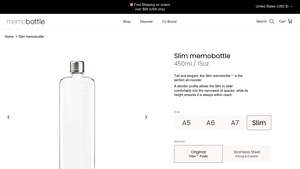
Domain: memobottle.us
Registered: 2017 (8 years)
Introduction: {“name”: “Slim memobottle”, “volume”: “450ml / 15oz”, “dimensions”: “265 x 80 x 30 mm / 10.4 x 3.2 x 1.2 in”, “weight”: “4.2 ounces / 120 grams”, “material”: “Original Tritan™ Plastic”, “lid_material”: “Stainless Steel”, “features”: [“BPA and BPS Free”, “Shatterproof”, “Glass-like clarity”, “Hot Water and Freezer Safe”, “Easy to Clean”], “warranty”: “2-Year Warranty”, “price”: “$35.00”, “customer_…
2. Stanley – All Day Slim Bottle
Domain: stanley1913.com
Registered: 2019 (6 years)
Introduction: Product Name: All Day Slim Bottle | 20 OZ
Price: $22.50 (originally $30.00)
Capacity: 20 ounces
Material: 18/8 Recycled stainless steel, BPA-free
Insulation: Double-wall vacuum insulation
Design Features:
– Leakproof design
– Removable collar for easy filling and cleaning
– Cup holder compatible
– Unique shoulder opening for ice filling
Weight: 0.49 lbs
Dimensions: 2.58L x 2.58W x 8.61H
Care Inst…
3. Asobu – Slim Reusable Insulated Water Bottle
Domain: asobubottle.com
Registered: 2012 (13 years)
Introduction: Slim Reusable Insulated Water Bottle
– Free shipping in the US on orders over $50
– Available colors: Aqua Marble, Basil Green, Black, Blue, Pastel Blue, Pastel Green, Pastel Mint, Pastel Peach, Pastel Pink, Pastel Purple, Pastel Teal, Pink, Puramic, Recycled Stainless Steel, Red, Silver, Slate Blue, Slate Gray, White, Yellow
– Available capacities: 14 ounces, 48 ounces, 50 ounces, 7.8 ounces
– Pr…
4. Hydro Flask – 24 oz Wide Mouth with Flex Chug Cap
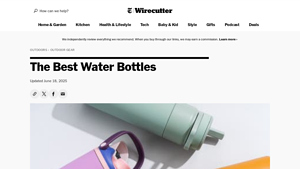
Domain: nytimes.com
Registered: 1994 (31 years)
Introduction: This company, Hydro Flask – 24 oz Wide Mouth with Flex Chug Cap, is a notable entity in the market. For specific product details, it is recommended to visit their website directly.
5. Minimal Bottle – Stainless Steel Insulated Water Bottle
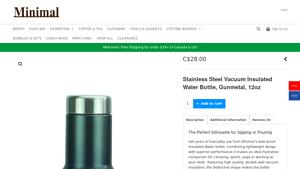
Domain: minimalbottle.com
Registered: 2015 (10 years)
Introduction: {“product_name”: “Stainless Steel Insulated Water Bottle”, “color”: “Gunmetal”, “capacity”: “12oz”, “price”: “U$ 23.80”, “features”: [“Leak-proof design”, “Lightweight and portable”, “High quality, corrosion/oxidation resistant stainless steel”, “BPA free plastic parts”, “Double wall vacuum insulation (keeps liquids hot or cold for up to 24 hours)”, “Sweat and condensation free”, “Easy clean, wide…
Strategic Sourcing Conclusion and Outlook for slimmest water bottle
In the rapidly evolving market for slim water bottles, international B2B buyers must prioritize strategic sourcing to maximize their competitive advantage. The slim design of these bottles, as exemplified by products like the Slim memobottle and the Stanley All Day Slim Bottle, offers unique features such as space-saving capabilities and compatibility with modern lifestyles. Key takeaways include the importance of selecting materials that are both sustainable and user-friendly, such as BPA-free Tritan and stainless steel, which cater to health-conscious consumers.
Furthermore, aligning with brands that support social initiatives, like memobottle’s partnership with Water.org, can enhance corporate social responsibility and appeal to ethically-minded buyers. As the demand for eco-friendly products grows, investing in innovative designs that resonate with diverse markets across Africa, South America, the Middle East, and Europe will be crucial.
Looking ahead, B2B buyers are encouraged to explore partnerships with manufacturers who prioritize quality, sustainability, and design. By doing so, they can effectively meet the rising consumer demand for stylish and functional hydration solutions. Embrace this opportunity to position your business at the forefront of the sustainable products market.