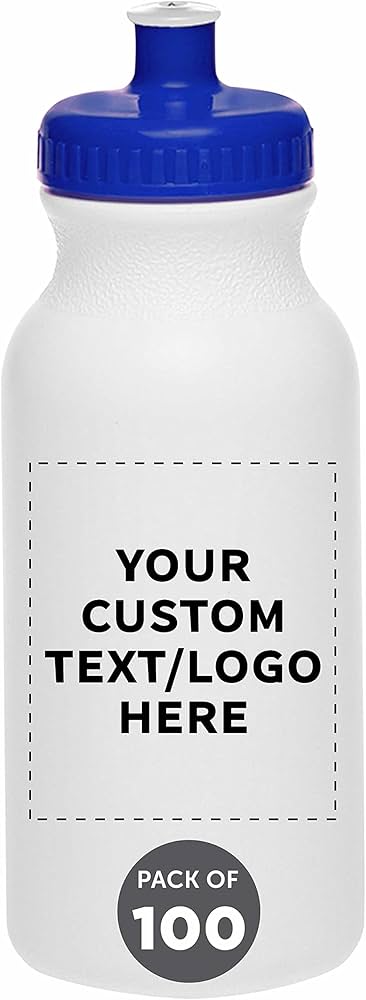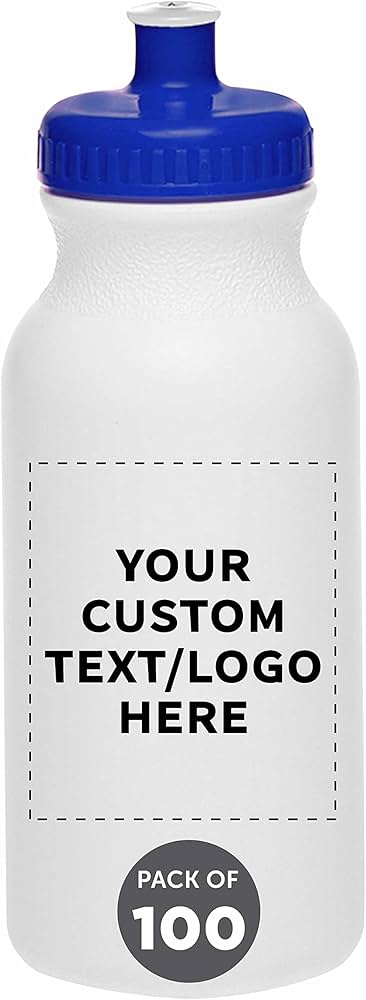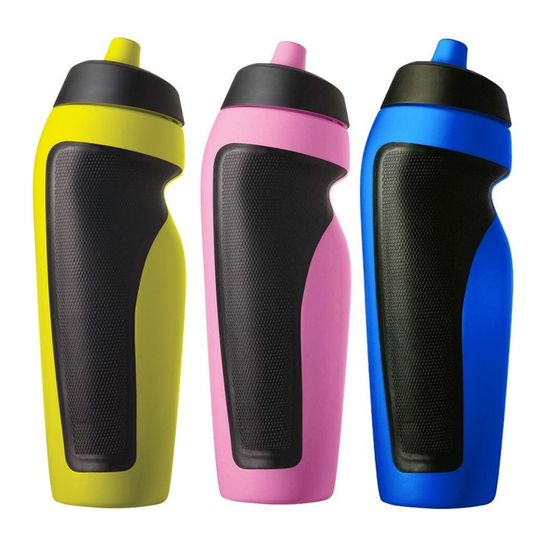
Introduction: Navigating the Global Market for thermos bottle and food jar
In today’s fast-paced global marketplace, sourcing high-quality thermos bottles and food jars presents a unique challenge for B2B buyers. As demand for insulated products rises, particularly in regions such as Africa, South America, the Middle East, and Europe, companies must navigate a complex landscape of options that vary in quality, price, and functionality. This comprehensive guide is designed to empower international buyers by providing insights into the different types of thermos bottles and food jars available, their applications across various industries, and effective strategies for vetting suppliers.
The guide delves into critical aspects of the sourcing process, including evaluating material quality, understanding insulation technologies, and assessing design features that cater to diverse consumer needs. Buyers will also find valuable information on pricing structures, helping them make informed decisions that align with their budgetary constraints. Whether you are looking to enhance your product offerings in Nigeria or Germany, this resource is tailored to equip you with the knowledge needed to navigate the complexities of the thermos bottle and food jar market.
By leveraging the insights provided, businesses can streamline their procurement processes, reduce risks associated with supplier selection, and ultimately secure products that meet both quality standards and customer expectations. Prepare to enhance your purchasing strategy and stay ahead of the competition in a growing industry.
Understanding thermos bottle and food jar Types and Variations
| Type Name | Key Distinguishing Features | Primary B2B Applications | Brief Pros & Cons for Buyers |
|---|---|---|---|
| Insulated Food Jars | Double-wall vacuum insulation, various sizes, durable materials | Catering, food delivery services | Pros: Excellent heat retention; versatile. Cons: Higher price point. |
| Thermos Bottles | Vacuum insulation, wide mouth for easy filling and cleaning | Corporate gifts, promotional items | Pros: Lightweight; customizable. Cons: Limited capacity options. |
| Kids Food Jars | Fun designs, smaller sizes, often with spill-proof lids | Schools, childcare centers | Pros: Engaging for children; easy to clean. Cons: May not be as durable. |
| Specialty Food Jars | Designed for specific foods (e.g., soups, salads), unique shapes | Restaurants, meal prep companies | Pros: Tailored for specific uses; enhances food presentation. Cons: Niche market may limit appeal. |
| Multi-compartment Food Jars | Separate sections for different foods, often stackable | Meal prep services, fitness programs | Pros: Promotes balanced meals; convenient for on-the-go. Cons: Bulkier design. |
What Are the Key Characteristics of Insulated Food Jars?
Insulated food jars are designed with double-wall vacuum insulation, ensuring that food remains hot or cold for extended periods. They come in various sizes, accommodating different meal portions. B2B buyers in catering and food delivery services will find these jars invaluable for maintaining food quality during transport. Key purchasing considerations include the material’s durability and the jar’s insulation performance, which directly impacts customer satisfaction.
How Do Thermos Bottles Differ from Food Jars?
Thermos bottles typically feature vacuum insulation and a wide mouth, making them easy to fill and clean. They are lightweight and often come with customizable branding options, making them popular as corporate gifts and promotional items. B2B buyers should consider their target market when choosing thermos bottles, as the variety of designs and functionalities can significantly influence brand perception and customer engagement.
Why Are Kids Food Jars Important for Educational Institutions?
Kids food jars are designed with fun, engaging aesthetics and smaller sizes suitable for children’s portions. Many feature spill-proof lids, making them ideal for schools and childcare centers. B2B buyers in these sectors should prioritize ease of cleaning and safety features when selecting products, as these factors contribute to overall satisfaction for both kids and parents.
What Makes Specialty Food Jars Unique?
Specialty food jars cater to specific food types, such as soups or salads, and often have unique shapes to enhance food presentation. These jars are particularly valuable for restaurants and meal prep companies looking to offer visually appealing and practical packaging. Buyers should consider the jar’s design and how it aligns with their brand’s culinary offerings, as presentation can significantly impact customer experience.
How Do Multi-compartment Food Jars Enhance Meal Preparation?
Multi-compartment food jars allow for the separation of different food items, promoting balanced meal options. They are often stackable, making them convenient for meal prep services and fitness programs. B2B buyers should evaluate the size and compartment versatility when selecting these jars, as they can enhance the meal experience for customers seeking healthy eating solutions on the go.
Key Industrial Applications of thermos bottle and food jar
| Industry/Sector | Specific Application of thermos bottle and food jar | Value/Benefit for the Business | Key Sourcing Considerations for this Application |
|---|---|---|---|
| Food Service | Meal delivery for restaurants and catering | Ensures food safety and temperature control | Durability, insulation efficiency, and capacity options |
| Education | Lunch containers for schools and universities | Promotes healthy eating habits among students | Size options, child-friendly designs, and safety standards |
| Outdoor Recreation | Portable food storage for camping and hiking | Enhances convenience and reduces waste | Lightweight materials, insulation performance, and ease of cleaning |
| Healthcare | Nutritional containers for patient meals | Supports dietary needs and enhances meal quality | Sterilization features, material safety, and ease of handling |
| Corporate Gifting | Custom-branded food jars for corporate events | Strengthens brand presence and customer loyalty | Customization options, bulk pricing, and lead times |
How Are Thermos Bottles and Food Jars Used in the Food Service Industry?
In the food service industry, thermos bottles and food jars are essential for meal delivery services, ensuring that food remains at the correct temperature during transportation. This application addresses the critical issue of food spoilage and safety, which can lead to health risks and customer dissatisfaction. Buyers in this sector should prioritize products with high insulation efficiency and durable materials that can withstand frequent use and cleaning, especially in regions with varying climates, such as Africa and South America.
What Role Do Thermos Products Play in Educational Settings?
In educational settings, thermos bottles and food jars are increasingly used as lunch containers for students. These products encourage healthy eating by allowing parents to send nutritious meals that stay fresh throughout the school day. Sourcing considerations for educational institutions include safety standards, size options suitable for children, and designs that appeal to young users. Customization can also enhance engagement, particularly in markets like Germany, where brand loyalty is significant.
How Do Outdoor Enthusiasts Benefit from Insulated Food Storage Solutions?
For outdoor recreation, thermos bottles and food jars serve as portable food storage solutions for activities like camping and hiking. They provide the convenience of keeping meals hot or cold, thus reducing food waste and enhancing the outdoor experience. Buyers in this sector should look for lightweight materials, exceptional insulation performance, and ease of cleaning. The ability to withstand rugged conditions is particularly important for buyers in the Middle East, where outdoor activities are prevalent in desert environments.
Why Are Thermos Products Important in Healthcare?
In the healthcare sector, thermos bottles and food jars are utilized for patient meals, ensuring that nutritional needs are met while maintaining food quality. This application is crucial for hospitals and care facilities, where dietary restrictions and preferences must be considered. Buyers should focus on products that meet sterilization standards, are made from safe materials, and facilitate easy handling. Understanding local regulations in various regions, such as Europe, is essential for compliance and safety assurance.
How Can Corporate Gifting Leverage Thermos Products?
Corporate gifting using thermos bottles and food jars provides businesses with a unique way to strengthen brand presence. Customized food jars can be given at corporate events, effectively promoting the brand while offering practical value to recipients. Key sourcing considerations include customization options, competitive bulk pricing, and reasonable lead times to meet event schedules. This strategy can be particularly effective in markets across Africa, where personalized gifts are valued in business relationships.
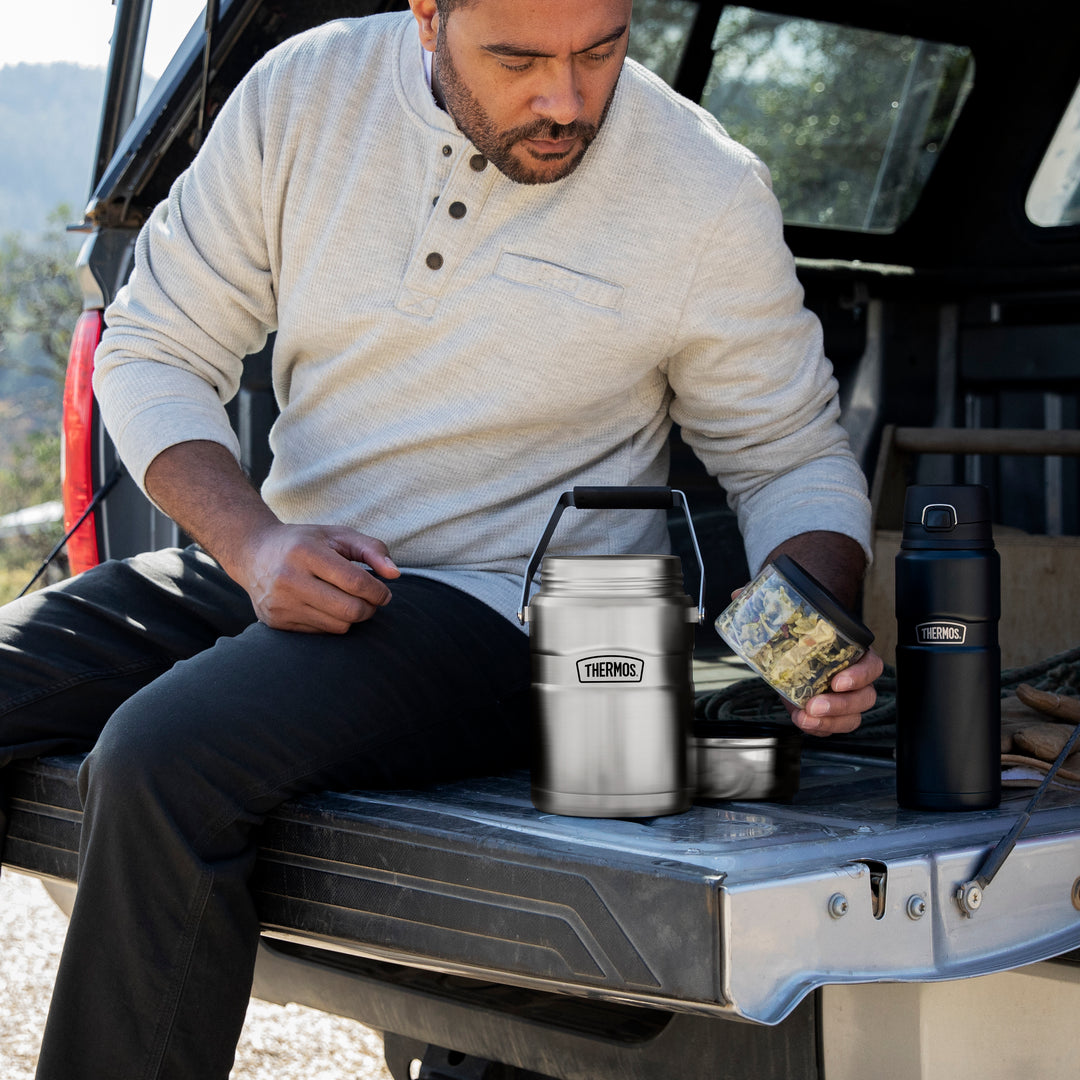
A stock image related to thermos bottle and food jar.
3 Common User Pain Points for ‘thermos bottle and food jar’ & Their Solutions
Scenario 1: Keeping Food Fresh During Long Hauls
The Problem: B2B buyers in the food service industry often face the challenge of maintaining the quality and safety of food during long transportation times. For example, catering companies transporting meals to events may worry about food spoilage, which can lead to financial losses and damage to their reputation. Without reliable food storage solutions, they risk delivering meals that are not only unappetizing but also potentially unsafe for consumption.
The Solution: To address this issue, B2B buyers should prioritize sourcing high-quality thermos bottles and food jars designed with advanced insulation technology. When selecting products, look for double-walled stainless steel construction, which helps maintain temperature for extended periods. Additionally, it’s crucial to ensure that the jars are leak-proof to prevent spills during transport. Buyers can enhance their logistics by investing in thermal bags that provide extra insulation. By properly training staff on how to pack these containers efficiently and effectively, they can guarantee that meals arrive hot or cold as intended, thus preserving food quality and safety.
Scenario 2: Managing Diverse Consumer Preferences
The Problem: Distributors catering to a wide range of consumer preferences often struggle with providing the right variety of sizes and styles in food storage solutions. Buyers may find themselves overwhelmed with the need to stock products that appeal to different demographics, such as families, health-conscious individuals, or on-the-go professionals. This complexity can lead to inefficient inventory management and potential missed sales opportunities if they cannot meet customer demands.
The Solution: To effectively manage diverse consumer preferences, B2B buyers should conduct thorough market research to identify the most popular sizes and styles of thermos bottles and food jars within their target demographics. Offering a range of products—such as smaller jars for kids’ lunches and larger containers for meal prep—can cater to varied customer needs. Additionally, consider sourcing customizable options that allow buyers to choose colors or designs that resonate with their brand identity. This approach not only helps in managing inventory but also enhances customer satisfaction by providing them with choices that fit their lifestyle.
Scenario 3: Addressing Environmental Concerns
The Problem: Many B2B buyers are increasingly confronted with the need to offer sustainable products in response to growing environmental concerns from consumers. Traditional disposable food containers contribute significantly to waste, and companies are under pressure to reduce their carbon footprint. This can create a dilemma for buyers who want to provide effective food storage solutions while aligning with sustainability goals.
The Solution: To tackle this pain point, B2B buyers should focus on sourcing eco-friendly thermos bottles and food jars made from recyclable or biodegradable materials. Look for products that have certifications indicating their sustainability credentials, such as BPA-free and made from post-consumer recycled materials. Furthermore, emphasize the long-term cost savings associated with reusable products over disposables. Buyers can also educate their customers on the environmental benefits of using insulated containers, thereby creating a value proposition that resonates with eco-conscious consumers. By aligning product offerings with sustainability trends, companies can enhance their brand image and attract a more environmentally aware clientele.
Strategic Material Selection Guide for thermos bottle and food jar
What Are the Key Materials Used in Thermos Bottles and Food Jars?
When selecting materials for thermos bottles and food jars, several factors come into play, including thermal efficiency, durability, and cost-effectiveness. The following analysis covers four common materials: stainless steel, glass, plastic, and silicone. Each material has unique properties that influence its suitability for specific applications in the B2B market.
How Does Stainless Steel Perform in Thermos Bottles and Food Jars?
Key Properties: Stainless steel is renowned for its excellent thermal retention capabilities and resistance to corrosion. It can withstand high temperatures and pressures, making it ideal for hot liquids.
Pros & Cons: The durability of stainless steel is unmatched; it is resistant to rust, stains, and impacts. However, it tends to be more expensive than other materials, which may affect budget constraints for some buyers. Manufacturing complexity is moderate, as stainless steel requires specialized processes for shaping and finishing.
Impact on Application: Stainless steel is compatible with a wide range of media, including acidic and alkaline substances. This compatibility makes it suitable for various food and beverage applications.
Considerations for International Buyers: Buyers from regions like Africa and South America should ensure compliance with food safety standards, such as ASTM or FDA regulations. In Europe, adherence to DIN standards is crucial. Additionally, the preference for eco-friendly materials may influence purchasing decisions.
What Role Does Glass Play in Food Storage Solutions?
Key Properties: Glass is non-reactive and provides excellent insulation, maintaining the temperature of contents effectively. It is also transparent, allowing users to see the contents easily.
Pros & Cons: While glass is aesthetically pleasing and can be recycled, it is fragile and can break easily, posing a risk during transport. The manufacturing process is complex and energy-intensive, contributing to higher costs.
Impact on Application: Glass is ideal for storing acidic foods and beverages without leaching harmful chemicals. However, its weight may limit its use in portable applications.
Considerations for International Buyers: Buyers should consider the fragility of glass when shipping products, particularly to regions with less developed logistics infrastructure. Compliance with safety standards is critical, especially in markets with stringent regulations.
How Does Plastic Compare in Terms of Cost and Versatility?
Key Properties: Plastic is lightweight, flexible, and resistant to impact. It can be molded into various shapes, making it highly versatile for different designs.
Pros & Cons: The primary advantage of plastic is its low cost and manufacturing simplicity. However, concerns about durability and potential chemical leaching into food can deter some buyers. Additionally, not all plastics are suitable for high-temperature applications.
Impact on Application: Plastic is suitable for cold beverages and lightweight food jars. However, it may not perform well under high heat or with acidic foods.
Considerations for International Buyers: Buyers must be aware of the different grades of plastic and their compliance with food safety standards. In regions like the Middle East, where high temperatures are common, selecting heat-resistant plastics is essential.
What Benefits Does Silicone Offer for Food Storage?
Key Properties: Silicone is flexible, durable, and can withstand extreme temperatures. It is also non-toxic and resistant to UV light, making it suitable for long-term use.
Pros & Cons: The flexibility of silicone allows for easy storage and transport. However, it is generally more expensive than plastic and may not provide the same level of insulation as other materials.
Impact on Application: Silicone is ideal for products requiring flexibility, such as collapsible food jars. It is also compatible with a wide range of food types.
Considerations for International Buyers: Buyers should ensure that the silicone used complies with food safety regulations. In regions like Europe, where consumer awareness about health and safety is high, sourcing high-quality silicone is crucial.
Summary Table of Material Selection for Thermos Bottles and Food Jars
| Material | Typical Use Case for thermos bottle and food jar | Key Advantage | Key Disadvantage/Limitation | Relative Cost (Low/Med/High) |
|---|---|---|---|---|
| Stainless Steel | Hot and cold beverages, durable food storage | Excellent thermal retention | Higher cost, moderate manufacturing complexity | High |
| Glass | Acidic foods, beverages, aesthetic storage | Non-reactive, recyclable | Fragile, complex manufacturing | Med |
| Plastic | Lightweight food jars, cold beverages | Low cost, versatile | Potential chemical leaching, less durable | Low |
| Silicone | Flexible food storage, collapsible designs | Flexible, withstands extreme temps | Generally more expensive | Med |
This guide provides actionable insights for international B2B buyers, ensuring informed decisions when selecting materials for thermos bottles and food jars.
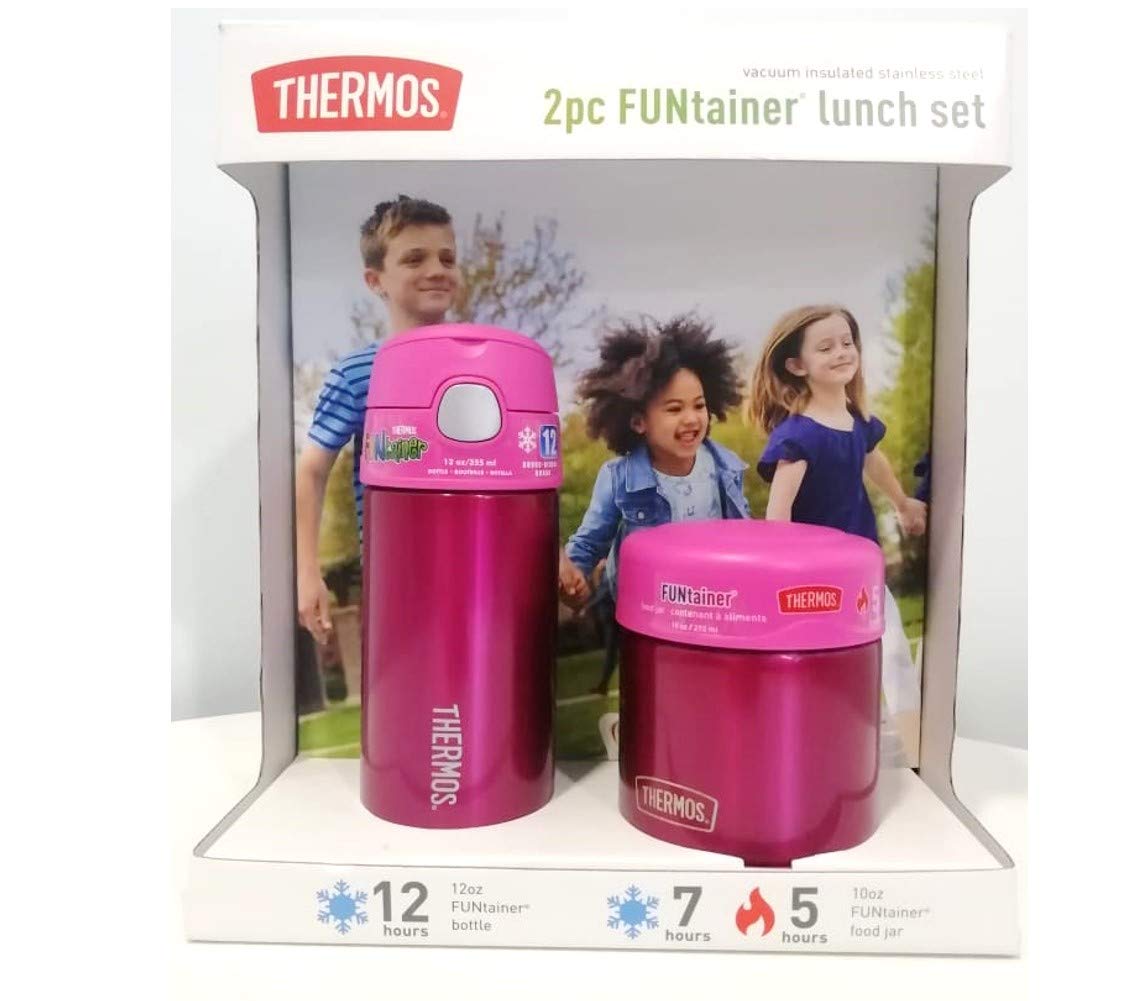
A stock image related to thermos bottle and food jar.
In-depth Look: Manufacturing Processes and Quality Assurance for thermos bottle and food jar
What Are the Key Manufacturing Processes for Thermos Bottles and Food Jars?
Manufacturing thermos bottles and food jars involves several meticulous stages that ensure the final products meet both functional and aesthetic standards. The process can be broken down into four main stages: material preparation, forming, assembly, and finishing.
How Is Material Prepared for Thermos Bottles and Food Jars?
The manufacturing process begins with material selection and preparation. Stainless steel is commonly used for its durability and insulation properties. This material is sourced in sheets or coils, which are then cut and shaped as required.
In addition to stainless steel, other materials such as plastic and silicone are often used for lids and seals. These materials must also undergo rigorous quality checks before they are approved for production. The selection of materials must take into account factors such as weight, thermal conductivity, and resistance to corrosion, especially for products intended for diverse climates across Africa, South America, the Middle East, and Europe.
What Techniques Are Used in Forming Thermos Bottles and Food Jars?
The forming stage employs various techniques, including deep drawing, stamping, and injection molding, depending on the components being produced.
-
Deep Drawing: This technique is particularly useful for creating the body of the thermos bottle. It involves pulling a flat metal sheet into a die to form a seamless container.
-
Stamping: Used mainly for producing lids and base components, stamping involves pressing metal sheets into specific shapes using dies.
-
Injection Molding: This is used for plastic components such as lids and seals. In this process, plastic pellets are heated and injected into molds to create the desired shapes.
Each of these techniques requires precision and skilled operators to ensure that the dimensions and shapes meet stringent quality standards.
How Are Thermos Bottles and Food Jars Assembled?
Once individual components are formed, the assembly stage begins. This involves joining different parts together, such as attaching lids, seals, and any additional features like handles or grips.
Modern manufacturing often employs automated assembly lines, which enhance efficiency and reduce labor costs. However, critical assembly tasks—like ensuring airtight seals—may still require manual inspection. The assembly process is designed to minimize the risk of defects that could compromise the product’s thermal insulation properties.
What Finishing Techniques Are Applied to Thermos Bottles and Food Jars?
The final stage of manufacturing involves finishing processes, which may include polishing, coating, and printing.
-
Polishing: This enhances the aesthetic quality of stainless steel surfaces and helps in removing any sharp edges or burrs that may have resulted from the forming processes.
-
Coating: Protective coatings may be applied to enhance corrosion resistance and add color or texture to the product. This is particularly important for products intended for outdoor use in diverse environments.
-
Printing: Branding and labeling can be done using techniques like pad printing or laser engraving, ensuring that the product not only performs well but also represents the brand effectively.
What Quality Assurance Measures Are Essential for Thermos Bottles and Food Jars?
Quality assurance (QA) is a critical aspect of the manufacturing process, ensuring that the final products meet international and industry-specific standards.
Which International Standards Should B2B Buyers Be Aware Of?
For B2B buyers, understanding relevant international standards is crucial. ISO 9001 is a widely recognized standard that outlines requirements for quality management systems. Compliance with this standard indicates that a manufacturer has established a robust framework for quality assurance.
In addition to ISO 9001, other certifications may be relevant depending on the market. For instance, CE marking is essential for products sold in the European Union, indicating compliance with health, safety, and environmental protection standards.
What Are the Key QC Checkpoints in the Manufacturing Process?
Quality control is integrated at multiple checkpoints throughout the manufacturing process:
-
Incoming Quality Control (IQC): This is the first checkpoint where raw materials are inspected for quality and compliance with specifications before being accepted into the production line.
-
In-Process Quality Control (IPQC): This involves continuous monitoring during the manufacturing stages to catch defects early. Operators perform regular inspections to ensure that processes are being executed correctly.
-
Final Quality Control (FQC): At this stage, finished products undergo rigorous testing to ensure they meet all specifications and standards. This may include thermal performance tests, leak tests, and durability assessments.
How Can B2B Buyers Verify Supplier Quality Control?
B2B buyers should take proactive steps to verify the quality control measures of potential suppliers. This can be achieved through:
-
Supplier Audits: Conducting on-site audits allows buyers to assess the manufacturer’s processes, quality control measures, and compliance with international standards.
-
Quality Reports: Requesting detailed quality reports from the supplier can provide insights into their quality control processes, including testing methods and results.
-
Third-Party Inspections: Engaging third-party inspection services can add an extra layer of assurance. These independent organizations can evaluate products before shipment to ensure they meet the required standards.
What Are the Quality Control Nuances for International B2B Buyers?
For international B2B buyers, especially those from regions like Africa and South America, there are additional nuances to consider. These may include:
-
Regulatory Compliance: Different countries have varying regulations regarding product safety and quality. Understanding local requirements is crucial to avoid legal issues.
-
Cultural Differences in Quality Expectations: Buyers should be aware of differing standards and perceptions of quality across regions. What is considered acceptable in one market may not be in another.
-
Logistical Challenges: Ensuring quality control during shipping and handling is vital. Buyers should collaborate with suppliers to establish best practices for transport and storage to maintain product integrity.
By understanding the manufacturing processes and quality assurance measures for thermos bottles and food jars, B2B buyers can make informed decisions and select reliable suppliers that align with their quality expectations and market requirements.
Practical Sourcing Guide: A Step-by-Step Checklist for ‘thermos bottle and food jar’
To assist B2B buyers in successfully sourcing thermos bottles and food jars, this guide provides a practical step-by-step checklist. By following these steps, buyers can ensure they are making informed decisions that meet their needs and those of their customers.
Step 1: Define Your Technical Specifications
Start by clearly defining the technical specifications of the thermos bottles and food jars you need. Consider factors such as size, material (e.g., stainless steel vs. plastic), insulation type, and intended use (e.g., for adults or children). This clarity helps in narrowing down options and ensures that the products meet your quality standards.
- Size and Capacity: Determine the volume you require (e.g., 12oz, 24oz, or 47oz) based on your target market.
- Material Choices: Decide between options like stainless steel for durability or BPA-free plastics for lightweight alternatives.
Step 2: Research Market Trends and Consumer Preferences
Stay updated on market trends and consumer preferences specific to your target regions, such as Africa, South America, the Middle East, and Europe. Understanding what consumers value—such as eco-friendliness, design, or functionality—can guide your sourcing decisions.
- Color and Design Trends: Look for popular colors and designs that appeal to your demographic.
- Sustainability Factors: Increasingly, consumers prefer products that are environmentally friendly; consider sourcing options that emphasize sustainability.
Step 3: Evaluate Potential Suppliers
Before making a commitment, thoroughly evaluate potential suppliers. Request detailed company profiles, case studies, and references from existing clients in similar industries or regions to ensure reliability.
- Supplier Experience: Check how long they have been in the market and their specialization in thermos bottles and food jars.
- Quality Assurance: Inquire about their quality control processes to ensure product consistency.
Step 4: Verify Certifications and Compliance
Ensure that the suppliers comply with international quality standards and certifications relevant to your market. This could include ISO certifications, FDA approvals, or other regional compliance standards.
- Safety Standards: Verify that the products meet safety regulations, particularly for food storage and contact.
- Environmental Certifications: Check for any eco-certifications, which can enhance your brand’s reputation and appeal to environmentally conscious consumers.
Step 5: Request Samples for Quality Assessment
Always request samples before placing large orders. This step is crucial for assessing the product’s quality, usability, and overall appeal.
- Testing Insulation Performance: Evaluate how well the thermos maintains temperature over time.
- User Experience: Consider ease of use, such as opening/closing mechanisms and cleaning.
Step 6: Negotiate Pricing and Terms
Once you have selected a supplier, negotiate pricing and payment terms. Be clear about your budget constraints and the quantities you intend to order, as this can influence the final price.
- Volume Discounts: Inquire about discounts for bulk purchases.
- Payment Terms: Discuss payment methods and terms to avoid any surprises later.
Step 7: Establish a Clear Logistics Plan
Finally, develop a logistics plan for shipping and handling the products. Consider shipping times, costs, and any customs requirements specific to your region.
- Shipping Options: Evaluate different shipping methods (air vs. sea) based on urgency and cost.
- Customs Regulations: Ensure compliance with import regulations to avoid delays at customs.
By following this checklist, B2B buyers can navigate the sourcing process for thermos bottles and food jars effectively, ensuring they procure products that align with market demands and their business objectives.
Comprehensive Cost and Pricing Analysis for thermos bottle and food jar Sourcing
What Are the Key Cost Components in Thermos Bottle and Food Jar Production?
When sourcing thermos bottles and food jars, understanding the cost structure is crucial. The primary cost components include:
-
Materials: The choice of materials significantly affects pricing. Stainless steel, for instance, is more expensive than plastic but offers durability and insulation efficiency. Suppliers often provide various options, influencing both quality and cost.
-
Labor: Labor costs can vary widely depending on the manufacturing location. Regions with higher labor costs might produce higher-quality products, but at a premium price. Conversely, lower-cost labor may lead to savings but could impact product quality.
-
Manufacturing Overhead: This includes utilities, facility maintenance, and administrative costs. Efficient manufacturing processes can lower overhead, allowing suppliers to offer competitive pricing.
-
Tooling: Initial tooling costs for molds and machinery can be significant, especially for customized products. Buyers should consider these costs when evaluating the total price.
-
Quality Control (QC): Implementing rigorous QC processes ensures product reliability but adds to manufacturing costs. Certification for quality standards can also increase costs but is often essential for international compliance.
-
Logistics: Transportation and warehousing costs must be factored in. Shipping costs fluctuate based on distance, volume, and method (air vs. sea).
-
Margin: Suppliers will add a profit margin to their costs, which can vary based on market demand, competition, and overall business strategy.
How Do Price Influencers Impact Thermos Bottle and Food Jar Costs?
Several factors can influence pricing in the thermos bottle and food jar market:
-
Volume and Minimum Order Quantity (MOQ): Larger orders typically lead to reduced per-unit costs. Buyers negotiating lower prices should be prepared to meet MOQs that may be set by suppliers.
-
Specifications and Customization: Custom designs, colors, or materials can significantly increase costs. Buyers should weigh the benefits of customization against potential price increases.
-
Quality and Certifications: Higher-quality products or those with certifications (e.g., BPA-free, ISO standards) often come with higher price tags. Buyers should consider the balance between cost and quality requirements.
-
Supplier Factors: The reputation and reliability of suppliers can influence pricing. Established suppliers may charge more due to their proven track record and reliability.
-
Incoterms: Understanding shipping terms can affect pricing. For instance, FOB (Free on Board) pricing might require buyers to handle shipping, potentially leading to additional costs.
What Negotiation Strategies Can International B2B Buyers Use?
For international buyers, particularly from Africa, South America, the Middle East, and Europe, effective negotiation strategies can yield significant savings:
-
Leverage Volume Discounts: Consolidating orders or joining purchasing groups can provide leverage for negotiating better pricing.
-
Request Detailed Quotations: Ask for itemized quotes to understand where costs are coming from, allowing for targeted negotiations on specific areas.
-
Consider Total Cost of Ownership (TCO): Evaluate not just the purchase price but also shipping, handling, and any potential tariffs or taxes. A lower initial price may not always be the best value.
-
Build Relationships: Establishing strong relationships with suppliers can lead to better pricing over time. Regular communication and trust can result in favorable terms.
-
Stay Informed About Market Trends: Understanding market conditions and material costs can empower buyers to negotiate effectively. Awareness of currency fluctuations and geopolitical factors can also play a role.
Conclusion: What Should Buyers Keep in Mind Regarding Pricing Nuances?
International B2B buyers must remain vigilant about pricing nuances in the thermos bottle and food jar market. Prices can vary significantly based on the factors outlined above, and understanding these intricacies can lead to better sourcing decisions. Keep in mind that indicative prices are subject to change based on market dynamics, and continuous monitoring of costs and supplier performance is essential for maintaining competitive advantage.
Alternatives Analysis: Comparing thermos bottle and food jar With Other Solutions
Introduction to Alternative Solutions for Food and Beverage Storage
In the competitive landscape of food and beverage storage solutions, businesses often seek alternatives that provide similar functionality to thermos bottles and food jars. These alternatives vary in performance, cost, and usability, impacting their suitability for different markets and applications. Understanding these options can empower B2B buyers to make informed decisions that align with their operational needs and customer preferences.
Comparison Table of Food and Beverage Storage Solutions
| Comparison Aspect | Thermos Bottle and Food Jar | Insulated Lunch Box | Vacuum-Sealed Containers |
|---|---|---|---|
| Performance | Excellent thermal insulation for hot and cold foods | Moderate insulation; best for short-term storage | Excellent for preserving freshness for long durations |
| Cost | Mid-range ($20 – $70) | Lower ($10 – $40) | Varies ($15 – $100+ depending on size and brand) |
| Ease of Implementation | Easy to use; portable | Simple design; portable | Requires careful sealing; more complex to use |
| Maintenance | Low; easy to clean | Low; easy to clean | Moderate; requires thorough cleaning and drying |
| Best Use Case | Ideal for meals on-the-go | Great for lunches and snacks | Best for meal prep and long-term storage |
Detailed Breakdown of Alternatives
Insulated Lunch Box
Insulated lunch boxes are designed for convenience, offering moderate thermal insulation to keep food at a desirable temperature for a few hours. They are generally more affordable than thermos bottles and food jars, making them an attractive option for budget-conscious businesses. Their simple design allows for easy packing, and they are lightweight and portable. However, the insulation may not be sufficient for longer durations, making them less suitable for extended trips or outdoor activities.
Vacuum-Sealed Containers
Vacuum-sealed containers provide an excellent alternative for preserving food freshness. By removing air, these containers extend the shelf life of food products, making them ideal for meal prep and bulk storage. They are particularly beneficial for businesses focused on reducing food waste. However, vacuum-sealed containers can be more expensive, especially for high-quality brands. Additionally, they require a bit more effort to seal properly, which could complicate their use in fast-paced environments.
Conclusion: Choosing the Right Food Storage Solution for Your Business
Selecting the appropriate food and beverage storage solution hinges on understanding the specific needs of your business and clientele. Thermos bottles and food jars excel in maintaining temperature for meals on-the-go, making them perfect for active lifestyles. In contrast, insulated lunch boxes offer a cost-effective and portable option for short-term use, while vacuum-sealed containers shine in long-term food preservation. By evaluating the performance, cost, and usability of these alternatives, B2B buyers can align their choices with operational goals and customer expectations, ensuring a competitive edge in their respective markets.
Essential Technical Properties and Trade Terminology for thermos bottle and food jar
What Are the Key Technical Properties of Thermos Bottles and Food Jars?
When sourcing thermos bottles and food jars, understanding their technical specifications is crucial for making informed purchasing decisions. Here are some key properties that B2B buyers should consider:
-
Material Grade
The primary materials used in thermos bottles and food jars include stainless steel, glass, and BPA-free plastics. Stainless steel is favored for its durability and insulation properties, while glass offers non-reactivity and ease of cleaning. The material grade affects product longevity, safety, and the ability to maintain temperature. Sourcing high-quality materials ensures that the product meets safety standards and provides value over time. -
Insulation Technology
Insulation is vital for maintaining the temperature of food and beverages. Most products utilize vacuum insulation technology, which creates a space devoid of air between two walls, significantly reducing heat transfer. This technology is essential for B2B buyers looking to provide products that keep food hot or cold for extended periods, thus enhancing customer satisfaction and reducing waste. -
Capacity and Size
The capacity of thermos bottles and food jars typically ranges from 10 oz to 47 oz. Understanding the size options available helps buyers align their product offerings with market demands, whether for personal use, family outings, or commercial applications. Selecting the right size can also impact shipping costs and storage solutions. -
Leak Resistance
A critical property for food storage solutions is leak resistance. Products are often equipped with silicone seals and locking mechanisms to prevent spills. This feature is essential for B2B buyers targeting consumers who prioritize convenience and mess-free transport of food items, which can enhance brand reputation. -
Weight and Portability
The weight of thermos bottles and food jars can influence their usability, especially for consumers on the go. Lightweight materials and ergonomic designs are increasingly popular, making it easier for end-users to carry these products. For B2B buyers, offering portable options can cater to a market segment that values convenience in everyday life.
What Trade Terminology Should B2B Buyers Know?
Familiarity with industry terminology can facilitate smoother transactions and better negotiations. Here are some essential terms for buyers in the thermos bottle and food jar market:
-
OEM (Original Equipment Manufacturer)
OEM refers to companies that manufacture products based on the specifications provided by another company. For B2B buyers, working with OEMs can enable customization of thermos bottles and food jars to meet specific branding or functional requirements, thus enhancing product differentiation in the market. -
MOQ (Minimum Order Quantity)
MOQ is the smallest quantity of a product that a supplier is willing to sell. Understanding the MOQ is crucial for B2B buyers as it impacts inventory levels and cash flow. Negotiating favorable MOQs can help businesses manage risk and optimize purchasing strategies. -
RFQ (Request for Quotation)
An RFQ is a document sent to suppliers requesting pricing and terms for specific products. This process is vital for B2B buyers looking to gather competitive offers, compare suppliers, and make informed purchasing decisions. -
Incoterms (International Commercial Terms)
Incoterms are a set of standardized trade terms that define the responsibilities of buyers and sellers in international transactions. Familiarity with Incoterms helps B2B buyers understand shipping logistics, risk allocation, and cost responsibilities, which is particularly important when sourcing products from global suppliers. -
Lead Time
Lead time refers to the time it takes from placing an order to receiving the goods. Knowing the lead times associated with suppliers can aid B2B buyers in planning inventory and aligning product launches with market demands, ensuring that they meet customer expectations. -
Certification Standards
Various certification standards, such as ISO and FDA approvals, ensure that products meet specific safety and quality benchmarks. B2B buyers should prioritize suppliers that comply with relevant certification standards to guarantee product reliability and consumer safety.
By understanding these technical properties and trade terms, B2B buyers can make more informed decisions in the competitive thermos bottle and food jar market. This knowledge not only streamlines the procurement process but also enhances product offerings to meet customer demands effectively.
Navigating Market Dynamics and Sourcing Trends in the thermos bottle and food jar Sector
What Are the Key Drivers Influencing the Thermos Bottle and Food Jar Market?
The global market for thermos bottles and food jars is experiencing significant growth, driven by increasing consumer awareness regarding health, wellness, and sustainability. In regions such as Africa, South America, the Middle East, and Europe, the demand for portable food storage solutions is rising, especially among busy professionals and families seeking convenience and quality. The growth of outdoor activities, such as camping and hiking, further propels this market, as consumers look for reliable solutions to keep their food and beverages at the desired temperature.
Emerging B2B tech trends, including e-commerce platforms and advanced supply chain solutions, are reshaping how international buyers source these products. Digital marketplaces facilitate easier access to diverse suppliers, enabling businesses to compare prices and quality efficiently. Moreover, the integration of smart technologies in thermos bottles—such as temperature control and tracking capabilities—appeals to tech-savvy consumers and can enhance the value proposition for B2B buyers.
How Important Is Sustainability and Ethical Sourcing in the Thermos Bottle and Food Jar Sector?
Sustainability is increasingly becoming a central theme in the thermos bottle and food jar sector. The environmental impact of plastic waste has prompted consumers and businesses alike to prioritize eco-friendly materials, such as stainless steel and BPA-free plastics. B2B buyers are now more inclined to partner with manufacturers who can demonstrate a commitment to sustainable practices and ethical sourcing.
Ethical supply chains are crucial in building brand reputation and fostering customer loyalty. Certifications such as ISO 14001 for environmental management and Fair Trade practices are gaining traction among suppliers, providing assurance of responsible sourcing. The use of recycled materials in product manufacturing not only reduces environmental footprints but also appeals to a growing base of environmentally conscious consumers. For international buyers, aligning with suppliers that uphold sustainability and ethical standards can enhance their market competitiveness and resonate with their target audience.
What Is the Historical Context of Thermos Bottles and Food Jars in B2B Markets?
The evolution of thermos bottles and food jars can be traced back to the late 19th century when the first vacuum-insulated flasks were developed. Originally designed for medical and scientific purposes, these products quickly found popularity in consumer markets. Over the decades, advancements in materials and design have transformed thermos bottles from bulky containers into sleek, portable solutions that cater to various lifestyles.
In the modern B2B context, the focus has shifted towards functionality, aesthetic appeal, and sustainability. Manufacturers have adapted to changing consumer preferences, leading to a diverse range of offerings that include insulated food jars and stylish thermos bottles. This evolution reflects the ongoing demand for quality, convenience, and eco-friendliness, aligning with broader market trends that prioritize health and sustainability in food storage solutions.
Frequently Asked Questions (FAQs) for B2B Buyers of thermos bottle and food jar
-
How do I choose the right thermos bottle and food jar for my business needs?
Choosing the right thermos bottle and food jar involves understanding your target market and their preferences. Consider factors such as capacity, insulation performance, materials (like stainless steel or BPA-free plastics), and design aesthetics. Research current trends in your target regions, such as popular colors or features (like leak-proof designs). Additionally, assess your price point to ensure it aligns with your audience’s expectations. Collaborating with suppliers who offer customization options can help you tailor products that stand out in your market. -
What is the best material for thermos bottles and food jars?
Stainless steel is often considered the best material for thermos bottles and food jars due to its durability, resistance to rust, and excellent insulation properties. It keeps beverages hot or cold for extended periods while being easy to clean. BPA-free plastics are also popular for their lightweight nature and variety of designs, but they may not offer the same insulation performance. When sourcing products, ensure that the materials comply with international safety standards to meet your customers’ expectations. -
What are the minimum order quantities (MOQs) for thermos bottles and food jars?
Minimum order quantities (MOQs) for thermos bottles and food jars can vary significantly based on the supplier and the product type. Generally, MOQs can range from 500 to 1,000 units for custom designs, while standard items might have lower MOQs. It’s crucial to communicate your needs with potential suppliers and negotiate terms that fit your business model. Many suppliers may offer flexibility, especially for repeat orders or long-term partnerships, so exploring multiple options can be beneficial. -
How can I vet suppliers for thermos bottles and food jars?
Vetting suppliers is essential to ensure product quality and reliability. Start by researching potential suppliers through industry directories, trade shows, and online platforms. Look for certifications such as ISO or compliance with food safety regulations. Request samples to assess product quality, and check references or reviews from other businesses. Additionally, consider conducting a factory visit if possible, to verify production capabilities and working conditions, ensuring they align with your ethical standards. -
What payment terms are typically offered for international orders?
Payment terms for international orders can vary by supplier and region. Common terms include a 30% deposit upfront, with the remaining balance due before shipping. Some suppliers may offer net 30 or net 60 payment options, allowing you time to sell the products before settling the balance. It’s essential to clarify payment methods (like wire transfer, PayPal, or letters of credit) and negotiate terms that work for both parties. Always ensure that payment terms are documented in the contract to avoid misunderstandings. -
What quality assurance measures should I consider when sourcing food jars and thermos bottles?
Quality assurance is critical in ensuring that your products meet customer expectations. Implement a multi-step QA process, including pre-production samples, in-process inspections, and final product audits. Collaborate with suppliers who have established QA protocols and certifications. Additionally, consider third-party inspections before shipment to verify product specifications and compliance with safety standards. Having clear quality expectations outlined in your contract can help mitigate risks and ensure consistent product quality. -
How do I handle logistics and shipping for thermos bottles and food jars?
Managing logistics and shipping requires careful planning to ensure timely delivery. Work with suppliers who have experience in international shipping and can provide reliable freight forwarding options. Discuss shipping methods (air, sea, or land) based on your budget and delivery timelines. Ensure that all customs paperwork is completed accurately to avoid delays. Consider using a logistics partner to streamline the process and keep track of shipments, especially when dealing with multiple suppliers across different regions. -
What are the trends in thermos bottles and food jars that I should be aware of?
Current trends in thermos bottles and food jars include an emphasis on sustainability, with many consumers seeking eco-friendly materials and reusable options. Customization is also on the rise, as businesses look to differentiate themselves through unique designs and branding. Additionally, smart technology integration, such as temperature displays or hydration reminders, is gaining popularity. Keeping an eye on these trends can help you make informed decisions about product offerings and marketing strategies to appeal to your target audience.
Important Disclaimer & Terms of Use
⚠️ Important Disclaimer
The information provided in this guide, including content regarding manufacturers, technical specifications, and market analysis, is for informational and educational purposes only. It does not constitute professional procurement advice, financial advice, or legal advice.
While we have made every effort to ensure the accuracy and timeliness of the information, we are not responsible for any errors, omissions, or outdated information. Market conditions, company details, and technical standards are subject to change.
B2B buyers must conduct their own independent and thorough due diligence before making any purchasing decisions. This includes contacting suppliers directly, verifying certifications, requesting samples, and seeking professional consultation. The risk of relying on any information in this guide is borne solely by the reader.
Top 8 Thermos Bottle And Food Jar Manufacturers & Suppliers List
1. Thermos – Key Food Jars
Domain: thermos.com
Registered: 1997 (28 years)
Introduction: Adult Food Jars include various sizes and colors. Key products are: 16oz ICON™ FOOD JAR ($29.99), 24oz ICON™ FOOD JAR ($32.99), 47oz ICON™ STAINLESS STEEL FOOD JAR ($69.99), 16oz STAINLESS KING™ FOOD JAR ($29.99), 24oz STAINLESS KING™ FOOD JAR ($32.99), 47oz STAINLESS KING™ BIG BOSS™ FOOD JAR ($69.99), 27oz ALTA FOOD JAR ($49.99), and 12oz ICON™ KIDS FOOD JAR ($22.99). Colors available include San…
2. ThermoFlask – Insulated Food Jars
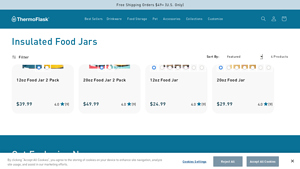
Domain: mythermoflask.com
Registered: 2014 (11 years)
Introduction: Insulated Food Jars from ThermoFlask come in two sizes: 12oz and 20oz. The 12oz Food Jar is priced at $24.99, while the 20oz Food Jar is priced at $29.99. There are also 2-pack options available for both sizes, with the 12oz 2 Pack priced at $39.99 and the 20oz 2 Pack priced at $49.99. The jars are available in various colors including Blush Sandstone, Ocean Mist, Desert Bloom, Spring Blossom, Tro…
3. Stanley – Thermos
Domain: reddit.com
Registered: 2005 (20 years)
Introduction: Hot / cold vacuum sealed food jars or thermos bottles recommended include Stanley thermos, Thermos brand wide mouth jar, Zojirushi, Tiger, Hydro Flask, and Klean Kanteen. Users mention that Stanley thermos keeps ice water cold or coffee hot all day and comes with a cup that screws on top. Zojirushi is noted for its excellent insulation, keeping coffee hot for hours, and has a 5-year warranty on th…
4. Hydro Flask – Insulated Food Jars
Domain: hydroflask.com
Registered: 2009 (16 years)
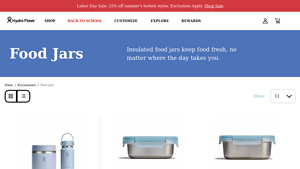
Introduction: Insulated food jars keep food fresh, available in various sizes and styles. Key products include: Lunch Duo Bundle ($44.92, originally $59.90), 2 c Stainless Steel Food Container ($19.95, sale $14.96), 3.5 c Stainless Steel Food Container ($24.95, sale $18.71), 5 c Stainless Steel Food Container ($29.95, sale $22.46), Food Container Set ($69.95, sale $52.46), 8 oz Insulated Food Jar ($29.95, sale …
5. Stanley – Master Unbreakable Food Jar
Domain: stanley1913.com
Registered: 2019 (6 years)
Introduction: Vacuum Insulated Food Jars made of stainless steel. Designed to maintain food temperature for hours, with options like the 24-oz Master Unbreakable Food Jar featuring QuadVac™ insulation that keeps food hot for 20 hours and cold for 24 hours. Leakproof design suitable for soups and dips. Recommended usage includes preheating or precooling the jar for optimal performance. Additional products includ…
6. Thermos – Stainless King Food Jar
Domain: thespruceeats.com
Registered: 2018 (7 years)
Introduction: Best Overall: Thermos Stainless King Food Jar with Spoon – $27
– Capacity: 16 ounces
– Heat Retention: Up to 9 hours
– Cold Retention: Up to 14 hours
– Pros: Retains heat well, firm seal prevents leaks, affordable, includes full-size spoon
– Cons: Plastic laminate gradually peels off, not microwave-safe
Best for Kids: Thermos Foogo Vacuum Insulated Stainless Steel Jar – $20
– Capacity: 10 ounces
…
7. HydraPeak – Food Jar
Domain: hydrapeak.com
Registered: 2017 (8 years)
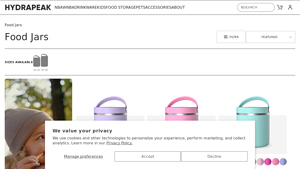
Introduction: {“product_type”:”Food Jar”,”sizes”:[{“size”:”25 oz”,”price”:”$24.95″,”availability”:”Sold out”},{“size”:”32 oz”,”price”:”$27.95″,”availability”:”Available”}],”colors”:[“Apricot Crush”,”Aqua”,”Black”,”Bubble Gum”,”Camo”,”Canary”,”Cotton Pink”,”Cream Leopard”,”Digital Lavender”,”Fresh Mint”,”Fuchsia”,”Hot Pink”,”Ice Blue”,”Iceberg”,”Navy”,”Peach”,”Periwinkle”,”Seafoam”,”Sky”,”Stone”,”Whisper Pink”],…
8. UK Climbing – Insulated Food Containers
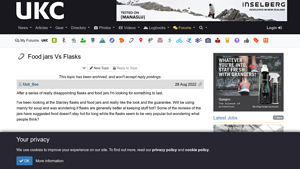
Domain: ukclimbing.com
Registered: 1998 (27 years)
Introduction: Stanley flasks and food jars; Thermos food jar; Hydroflasks; Insulation performance; Preheating for better heat retention; Lid size affecting heat loss; User experiences with heat retention; General comparison of brands and price points.
Strategic Sourcing Conclusion and Outlook for thermos bottle and food jar
In navigating the global marketplace for thermos bottles and food jars, strategic sourcing emerges as a critical component for success. By understanding the diverse needs of consumers across regions such as Africa, South America, the Middle East, and Europe, businesses can tailor their offerings to meet local preferences and standards. Leveraging high-quality materials, innovative designs, and sustainable practices not only enhances product appeal but also builds brand loyalty among environmentally-conscious consumers.
Moreover, fostering relationships with reliable suppliers ensures consistent quality and availability, minimizing disruptions in the supply chain. As the demand for insulated products continues to grow, particularly in urban settings where convenience is paramount, positioning your brand as a leader in this sector is vital.
Looking ahead, international B2B buyers should prioritize partnerships that align with their strategic goals and local market trends. Embracing technology and data analytics can further refine sourcing strategies, ensuring competitive pricing and enhanced product offerings. Invest in the future of your business by sourcing intelligently today—together, we can shape the next generation of thermos bottles and food jars that meet the evolving needs of consumers worldwide.