Introduction: Navigating the Global Market for water bottle plastic
The global market for water bottle plastic is rapidly evolving, presenting a unique set of challenges for international B2B buyers. Sourcing the right materials is crucial, not only for product quality but also for meeting sustainability standards that are increasingly demanded by consumers and regulatory bodies alike. With various types of plastics available, from recycled options to high-performance polymers, understanding the nuances of each can significantly impact your supply chain and brand reputation.
This comprehensive guide delves into the diverse landscape of water bottle plastic, covering essential topics such as types of plastics, their applications in different markets, effective supplier vetting strategies, and cost considerations. By equipping yourself with this knowledge, you will be empowered to make informed purchasing decisions that align with both your business objectives and the expectations of your customers.
Particularly for buyers in regions like Africa, South America, the Middle East, and Europe—including key markets like Saudi Arabia and Nigeria—this guide offers actionable insights tailored to your specific needs. As sustainability becomes a central theme in global commerce, understanding the implications of your material choices can lead to competitive advantages, fostering customer loyalty and driving sales. Prepare to navigate the complexities of sourcing water bottle plastic with confidence and precision.
Understanding water bottle plastic Types and Variations
| Type Name | Key Distinguishing Features | Primary B2B Applications | Brief Pros & Cons for Buyers |
|---|---|---|---|
| PET (Polyethylene Terephthalate) | Lightweight, clear, and recyclable; good barrier against moisture | Beverage packaging, food containers | Pros: Cost-effective, widely available. Cons: Can leach chemicals if heated. |
| HDPE (High-Density Polyethylene) | Durable, opaque, resistant to impact; suitable for various temperatures | Industrial containers, milk jugs | Pros: Strong, resistant to chemicals. Cons: Less clarity than PET. |
| Tritan™ Copolyester | BPA-free, shatter-resistant, and available in various colors | Reusable water bottles, sports bottles | Pros: Durable, safe for consumers. Cons: Higher cost than standard plastics. |
| LDPE (Low-Density Polyethylene) | Flexible, low-density, and resistant to moisture | Squeeze bottles, grocery bags | Pros: Lightweight, good for flexible packaging. Cons: Less rigid, limited reuse. |
| Recycled Plastics | Made from post-consumer materials; environmentally friendly | Eco-friendly products, promotional items | Pros: Sustainable, appeals to eco-conscious buyers. Cons: Potentially variable quality. |
What Are the Characteristics of PET Plastic for Water Bottles?
PET (Polyethylene Terephthalate) is widely recognized for its lightweight nature and excellent clarity, making it a popular choice for single-use beverage packaging. It offers a good barrier against moisture and gases, which helps maintain the freshness of contents. For B2B buyers, PET is cost-effective and readily available, but it is essential to consider the potential health risks associated with chemical leaching when exposed to high temperatures. Manufacturers should also be aware of the recycling capabilities of PET, as it can be repurposed, aligning with sustainability goals.
How Does HDPE Stand Out Among Water Bottle Plastics?
High-Density Polyethylene (HDPE) is known for its strength and durability, making it suitable for various applications beyond water bottles, such as industrial containers and milk jugs. Its opaque nature offers protection from UV light, which can degrade some liquids. For B2B buyers, HDPE presents a reliable option due to its resistance to impact and chemicals. However, its lower clarity compared to PET might limit its use in applications where visibility is crucial. Buyers should weigh the trade-offs between durability and aesthetic appeal.
Why Choose Tritan™ Copolyester for Reusable Bottles?
Tritan™ copolyester is a standout material for reusable water bottles due to its BPA-free composition and shatter-resistant properties. This plastic can withstand high temperatures, making it suitable for a variety of beverages. It is available in a wide range of colors, appealing to brands looking for customization options. B2B buyers should consider the higher cost associated with Tritan™ compared to standard plastics. However, its durability and safety features make it an attractive investment for companies prioritizing consumer health and brand reputation.
What Are the Advantages of Using LDPE in Water Bottles?
Low-Density Polyethylene (LDPE) is characterized by its flexibility and lightweight nature, often utilized in applications such as squeeze bottles and grocery bags. Its resistance to moisture makes it suitable for various liquids, though it is less rigid than other plastics. For B2B buyers, LDPE offers a cost-effective solution for products that require flexibility. However, its limited reuse potential and less robust nature may deter buyers looking for long-lasting options. Companies should evaluate their specific needs when considering LDPE for packaging solutions.
How Does Using Recycled Plastics Benefit B2B Buyers?
Recycled plastics are increasingly popular among environmentally conscious consumers and businesses. These materials are made from post-consumer waste, promoting sustainability and reducing landfill contributions. B2B buyers can leverage recycled plastics to enhance their brand image and appeal to eco-friendly markets. However, the quality of recycled materials can vary, which may affect product performance. Buyers should ensure they source recycled plastics from reputable suppliers who guarantee quality and compliance with industry standards. This approach can foster customer loyalty and support corporate sustainability initiatives.
Key Industrial Applications of water bottle plastic
| Industry/Sector | Specific Application of Water Bottle Plastic | Value/Benefit for the Business | Key Sourcing Considerations for this Application |
|---|---|---|---|
| Beverage Manufacturing | Production of reusable water bottles | Reduces packaging waste and enhances brand image | Quality of plastic, recyclability, and certification |
| Outdoor Equipment Retail | Customizable hydration products | Increases customer engagement through personalization | Durability, UV resistance, and design flexibility |
| Hospitality and Events | Disposable water bottles for events | Convenience and hygiene for large gatherings | Cost-effectiveness, supply chain reliability |
| Sports and Fitness | Sports water bottles | Promotes hydration and brand visibility in events | Ergonomic design, safety standards, and branding |
| Education and Institutions | Water bottles for schools and campuses | Encourages sustainable practices among students | Compliance with health regulations and materials safety |
How is Water Bottle Plastic Used in Beverage Manufacturing?
In the beverage manufacturing sector, water bottle plastic is primarily utilized for creating reusable bottles that are both durable and lightweight. These bottles not only help reduce single-use plastic waste but also serve as a marketing tool, enhancing brand image through eco-friendly practices. For international buyers, especially in regions like Africa and South America, sourcing high-quality, food-grade plastic is essential to ensure safety and compliance with local regulations. Additionally, recyclability certifications can strengthen marketability.
What Role Does Water Bottle Plastic Play in Outdoor Equipment Retail?
Outdoor equipment retailers leverage water bottle plastic to produce customizable hydration products, appealing to adventure enthusiasts. These bottles often feature unique designs and personalization options, fostering customer loyalty and engagement. For B2B buyers, especially in Europe and the Middle East, considerations such as UV resistance and durability are crucial to withstand harsh outdoor conditions. Suppliers must ensure that the materials used are not only visually appealing but also capable of maintaining functionality over time.
Why is Water Bottle Plastic Important for Hospitality and Events?
In the hospitality and events industry, water bottle plastic is vital for providing disposable water bottles during large gatherings. This application ensures convenience and hygiene, which are paramount in event management. B2B buyers in this sector must consider cost-effectiveness and the reliability of supply chains, particularly when dealing with high volumes. Additionally, opting for biodegradable or recyclable plastics can enhance the event’s sustainability profile, appealing to environmentally conscious attendees.
How Do Sports and Fitness Sectors Utilize Water Bottle Plastic?
Sports and fitness industries utilize water bottle plastic to manufacture sports water bottles that promote hydration during physical activities. These bottles are designed with ergonomic features to facilitate easy handling and drinking, often adorned with brand logos for visibility at events. For buyers from regions like Saudi Arabia and Nigeria, ensuring compliance with safety standards is essential, as well as sourcing materials that can withstand varying temperatures and rigorous use.
What is the Significance of Water Bottle Plastic in Education and Institutions?
In educational settings, water bottle plastic is increasingly used for providing students with reusable water bottles, promoting hydration and sustainability. This application not only reduces plastic waste but also fosters a culture of environmental responsibility among students. Buyers in this sector, particularly from Africa and South America, must ensure that the materials are compliant with health regulations and safe for frequent use. Additionally, affordability and bulk purchasing options are key considerations for educational institutions looking to equip large numbers of students.
3 Common User Pain Points for ‘water bottle plastic’ & Their Solutions
Scenario 1: Navigating Regulatory Compliance for Plastic Bottles
The Problem: B2B buyers often face the challenge of navigating complex regulatory requirements regarding the production and sale of plastic water bottles. This is particularly pertinent in regions like Europe and North America, where regulations are stringent about materials used in food and beverage containers. Buyers may find it difficult to ensure that their products comply with local, national, and international standards, leading to potential fines, product recalls, or reputational damage.
The Solution: To overcome regulatory hurdles, B2B buyers should prioritize sourcing water bottle plastic from suppliers that provide comprehensive documentation on compliance with industry standards such as FDA regulations in the U.S. or EU food safety laws. Conducting thorough due diligence on potential suppliers is crucial. This includes reviewing certifications such as ISO 9001 for quality management and ISO 14001 for environmental management. Additionally, establishing a robust communication channel with suppliers can facilitate ongoing updates about regulatory changes. Buyers should also consider investing in third-party testing services to verify that their products meet all applicable safety standards before bringing them to market.
Scenario 2: Ensuring Sustainability in Plastic Sourcing
The Problem: With increasing consumer demand for sustainable products, B2B buyers face pressure to source environmentally friendly materials for their water bottles. This is particularly significant for companies looking to enhance their brand image in markets like Africa and South America, where eco-consciousness is rising. Buyers may struggle to identify truly sustainable plastic options amid a plethora of greenwashing claims from suppliers.
The Solution: To effectively address sustainability concerns, buyers should look for suppliers who utilize recycled materials, such as RPET (recycled polyethylene terephthalate), for their water bottles. This not only reduces the carbon footprint associated with virgin plastic production but also appeals to eco-conscious consumers. Buyers can further verify sustainability claims by seeking suppliers who participate in recognized sustainability programs, such as the Global Recycled Standard (GRS). Implementing a lifecycle assessment (LCA) can also help buyers understand the environmental impact of their products from production to disposal. By prioritizing suppliers with transparent sustainability practices, buyers can confidently meet consumer expectations while contributing to environmental conservation.
Scenario 3: Combatting Product Quality Issues
The Problem: One of the most significant pain points for B2B buyers is ensuring the quality and durability of water bottles made from plastic. Poor-quality materials can lead to product failures, such as leaks or degradation over time, which not only result in financial losses but also harm customer satisfaction and brand loyalty. This issue is especially relevant in regions with extreme temperatures, where lower-quality plastics may warp or break down.
The Solution: To mitigate quality issues, B2B buyers should conduct rigorous testing of plastic materials before placing bulk orders. This includes stress tests for temperature fluctuations and exposure to various substances to assess the material’s integrity. Collaborating with suppliers who offer advanced materials technology can also be beneficial; for instance, utilizing BPA-free plastics or those with enhanced UV resistance can improve product longevity. Additionally, establishing a quality assurance protocol that includes regular audits and performance assessments of both the materials and the finished products can help maintain high standards. By taking these proactive steps, buyers can significantly reduce the likelihood of product failures and enhance their overall market competitiveness.
Strategic Material Selection Guide for water bottle plastic
When selecting materials for water bottle plastics, B2B buyers must consider several factors that influence performance, cost, and compliance with international standards. Here, we analyze four common materials used in the production of water bottles: Polyethylene Terephthalate (PET), High-Density Polyethylene (HDPE), Polypropylene (PP), and Tritan™ copolyester. Each material has unique properties, advantages, and limitations that can affect their suitability for various applications.
What are the Key Properties of Polyethylene Terephthalate (PET)?
Polyethylene Terephthalate (PET) is widely recognized for its excellent clarity, strength, and lightweight characteristics. It has a temperature resistance of up to 70°C and is highly resistant to impact and moisture. PET is also recyclable, which aligns with the growing demand for sustainable packaging solutions.
Pros & Cons:
The primary advantages of PET include its durability and lightweight nature, making it a cost-effective option for manufacturers. However, it can be susceptible to degradation when exposed to high temperatures for prolonged periods, potentially leading to leaching of harmful substances.
Impact on Application:
PET is compatible with a variety of beverages, including water, juices, and soft drinks, making it a versatile choice for manufacturers targeting diverse markets.
Considerations for International Buyers:
Buyers in regions like Africa and South America should be aware of local recycling capabilities and compliance with standards such as ASTM D6400 for biodegradability. In Europe, adherence to the EU Plastics Directive is crucial.
How Does High-Density Polyethylene (HDPE) Perform?
High-Density Polyethylene (HDPE) is known for its high strength-to-density ratio and resistance to impact and chemicals. It can withstand temperatures up to 120°C, making it suitable for a variety of applications.
Pros & Cons:
HDPE is durable and resistant to corrosion, which enhances its longevity. However, it may not offer the same clarity as PET, which could be a drawback for brands emphasizing aesthetics. Its manufacturing process can also be more complex, affecting production costs.
Impact on Application:
HDPE is ideal for water bottles that require a robust design, especially for outdoor or industrial uses. Its chemical resistance makes it suitable for a range of liquids beyond just water.
Considerations for International Buyers:
Buyers from the Middle East and Europe must ensure compliance with standards like ISO 1183 for density and ASTM D4976 for material specifications, as these regions often have stringent regulations regarding plastic materials.
What are the Advantages of Polypropylene (PP)?
Polypropylene (PP) is a versatile thermoplastic known for its high melting point (up to 160°C) and excellent chemical resistance. It is lightweight and has a low moisture absorption rate.
Pros & Cons:
PP’s high-temperature resistance and durability make it suitable for hot-fill applications. However, it can be more expensive than PET and HDPE, which may deter cost-sensitive buyers.
Impact on Application:
PP is particularly effective for reusable water bottles designed for hot beverages or sports applications due to its thermal stability.
Considerations for International Buyers:
In regions like Nigeria and Saudi Arabia, understanding local regulations on food safety and material compatibility is essential. Compliance with standards like JIS K 6880 is also important for ensuring product safety.
Why Choose Tritan™ Copolyester for Water Bottles?
Tritan™ copolyester is a relatively new material that offers excellent clarity, durability, and resistance to heat and impact. It is BPA-free, making it a safe choice for consumers.
Pros & Cons:
The primary advantage of Tritan™ is its combination of clarity and toughness, which appeals to brands focused on premium aesthetics. However, it tends to be more expensive than traditional plastics, which could affect pricing strategies.
Impact on Application:
Tritan™ is suitable for high-end water bottles, particularly those marketed towards health-conscious consumers.
Considerations for International Buyers:
Buyers should verify compliance with safety regulations in their respective markets, especially in Europe where consumer safety standards are stringent. Certifications like FDA approval for food contact materials are also critical.
Summary Table of Material Selection
| Material | Typical Use Case for water bottle plastic | Key Advantage | Key Disadvantage/Limitation | Relative Cost (Low/Med/High) |
|---|---|---|---|---|
| Polyethylene Terephthalate (PET) | Single-use beverage bottles | Lightweight and recyclable | Susceptible to high temperatures | Low |
| High-Density Polyethylene (HDPE) | Reusable bottles for outdoor use | Durable and chemical resistant | Less clarity than PET | Medium |
| Polypropylene (PP) | Hot-fill applications and sports bottles | High temperature resistance | More expensive than PET and HDPE | Medium |
| Tritan™ Copolyester | Premium reusable water bottles | Excellent clarity and toughness | Higher cost compared to other plastics | High |
This strategic material selection guide provides essential insights for B2B buyers looking to optimize their water bottle offerings, ensuring compliance with international standards while meeting market demands.
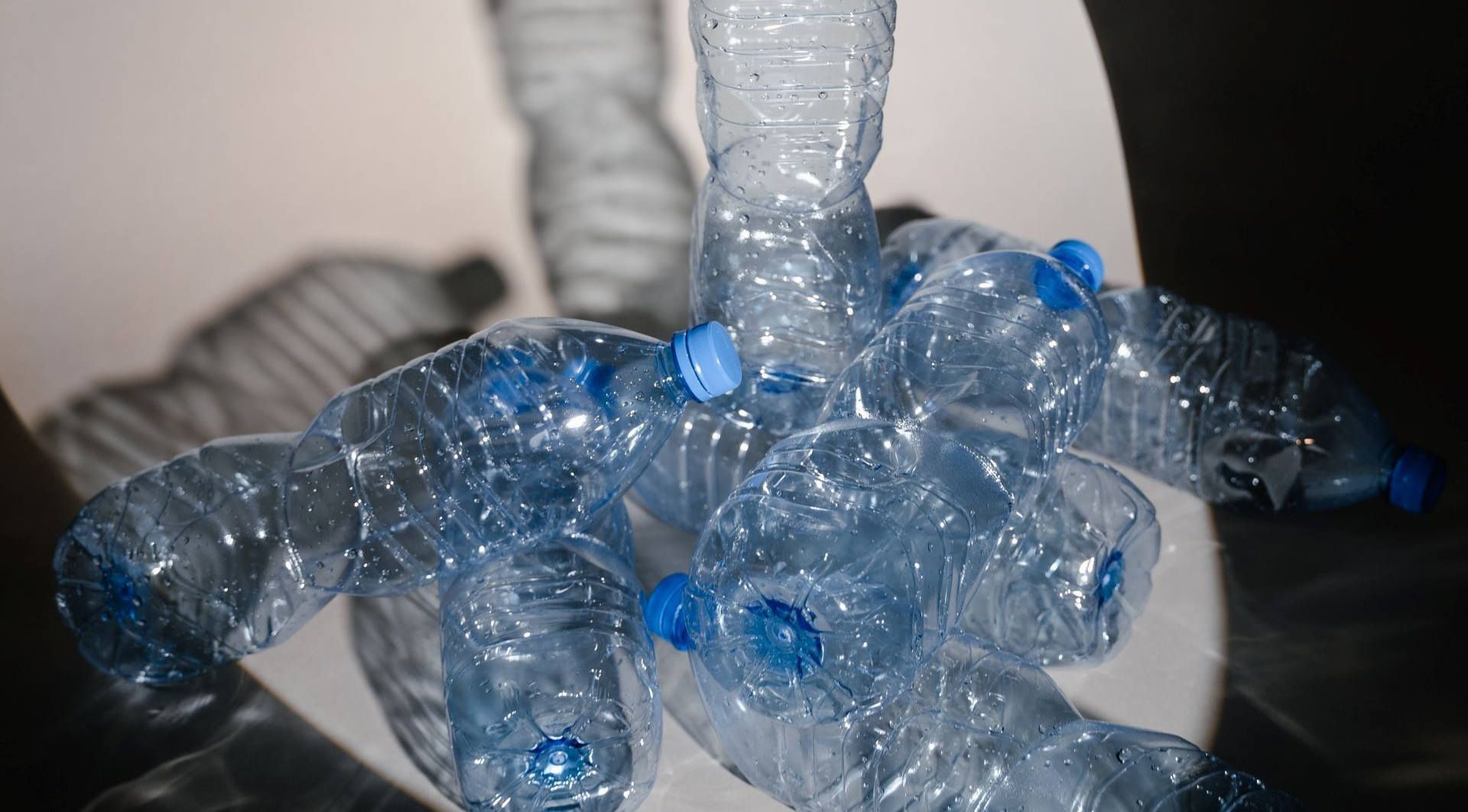
A stock image related to water bottle plastic.
In-depth Look: Manufacturing Processes and Quality Assurance for water bottle plastic
What Are the Main Stages in the Manufacturing Process for Water Bottle Plastic?
The manufacturing process for plastic water bottles involves several critical stages that ensure the final product meets the quality and safety standards required in the market. The primary stages include material preparation, forming, assembly, and finishing.
How Is Material Prepared for Water Bottle Production?
The initial step is material preparation, where raw materials such as polyethylene terephthalate (PET) or Tritan™ copolyester are sourced and processed. These materials are chosen for their strength, clarity, and resistance to temperature variations. Suppliers often provide materials that meet specific regulatory requirements, especially for international markets.
During this phase, the plastic resin is dried to remove moisture, which can affect the quality of the final product. The dried pellets are then melted and extruded into preforms, which are the intermediate products used in the forming stage.
What Techniques Are Used in Forming Plastic Water Bottles?
Forming is a crucial stage where preforms are heated and expanded into the final bottle shape using blow molding techniques. The most common methods include stretch blow molding and extrusion blow molding. Stretch blow molding is particularly favored for its ability to produce lightweight bottles with enhanced clarity and strength.
In stretch blow molding, the preform is heated and then stretched vertically and horizontally before being blown into the mold. This process ensures uniform wall thickness and helps in achieving the desired bottle design. On the other hand, extrusion blow molding involves extruding a parison, which is then inflated to form the bottle. This method is often used for larger containers.
How Are Bottles Assembled and Finished for Quality Assurance?
After forming, the bottles undergo assembly, which may include the addition of closures, labels, and any other accessories. This stage is essential for ensuring that all components fit together seamlessly and function as intended.
Finishing processes involve cleaning, quality checks, and sometimes applying coatings or treatments to enhance durability or aesthetics. This stage is vital for ensuring that the bottles are ready for market distribution and meet consumer expectations.
What Are the Quality Assurance Standards Relevant to Plastic Water Bottles?
Quality assurance (QA) in plastic water bottle manufacturing is paramount to ensure safety, reliability, and compliance with international standards. Various standards govern this process, with ISO 9001 being one of the most recognized. This standard outlines requirements for a quality management system, emphasizing customer satisfaction and continuous improvement.
Which Industry-Specific Standards Should B2B Buyers Be Aware Of?
In addition to ISO 9001, industry-specific standards such as CE marking in Europe or FDA compliance in the United States are critical. These standards ensure that products are safe for consumer use and meet specific regulatory requirements. For instance, CE marking signifies that a product meets EU safety, health, and environmental protection standards.
For international buyers, especially from regions like Africa, South America, and the Middle East, understanding these standards is crucial for compliance and market entry. It is advisable to verify that suppliers are certified and that their products meet local regulations.
What Are the Key Quality Control Checkpoints in the Manufacturing Process?
Quality control (QC) is integrated throughout the manufacturing process, with several checkpoints established to monitor quality at different stages. These checkpoints include:
- Incoming Quality Control (IQC): This stage involves inspecting raw materials upon receipt to ensure they meet specified standards before production begins.
- In-Process Quality Control (IPQC): This occurs during the manufacturing process, where samples are taken at various stages (e.g., during forming and assembly) to identify any deviations from quality standards.
- Final Quality Control (FQC): Once production is complete, the finished bottles undergo rigorous testing for defects, functionality, and compliance with safety standards before packaging and distribution.
What Common Testing Methods Are Used to Ensure Quality in Water Bottles?
To verify the quality and safety of plastic water bottles, several testing methods are commonly employed:
- Mechanical Testing: This includes tensile strength tests to assess the material’s durability and resistance to stress.
- Chemical Testing: Bottles are tested for leaching of harmful substances, particularly when used for food and beverages.
- Thermal Testing: This evaluates the bottle’s performance under extreme temperatures, ensuring it can withstand various conditions without compromising safety.
- Visual Inspection: A thorough visual examination for defects, such as cracks or bubbles, is also part of the QC process.
How Can B2B Buyers Verify Supplier Quality Control Practices?
For B2B buyers, particularly those in international markets, verifying a supplier’s quality control practices is essential to mitigate risks associated with product quality. Here are some actionable steps:
- Conduct Audits: Periodic audits of supplier facilities can provide insights into their manufacturing processes and adherence to quality standards.
- Request Quality Reports: Suppliers should provide documentation detailing their quality control processes, testing methods, and results.
- Engage Third-Party Inspectors: Utilizing third-party inspection services can add an additional layer of assurance, providing unbiased assessments of product quality.
What Are the Nuances of Quality Control for International Buyers?
International B2B buyers must navigate various regulations and standards that can differ significantly across regions. For example, while a product may comply with European standards, it might not meet the requirements in Africa or South America. Therefore, understanding local regulations is crucial for market entry and compliance.
Additionally, language barriers and cultural differences can impact communication with suppliers. Establishing clear channels for communication and documentation in both parties’ languages can help ensure that quality expectations are met.
In summary, the manufacturing processes and quality assurance practices for plastic water bottles are integral to ensuring product safety and reliability. By understanding these processes and engaging in diligent supplier verification, B2B buyers can make informed purchasing decisions that align with their business needs and regulatory requirements.
Practical Sourcing Guide: A Step-by-Step Checklist for ‘water bottle plastic’
Introduction
Sourcing high-quality plastic for water bottles requires a strategic approach, particularly for B2B buyers looking to ensure product safety, sustainability, and compliance with industry standards. This checklist serves as a practical guide to help you navigate the procurement process effectively, from defining your specifications to evaluating potential suppliers.
Step 1: Define Your Technical Specifications
Establishing clear technical specifications is critical for ensuring that the plastic meets your product’s performance requirements. Consider factors such as material type (e.g., PET, HDPE), durability, and resistance to temperature variations. Additionally, think about the design aspects, such as weight and flexibility, which can influence the end-user experience.
Step 2: Assess Regulatory Compliance
Before making any procurement decisions, ensure that the plastic materials comply with local and international regulations. This may include food safety standards and environmental regulations that vary by region. Familiarize yourself with regulations such as FDA guidelines in the U.S. or EU regulations in Europe to avoid legal issues and ensure consumer safety.
Step 3: Evaluate Potential Suppliers
It’s essential to vet suppliers thoroughly before finalizing a partnership. Request company profiles, case studies, and references from other businesses in your industry or region. Look for suppliers with a proven track record of reliability and quality, as well as those who can demonstrate certifications relevant to your specifications.
- Check for certifications: ISO standards, food safety certifications, and environmental compliance are indicators of a reputable supplier.
Step 4: Request Samples for Testing
Always request samples of the plastic materials you are considering. This step allows you to evaluate the quality, flexibility, and overall suitability of the product for your water bottles. Conduct thorough testing to assess factors such as chemical resistance, durability under various conditions, and overall aesthetic appeal.
Step 5: Negotiate Terms and Pricing
Once you have selected potential suppliers, engage in negotiations regarding pricing, payment terms, and delivery schedules. Consider bulk purchasing discounts, long-term partnership incentives, and the total cost of ownership, which includes shipping, handling, and potential tariffs. Clear terms can help prevent misunderstandings and ensure smoother transactions.
Step 6: Implement Quality Control Measures
Establish quality control protocols to monitor the plastic’s performance throughout the production process. This includes regular inspections and testing of incoming materials to ensure they meet your predefined specifications. A robust quality assurance program minimizes the risk of defects and ensures consistent product quality.
Step 7: Stay Informed on Market Trends
Finally, keep abreast of industry trends and innovations in plastic materials. As sustainability becomes increasingly important, consider sourcing recycled or bio-based plastics that can enhance your brand’s eco-friendliness. Staying informed will help you make better sourcing decisions and remain competitive in the market.
By following this checklist, B2B buyers can confidently navigate the sourcing process for water bottle plastics, ensuring they select the right materials from reliable suppliers while adhering to industry standards and market demands.
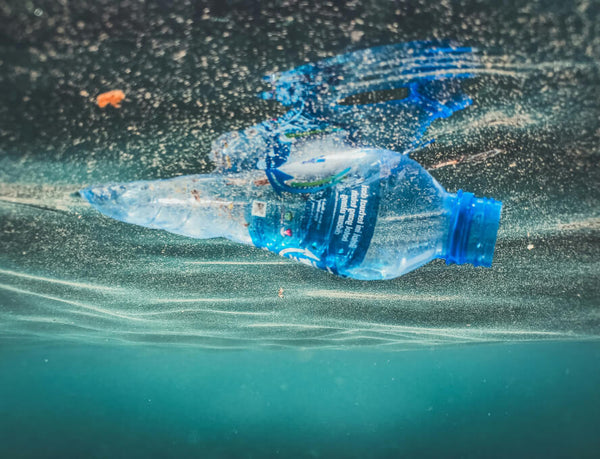
A stock image related to water bottle plastic.
Comprehensive Cost and Pricing Analysis for water bottle plastic Sourcing
Understanding the cost structure and pricing dynamics of sourcing water bottle plastics is crucial for international B2B buyers, particularly those operating in diverse markets such as Africa, South America, the Middle East, and Europe. This section delves into the various cost components involved, the factors influencing pricing, and practical tips for buyers seeking cost-effective solutions.
What Are the Key Cost Components in Water Bottle Plastic Sourcing?
The cost structure for sourcing water bottle plastics typically comprises several critical components:
-
Materials: The primary cost driver is the raw material itself, which can vary significantly based on the type of plastic used (e.g., PET, HDPE, or recycled plastics). Prices fluctuate with global oil prices, as most plastics are petroleum-based. Recycled materials may offer cost savings and sustainability benefits, appealing to environmentally conscious brands.
-
Labor: Labor costs encompass wages for production workers and may vary by region. Countries with lower labor costs can provide a competitive advantage but may impact quality and consistency.
-
Manufacturing Overhead: This includes utilities, facility costs, and equipment depreciation. Efficient manufacturing processes can mitigate these expenses, thus reducing overall production costs.
-
Tooling: Initial tooling costs for molds and machinery can be substantial. Buyers should consider these upfront costs, especially for custom designs, as they can significantly affect the per-unit cost.
-
Quality Control (QC): Implementing rigorous QC processes is essential to ensure product consistency and safety, especially for food and beverage applications. This adds to the overall cost but is vital for maintaining brand integrity.
-
Logistics: Transportation and warehousing costs can vary widely based on location, shipping methods, and supply chain efficiency. Incoterms (International Commercial Terms) selected will also impact these costs.
-
Margin: Supplier margins can differ based on market positioning, brand reputation, and customer relationships. Understanding the supplier’s pricing strategy can help buyers negotiate better terms.
How Do Price Influencers Affect Water Bottle Plastic Costs?
Several factors can influence the pricing of water bottle plastics:
-
Volume and Minimum Order Quantity (MOQ): Suppliers often offer tiered pricing based on order size. Higher volume purchases usually lead to lower per-unit costs, making it beneficial for buyers to consolidate orders.
-
Specifications and Customization: Custom designs or specific material requirements can increase costs due to the need for specialized tooling and production processes. Buyers should balance the need for customization with budget constraints.
-
Material Quality and Certifications: Higher quality materials or those with specific certifications (e.g., FDA approval for food safety) often come at a premium. Buyers should assess the necessity of these attributes against their target market requirements.
-
Supplier Factors: The reputation, reliability, and service level of the supplier can affect pricing. Engaging with established suppliers may offer peace of mind but might come with higher costs.
-
Incoterms: The chosen Incoterms will determine who bears the responsibility for shipping, insurance, and tariffs, impacting the total cost. Understanding these terms is essential for accurate cost estimation.
What Are the Best Buyer Tips for Cost-Efficiency in Water Bottle Plastic Sourcing?
For international buyers, particularly from diverse markets, several strategies can enhance cost-efficiency:
-
Negotiate Terms: Leverage your purchasing power to negotiate better pricing, payment terms, and delivery schedules. Building long-term relationships with suppliers can yield favorable terms.
-
Consider Total Cost of Ownership (TCO): Evaluate not just the purchase price but also logistics, storage, and potential wastage when assessing costs. A lower upfront cost may lead to higher TCO due to inefficiencies.
-
Stay Informed on Market Trends: Understanding global plastic market trends, including fluctuations in oil prices and environmental regulations, can help buyers anticipate changes in pricing.
-
Evaluate Local Suppliers: For buyers in regions like Africa or South America, local suppliers may offer reduced logistics costs and quicker turnaround times, providing a competitive advantage.
-
Utilize Technology: Implementing procurement technologies can streamline sourcing processes, enhance supplier communication, and provide valuable insights into pricing trends.
Disclaimer on Indicative Prices
The pricing discussed in this analysis is indicative and subject to fluctuations based on market conditions, supplier negotiations, and other variables. Buyers should conduct thorough market research and supplier evaluations to obtain accurate pricing tailored to their specific needs.
Alternatives Analysis: Comparing water bottle plastic With Other Solutions
Introduction to Alternative Solutions for Water Bottle Plastic
As global awareness surrounding sustainability and environmental impact grows, businesses are increasingly exploring alternatives to traditional water bottle plastics. This analysis highlights viable alternatives to plastic water bottles, focusing on their performance, cost, ease of implementation, maintenance, and best use cases. These comparisons aim to guide B2B buyers in making informed purchasing decisions that align with their operational goals and sustainability commitments.
| Comparison Aspect | Water Bottle Plastic | Stainless Steel Bottles | Glass Bottles |
|---|---|---|---|
| Performance | Lightweight, durable, but can leach chemicals when heated | Highly durable, maintains temperature | Fragile, but non-toxic and recyclable |
| Cost | Low to moderate (USD 0.50 – 5.00) | Moderate to high (USD 15 – 50) | Moderate to high (USD 10 – 30) |
| Ease of Implementation | Widely available, easy to source | Requires suppliers with specialized products | Requires careful handling and specific suppliers |
| Maintenance | Low maintenance, single-use typically | Low maintenance, reusable | Higher maintenance, requires careful cleaning |
| Best Use Case | Events, casual use, low-cost solutions | Outdoor activities, sports, corporate gifting | Premium markets, eco-conscious consumers |
Analyzing Stainless Steel Bottles: Advantages and Disadvantages
Stainless steel bottles present a robust alternative to plastic. They are highly durable, making them ideal for outdoor activities and situations where the bottle may be dropped or exposed to harsh conditions. Their ability to maintain beverage temperature adds value for consumers, particularly in hot climates or during outdoor events. However, the higher cost can be a barrier for bulk purchases, and sourcing requires reliable suppliers who can deliver quality products.
Exploring Glass Bottles: Benefits and Limitations
Glass bottles are another eco-friendly alternative, favored for their non-toxic properties and recyclability. They do not leach chemicals into beverages, making them a safe choice for health-conscious consumers. However, their fragility poses a significant drawback, particularly in environments where breakage is a risk. Additionally, the cost and need for careful handling can deter some businesses from adopting glass bottles as a primary option. They tend to appeal more to premium markets and brands focused on sustainability.
Conclusion: How to Choose the Right Water Bottle Solution
When selecting the most appropriate alternative to plastic water bottles, B2B buyers should consider their specific operational needs, target market, and environmental impact goals. Factors such as cost, intended use, and potential maintenance requirements will heavily influence the decision. For instance, businesses prioritizing durability and temperature control may find stainless steel bottles more suitable, while those focusing on health and sustainability could lean towards glass options. Ultimately, the best choice will align with the company’s broader sustainability strategy and customer preferences, ensuring both practicality and market appeal.
Essential Technical Properties and Trade Terminology for water bottle plastic
What Are the Key Technical Properties of Water Bottle Plastic?
Understanding the technical properties of water bottle plastic is crucial for B2B buyers, as these specifications directly affect product performance, safety, and compliance with regulations. Here are some essential properties to consider:
1. Material Grade
Material grade refers to the quality and type of plastic used in the production of water bottles. Common materials include Polyethylene Terephthalate (PET), High-Density Polyethylene (HDPE), and Tritan™ copolyester. Each material has distinct properties, such as clarity, strength, and resistance to impact or chemicals. Choosing the right material grade is vital for ensuring product durability and consumer safety.
2. Tolerance
Tolerance defines the permissible limits of variation in the dimensions of the water bottle. It is crucial for ensuring that bottle caps fit securely and that the bottles can withstand filling and transportation pressures. Inconsistent tolerances can lead to production waste or compromised product integrity, which is particularly important for international shipments where standards may differ.
3. Barrier Properties
Barrier properties refer to the ability of the plastic to resist the permeation of gases and moisture. For instance, PET has excellent barrier properties, making it suitable for preserving the freshness of beverages. Understanding these properties helps buyers select bottles that maintain product quality, especially when targeting markets with varying climates, such as those in Africa and the Middle East.
4. Recyclability
The recyclability of the plastic used in water bottles is increasingly important due to global sustainability initiatives. Materials like PET are widely recyclable, making them favorable for eco-conscious consumers and businesses. Buyers should consider the recyclability of water bottle plastics to align with environmental regulations and consumer preferences in their target markets.
5. Temperature Resistance
Temperature resistance indicates the plastic’s ability to withstand high or low temperatures without deforming or releasing harmful substances. This property is essential for bottles intended for various uses, from hot beverages to outdoor activities in extreme conditions. Understanding temperature resistance helps buyers ensure product safety and compliance with health standards.
What Are Common Trade Terms Used in the Water Bottle Plastic Industry?
Familiarity with trade terminology is essential for smooth transactions and effective communication in the B2B landscape. Here are some common terms to know:
1. OEM (Original Equipment Manufacturer)
An OEM refers to a company that manufactures products that are sold under another company’s brand. In the water bottle industry, this could involve producing bottles for a retailer that markets them under its own name. Understanding OEM relationships can help buyers negotiate pricing and quality assurance effectively.
2. MOQ (Minimum Order Quantity)
MOQ is the smallest quantity of a product that a supplier is willing to sell. This term is crucial for buyers to understand their purchasing power and inventory management. Different suppliers may have varying MOQs, affecting cost and order flexibility, especially for smaller businesses or those entering new markets.
3. RFQ (Request for Quotation)
An RFQ is a document that potential buyers send to suppliers to request pricing and terms for specific products. This process is essential for obtaining competitive quotes and comparing suppliers. Crafting a clear RFQ can streamline procurement and ensure that all necessary specifications are included.
4. Incoterms
Incoterms, or International Commercial Terms, are standardized trade terms that define the responsibilities of buyers and sellers in international transactions. They clarify who is responsible for shipping, insurance, and tariffs, helping to mitigate risks and misunderstandings in cross-border trade.
5. Lead Time
Lead time refers to the time it takes from placing an order to receiving the products. Understanding lead time is critical for inventory planning and ensuring that products are available when needed. Buyers should factor in lead time when negotiating contracts and planning for seasonal demand fluctuations.
By grasping these technical properties and trade terms, B2B buyers can make informed decisions that enhance their supply chain efficiency and product offerings in the competitive water bottle market.
Navigating Market Dynamics and Sourcing Trends in the water bottle plastic Sector
What Are the Global Drivers Influencing the Water Bottle Plastic Market?
The water bottle plastic market is shaped by several global drivers that B2B buyers must consider. Rising health consciousness and the demand for hydration solutions are pushing the market forward. Additionally, the increasing emphasis on convenience and on-the-go lifestyles is driving growth in regions such as Africa and South America, where bottled water consumption is on the rise. Furthermore, technological advancements in production processes and material science are leading to the development of innovative products, such as lightweight and reusable options.
Emerging trends in B2B sourcing include a shift toward digital platforms for procurement, enhancing supply chain transparency, and leveraging data analytics for informed purchasing decisions. Buyers are increasingly utilizing e-commerce platforms to streamline their sourcing processes, especially in the Middle East and Europe, where digital maturity is higher. Furthermore, the trend toward customization is gaining traction, allowing businesses to offer personalized solutions that cater to local preferences and demands.
How Are Sustainability and Ethical Sourcing Impacting the Water Bottle Plastic Sector?
Sustainability is a critical consideration for B2B buyers in the water bottle plastic sector. The environmental impact of plastic waste has prompted many companies to seek sustainable alternatives. As a result, there is a growing demand for recycled plastic and bio-based materials, which can help mitigate the ecological footprint of water bottles. Buyers should prioritize suppliers that offer products made from recycled materials or those certified by recognized environmental organizations, as this not only enhances brand reputation but also aligns with consumer expectations for sustainability.
Ethical sourcing practices are becoming increasingly important, with many businesses focusing on the transparency of their supply chains. Buyers should inquire about the sourcing of raw materials and the environmental practices of their suppliers. Certifications such as ISO 14001 (Environmental Management) and Cradle to Cradle can provide assurance of a supplier’s commitment to sustainable practices. By aligning with ethical suppliers, businesses can contribute to a circular economy while also appealing to environmentally-conscious consumers.
What Is the Historical Context of Water Bottle Plastic Development?
The evolution of the water bottle plastic sector is marked by significant milestones that have shaped its current landscape. Initially, disposable plastic bottles gained popularity in the 1970s as a convenient solution for hydration. However, concerns over plastic pollution began to surface in the late 1990s, leading to a shift toward reusable bottles and the introduction of regulations aimed at reducing single-use plastics.
In recent years, technological advancements have enabled the development of new materials, such as Tritan™ and other BPA-free plastics, which offer improved safety and durability. This evolution is further supported by a growing awareness of sustainability, prompting manufacturers to innovate and adopt more eco-friendly practices. Today, the market is characterized by a blend of traditional practices and modern sustainability efforts, providing B2B buyers with a diverse array of options that meet both consumer needs and environmental responsibilities.
Frequently Asked Questions (FAQs) for B2B Buyers of water bottle plastic
-
How do I ensure the quality of water bottle plastic before purchasing?
To ensure the quality of water bottle plastic, it is crucial to request samples from potential suppliers. Analyze the material’s specifications, including the type of plastic (e.g., PET, Tritan), thickness, and durability. Additionally, verify that the supplier complies with international quality standards such as ISO or FDA regulations. Conducting a factory audit can further assess the supplier’s production processes and quality control measures. Lastly, consider third-party testing for materials to confirm their safety and performance characteristics. -
What are the common types of plastic used for water bottles?
The most common types of plastic used for water bottles include PET (Polyethylene Terephthalate), which is lightweight and recyclable, and Tritan, a BPA-free copolyester known for its durability and clarity. HDPE (High-Density Polyethylene) is also popular for its strength and resistance to impact. When choosing a type of plastic, consider factors such as safety, recyclability, and the intended use of the bottles, as these elements will influence customer satisfaction and environmental impact. -
What is the minimum order quantity (MOQ) for water bottle plastic?
Minimum order quantities (MOQs) for water bottle plastic can vary significantly between suppliers, typically ranging from 1,000 to 10,000 units. Factors influencing MOQ include the type of plastic, customization requirements, and the supplier’s production capacity. It’s advisable to discuss your specific needs with suppliers to negotiate MOQs that align with your purchasing plans. This flexibility can help mitigate inventory risks and optimize cash flow. -
How can I customize my water bottle plastic products?
Customization options for water bottle plastic include size, color, design, and branding elements such as logos or labels. Many suppliers offer services to create unique molds for specific designs, while others may provide printing or labeling options. To initiate customization, provide your design specifications and desired quantities to potential suppliers. Consider requesting prototypes to ensure the final product meets your expectations before placing larger orders. -
What payment terms should I expect when sourcing water bottle plastic?
Payment terms can vary widely among suppliers, typically ranging from 30% upfront deposit to 70% upon delivery. Some suppliers may offer net 30 or net 60 payment terms for established buyers. It’s crucial to negotiate favorable terms that align with your cash flow requirements while ensuring the supplier’s confidence in fulfilling the order. Always review the payment terms in the purchase agreement to avoid misunderstandings. -
What are the shipping and logistics considerations for international orders of water bottle plastic?
When sourcing water bottle plastic internationally, consider shipping costs, lead times, and customs regulations. It’s essential to work with suppliers experienced in international shipping to ensure compliance with export and import regulations in your country. Assess different shipping methods, such as air freight for speed or sea freight for cost-effectiveness. Additionally, discuss who will handle customs duties and taxes, as this can significantly impact your overall costs. -
How can I vet potential suppliers for water bottle plastic?
Vetting suppliers involves assessing their experience, production capabilities, and reputation in the industry. Start by reviewing their certifications, client testimonials, and case studies. Request references from previous clients and, if possible, conduct site visits or audits to observe their manufacturing processes. Utilize platforms like Alibaba or Global Sources to find verified suppliers, and consider using third-party services for supplier verification, especially for large orders. -
What are the environmental considerations when sourcing water bottle plastic?
When sourcing water bottle plastic, consider the environmental impact of the materials and the supplier’s sustainability practices. Opt for suppliers that offer recycled or eco-friendly plastics, and inquire about their waste management and recycling initiatives. Understanding the lifecycle of the product, including recyclability and disposal options, can enhance your brand’s sustainability profile. Additionally, adopting sustainable practices can appeal to environmentally conscious consumers and strengthen your market position.
Important Disclaimer & Terms of Use
⚠️ Important Disclaimer
The information provided in this guide, including content regarding manufacturers, technical specifications, and market analysis, is for informational and educational purposes only. It does not constitute professional procurement advice, financial advice, or legal advice.
While we have made every effort to ensure the accuracy and timeliness of the information, we are not responsible for any errors, omissions, or outdated information. Market conditions, company details, and technical standards are subject to change.
B2B buyers must conduct their own independent and thorough due diligence before making any purchasing decisions. This includes contacting suppliers directly, verifying certifications, requesting samples, and seeking professional consultation. The risk of relying on any information in this guide is borne solely by the reader.
Top 4 Water Bottle Plastic Manufacturers & Suppliers List
1. CamelBak – Thrive™ Bottles
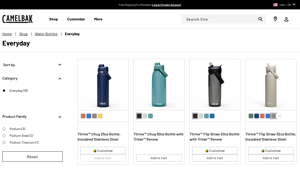
Domain: camelbak.com
Registered: 1996 (29 years)
Introduction: Thrive™ Chug 25oz Bottle, Insulated Stainless Steel – $30.99
Thrive™ Chug 50oz Bottle with Tritan™ Renew – $20.99
Thrive™ Flip Straw 20oz Bottle with Tritan™ Renew – $15.99
Thrive™ Flip Straw 32oz Bottle, Insulated Stainless Steel – $35.99
Thrive™ Chug 40oz Bottle, Insulated Stainless Steel – $37.99
Thrive™ Chug 20oz Bottle, Insulated Stainless Steel – $26.99
Thrive™ Chug 20oz Bottle with Tritan™ …
2. Ocean Bottle – Reusable Water Bottle
Domain: oceanbottle.co
Registered: 2019 (6 years)
Introduction: The Ocean Bottle is a reusable water bottle designed to combat plastic pollution. Key features include:
– Available in multiple sizes: 500ml, 750ml, and 1L.
– Made with a minimum of 67% recycled materials.
– Each bottle sold funds the collection of 11.4 kg (25 lbs) of ocean-bound plastic, equivalent to 1,000 plastic bottles.
– Built to last with a 10-year warranty and free replacement parts fo…
3. Berlin Packaging – PET Plastic Water Bottles
Domain: berlinpackaging.com
Registered: 1997 (28 years)
Introduction: Product: PET Plastic Water Bottles
Key Features:
– Lightweight and economical
– Circumferential paneling at the bottom and shoulder for improved strength
– Generous label panel area for branding
– Caps sold separately
– Made from durable PET plastic with excellent gloss, clarity, and impact resistance
– Suitable for personal care, food, beverage, and pharmaceutical products
– BPA Non-Intent: BPA w…
4. REI – Water Bottles
Domain: rei.com
Registered: 1996 (29 years)
Introduction: This company, REI – Water Bottles, is a notable entity in the market. For specific product details, it is recommended to visit their website directly.
Strategic Sourcing Conclusion and Outlook for water bottle plastic
In the evolving landscape of water bottle plastics, strategic sourcing emerges as a critical factor for international B2B buyers. By prioritizing sustainability through materials like Tritan™ Renew and recycled plastics, companies can meet the increasing consumer demand for eco-friendly products. Furthermore, understanding regional market trends—especially in Africa, South America, the Middle East, and Europe—can provide valuable insights into consumer preferences, enabling businesses to tailor their offerings effectively.
As buyers navigate their sourcing strategies, they should focus on suppliers who not only deliver quality but also align with sustainability goals. This alignment will not only enhance brand reputation but also cater to a growing demographic that values environmental responsibility.
Looking ahead, the water bottle plastic market presents significant opportunities for innovation and collaboration. Buyers are encouraged to engage with manufacturers who are committed to sustainable practices, ensuring that their sourcing decisions contribute positively to the environment while meeting market demands. By acting now, businesses can position themselves as leaders in a competitive market, ready to capitalize on future growth and sustainability trends.