
Introduction: Navigating the Global Market for safe plastic water bottles
Navigating the complexities of sourcing safe plastic water bottles can be a daunting challenge for international B2B buyers, particularly in diverse markets across Africa, South America, the Middle East, and Europe. With increasing scrutiny over product safety and environmental sustainability, understanding the nuances of bottle materials, manufacturing standards, and compliance regulations is critical. This guide provides a comprehensive overview of safe plastic water bottles, examining various types, their applications, and the best practices for supplier vetting.
We delve into the safety profiles of popular materials, including BPA-free plastics and recycling codes, while also addressing the environmental implications of plastic usage. Additionally, we will explore cost considerations and market trends that influence purchasing decisions. By equipping B2B buyers with essential insights and actionable strategies, this guide empowers organizations to make informed decisions when sourcing safe plastic water bottles. Whether you are in Germany looking for sustainable options or in Nigeria seeking reliable suppliers, our resource will help you navigate the global market effectively, ensuring both compliance and customer satisfaction.
Understanding safe plastic water bottles Types and Variations
| Type Naam | Belangrijkste onderscheidende kenmerken | Primaire B2B-toepassingen | Korte voor- en nadelen voor kopers |
|---|---|---|---|
| PET (#1) | Lightweight, single-use, high chemical resistance | Bottled water, soft drinks, food packaging | Voordelen: Cost-effective, recyclable; Minpunten: Not meant for repeated use, potential leaching when reused. |
| HDPE (#2) | Durable, flexible, and resistant to impact | Milk jugs, detergent bottles, reusable water bottles | Voordelen: Safe for food, recyclable; Minpunten: Limited temperature tolerance, can become brittle over time. |
| PP (#5) | Strong, heat-resistant, and lightweight | Reusable water bottles, food containers | Voordelen: Durable, safe for hot liquids; Minpunten: Less transparent than other plastics, may not be as widely recycled. |
| Tritan | BPA-free, clear, and shatter-resistant | Sports bottles, high-end consumer products | Voordelen: Durable, safe for repeated use; Minpunten: Higher cost compared to standard plastics. |
| PVC (#3) | Versatile but known for leaching chemicals | Less common for beverages, used in other applications | Voordelen: Inexpensive; Minpunten: Not safe for food or beverages, potential health risks. |
What Are the Characteristics of PET Plastic Water Bottles?
Polyethylene Terephthalate (PET) is recognized for its lightweight and single-use design, making it the go-to choice for disposable water bottles. Its high chemical resistance minimizes the risk of harmful substances leaching into beverages. For B2B buyers, PET bottles are ideal for companies involved in the bottled water or beverage industry, where cost-effectiveness and recyclability are crucial. However, they are not suitable for repeated use, especially in high-temperature conditions, which can lead to leaching.
How Does HDPE Compare as a Safe Plastic Water Bottle Option?
High-Density Polyethylene (HDPE) is known for its durability and flexibility, making it suitable for both food and non-food applications. This type of plastic is widely used for milk jugs and some reusable water bottles. For B2B buyers, HDPE offers a balance of safety and recyclability, making it a practical choice for packaging solutions. However, it has limitations in temperature tolerance and can become brittle over time, which may affect its long-term usability.
What Advantages Does Polypropylene Offer for Reusable Water Bottles?
Polypropylene (PP) is favored for reusable water bottles due to its strength and heat resistance. It is often used in applications where durability and safety for hot liquids are essential. B2B buyers looking for sustainable and long-lasting packaging solutions will find PP an attractive option. However, its opaque nature may not appeal to all consumers, and recycling options can vary by region, which is a consideration for businesses focused on sustainability.
Why Choose Tritan for High-Quality Water Bottles?
Tritan is a newer material that is gaining popularity due to its BPA-free composition and shatter-resistant properties. It offers clarity similar to glass, making it visually appealing for high-end consumer products. B2B buyers in the sports or outdoor markets may find Tritan bottles particularly advantageous due to their durability and safety for repeated use. The main drawback is the higher cost compared to traditional plastics, which could impact pricing strategies.
What Should Buyers Know About PVC in Water Bottle Applications?
Polyvinyl Chloride (PVC) is versatile but is generally considered unsafe for beverage applications due to its potential for leaching harmful chemicals. While it may be used in various other applications, B2B buyers should avoid PVC for food-related products. Its low cost may be tempting, but the associated health risks and limited recyclability make it an unsuitable choice for businesses aiming to meet safety and sustainability standards.
Key Industrial Applications of safe plastic water bottles
| Industrie/sector | Specific Application of Safe Plastic Water Bottles | Waarde/Voordeel voor het bedrijf | Belangrijkste overwegingen bij de inkoop voor deze toepassing |
|---|---|---|---|
| Gastvrijheid | In-room guest amenities for hotels and resorts | Enhances guest experience and promotes sustainability | Ensure BPA-free certification and compliance with local regulations |
| Health & Wellness | Water distribution in gyms and wellness centers | Encourages hydration, promoting a healthier lifestyle | Focus on durability and ease of cleaning; consider custom branding |
| Event Management | Catering and outdoor events | Provides a convenient, eco-friendly hydration solution | Look for bulk purchasing options and customizable designs |
| Onderwijs | School and university hydration programs | Supports health initiatives and reduces plastic waste | Source from suppliers with a focus on safe materials and recycling |
| Corporate Gifts & Promotions | Branded giveaways for businesses | Enhances brand visibility and promotes corporate responsibility | Seek suppliers that offer customization and sustainable materials |
How Are Safe Plastic Water Bottles Utilized in the Hospitality Sector?
In the hospitality sector, safe plastic water bottles are commonly used as in-room amenities in hotels and resorts. They enhance the guest experience by providing convenient access to hydration while promoting sustainability through the use of BPA-free materials. This not only meets the growing consumer demand for eco-friendly options but also aligns with corporate social responsibility initiatives. Buyers in this sector should prioritize sourcing from suppliers that can guarantee compliance with local regulations and provide certifications for product safety.
What Role Do Safe Plastic Water Bottles Play in Health & Wellness?
Gyms and wellness centers utilize safe plastic water bottles for water distribution, encouraging patrons to stay hydrated during workouts. These bottles are often designed for durability and easy cleaning, ensuring they can withstand rigorous use. By offering safe and reusable options, facilities can foster a culture of health and wellness among their members. International buyers should focus on sourcing bottles that are both functional and aesthetically appealing, as well as those that can be branded for promotional purposes.
How Are Safe Plastic Water Bottles Important for Event Management?
In event management, safe plastic water bottles serve as essential items for catering and outdoor events. They provide a practical hydration solution that is also environmentally friendly, appealing to attendees who prioritize sustainability. Event organizers benefit from the convenience of bulk purchasing and customizable designs, which can enhance the overall event branding. Buyers should consider suppliers that offer a variety of sizes and styles to meet diverse event needs while ensuring product safety.
Why Are Safe Plastic Water Bottles Essential in Educational Settings?
In educational institutions, safe plastic water bottles are integral to hydration programs in schools and universities. They support health initiatives by promoting regular water consumption among students, which can enhance concentration and overall well-being. Additionally, sourcing BPA-free and environmentally friendly options aligns with educational values surrounding health and sustainability. Buyers should seek suppliers who emphasize safe materials and offer recycling programs to encourage responsible disposal.
How Can Safe Plastic Water Bottles Enhance Corporate Gifts & Promotions?
Safe plastic water bottles are increasingly popular as branded giveaways in corporate settings. They provide an effective way to enhance brand visibility while promoting a message of sustainability and health. Businesses can leverage these items to foster positive relationships with clients and employees alike. When sourcing, companies should look for suppliers that offer customization options and use sustainable materials, ensuring that their promotional items reflect their corporate values.
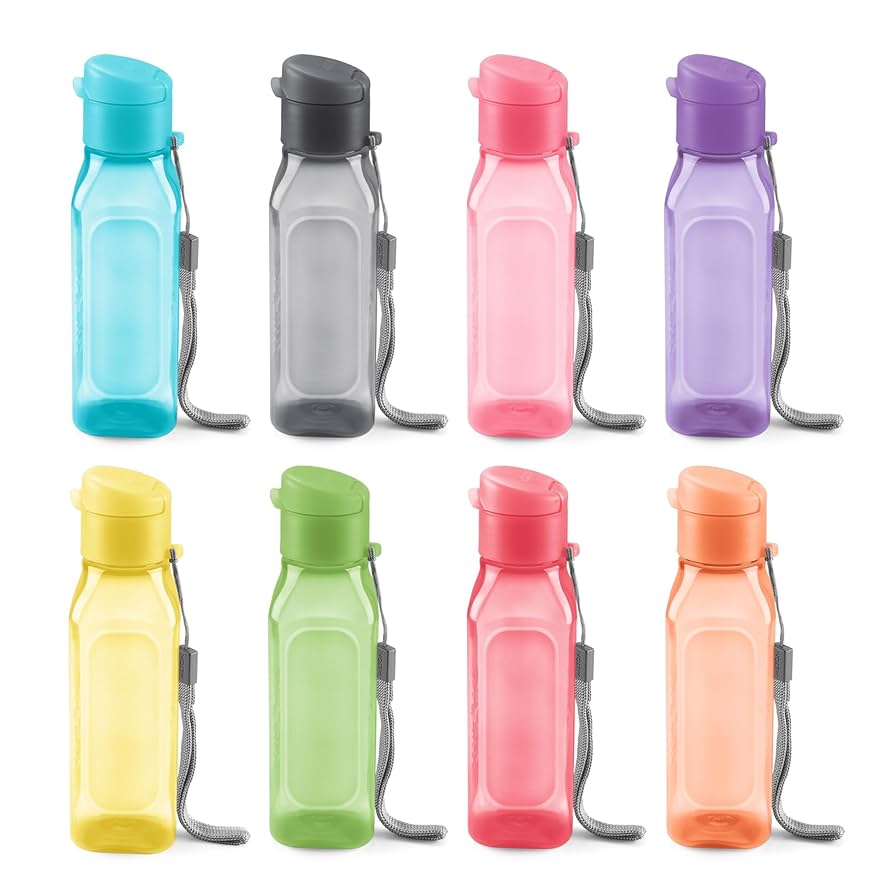
A stock image related to safe plastic water bottles.
3 Common User Pain Points for ‘safe plastic water bottles’ & Their Solutions
Scenario 1: Navigating Compliance with Safety Standards
Het probleem: B2B buyers, especially those in industries such as food and beverage, health, and wellness, face significant challenges in ensuring that the plastic water bottles they purchase comply with various safety regulations. Different countries have distinct regulations concerning materials used in food and drink packaging, including limits on harmful substances like BPA. Buyers often struggle to ascertain which products meet these standards, risking potential fines, product recalls, and damage to brand reputation.
De oplossing: To address this concern, B2B buyers should prioritize sourcing from manufacturers that provide transparent documentation of compliance with international safety standards. Buyers should look for certifications such as FDA approval in the U.S., EU food safety standards in Europe, or local health regulations in African and South American markets. Establishing strong relationships with suppliers who can offer detailed specifications and certifications will streamline the purchasing process. Additionally, implementing a regular audit of suppliers’ compliance records can ensure ongoing adherence to safety regulations, thus minimizing risk.
Scenario 2: Addressing Environmental Concerns and Sustainability
Het probleem: Increasingly, consumers and businesses are prioritizing sustainability in their purchasing decisions. B2B buyers face the challenge of selecting plastic water bottles that not only meet safety standards but are also environmentally friendly. The prevalence of single-use plastics and the associated backlash against them can make it difficult for companies to align their product offerings with consumer expectations for sustainability.
De oplossing: Buyers can overcome this pain point by seeking suppliers who offer a range of eco-friendly options, such as bottles made from recycled materials or those that are fully recyclable themselves. Additionally, exploring partnerships with companies that focus on reducing plastic waste, like those using biodegradable alternatives, can enhance a brand’s sustainability profile. Implementing a take-back program for used bottles can also promote circular economy practices, demonstrating a commitment to environmental responsibility while appealing to eco-conscious customers.
Scenario 3: Managing Product Quality and Consistency
Het probleem: Quality control is a significant concern for B2B buyers of plastic water bottles, particularly in industries where product consistency is critical. Variability in materials, manufacturing processes, and supplier practices can lead to inconsistencies in product safety, durability, and usability. Buyers may encounter issues such as bottles that leak, are difficult to clean, or do not maintain the desired temperature, negatively impacting customer satisfaction and loyalty.
De oplossing: To ensure product quality and consistency, buyers should implement a robust vendor evaluation process that includes rigorous quality assurance protocols. This should encompass pre-production samples, batch testing for leaching, and regular quality checks throughout the manufacturing process. Establishing clear quality metrics and expectations with suppliers will also facilitate better communication and accountability. Additionally, investing in advanced tracking and traceability technologies can help monitor product performance post-distribution, allowing for timely interventions if quality issues arise. By taking these proactive steps, buyers can significantly enhance product reliability, thereby safeguarding their brand reputation and customer trust.
Strategic Material Selection Guide for safe plastic water bottles
What Are the Key Properties of Common Materials Used in Safe Plastic Water Bottles?
When selecting materials for safe plastic water bottles, it is crucial to consider their properties, advantages, disadvantages, and regulatory compliance, especially for B2B buyers operating in diverse regions like Africa, South America, the Middle East, and Europe. Below, we analyze four common materials used in the production of plastic water bottles.
1. Polyethylene Terephthalate (PET)
Belangrijkste eigenschappen:
PET is a lightweight, strong, and clear plastic that exhibits excellent chemical resistance. It can withstand temperatures up to 60°C (140°F), making it suitable for cold beverages. However, it is not recommended for repeated use due to potential leaching when exposed to heat.
Voor- en nadelen:
PET is cost-effective and widely recyclable, making it a popular choice for single-use bottles. Its clarity and strength are appealing for branding and consumer appeal. However, its single-use design can lead to environmental concerns and is not ideal for long-term applications.
Invloed op de toepassing:
PET is primarily used for disposable water bottles and is compatible with cold beverages. However, it should not be reused extensively, especially in high-temperature environments, as this can increase leaching risks.
Overwegingen voor internationale kopers:
International standards such as ASTM and ISO emphasize the importance of material safety. Buyers in regions like Europe and South America should ensure that PET bottles are sourced from manufacturers that comply with these standards to avoid health risks.
2. Polypropylene (PP)
Belangrijkste eigenschappen:
Polypropylene is known for its high melting point (up to 100°C or 212°F) and excellent chemical resistance. It is durable and can withstand various cleaning methods, including dishwashing.
Voor- en nadelen:
PP is lightweight and has a good balance of strength and flexibility, making it suitable for reusable water bottles. It is more resistant to fatigue than other plastics. However, it can be more expensive than PET and may not provide the same level of clarity, which can affect branding.
Invloed op de toepassing:
PP is ideal for reusable water bottles, particularly for cold and warm beverages. Its durability makes it suitable for outdoor and active use, but it may not be the best choice for high-temperature applications.
Overwegingen voor internationale kopers:
Buyers should verify that PP bottles meet local health and safety regulations. In markets like Germany, compliance with DIN standards is essential for ensuring product safety and quality.
3. High-Density Polyethylene (HDPE)
Belangrijkste eigenschappen:
HDPE is a robust plastic with a high resistance to impact and moisture. It has a melting point of around 120°C (248°F), making it suitable for a variety of applications.
Voor- en nadelen:
HDPE is cost-effective, recyclable, and resistant to many chemicals, which makes it a popular choice for both single-use and reusable bottles. However, it can become brittle over time, especially when exposed to UV light, which limits its outdoor usability.
Invloed op de toepassing:
HDPE is commonly used for both disposable and reusable water bottles. It is suitable for a range of beverages but may not be ideal for long-term storage due to potential degradation.
Overwegingen voor internationale kopers:
In regions like Africa and the Middle East, where UV exposure can be high, buyers should consider the environmental conditions when selecting HDPE products. Compliance with local recycling guidelines is also crucial.
4. Tritan™
Belangrijkste eigenschappen:
Tritan is a copolyester known for its clarity, toughness, and resistance to heat and chemicals. It can withstand temperatures up to 90°C (194°F) without deforming.
Voor- en nadelen:
Tritan is BPA-free and offers excellent durability, making it a preferred choice for high-quality reusable water bottles. However, it is generally more expensive than traditional plastics, which can impact pricing strategies.
Invloed op de toepassing:
Tritan is ideal for both hot and cold beverages, making it versatile for various consumer needs. Its clarity and design appeal are advantageous for branding and market differentiation.
Overwegingen voor internationale kopers:
B2B buyers should ensure that Tritan products comply with international safety standards, particularly in Europe, where stringent regulations exist regarding food-grade materials.
Summary Table of Material Properties
| Materiaal | Typical Use Case for safe plastic water bottles | Belangrijkste voordeel | Belangrijkste nadeel/beperking | Relatieve kosten (laag/gemiddeld/hoog) |
|---|---|---|---|---|
| PET | Disposable water bottles | Cost-effective and widely recyclable | Not suitable for repeated use | Laag |
| PP | Reusable water bottles | High melting point and durability | More expensive than PET | Medium |
| HDPE | Both disposable and reusable bottles | Impact-resistant and moisture-proof | Kan na verloop van tijd broos worden | Laag |
| Tritan | High-quality reusable bottles | BPA-free and excellent clarity | Higher cost compared to traditional plastics | Hoog |
This detailed analysis provides B2B buyers with actionable insights into material selection for safe plastic water bottles, helping them make informed decisions that align with their business needs and regional compliance requirements.
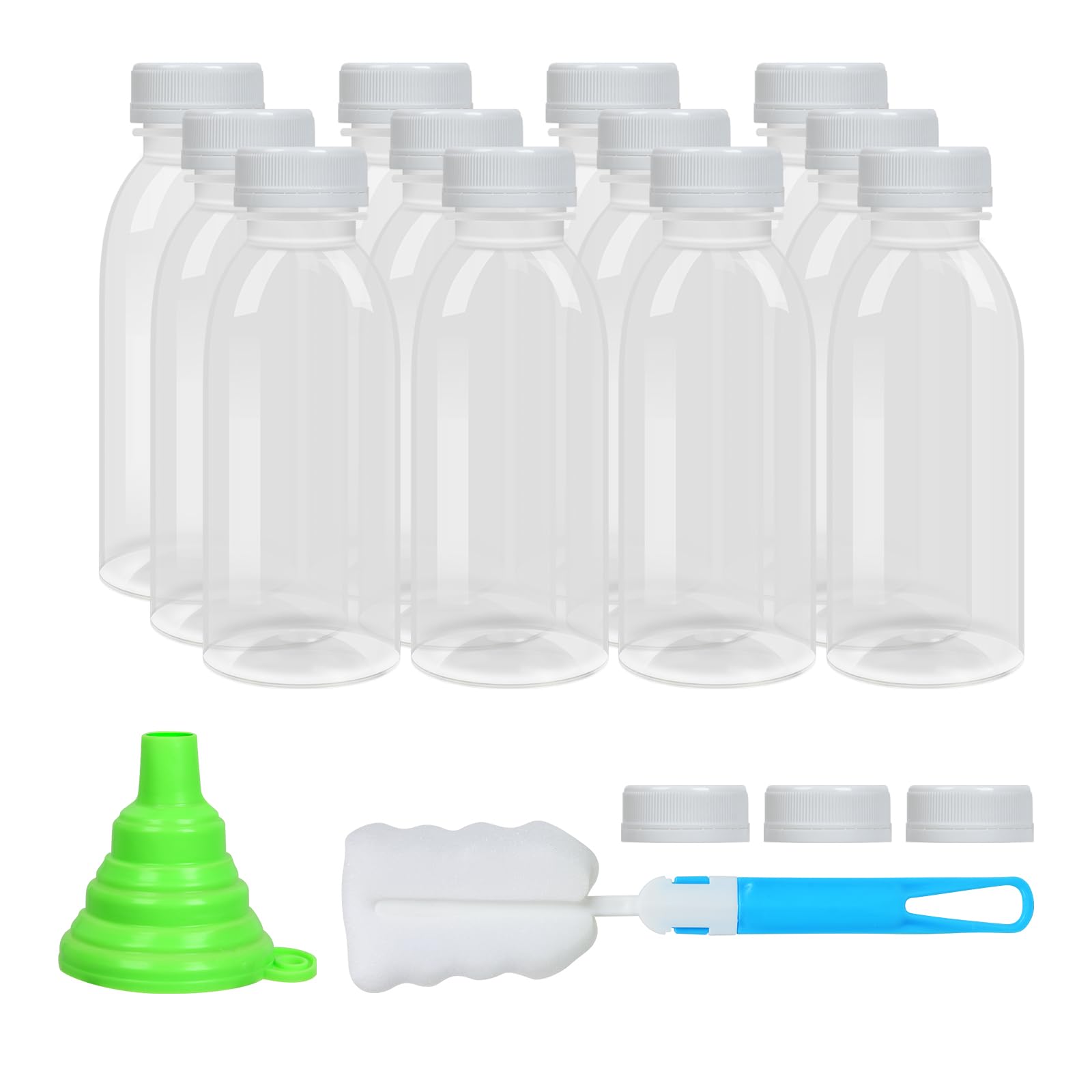
A stock image related to safe plastic water bottles.
In-depth Look: Manufacturing Processes and Quality Assurance for safe plastic water bottles
What Are the Main Stages of Manufacturing Safe Plastic Water Bottles?
The manufacturing process of safe plastic water bottles involves several critical stages that ensure the final product meets safety and quality standards. Understanding these stages helps B2B buyers assess the capabilities and reliability of potential suppliers.
Material Preparation: What Materials Are Used for Safe Water Bottles?
The first step in the manufacturing process is selecting the right materials. The most commonly used plastics for water bottles include:
-
Polyethyleentereftalaat (PET): Known for its lightweight and recyclability, PET is primarily used for disposable water bottles. It offers excellent chemical resistance, making it suitable for containing beverages.
-
Polypropyleen (PP): This material is favored for reusable water bottles due to its durability and resistance to chemical leaching. PP is often considered safe for food contact.
-
Hoge dichtheid polyethyleen (HDPE): Often used in thicker bottles, HDPE is robust and safe, making it suitable for both single-use and reusable applications.
Before manufacturing, the raw materials undergo a rigorous quality check to ensure they meet specific safety standards, such as being BPA-free and food-grade.
How Are Safe Plastic Water Bottles Formed?
The next stage is the forming process, which typically involves one of the following techniques:
-
Injection Molding: In this method, heated plastic is injected into a mold to create the desired bottle shape. This technique allows for precise control over dimensions and is ideal for producing large quantities efficiently.
-
Blow Molding: For hollow bottles, blow molding is employed. The process involves creating a parison (a tube of plastic) and inflating it into a mold to form the bottle shape. This method is highly effective for producing lightweight bottles.
-
Thermoforming: This technique is less common for water bottles but involves heating a plastic sheet and forming it over a mold. It is mainly used for creating lids or caps.
What Happens During Assembly and Finishing?
Once the bottles are formed, they undergo assembly and finishing processes. This includes:
-
Capping: Automated machines apply caps to the bottles, ensuring a secure seal to prevent leakage.
-
Labeling: Bottles are often labeled with essential information, including recycling codes and safety certifications.
-
Quality Checks: Before packaging, bottles undergo visual inspections and functional tests to ensure they meet aesthetic and performance standards.
What Quality Assurance Standards Should B2B Buyers Consider?
For B2B buyers, understanding the quality assurance processes in place is vital. Manufacturers of safe plastic water bottles typically adhere to several international and industry-specific standards:
-
ISO 9001: This global standard focuses on quality management systems, ensuring that manufacturers maintain high-quality production processes.
-
CE-markering: For products sold in the European market, CE marking indicates compliance with health, safety, and environmental protection standards.
-
API Certification: The American Petroleum Institute (API) offers certification for manufacturers in specific industries, particularly relevant for those producing plastics used in food and beverage applications.
Wat zijn de belangrijkste controlepunten voor kwaliteitscontrole?
Quality control (QC) checkpoints are essential in ensuring that the manufacturing process meets the required standards. These checkpoints typically include:
-
Inkomende kwaliteitscontrole (IQC): This stage involves inspecting raw materials upon arrival. Suppliers must provide documentation, including certificates of analysis, to confirm that materials meet safety standards.
-
Kwaliteitscontrole tijdens het proces (IPQC): During the manufacturing process, samples are taken to monitor product quality. Parameters such as weight, dimensions, and visual appearance are assessed.
-
Finale kwaliteitscontrole (FQC): Once production is complete, the final products undergo rigorous testing. This includes leak tests, pressure tests, and visual inspections to ensure that the bottles are free from defects and meet safety requirements.
Hoe kunnen B2B-inkopers de kwaliteitscontrole van leveranciers controleren?
To ensure that suppliers maintain high-quality standards, B2B buyers can take several proactive steps:
-
Leveranciersaudits uitvoeren: Regular audits of suppliers’ facilities can provide insights into their manufacturing processes and quality control measures. This includes reviewing their adherence to ISO standards and other relevant certifications.
-
Kwaliteitsrapporten aanvragen: Suppliers should be able to provide documentation detailing their quality control processes and test results for their products. This information can be crucial for verifying compliance with international standards.
-
Engage Third-Party Inspectors: Utilizing independent third-party inspectors can offer an unbiased assessment of the manufacturing process and product quality. These inspectors can validate that suppliers meet both local and international regulations.
What Are the Nuances of QC and Certification for International Buyers?
B2B buyers operating in regions such as Africa, South America, the Middle East, and Europe must be aware of specific nuances in quality control and certification:
-
Regional Regulations: Different countries may have varying regulations regarding plastic use and safety. Understanding these regulations is crucial for compliance and market acceptance.
-
Import Certifications: Buyers should ensure that their suppliers can provide necessary import certifications that demonstrate compliance with local laws. This is particularly important in regions with strict import regulations.
-
Culturele overwegingen: B2B buyers should be sensitive to cultural differences that may affect product acceptance and quality expectations. Engaging with local partners can provide valuable insights into these aspects.
In conclusion, the manufacturing processes and quality assurance practices for safe plastic water bottles are multi-faceted and require attention to detail. By understanding these processes, B2B buyers can make informed decisions, ensuring they partner with reliable suppliers who prioritize safety and quality.
Practical Sourcing Guide: A Step-by-Step Checklist for ‘safe plastic water bottles’
Inleiding
Sourcing safe plastic water bottles requires a meticulous approach to ensure compliance with health regulations and consumer safety standards. This step-by-step checklist is designed for B2B buyers, particularly those in regions such as Africa, South America, the Middle East, and Europe. By following these guidelines, you can make informed decisions that prioritize quality and safety in your procurement process.
Stap 1: Je technische specificaties definiëren
Establish clear technical specifications for the water bottles you intend to procure. This includes deciding on materials, sizes, and intended use cases (e.g., single-use vs. reusable). By defining these parameters upfront, you can streamline the sourcing process and ensure that the products meet your organization’s needs.
- Material Selection: Focus on BPA-free plastics such as Tritan or Polypropylene (#5) for reusable bottles to minimize health risks.
- Size and Capacity: Determine the appropriate capacity based on your target market’s preferences and use cases.
Stap 2: Research Regulatory Compliance
Investigate the regulatory standards applicable to plastic water bottles in your target markets. Different regions have varying regulations concerning materials and safety standards. Ensuring compliance with these regulations is critical to avoid potential legal issues and maintain consumer trust.
- Regional Standards: Familiarize yourself with local regulations, such as the EU’s Plastics Directive or the FDA guidelines in the U.S.
- Certification Requirements: Look for suppliers that provide certifications proving compliance with safety standards.
Stap 3: Potentiële leveranciers evalueren
Before committing to a supplier, conduct thorough evaluations to ensure they meet your quality and safety standards. Request detailed company profiles, production capabilities, and references from clients in similar industries.
- Quality Assurance Processes: Inquire about their quality control measures and whether they have third-party testing for safety.
- Reputation Check: Research reviews and testimonials from other B2B buyers to gauge their reliability.
Stap 4: Monsters aanvragen voor testen
Before finalizing your order, request samples of the water bottles for testing. This step is crucial to verify the quality, durability, and safety of the products.
- Laboratory Testing: Consider conducting laboratory tests to check for leaching of harmful substances.
- Field Testing: Evaluate how the bottles perform in real-world scenarios to ensure they meet your expectations.
Stap 5: Negotiate Terms and Conditions
Once you have identified a suitable supplier, negotiate terms that protect your interests. This includes pricing, delivery schedules, and warranty conditions.
- Volume Discounts: Discuss bulk purchase discounts to optimize your budget.
- Return Policies: Ensure clear return and replacement policies in case of defective products.
Stap 6: Establish Quality Control Procedures
Implement quality control measures to ensure that the products received meet your specifications. This is particularly important for large orders, where consistency is critical.
- Inspection Protocols: Develop inspection protocols for incoming shipments to catch any discrepancies early.
- Feedback Mechanism: Set up a feedback loop with your suppliers for continuous improvement based on your findings.
Stap 7: Educate Your Team on Safe Usage
Finally, educate your team and end-users on the proper usage and maintenance of plastic water bottles. This ensures longevity and safety in the product lifecycle.
- Cleaning Guidelines: Provide clear instructions on how to clean and maintain the bottles to prevent bacterial growth.
- Usage Recommendations: Highlight best practices for storage and handling to avoid exposure to extreme conditions that may affect the bottles’ integrity.
By following this checklist, B2B buyers can navigate the complexities of sourcing safe plastic water bottles with confidence, ensuring they meet both regulatory standards and consumer expectations.
Comprehensive Cost and Pricing Analysis for safe plastic water bottles Sourcing
What Are the Key Cost Components in Sourcing Safe Plastic Water Bottles?
When sourcing safe plastic water bottles, understanding the cost structure is essential for effective budgeting and price negotiation. The primary cost components include:
-
Materialen: The type of plastic used significantly affects costs. Common options such as PET (Polyethylene Terephthalate) for disposable bottles and PP (Polypropylene) or HDPE (High-Density Polyethylene) for reusable bottles can vary in price based on market demand and availability. Eco-friendly options may incur additional costs due to their manufacturing processes.
-
Arbeid: Labor costs can fluctuate based on the region and the complexity of the manufacturing process. Countries with lower labor costs may offer competitive pricing, but it’s crucial to consider the skill level and expertise of the workforce, as this can impact product quality.
-
Productie Overhead: This encompasses utilities, factory maintenance, and other operational costs. Efficient production processes can help minimize these expenses, impacting the overall pricing structure.
-
Gereedschap: Custom molds and tooling for specific bottle designs can be a significant upfront cost. These expenses are typically amortized over the production volume, meaning higher quantities can lead to lower per-unit costs.
-
Kwaliteitscontrole (QC): Ensuring that products meet safety and quality standards involves investment in QC processes. Certifications such as BPA-free labeling or compliance with international safety standards can add to the cost but are essential for market acceptance.
-
Logistiek: Transportation and warehousing costs vary based on the sourcing location and delivery destination. International shipping, especially to regions like Africa or South America, can incur additional tariffs and customs fees.
-
Marge: Suppliers will typically add a profit margin to cover costs and ensure profitability. Understanding the average margins in the industry can help in negotiating better deals.
What Influences the Pricing of Safe Plastic Water Bottles?
Several factors can influence the pricing of safe plastic water bottles:
-
Volume and Minimum Order Quantities (MOQs): Larger orders often lead to lower prices per unit due to economies of scale. Suppliers may set MOQs to ensure that production and shipping costs are justified.
-
Specificaties en aanpassingen: Unique designs, colors, or features can increase costs. Customization often requires specialized tooling and additional labor, which can significantly impact the price.
-
Materiaalkwaliteit en certificeringen: Higher-quality materials, such as Tritan, may come at a premium. Additionally, certifications for safety and environmental impact can also drive costs higher.
-
Factoren van leveranciers: The reputation and reliability of the supplier can affect pricing. Established suppliers with proven track records may charge more but often provide better quality assurance and customer service.
-
Incoterms: The terms of shipping can significantly influence total costs. For instance, DDP (Delivered Duty Paid) means the seller assumes all responsibilities and costs, which can lead to higher upfront prices but lower risk for the buyer.
What Tips Can Help Buyers Negotiate Better Prices for Plastic Water Bottles?
B2B buyers can employ several strategies to enhance their sourcing efficiency:
-
Onderhandelen over voorwaarden: Don’t hesitate to negotiate MOQs, payment terms, and delivery schedules. Suppliers may be willing to adjust their terms to secure a deal.
-
Focus on Total Cost of Ownership: Look beyond the initial purchase price. Consider factors like durability, maintenance costs, and potential for reuse when evaluating overall value.
-
Understand Pricing Nuances in International Markets: Buyers from different regions may face unique challenges, such as currency fluctuations or varying import duties. Familiarize yourself with local regulations and market conditions to make informed decisions.
-
Leverage Relationships: Building strong relationships with suppliers can lead to more favorable pricing and terms. Suppliers may offer discounts or better service to long-term partners.
-
Conduct Market Research: Stay informed about market trends and material costs. This knowledge can empower you during negotiations and help you identify fair pricing benchmarks.
In conclusion, comprehensively understanding the cost structure and pricing influencers for safe plastic water bottles is crucial for B2B buyers. By strategically managing these aspects, you can optimize procurement processes and ensure sustainable sourcing. Always remember to verify prices and terms with suppliers, as they can vary widely based on numerous factors.
Alternatives Analysis: Comparing safe plastic water bottles With Other Solutions
Exploring Alternative Solutions to Safe Plastic Water Bottles
When considering safe plastic water bottles for business use, it’s essential to evaluate viable alternatives that may offer different benefits and drawbacks. This analysis will help B2B buyers understand the options available and make informed purchasing decisions.
| Vergelijkingsaspect | Safe Plastic Water Bottles | Stainless Steel Water Bottles | Glazen waterflessen |
|---|---|---|---|
| Prestaties | Lightweight, durable, BPA-free options available | Highly durable, excellent insulation | Heavy, susceptible to breakage |
| Kosten | Generally low-cost | Moderate to high cost | Moderate to high cost |
| Gemak van implementatie | Widely available, easy to source | Requires quality checks for safety | Can be heavier and more fragile |
| Onderhoud | Easy to clean, requires regular washing | Low maintenance, dishwasher safe | Needs careful handling and regular cleaning |
| Beste gebruikscasus | Everyday use, on-the-go hydration | Outdoor activities, long-term use | Office settings, eco-conscious consumers |
In-Depth Analysis of Alternatives
Stainless Steel Water Bottles
Stainless steel water bottles are a robust alternative to plastic options. They provide excellent durability and resistance to corrosion, making them ideal for both outdoor and indoor usage. Additionally, many stainless steel bottles come with insulation properties that keep beverages hot or cold for extended periods. However, they can be more expensive than plastic bottles, and their weight may be a disadvantage for users looking for ultra-light options. For businesses targeting outdoor enthusiasts or consumers who prioritize temperature control, stainless steel presents a compelling choice.
Glazen waterflessen
Glass water bottles are favored for their ability to maintain beverage purity without the risk of chemical leaching, making them an excellent choice for health-conscious consumers. They are often seen as more environmentally friendly and aesthetically pleasing compared to plastic options. However, their fragility makes them less suitable for high-impact environments or situations where portability is crucial. Additionally, glass bottles can be heavier, which may not appeal to all consumers. Businesses focusing on premium markets or eco-friendly brands may find glass bottles particularly attractive.
Conclusion: How to Choose the Right Solution for Your Business Needs
When selecting the appropriate water bottle solution for your business, it is crucial to consider your target market, budget constraints, and the specific use cases your products will serve. Safe plastic water bottles offer affordability and versatility, making them suitable for everyday use. In contrast, stainless steel bottles provide durability and insulation for more rugged applications, while glass bottles appeal to eco-conscious consumers who value purity and aesthetics. Assessing these factors will enable B2B buyers to choose the most effective solution tailored to their operational needs and customer preferences.
Essential Technical Properties and Trade Terminology for safe plastic water bottles
What Are the Key Technical Properties of Safe Plastic Water Bottles?
When considering safe plastic water bottles for your business needs, understanding critical technical properties is essential. Here are some key specifications that you should be aware of:
1. Material Grade: What Should You Look For?
The material grade of plastic significantly impacts the safety and durability of water bottles. Common materials include PET (Polyethylene Terephthalate), HDPE (High-Density Polyethylene), and PP (Polypropylene). For instance, PET is typically used in single-use bottles, while HDPE and PP are preferred for reusable options due to their enhanced safety profiles and lower likelihood of leaching harmful chemicals. Selecting the right material grade ensures compliance with safety regulations and meets customer expectations for quality.
2. Chemical Resistance: Why Is It Crucial?
Chemical resistance refers to a material’s ability to withstand exposure to various substances without degrading or leaching harmful components. Bottles made from materials like Tritan™ or BPA-free plastics exhibit high chemical resistance, making them suitable for storing water and other beverages. This property is particularly important for B2B buyers as it ensures that the bottles maintain their integrity and safety over time, reducing the risk of product recalls or safety concerns.
3. Tolerance Levels: How Do They Affect Quality?
Tolerance levels specify the permissible limits of variation in dimensions and weight of the bottles during manufacturing. Maintaining strict tolerances is essential for ensuring that bottles fit standard caps and other accessories. For B2B buyers, this means fewer compatibility issues and enhanced consumer satisfaction, which can lead to increased brand loyalty and repeat orders.
4. Recyclability: What Is Its Importance in the Supply Chain?
Recyclability indicates whether the material can be processed and reused after its initial use. Bottles labeled with recycling codes like #1 (PET) and #2 (HDPE) are generally considered recyclable. For businesses, promoting the recyclability of products can enhance corporate social responsibility (CSR) initiatives and meet growing consumer demand for sustainable products, particularly in markets like Europe where environmental regulations are stringent.
5. Temperature Resistance: Why Does It Matter?
Temperature resistance refers to a material’s ability to withstand extreme temperatures without deforming or releasing harmful substances. This property is vital for bottles intended for hot liquids or those exposed to varying climates. Ensuring that your bottles can withstand temperature fluctuations is crucial for maintaining product integrity and safety, especially in regions with diverse weather conditions.
What Are the Common Trade Terms Related to Safe Plastic Water Bottles?
Understanding trade terminology can streamline the purchasing process and improve communication with suppliers. Here are some key terms you should know:
1. OEM (Original Equipment Manufacturer): What Does It Mean?
OEM refers to a company that produces parts or equipment that may be marketed by another manufacturer. In the context of plastic water bottles, working with an OEM can ensure that you receive high-quality products tailored to your specifications, which can enhance your brand’s reputation.
2. MOQ (Minimum Order Quantity): Why Is It Important?
MOQ is the smallest quantity of a product that a supplier is willing to sell. Understanding MOQ is crucial for B2B buyers to manage inventory costs effectively. If the MOQ is too high, it could lead to excess stock and increased holding costs, impacting your overall profitability.
3. RFQ (Request for Quotation): How Can It Benefit You?
An RFQ is a document sent to suppliers requesting pricing and other terms for a specific quantity of goods. Utilizing an RFQ can help you compare prices and terms from multiple suppliers, ensuring you get the best deal for your business needs.
4. Incoterms: What Should You Know?
Incoterms are international commercial terms that define the responsibilities of buyers and sellers in international transactions. Familiarity with Incoterms can help you manage logistics and shipping costs effectively, ensuring a smoother supply chain process and minimizing potential disputes.
5. Certification Standards: Why Are They Critical?
Certification standards, such as ISO or FDA approvals, indicate that a product meets specific safety and quality criteria. For B2B buyers, ensuring that your plastic water bottles comply with relevant certification standards can enhance marketability and reduce liability risks.
By understanding these technical properties and trade terms, B2B buyers can make informed decisions that align with their business goals and customer needs, ultimately leading to successful partnerships and growth in the competitive plastic water bottle market.
Navigating Market Dynamics and Sourcing Trends in the safe plastic water bottles Sector
What Are the Key Market Dynamics Influencing Safe Plastic Water Bottles?
The global market for safe plastic water bottles is experiencing significant growth, driven by rising consumer awareness regarding health and safety, alongside the demand for convenient hydration solutions. Key trends include the transition toward BPA-free materials, with manufacturers increasingly adopting safer alternatives like Tritan and polypropylene. As international regulations tighten, particularly in Europe and North America, suppliers are compelled to innovate and comply with stringent safety standards, thus enhancing product credibility.
Emerging technologies also play a crucial role in shaping the sourcing landscape. For example, advancements in manufacturing processes allow for the production of lighter, more durable bottles that maintain safety standards while reducing transportation costs. Additionally, the proliferation of e-commerce platforms has created a more accessible marketplace for B2B buyers, enabling them to source products from global suppliers efficiently.
International B2B buyers, particularly from regions like Africa, South America, the Middle East, and Europe, must stay attuned to these dynamics. The growing trend of eco-conscious consumerism is leading to an increased demand for products that are not only safe but also sustainable. This necessitates that buyers prioritize suppliers who can demonstrate compliance with international health standards and provide transparency in their sourcing practices.
How Is Sustainability and Ethical Sourcing Shaping the Safe Plastic Water Bottle Industry?
Sustainability has become a cornerstone of the safe plastic water bottles sector. The environmental impact of plastic production and waste is prompting both consumers and businesses to seek more sustainable options. This shift is reflected in the growing demand for bottles made from recycled materials and those that are fully recyclable themselves. Buyers should consider suppliers who utilize eco-friendly materials and production methods to align with global sustainability goals.
Ethical sourcing is equally important in this context. B2B buyers are increasingly recognizing the value of transparent supply chains that prioritize fair labor practices and environmental stewardship. Certifications such as ISO 14001 for environmental management and the Global Recycled Standard (GRS) for recycled materials are becoming essential for suppliers aiming to establish credibility in the marketplace.
By choosing partners who adhere to these ethical standards, buyers not only contribute to a positive brand image but also mitigate risks associated with non-compliance and reputational damage. As sustainability continues to influence purchasing decisions, integrating these practices into sourcing strategies will be critical for long-term success in the safe plastic water bottle market.
What Has Been the Evolution of Safe Plastic Water Bottles?
The evolution of safe plastic water bottles has been largely shaped by consumer health concerns and environmental awareness. Initially, plastic bottles gained popularity due to their lightweight and durable nature. However, the emergence of research linking certain plastics, particularly those containing BPA, to health risks led to significant backlash and regulatory changes.
In response, manufacturers began phasing out harmful materials and innovating with safer alternatives. The introduction of BPA-free plastics marked a pivotal moment, allowing brands to regain consumer trust. Today, the focus has shifted to not only ensuring safety but also enhancing sustainability through recycling and the use of renewable resources.
As the market continues to mature, the integration of technology in production and sourcing processes is likely to drive further innovation, making safe plastic water bottles more accessible, environmentally friendly, and aligned with global health standards. This history underscores the importance of adaptability for B2B buyers as they navigate a landscape that is constantly evolving in response to consumer demands and regulatory pressures.
Frequently Asked Questions (FAQs) for B2B Buyers of safe plastic water bottles
-
How can I ensure the safety of plastic water bottles I source for my business?
To guarantee the safety of plastic water bottles, prioritize sourcing from suppliers who provide bottles made from BPA-free materials, such as Tritan or polypropylene (#5). Ensure that the manufacturer complies with international safety standards, such as FDA or EU regulations. Request product certifications and test reports that validate the absence of harmful chemicals. Additionally, check for compliance with local regulations specific to your target market to avoid legal issues. -
What are the most popular materials used in safe plastic water bottles?
The most widely recognized safe materials for plastic water bottles include Tritan, polypropylene (#5), and high-density polyethylene (HDPE). Tritan is renowned for its durability and clarity, making it ideal for reusable bottles. Polypropylene is often used for food containers and is considered safe for repeated use. HDPE is commonly utilized in various applications, including milk jugs and some reusable bottles, and is known for its chemical resistance and recyclability. -
What should I consider when vetting suppliers of plastic water bottles?
When vetting suppliers, assess their production capacity, quality control measures, and compliance with international safety standards. Request samples to evaluate the product quality and durability. Investigate their reputation by checking reviews and references from other B2B clients. Additionally, inquire about their sourcing practices, production timelines, and whether they can accommodate custom designs or branding to meet your specific needs. -
What is the minimum order quantity (MOQ) for safe plastic water bottles?
Minimum order quantities (MOQs) for safe plastic water bottles can vary significantly depending on the supplier and the bottle specifications. Generally, MOQs can range from 500 to 10,000 units. For custom designs or private labeling, suppliers may require higher MOQs. It is advisable to discuss your specific needs with potential suppliers to negotiate suitable terms that align with your business model and budget. -
What payment terms are typically offered by suppliers of plastic water bottles?
Payment terms can differ widely among suppliers, but common options include upfront payment, a deposit with the balance upon delivery, or net 30/60 days after receipt of goods. Some suppliers may also offer financing options for larger orders. Always clarify payment terms before finalizing contracts and consider using secure payment methods to protect your investment, especially in international transactions. -
How can I customize plastic water bottles for my brand?
Customization options for plastic water bottles typically include logo printing, color selection, and shape modifications. Discuss your design ideas with potential suppliers, as many offer services for screen printing or labeling. Be sure to obtain prototypes before placing a large order to ensure that the final product meets your expectations. Additionally, consider the environmental impact of your choices, as sustainable options may enhance your brand image. -
What quality assurance measures should I expect from suppliers?
Reputable suppliers should have robust quality assurance (QA) processes in place, including material inspections, in-process checks, and final product testing. Request information about their QA protocols and certifications, such as ISO standards. It’s also wise to inquire about their return policy and warranty for defective products, ensuring that you have recourse in case of quality issues. -
What logistics considerations should I keep in mind when importing plastic water bottles?
When importing plastic water bottles, consider factors such as shipping costs, lead times, and customs regulations in your destination country. Ensure that your supplier can accommodate your preferred shipping method, whether by air or sea, and verify that they provide all necessary documentation for customs clearance. Additionally, factor in potential tariffs or import duties that may apply, as these can significantly affect your overall cost.
Belangrijke disclaimer en gebruiksvoorwaarden
⚠️ Belangrijke disclaimer
De informatie in deze gids, inclusief inhoud over fabrikanten, technische specificaties en marktanalyses, is uitsluitend bedoeld voor informatieve en educatieve doeleinden. Het is geen professioneel aankoopadvies, financieel advies of juridisch advies.
Hoewel we al het mogelijke hebben gedaan om de nauwkeurigheid en actualiteit van de informatie te garanderen, zijn we niet verantwoordelijk voor eventuele fouten, weglatingen of verouderde informatie. Marktomstandigheden, bedrijfsgegevens en technische normen kunnen veranderen.
B2B-kopers moeten hun eigen onafhankelijke en grondige due diligence uitvoeren voordat je een aankoopbeslissing neemt. Dit houdt in dat u rechtstreeks contact moet opnemen met leveranciers, certificeringen moet controleren, monsters moet aanvragen en professioneel advies moet inwinnen. Het risico van het vertrouwen op informatie in deze gids wordt uitsluitend gedragen door de lezer.
Top 7 Safe Plastic Water Bottles Manufacturers & Suppliers List
1. Nalgene – Durable Water Bottle Options
Domein: reddit.nl
Geregistreerd: 2005 (20 jaar)
Inleiding: User is looking for a durable water bottle to replace single-use plastic bottles. Recommendations include Nalgene and Klean Kanteen, with concerns about BPA/BPS in plastics. User is considering a Nalgene bottle (link provided) but is also interested in glass options for durability. Other users recommend insulated stainless steel bottles like Contigo and Hydro Flask for better insulation and longev…
2. Branch Basics – Key Recommendations for Safe Water Bottles
Domein: branchbasics.com
Registered: 2012 (13 years)
Inleiding: Key recommendations for safe water bottles include: 1. **Glass Water Bottles**: Preferred for their lower toxic exposure risk compared to BPA-free plastic and stainless steel. Look for glass tested to be free of heavy metals (lead and cadmium). Borosilicate glass is more durable and resistant to acidic chemicals. Silicone sleeves are recommended, and plastic lids should be food-grade, BPA-free, an…
3. The Water Bottle Store – BPA Free Reusable Bottles
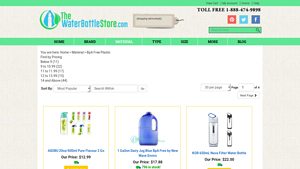
Domein: thewaterbottlestore.com
Geregistreerd: 2005 (20 jaar)
Inleiding: BPA Free Plastic Reusable Water Bottles available in various sizes and brands including Asobu, Aquaovo, Beachcomber, BKR, Bluewave, Boon Supply, Bubi, EarthLust, EcoVessel, Kid Basix, KOR, Nalgene, New Wave Enviro, and Vapur. Products include insulated, collapsible, filtered, freezable, and infuser water bottles, as well as kids’ water bottles. Sizes range from under 8oz to 5 gallons. Replacement …
4. Cancer Council – Water Safety
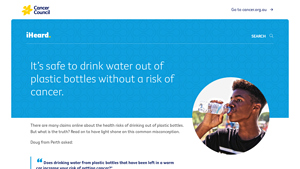
Domein: cancer.org.au
Inleiding: It is safe to drink water out of plastic bottles without a risk of cancer, even when the bottles have been left in hot cars, frozen, or reused. There is no scientific evidence to support claims that these practices release damaging chemicals. BPA and materials used in water bottles are considered safe by Food Standards Australia New Zealand. However, bacteria and fungi can grow in bottled water if…
5. Nature Kids Co – Non-Toxic Water Bottles
Domein: naturekidsco.com
Registered: 2021 (4 years)
Inleiding: This company, Nature Kids Co – Non-Toxic Water Bottles, is a notable entity in the market. For specific product details, it is recommended to visit their website directly.
6. NY Times – Drinking Water Safety
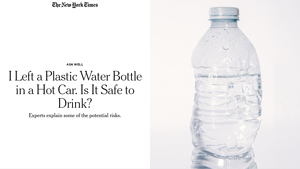
Domein: nytimes.com
Geregistreerd: 1994 (31 jaar)
Inleiding: The article discusses the safety of drinking water from plastic bottles left in hot cars. It highlights concerns about chemical additives and microplastics leaching into the water, as well as the potential growth of bacteria or mold. Experts note that if a bottle has been opened, microbes from the mouth, hands, or air can contaminate the water. A referenced study found that bacteria, mold, and yea…
7. Verywell Health – Bottled Water Plastics
Domein: verywellhealth.com
Geregistreerd: 2006 (19 jaar)
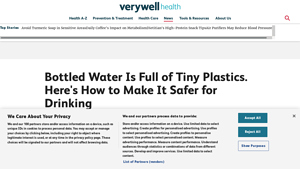
Inleiding: A recent study found that a typical liter of bottled water contains roughly 240,000 detectable plastic fragments, which is 10 to 100 times more than previously estimated. The study identified that about 90% of these particles are nanoplastics and 10% are microplastics. Common types of plastics found in bottled water include Polyethylene terephthalate (PET), Polyamide 66 (PA), Polypropylene (PP), P…
Strategic Sourcing Conclusion and Outlook for safe plastic water bottles
In the evolving landscape of safe plastic water bottles, strategic sourcing plays a critical role in ensuring product quality and compliance with health standards. Buyers should prioritize materials such as Tritan, PP, and HDPE, which are recognized for their safety and durability. Understanding the resin identification codes and opting for BPA-free options can significantly mitigate health risks associated with plastic leaching.
Furthermore, as consumer awareness grows, the demand for eco-friendly and sustainable packaging solutions continues to rise. This trend presents a lucrative opportunity for B2B buyers to align their sourcing strategies with sustainable practices, catering to an increasingly health-conscious market.
Looking ahead, international buyers from Africa, South America, the Middle East, and Europe should leverage these insights to enhance their procurement processes. By forging partnerships with reputable manufacturers and staying informed on material advancements, businesses can not only meet regulatory requirements but also drive competitive advantage. Engaging in proactive sourcing strategies today will pave the way for a sustainable and profitable future in the safe plastic water bottle market.
 Nederlands
  English
  Español
  Português
  Français
  Deutsch
  العربية
  Русский
  日本語
日本語  한국어
한국어  Italiano