
Introduction: Navigating the Global Market for thermos stainless steel drink bottle
In today’s global marketplace, sourcing high-quality thermos stainless steel drink bottles presents a unique challenge for international B2B buyers. Companies in regions like Africa, South America, the Middle East, and Europe are increasingly seeking reliable suppliers who can provide durable, insulated drink bottles that meet diverse customer needs. This comprehensive guide is designed to streamline the purchasing process by covering essential aspects such as product types, applications, supplier vetting, pricing strategies, and market trends.
Understanding the nuances of the thermos stainless steel drink bottle market can empower buyers to make informed decisions that enhance their product offerings and meet consumer demands. For instance, the guide delves into various bottle styles, from lightweight options perfect for outdoor adventures to robust models designed for everyday use. It also highlights key factors to consider when selecting suppliers, including quality certifications, production capabilities, and customer service.
With an authoritative tone, this guide aims to equip international B2B buyers with the insights necessary to navigate the complexities of sourcing thermos stainless steel drink bottles. By leveraging this information, businesses can confidently engage with suppliers, optimize their inventory, and ultimately drive growth in an increasingly competitive landscape. Whether you’re in Saudi Arabia, Nigeria, or beyond, this resource is tailored to support your strategic purchasing efforts.
Understanding thermos stainless steel drink bottle Types and Variations
| Type Naam | Belangrijkste onderscheidende kenmerken | Primaire B2B-toepassingen | Korte voor- en nadelen voor kopers |
|---|---|---|---|
| Dual Temp Beverage Bottle | Insulated for both hot and cold beverages, multiple sizes | Hospitality, catering, outdoor events | Pros: Versatile, maintains temperature; Cons: Higher cost |
| Screw Top Water Bottle | Simple screw top design, lightweight, various colors | Sports teams, gyms, corporate giveaways | Pros: Affordable, easy to carry; Cons: Less insulation |
| Direct Drink Bottle | Push button lid, vacuum insulation, easy to clean | Office use, travel, outdoor activities | Pros: Convenient drinking, good insulation; Cons: Limited capacity |
| Insulated Tumbler | Double-wall vacuum insulation, spill-proof lid | Cafés, restaurants, promotional gifts | Pros: Stylish, keeps drinks hot/cold; Cons: Bulkier design |
| Kids Water Bottle | Fun designs, spout or straw lid options, BPA-free materials | Scholen, kinderdagverblijven, familie-evenementen | Pros: Safe for children, engaging designs; Cons: Smaller volume |
What Are the Key Characteristics of Dual Temp Beverage Bottles?
Dual Temp Beverage Bottles are engineered to maintain the temperature of both hot and cold liquids for extended periods. Typically available in various sizes, they cater to diverse needs, from quick coffee runs to hydration during outdoor activities. For B2B buyers in hospitality and catering, these bottles offer versatility, allowing businesses to serve a range of beverages efficiently. However, the higher price point compared to simpler designs may require careful consideration of budget and usage frequency.
Why Choose Screw Top Water Bottles for Your Business?
Screw Top Water Bottles are designed for practicality and ease of use. Their lightweight construction and variety of colors make them appealing for sports teams, gyms, and corporate giveaways. The affordability of these bottles makes them an attractive option for bulk purchases. However, it’s essential to note that their insulation capabilities are limited, which may not suit businesses looking to maintain beverage temperatures for long periods.
What Makes Direct Drink Bottles a Popular Choice?
Direct Drink Bottles feature a push-button lid that enhances convenience, making them ideal for office use or travel. With vacuum insulation technology, these bottles can keep beverages hot for up to 12 hours and cold for 24 hours. They are also easy to clean, as the lid components can be disassembled. B2B buyers should consider their capacity, as some models may have limited volume, which could affect their suitability for larger events.
How Do Insulated Tumblers Stand Out in the Market?
Insulated Tumblers are recognized for their stylish design and dual-wall vacuum insulation, which keeps drinks at the desired temperature for extended periods. Their spill-proof lids make them a favorite among cafés and restaurants, where presentation and functionality are crucial. While they are bulkier than other options, their aesthetic appeal and performance make them worthwhile for businesses focused on customer experience and branding.
Why Are Kids Water Bottles Essential for Educational Institutions?
Kids Water Bottles are specifically designed with safety and fun in mind, featuring BPA-free materials and engaging designs. These bottles often come with spout or straw lid options, making them easy for children to use. Schools and daycare centers find them beneficial for promoting hydration among students. However, their smaller capacity may be a downside for some buyers looking for longer-lasting hydration solutions for active children.
Key Industrial Applications of thermos stainless steel drink bottle
| Industrie/sector | Specific Application of thermos stainless steel drink bottle | Waarde/Voordeel voor het bedrijf | Belangrijkste overwegingen bij de inkoop voor deze toepassing |
|---|---|---|---|
| Eten en drinken | Employee hydration stations in factories and offices | Promotes employee health and productivity through proper hydration. | Durability, thermal retention, and compliance with health standards. |
| Gastvrijheid | Voorzieningen voor gasten in hotels en resorts | Enhances guest experience and promotes sustainability initiatives. | Custom branding options, eco-friendliness, and aesthetic appeal. |
| Outdoor and Adventure Sports | Hydration for outdoor events and activities | Ensures participants stay hydrated, improving safety and performance. | Lightweight, portability, and insulation performance under various conditions. |
| Onderwijs | Student hydration solutions in schools | Encourages healthy hydration habits among students. | Safety, ease of use for children, and variety in design and capacity. |
| Corporate Gifting | Promotional items for businesses | Strengthens brand recognition and loyalty through practical gifts. | Customization options, bulk purchasing discounts, and quality assurance. |
How Can the Food and Beverage Industry Benefit from Thermos Stainless Steel Drink Bottles?
In the food and beverage sector, thermos stainless steel drink bottles can be utilized in employee hydration stations within factories and offices. These bottles are designed to keep beverages hot or cold for extended periods, promoting employee health and productivity. By providing access to hydration, companies can minimize fatigue and improve overall workplace morale. When sourcing these bottles, businesses should prioritize durability, thermal retention capabilities, and compliance with health standards to ensure safety and functionality in a demanding work environment.
What Advantages Do Hotels and Resorts Gain from Using Thermos Stainless Steel Drink Bottles?
In the hospitality industry, thermos stainless steel drink bottles serve as excellent guest amenities in hotels and resorts. They enhance the guest experience by providing a practical, eco-friendly option for hydration, aligning with sustainability initiatives. Guests appreciate the convenience of having a reusable bottle, which can be filled with water or beverages throughout their stay. When sourcing, hotels should consider customization options for branding, eco-friendliness of materials, and aesthetic appeal to match their brand image and guest expectations.
How Do Outdoor and Adventure Sports Leverage Thermos Stainless Steel Drink Bottles?
Outdoor and adventure sports organizations can effectively utilize thermos stainless steel drink bottles to ensure participants stay hydrated during events and activities. These bottles are designed to withstand various environmental conditions, making them ideal for rugged outdoor use. The ability to maintain beverage temperatures enhances safety and performance for athletes. Key sourcing considerations include lightweight designs for portability and excellent insulation performance to cater to diverse climates and activities.
Why Are Thermos Stainless Steel Drink Bottles Important in Educational Settings?
In educational institutions, thermos stainless steel drink bottles are valuable for promoting student hydration. Schools can implement hydration solutions that encourage healthy drinking habits among students, ultimately contributing to better focus and learning outcomes. When sourcing these bottles, schools should prioritize safety features, ease of use for children, and a variety of designs and capacities to cater to different age groups and preferences.
How Can Corporations Use Thermos Stainless Steel Drink Bottles as Promotional Items?
Corporations can leverage thermos stainless steel drink bottles as promotional items to strengthen brand recognition and customer loyalty. These practical gifts resonate well with clients and employees alike, fostering a positive brand image. When sourcing, businesses should look for customization options that allow for logo branding, bulk purchasing discounts for cost-effectiveness, and quality assurance to ensure the longevity of the products, enhancing the overall value of the promotional strategy.
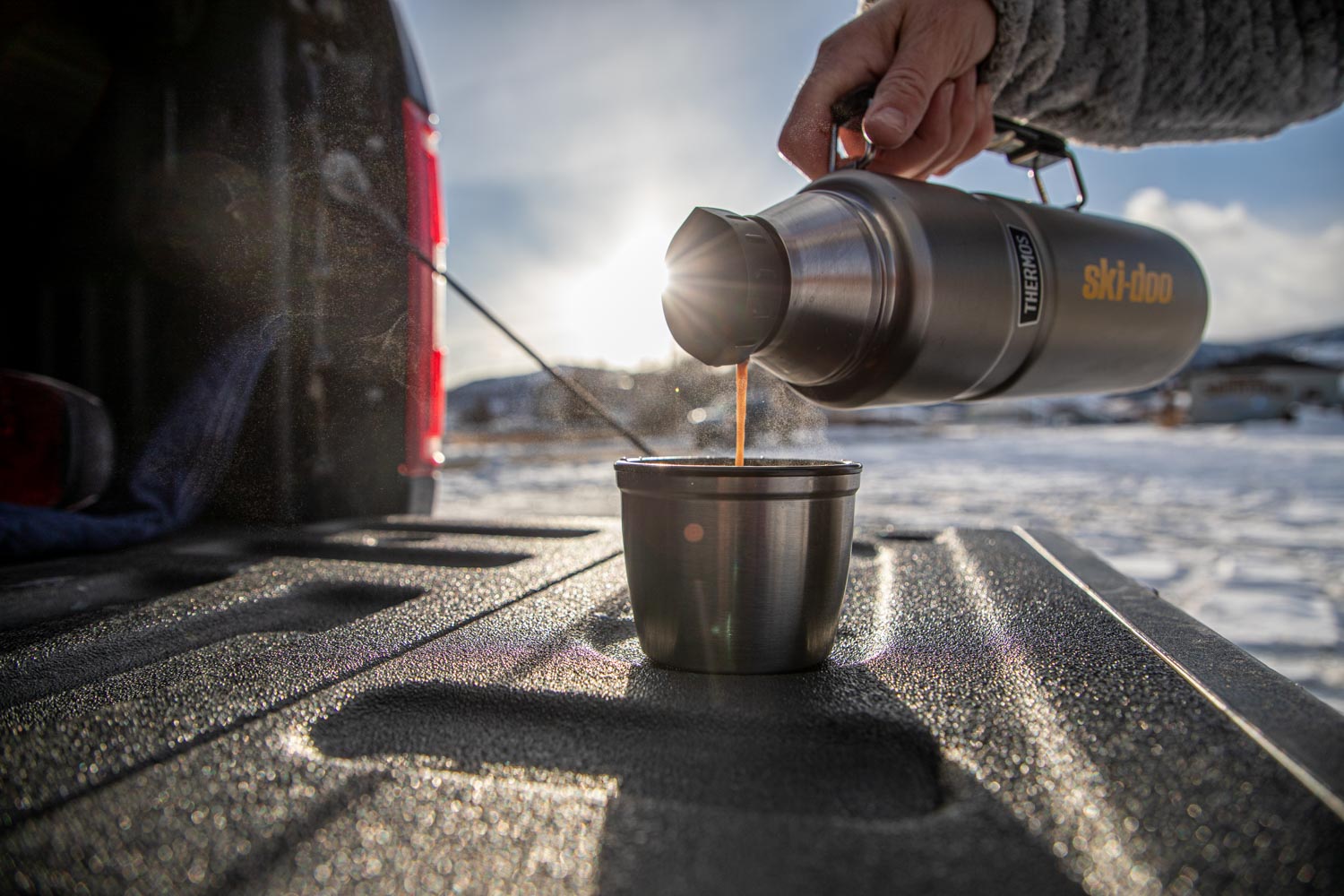
A stock image related to thermos stainless steel drink bottle.
3 Common User Pain Points for ‘thermos stainless steel drink bottle’ & Their Solutions
Scenario 1: Difficulty in Maintaining Temperature During Transportation
Het probleem: B2B buyers in the beverage industry often face challenges when transporting drinks, particularly in regions with extreme temperatures. A common issue is that beverages can lose their desired temperature—either becoming too hot or too cold—during transit. This can lead to customer dissatisfaction, especially in competitive markets in Africa and the Middle East, where consumers expect high-quality service and product integrity.
De oplossing: To mitigate this problem, buyers should prioritize sourcing thermos stainless steel drink bottles that utilize advanced vacuum insulation technology. When purchasing, ensure that the product specifications highlight the insulation capabilities, such as the ability to maintain hot temperatures for up to 12 hours and cold for 24 hours. Additionally, consider investing in bottles with secure locking lids and sweat-proof exteriors to prevent leaks and condensation. It may also be beneficial to establish partnerships with reliable suppliers who can provide bulk orders and consistent quality assurance to maintain product integrity throughout the distribution process.
Scenario 2: Challenges with Product Durability in Harsh Environments
Het probleem: In various regions, including South America and parts of Africa, businesses often operate in rugged conditions where drink bottles are exposed to rough handling and environmental elements. B2B buyers frequently encounter issues with product durability, leading to frequent replacements and increased costs. This is particularly relevant for companies that provide outdoor or industrial beverages.
De oplossing: Buyers should look for thermos stainless steel drink bottles designed with robust materials that can withstand harsh conditions. When evaluating products, focus on features such as stainless steel construction that resists rust and corrosion, along with impact-resistant designs. It may also be advantageous to conduct market research on suppliers that offer warranties or guarantees on their products, ensuring durability over time. By selecting high-quality, rugged drink bottles, companies can reduce replacement rates and enhance their overall operational efficiency.
Scenario 3: Complications in Cleaning and Maintenance
Het probleem: Maintaining hygiene and cleanliness is a critical concern for B2B buyers, particularly in the food and beverage sector. Thermos stainless steel drink bottles can sometimes be challenging to clean, especially if they contain intricate parts or are not dishwasher safe. This can lead to compliance issues with health regulations and affect the overall perception of the brand.
De oplossing: To address this concern, buyers should prioritize sourcing thermos stainless steel drink bottles that feature easy-to-clean designs. Seek out bottles with minimal detachable parts and those that are dishwasher safe to streamline the cleaning process. Additionally, it is wise to educate staff on proper cleaning techniques to ensure that bottles are maintained effectively. Consider sourcing from suppliers who provide detailed care instructions and emphasize ease of maintenance in their marketing materials. By focusing on products that prioritize hygiene, businesses can enhance their reputation and comply with health standards more efficiently.
Strategic Material Selection Guide for thermos stainless steel drink bottle
What Are the Key Materials Used in Thermos Stainless Steel Drink Bottles?
When selecting materials for thermos stainless steel drink bottles, manufacturers typically consider several key options. The choice of material directly affects product performance, durability, and compliance with international standards. Here, we analyze four common materials used in these products: stainless steel, polypropylene, silicone, and glass.
How Does Stainless Steel Perform in Thermos Drink Bottles?
Stainless steel is the primary material used for thermos drink bottles due to its excellent properties. It offers high corrosion resistance, making it suitable for both hot and cold beverages. The typical temperature retention capability of stainless steel bottles can exceed 12 hours for hot liquids and 24 hours for cold ones, thanks to vacuum insulation technology.
Voordelen: Stainless steel is durable, lightweight, and resistant to rust and staining. It is also dishwasher safe, which simplifies cleaning.
Minpunten: The initial manufacturing cost can be higher than other materials, and it can be prone to dents if dropped.
Application Impact: Stainless steel is compatible with a wide range of beverages, including acidic drinks, without leaching harmful chemicals.
Overwegingen voor internationale kopers: Compliance with standards such as ASTM and ISO is crucial. Buyers from regions like Africa and the Middle East should ensure that the stainless steel grades used meet local regulations regarding food safety and environmental impact.
What Role Does Polypropylene Play in Thermos Bottle Design?
Polypropylene is often used for components such as lids and seals in thermos bottles. This thermoplastic polymer is known for its flexibility and resistance to various chemicals.
Voordelen: It is lightweight, cost-effective, and can be molded into complex shapes, allowing for innovative designs.
Minpunten: Polypropylene is less durable than stainless steel and can warp under high temperatures, making it unsuitable for hot beverages.
Application Impact: While it is safe for contact with food and beverages, its lower temperature resistance limits its use to cold liquids.
Overwegingen voor internationale kopers: Buyers should verify that polypropylene components comply with food safety standards in their respective regions, particularly in Europe where regulations are stringent.
Why Is Silicone Important in Thermos Bottle Manufacturing?
Silicone is commonly used for gaskets and seals in thermos bottles due to its excellent temperature resistance and flexibility.
Voordelen: Silicone is durable, resistant to extreme temperatures, and provides a good seal to prevent leaks.
Minpunten: It can be more expensive than other sealing materials and may not be as rigid, which can affect the structural integrity of the bottle over time.
Application Impact: Silicone is ideal for applications requiring a flexible, leak-proof seal, especially in bottles designed for outdoor or rugged use.
Overwegingen voor internationale kopers: Ensure that the silicone used is food-grade and complies with relevant international standards, particularly for markets in Europe and North America.
How Does Glass Contribute to Thermos Bottle Functionality?
Glass is sometimes used for the inner lining of thermos bottles, particularly in high-end models. It offers excellent temperature retention and does not interact with beverages.
Voordelen: Glass is non-reactive, ensuring that the taste of beverages remains unaltered. It is also easy to clean and does not harbor bacteria.
Minpunten: Glass is heavier and more fragile than other materials, making it less suitable for rugged environments.
Application Impact: Ideal for consumers who prioritize taste and purity, glass-lined bottles are often used for specialty beverages.
Overwegingen voor internationale kopers: Buyers should consider the shipping and handling requirements for glass products, as breakage can be a significant concern in transit, especially in regions with less developed logistics.
Summary Table of Material Selection for Thermos Stainless Steel Drink Bottles
| Materiaal | Typical Use Case for thermos stainless steel drink bottle | Belangrijkste voordeel | Belangrijkste nadeel/beperking | Relatieve kosten (laag/gemiddeld/hoog) |
|---|---|---|---|---|
| Roestvrij staal | Outer body and inner lining | Excellent durability and corrosion resistance | Higher initial cost and dent-prone | Hoog |
| Polypropylene | Lids and seals | Lichtgewicht en kosteneffectief | Lower durability and heat sensitivity | Laag |
| Silicone | Gaskets and seals | Flexibel en lekvrij | More expensive and less rigid | Medium |
| Glas | Inner lining for premium models | Non-reactive and easy to clean | Zwaar en breekbaar | Medium |
By carefully considering these materials, international B2B buyers can make informed decisions that align with their product requirements and regional standards.
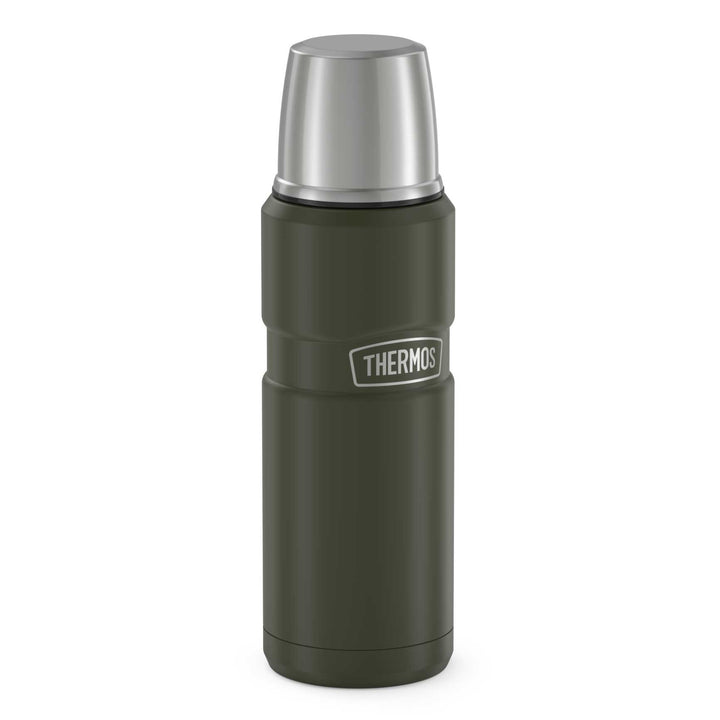
A stock image related to thermos stainless steel drink bottle.
In-depth Look: Manufacturing Processes and Quality Assurance for thermos stainless steel drink bottle
What Are the Key Stages in the Manufacturing Process of Thermos Stainless Steel Drink Bottles?
The manufacturing of thermos stainless steel drink bottles involves several critical stages designed to ensure both quality and functionality. The primary stages include material preparation, forming, assembly, and finishing.
-
Materiaalvoorbereiding: The process begins with sourcing high-grade stainless steel, often 18/8 (304) stainless steel, known for its corrosion resistance and durability. This material is subjected to rigorous inspections to ensure it meets specific standards for thickness and quality. Suppliers often provide certifications to confirm material quality, which is essential for B2B buyers to verify.
-
Het vormen van: The prepared stainless steel sheets undergo processes like cutting, stamping, and deep drawing. Advanced technologies such as CNC (Computer Numerical Control) machines are employed for precision cutting. Forming techniques are crucial as they dictate the bottle’s shape and structural integrity. The use of high-pressure forming processes can enhance the bottle’s strength while maintaining a lightweight profile.
-
Montage: Once formed, the components (body, lid, and seals) are assembled. This stage often utilizes automated assembly lines, which enhance efficiency and consistency. The lids are equipped with features such as push-button openings and locking mechanisms to ensure leak-proof performance. Attention to detail during assembly is vital, as even minor misalignments can lead to functional failures.
-
Afwerking: The final stage includes surface treatments like polishing, coating, and the application of branding elements. This not only enhances aesthetics but also improves the bottle’s resistance to scratches and fingerprints. Quality assurance checks are conducted at this stage to ensure that all visual and tactile aspects meet the required standards.
How Is Quality Assurance Integrated into the Manufacturing Process?
Quality assurance (QA) is a fundamental aspect of the manufacturing process for thermos stainless steel drink bottles. It ensures that products meet both international standards and customer expectations.
-
Naleving van internationale normen: Many manufacturers adhere to ISO 9001, an internationally recognized standard for quality management systems. Compliance with ISO 9001 means that the manufacturing processes are consistently monitored and improved. Additionally, certifications such as CE and API (American Petroleum Institute) may be relevant depending on the specific applications of the bottles.
-
Quality Checkpoints: The QA process includes several critical checkpoints:
– Inkomende kwaliteitscontrole (IQC): At this stage, raw materials are inspected upon arrival. This includes verifying the certification of the stainless steel and other components.
– Kwaliteitscontrole tijdens het proces (IPQC): During manufacturing, random samples are checked for dimensional accuracy and material properties. This helps in identifying defects early in the production cycle.
– Finale kwaliteitscontrole (FQC): After assembly and finishing, the bottles undergo comprehensive testing. This includes pressure testing for leaks, thermal insulation tests to ensure they maintain temperature over specified durations, and visual inspections for surface imperfections. -
Testing Methods: Common testing methods include:
– Thermische prestatietesten: To ensure the bottles maintain the desired temperature for hot or cold beverages.
– Durability Testing: Involves drop tests and stress tests to assess the bottles’ ability to withstand everyday use.
– Lektests: Essential for confirming the integrity of seals and lids.
How Can B2B Buyers Verify Supplier Quality Control Practices?
For international B2B buyers, particularly from regions like Africa, South America, the Middle East, and Europe, ensuring supplier quality is paramount. Here are several strategies to verify supplier quality control practices:
-
Conducting Audits: Regular audits of the manufacturing facilities can provide insights into the operational standards and adherence to quality protocols. Buyers should request audit reports and certificates from previous audits conducted by recognized third-party organizations.
-
Requesting Quality Reports: Suppliers should provide detailed quality assurance reports that outline their manufacturing processes, quality checks, and compliance with international standards. These documents can help buyers assess the reliability of their supplier’s quality control measures.
-
Inspecties door derden: Engaging third-party inspection agencies can provide an unbiased evaluation of the manufacturing process. These agencies can conduct inspections at various stages of production, ensuring that the products meet the agreed-upon specifications.
-
Understanding QC Nuances for International Markets: B2B buyers should be aware of specific regional quality expectations. For example, products marketed in Europe may require CE marking, while those intended for the Middle East might need to comply with local regulatory standards. Understanding these nuances helps buyers ensure that their suppliers are compliant with relevant regulations.
-
Building Relationships with Suppliers: Establishing a strong partnership with suppliers can enhance transparency. Regular communication regarding quality expectations and feedback can foster a collaborative approach to quality assurance.
What Challenges Do International Buyers Face in Quality Control Verification?
International buyers often encounter challenges when verifying quality control practices. These may include language barriers, differing regulatory standards, and variations in quality expectations across regions. It is crucial for buyers to conduct thorough due diligence and seek suppliers with a proven track record of compliance and quality assurance.
Moreover, cultural differences in business practices can impact the reliability of quality claims. Therefore, buyers should consider engaging local experts or consultants familiar with the regional market to facilitate smoother negotiations and ensure quality compliance.
In conclusion, understanding the manufacturing processes and quality assurance practices of thermos stainless steel drink bottles is essential for B2B buyers. By focusing on the manufacturing stages, QA integration, and verification strategies, buyers can make informed decisions and establish successful partnerships with reliable suppliers.
Practical Sourcing Guide: A Step-by-Step Checklist for ‘thermos stainless steel drink bottle’
Inleiding
This sourcing guide is designed for B2B buyers looking to procure Thermos stainless steel drink bottles. With a growing demand for durable and efficient hydration solutions across various regions, including Africa, South America, the Middle East, and Europe, understanding the procurement process is essential. This checklist will help streamline your sourcing efforts, ensuring you select the right products and suppliers for your needs.
1. Identify Your Target Market Requirements
Understanding your target market’s needs is crucial. Different regions may have varying preferences regarding size, color, and design of drink bottles. For instance, in the Middle East, buyers might prioritize insulated bottles for hot climates, while European buyers may look for eco-friendly materials. Conducting market research will inform your purchasing decisions.
2. Je technische specificaties definiëren
Clearly outline the technical specifications for the stainless steel drink bottles you wish to procure. Consider factors such as:
– Capacity: Common sizes range from 16oz to 64oz; identify what suits your market best.
– Insulation Performance: Look for products that maintain temperature for extended periods (e.g., 12 hours hot, 24 hours cold).
Defining these parameters ensures that the products meet your customers’ expectations.
3. ✅ Verify Supplier Certifications
Before finalizing a supplier, it’s vital to ensure they have the necessary certifications. Look for:
– ISO Certifications: These demonstrate a commitment to quality management.
– Normen voor voedselveiligheid: Compliance with local and international safety regulations is essential for consumer products.
Having certified suppliers helps mitigate risks associated with product quality and safety.
4. Potentiële leveranciers evalueren
Thoroughly vet potential suppliers to ensure reliability and quality. Request the following:
– Company Profiles: Understand their history, capacity, and expertise.
– Product Samples: Assess the quality and performance of their drink bottles firsthand.
– References: Reach out to other businesses that have sourced from them, particularly in your region.
Evaluating suppliers helps build confidence in your purchasing decisions.
5. Assess Pricing and Payment Terms
Pricing can vary significantly across suppliers. When evaluating costs, consider:
– Bulk Discounts: Many suppliers offer reduced prices for larger orders.
– Payment Terms: Look for flexible options that suit your cash flow, such as net-30 or net-60 terms.
A comprehensive understanding of pricing and payment structures will aid in budgeting and financial planning.
6. Check Logistics and Shipping Capabilities
Logistics play a critical role in the procurement process. Ensure your supplier can meet your shipping needs by considering:
– Shipping Times: Confirm lead times to align with your market demands.
– Import Regulations: Understand any customs requirements or tariffs that may affect delivery.
Efficient logistics management can significantly impact your supply chain effectiveness.
7. Plan voor ondersteuning na verkoop
Finally, establish expectations for after-sales support. This includes:
– Warranty Information: Understand the warranty terms for defects or damages.
– Customer Service: Ensure that the supplier has responsive support for any post-purchase inquiries or issues.
Strong after-sales support can enhance customer satisfaction and foster long-term partnerships.
By following this checklist, B2B buyers can effectively navigate the sourcing process for Thermos stainless steel drink bottles, ensuring they meet the needs of their market while maintaining high standards of quality and service.
Comprehensive Cost and Pricing Analysis for thermos stainless steel drink bottle Sourcing
When sourcing thermos stainless steel drink bottles, understanding the cost structure and pricing dynamics is crucial for international B2B buyers. Here’s a detailed analysis that highlights the key components and factors influencing costs, as well as actionable tips for buyers.
What Are the Key Cost Components for Thermos Stainless Steel Drink Bottles?
-
Materialen: The primary cost driver is the quality of stainless steel used in manufacturing. Higher-grade stainless steel, such as 304 or 316, offers better durability and corrosion resistance but comes at a premium. Additionally, other materials like plastics for lids and seals contribute to overall costs.
-
Arbeid: Labor costs vary significantly based on geographical location. Regions with lower labor costs, such as parts of Asia, may offer more competitive pricing. However, in regions like Europe or North America, labor costs can substantially increase the final price.
-
Productie Overhead: This includes costs related to factory operations, utilities, equipment maintenance, and employee benefits. Efficient manufacturing processes can help mitigate these overhead costs.
-
Gereedschap: The initial investment in molds and machinery for production can be significant, especially for customized designs. Buyers should consider this cost in relation to expected order volumes.
-
Kwaliteitscontrole (QC): Implementing rigorous QC processes ensures that products meet safety and quality standards. This is especially important for B2B buyers who require certifications for their markets, potentially increasing costs but protecting brand integrity.
-
Logistiek: Shipping costs can vary widely based on the distance from the manufacturing site to the buyer’s location, freight methods, and associated tariffs. Incoterms play a critical role in defining who bears these costs, impacting the overall pricing strategy.
-
Marge: Suppliers typically include a profit margin ranging from 10% to 30%, depending on market conditions and competitive landscape. Buyers should assess whether the margin aligns with the product’s perceived value.
What Influences the Pricing of Thermos Stainless Steel Drink Bottles?
-
Volume/MOQ: Larger orders often lead to lower per-unit costs due to economies of scale. Buyers should negotiate minimum order quantities (MOQ) to secure better pricing.
-
Specificaties en aanpassingen: Custom designs or specific features (like dual temp technology) can increase costs. Buyers should weigh the benefits of customization against the additional expenses.
-
Kwaliteit en certificeringen: Products that meet international quality standards (e.g., ISO, FDA) may cost more due to compliance costs. Ensure that the supplier can provide necessary certifications to avoid issues in the importing country.
-
Factoren van leveranciers: Reputation and reliability of suppliers can impact pricing. Established suppliers may charge higher prices but offer more assurance regarding quality and delivery timelines.
-
Incoterms: Understanding the chosen Incoterm is vital, as it dictates the responsibilities for shipping, insurance, and tariffs. This can significantly affect the total landed cost of goods.
What Are the Best Negotiation and Cost-Efficiency Tips for Buyers?
-
Volumekortingen benutten: Consolidate orders across multiple product lines to meet higher MOQ thresholds, unlocking bulk pricing.
-
Consider Total Cost of Ownership (TCO): Beyond initial purchase price, evaluate shipping, duty fees, and the potential for returns or defects. A lower initial price may not always yield the best long-term value.
-
Research and Compare: Collect quotes from multiple suppliers to identify competitive pricing and terms. Utilize platforms that cater to international B2B transactions to find reliable partners.
-
Relaties opbouwen: Establishing long-term relationships with suppliers can lead to better pricing, priority service, and flexibility in negotiations.
-
Stay Informed About Market Trends: Awareness of fluctuations in raw material prices and labor costs can provide leverage in negotiations. Economic conditions in sourcing countries may also impact pricing strategies.
Conclusie
Navigating the cost and pricing landscape for thermos stainless steel drink bottles requires a thorough understanding of the various cost components and influencing factors. By employing strategic negotiation tactics and considering the total cost of ownership, international B2B buyers can optimize their sourcing decisions, ensuring they acquire quality products at competitive prices. Always remember that pricing can fluctuate based on market conditions, so staying informed and adaptable is key.
Alternatives Analysis: Comparing thermos stainless steel drink bottle With Other Solutions
Exploring Alternatives to the Thermos Stainless Steel Drink Bottle
When considering the Thermos stainless steel drink bottle, it is essential for B2B buyers to evaluate alternative solutions that may meet their needs for beverage storage and insulation. This analysis will provide insights into how the Thermos product compares to other viable options on the market, including plastic insulated bottles and glass containers. Understanding these alternatives can help businesses make informed purchasing decisions that align with their operational requirements and budget constraints.
| Vergelijkingsaspect | Thermos Stainless Steel Drink Bottle | Plastic Insulated Bottle | Glass Beverage Container |
|---|---|---|---|
| Prestaties | Keeps beverages hot for 12 hours and cold for 24 hours | Moderate insulation, typically retains temperature for 4-6 hours | Good for cold beverages, no insulation for hot |
| Kosten | Ranges from $22.99 to $59.99 depending on size and features | Generally $10 to $25 | Typically $10 to $40, depending on design |
| Gemak van implementatie | Easy to use, fits in standard cup holders | Lightweight and portable, available in various sizes | Requires careful handling, may not fit in cup holders |
| Onderhoud | Vaatwasmachinebestendig, gemakkelijk schoon te maken | Generally easy to clean but may retain odors | Requires careful washing, can break easily |
| Beste gebruikscasus | Ideal for long commutes and outdoor activities | Suitable for casual use and short trips | Best for home use or picnics, not ideal for travel |
What Are the Advantages and Disadvantages of a Plastic Insulated Bottle?
Plastic insulated bottles are a popular choice due to their lightweight nature and lower price point. They are typically made from BPA-free materials and can feature double-wall insulation to maintain beverage temperatures for a limited time. However, while they offer convenience and portability, their insulation performance is often less effective than that of stainless steel options. Additionally, plastic may absorb odors and stains over time, which could affect the quality of the beverage stored.
How Does a Glass Beverage Container Compare?
Glass beverage containers are favored for their aesthetic appeal and the purity of taste they offer, as they do not leach chemicals into the drink. They are excellent for cold beverages and can be stylish additions to any setting. However, glass lacks the thermal insulation properties of stainless steel, making it unsuitable for hot beverages. Moreover, glass containers are often heavier and more fragile, posing a risk of breakage during transport, which can be a significant drawback for businesses that require durable solutions.
Conclusion: Which Beverage Storage Solution is Right for Your Business?
When selecting a beverage storage solution, B2B buyers should consider their specific use cases, budget constraints, and the importance of insulation performance. The Thermos stainless steel drink bottle excels in retaining temperature and durability, making it ideal for outdoor activities and long commutes. In contrast, plastic insulated bottles offer a lightweight and economical choice for casual use, while glass containers are best suited for environments where aesthetics and taste are prioritized. By carefully assessing these alternatives, businesses can choose a solution that best fits their operational needs and enhances their overall beverage management strategy.
Essential Technical Properties and Trade Terminology for thermos stainless steel drink bottle
What Are the Key Technical Properties of a Thermos Stainless Steel Drink Bottle?
When evaluating thermos stainless steel drink bottles for B2B procurement, understanding their technical properties is vital for ensuring quality, performance, and customer satisfaction. Here are some critical specifications to consider:
-
Material Grade (Stainless Steel Type)
The most common materials used in thermos bottles are 18/8 (304) stainless steel and 18/10 (316) stainless steel. The first number indicates the chromium content, while the second indicates nickel content. Higher nickel levels provide better corrosion resistance, which is crucial for durability, especially in varying climates. For international buyers, particularly in humid regions like parts of Africa and South America, opting for 18/10 stainless steel can ensure longevity and performance. -
Isolatietechnologie
Thermos bottles often utilize vacuum insulation technology, which creates an airless space between two stainless steel walls. This design is essential for temperature retention; products can keep liquids hot for up to 12 hours and cold for up to 24 hours. For B2B buyers, this property is particularly important in markets where customers expect reliable performance in extreme conditions. -
Capaciteit en afmetingen
The capacity of thermos bottles typically ranges from 12 oz to 64 oz. Understanding the dimensions is critical for ensuring compatibility with various use cases, such as outdoor activities or daily commutes. For instance, bottles designed to fit in standard cup holders are advantageous for automotive applications, making them more appealing to businesses in logistics and transport. -
Gewicht en draagbaarheid
The weight of the thermos bottle can significantly affect its portability. Lightweight designs often encourage consumer use in active lifestyles. For B2B buyers targeting outdoor or travel markets, offering lighter options can enhance customer satisfaction and increase sales. -
Cleaning and Maintenance Features
Easy-to-clean designs, such as those with disassemble lids, are essential for convenience. Bottles that are dishwasher safe add value for both consumers and businesses, reducing maintenance effort. This feature can be a selling point in markets where hygiene is a priority.
What Are Common Trade Terms Used in the Thermos Bottle Industry?
Understanding industry terminology is crucial for effective communication and negotiation in B2B transactions. Here are some common terms you should know:
-
OEM (Original Equipment Manufacturer)
OEM refers to a company that produces parts or equipment that may be marketed by another manufacturer. In the thermos bottle industry, OEM relationships can allow businesses to offer customized branding or specific designs without investing in production facilities. -
MOQ (minimale bestelhoeveelheid)
MOQ is the smallest quantity of a product that a supplier is willing to sell. This term is crucial for B2B buyers as it impacts inventory management and cost calculations. Understanding MOQ helps businesses plan their purchases and negotiate better terms. -
RFQ (Offerteaanvraag)
An RFQ is a document sent to suppliers requesting pricing and terms for specific products. In the context of thermos bottles, issuing an RFQ can streamline the procurement process, enabling buyers to gather competitive quotes and make informed purchasing decisions. -
Incoterms (internationale handelsvoorwaarden)
Incoterms define the responsibilities of buyers and sellers in international transactions. They clarify who is responsible for shipping, insurance, and tariffs. Familiarity with these terms is essential for B2B buyers involved in cross-border trade, particularly in regions like the Middle East and Africa, where shipping logistics can be complex. -
Doorlooptijd
Lead time refers to the time taken from placing an order to receiving the product. In the thermos bottle market, understanding lead times is critical for inventory planning and ensuring timely product availability for customers.
By familiarizing yourself with these technical properties and trade terms, you will be better equipped to make informed decisions when sourcing thermos stainless steel drink bottles for your business.
Navigating Market Dynamics and Sourcing Trends in the thermos stainless steel drink bottle Sector
What Are the Current Market Dynamics and Key Trends in the Thermos Stainless Steel Drink Bottle Sector?
The thermos stainless steel drink bottle market is experiencing significant growth, driven by increasing consumer demand for sustainable, durable, and stylish hydration solutions. Factors such as urbanization, a rising health consciousness, and a shift towards eco-friendly products are propelling this sector forward. International B2B buyers, particularly from regions like Africa, South America, the Middle East, and Europe, are keenly focused on sourcing products that align with these trends.
Emerging technologies in manufacturing and design are reshaping product offerings. For instance, advancements in vacuum insulation technology enhance temperature retention capabilities, allowing products to keep beverages hot for up to 12 hours and cold for 24 hours. This innovation appeals to consumers who lead active lifestyles and require reliable hydration options. Additionally, customization options are on the rise, with businesses seeking to differentiate their offerings through unique designs and personalized branding.
Furthermore, the B2B landscape is increasingly influenced by e-commerce platforms that facilitate global sourcing. Buyers can now access a wider range of suppliers, compare prices, and evaluate product specifications easily. In regions like Saudi Arabia and Nigeria, where outdoor activities are prevalent, the demand for robust, leak-proof bottles is particularly high. This trend indicates a growing preference for products that not only serve functional purposes but also reflect lifestyle choices.
How Is Sustainability and Ethical Sourcing Shaping the Thermos Stainless Steel Drink Bottle Market?
Sustainability is at the forefront of consumer purchasing decisions, and this trend significantly impacts the thermos stainless steel drink bottle sector. As environmental concerns escalate, B2B buyers are increasingly prioritizing products that minimize ecological footprints. Stainless steel bottles, known for their durability and recyclability, are seen as a more sustainable alternative to single-use plastic bottles.
Ethical sourcing practices are also gaining traction. Buyers are now more inclined to partner with suppliers that demonstrate transparency in their supply chains and adhere to fair labor practices. Certifications such as Fair Trade and environmentally-friendly materials are becoming essential criteria for procurement decisions. Suppliers that can showcase their commitment to sustainability not only attract conscientious buyers but also enhance their brand reputation in a competitive marketplace.
Moreover, the shift towards sustainable packaging solutions is another critical aspect. Many companies are exploring biodegradable or recyclable packaging for their products, further aligning with the eco-friendly narrative. By investing in sustainable sourcing and production practices, businesses can not only meet regulatory requirements but also appeal to a growing base of environmentally-conscious consumers.
What Is the Evolution of the Thermos Stainless Steel Drink Bottle Sector?
The thermos stainless steel drink bottle sector has evolved significantly since its inception over a century ago. Originally designed for keeping beverages hot or cold, these bottles have adapted to changing consumer preferences and technological advancements. The introduction of vacuum insulation technology marked a pivotal moment in the industry, enhancing thermal performance and durability.
In the early 2000s, the focus began shifting towards aesthetics and personalization, with brands offering a variety of colors and styles to cater to diverse consumer tastes. The recent surge in environmental awareness has further transformed the market, propelling stainless steel bottles into the spotlight as a sustainable alternative to plastic.
As the market continues to grow, the emphasis on quality, design, and sustainability will likely shape future product innovations. For B2B buyers, understanding this evolution is essential for making informed sourcing decisions that align with both consumer expectations and market trends.
Frequently Asked Questions (FAQs) for B2B Buyers of thermos stainless steel drink bottle
-
How do I choose the right thermos stainless steel drink bottle for my business needs?
Choosing the right thermos stainless steel drink bottle involves assessing your target market and their preferences. Consider factors such as size, insulation capability, and design. For instance, larger bottles are ideal for outdoor activities, while smaller ones may suit daily commuters. Additionally, evaluate customization options like branding, colors, and features that align with your brand identity. Conduct market research to identify popular styles in your region, ensuring that your selection meets both functional and aesthetic demands. -
What are the benefits of sourcing thermos stainless steel drink bottles from international suppliers?
Sourcing thermos stainless steel drink bottles from international suppliers offers several advantages, including access to diverse designs, competitive pricing, and advanced manufacturing technologies. Suppliers from regions like Asia often provide cost-effective options due to lower production costs. Furthermore, international suppliers may offer unique customization capabilities, helping businesses differentiate their products in a saturated market. However, it’s essential to assess the supplier’s reliability and quality standards to ensure a consistent supply. -
What is the typical minimum order quantity (MOQ) for thermos stainless steel drink bottles?
Minimum order quantities (MOQs) for thermos stainless steel drink bottles can vary significantly based on the supplier and customization options. Generally, MOQs range from 500 to 1,000 units for standard models, while customized bottles may require higher quantities. It’s advisable to discuss MOQs with potential suppliers during initial negotiations to understand their production capabilities. If your business requires smaller quantities, consider suppliers that specialize in low MOQ or dropshipping services. -
How can I ensure the quality of thermos stainless steel drink bottles before placing a large order?
To ensure the quality of thermos stainless steel drink bottles, request samples from potential suppliers. Evaluate the materials, construction, and insulation performance to verify they meet your standards. Additionally, inquire about the supplier’s quality assurance processes, including certifications such as ISO or compliance with international safety standards. Conducting factory audits or third-party inspections can further enhance your confidence in the supplier’s capabilities and product reliability. -
What payment terms should I negotiate with suppliers for thermos stainless steel drink bottles?
When negotiating payment terms, aim for favorable conditions that balance your cash flow and supplier requirements. Common terms include a 30% deposit upon order confirmation and the remaining 70% before shipping. For larger orders, you might negotiate longer payment terms or bulk discounts. Ensure you clarify the accepted payment methods, such as bank transfers, letters of credit, or payment platforms, and consider using escrow services for added security in transactions. -
What customization options are available for thermos stainless steel drink bottles?
Customization options for thermos stainless steel drink bottles typically include color choices, branding through screen printing or engraving, and unique lid designs. Some suppliers may offer additional features like built-in straws, handles, or insulation technology tailored to specific needs. Discuss your branding goals with the supplier to explore the best customization options that align with your market strategy. Be mindful of any additional costs associated with custom designs and ensure they fit within your budget. -
How do logistics and shipping affect the sourcing of thermos stainless steel drink bottles?
Logistics and shipping play a crucial role in the sourcing process of thermos stainless steel drink bottles. Consider factors such as shipping costs, delivery timelines, and customs regulations that may impact your order. Work closely with your supplier to select reliable freight forwarders and determine the most efficient shipping methods. Understanding import duties and taxes in your region is also vital to avoid unexpected expenses and ensure compliance with local regulations. -
What are the environmental considerations when sourcing thermos stainless steel drink bottles?
When sourcing thermos stainless steel drink bottles, consider the environmental impact of production and materials used. Opt for suppliers that prioritize sustainable practices, such as using recycled materials and eco-friendly manufacturing processes. Additionally, assess the product’s lifecycle, from production to disposal, and consider certifications like BPA-free or eco-labels that demonstrate a commitment to sustainability. Promoting environmentally responsible products can enhance your brand’s reputation and appeal to eco-conscious consumers.
Belangrijke disclaimer en gebruiksvoorwaarden
⚠️ Belangrijke disclaimer
De informatie in deze gids, inclusief inhoud over fabrikanten, technische specificaties en marktanalyses, is uitsluitend bedoeld voor informatieve en educatieve doeleinden. Het is geen professioneel aankoopadvies, financieel advies of juridisch advies.
Hoewel we al het mogelijke hebben gedaan om de nauwkeurigheid en actualiteit van de informatie te garanderen, zijn we niet verantwoordelijk voor eventuele fouten, weglatingen of verouderde informatie. Marktomstandigheden, bedrijfsgegevens en technische normen kunnen veranderen.
B2B-kopers moeten hun eigen onafhankelijke en grondige due diligence uitvoeren voordat je een aankoopbeslissing neemt. Dit houdt in dat u rechtstreeks contact moet opnemen met leveranciers, certificeringen moet controleren, monsters moet aanvragen en professioneel advies moet inwinnen. Het risico van het vertrouwen op informatie in deze gids wordt uitsluitend gedragen door de lezer.
Top 7 Thermos Stainless Steel Drink Bottle Manufacturers & Suppliers List
1. Thermos – Beverage Bottles
Domein: thermos.nl
Geregistreerd: 1997 (28 jaar)
Inleiding: Beverage Bottles from Thermos Brand. Available sizes: 12oz, 16oz, 24oz, 32oz, 40oz. Color options include Beige, Black, Blue, Brown, Green, Pink, Red, Stainless Steel. Lid types: Push Button With Spout, Push Button with Spout – Locking Lid. Temperature preference: Cold, Hot or Cold. Customizable options available. Featured products include: 32oz ICON™ Dual Temp Beverage Bottle ($34.99), 40oz ICON™…
2. The Water Bottle Store – Key Products
Domein: thewaterbottlestore.com
Geregistreerd: 2005 (20 jaar)
Inleiding: Key products include: 1. Boon Supply 18 oz Insulated Stainless Steel Water Bottle – Price: $15.88, keeps drinks hot or cold for hours. 2. ASOBU 18oz/530ml Alpine Flask – Price: $16.88, non-leaking and does not retain taste/odor. 3. ASOBU 40oz /1.1L The Mighty Flask – Price: $24.88, double wall vacuum insulated. 4. EcoVessel The Perk 16oz Insulated Coffee & Tea Travel Mug – Black Shadow – Price: $2…
3. Target – Thermos Water Bottles
Domein: doelwit.nl
Geregistreerd: 1997 (28 jaar)
Inleiding: Thermos water bottles are designed for durability and versatility, made from high-quality materials like stainless steel. They feature wide mouths for easy filling and cleaning, vacuum insulation for temperature retention, and leak-proof lids. The bottles are BPA-free, reusable, and eco-friendly, helping to reduce waste. They come in various styles, including classic stainless steel designs and vi…
4. Thermos – 24oz Vacuum Insulated Bottle
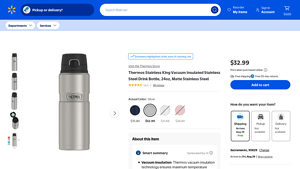
Domein: walmart.com
Geregistreerd: 1995 (30 jaar)
Inleiding: This company, Thermos – 24oz Vacuum Insulated Bottle, is a notable entity in the market. For specific product details, it is recommended to visit their website directly.
5. Totally Promotional – 24 oz. Thermos® Stainless King™ Drink Bottle
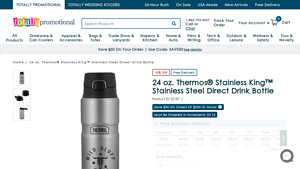
Domein: totallypromotional.com
Geregistreerd: 2008 (17 jaar)
Inleiding: 24 oz. Thermos® Stainless King™ Stainless Steel Direct Drink Bottle
6. Zojirushi – Stainless Steel Vacuum Insulated Bottles & Mugs
Domein: store.zojirushi.com
Geregistreerd: 1997 (28 jaar)
Inleiding: This company, Zojirushi – Stainless Steel Vacuum Insulated Bottles & Mugs, is a notable entity in the market. For specific product details, it is recommended to visit their website directly.
7. ThermoFlask – 16oz Soft Touch Sip-N-Lok™ Travel Coffee Tumbler
Domein: mythermofles.com
Geregistreerd: 2014 (11 jaar)
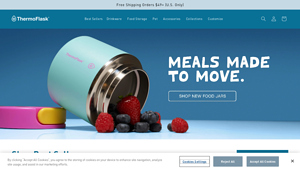
Inleiding: ThermoFlask offers a variety of highly rated water bottles and accessories, including: 16oz Soft Touch Sip-N-Lok™ Travel Coffee Tumbler (Pitch Black, Sage Green, Shaded Teal) priced at $24.99; 24oz Neon Water Bottle with Spout Lid (Vivid Blue, Sunkissed Coral, Screamin’ Green, Shocking Pink, Unmellow Yellow, Shadow Glow) priced at $26.99; 25oz Soft Touch Traveler Bottle (Pitch Black, Future Dusk, …
Strategic Sourcing Conclusion and Outlook for thermos stainless steel drink bottle
In conclusion, the strategic sourcing of thermos stainless steel drink bottles presents a compelling opportunity for international B2B buyers, especially in emerging markets like Africa, South America, the Middle East, and Europe. These products not only meet the growing demand for sustainable and durable beverage solutions but also cater to the diverse preferences of consumers seeking both functionality and style. The Thermos brand exemplifies quality, offering products that leverage advanced insulation technology, ensuring beverages remain hot or cold for extended periods.
As buyers consider their sourcing strategies, it is essential to prioritize suppliers who can provide reliable, high-quality products while also supporting ethical manufacturing practices. Engaging with established brands can enhance supply chain stability and product trustworthiness, crucial factors in today’s competitive landscape.
Looking ahead, the market for stainless steel drink bottles is poised for growth, driven by increasing consumer awareness of sustainability and health. Now is the time for B2B buyers to capitalize on these trends by aligning their sourcing strategies with innovative product offerings. Embrace the opportunity to enhance your portfolio with thermos stainless steel drink bottles, and position your business as a leader in this evolving market.
 Nederlands
  English
  Español
  Português
  Français
  Deutsch
  العربية
  Русский
  日本語
日本語  한국어
한국어  Italiano