Introduction: Navigating the Global Market for water bottle by time
In today’s fast-paced global market, sourcing effective hydration solutions such as water bottles with time markers presents unique challenges for B2B buyers. As consumer awareness around health and wellness grows, the demand for innovative products like motivational time-marked water bottles is on the rise. This guide aims to equip international B2B buyers, particularly those in Africa, South America, the Middle East, and Europe, with the insights necessary to navigate the complexities of sourcing these products.
From understanding the various types of water bottles—ranging from half-gallon containers to sleek glass designs with hydration tracking features—to exploring their diverse applications in fitness, corporate wellness, and educational settings, this comprehensive resource covers it all. We delve into critical aspects such as supplier vetting processes, cost considerations, and market trends that can influence purchasing decisions.
By providing detailed insights and actionable strategies, this guide empowers buyers to make informed decisions that align with their business needs and consumer preferences. Whether you are looking to enhance your product offerings or meet specific hydration goals for your clients, understanding the global market for time-marked water bottles will enable you to seize opportunities and drive success in your business endeavors.
Understanding water bottle by time Types and Variations
| Type Naam | Belangrijkste onderscheidende kenmerken | Primaire B2B-toepassingen | Korte voor- en nadelen voor kopers |
|---|---|---|---|
| Motivational Time Marker Bottles | Includes time markers and motivational phrases | Corporate wellness programs, fitness centers | Voordelen: Encourages hydration, visually appealing. Minpunten: May require frequent refilling. |
| Gallon-Sized Water Bottles | Large capacity (1 gallon) with time tracking | Sports teams, outdoor events | Voordelen: Reduces refill frequency, ideal for group use. Minpunten: Bulky for individual use. |
| Bi-Hourly Tracker Bottles | Time markers at two-hour intervals | Health clubs, personal trainers | Voordelen: Structured hydration reminders, user-friendly. Minpunten: Limited to specific time intervals. |
| Glass Water Bottles with Time Markers | Made of borosilicate glass, often includes silicone sleeve | Eco-friendly brands, premium product lines | Voordelen: Aesthetic appeal, sustainable choice. Minpunten: Heavier and more fragile than plastic. |
| Compact Hydration Bottles | Smaller size (e.g., 21 oz) with simple hydration tracking | Corporate gifts, travel retail | Voordelen: Portable, easy to clean. Minpunten: Less capacity for heavy drinkers. |
What are Motivational Time Marker Bottles and Their Suitability for B2B Buyers?
Motivational time marker bottles are designed with time indicators and motivational phrases to encourage users to meet their hydration goals throughout the day. These bottles are particularly suitable for corporate wellness programs and fitness centers, as they create an engaging environment for health-conscious employees or clients. When purchasing, B2B buyers should consider branding opportunities, as these bottles can be customized with company logos, enhancing visibility while promoting a healthy lifestyle.
How Do Gallon-Sized Water Bottles Serve B2B Needs?
Gallon-sized water bottles are ideal for organizations that prioritize hydration in group settings, such as sports teams or outdoor events. Their large capacity minimizes the need for frequent refills, making them convenient for activities involving multiple participants. Buyers should evaluate the bottle’s design for portability and ease of use, especially if it will be transported frequently. Additionally, the ability to customize these bottles can enhance team spirit and brand recognition.
What Makes Bi-Hourly Tracker Bottles Effective for Health-Oriented Businesses?
Bi-hourly tracker bottles feature time markers that prompt users to drink water at regular intervals throughout the day. This design is particularly effective in health clubs and personal training environments, where maintaining hydration is essential for performance. When considering a purchase, B2B buyers should focus on the durability and ease of cleaning of these bottles, as they will likely be used frequently in high-intensity settings.
Why Should B2B Buyers Consider Glass Water Bottles with Time Markers?
Glass water bottles with time markers combine aesthetics with functionality, appealing to eco-conscious consumers. These bottles often come with silicone sleeves for added protection and grip, making them suitable for premium product lines or eco-friendly brands. Buyers should assess the weight and fragility of these bottles, ensuring they align with their target audience’s preferences for sustainability and style, while also considering the potential for customization.
What are the Advantages of Compact Hydration Bottles for B2B Applications?
Compact hydration bottles, typically holding around 21 oz, are designed for portability and ease of use. They are perfect for corporate gifts or travel retail, appealing to consumers who prioritize convenience. Buyers should look for features such as dishwasher compatibility and ease of cleaning, which can enhance user satisfaction. Additionally, the opportunity for branding on these smaller bottles can effectively promote a company’s commitment to health and wellness.
Key Industrial Applications of water bottle by time
| Industrie/sector | Specific Application of water bottle by time | Waarde/Voordeel voor het bedrijf | Belangrijkste overwegingen bij de inkoop voor deze toepassing |
|---|---|---|---|
| Health & Wellness | Hydratatieprogramma's voor werknemers | Enhances employee productivity and wellness | Material safety, customization options, bulk pricing |
| Onderwijs | School hydration initiatives | Promotes healthy habits among students | Durability, affordability, ease of cleaning |
| Fitness & Recreation | Gyms and fitness centers hydration solutions | Encourages consistent hydration for better performance | Size options, portability, branding opportunities |
| Gastvrijheid | Hotels and resorts guest amenities | Improves guest experience and encourages hydration | Aesthetic appeal, eco-friendliness, volume capacity |
| Corporate Events | Conference and event hydration stations | Supports health-conscious initiatives at gatherings | Easy refill options, branding capabilities, cost-effectiveness |
How Can Water Bottles by Time Benefit the Health & Wellness Sector?
In the health and wellness industry, water bottles with time markers are increasingly used in employee hydration programs. Companies can distribute these bottles to encourage staff to meet daily hydration goals, which can lead to improved productivity and overall well-being. For B2B buyers, important considerations include ensuring the bottles are made from safe materials, customizable for branding, and competitively priced for bulk orders, particularly in regions like Africa and South America where budget constraints may be a concern.
What Role Do Water Bottles Play in Education?
Educational institutions are leveraging time-labeled water bottles to promote hydration among students. By incorporating these bottles into school programs, educators can instill healthy habits that benefit students’ concentration and physical performance. Buyers in this sector should prioritize durability to withstand daily use, affordability to fit tight budgets, and ease of cleaning, especially for schools in the Middle East where hygiene is paramount.
How Are Water Bottles Used in Fitness & Recreation?
In gyms and fitness centers, water bottles with time markers serve as effective tools to encourage members to stay hydrated during workouts. These bottles can be branded with the gym’s logo, enhancing the facility’s image while promoting health. B2B buyers should consider size options that cater to various workout intensities, portability for on-the-go hydration, and potential for personalized branding to stand out in a competitive market.
Why Are Time-Tracked Water Bottles Important in the Hospitality Industry?
Hotels and resorts are increasingly adopting water bottles with time markers as part of their guest amenities. Providing these bottles not only enhances the guest experience but also promotes hydration, aligning with wellness trends. When sourcing for this application, buyers should focus on aesthetic appeal to match the establishment’s branding, eco-friendliness to attract environmentally conscious guests, and sufficient volume capacity to meet guests’ hydration needs.
How Do Water Bottles Support Corporate Events?
At corporate events, water bottles with time markers can be included in hydration stations to promote health-conscious initiatives. This approach not only supports the well-being of attendees but also reinforces the company’s commitment to health and wellness. Key considerations for B2B buyers include ensuring easy refill options for convenience, potential for branding to enhance corporate identity, and cost-effectiveness to accommodate budget constraints, especially in Europe where event costs can be high.
3 Common User Pain Points for ‘water bottle by time’ & Their Solutions
Scenario 1: Ensuring Product Quality and Compliance
Het probleem: B2B buyers often face the challenge of ensuring that the water bottles they purchase meet specific quality and safety standards, especially in regions with strict regulations. For instance, companies in the European market may require bottles that are BPA-free and comply with EU regulations regarding food safety materials. In contrast, buyers in Africa and South America may struggle with finding suppliers that guarantee high-quality materials and production processes, leading to concerns about product safety and longevity.
De oplossing: To address these challenges, B2B buyers should prioritize sourcing water bottles from reputable manufacturers that provide clear documentation regarding compliance with international safety standards. It’s essential to request certifications such as FDA approval or equivalent certifications from local authorities. Engaging with suppliers who offer transparency about their production processes can also provide peace of mind. Additionally, conducting a small-scale trial order can help buyers evaluate the quality firsthand before making larger investments.
Scenario 2: Managing Inventory and Supply Chain Challenges
Het probleem: Many B2B buyers, especially those in retail or corporate wellness sectors, struggle with managing inventory levels of water bottles by time. Fluctuating demand can lead to either overstock situations or stockouts, which can significantly impact cash flow and customer satisfaction. For instance, seasonal trends might cause sudden spikes in demand, and without a robust supply chain strategy, buyers risk losing sales or facing storage costs for excess inventory.
De oplossing: Implementing a just-in-time (JIT) inventory management approach can help mitigate these challenges. By partnering with suppliers who offer flexible order quantities and expedited shipping options, buyers can better align their inventory levels with current demand. Utilizing inventory management software that tracks sales trends can also provide insights into when to reorder. Additionally, establishing strong relationships with multiple suppliers can provide backup options during peak demand periods, ensuring that stock levels remain consistent without excessive overstocking.
Scenario 3: Addressing User Engagement and Motivation
Het probleem: Many businesses aim to promote hydration among employees or customers but find it difficult to engage users effectively with traditional water bottles. Users may not feel motivated to track their water intake, leading to underutilization of hydration initiatives. This lack of engagement can be particularly pronounced in corporate settings where employee wellness programs are becoming increasingly important.
De oplossing: To enhance user engagement, B2B buyers should consider investing in water bottles by time that incorporate motivational elements, such as inspiring quotes or gamification features. Selecting bottles with clear time markers can encourage users to track their water intake throughout the day, making hydration a fun and interactive experience. Additionally, integrating these bottles into broader wellness programs, such as challenges or competitions, can foster a sense of community and accountability. Providing educational materials about the importance of hydration alongside these products can further enhance their effectiveness and promote long-term behavior change.
Strategic Material Selection Guide for water bottle by time
What Are the Most Common Materials Used in Time-Marked Water Bottles?
When selecting materials for time-marked water bottles, several options stand out due to their unique properties and suitability for various applications. This analysis focuses on four common materials: plastic, stainless steel, glass, and silicone. Each material has distinct advantages and disadvantages that can influence purchasing decisions for international B2B buyers.
How Does Plastic Perform in Time-Marked Water Bottles?
Plastic, particularly BPA-free variants, is widely used in the production of water bottles due to its lightweight nature and cost-effectiveness. Key properties include good impact resistance and a temperature rating suitable for cold liquids. However, plastic can be susceptible to scratches and may retain odors over time.
Voordelen:
– Lightweight and durable, making it ideal for portable applications.
– Generally lower cost compared to other materials.
– Versatile in manufacturing processes, allowing for easy customization.
Minpunten:
– Limited lifespan due to wear and tear, particularly with repeated use.
– Environmental concerns regarding plastic waste can deter eco-conscious consumers.
– May not withstand high temperatures, limiting its use for hot beverages.
For international B2B buyers, compliance with regulations such as FDA and EU standards is crucial. In regions like Africa and South America, where plastic recycling systems may be less developed, buyers should consider the sustainability implications of plastic bottles.
What Are the Benefits of Stainless Steel for Time-Marked Water Bottles?
Stainless steel is a popular choice for its durability and resistance to corrosion. With a high-temperature rating, it can accommodate both hot and cold beverages without compromising structural integrity. Its non-reactive nature ensures that it does not impart flavors to the contents.
Voordelen:
– Extremely durable and long-lasting, reducing the need for frequent replacements.
– Resistant to rust and corrosion, making it suitable for various climates.
– Easy to clean and often dishwasher safe.
Minpunten:
– Higher manufacturing costs can lead to increased retail prices.
– Heavier than plastic, which may be a drawback for portability.
– Limited customization options compared to plastic.
International buyers should consider certifications like ASTM for quality assurance. In regions such as the Middle East, where high temperatures are common, stainless steel’s insulation properties can be a significant advantage.
Why Choose Glass for Time-Marked Water Bottles?
Glass is favored for its aesthetic appeal and the purity of taste it offers. It is non-reactive, ensuring that flavors remain untainted. Glass bottles often come with silicone sleeves for added protection, enhancing their durability.
Voordelen:
– Excellent taste preservation, making it ideal for flavored beverages.
– Environmentally friendly and recyclable, appealing to eco-conscious markets.
– Easy to clean and does not retain odors.
Minpunten:
– Fragility can lead to breakage, particularly in portable settings.
– Heavier than plastic and stainless steel, which can affect usability.
– Higher production costs can limit affordability.
For B2B buyers in Europe and Africa, ensuring compliance with glass safety standards is essential. The aesthetic appeal of glass can also cater to markets that prioritize design and sustainability.
How Does Silicone Fit into the Time-Marked Water Bottle Market?
Silicone is increasingly used in water bottle manufacturing, particularly for lids and sleeves. It offers flexibility, durability, and a temperature range suitable for both hot and cold beverages. Silicone is also non-toxic and can be easily cleaned.
Voordelen:
– Flexible and durable, reducing the risk of breakage.
– Lightweight and easy to transport, enhancing usability.
– Non-toxic and safe for various applications.
Minpunten:
– Limited structural integrity when used as the main material for the bottle.
– May not be as aesthetically appealing as glass or stainless steel.
– Can be more expensive than traditional plastics.
International buyers should be aware of food safety certifications when sourcing silicone products. In regions like South America, where consumer preferences are shifting toward sustainable options, silicone can be a viable alternative.
Summary Table of Material Selection for Time-Marked Water Bottles
| Materiaal | Typical Use Case for Water Bottle by Time | Belangrijkste voordeel | Belangrijkste nadeel/beperking | Relatieve kosten (laag/gemiddeld/hoog) |
|---|---|---|---|---|
| Kunststof | Everyday hydration tracking bottles | Lichtgewicht en kosteneffectief | Limited lifespan and environmental concerns | Laag |
| Roestvrij staal | Premium hydration solutions | Durable and corrosion-resistant | Higher cost and weight | Hoog |
| Glas | Eco-friendly and aesthetic options | Excellent taste preservation | Fragile and heavier | Medium |
| Silicone | Flexible lids and sleeves | Flexible and lightweight | Limited structural integrity | Medium |
This guide provides B2B buyers with a comprehensive overview of material options for time-marked water bottles, enabling informed purchasing decisions based on specific needs and market conditions.
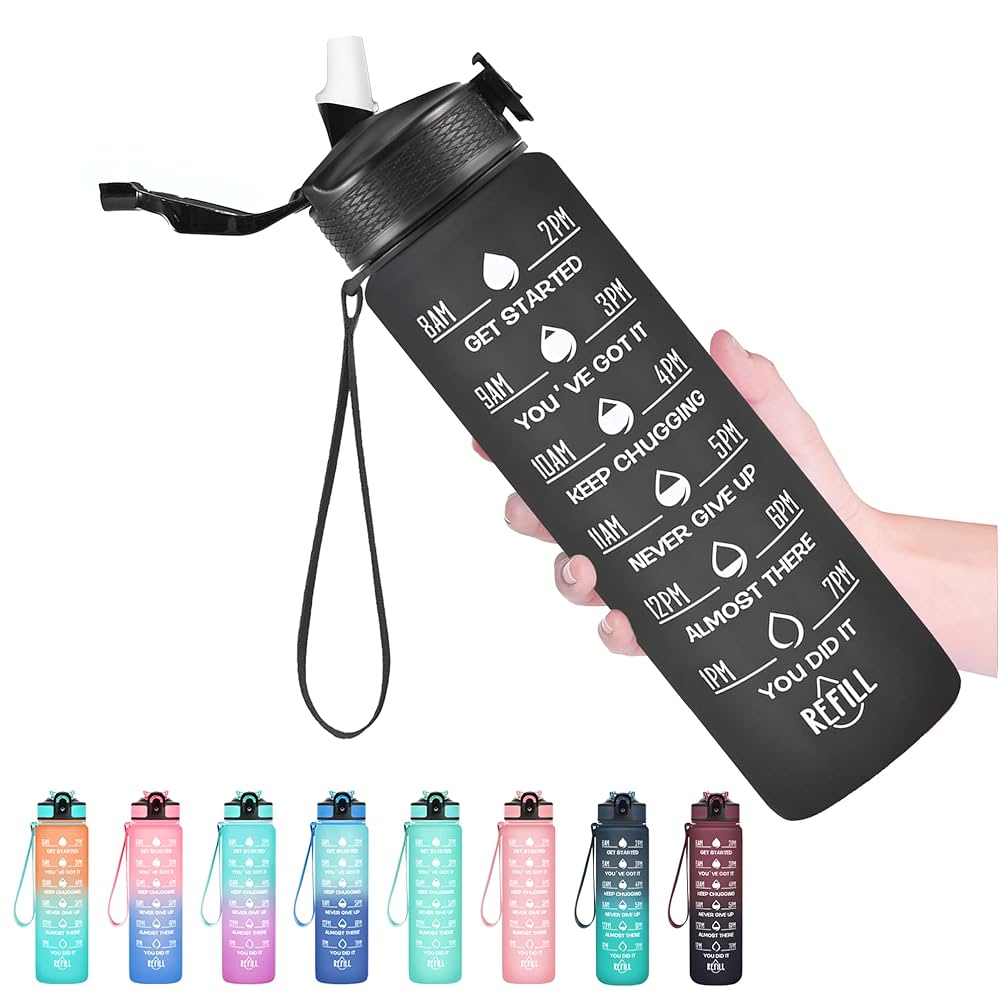
A stock image related to water bottle by time.
In-depth Look: Manufacturing Processes and Quality Assurance for water bottle by time
What Are the Main Stages of Manufacturing Water Bottles with Time Markers?
Manufacturing water bottles with time markers involves a series of well-defined stages, ensuring that the final product meets both functionality and aesthetic standards. The primary stages include material preparation, forming, assembly, and finishing.
-
Materiaalvoorbereiding: The process begins with selecting high-quality materials, such as BPA-free plastic, glass, or stainless steel. Suppliers often provide certification for materials, ensuring they meet safety and environmental regulations. Materials are then cut or molded to create the initial shapes of the bottles.
-
Het vormen van: This stage involves shaping the materials into the desired form. Techniques such as injection molding, blow molding, or glass blowing are commonly employed. For plastic bottles, injection molding allows for precision in creating intricate designs, while glass bottles may use blow molding to form the body and neck. The use of advanced machinery in this stage guarantees consistency in dimensions and design.
-
Montage: After forming, the various components—such as lids, straws, and silicone sleeves—are assembled. This stage may involve both manual labor and automated processes. Assembly lines are typically organized to optimize workflow, ensuring that each component is correctly fitted. Quality checks during assembly help catch any defects early in the process.
-
Afwerking: The final stage includes surface treatments and quality checks. Bottles may undergo polishing, coating, or printing of time markers and motivational phrases. This stage not only enhances the aesthetic appeal but also ensures that the bottles are safe for consumer use. Techniques like UV printing or screen printing are often used for durable and vibrant graphics.
How Is Quality Assurance Implemented During Water Bottle Manufacturing?
Quality assurance (QA) is critical in ensuring that water bottles with time markers are safe, functional, and meet international standards. The QA process typically adheres to established standards such as ISO 9001, along with industry-specific certifications like CE or FDA approval.
-
International Standards: Compliance with ISO 9001 ensures that manufacturers maintain a quality management system. This certification emphasizes continuous improvement and customer satisfaction, critical for B2B relationships. Other certifications, such as CE marking for products sold in Europe, indicate compliance with safety and health standards.
-
Kwaliteitscontrolepunten: Key checkpoints throughout the manufacturing process include:
– Inkomende kwaliteitscontrole (IQC): Raw materials are inspected upon arrival to ensure they meet specified standards.
– Kwaliteitscontrole tijdens het proces (IPQC): During production, random samples are taken for testing to ensure that processes are under control and defects are minimized.
– Finale kwaliteitscontrole (FQC): Before shipment, finished products undergo thorough inspection and testing, including visual checks and functionality tests, to ensure they meet quality expectations.
What Common Testing Methods Are Used for Water Bottles?
Testing methods play a crucial role in the quality assurance of water bottles. Common methods include:
-
Material Testing: This involves assessing the chemical composition and physical properties of materials to ensure safety standards are met. Tests may check for BPA content, tensile strength, and impact resistance.
-
Lektests: Ensuring that bottles are leak-proof is essential, particularly for those designed with straws or lids. This can be done using pressure testing or submersion tests to detect any leaks.
-
Durability Testing: Bottles are subjected to drop tests and thermal cycling to evaluate their resistance to physical stress and temperature fluctuations.
-
Functional Testing: For time-marked bottles, functionality tests ensure that the markers remain intact after repeated use and washing.
Hoe kunnen B2B-inkopers de kwaliteitscontrole van leveranciers controleren?
Verifying the quality control processes of suppliers is vital for B2B buyers, especially when sourcing from international markets. Here are effective methods to ensure supplier reliability:
-
Leveranciersaudits: Conducting on-site audits of manufacturing facilities allows buyers to evaluate the quality management systems in place. This includes reviewing documentation, observing production processes, and assessing employee training.
-
Kwaliteitsrapporten: Requesting detailed quality reports from suppliers can provide insights into their QC processes. This includes information on testing methods, defect rates, and corrective actions taken for any issues.
-
Inspecties door derden: Engaging third-party inspection services can provide an unbiased assessment of product quality. These services can conduct random checks during production and before shipment, offering additional assurance to buyers.
What Are the Quality Control and Certification Nuances for International Buyers?
International buyers, particularly from regions such as Africa, South America, the Middle East, and Europe, face unique challenges regarding quality control and certification. Understanding these nuances can streamline the purchasing process.
-
Regional Regulations: Different regions may have varying regulations and standards for consumer products. Buyers should familiarize themselves with local laws regarding safety and environmental compliance, such as REACH in Europe or FDA regulations in the United States.
-
Taalbarrières: Documentation and certifications may not always be available in the buyer’s language, leading to potential misunderstandings. It is advisable to request translations or clarifications to ensure all standards are understood.
-
Culturele verschillen: Business practices and expectations can vary significantly across regions. Establishing clear communication channels and understanding local customs can enhance collaboration and trust between buyers and suppliers.
-
Shipping and Logistics Considerations: Quality control does not end with production. Buyers should also assess the logistics and shipping processes to ensure that products remain undamaged during transport. This may involve specifying packaging requirements or opting for suppliers with robust logistics networks.
By understanding the manufacturing processes and quality assurance measures for water bottles with time markers, B2B buyers can make informed decisions, ensuring they partner with reliable suppliers that meet their quality expectations.
Practical Sourcing Guide: A Step-by-Step Checklist for ‘water bottle by time’
This guide aims to provide B2B buyers with a comprehensive checklist for sourcing time-marked water bottles, ensuring that you make informed decisions that align with your business needs and market demands.
Stap 1: Define Your Target Market Needs
Understanding your target market’s preferences is crucial before sourcing water bottles. Analyze regional hydration trends, cultural preferences, and customer demographics. For example, in warmer climates, larger bottles may be preferred, while eco-conscious markets might favor sustainable materials.
Stap 2: Establish Technical Specifications
Clearly define the specifications of the water bottles you wish to source. Consider aspects such as:
– Materiaal: Choose between plastic, glass, or stainless steel based on durability and environmental impact.
– Capacity: Identify the ideal size (e.g., 21 oz, 64 oz) to meet your market’s needs.
– Kenmerken: Decide on additional functionalities like motivational time markers, leak-proof lids, or straws.
Stap 3: Onderzoek potentiële leveranciers
Conduct thorough research on potential suppliers who specialize in time-marked water bottles. Focus on:
– Reputation: Look for reviews and testimonials from other businesses that have sourced similar products.
– Experience: Assess how long the supplier has been in the industry and their familiarity with your specific market.
– Product Range: Ensure they offer a variety of options that align with your defined specifications.
Stap 4: Monsters aanvragen voor kwaliteitsbeoordeling
Before making a bulk order, request samples from shortlisted suppliers. This step allows you to evaluate:
– Quality: Check for durability, functionality, and overall craftsmanship.
– Design: Ensure the aesthetic aligns with your brand image and appeals to your target audience.
– Usability: Test the time markers and other features to guarantee they enhance user experience.
Stap 5: Verify Supplier Certifications and Compliance
Ensure that your chosen suppliers meet international safety and quality standards. Look for:
– Certifications: Verify certifications such as ISO, FDA, or other relevant quality assurances.
– Sustainability Practices: Confirm that suppliers adhere to environmentally friendly practices, especially if your target market prioritizes sustainability.
Stap 6: Negotiate Terms and Conditions
Engage in discussions with your selected suppliers regarding pricing, minimum order quantities, and delivery timelines. Important factors to consider include:
– Payment Terms: Establish favorable payment conditions that work for both parties.
– Lead Times: Confirm production and shipping times to ensure timely delivery for your customers.
Stap 7: Monitor Market Trends and Customer Feedback
After sourcing, continuously monitor market trends and customer feedback on the water bottles. This will help you:
– Adapt Product Offerings: Be ready to adjust your inventory based on changing consumer preferences.
– Enhance Customer Satisfaction: Use feedback to refine your product selection and improve future sourcing decisions.
By following these steps, B2B buyers can effectively source time-marked water bottles that meet market demands while ensuring quality and compliance.
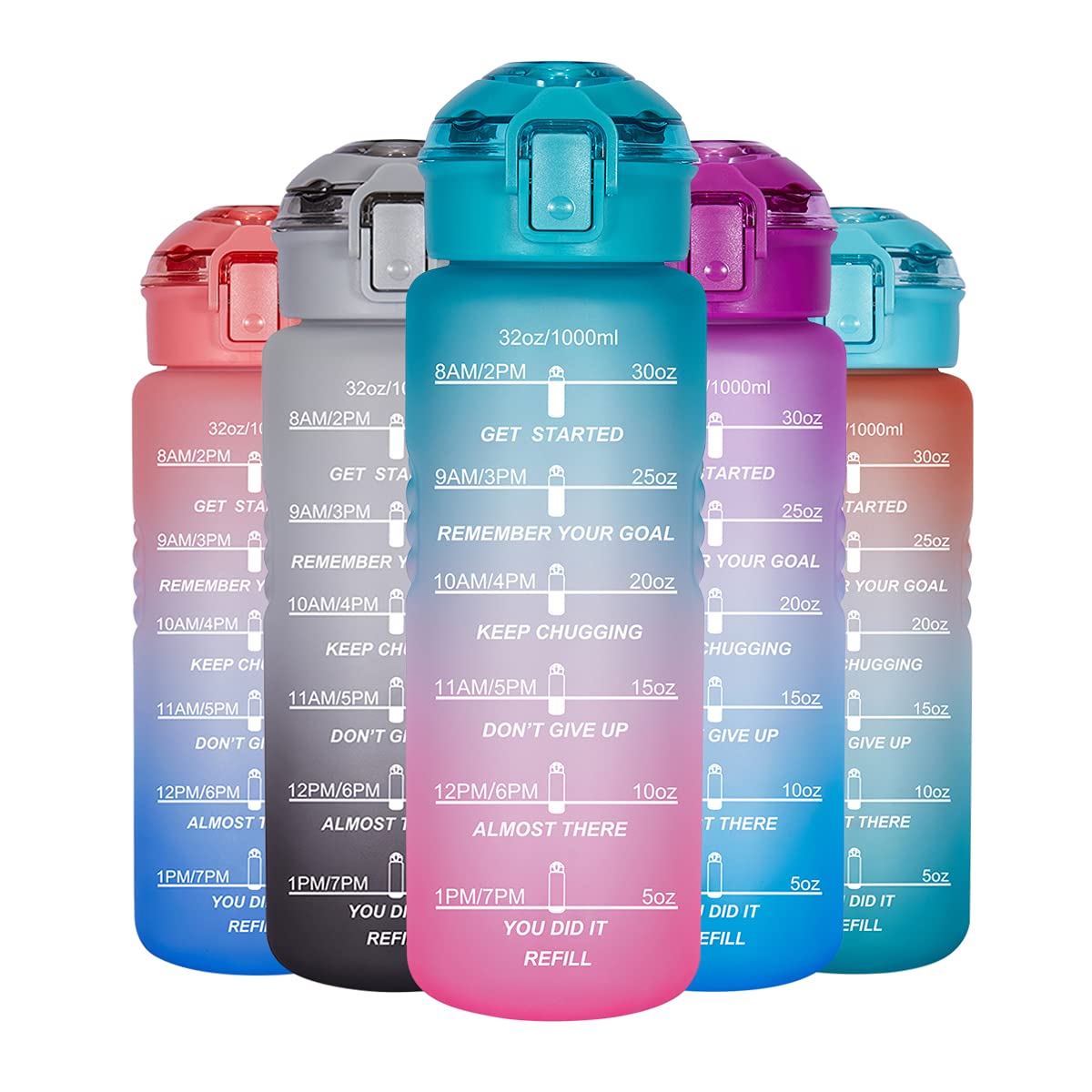
A stock image related to water bottle by time.
Comprehensive Cost and Pricing Analysis for water bottle by time Sourcing
In the competitive market for motivational water bottles with time tracking features, understanding the cost structure and pricing is essential for international B2B buyers. This analysis delves into the key components that influence the pricing of these products and offers actionable insights for effective sourcing.
What Are the Main Cost Components Involved in Water Bottle Manufacturing?
The cost structure for water bottles with time markers typically encompasses several key components:
-
Materialen: The choice of materials greatly impacts the overall cost. Common materials include BPA-free plastics, borosilicate glass, and food-grade silicone. Glass bottles, while perceived as higher quality, often come at a premium compared to plastic options.
-
Arbeid: Labor costs can vary significantly depending on the manufacturing location. Countries with lower labor costs, such as Vietnam or certain regions in Africa, may offer more competitive pricing. However, labor quality and skill level can also affect product consistency.
-
Productie Overhead: This includes costs associated with factory operations, utilities, and equipment maintenance. Efficient production processes can help minimize these overhead costs, which is particularly important when dealing with bulk orders.
-
Gereedschap: Initial tooling costs for creating molds and specialized equipment can be substantial, particularly for custom designs. These costs are usually amortized over large production runs, making them less significant on a per-unit basis for higher volume orders.
-
Kwaliteitscontrole (QC): Implementing robust QC processes ensures that the finished products meet international safety and quality standards, which can incur additional costs but is crucial for maintaining brand reputation.
-
Logistiek: Shipping costs can vary based on the destination, chosen Incoterms, and shipping method. Air freight is faster but more expensive than sea freight, which is a critical consideration for international buyers.
-
Marge: Manufacturers typically mark up costs to ensure profitability. This margin can be influenced by brand reputation, product uniqueness, and market demand.
What Factors Influence Pricing for Water Bottles with Time Markers?
Several factors play a significant role in determining the final pricing of water bottles:
-
Volume/MOQ: Manufacturers often offer better pricing for larger orders. Minimum Order Quantities (MOQs) can range from a few hundred to several thousand units, affecting the per-unit cost.
-
Specificaties/Aanpassing: Custom designs or unique features, such as specific color schemes or branding, may increase costs. Buyers should weigh the benefits of customization against potential price increases.
-
Kwaliteit en certificeringen: Products that comply with international certifications (e.g., FDA, SGS) may command higher prices due to the additional costs associated with compliance and testing.
-
Factoren van leveranciers: The reliability and reputation of the supplier can influence pricing. Established suppliers may charge more due to their proven track record, while newer entrants might offer lower prices to gain market share.
-
Incoterms: The choice of Incoterms can significantly affect total costs. For instance, choosing DDP (Delivered Duty Paid) may include additional shipping and customs fees, impacting the overall expenditure.
What Tips Can Help International Buyers Negotiate Better Prices?
-
Onderhandeling: Engage in open discussions with suppliers regarding pricing. Highlighting long-term partnership potential can encourage them to offer better terms.
-
Cost-Efficiency: Consider total cost of ownership, including purchase price, shipping, and potential tariffs. This holistic view can lead to better sourcing decisions.
-
Pricing Nuances for Different Regions: Buyers from Africa, South America, and the Middle East should account for regional market dynamics, including local demand, currency fluctuations, and import regulations, which can affect pricing strategies.
-
Marktonderzoek: Conduct thorough market research to understand prevailing prices and competitor offerings. This knowledge can empower buyers during negotiations.
Disclaimer over indicatieve prijzen
Prices for water bottles with time markers can vary widely based on the factors mentioned above. It is advisable for buyers to request quotes from multiple suppliers and to stay informed about market trends to make well-informed purchasing decisions.
Alternatives Analysis: Comparing water bottle by time With Other Solutions
Introduction: Exploring Alternatives to Time-Tracking Water Bottles
In today’s fast-paced business environment, staying hydrated is essential for productivity and health. Time-tracking water bottles have gained popularity among health-conscious consumers, helping them meet their hydration goals throughout the day. However, there are several alternative solutions and methods that can also facilitate hydration management. This section compares ‘water bottle by time’ with viable alternatives, providing actionable insights for B2B buyers seeking the best options for their needs.
Vergelijkende tabel
| Vergelijkingsaspect | Water Bottle By Time | Smart Hydration Apps | Waterfiltersystemen |
|---|---|---|---|
| Prestaties | Effective for daily hydration tracking with visual cues | Offers personalized hydration reminders and tracking | Ensures access to clean water, promoting hydration |
| Kosten | Typically ranges from $15 to $30 per bottle | Often free or low-cost, with premium features available | Initial setup cost can be high, plus maintenance fees |
| Gemak van implementatie | Simple to use; fill and track daily consumption | Requires smartphone and app download; user engagement needed | Installation can be complex, but easy to use post-setup |
| Onderhoud | Minimal; occasional cleaning required | No physical maintenance, but requires app updates | Regular filter replacement needed |
| Beste gebruikscasus | Personal hydration tracking for daily use | Ideal for tech-savvy users wanting tailored reminders | Best for areas with unreliable water quality |
Gedetailleerd overzicht van alternatieven
Smart Hydration Apps: Are They Worth It?
Smart hydration apps have emerged as a modern solution for tracking water intake. They can send reminders to drink water, log daily consumption, and even sync with fitness trackers. The primary advantage of these apps is their customization; users can set specific hydration goals based on personal health metrics. However, they rely on smartphone technology, which may not be accessible to everyone. Furthermore, user engagement is crucial for effectiveness; without regular interaction, users may not see the desired results.
Water Filtration Systems: A Long-term Investment
Water filtration systems provide a sustainable solution for ensuring access to clean water, thereby promoting hydration. These systems can range from under-sink filters to whole-house solutions, catering to various needs and budgets. While the initial setup cost can be significant, they offer long-term savings by reducing the need to purchase bottled water. The primary drawback is the maintenance involved, such as regular filter changes, which can be an added responsibility for businesses. However, for organizations in areas with poor water quality, these systems can be invaluable.
Conclusion: How to Choose the Right Hydration Solution
When selecting the best hydration solution, B2B buyers should consider their specific needs, including budget constraints, ease of use, and the environment in which the product will be utilized. Time-tracking water bottles are ideal for individuals looking for straightforward, visual hydration cues. In contrast, smart hydration apps cater to tech-savvy users who appreciate personalized tracking. For those in regions with unreliable water sources, investing in a water filtration system may be the most beneficial long-term strategy. Ultimately, the right choice will depend on balancing cost, convenience, and the hydration goals of the organization.
Essential Technical Properties and Trade Terminology for water bottle by time
What Are the Essential Technical Properties of Water Bottles with Time Markers?
When sourcing water bottles with time markers, understanding the key technical properties is crucial for making informed purchasing decisions. Here are several essential specifications to consider:
-
Materiaalsamenstelling: Most water bottles are made from materials like BPA-free plastic, glass, or stainless steel. Each material has distinct advantages; for instance, glass offers superior taste preservation and is eco-friendly, while BPA-free plastic is lightweight and durable. For B2B buyers, selecting the right material can align with branding strategies focused on sustainability and health safety.
-
Capaciteit: Water bottles typically range from 16 oz to 1 gallon or more. Understanding the capacity is vital for meeting market demand. For example, larger bottles may appeal to consumers engaged in fitness or outdoor activities, while smaller, portable sizes may attract everyday users. Buyers should analyze local consumer preferences to optimize inventory.
-
Hydration Tracking Features: Time markers and motivational phrases are designed to encourage regular hydration. The effectiveness of these features can influence consumer satisfaction and retention. For B2B buyers, investing in bottles with innovative designs can differentiate products in a competitive marketplace.
-
Lekvrij ontwerp: A leak-proof lid is essential for preventing spills during transportation. This feature enhances user convenience and product reliability. B2B buyers should prioritize manufacturers that guarantee leak-proof designs to minimize returns and enhance customer satisfaction.
-
Ease of Cleaning: Bottles that are dishwasher safe or feature wide openings for easy cleaning are more appealing to consumers. This property can reduce the perceived hassle of maintenance, thus driving sales. Buyers should consider these aspects when evaluating suppliers.
-
Durability and Warranty: Assessing the durability of the bottle materials and the availability of warranties can inform long-term investment decisions. A robust warranty can indicate manufacturer confidence in product longevity, which is a selling point for B2B buyers looking for reliable products.
What Are Common Trade Terms in the Water Bottle Industry?
Familiarity with industry terminology is essential for effective communication and negotiation. Here are several common terms relevant to the water bottle market:
-
OEM (Original Equipment Manufacturer): This term refers to companies that produce products that are marketed under another company’s brand. Understanding OEM relationships can help buyers identify potential suppliers and negotiate better terms.
-
MOQ (minimale bestelhoeveelheid): This indicates the smallest number of units that a supplier is willing to sell. Knowing the MOQ is vital for B2B buyers to plan inventory levels and manage cash flow effectively. Smaller businesses should seek suppliers with lower MOQs to mitigate risk.
-
RFQ (Offerteaanvraag): An RFQ is a document sent to suppliers requesting pricing and terms for specific products. This process allows buyers to compare offers and negotiate better deals, ensuring they receive the best value for their purchases.
-
Incoterms (internationale handelsvoorwaarden): These are standardized trade terms used in international transactions to clarify the responsibilities of buyers and sellers regarding shipping, insurance, and tariffs. Understanding Incoterms is crucial for B2B buyers involved in cross-border trade, as they define liability and risk.
-
Doorlooptijd: This refers to the time it takes from placing an order to receiving the goods. Knowing the lead time helps businesses plan their inventory and manage customer expectations effectively.
-
Aanpassingsopties: This term encompasses various ways that products can be tailored to meet specific customer needs, such as size, color, or branding. Offering customization can enhance market appeal and drive sales, particularly in competitive regions.
In summary, comprehending both the technical properties and trade terminology associated with water bottles featuring time markers is essential for B2B buyers. This knowledge not only aids in selecting the right products but also enhances negotiation capabilities and market positioning.
Navigating Market Dynamics and Sourcing Trends in the water bottle by time Sector
What Are the Key Market Dynamics and Trends in the Water Bottle by Time Sector?
The global market for water bottles, particularly those with time markers, is witnessing significant growth, driven by increasing health awareness and hydration needs among consumers. International B2B buyers, especially from regions like Africa, South America, the Middle East, and Europe, are presented with a unique opportunity to tap into this expanding segment. The demand for time-labeled bottles is not only a reflection of rising health consciousness but also an acknowledgment of busy lifestyles that necessitate efficient hydration tracking. Features such as motivational quotes and hourly markers cater to consumers’ desire for gamification in their daily routines.
Emerging trends in technology are also influencing the sourcing landscape. Smart water bottles equipped with sensors and mobile app integration are gaining traction, allowing users to monitor their hydration levels in real time. Additionally, the rise of e-commerce platforms has facilitated access to a broader range of suppliers and products, enabling B2B buyers to easily compare features, prices, and sustainability credentials. As the market evolves, suppliers who can provide innovative solutions, such as customizable designs and eco-friendly materials, will likely gain a competitive edge.
How Is Sustainability Influencing the Sourcing of Water Bottles?
Sustainability is a critical factor for international B2B buyers in the water bottle sector. The environmental impact of plastic waste has prompted consumers and companies alike to seek alternatives that minimize ecological footprints. Ethical sourcing practices are becoming essential, as businesses are increasingly held accountable for their supply chain decisions. This shift is driving demand for water bottles made from sustainable materials such as borosilicate glass, stainless steel, and BPA-free plastics, which are not only safer for consumers but also less harmful to the planet.
Certifications like ISO 14001 (Environmental Management) and the use of recycled materials are becoming important benchmarks for suppliers. Buyers from emerging markets, such as Nigeria and Vietnam, are particularly attuned to these criteria, as they align with local and international sustainability initiatives. By prioritizing suppliers who adhere to ethical sourcing practices and offer sustainable products, B2B buyers can not only enhance their brand image but also meet the growing expectations of environmentally conscious consumers.
What Is the Evolution of Water Bottles with Time Markers?
The concept of time-marked water bottles has evolved significantly over the years. Initially designed for athletes and fitness enthusiasts, these bottles have transitioned into mainstream consumer products aimed at promoting hydration among all demographics. As health trends gained momentum in the late 2010s, brands began incorporating motivational designs and time markers to encourage daily water intake.
This evolution reflects broader shifts in consumer behavior, where the emphasis on personal wellness and lifestyle management has transformed the way products are marketed. With advancements in materials and technology, modern time-marked water bottles not only serve a functional purpose but also resonate with consumers’ desire for stylish and sustainable products. This shift has opened new avenues for B2B buyers to explore innovative designs that cater to diverse market segments, from casual users to dedicated fitness enthusiasts.
Frequently Asked Questions (FAQs) for B2B Buyers of water bottle by time
-
How do I choose the right supplier for water bottles by time?
When selecting a supplier for time-marked water bottles, consider their experience in the industry, quality certifications (like ISO or FDA), and product range. Verify their production capacity and lead times to ensure they can meet your demands. Check customer reviews and request samples to assess product quality firsthand. It’s also beneficial to look for suppliers who can provide customization options to align with your brand’s needs. Engaging in direct communication can help gauge their responsiveness and reliability. -
What are the typical minimum order quantities (MOQs) for water bottles?
Minimum order quantities for water bottles can vary widely based on the supplier and the type of product. For standard time-marked bottles, MOQs typically range from 500 to 1,000 units. However, some manufacturers may accommodate smaller orders, especially for customized designs. Always clarify MOQs during negotiations, as higher quantities might lead to better pricing. Assess your market demand to determine the right order size that balances cost and inventory management. -
What payment terms should I expect when sourcing water bottles internationally?
Payment terms can vary significantly among international suppliers. Common practices include a 30% deposit upfront, with the remaining balance due before shipment or upon delivery. Some suppliers may offer letters of credit or escrow services to enhance security. It’s crucial to negotiate payment terms that protect your investment while ensuring the supplier is incentivized to meet your order requirements. Always review and understand the terms in your contract to avoid any surprises. -
How can I ensure the quality of the water bottles I am sourcing?
To ensure quality, request samples before placing a bulk order. Conduct factory visits or audits if possible, or engage third-party inspection services to verify product standards. Establish clear quality assurance protocols, including specifications for materials, manufacturing processes, and packaging. Additionally, ask for relevant certifications that prove compliance with health and safety regulations. Regular communication with your supplier throughout production can also help address any quality concerns early on. -
What logistics considerations should I keep in mind when importing water bottles?
When importing water bottles, consider factors such as shipping methods, customs duties, and lead times. Depending on your location and the supplier’s location, shipping by sea may be more economical but slower than air freight. Be aware of import regulations in your country, including labeling and safety standards. Work with a reliable freight forwarder to navigate logistics efficiently and ensure timely delivery. Also, factor in warehousing costs if you need to store inventory upon arrival. -
What customization options are typically available for water bottles?
Customization options for water bottles can include printing your brand logo, selecting specific colors, or even altering the size and design of the bottle. Many suppliers offer personalized labels and packaging to enhance brand visibility. Discuss your requirements early in the sourcing process to ensure the supplier can accommodate your needs. Keep in mind that customization may affect MOQs and lead times, so plan accordingly to align with your marketing strategy. -
How do I handle issues with defective products after delivery?
To handle defective products, first, establish a clear return policy with your supplier before finalizing the order. Upon delivery, inspect the shipment immediately and document any defects with photographs. Communicate the issues to your supplier promptly, providing them with the necessary evidence. Many reputable suppliers will offer replacements or refunds for defective items. Maintaining a good relationship with your supplier can also facilitate smoother resolutions in case of quality issues. -
What are the key trends in the water bottle market that I should be aware of?
Current trends in the water bottle market include a growing demand for eco-friendly materials, such as BPA-free plastics and stainless steel. Consumers are increasingly looking for hydration tracking features, which enhance user experience and promote healthy habits. Customization and personalization are also on the rise, as brands seek to differentiate themselves in a competitive landscape. Additionally, the rise of fitness and wellness culture is driving the popularity of water bottles that integrate with smart technology, allowing users to monitor their hydration levels effectively.
Belangrijke disclaimer en gebruiksvoorwaarden
⚠️ Belangrijke disclaimer
De informatie in deze gids, inclusief inhoud over fabrikanten, technische specificaties en marktanalyses, is uitsluitend bedoeld voor informatieve en educatieve doeleinden. Het is geen professioneel aankoopadvies, financieel advies of juridisch advies.
Hoewel we al het mogelijke hebben gedaan om de nauwkeurigheid en actualiteit van de informatie te garanderen, zijn we niet verantwoordelijk voor eventuele fouten, weglatingen of verouderde informatie. Marktomstandigheden, bedrijfsgegevens en technische normen kunnen veranderen.
B2B-kopers moeten hun eigen onafhankelijke en grondige due diligence uitvoeren voordat je een aankoopbeslissing neemt. Dit houdt in dat u rechtstreeks contact moet opnemen met leveranciers, certificeringen moet controleren, monsters moet aanvragen en professioneel advies moet inwinnen. Het risico van het vertrouwen op informatie in deze gids wordt uitsluitend gedragen door de lezer.
Top 8 Water Bottle By Time Manufacturers & Suppliers List
1. Primula – Half Gallon Motivational Time Marker Bottle
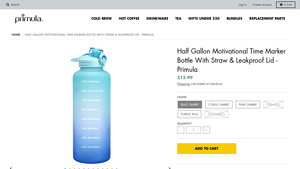
Domein: primulaproducts.com
Geregistreerd: 2006 (19 jaar)
Inleiding: {“product_name”: “Primula Half Gallon Motivational Time Marker Bottle with Straw & Leakproof Lid”, “price”: “$15.99”, “capacity”: “64 oz.”, “features”: [“BPA-free materials”, “Wide opening for ice cubes and easy cleaning”, “Time markers for hydration goals”, “Leak-proof locking lid”, “Removable straw for sipping or chugging”], “available_colors”: [“Blue Ombre”, “Coral Ombre”, “Pink Ombre”, “Purple…
2. Hydracy – 32 oz Time Marker Water Bottle
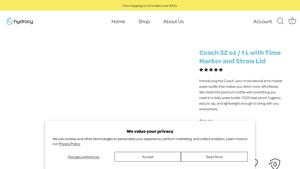
Domein: hydracy.com
Registered: 2016 (9 years)
Inleiding: Coach 32 oz / 1 L Water Bottle with Time Marker and Straw Lid
– Capacity: 32 oz / 1 L
– Dimensions: 3.1″ x 11.1″
– Straw diameter: 0.3 inch
– Material: Lightweight and Shatter Resistant BPA Free Tritan Plastic
– Features: 100% leak proof, hygienic, easy to sip, lightweight, time marker for hydration tracking, flip-top straw lid, detachable carrying strap, no-sweat neoprene sleeve
– Available Color…
3. Aqua Fit – Gallon Bottle with Time Indicators
Domein: reddit.nl
Geregistreerd: 2005 (20 jaar)
Inleiding: Aqua Fit gallon bottle with time indicators, designed to help track water intake throughout the day.
4. Binkmade – Day Bottle Classic
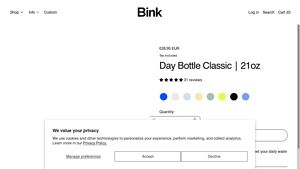
Domein: binkmade.com
Registered: 2016 (9 years)
Inleiding: {“product_name”: “Day Bottle Classic”, “capacity”: “21oz”, “price”: “$30.00 USD”, “colors_available”: [“Cobalt”, “Stone”, “Glacier”, “Butter”, “Aloe”, “Pineapple”, “Black”, “Cornflower”], “features”: [“Car Cup Holder Compatible”, “Simple Hydration Tracking”, “Wide Drinking Mouth”, “Dishwasher Safe”, “BPA Free”, “Lead Free”, “Cadmium Free”, “Phthalate Free”], “dimensions”: “9.4in x 2.9in (diameter)…
5. Popsugar – Healthish WB-1 Bottle
Domein: popsugar.com
Geregistreerd: 2004 (21 jaar)
Inleiding: Timed water bottles designed to help users stay hydrated throughout the day. Recommended daily water intake is 11.5 to 15.5 cups (2.7 to 3.7 liters). Features include time-tracking lines and motivational phrases. Products highlighted include: 1. Healthish WB-1 Bottle – 1 liter, BPA-free, $16. 2. Venture Pal One-Gallon Motivational Water Bottle – 128 ounces, $22. 3. Fidus Large 1 Gallon Motivationa…
6. Pinterest – Motivational Water Bottle with Time Markings
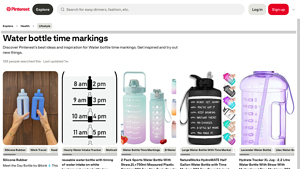
Domein: pinterest.com
Geregistreerd: 2009 (16 jaar)
Inleiding: Water Bottle Time Markings, 27 oz capacity, made of glass and food-grade silicone rubber, dishwasher safe, features AM/PM time markings for mindful drinking, motivational quotes, durable and leak-proof design, available in various colors and designs, BPA free, includes built-in straw for easy drinking, ideal for tracking daily water intake.
7. Etsy – Motivational Water Bottle with Time Marker
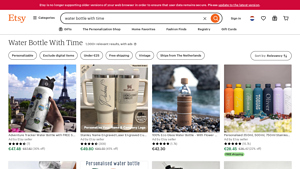
Domein: etsy.com
Geregistreerd: 2004 (21 jaar)
Inleiding: Water Bottle with Time Marker, 32oz, Motivational, Leakproof, Flip Top, BPA Free, Customizable, Personalized, 1 liter, with Straw, Fitness
8. Bon Appétit – Best Water Bottles
Domein: bonappetit.com
Geregistreerd: 1995 (30 jaar)
Inleiding: {“Best Water Bottles”: {“Trendy, Customizable Choice”: {“Product”: “Owala Water Bottle”, “Price”: “$28 $23 on Amazon”}, “Emotional-Support Water Bottle”: {“Product”: “Mermaid Straw”, “Price”: “$20 on Amazon”}, “Most Motivational Water Bottle”: {“Product”: “Hydracy Water Bottle”, “Price”: “$30 $25 on Amazon”}, “Best Giant Water Bottle”: {“Product”: “HydroJug”, “Price”: “$22 on Amazon”}, “Classic Wa…
Strategic Sourcing Conclusion and Outlook for water bottle by time
In the evolving landscape of consumer preferences, the demand for time-marked water bottles is surging, driven by a growing awareness of hydration’s crucial role in health and wellness. International B2B buyers, particularly from regions such as Africa, South America, the Middle East, and Europe, can leverage this trend by strategically sourcing innovative products that resonate with health-conscious consumers. Water bottles featuring time markers not only enhance user experience but also encourage consistent hydration, thereby creating a unique selling proposition for distributors.
As sustainability takes center stage, prioritizing eco-friendly materials—like BPA-free plastics and glass—will further differentiate offerings in the market. Buyers should consider the integration of motivational features and aesthetic designs that appeal to diverse demographics, enhancing the product’s marketability.
Looking ahead, the strategic sourcing of time-labeled water bottles presents an opportunity to tap into a burgeoning market. By aligning sourcing strategies with consumer trends and sustainability practices, international buyers can position themselves as leaders in the hydration sector. Engage with suppliers who prioritize innovation and quality to capitalize on this growing demand and foster long-term business relationships.
 Nederlands
  English
  Español
  Português
  Français
  Deutsch
  العربية
  Русский
  日本語
日本語  한국어
한국어  Italiano