
Introduction: Navigating the Global Market for skinny drink bottle
In today’s increasingly competitive landscape, sourcing the right skinny drink bottle poses unique challenges for international B2B buyers. As businesses strive to offer eco-friendly and stylish hydration solutions, the demand for slim, portable water bottles has surged across markets in Africa, South America, the Middle East, and Europe, particularly in countries like Brazil and Germany. This guide serves as a comprehensive resource, addressing various aspects of skinny drink bottles, including types, applications, supplier vetting processes, and pricing strategies.
Understanding the nuances of the global market for skinny drink bottles is crucial for making informed purchasing decisions. This guide not only highlights popular materials such as stainless steel and BPA-free plastics but also delves into the latest trends in insulation technology and design aesthetics. By providing insights into supplier reliability and cost considerations, we aim to empower B2B buyers to navigate the complexities of sourcing effectively.
Whether you are looking to enhance your product lineup or find the ideal promotional items, this guide equips you with the knowledge to select high-quality skinny drink bottles that meet your business needs. With actionable insights and strategic recommendations, you can confidently position your offerings in the marketplace, ensuring both customer satisfaction and sustainability in your operations.
Understanding skinny drink bottle Types and Variations
| Type Naam | Belangrijkste onderscheidende kenmerken | Primaire B2B-toepassingen | Korte voor- en nadelen voor kopers |
|---|---|---|---|
| Insulated Stainless Steel | Double-wall vacuum insulation, durable 18/8 stainless steel | Relatiegeschenken, buitenevenementen | Voordelen: Uitstekende thermische retentie; Minpunten: Higher cost. |
| Slim Flat Water Bottle | Space-saving design, fits in bags, eco-friendly materials | Retail branding, promotional items | Voordelen: Portable and stylish; Minpunten: Limited capacity. |
| Straw Lid Slim Bottle | Integrated straw for easy sipping, often BPA-free | Fitness events, travel accessories | Voordelen: Convenient for on-the-go hydration; Minpunten: Cleaning can be challenging. |
| Mini Skinny Flask | Compact size, stylish designs, often insulated | Gift shops, fashion retailers | Voordelen: Trendy and portable; Minpunten: Small capacity may limit use. |
| Multi-Lid Slim Bottle | Comes with multiple lid options for versatility | Corporate events, trade shows | Voordelen: Adaptable for various uses; Minpunten: Complexity in selecting the right lid. |
What are the Key Characteristics of Insulated Stainless Steel Water Bottles?
Insulated stainless steel water bottles are designed with double-wall vacuum insulation, which helps maintain the temperature of beverages for extended periods. These bottles are typically made from durable 18/8 food-grade stainless steel, making them resistant to rust and easy to clean. B2B buyers often prefer these bottles for corporate gifts or outdoor events due to their premium feel and performance. When purchasing, consider the bottle’s size, insulation capabilities, and branding options, as these factors can significantly influence customer satisfaction.
How Do Slim Flat Water Bottles Stand Out in the Market?
Slim flat water bottles feature a unique design that allows them to fit seamlessly into bags and backpacks, making them ideal for on-the-go lifestyles. They are often made from eco-friendly materials, appealing to environmentally conscious consumers. These bottles are popular in retail branding and promotional campaigns as they provide ample space for logos and messaging. When considering bulk purchases, focus on the material quality, customization options, and price points to ensure they align with your brand’s image and budget.
Why Choose a Straw Lid Slim Bottle for Hydration Needs?
Straw lid slim bottles are equipped with an integrated straw that allows for effortless sipping without tilting the bottle. This feature is particularly appealing for active individuals at fitness events or during travel. Many of these bottles are also BPA-free, ensuring safety for consumers. B2B buyers should evaluate the durability of the straw mechanism and ease of cleaning, as these factors can affect user experience and product longevity. Additionally, consider the capacity options to cater to different hydration needs.
What Makes Mini Skinny Flasks an Attractive Option for Retail?
Mini skinny flasks are compact and often come in stylish designs, making them a trendy accessory for consumers. They are typically insulated and can keep beverages hot or cold for several hours. These flasks are particularly popular in gift shops and fashion retail, offering a unique product that stands out. B2B buyers should assess the design appeal, insulation performance, and potential for customization when considering these products for resale, as these aspects can drive sales.
How Do Multi-Lid Slim Bottles Enhance Versatility?
Multi-lid slim bottles come with various lid options, such as straws, spouts, or flip tops, allowing for customization based on user preference. This versatility makes them suitable for a wide range of applications, from corporate events to trade shows. B2B buyers should focus on the quality of the lids and their ease of use, as well as the overall durability of the bottle. Additionally, consider the branding opportunities available with different lid styles to enhance promotional efforts effectively.
Key Industrial Applications of skinny drink bottle
| Industrie/sector | Specific Application of skinny drink bottle | Waarde/Voordeel voor het bedrijf | Belangrijkste overwegingen bij de inkoop voor deze toepassing |
|---|---|---|---|
| Gastvrijheid | Voorzieningen voor gasten in hotels en resorts | Enhances guest experience and promotes sustainability | Custom branding options and bulk purchase discounts |
| Bedrijf Wellness | Hydratatieprogramma's voor werknemers | Promotes health, reduces absenteeism, and boosts productivity | Durable materials and ergonomic designs for daily use |
| Buitenrecreatie | Adventure gear for tours and excursions | Lightweight and portable, ideal for active lifestyles | Insulation properties and compatibility with outdoor gear |
| Retail | Promotional giveaways and merchandise | Increases brand visibility and customer engagement | Diverse designs and eco-friendly materials |
| Onderwijs | Student hydration solutions in schools | Encourages hydration, supports health education | Safety standards and BPA-free materials |
How is the skinny drink bottle used in the hospitality industry?
In the hospitality sector, skinny drink bottles are increasingly utilized as guest amenities in hotels and resorts. These stylish and space-saving bottles provide a modern touch to room service or welcome kits, enhancing the overall guest experience. Businesses benefit by promoting sustainability through reusable options, which can reduce single-use plastic waste. For international buyers, key considerations include custom branding opportunities to align with hotel themes and bulk purchase discounts that ensure cost-effectiveness.
What role do skinny drink bottles play in corporate wellness programs?
Corporate wellness initiatives often incorporate skinny drink bottles to encourage employee hydration. Providing employees with high-quality, insulated bottles can lead to improved health, reduced absenteeism, and heightened productivity. These bottles are designed for daily use, making them a practical addition to any workplace. When sourcing, businesses should look for durable materials that withstand daily wear and ergonomic designs that fit comfortably in hand or cup holders.
How do skinny drink bottles support outdoor recreation activities?
For the outdoor recreation industry, skinny drink bottles are ideal for adventure gear used in tours and excursions. Their lightweight and portable nature make them perfect for hiking, biking, and other activities where space is limited. The insulation capabilities ensure beverages remain at the desired temperature, enhancing the experience for users. Buyers in this sector should prioritize bottles with robust insulation properties and compatibility with other outdoor gear to meet consumer expectations.
In what ways can retail leverage skinny drink bottles for promotions?
Retailers often use skinny drink bottles as promotional giveaways or branded merchandise. These products not only serve as functional items but also increase brand visibility and customer engagement. By offering stylish and eco-friendly options, businesses can attract environmentally conscious consumers. When sourcing, retailers should consider diverse designs and the availability of eco-friendly materials to align with market trends and consumer preferences.
How are skinny drink bottles beneficial in educational settings?
In educational institutions, skinny drink bottles serve as effective hydration solutions for students. They encourage regular water intake, supporting health education and overall wellness among young people. These bottles can be branded with school logos or messages promoting hydration. For buyers in the education sector, it is crucial to ensure that the bottles meet safety standards and are made from BPA-free materials to protect student health.
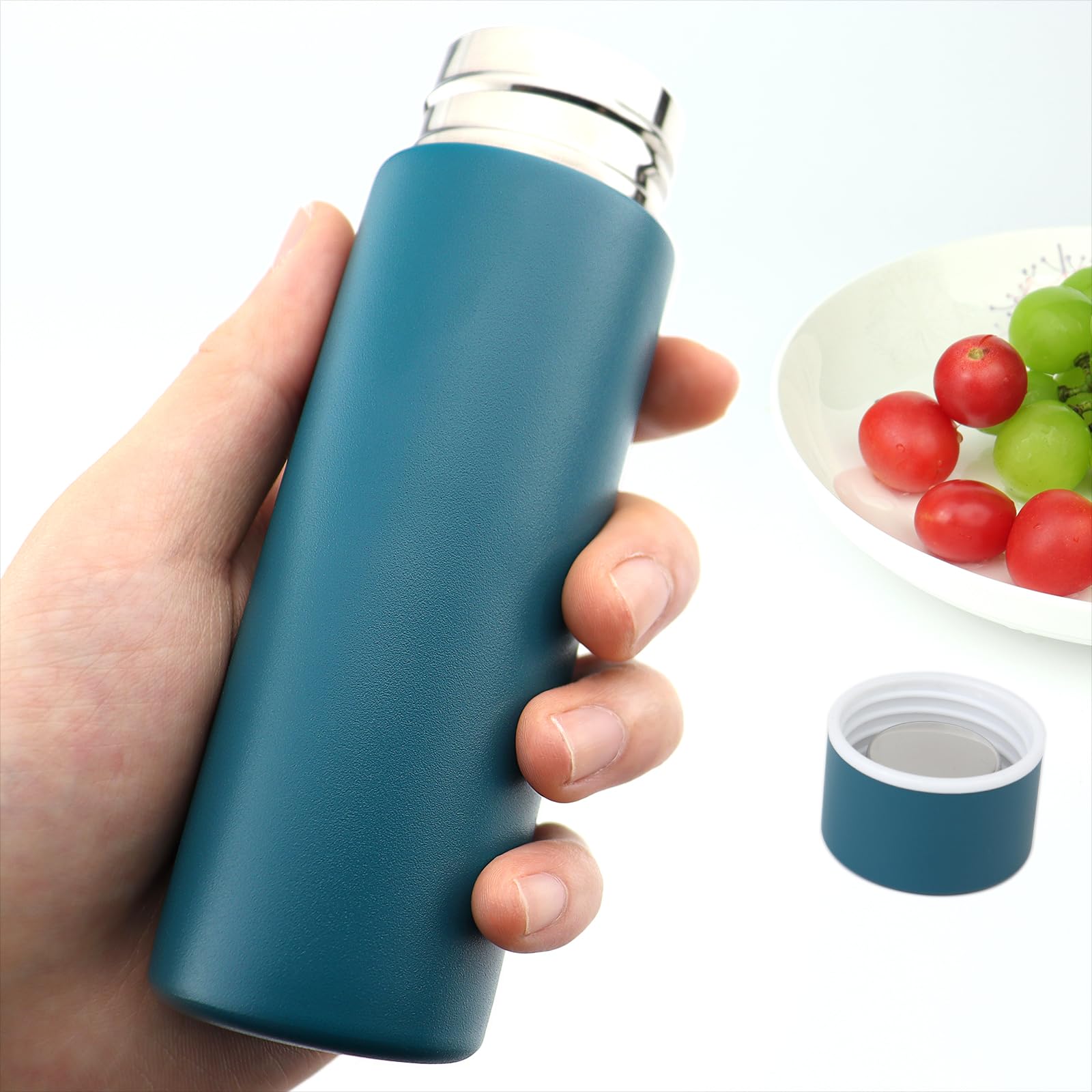
A stock image related to skinny drink bottle.
3 Common User Pain Points for ‘skinny drink bottle’ & Their Solutions
Scenario 1: Difficulty in Ensuring Product Quality and Safety Compliance
Het probleem: B2B buyers sourcing skinny drink bottles often face the challenge of ensuring that the products meet international safety and quality standards, especially when importing from different regions. In markets such as Africa and South America, there can be significant variability in manufacturing practices, leading to concerns about BPA contamination, durability, and overall safety of the materials used. This uncertainty can hinder purchasing decisions and affect brand reputation, particularly if products do not pass local regulations or customer scrutiny.
De oplossing: To overcome this challenge, B2B buyers should prioritize sourcing from reputable manufacturers who provide transparency regarding their materials and compliance certifications. It is essential to request documentation that verifies the use of food-grade materials, like 18/8 stainless steel, which is known for its safety and durability. Additionally, establishing direct relationships with suppliers can facilitate quality assurance checks and enable buyers to conduct factory visits, ensuring that the production processes align with international standards. Using third-party testing services can also provide an extra layer of assurance before placing large orders.
Scenario 2: Beperkte aanpassingsmogelijkheden voor branding
Het probleem: For businesses looking to promote their brand, the lack of customization options in skinny drink bottles can be a significant pain point. Many suppliers offer generic designs that do not align with a company’s branding strategy, making it challenging to create a product that stands out in a competitive market. This is especially crucial for companies in Europe and the Middle East, where brand identity plays a vital role in customer loyalty and market differentiation.
De oplossing: Buyers should seek manufacturers that specialize in customizable skinny drink bottles, allowing for options such as color variations, logo placements, and unique designs. When negotiating with suppliers, it is beneficial to discuss minimum order quantities (MOQs) for custom designs to ensure that the investment is manageable. Additionally, leveraging digital proofs or mock-ups before production can help visualize the final product and ensure it meets branding expectations. Establishing a partnership with a supplier that offers flexible customization will not only enhance brand visibility but also create a more personalized customer experience.
Scenario 3: Challenges with Distribution and Logistics
Het probleem: Another common issue faced by B2B buyers is the logistical complexity involved in distributing skinny drink bottles, especially when dealing with international shipping. Factors such as varying shipping costs, customs regulations, and potential damage during transit can complicate the procurement process. This is particularly evident in regions like South America and Africa, where infrastructure may not be as developed, leading to longer delivery times and increased costs.
De oplossing: To streamline logistics, buyers should consider working with suppliers that have established distribution networks and understand the nuances of international shipping. Building relationships with logistics partners who specialize in the beverage industry can also mitigate risks associated with damage and delays. It’s crucial to negotiate terms that include proper packaging solutions to protect the bottles during transit, such as reinforced boxes or cushioning materials. Additionally, utilizing technology for tracking shipments can provide real-time updates and help manage expectations regarding delivery timelines, ensuring a smoother procurement process.
Strategic Material Selection Guide for skinny drink bottle
What Are the Key Materials Used in Skinny Drink Bottles?
When selecting materials for skinny drink bottles, international B2B buyers must consider various factors, including performance characteristics, manufacturing complexity, and market preferences. Here, we analyze four common materials: stainless steel, aluminum, BPA-free plastic, and glass.
How Does Stainless Steel Perform in Skinny Drink Bottles?
Stainless steel is a popular choice for skinny drink bottles due to its excellent durability and corrosion resistance. With a typical temperature rating of up to 500°F and the ability to withstand high pressure, stainless steel is ideal for both hot and cold beverages. Its non-reactive nature makes it suitable for various drinks, including acidic beverages.
Voordelen: Stainless steel is highly durable, resistant to rust and corrosion, and can be easily recycled. It also provides excellent insulation properties, keeping drinks cold or hot for extended periods.
Minpunten: The initial manufacturing cost can be high, and the production process may require more energy compared to other materials. Additionally, stainless steel bottles can be heavier than their plastic counterparts.
For international buyers, compliance with standards such as ASTM and DIN is crucial, particularly in regions like Europe and the Middle East, where quality assurance is paramount.
What Are the Benefits of Using Aluminum for Skinny Drink Bottles?
Aluminum is another viable option for skinny drink bottles, known for its lightweight nature and good thermal conductivity. It typically holds up well under moderate temperature variations, making it suitable for cold beverages.
Voordelen: Aluminum is lightweight and cost-effective, allowing for easy transportation and lower shipping costs. Its ability to be anodized adds a layer of protection against corrosion and enhances aesthetic appeal.
Minpunten: While aluminum is durable, it may not be as robust as stainless steel. Additionally, it can be prone to denting and may require a lining to prevent reactions with acidic drinks.
International buyers should be aware of the varying regulations regarding aluminum use, particularly in food and beverage applications. Compliance with local standards is essential for market acceptance.
How Do BPA-Free Plastics Compare in Skinny Drink Bottles?
BPA-free plastic is increasingly popular for skinny drink bottles, particularly among environmentally conscious consumers. These plastics are designed to be lightweight and flexible, making them easy to carry.
Voordelen: The manufacturing process for BPA-free plastics is generally less costly, and they can be produced in various colors and designs. They are also shatter-resistant, making them ideal for active lifestyles.
Minpunten: While BPA-free plastics are durable, they may not offer the same insulation properties as metal options. Over time, they can be less resistant to scratches and may retain odors.
For B2B buyers in regions like Africa and South America, understanding local regulations concerning plastic use is vital, as some countries are moving towards stricter controls on plastic products.
Why Choose Glass for Skinny Drink Bottles?
Glass is often favored for its aesthetic appeal and the purity of taste it offers. It does not leach chemicals, making it an excellent choice for health-conscious consumers.
Voordelen: Glass provides a non-reactive surface that preserves the taste of beverages. It is also recyclable and can be produced in various designs and sizes.
Minpunten: The primary limitation of glass is its fragility; it can break easily, making it less suitable for outdoor activities. Additionally, the weight of glass can be a disadvantage for portability.
International buyers should consider the logistics of shipping glass products, especially in regions with high transportation costs. Compliance with safety standards is also critical, particularly in markets with stringent regulations.
Summary Table of Material Selection for Skinny Drink Bottles
| Materiaal | Typical Use Case for skinny drink bottle | Belangrijkste voordeel | Belangrijkste nadeel/beperking | Relatieve kosten (laag/gemiddeld/hoog) |
|---|---|---|---|---|
| Roestvrij staal | Insulated bottles for hot/cold beverages | Uitstekende duurzaamheid en isolatie | Hogere initiële kosten | Hoog |
| Aluminium | Lightweight travel bottles | Lichtgewicht en kosteneffectief | Prone to denting | Medium |
| BPA-vrij plastic | Everyday use bottles | Flexible design options and shatter-resistant | Less insulation and durability | Laag |
| Glas | Premium aesthetic bottles | Pure taste and recyclable | Fragile and heavier | Medium |
This guide provides a comprehensive overview of the materials used in skinny drink bottles, helping B2B buyers make informed decisions based on performance, cost, and regional compliance.
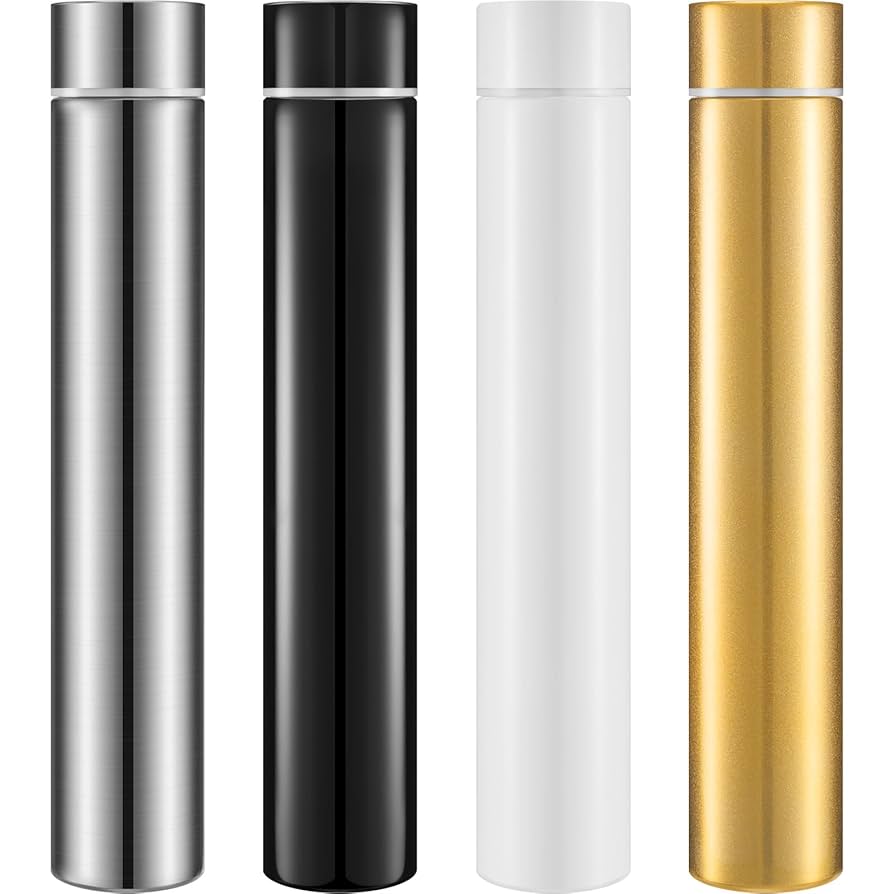
A stock image related to skinny drink bottle.
In-depth Look: Manufacturing Processes and Quality Assurance for skinny drink bottle
What Are the Key Stages in the Manufacturing Process of a Skinny Drink Bottle?
The manufacturing of skinny drink bottles involves several critical stages, each integral to producing a high-quality product. The main stages include material preparation, forming, assembly, and finishing.
How Is Material Prepared for Skinny Drink Bottles?
Material preparation is the first step and typically involves sourcing high-quality materials, such as food-grade stainless steel or BPA-free plastics. Suppliers must ensure that the materials meet international safety standards. For stainless steel, the most commonly used grades are 18/8 or 304, known for their durability and corrosion resistance. During this stage, manufacturers often perform material testing to verify that the raw materials are free from defects and suitable for food contact.
What Techniques Are Used for Forming Skinny Drink Bottles?
The forming stage involves shaping the prepared materials into the desired bottle design. This can be achieved through several techniques, such as blow molding for plastics or deep drawing for metals. In blow molding, air is used to inflate the heated plastic into the shape of the mold. For stainless steel, deep drawing allows manufacturers to create precise and uniform shapes essential for the slim design of skinny bottles. Advanced techniques, including laser cutting and stamping, are also used to ensure accuracy and reduce waste.
How Are Skinny Drink Bottles Assembled?
Once the components are formed, the next step is assembly. This involves joining various parts, such as the bottle body, cap, and any additional features like straws or silicone sleeves. Automated assembly lines are common, utilizing robotic systems to enhance efficiency and reduce human error. Quality checks are often performed at this stage to ensure that all components fit perfectly and that seals are leak-proof, which is crucial for maintaining the bottle’s functionality.
What Finishing Techniques Are Applied to Skinny Drink Bottles?
The finishing stage includes surface treatment, printing, and packaging. Surface treatments may involve polishing, coating, or applying textures to improve aesthetics and functionality. For example, powder coating can enhance grip and durability, while laser engraving offers a method for branding or personalization. Following this, bottles undergo final inspections to ensure that they meet visual and functional standards before being packaged for distribution.
What Quality Assurance Processes Are Critical for Skinny Drink Bottles?
Quality assurance (QA) is an essential aspect of the manufacturing process, ensuring that the final products meet both regulatory and customer expectations. Implementing robust QA processes can help mitigate risks associated with product failures and enhance brand reputation.
Which International Standards Should B2B Buyers Be Aware Of?
International standards, such as ISO 9001, are crucial for ensuring consistent quality across manufacturing processes. ISO 9001 focuses on quality management systems and is widely recognized globally, including in regions like Europe, Africa, and South America. Additionally, certifications like CE mark (for products sold in the European Economic Area) and FDA approval (for food-grade materials in the U.S.) are significant for compliance.
How Are Quality Control Checkpoints Structured?
Quality Control (QC) checkpoints are critical in maintaining product integrity. These checkpoints can be categorized as:
- Inkomende kwaliteitscontrole (IQC): This involves inspecting raw materials upon arrival to ensure they meet specified standards.
- Kwaliteitscontrole tijdens het proces (IPQC): Conducted during various manufacturing stages, this ensures that processes are followed correctly and that any potential issues are addressed immediately.
- Finale kwaliteitscontrole (FQC): This is the last line of defense, where finished products are thoroughly inspected for defects, functionality, and compliance with standards.
Common testing methods include pressure tests for leak-proof capabilities, thermal cycling tests to ensure insulation efficiency, and material composition analysis to confirm compliance with health and safety standards.
Hoe kunnen B2B-inkopers de kwaliteitscontrole van leveranciers controleren?
B2B buyers must ensure that their suppliers adhere to strict quality control measures. This can be achieved through several methods:
-
Audits: Regular supplier audits can help verify compliance with quality standards and identify areas for improvement. Buyers should request documentation of past audits and corrective action plans.
-
Kwaliteitsrapporten: Suppliers should provide detailed quality reports that include metrics on defect rates, customer complaints, and corrective actions taken. This data can inform buyers about the supplier’s commitment to quality.
-
Inspecties door derden: Engaging third-party inspection services can provide an unbiased evaluation of the supplier’s quality control processes. This is particularly important for international transactions where geographic distance may hinder direct oversight.
What Are the Nuances in Quality Control for International B2B Buyers?
International B2B buyers must navigate various challenges when sourcing skinny drink bottles. Understanding the nuances of quality control is vital, especially when dealing with suppliers from different regions.
-
Regulatory Compliance: Different countries have different regulations regarding materials used in food and beverage containers. Buyers should be aware of the specific compliance requirements for the regions they operate in.
-
Culturele verschillen: Cultural attitudes toward quality and business practices can vary significantly. Establishing clear communication and expectations can help mitigate misunderstandings.
-
Logistical Challenges: Transporting products internationally can introduce risks such as damage or tampering. Buyers should consider suppliers that have robust logistics and packaging solutions to protect products during transit.
-
Supply Chain Transparency: Establishing a transparent supply chain is crucial. Buyers should inquire about the origin of materials, the manufacturing processes used, and the traceability of products to ensure they meet ethical and quality standards.
Conclusie
For B2B buyers in Africa, South America, the Middle East, and Europe, understanding the manufacturing processes and quality assurance protocols for skinny drink bottles is essential for making informed purchasing decisions. By focusing on material quality, manufacturing techniques, and rigorous quality control measures, buyers can ensure they partner with reliable suppliers that meet their expectations for performance and compliance.
Practical Sourcing Guide: A Step-by-Step Checklist for ‘skinny drink bottle’
Inleiding
Navigating the procurement of skinny drink bottles for your business requires a systematic approach. This guide serves as a practical checklist for B2B buyers aiming to source high-quality, stylish, and functional skinny drink bottles that meet both market demands and customer preferences. By following these steps, you can streamline your sourcing process and ensure a successful purchase.
1. Je technische specificaties definiëren
Before you start sourcing, clearly outline the specifications your skinny drink bottles must meet. Consider factors such as size (e.g., 20 oz, 34 oz), material (stainless steel, BPA-free plastic), and insulation properties (double-walled, vacuum insulation). This clarity will help you filter potential suppliers and ensure the products align with your business needs.
2. Identify Your Target Market
Understanding your target audience is crucial. Are you catering to fitness enthusiasts, office workers, or environmentally conscious consumers? Each demographic may have different preferences regarding design, functionality, and sustainability. Tailor your sourcing strategy based on the characteristics and expectations of your target market.
3. Potentiële leveranciers evalueren
Before committing, it’s crucial to vet suppliers thoroughly. Request company profiles, case studies, and references from buyers in a similar industry or region. Look for suppliers that have a proven track record of delivering high-quality products and maintaining excellent customer service.
- Check Reviews and Ratings: Utilize platforms such as Alibaba, ThomasNet, or industry-specific forums to gather feedback.
- Assess Production Capacity: Ensure the supplier can meet your order volumes without compromising quality.
4. Verify Compliance and Certifications
Ensure that the skinny drink bottles comply with relevant safety standards and regulations in your target markets. Look for certifications such as FDA approval, BPA-free guarantees, and ISO quality management standards.
- Request Documentation: Ask suppliers for copies of their certifications to verify compliance.
- Understand Regional Regulations: Familiarize yourself with any specific regulations in your target markets, especially in regions like Europe and the Middle East.
5. Request Samples for Quality Assurance
Before placing a bulk order, always request samples of the skinny drink bottles. This step allows you to assess the quality, design, and functionality firsthand. Pay attention to details such as finish, durability, and usability.
- Test for Performance: Check insulation capabilities, ease of use, and whether the bottles fit standard cup holders if applicable.
- Gather Feedback: Share samples with potential customers or team members to gather insights on design and functionality.
6. Negotiate Terms and Pricing
Once you’ve identified a suitable supplier, enter negotiations regarding pricing, payment terms, and delivery schedules. Be clear about your budget and seek competitive pricing while ensuring the quality is not compromised.
- Consider Volume Discounts: Inquire about pricing breaks for larger orders or long-term contracts.
- Clarify Shipping Costs: Understand the total landed cost, including shipping and customs duties, to avoid surprises.
7. Establish a Communication Plan
Effective communication is vital for a successful partnership. Set clear expectations regarding timelines, product updates, and any issues that may arise during the sourcing process.
- Regular Updates: Agree on a schedule for regular updates and progress reports to stay informed throughout the production and shipping process.
- Problem Resolution: Establish a protocol for addressing any issues or concerns that may arise post-order, ensuring a smooth and efficient resolution process.
By following this comprehensive checklist, B2B buyers can confidently navigate the sourcing of skinny drink bottles, ensuring that they meet market demands and customer expectations while fostering long-lasting supplier relationships.
Comprehensive Cost and Pricing Analysis for skinny drink bottle Sourcing
What Are the Key Cost Components of Sourcing Skinny Drink Bottles?
When sourcing skinny drink bottles, it’s essential to understand the various cost components involved. The primary elements include materials, labor, manufacturing overhead, tooling, quality control (QC), logistics, and profit margins.
-
Materialen: The choice of materials significantly impacts the overall cost. Common materials for skinny drink bottles include stainless steel, BPA-free plastics, and silicone for lids. Stainless steel, while more expensive, offers durability and insulation, appealing to eco-conscious consumers.
-
Arbeid: Labor costs vary by region, impacting the total price. Countries with lower labor costs may offer more competitive pricing, but this could compromise quality. Understanding the local labor market is crucial for cost-effective sourcing.
-
Productie Overhead: This includes expenses related to facility operation, equipment maintenance, and utilities. Overhead can significantly affect pricing, especially in regions where energy and operational costs are high.
-
Gereedschap: Initial tooling costs for molds and manufacturing setups can be substantial. These costs are often distributed across larger production runs, making it essential to consider minimum order quantities (MOQs) to achieve cost efficiency.
-
Kwaliteitscontrole: Implementing rigorous QC processes ensures that the products meet required standards. While this may add to costs, it can prevent costly returns and brand damage.
-
Logistiek: Shipping and handling costs are influenced by the weight and volume of the products. International buyers should consider freight options, tariffs, and customs duties, which can significantly affect the total landed cost.
-
Marge: Suppliers typically apply a markup to cover their costs and profit. Understanding the typical margins in the industry can help buyers gauge the fairness of pricing.
How Do Price Influencers Impact the Sourcing of Skinny Drink Bottles?
Several factors can influence the price of skinny drink bottles in the B2B market:
-
Volume/MOQ: Bulk purchases often lead to lower per-unit costs. Negotiating for higher quantities can yield significant savings.
-
Specificaties en aanpassingen: Custom designs or features (e.g., unique lids, colors, or branding) can increase costs. Buyers should weigh the benefits of customization against the additional expense.
-
Materiaalkwaliteit en certificeringen: Higher-quality materials and certifications (e.g., FDA-approved, BPA-free) typically command higher prices. Buyers should consider the long-term value of investing in certified products.
-
Factoren van leveranciers: The reputation, reliability, and location of the supplier can affect pricing. Suppliers with a history of delivering quality products may charge a premium, but the investment can pay off in consistency and reliability.
-
Incoterms: Understanding shipping terms is critical. Different Incoterms (e.g., FOB, CIF) can impact the total cost by determining who bears shipping and insurance costs.
What Negotiation Strategies Can Help Achieve Cost-Efficiency?
B2B buyers can employ several strategies to enhance cost efficiency when sourcing skinny drink bottles:
-
Volume Negotiation: Leverage larger order quantities to negotiate better pricing and terms.
-
Long-term Relationships: Establishing long-term relationships with suppliers can lead to favorable pricing and priority service.
-
Totale eigendomskosten: Consider not just the purchase price but the total cost, including logistics, potential returns, and customer satisfaction. This broader perspective can guide better purchasing decisions.
-
Marktonderzoek: Understanding market trends and competitor pricing can provide leverage during negotiations.
What Should International Buyers from Africa, South America, the Middle East, and Europe Know About Pricing Nuances?
International B2B buyers must navigate additional complexities in pricing:
-
Currency Fluctuations: Variability in exchange rates can impact costs. Buyers should consider locking in prices or using hedging strategies.
-
Culturele verschillen: Negotiation styles vary by region. Understanding local customs can facilitate smoother discussions and better agreements.
-
Regulatory Compliance: Different regions have varying regulations that can affect sourcing costs, particularly regarding environmental standards and import duties.
Disclaimer over indicatieve prijzen
The prices and cost structures discussed are indicative and can vary based on numerous factors, including market conditions, supplier negotiations, and specific product requirements. Buyers should conduct thorough due diligence and obtain detailed quotes to ensure accurate budgeting for their sourcing projects.
Alternatives Analysis: Comparing skinny drink bottle With Other Solutions
Introduction to Alternatives for Skinny Drink Bottles
In the competitive landscape of hydration solutions, B2B buyers are often faced with a plethora of options that serve similar functions. The skinny drink bottle, known for its sleek design and portability, is just one of many choices available in the market. Understanding the various alternatives can aid in making informed purchasing decisions that align with specific business needs, target demographics, and operational goals.
Comparison Table of Skinny Drink Bottle Against Alternatives
| Vergelijkingsaspect | Skinny Drink Bottle | Memobottle™ | Buzio Slim Water Bottle |
|---|---|---|---|
| Prestaties | Insulated, keeps beverages cold/hot for hours | Flat design, space-saving, moderate insulation | Double-wall insulation, keeps drinks cold/hot for hours |
| Kosten | Moderate ($15-$30) | Premium ($25-$45) | Competitive ($24-$35) |
| Gemak van implementatie | Simple to use, fits in most cup holders | Unique shape may require specific storage considerations | User-friendly with multiple lid options |
| Onderhoud | Vaatwasmachinebestendig, gemakkelijk schoon te maken | Hand wash recommended, prone to scratches | Vaatwasmachinebestendig, gemakkelijk schoon te maken |
| Beste gebruikscasus | Daily hydration, on-the-go | Travel, office settings | Sports, outdoor activities |
Gedetailleerd overzicht van alternatieven
Memobottle™
The Memobottle™ offers a distinctive flat design that allows it to fit seamlessly into bags and briefcases, making it ideal for professionals on the move. Its performance is solid, providing moderate insulation that keeps beverages at a desirable temperature. However, its premium pricing may be a barrier for bulk purchases. Maintenance is straightforward, but care must be taken to avoid scratches on the stylish exterior. This option is best suited for corporate gifts or events where aesthetics are key.
Buzio Slim Water Bottle
The Buzio Slim Water Bottle combines functionality with affordability, making it a popular choice among active individuals. Its double-wall insulation ensures beverages remain at the desired temperature for extended periods. The competitive price point appeals to budget-conscious buyers, while the variety of lid options enhances user convenience. Maintenance is simple, as it is dishwasher safe. This bottle is particularly effective for outdoor events, sports, and daily hydration needs, offering versatility without compromising quality.
Conclusion: Choosing the Right Hydration Solution for Your Business Needs
When selecting the right hydration solution, B2B buyers should consider their specific requirements, including budget constraints, target audience, and intended use cases. While the skinny drink bottle is an excellent option for everyday hydration, alternatives like the Memobottle™ and Buzio Slim Water Bottle offer unique features that may better suit particular business contexts. By evaluating the performance, cost, ease of implementation, and maintenance of each option, businesses can make informed choices that enhance their brand’s value proposition and meet customer expectations effectively.
Essential Technical Properties and Trade Terminology for skinny drink bottle
What Are the Essential Technical Properties of a Skinny Drink Bottle?
When evaluating skinny drink bottles for B2B procurement, it is crucial to consider specific technical properties that influence product quality, functionality, and marketability. Here are several key specifications:
-
Materiaalklasse
Skinny drink bottles are commonly made from materials like stainless steel, aluminum, or BPA-free plastic. Stainless steel, particularly 18/8 grade, is preferred for its durability, resistance to corrosion, and ability to maintain beverage temperatures. Understanding the material grade helps buyers assess the product’s longevity and safety, critical for consumer satisfaction and regulatory compliance. -
Type isolatie
Many skinny drink bottles utilize double-wall vacuum insulation technology, which significantly enhances thermal retention. This feature keeps beverages cold or hot for extended periods. For B2B buyers, this insulation type is a competitive advantage, appealing to consumers who prioritize performance in various environments, from outdoor activities to daily commutes. -
Capaciteit en afmetingen
Capacity typically ranges from 7 oz to 40 oz, with dimensions specifically designed to fit standard cup holders and backpacks. The slim profile is crucial for portability, making these bottles attractive to a broad audience. Buyers should consider how capacity aligns with target market needs, whether for casual users or active lifestyle enthusiasts. -
Lekvrij ontwerp
A reliable leak-proof design is essential for ensuring that the contents do not spill during transport. This feature is often achieved through specialized caps and sealing mechanisms. For B2B buyers, promoting this functionality can enhance the product’s appeal, especially for consumers who are concerned about spills in bags or vehicles. -
Gewicht
The weight of a skinny drink bottle is another important factor. Lightweight designs are preferred for their convenience during travel. Buyers should assess the balance between sturdiness and portability to meet consumer expectations, especially for outdoor and travel markets. -
Sustainability Features
Increasingly, consumers are seeking eco-friendly products. Skinny drink bottles made from recycled materials or designed for long-term use can help brands appeal to environmentally-conscious buyers. Highlighting sustainability can be a significant selling point in various international markets.
What Trade Terminology Should B2B Buyers Understand When Sourcing Skinny Drink Bottles?
Familiarity with industry-specific terminology is essential for effective communication and negotiation in the B2B space. Here are key terms relevant to sourcing skinny drink bottles:
-
OEM (Original Equipment Manufacturer)
This term refers to a company that produces parts or products that are used in another company’s end product. B2B buyers should understand OEM relationships to ensure quality control and compliance with specifications when sourcing skinny drink bottles. -
MOQ (minimale bestelhoeveelheid)
MOQ indicates the smallest number of units that a supplier is willing to sell in a single order. Understanding MOQ is vital for budgeting and inventory management, allowing buyers to plan their purchases effectively and avoid excess stock. -
RFQ (Offerteaanvraag)
An RFQ is a document sent to suppliers requesting price quotes for specific products or services. For buyers, crafting a clear RFQ can lead to competitive pricing and better terms, ensuring that they receive the best value for their procurement. -
Incoterms (internationale handelsvoorwaarden)
These are standardized trade terms that define the responsibilities of buyers and sellers in international transactions, covering aspects like shipping, insurance, and tariffs. Familiarity with Incoterms is crucial for B2B buyers, as it ensures clarity in logistics and cost management. -
Customization
This term refers to the ability to modify a product according to specific buyer requirements, including design, size, and branding. Understanding customization options allows buyers to differentiate their offerings and better meet consumer preferences. -
Doorlooptijd
Lead time is the period between placing an order and receiving the goods. For B2B buyers, knowing the lead time is essential for inventory planning and ensuring timely delivery to customers.
By understanding these properties and terms, B2B buyers can make informed decisions when sourcing skinny drink bottles, ensuring they meet market demands and consumer expectations effectively.
Navigating Market Dynamics and Sourcing Trends in the skinny drink bottle Sector
What Are the Current Market Dynamics and Key Trends in the Skinny Drink Bottle Sector?
The global skinny drink bottle market is experiencing robust growth, driven by increasing consumer demand for eco-friendly and portable hydration solutions. A significant driver is the rising health consciousness among consumers, prompting a shift toward reusable bottles over single-use plastic options. In regions like Africa, South America, the Middle East, and Europe, urbanization and lifestyle changes are influencing purchasing behavior, leading to a preference for slim, space-saving designs that fit into busy lifestyles.
Emerging B2B technology trends include the integration of smart features into drink bottles, such as hydration tracking and temperature maintenance indicators. Companies are also adopting advanced manufacturing techniques, such as 3D printing, to create customized designs and reduce waste. International B2B buyers are increasingly seeking suppliers who offer rapid prototyping and agile production capabilities to meet local demands effectively.
As e-commerce continues to expand, buyers in diverse regions are looking for suppliers who can provide efficient logistics and distribution channels. Market dynamics are also influenced by competitive pricing strategies and brand differentiation through unique designs and materials. In this context, understanding regional preferences and aligning product offerings accordingly is crucial for successful sourcing and market entry.
How Is Sustainability and Ethical Sourcing Reshaping the Skinny Drink Bottle Market?
Sustainability is at the forefront of the skinny drink bottle sector, with buyers increasingly prioritizing products that have minimal environmental impact. The production of reusable bottles typically involves materials like stainless steel and BPA-free plastics, which are recyclable and contribute to reducing the overall carbon footprint. Suppliers who adopt sustainable practices, such as using recycled materials and implementing energy-efficient manufacturing processes, are gaining traction in the B2B market.
Ethical sourcing is equally important, as buyers seek transparency in their supply chains. Certifications like Fair Trade and ISO 14001 for environmental management systems are becoming essential for brands aiming to establish credibility. Companies that can demonstrate compliance with ethical sourcing standards not only enhance their brand reputation but also attract a growing segment of socially conscious consumers.
Moreover, the trend towards eco-friendly packaging is gaining momentum, with businesses exploring biodegradable and compostable options. By investing in sustainable practices and materials, companies can not only meet consumer demands but also contribute positively to the environment, aligning with global sustainability goals.
What Is the Brief Evolution and History of the Skinny Drink Bottle Market?
The evolution of skinny drink bottles can be traced back to the growing awareness of environmental issues in the late 20th century. Initially dominated by bulky plastic bottles, the market began to shift in the early 2000s as consumers sought more convenient and sustainable alternatives. The introduction of stainless steel and innovative designs, such as the flat memobottle™, revolutionized the industry, allowing for greater portability without sacrificing functionality.
Over the past decade, the rise of health and wellness trends has further propelled the popularity of skinny drink bottles. Brands have capitalized on this demand by incorporating features like double-wall insulation and ergonomic designs, catering to a diverse range of consumers from fitness enthusiasts to busy professionals. As the market continues to evolve, the focus on sustainability and ethical sourcing will likely drive future innovations and product development.
In summary, the skinny drink bottle sector is characterized by its dynamic market trends, a strong emphasis on sustainability, and an ongoing evolution that reflects changing consumer preferences. For international B2B buyers, aligning with these trends and sourcing from responsible suppliers will be key to capitalizing on this growing market.
Frequently Asked Questions (FAQs) for B2B Buyers of skinny drink bottle
-
How do I evaluate the quality of skinny drink bottles from suppliers?
To ensure the quality of skinny drink bottles, request samples from potential suppliers. Inspect the materials used, such as food-grade stainless steel and BPA-free plastics, and verify that they meet international safety standards. Look for certifications like ISO and FDA approval, which indicate adherence to quality and safety regulations. Additionally, consider the supplier’s production processes and quality control measures, such as third-party testing and inspections. Engaging in direct communication with suppliers about their quality assurance practices can also provide insights into their reliability. -
What is the best material for skinny drink bottles in terms of durability and safety?
The best materials for skinny drink bottles are typically stainless steel and BPA-free plastic. Stainless steel, particularly 18/8 food-grade, is highly durable, resistant to rust, and does not retain flavors or odors. It also offers excellent insulation properties, keeping beverages hot or cold for extended periods. BPA-free plastic is lightweight and less prone to breakage, making it ideal for travel. When sourcing, prioritize suppliers who can provide detailed material specifications and safety certifications to ensure product reliability. -
What customization options should I consider for skinny drink bottles?
When sourcing skinny drink bottles, consider customization options such as branding, color, size, and lid type. Custom printing or laser etching your logo enhances brand visibility. Choose colors that align with your brand identity, and offer various sizes to cater to different consumer preferences. Additionally, explore lid options, such as flip-top or straw lids, to enhance user experience. Ensure your supplier can accommodate these customization requests and inquire about minimum order quantities (MOQs) for personalized items. -
What are the typical minimum order quantities (MOQs) for skinny drink bottles?
Minimum order quantities (MOQs) for skinny drink bottles can vary widely depending on the supplier and the complexity of customization. Generally, MOQs range from 100 to 1000 units. Bulk orders often lead to lower per-unit costs, making them more economical for B2B buyers. When negotiating with suppliers, clarify the MOQ for both standard and customized products, and inquire about any flexibility they may offer for smaller initial orders or trial runs. -
What payment terms should I expect when sourcing skinny drink bottles internationally?
Payment terms can differ significantly based on the supplier’s policies and the relationship established. Common terms include 30% to 50% upfront payment with the balance due before shipment. Some suppliers may accept letters of credit or escrow services for added security. It’s essential to discuss payment methods early in negotiations to avoid misunderstandings. Additionally, consider the impact of currency exchange rates and international transaction fees on your overall costs. -
How do I ensure timely delivery of skinny drink bottles?
To ensure timely delivery of skinny drink bottles, establish clear timelines with your supplier, including production and shipping durations. Opt for suppliers who have proven logistics capabilities and experience in international shipping. Discuss shipping options, such as air freight for faster delivery or sea freight for cost-effectiveness. Additionally, factor in customs clearance times and potential delays. Regular communication with your supplier can help track the order’s progress and address any issues that arise during transit. -
What quality assurance measures should be in place when sourcing skinny drink bottles?
Quality assurance measures should include pre-production samples, in-process inspections, and final product testing. Request third-party quality certifications from suppliers to confirm compliance with international standards. Consider implementing a quality control checklist that includes specifications for materials, insulation performance, and leak-proof features. Establishing a clear communication channel for reporting defects or issues can help maintain product quality and ensure that suppliers are held accountable for their goods. -
How can I find reliable suppliers for skinny drink bottles in international markets?
Finding reliable suppliers involves thorough research and vetting processes. Utilize online B2B marketplaces like Alibaba or Global Sources to identify potential suppliers and read reviews from other buyers. Attend industry trade shows and exhibitions to meet suppliers in person and assess their products. Additionally, request references from previous clients and conduct background checks to evaluate their business practices. Establishing a trial order can also help gauge reliability before committing to larger purchases.
Belangrijke disclaimer en gebruiksvoorwaarden
⚠️ Belangrijke disclaimer
De informatie in deze gids, inclusief inhoud over fabrikanten, technische specificaties en marktanalyses, is uitsluitend bedoeld voor informatieve en educatieve doeleinden. Het is geen professioneel aankoopadvies, financieel advies of juridisch advies.
Hoewel we al het mogelijke hebben gedaan om de nauwkeurigheid en actualiteit van de informatie te garanderen, zijn we niet verantwoordelijk voor eventuele fouten, weglatingen of verouderde informatie. Marktomstandigheden, bedrijfsgegevens en technische normen kunnen veranderen.
B2B-kopers moeten hun eigen onafhankelijke en grondige due diligence uitvoeren voordat je een aankoopbeslissing neemt. Dit houdt in dat u rechtstreeks contact moet opnemen met leveranciers, certificeringen moet controleren, monsters moet aanvragen en professioneel advies moet inwinnen. Het risico van het vertrouwen op informatie in deze gids wordt uitsluitend gedragen door de lezer.
Top 6 Skinny Drink Bottle Manufacturers & Suppliers List
1. Hydro Flask – Insulated Water Bottles
Domein: hydroflask.com
Geregistreerd: 2009 (16 jaar)
Inleiding: Insulated & Stainless Steel Water Bottles from Hydro Flask. Labor Day Sale: 25% off summer styles. Free shipping on orders over $39. New Limited Edition Campus Collection available. Product categories include Travel Bottles, Tumblers, Coolers, Lunch Boxes, Kitchenware, and Accessories. Featured products include: 16 oz Coffee with Flex Sip™ Lid ($32.95, now $24.71), 21 oz Standard Mouth with Flex S…
2. Stanley – All Day Slim Bottle 20 OZ
Domein: stanley1913.com
Geregistreerd: 2019 (6 jaar)
Inleiding: Product Name: All Day Slim Bottle | 20 OZ
Price: $22.50 (originally $30.00)
Color Options: Sage Grey, Dried Pine, Twilight, Garnet Shine, Toast, Hot Coral Gloss, Black 2.0, Cream, Ash, Gilded Sugar, Rose Quartz, Lilac, Pomelo, Azure
Material: 18/8 Recycled stainless steel, BPA-free
Kenmerken:
– Double-wall vacuum insulation
– Leakproof design
– Cup holder compatible
– Dishwasher safe
Dimensions: 2…
3. Walmart – Insulated Water Bottle Tumbler
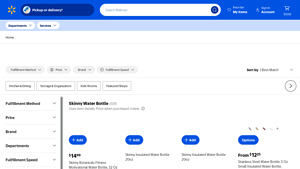
Domein: walmart.com
Geregistreerd: 1995 (30 jaar)
Inleiding: This company, Walmart – Insulated Water Bottle Tumbler, is a notable entity in the market. For specific product details, it is recommended to visit their website directly.
4. Hydro Flask – 24 oz Wide Mouth with Flex Chug Cap
Domein: nytimes.com
Geregistreerd: 1994 (31 jaar)
Inleiding: Dit bedrijf, Hydro Flask - 24 oz Wide Mouth with Flex Chug Cap, is een opmerkelijke entiteit op de markt. Voor specifieke productdetails kun je het beste direct naar hun website gaan.
5. Adnart – Skinny Mini Water Bottle
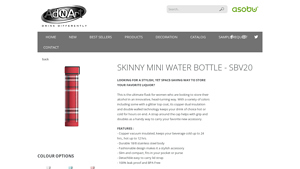
Domein: adnart.com
Geregistreerd: 2000 (25 jaar)
Inleiding: {‘product_name’: ‘SKINNY MINI WATER BOTTLE’, ‘item_number’: ‘SBV20’, ‘capacity’: ‘7.8OZ/230ML’, ‘dimensions’: ‘2″ X 2″ 8.5″ (L x W x H)’, ‘features’: [‘Copper vacuum insulated, keeps beverage cold up to 24 hrs., hot up to 12 hrs.’, ‘Durable 18/8 stainless steel body’, ‘Fashionable design’, ‘Slim and compact, fits in pocket or purse’, ‘Detachable easy to carry lid strap’, ‘100% leak proof and BPA F…
6. Promotions Now – Skinny Mini Stainless Steel Water Bottle
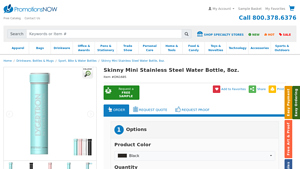
Domein: promotionsnow.com
Geregistreerd: 1998 (27 jaar)
Inleiding: Skinny Mini Stainless Steel Water Bottle, 8oz
Strategic Sourcing Conclusion and Outlook for skinny drink bottle
As the demand for skinny drink bottles continues to rise globally, B2B buyers should prioritize strategic sourcing to capitalize on this lucrative market. Key takeaways include recognizing the importance of quality materials, such as BPA-free stainless steel, and innovative designs that enhance user experience. Buyers should also consider the growing consumer preference for sustainable products, making eco-friendly options a significant selling point.
Investing in reliable suppliers who offer competitive pricing and customizable branding opportunities can provide a substantial advantage in this competitive landscape. Additionally, understanding regional trends and preferences—particularly in diverse markets like Africa, South America, the Middle East, and Europe—will enable businesses to tailor their offerings effectively.
Looking ahead, the skinny drink bottle market is poised for growth, driven by increasing health consciousness and lifestyle changes. We encourage international B2B buyers to engage with manufacturers and distributors who align with their values and meet market demands. By embracing strategic sourcing now, you can position your business to thrive in this dynamic sector, enhancing both profitability and brand reputation.
 Nederlands
  English
  Español
  Português
  Français
  Deutsch
  العربية
  Русский
  日本語
日本語  한국어
한국어  Italiano