
Introduction: Navigating the Global Market for growler bottle
The global market for growler bottles is rapidly evolving, presenting both opportunities and challenges for international B2B buyers. Sourcing the right growler bottle—whether for craft beer, beverages, or specialty drinks—requires a keen understanding of diverse product offerings and regional preferences. With a myriad of options available, including glass, stainless steel, and custom-printed varieties, navigating this landscape can be daunting.
This comprehensive guide addresses critical aspects of the growler bottle market, including various types, applications, and essential considerations for supplier vetting. By delving into cost structures, quality standards, and the importance of eco-friendly materials, this resource aims to equip B2B buyers from Africa, South America, the Middle East, and Europe—such as Brazil and Germany—with the insights needed for informed purchasing decisions.
The guide not only outlines the practicalities of sourcing growler bottles but also emphasizes the significance of aligning product selections with market trends and consumer preferences. As the demand for unique packaging solutions rises, leveraging this information will empower businesses to enhance their offerings, improve customer satisfaction, and ultimately drive sales in a competitive global market. With the right knowledge and tools at hand, international buyers can confidently navigate the complexities of sourcing growler bottles tailored to their specific needs.
Understanding growler bottle Types and Variations
| Type Naam | Belangrijkste onderscheidende kenmerken | Primaire B2B-toepassingen | Korte voor- en nadelen voor kopers |
|---|---|---|---|
| Glass Growlers | Available in various sizes (32oz, 64oz, 1 gallon) and colors (amber, flint). | Craft breweries, restaurants, retail sales. | Voordelen: Eco-friendly, excellent for branding; Minpunten: Fragile, heavier than alternatives. |
| Stainless Steel Growlers | Double-wall insulation, lightweight, and durable. | Outdoor events, sports teams, catering. | Voordelen: Insulates beverages, highly durable; Minpunten: Higher cost, less traditional aesthetic. |
| Mini Growlers | Smaller capacity (12oz to 32oz), often with unique designs. | Craft beer tastings, promotional events. | Voordelen: Great for sampling, customizable; Minpunten: Limited volume, may not appeal to all customers. |
| EZ Cap Bottles | Flip-top closure for easy sealing and pouring. | Home brewing, small batch breweries. | Voordelen: Reusable, user-friendly; Minpunten: May not provide as tight a seal as screw tops. |
| BPA-Free Plastic Growlers | Lightweight, shatterproof, and recyclable materials. | Festivals, outdoor activities, casual venues. | Voordelen: Highly portable, cost-effective; Minpunten: Less premium feel, potential for chemical leaching. |
What are the Key Characteristics of Glass Growlers?
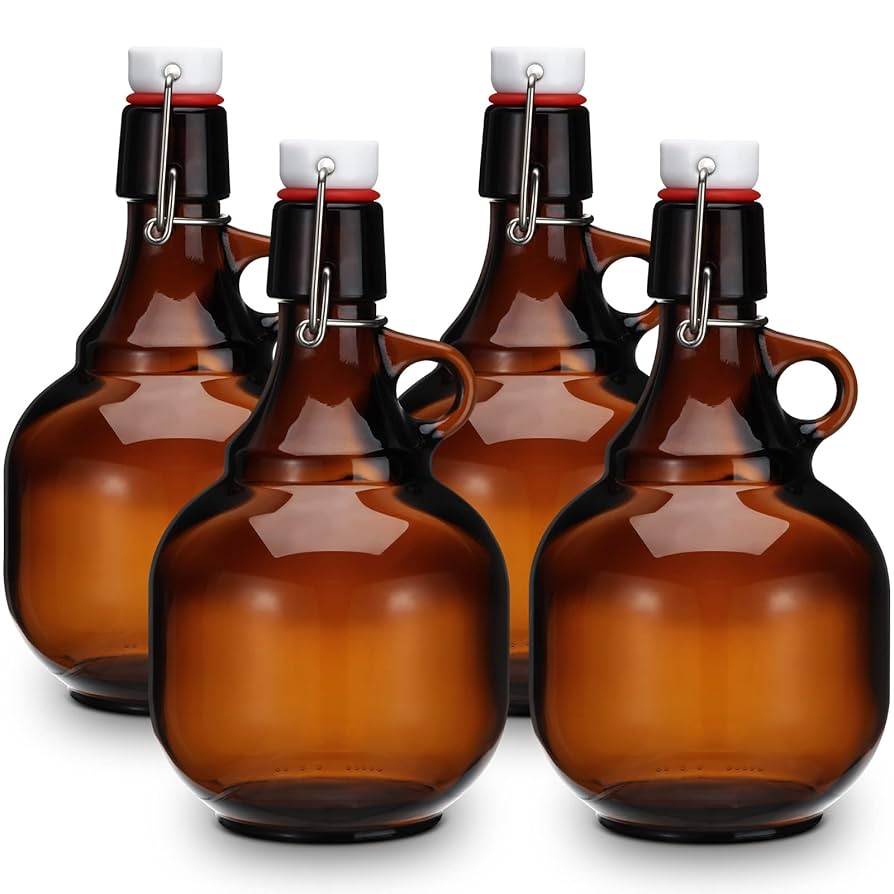
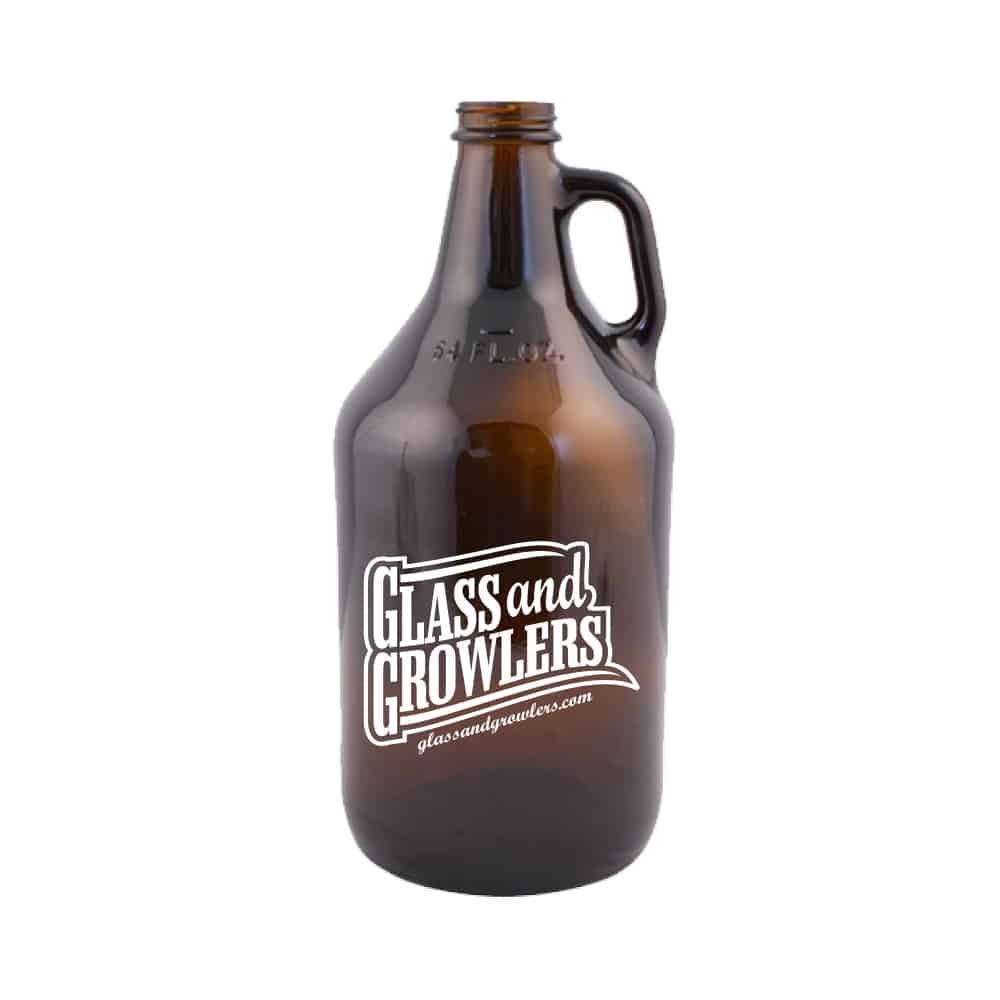
Glass growlers are the most traditional type, typically available in sizes ranging from 32oz to 1 gallon. They come in various colors, including amber and flint, which help protect the contents from UV light. Ideal for craft breweries and restaurants, glass growlers enhance the drinking experience while providing excellent branding opportunities through custom printing. However, buyers should consider their fragility and weight, which can be a drawback in environments where durability is essential.
How Do Stainless Steel Growlers Stand Out?
Stainless steel growlers feature double-wall insulation, making them suitable for both hot and cold beverages. Their lightweight and durable nature makes them a preferred choice for outdoor events and catering services. While they can be more expensive than glass options, their durability and insulation properties often justify the investment. Buyers should assess their target market’s preferences for aesthetics versus practicality when considering this option.
Why Choose Mini Growlers for Promotions?
Mini growlers, ranging from 12oz to 32oz, are perfect for sampling and promotional events. Their smaller size allows businesses to offer a variety of flavors without overwhelming customers, making them a popular choice for craft beer tastings. Customizable designs can enhance brand visibility. However, the limited volume may deter some buyers who prefer larger options for regular sales.
What Advantages Do EZ Cap Bottles Offer?
EZ cap bottles are designed with a flip-top closure, providing convenience for both sealing and pouring. They are particularly popular among home brewers and small batch breweries. Their reusability is a significant selling point, although some buyers may find that they do not create as tight a seal as screw-top varieties. Businesses should consider their audience’s preferences for ease of use versus sealing effectiveness.
What Makes BPA-Free Plastic Growlers Attractive?
BPA-free plastic growlers are lightweight and shatterproof, making them an excellent choice for outdoor activities and festivals. Their cost-effectiveness and portability appeal to casual venues looking to reduce overhead costs. However, while they are recyclable, they may lack the premium feel of glass or stainless steel options, which could affect brand perception. Buyers should weigh the benefits of cost savings against the potential impact on their brand image.
Key Industrial Applications of growler bottle
| Industrie/sector | Specific Application of growler bottle | Waarde/Voordeel voor het bedrijf | Belangrijkste overwegingen bij de inkoop voor deze toepassing |
|---|---|---|---|
| Craft Beverage Industry | Packaging for Craft Beer | Enhances brand visibility and customer loyalty through reusable bottles. | Material quality (glass vs. stainless steel), closure types, customization options. |
| Food Service | Beverage Service in Restaurants and Cafés | Provides customers with take-home options, increasing sales opportunities. | Size options, insulation properties, and ease of cleaning. |
| Event Management | Beverage Distribution for Festivals and Events | Eco-friendly solution that promotes sustainability and brand awareness. | Bulk purchasing options, durability, and design for branding. |
| Homebrewing & DIY | Bottling for Homebrewers | Allows homebrewers to package and transport their creations easily. | Compatibility with caps, ease of use, and availability in various sizes. |
| Retail and Merchandising | Retail Sales of Craft Beverages | Attracts consumers with unique packaging and branding opportunities. | Custom printing options, shipping logistics, and material durability. |
How is the Growler Bottle Used in the Craft Beverage Industry?
In the craft beverage sector, growler bottles serve as an essential packaging solution for craft breweries and distilleries. They allow businesses to offer customers a way to take home freshly brewed beverages, enhancing customer experience and brand loyalty. Buyers in this sector should consider the material of the growler, as options like amber glass can protect against UV light, preserving the quality of the contents. Additionally, having options for custom branding can significantly boost a brewery’s visibility in a competitive market.
What Role Do Growler Bottles Play in Food Service?
In restaurants and cafés, growler bottles are increasingly used for serving beverages, especially craft beers and specialty drinks. They provide patrons with the option to take drinks home, effectively extending the dining experience beyond the restaurant. For businesses, this can lead to increased sales and customer satisfaction. When sourcing growlers for food service, considerations should include the size and insulation properties, as well as ease of cleaning, to ensure compliance with health regulations and customer convenience.
How Are Growler Bottles Utilized in Event Management?
Growler bottles are a popular choice for beverage distribution at festivals and events. They not only serve as eco-friendly alternatives to single-use plastic bottles but also enhance brand recognition through unique designs and logos. For event organizers, sourcing durable growlers that can withstand transportation and handling is crucial. Bulk purchasing options can also provide cost savings, making growlers an attractive choice for large-scale events.
Why Do Homebrewers Prefer Using Growler Bottles?
Homebrewers favor growler bottles for their versatility in bottling and transporting homemade beverages. These bottles allow for easy filling and sealing, enabling hobbyists to share their creations with friends and family. Buyers in this niche should focus on compatibility with various caps and closures, as well as the availability of different sizes to suit their brewing needs. This practicality, combined with the ability to customize bottles, makes growlers an essential tool for the homebrewing community.
How Can Retailers Benefit from Selling Growler Bottles?
In retail settings, growler bottles are an effective way to attract consumers looking for unique craft beverages. Retailers can enhance their product offerings by providing growlers that are visually appealing and customizable. When sourcing growlers for retail, it is important to consider custom printing options that allow for branding, as well as shipping logistics to ensure timely delivery. The durability of the materials used is also a key factor, as it affects both the product’s longevity and the retailer’s reputation.
A stock image related to growler bottle.
3 Common User Pain Points for ‘growler bottle’ & Their Solutions
Scenario 1: Navigating Quality Control for Growler Bottles
Het probleem: B2B buyers often face challenges in ensuring the quality and safety of growler bottles. With varying manufacturing standards and materials, sourcing high-quality growlers that can withstand transport and preserve the beverage’s integrity is critical. Buyers may be particularly concerned about issues such as glass fragility, risk of breakage during shipping, and potential contamination from inferior materials.
De oplossing: To mitigate these quality concerns, buyers should establish relationships with reputable suppliers who provide detailed product specifications and certifications. Request samples of the growler bottles to assess their durability and suitability for your specific use cases. Additionally, consider sourcing from manufacturers who employ strict quality control processes and can provide transparency about their production methods. Investing in insulated stainless steel growlers can also enhance product durability and reduce breakage during transportation. By prioritizing quality assurance and supplier reliability, buyers can ensure that the growlers meet industry standards and customer expectations.
Scenario 2: Managing Inventory and Supply Chain Fluctuations
Het probleem: Fluctuations in demand for growler bottles can create significant inventory management challenges for B2B buyers. In industries such as craft brewing, seasonal spikes can lead to shortages, while off-peak periods may result in excess stock. This inconsistency can strain cash flow and complicate storage logistics, ultimately affecting profitability.
De oplossing: Implementing a just-in-time (JIT) inventory strategy can help manage these fluctuations effectively. By collaborating with suppliers to establish flexible order arrangements, buyers can ensure they have the right amount of growlers on hand without overcommitting financially. Consider leveraging data analytics to forecast demand trends based on historical sales, seasonal patterns, and market research. Additionally, maintaining open communication with suppliers about potential lead times and order minimums can facilitate smoother inventory transitions. By optimizing inventory levels in response to market dynamics, buyers can enhance operational efficiency and reduce costs.
Scenario 3: Custom Branding and Differentiation Challenges
Het probleem: For B2B buyers in competitive markets, standing out can be a daunting task. Many businesses seek to incorporate branding on growler bottles to enhance their visibility and appeal. However, navigating the complexities of custom printing, including artwork specifications, material compatibility, and production timelines, can be overwhelming and may lead to delays or unsatisfactory results.
De oplossing: To streamline the custom branding process, buyers should partner with suppliers who specialize in custom printed growlers and have experience in their specific industry. Start by discussing branding objectives and gathering inspiration for design elements. Ensure that the supplier offers a user-friendly interface for submitting artwork and provides guidance on specifications, such as color matching and printing techniques. Establish clear timelines and milestones for the project to keep production on track. Utilizing high-quality, eco-friendly materials for custom growlers can also enhance brand reputation and appeal to environmentally conscious consumers. By prioritizing collaboration with experienced suppliers and focusing on high-quality design, buyers can achieve a distinctive brand presence that resonates in their target markets.
Strategic Material Selection Guide for growler bottle
What are the Key Properties of Glass Growlers for B2B Buyers?
Glass is a traditional material for growler bottles, particularly favored in the craft beverage industry. Its key properties include excellent temperature retention and inertness, which means it does not react with the contents, preserving the flavor and quality of beverages. Glass growlers can withstand moderate pressure, making them suitable for carbonated drinks, but they are susceptible to breakage under impact.
Pros and Cons of Glass Growlers
The primary advantage of glass growlers is their ability to maintain the integrity of the beverage’s flavor without leaching chemicals. They are also recyclable, aligning with sustainability goals. However, their fragility makes them less durable than other materials, and they can be more expensive to transport due to the risk of breakage. Additionally, international buyers must consider regulations regarding glass packaging, which can vary significantly by region.
How Do Stainless Steel Growlers Compare in Performance?
Stainless steel growlers offer a robust alternative to glass. They are highly resistant to corrosion, impact, and temperature fluctuations, making them ideal for various environments. Stainless steel can maintain the temperature of beverages for extended periods, which is advantageous for both hot and cold drinks.
Pros and Cons of Stainless Steel Growlers
The durability of stainless steel is a significant advantage, as it reduces the risk of breakage during transport. They are also lightweight and easy to clean, which is a plus for B2B buyers looking for low-maintenance options. However, stainless steel growlers can be more expensive than glass, and their production may involve complex manufacturing processes. International buyers should be aware of compliance with food safety standards, such as those set by the FDA or EU regulations.
What are the Benefits of Plastic Growlers for B2B Applications?
Plastic growlers, often made from BPA-free PET or HDPE, are lightweight and unbreakable, making them ideal for outdoor events and transportation. They can be produced in various shapes and sizes, offering flexibility in design.
Pros and Cons of Plastic Growlers
The main advantage of plastic growlers is their cost-effectiveness and durability. They are less expensive to produce and transport, which can lead to lower overall costs for buyers. However, they may not retain temperature as effectively as glass or stainless steel, and there are concerns about potential leaching of chemicals into beverages over time. Buyers in international markets should consider local regulations regarding plastic use and recycling.
What Role Does Ceramic Play in Growler Bottle Manufacturing?
Ceramic growlers are less common but provide unique aesthetic appeal and excellent insulation properties. They are non-reactive and can maintain the temperature of beverages effectively.
Pros and Cons of Ceramic Growlers
Ceramic growlers offer a distinctive look and feel, which can enhance branding opportunities for craft breweries. They are also durable against chemical reactions, but they can be heavy and fragile, similar to glass. The production process for ceramics can be more energy-intensive, impacting cost. International buyers should ensure compliance with local ceramic safety standards and consider the logistics of shipping heavier items.
Summary Table of Material Selection for Growler Bottles
| Materiaal | Typical Use Case for growler bottle | Belangrijkste voordeel | Belangrijkste nadeel/beperking | Relatieve kosten (laag/gemiddeld/hoog) |
|---|---|---|---|---|
| Glas | Craft beer, specialty beverages | Excellent flavor preservation | Fragile, risk of breakage | Hoog |
| Roestvrij staal | Outdoor events, sports beverages | Durable, retains temperature well | Higher production costs | Med |
| Kunststof | Festivals, casual drinking | Lichtgewicht, kosteneffectief | Potential chemical leaching | Laag |
| Ceramic | Specialty craft beverages | Unique aesthetic, good insulation | Heavy, fragile, energy-intensive | Med |
This strategic material selection guide provides B2B buyers with essential insights into the properties, advantages, and limitations of various growler bottle materials, enabling informed purchasing decisions tailored to their specific market needs.
A stock image related to growler bottle.
In-depth Look: Manufacturing Processes and Quality Assurance for growler bottle
What Are the Main Stages in the Manufacturing Process of Growler Bottles?
The manufacturing process of growler bottles typically encompasses several critical stages: material preparation, forming, assembly, and finishing. Each stage is vital for ensuring the quality and functionality of the final product.
-
Materiaalvoorbereiding: The most common materials used for growlers are glass and stainless steel. For glass growlers, high-quality raw materials such as silica sand, soda ash, and limestone are sourced. These materials are mixed and melted in large furnaces at high temperatures, usually exceeding 1,500 degrees Celsius. For stainless steel growlers, the process begins with the selection of food-grade stainless steel, which is then cut and shaped into the desired bottle form.
-
Het vormen van: In glass manufacturing, the molten glass is formed into bottles using various techniques, including blow molding and press molding. Blow molding involves inflating a molten glass parison within a mold to create the desired shape. For stainless steel, the forming process may involve stamping or deep drawing, where metal sheets are shaped into the bottle form through mechanical pressure.
-
Montage: This stage often includes the addition of closures and handles. For glass growlers, ceramic or metal caps are fitted, while stainless steel versions may come with screw tops or flip-top lids. Quality checks are essential during this phase to ensure that closures fit securely and that the growlers are properly sealed.
-
Afwerking: The final stage involves surface treatments such as polishing, coating, or printing. For glass, this can include the application of protective coatings to enhance durability and resistance to scratches. For stainless steel, a passivation process may be used to improve corrosion resistance. Custom printing of logos and designs is also common in this stage, providing branding opportunities for B2B buyers.
How Is Quality Assurance Implemented in Growler Bottle Production?
Quality assurance (QA) in growler bottle production is critical to maintaining product integrity and ensuring compliance with international standards. The QA process typically involves several checkpoints and methodologies to monitor quality throughout manufacturing.
-
International Standards: Many manufacturers comply with ISO 9001, which focuses on quality management systems. This standard emphasizes continuous improvement and customer satisfaction. Additionally, industry-specific standards such as CE marking in Europe and API specifications for certain applications may apply, depending on the end use of the growler bottles.
-
Kwaliteitscontrolepunten: The QA process includes several key checkpoints:
– Inkomende kwaliteitscontrole (IQC): Raw materials are inspected upon arrival to ensure they meet specified standards before production begins.
– Kwaliteitscontrole tijdens het proces (IPQC): During manufacturing, random sampling and inspections occur at various stages to identify defects early in the process.
– Finale kwaliteitscontrole (FQC): Once the bottles are completed, a thorough inspection is conducted to assess their physical characteristics, including dimensions, weight, and sealing effectiveness. -
Gangbare testmethoden: Various testing methods are employed to ensure the quality of growler bottles:
– Pressure Testing: This tests the strength and integrity of the bottle, especially for those designed to hold carbonated beverages.
– Thermal Shock Testing: For glass growlers, this test evaluates resistance to temperature changes, ensuring the bottles can withstand sudden shifts in temperature without breaking.
– Lektests: Ensures that closures provide a proper seal and prevent leakage.
Hoe kunnen B2B-inkopers de kwaliteitscontrole van leveranciers controleren?
For international B2B buyers, especially those from diverse regions like Africa, South America, the Middle East, and Europe, verifying supplier quality control is crucial. Here are several strategies to ensure that suppliers adhere to quality standards:
-
Leveranciersaudits: Conducting audits of potential suppliers is one of the most effective ways to verify their quality control processes. Audits can assess compliance with international standards and the effectiveness of their manufacturing practices.
-
Quality Reports and Certifications: Requesting documentation of quality control measures, including test reports and certifications, can provide insight into the supplier’s commitment to quality. Certifications from recognized bodies can serve as a guarantee of adherence to industry standards.
-
Inspecties door derden: Engaging third-party inspection services can offer an unbiased evaluation of the supplier’s quality control processes. These inspections can occur at various stages of production and can include comprehensive assessments of raw materials, production practices, and final product inspections.
Wat zijn de nuances op het gebied van kwaliteitscontrole voor internationale B2B-kopers?
When dealing with international suppliers, B2B buyers must be aware of specific nuances that may affect quality control and product delivery:
-
Regulatory Compliance: Different countries have varying regulations concerning food safety, packaging, and material standards. Buyers should familiarize themselves with the regulations applicable in their region to ensure that products meet local compliance requirements.
-
Cultural Differences in Quality Standards: Quality perceptions can vary significantly across cultures. Understanding the supplier’s local quality standards and practices is essential for aligning expectations.
-
Logistics and Supply Chain Considerations: Quality can be affected by logistics and supply chain factors, including shipping methods and storage conditions. Buyers should ensure that their suppliers have robust logistics strategies in place to maintain product integrity during transport.
-
Communication and Relationship Building: Establishing strong communication channels with suppliers can foster trust and facilitate better quality control. Regular updates and feedback can help identify potential quality issues before they escalate.
By understanding these manufacturing processes and quality assurance measures, B2B buyers can make informed decisions when sourcing growler bottles, ensuring they receive high-quality products that meet their specific needs.
Practical Sourcing Guide: A Step-by-Step Checklist for ‘growler bottle’
Inleiding
This guide is designed to assist B2B buyers in the effective sourcing of growler bottles, which are essential for the craft beverage industry and beyond. By following this step-by-step checklist, buyers can ensure they procure high-quality products that meet their business needs and comply with regional regulations.
1. Je technische specificaties definiëren
Understanding the specific requirements for your growler bottles is crucial. This includes deciding on the material (glass, stainless steel, or plastic), capacity (commonly 32oz, 64oz, or 1 gallon), and design features such as swing tops or screw caps. Clear specifications help streamline the sourcing process and ensure that the products you receive align with your brand’s standards.
2. Onderzoek markttrends en vraag
Before placing an order, analyze the current market trends in your region. Look for insights into popular styles, materials, and customer preferences. For instance, eco-friendly options are gaining traction in Europe and North America, while vibrant designs may appeal more to South American markets. Understanding these trends can guide your purchasing decisions and inventory management.
3. Potentiële leveranciers evalueren
Thoroughly vet suppliers before making any commitments. Request company profiles, product samples, and references from existing customers, particularly those in your target market. Check for industry certifications and compliance with safety standards, as these factors can significantly impact the quality of the products you receive.
4. Request Samples for Quality Assurance
Always request samples before placing a bulk order. Testing the samples allows you to evaluate the quality of materials, craftsmanship, and functionality. Ensure that the bottles meet your specifications regarding weight, durability, and usability. This step is vital in preventing costly mistakes and ensuring customer satisfaction.
5. Vergelijk prijzen en voorwaarden
Once you have shortlisted potential suppliers, compare their pricing structures and payment terms. Look beyond the initial cost; consider shipping fees, bulk discounts, and potential for future price changes. Establish clear terms on delivery timelines and payment schedules to avoid misunderstandings and ensure smooth transactions.
6. Negotiate Contracts and Terms
After selecting a supplier, negotiate the final contract terms. Be clear about expectations regarding quality control, delivery timelines, and potential penalties for non-compliance. This contract should protect your interests and ensure that both parties are aligned on the terms of the agreement.
7. Plan voor logistiek en distributie
Consider the logistics involved in receiving and distributing the growler bottles. Evaluate shipping options and costs, storage capabilities, and how the products will be marketed and sold. Proper planning in this stage can enhance operational efficiency and customer satisfaction.
By following these steps, B2B buyers can effectively source growler bottles that not only meet their business requirements but also appeal to their target markets.
Comprehensive Cost and Pricing Analysis for growler bottle Sourcing
What Are the Key Cost Components in Growler Bottle Sourcing?
When sourcing growler bottles, understanding the cost structure is crucial for effective budgeting and negotiation. The primary cost components include:
-
Materialen: The choice of materials significantly affects the price. Glass growlers are typically made from amber, flint, or clear glass, while stainless steel options are available for higher durability and insulation. Each material comes with different price points—glass is generally less expensive than stainless steel, but quality variations can lead to significant price differences.
-
Arbeid: Labor costs encompass the workforce involved in manufacturing the bottles. Regions with higher labor costs, such as Europe, may see increased prices compared to production in areas with lower labor rates, such as some parts of Africa and South America.
-
Productie Overhead: This includes the indirect costs associated with production, such as utilities and equipment maintenance. Efficient manufacturing processes can help mitigate these costs, leading to more competitive pricing.
-
Gereedschap: Custom tooling for specialized designs or branding can add to upfront costs. However, this investment can be worthwhile for businesses looking to differentiate their products in a crowded market.
-
Kwaliteitscontrole (QC): Ensuring the quality of growler bottles is essential, particularly for food and beverage applications. Strict QC processes may increase costs, but they are necessary for compliance with safety standards and consumer expectations.
-
Logistiek: Shipping and handling costs must be factored into the total cost, especially for international buyers. Variations in shipping rates, customs duties, and local taxes can significantly impact the final price.
-
Marge: Suppliers will typically add a margin to cover their costs and ensure profitability. This margin can vary based on market demand and the supplier’s positioning.
How Do Price Influencers Affect Growler Bottle Costs?
Several factors influence the pricing of growler bottles:
-
Volume/MOQ: Larger orders often come with bulk pricing discounts. Buyers should consider minimum order quantities (MOQ) and negotiate for better rates based on anticipated demand.
-
Specificaties en aanpassingen: Customized bottles (e.g., branded growlers) will generally incur higher costs due to additional tooling and production processes. Buyers should weigh the potential return on investment against the increased upfront cost.
-
Materialen en kwaliteitscertificaten: High-quality materials and compliance with safety certifications can raise costs but are crucial for maintaining product integrity, especially in the beverage industry. Buyers should confirm that suppliers meet relevant quality standards.
-
Factoren van leveranciers: The reputation and reliability of suppliers can influence pricing. Established suppliers may charge a premium for their proven quality and service, while newer or less-known suppliers may offer lower prices to enter the market.
-
Incoterms: Understanding the terms of shipping (Incoterms) is vital for calculating the total landed cost of growler bottles. These terms dictate who bears the costs and risks during shipping, which can affect overall pricing.
What Tips Can Help Buyers Navigate Growler Bottle Pricing?
-
Effectief onderhandelen: Develop strong relationships with suppliers and leverage your purchasing power to negotiate better pricing. Consider discussing long-term contracts for bulk purchasing to secure favorable terms.
-
Focus op kostenefficiëntie: Analyze the Total Cost of Ownership (TCO), which includes not just the purchase price but also logistics, handling, and any potential waste or quality issues. This broader perspective can uncover hidden costs.
-
Understand International Pricing Nuances: For buyers from Africa, South America, the Middle East, and Europe, currency fluctuations and import duties can significantly impact costs. Stay informed about these factors and consider sourcing from local suppliers when feasible to reduce costs.
-
Evaluate Supplier Performance: Look beyond price and assess suppliers based on their reliability, lead times, and customer service. A slightly higher price may be justified by better service and quality assurance.
Disclaimer over indicatieve prijzen
Prices for growler bottles can vary widely based on the factors mentioned above. The prices referenced in this analysis are indicative and may change based on market conditions, supplier pricing strategies, and specific buyer requirements. Always consult with suppliers for the most accurate and up-to-date pricing information.
Alternatives Analysis: Comparing growler bottle With Other Solutions
Understanding Alternative Solutions for Beverage Packaging
In the competitive beverage market, particularly for craft beers and specialty drinks, businesses often seek effective packaging solutions. The growler bottle is a popular choice for its functionality and aesthetic appeal. However, it’s essential to explore alternative options that can also meet the needs of B2B buyers in various regions, including Africa, South America, the Middle East, and Europe. This analysis compares growler bottles with two viable alternatives: stainless steel growlers and traditional glass bottles.
Vergelijkende tabel
| Vergelijkingsaspect | Growler Bottle | Stainless Steel Growler | Traditional Glass Bottle |
|---|---|---|---|
| Prestaties | Excellent for freshness; retains carbonation well. | Superior insulation; keeps beverages cold/hot for longer. | Good for short-term storage; less effective at maintaining temperature. |
| Kosten | Moderate; typically $3.50 to $9.42 per unit. | Higher initial cost; usually $30 to $60 per unit. | Generally low; around $2 to $5 per unit. |
| Gemak van implementatie | Easy to fill and refill; requires proper cleaning. | Requires special care to prevent dents; easy to clean. | Simple to use; disposable options available. |
| Onderhoud | Requires regular cleaning and sanitization. | Low maintenance; dishwasher safe. | Minimal maintenance; can be recycled. |
| Beste gebruikscasus | Ideal for craft breweries and specialty stores. | Perfect for outdoor events and long-term beverage storage. | Suitable for mass production and retail distribution. |
What Are the Advantages and Disadvantages of Stainless Steel Growlers?
Stainless steel growlers offer several advantages, including superior insulation capabilities that keep beverages cold or hot for extended periods. This feature is particularly beneficial for outdoor events, where maintaining the right temperature is crucial. They are also lightweight and durable, making them easier to transport than glass options. However, their higher cost may deter some businesses, especially startups or those operating on tighter budgets. Additionally, while they are easy to clean, they require careful handling to avoid dents and scratches.
What Are the Pros and Cons of Traditional Glass Bottles?
Traditional glass bottles have been a staple in beverage packaging for many years. They are cost-effective, with prices typically ranging from $2 to $5, making them accessible for mass production. Glass also provides an excellent barrier against oxygen and light, preserving the integrity of the beverage. However, they lack the insulation properties of stainless steel and can break easily, posing risks during transport. Moreover, they require more extensive recycling efforts, which may not align with sustainability goals for some companies.
How Can B2B Buyers Choose the Right Solution for Their Needs?
When selecting the right beverage packaging solution, B2B buyers should consider their specific needs, including budget constraints, target market, and brand positioning. For craft breweries looking to emphasize freshness and quality, growler bottles might be the best choice. However, if the focus is on outdoor events or long-term storage, stainless steel growlers could be more advantageous. For businesses prioritizing cost-effectiveness and mass distribution, traditional glass bottles remain a reliable option. Ultimately, understanding the unique benefits and challenges of each solution will empower buyers to make informed decisions that align with their operational goals and customer expectations.
Essential Technical Properties and Trade Terminology for growler bottle
What are the Key Technical Properties of Growler Bottles?
Understanding the essential technical properties of growler bottles is vital for B2B buyers, especially when making informed purchasing decisions. Here are several critical specifications that should be considered:
1. Materiaalklasse
Growlers are typically made from glass, stainless steel, or BPA-free plastic. Glass growlers, particularly amber glass, are favored for their ability to protect contents from UV light, preserving the flavor and quality of craft beverages. Stainless steel options provide excellent insulation, ideal for maintaining temperature. Buyers should assess the material grade to ensure compliance with safety and quality standards in their respective markets.
2. Capaciteit
Growlers are available in various sizes, with 64 oz (approximately 1.89 liters) being the most common. Other capacities like 32 oz and 1 gallon also exist, catering to different market segments. Understanding capacity is crucial for aligning product offerings with consumer demand, especially in regions where beverage consumption patterns may differ.
3. Neck Finish and Closure Type
The neck finish (e.g., 38-405) and closure type (screw tops, swing tops) are critical for ensuring proper sealing and preventing leakage. A secure closure is essential for maintaining the freshness of beverages. Buyers should consider the compatibility of closures with their filling and dispensing equipment to minimize operational disruptions.
4. Weight and Dimensions
Weight and dimensions (height, diameter) affect shipping costs and storage efficiency. Lighter growlers can reduce freight costs, while compact dimensions facilitate easier handling and display. B2B buyers should evaluate these specifications to optimize logistics and inventory management.
5. Recyclability and Sustainability
With growing environmental concerns, the recyclability of materials is a significant property. Glass and stainless steel are highly recyclable, appealing to eco-conscious consumers. Buyers should prioritize suppliers who provide sustainable options to enhance their brand image and meet regulatory requirements.
What are Common Trade Terminologies Related to Growler Bottles?
Being familiar with industry-specific jargon is essential for effective communication and negotiation in B2B transactions. Here are several common terms:
1. OEM (Original Equipment Manufacturer)
An OEM is a company that produces components or products that are used in another company’s end product. For growler bottles, an OEM may manufacture the bottles that a brewery labels and sells under its own brand. Understanding OEM relationships helps buyers identify reliable suppliers and potential cost efficiencies.
2. MOQ (minimale bestelhoeveelheid)
MOQ refers to the smallest quantity of a product that a supplier is willing to sell. This is crucial for buyers to know when planning inventory purchases, as it can significantly impact cash flow and storage capabilities. Buyers should negotiate MOQs to align with their demand forecasts.
3. RFQ (Offerteaanvraag)
An RFQ is a document sent to suppliers to solicit price bids for specific quantities of products. This process helps buyers compare prices and negotiate terms effectively. Utilizing RFQs can lead to better pricing strategies and supplier relationships.
4. Incoterms (internationale handelsvoorwaarden)
Incoterms define the responsibilities of buyers and sellers regarding shipping, insurance, and delivery. Familiarity with these terms is essential for international transactions, as they clarify who is responsible for costs at various stages of the shipping process. This knowledge helps prevent misunderstandings and financial disputes.
5. Doorlooptijd
Lead time is the period between placing an order and receiving the goods. Understanding lead times is vital for inventory management and ensuring that supply meets demand, particularly in industries with fluctuating customer preferences.
6. BPA-vrije certificering
BPA (Bisphenol A) is a chemical often found in plastics that can be harmful. A BPA-free certification indicates that the product is safe for consumers. For B2B buyers, ensuring that growler bottles are BPA-free can enhance product appeal, especially in health-conscious markets.
By grasping these technical properties and terminologies, B2B buyers can make more informed decisions and foster better relationships with suppliers in the growler bottle market.
Navigating Market Dynamics and Sourcing Trends in the growler bottle Sector
What Are the Key Market Trends Influencing the Growler Bottle Sector?
The growler bottle market is experiencing significant growth, driven by a rising global demand for craft beer and artisanal beverages. This trend is particularly pronounced in regions such as Africa, South America, the Middle East, and Europe, where consumers are increasingly seeking unique drinking experiences. B2B buyers are noticing a shift towards premium packaging options, with glass and stainless steel growlers gaining popularity due to their durability and aesthetic appeal. Additionally, the rise of e-commerce platforms is enabling international sourcing, allowing buyers to access a broader range of products.
Emerging technologies are also playing a pivotal role in the market dynamics. Innovations in manufacturing processes, such as lightweight glass and sustainable materials, are enhancing product offerings while reducing costs. Furthermore, suppliers are leveraging digital tools for inventory management and order fulfillment, improving efficiency and responsiveness to market demands. Buyers are advised to keep an eye on these technological advancements, as they can influence pricing and availability.
How Are Sustainability and Ethical Sourcing Shaping the Growler Bottle Industry?
Sustainability has become a critical consideration in the growler bottle sector, as both consumers and businesses are increasingly aware of their environmental impact. The production of growlers from recyclable materials, such as glass and stainless steel, is gaining traction. B2B buyers are encouraged to prioritize suppliers that offer eco-friendly options, such as bottles made from recycled glass or sustainable manufacturing practices.
Ethical sourcing is equally important, as businesses seek to build trust with consumers. Certifications like ISO 14001 and Fair Trade can provide assurance that suppliers adhere to responsible practices. Buyers should actively seek partnerships with suppliers who are committed to ethical supply chains, ensuring that their products not only meet quality standards but also align with sustainability goals. This focus on ethical sourcing not only enhances brand reputation but can also lead to long-term cost savings through reduced waste and increased efficiency.
How Has the Growler Bottle Market Evolved Over Time?
The growler bottle has its roots in the late 19th century, primarily used by breweries to transport beer. Initially, these containers were made from metal or ceramic, but as consumer preferences shifted towards aesthetics and functionality, glass and stainless steel emerged as the dominant materials. The craft beer revolution in the early 2000s further fueled the demand for growlers, as breweries began to offer these bottles for take-home sales. Today, growlers are not just functional; they are a symbol of the craft beverage culture, with designs that cater to both the practical and the aesthetic desires of consumers.
In summary, understanding the market dynamics, sustainability trends, and the historical context of growler bottles can empower international B2B buyers to make informed decisions, ultimately enhancing their product offerings and market positioning.
Frequently Asked Questions (FAQs) for B2B Buyers of growler bottle
-
How do I choose the right type of growler bottle for my business?
Selecting the right growler bottle depends on your target market and the type of beverage you plan to store. Consider factors such as material (glass, stainless steel, or plastic), capacity (commonly 32oz, 64oz, or 1-gallon), and design features (like handles or infusers). Glass is ideal for craft beer due to its aesthetic appeal and ability to preserve flavor, while stainless steel offers durability for outdoor activities. Additionally, check local regulations regarding beverage packaging to ensure compliance. -
What are the advantages of custom-printed growler bottles for branding?
Custom-printed growler bottles enhance brand visibility and customer loyalty. By incorporating your logo and unique design, you create a memorable product that stands out in a competitive market. This personalization can also encourage repeat purchases, as customers are likely to reuse branded bottles. Furthermore, custom designs can be tailored to seasonal promotions or events, helping to drive sales and engagement. -
What is the typical minimum order quantity (MOQ) for growler bottles?
The MOQ for growler bottles varies by supplier and product type. Generally, it ranges from 100 to 1,000 units for standard designs, while custom-printed options may require higher quantities. When negotiating with suppliers, consider your projected sales volume and storage capacity. It’s essential to balance MOQ with your budget and market demand to avoid excess inventory. -
What payment terms should I expect when sourcing growler bottles internationally?
Payment terms can differ significantly based on the supplier and region. Common terms include a deposit (usually 30-50%) upfront, with the remaining balance due before shipment or upon delivery. Consider using secure payment methods, such as letters of credit or escrow services, especially for larger orders. Always clarify payment terms in your contract to avoid misunderstandings and ensure timely transactions. -
How can I ensure the quality of growler bottles from international suppliers?
To ensure quality, conduct thorough vetting of potential suppliers. Request samples before placing large orders to assess the product’s quality and durability. Additionally, inquire about the supplier’s production processes, certifications, and quality assurance measures. Establishing a strong relationship with your supplier can also facilitate better communication regarding quality standards and expectations. -
What are the best practices for shipping growler bottles internationally?
When shipping growler bottles internationally, consider using a reliable logistics provider experienced in handling fragile items. Ensure that bottles are adequately packaged with protective materials to prevent breakage. Familiarize yourself with customs regulations in both the exporting and importing countries to avoid delays. Additionally, consider insurance for high-value shipments to mitigate financial risks. -
How do I navigate customs and import regulations when sourcing growler bottles?
Navigating customs requires understanding the specific regulations of the importing country. Research tariff codes, import duties, and any necessary certifications for beverage packaging. Collaborate with a customs broker to facilitate the process, ensuring all documentation is accurate and complete. Being proactive in compliance can prevent delays and additional costs associated with customs inspections. -
What are the common design features to consider for growler bottles?
When selecting growler bottles, consider design features that enhance usability and appeal. Look for options with secure closures, such as screw tops or swing tops, to maintain freshness. Ergonomic handles make transport easier, while insulation features can keep beverages at the desired temperature. Additionally, consider the bottle’s aesthetic aspects, such as color and shape, which can influence consumer preferences and brand perception.
Belangrijke disclaimer en gebruiksvoorwaarden
⚠️ Belangrijke disclaimer
De informatie in deze gids, inclusief inhoud over fabrikanten, technische specificaties en marktanalyses, is uitsluitend bedoeld voor informatieve en educatieve doeleinden. Het is geen professioneel aankoopadvies, financieel advies of juridisch advies.
Hoewel we al het mogelijke hebben gedaan om de nauwkeurigheid en actualiteit van de informatie te garanderen, zijn we niet verantwoordelijk voor eventuele fouten, weglatingen of verouderde informatie. Marktomstandigheden, bedrijfsgegevens en technische normen kunnen veranderen.
B2B-kopers moeten hun eigen onafhankelijke en grondige due diligence uitvoeren voordat je een aankoopbeslissing neemt. Dit houdt in dat u rechtstreeks contact moet opnemen met leveranciers, certificeringen moet controleren, monsters moet aanvragen en professioneel advies moet inwinnen. Het risico van het vertrouwen op informatie in deze gids wordt uitsluitend gedragen door de lezer.
Top 7 Growler Bottle Manufacturers & Suppliers List
1. RahrBSG – Bottling and Growler Products
Domein: rahrbsg.com
Geregistreerd: 2024 (1 jaar)
Inleiding: RahrBSG offers a variety of bottling and growler products including: 1 L Amber Ez-Cap Bottle, 12 oz Beer Bottles, 12″ Funnel With Strainer, 16 Oz Amber Belgian Beer, 22 oz Beer Bottles, 28mm Polyseal Screw Caps (Qty 100), 29mm Gold Crowns (Qty 100), 3/8″ Bottle Filler, 32 oz Amber Growler (38mm Finish, 12/case), 38mm Polyseal Caps (Qty 100), 38mm White Metal Screw Cap (Qty 100), 500 ml Amber Ez-Ca…
2. Clearwater Gear – 64 oz. Double Wall Growlers
Domein: clearwatergear.com
Registered: 2012 (13 years)
Inleiding: 64 oz. Double Wall Keg Growler #MK-64, 64 oz. Black Double Wall Keg Growler – #MK-64-07M, Powder Coated 64 oz. Double Wall Growlers #MK-xx, 64 oz. Double Wall Nomad Growler #46-xx, 64 oz. Amber Glass Growler #323, 64 oz. Clear Growler #629, 32 oz. Mini Growler #351, 68 oz. 2L Palla Growler #648, 32 oz. Boston Round Grunt #326, 32 oz. Boston Round Clear #654, 16 oz. Amber Boston Round #416, 16 oz. …
3. Point Beer – Growler 64oz Bottle
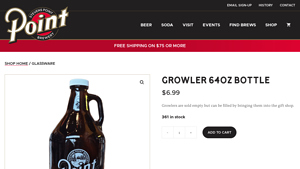
Domein: pointbeer.com
Geregistreerd: 1997 (28 jaar)
Inleiding: {“product_name”: “Growler 64oz Bottle”, “price”: “$6.99”, “description”: “Growlers are sold empty but can be filled by bringing them into the gift shop.”, “stock”: “361 in stock”, “category”: “Glassware”, “location”: “2617 Water St, Stevens Point, WI 54481”, “contact”: “(715) 344-9310”, “email”: “[email protected]”, “shop_hours”: {“Monday”: “9AM – 5PM”, “Tuesday”: “9AM – 5PM”, “Wednesday”: “9AM – …
4. Bottle Store – Amber Glass Growlers
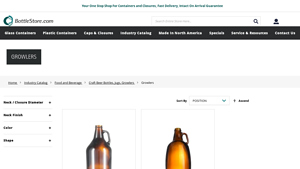
Domein: bottlestore.com
Geregistreerd: 1998 (27 jaar)
Inleiding: Growlers – Craft Beer Bottles, Jugs, Growlers – 64oz (1,920ml) Amber Glass Growler Jug – 38-405 Neck – $3.68 (PER PIECE) – 6 PIECES PER CARTON – $22.08 – As low as $20.64 (Per Carton); 64oz Amber Glass Sierra Growler Bottle – 38-405 Neck – $3.39 (PER PIECE) – 6 PIECES PER CARTON – $20.33 – As low as $17.36 (Per Carton)
5. O-I – 64 OZ GROWLER
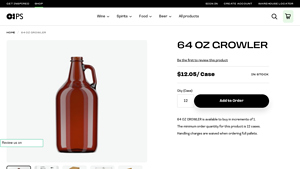
Domein: store.o-i.com
Geregistreerd: 1998 (27 jaar)
Inleiding: {‘product_name’: ’64 OZ GROWLER’, ‘price_per_case’: ‘$12.05’, ‘sku’: ‘c000000000010039654’, ‘minimum_order_quantity’: ’12 cases’, ‘handling_charges’: ‘waived when ordering full pallets’, ‘color’: ‘AMBER RED’, ‘finish_type’: ‘CONTINUOUS THREAD’, ‘shape’: ‘ROUND’, ‘height_mm’: 277.825, ‘diameter_mm’: 126.34, ‘finish_size’: 38, ‘sold_by’: ‘Case’, ‘packaging_type’: ‘CARTON’, ‘bottles_per_pallet’: 504,…
6. Fillmore Container – Glass Growlers
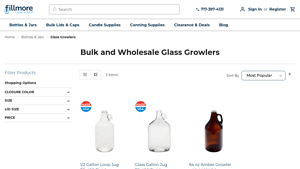
Domein: fillmorecontainer.com
Geregistreerd: 2002 (23 jaar)
Inleiding: Glass Growlers available in bulk and wholesale with fast shipping. Key products include: 1/2 Gallon Loop Jug (38-400 finish, Item ID: A1168-C~CASE6) priced at $12.35 per case of 6, Glass Gallon Jug (38-400 finish, Item ID: A128-08C~CASE4) priced at $16.40 per case of 4, and 64 oz Amber Growler with Lid (Libbey, Item ID: LB-018) priced as low as $31.40. Glass growlers are designed for storing and c…
7. Growlers – Key Considerations
Domein: reddit.nl
Geregistreerd: 2005 (20 jaar)
Inleiding: Growlers are used for transporting draft beer from breweries or pubs. Key considerations include: 1. Types: Screw tops (cheap, good for short-term storage), glass swing tops (better seal, can keep beer fresh for weeks), insulated stainless (e.g., Hydroflask, keeps beer cold for 10-12 hours but has cleaning issues), and non-insulated stainless (e.g., Brauwler, rugged, easy to clean). 2. Sizes: Comm…
Strategic Sourcing Conclusion and Outlook for growler bottle
Why is Strategic Sourcing Essential for Growler Bottle Procurement?
In the competitive landscape of beverage packaging, strategic sourcing for growler bottles offers significant advantages for B2B buyers. By prioritizing high-quality materials, such as glass and stainless steel, businesses can ensure product integrity while enhancing brand perception. Understanding regional preferences—such as the popularity of amber glass in Europe and the demand for eco-friendly options in Africa—allows for tailored sourcing strategies that resonate with local markets.
What are the Key Considerations for Sourcing Growler Bottles?
When sourcing growler bottles, consider factors such as cost-effectiveness, customization options, and supplier reliability. Building strong relationships with manufacturers can lead to better pricing and improved supply chain management. Additionally, leveraging bulk purchasing can optimize logistics and reduce overall expenses.
How Can International Buyers Prepare for Future Trends?
As sustainability becomes increasingly important, international buyers should remain vigilant about emerging trends in eco-friendly packaging solutions. Collaborating with suppliers who prioritize sustainable practices will not only enhance brand reputation but also meet evolving consumer expectations.
In conclusion, by embracing strategic sourcing practices, businesses can optimize their growler bottle procurement processes and stay ahead in a dynamic market. Engage with suppliers who understand your regional needs and position your brand for success in the global beverage industry.
 Nederlands
  English
  Español
  Português
  Français
  Deutsch
  العربية
  Русский
  日本語
日本語  한국어
한국어  Italiano