
Introduction: Navigating the Global Market for bpa water bottles
In today’s increasingly health-conscious global market, sourcing BPA water bottles presents a unique challenge for international B2B buyers. With rising concerns about the safety of plastics, particularly regarding Bisphenol A (BPA), understanding the types of materials used in water bottles and their applications is crucial. This comprehensive guide delves into the various categories of BPA water bottles, their compliance with international safety standards, and the implications of BPA-free labeling, helping buyers navigate these complexities.
This guide will empower B2B buyers from Africa, South America, the Middle East, and Europe—including key markets like Nigeria and Germany—by providing essential insights into supplier vetting, cost considerations, and sustainability practices. We will explore the manufacturing processes, highlight reputable suppliers, and discuss the regulatory landscape governing BPA use in different regions.
By equipping buyers with the knowledge needed to make informed purchasing decisions, this guide aims to enhance your sourcing strategy, ensuring that you select products that not only meet safety standards but also align with your business’s ethical and environmental commitments. In a market where consumer trust is paramount, understanding the nuances of BPA water bottles will enable you to stay ahead of trends and fulfill your customers’ expectations.
Understanding bpa water bottles Types and Variations
| Type Naam | Belangrijkste onderscheidende kenmerken | Primaire B2B-toepassingen | Korte voor- en nadelen voor kopers |
|---|---|---|---|
| Polycarbonate Bottles | Made from polycarbonate, often clear and sturdy | Food service, sports teams | Voordelen: Durable, reusable; Minpunten: BPA concerns, heavier than alternatives. |
| PET Bottles | Lightweight, clear, often single-use | Beverage industry, event promotions | Voordelen: Cost-effective, recyclable; Minpunten: Single-use limits sustainability. |
| Tritan Bottles | BPA-free, durable, and impact-resistant | Corporate gifts, outdoor activities | Voordelen: Safe, versatile; Minpunten: Higher cost compared to PET. |
| Stainless Steel Bottles | Metal construction, insulated options available | Health and wellness, corporate gifts | Voordelen: Langdurig, milieuvriendelijk; Minpunten: Higher initial investment. |
| Glazen flessen | Made from glass, often with silicone sleeves | Retail, luxury markets | Voordelen: Chemical-free, aesthetic appeal; Minpunten: Fragile, heavier to transport. |
What Are the Key Characteristics of Polycarbonate Bottles for B2B Buyers?
Polycarbonate bottles are recognized for their clarity and strength, making them a popular choice in the food service industry and among sports teams. They are reusable and can withstand high temperatures, making them suitable for various beverages. However, the presence of BPA in some polycarbonate products raises health concerns, which buyers must consider. For businesses prioritizing safety and sustainability, sourcing BPA-free alternatives is essential.
How Do PET Bottles Serve the Beverage Industry?
Polyethylene terephthalate (PET) bottles are lightweight and commonly used for single-use applications, particularly in the beverage industry. Their affordability and recyclability make them attractive for event promotions and mass distribution. However, their single-use nature can pose sustainability challenges for businesses aiming to reduce their environmental footprint. Buyers should weigh the cost benefits against the need for eco-friendly practices.
Why Choose Tritan Bottles for Corporate Gifting?
Tritan bottles are a BPA-free alternative that offers durability and impact resistance, making them suitable for corporate gifts and outdoor activities. Their versatility and safety make them appealing for businesses seeking to promote a healthy lifestyle. While they tend to be more expensive than PET bottles, their long lifespan and positive brand association can justify the investment for B2B buyers.
What Advantages Do Stainless Steel Bottles Offer?
Stainless steel bottles are an excellent option for businesses focused on health and wellness. Their insulated versions keep beverages at desired temperatures, making them popular for corporate gifts and outdoor events. While the initial investment is higher, their durability and eco-friendliness can lead to long-term savings and a positive brand image. Buyers should consider their target market’s preferences when selecting stainless steel options.
How Do Glass Bottles Appeal to Luxury Markets?
Glass bottles are often favored in retail and luxury markets due to their aesthetic appeal and chemical-free nature. They are perceived as high-quality products, making them suitable for premium beverages. However, their fragility and weight can complicate transportation and storage. B2B buyers should assess their market positioning and customer expectations when considering glass bottles as part of their product offerings.
Key Industrial Applications of bpa water bottles
| Industrie/sector | Specific Application of BPA Water Bottles | Waarde/Voordeel voor het bedrijf | Belangrijkste overwegingen bij de inkoop voor deze toepassing |
|---|---|---|---|
| Eten en drinken | Bottled Water Production | Ensures safe, portable hydration solutions for consumers. | Compliance with health regulations and certifications. |
| Sport en fitness | Reusable Water Bottles for Gyms | Promotes hydration and sustainability among fitness enthusiasts. | Material durability and ease of cleaning. |
| Outdoor and Adventure Retail | Hydration Solutions for Outdoor Gear | Provides essential hydration in outdoor activities. | Lightweight design and resistance to environmental conditions. |
| Gastvrijheid | In-Room Bottled Water Services | Enhances guest experience with convenient access to water. | Bulk sourcing and customizable branding options. |
| Wellness-programma's voor bedrijven | Employee Hydration Stations | Supports employee health and productivity through hydration. | BPA-free certifications and ergonomic designs. |
How Are BPA Water Bottles Used in the Food and Beverage Industry?
In the food and beverage sector, BPA water bottles are primarily used for bottled water production. These bottles are made from PET, which is recognized for its safety and durability. Businesses benefit by offering consumers a reliable hydration solution while adhering to stringent health and safety regulations. International buyers should consider sourcing bottles that meet local and international health standards, ensuring they are BPA-free and comply with relevant certifications.
What Role Do BPA Water Bottles Play in Sports and Fitness?
BPA water bottles are extensively utilized in gyms and fitness centers as reusable hydration solutions. These bottles encourage individuals to stay hydrated during workouts, promoting a healthier lifestyle. For B2B buyers, it is essential to focus on the durability of materials, as well as ease of cleaning to maintain hygiene. Additionally, suppliers should consider offering customizable designs to align with gym branding, enhancing customer loyalty.
How Are BPA Water Bottles Essential for Outdoor and Adventure Retail?
In the outdoor and adventure retail sector, BPA water bottles serve as crucial hydration tools for consumers engaged in activities like hiking, camping, and sports. These bottles are lightweight and designed to withstand various environmental conditions, ensuring users have access to hydration wherever they are. Buyers in this sector should prioritize sourcing bottles that are resistant to impacts and UV light, ensuring longevity and performance in outdoor settings.
What Benefits Do BPA Water Bottles Provide in the Hospitality Industry?
In hospitality, BPA water bottles are often used for in-room water services, enhancing the guest experience by providing easy access to hydration. Offering bottled water can elevate a hotel’s service level, making it more appealing to guests. B2B buyers should focus on bulk sourcing options to reduce costs and consider custom branding to improve hotel visibility. Ensuring that the bottles comply with health regulations is also critical.
How Do BPA Water Bottles Support Corporate Wellness Programs?
BPA water bottles are increasingly integrated into corporate wellness programs, encouraging employees to stay hydrated throughout the workday. This promotes health and productivity, as hydration is linked to cognitive function and overall well-being. For international buyers, it is vital to source BPA-free bottles that are ergonomically designed for comfort and ease of use. Additionally, companies may seek suppliers who offer bulk purchasing options and customizable branding to enhance employee engagement.
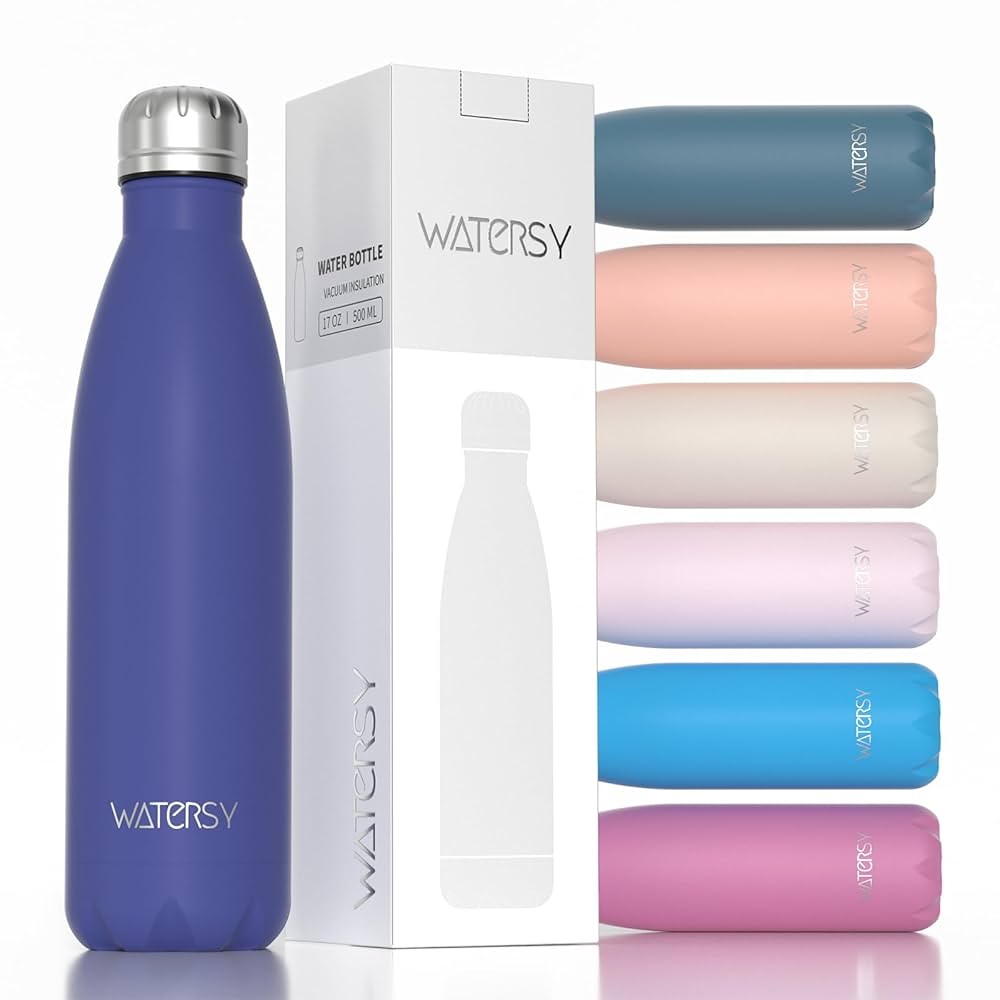
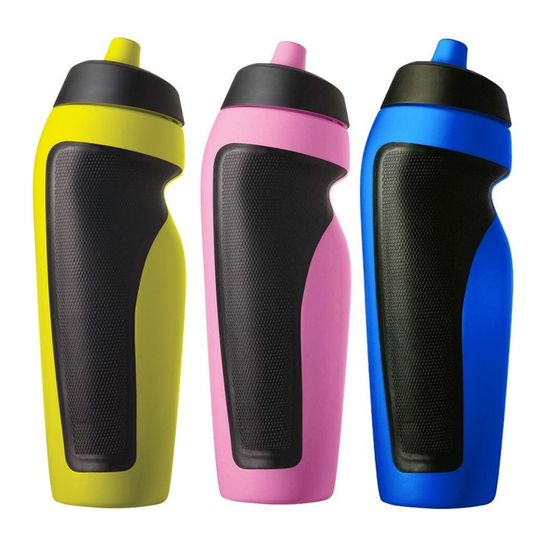
A stock image related to bpa water bottles.
3 Common User Pain Points for ‘bpa water bottles’ & Their Solutions
Scenario 1: Concerns About BPA Safety in Water Bottles
Het probleem:
B2B buyers, particularly those in the food and beverage industry, often face concerns regarding the safety of BPA in plastic water bottles. Despite many products being labeled as “BPA-free,” the lingering reputation of BPA as a harmful chemical can lead to hesitation in product selection. This fear can hinder purchasing decisions, especially when suppliers are unsure about the materials used in their products. Buyers need to reassure their customers that the products they offer are not only compliant with health regulations but also safe for consumption.
De oplossing:
To effectively address these concerns, B2B buyers should seek suppliers who provide comprehensive transparency regarding their product materials. Look for detailed documentation about the types of plastics used in water bottles. Specifically, ensure that suppliers use polyethylene terephthalate (PET) for water bottles, which is recognized as safe and does not contain BPA. Buyers can request certifications from suppliers that validate the safety of their materials and compliance with local and international regulations. Additionally, educate end consumers on the fact that most water bottles on the market today are BPA-free and made from safe materials. Consider creating informational content or pamphlets that outline the safety standards and regulations adhered to by your products, helping to build trust with your customers.
Scenario 2: Misunderstanding Recycling and Environmental Impact
Het probleem:
B2B buyers are increasingly faced with pressure to adopt sustainable practices in their operations. Many water bottles, even if BPA-free, are made from plastics that contribute to environmental degradation. Buyers may worry about the perception of their brand if they continue to use plastic products, fearing backlash from environmentally conscious consumers. This concern can complicate procurement processes and lead to a reluctance to source plastic water bottles.
De oplossing:
To mitigate these fears, B2B buyers should prioritize sourcing water bottles made from recyclable materials, particularly those with clear recycling labels. Partnering with suppliers who offer a take-back program or a robust recycling initiative can demonstrate a commitment to sustainability. Additionally, buyers should engage in educating their customers about the proper disposal and recycling of these bottles. Incorporating a sustainability message in marketing materials can also enhance brand reputation. Furthermore, consider exploring options for biodegradable or compostable alternatives that meet market demand while aligning with environmental values. By actively promoting sustainable practices, companies can turn potential criticism into a competitive advantage.
Scenario 3: Quality Control and Contamination Risks
Het probleem:
Quality control is a significant concern for B2B buyers, especially those in sectors where hygiene and product integrity are critical, such as healthcare and food services. The potential for contamination in reusable water bottles can lead to health risks, causing buyers to hesitate in selecting water bottles that may harbor bacteria or other harmful substances. This worry can lead to increased scrutiny of suppliers and their manufacturing processes.
De oplossing:
To alleviate quality control concerns, B2B buyers should establish clear quality assurance standards with their suppliers. This includes requesting information on the manufacturing processes, cleaning protocols, and testing for contaminants. Buyers should also consider sourcing water bottles that are designed for easy cleaning and sanitization. Offering reusable bottles with features such as wide mouths can facilitate thorough cleaning, reducing the risk of bacteria growth. Additionally, implementing a routine quality check protocol upon receiving shipments can ensure that all products meet hygiene standards before distribution. By taking these steps, buyers can ensure that their products not only comply with safety regulations but also reassure end-users of their commitment to quality and safety.
Strategic Material Selection Guide for bpa water bottles
When selecting materials for BPA-free water bottles, international B2B buyers must consider various factors that influence performance, safety, and compliance with regional standards. Here, we analyze four common materials used in the production of BPA-free water bottles, focusing on their properties, advantages, disadvantages, and implications for specific markets, particularly in Africa, South America, the Middle East, and Europe.
What Are the Key Properties of Polyethylene Terephthalate (PET) for Water Bottles?
Polyethylene Terephthalate (PET) is the most widely used material for water bottles. It boasts excellent clarity, lightweight characteristics, and a high resistance to impact. PET has a temperature rating of up to 60°C (140°F), making it suitable for cold and room-temperature beverages. Its corrosion resistance is notable, as it does not react with most food and beverage contents.
Voor- en nadelen: PET is cost-effective and has a low manufacturing complexity, making it a popular choice among manufacturers. However, its susceptibility to UV light can lead to degradation over time, particularly in sunny climates, which may affect the product’s shelf life.
Invloed op de toepassing: PET is compatible with a wide range of beverages, including water, soft drinks, and juices. Its lightweight nature makes it ideal for transportation, especially in regions with limited infrastructure.
Overwegingen voor internationale kopers: Buyers should ensure that PET bottles comply with local regulations such as the European Union’s food contact materials regulations and the FDA’s standards in the U.S. Familiarity with recycling codes is also crucial, as PET is widely recyclable, enhancing sustainability efforts.
How Does Polycarbonate (PC) Compare for BPA-Free Water Bottles?
Polycarbonate (PC) is a robust thermoplastic known for its high impact resistance and clarity. It can withstand temperatures up to 120°C (248°F), making it suitable for hot beverages. However, it is essential to note that while PC can be manufactured without BPA, some products may still contain it, necessitating careful sourcing.
Voor- en nadelen: The durability of polycarbonate makes it ideal for reusable water bottles, but the higher cost and manufacturing complexity can deter some buyers. Additionally, the potential for BPA leaching raises concerns among consumers, despite the availability of BPA-free options.
Invloed op de toepassing: PC is suitable for applications requiring high durability, such as outdoor and sports bottles. However, its compatibility with acidic beverages should be assessed to avoid degradation.
Overwegingen voor internationale kopers: Buyers should verify that polycarbonate products meet ASTM standards for food safety. Awareness of regional preferences for BPA-free products is also essential, especially in markets with stringent regulations.
What Advantages Does Tritan™ Provide for BPA-Free Water Bottles?
Tritan™ is a copolyester known for its clarity, toughness, and resistance to odors and stains. It can handle temperatures up to 100°C (212°F), making it versatile for various beverage types. Tritan™ is also free from BPA and similar chemicals, addressing consumer health concerns.
Voor- en nadelen: The main advantage of Tritan™ is its combination of safety and performance, making it an attractive option for manufacturers. However, it tends to be more expensive than PET and may have a higher environmental impact due to its production process.
Invloed op de toepassing: Tritan™ is suitable for both hot and cold beverages, making it versatile for different markets. Its durability and safety profile appeal to health-conscious consumers.
Overwegingen voor internationale kopers: Buyers should ensure that Tritan™ products comply with relevant safety standards, such as those set by the EU and FDA. Additionally, understanding consumer preferences in specific regions can guide product development.
What Are the Key Properties of Stainless Steel for BPA-Free Water Bottles?
Stainless steel is a popular choice for reusable water bottles due to its durability and resistance to corrosion. It can withstand extreme temperatures, making it suitable for both hot and cold beverages. Stainless steel is also non-reactive, ensuring that it does not leach chemicals into beverages.
Voor- en nadelen: The primary advantage of stainless steel is its long lifespan and recyclability. However, it is heavier than plastic alternatives and typically comes at a higher cost, which may impact pricing strategies.
Invloed op de toepassing: Stainless steel bottles are ideal for outdoor and sports applications where durability is crucial. They are also favored in markets focusing on sustainability.
Overwegingen voor internationale kopers: Buyers should be aware of the various grades of stainless steel and ensure compliance with international standards, such as those from the International Organization for Standardization (ISO). Understanding regional preferences for materials can also influence purchasing decisions.
| Materiaal | Typical Use Case for BPA-Free Water Bottles | Belangrijkste voordeel | Belangrijkste nadeel/beperking | Relatieve kosten (laag/gemiddeld/hoog) |
|---|---|---|---|---|
| Polyethyleentereftalaat (PET) | Single-use and lightweight bottles | Cost-effective and recyclable | UV degradation over time | Laag |
| Polycarbonate (PC) | Reusable bottles for hot beverages | High impact resistance | Potential BPA presence | Med |
| Tritan™ | Versatile bottles for hot and cold drinks | BPA-free and odor-resistant | Higher environmental impact | Hoog |
| Roestvrij staal | Durable outdoor and sports bottles | Long lifespan and non-reactive | Zwaarder en duurder | Hoog |
This strategic material selection guide provides insights into the various materials available for BPA-free water bottles, enabling international B2B buyers to make informed decisions based on performance, safety, and compliance with regional standards.
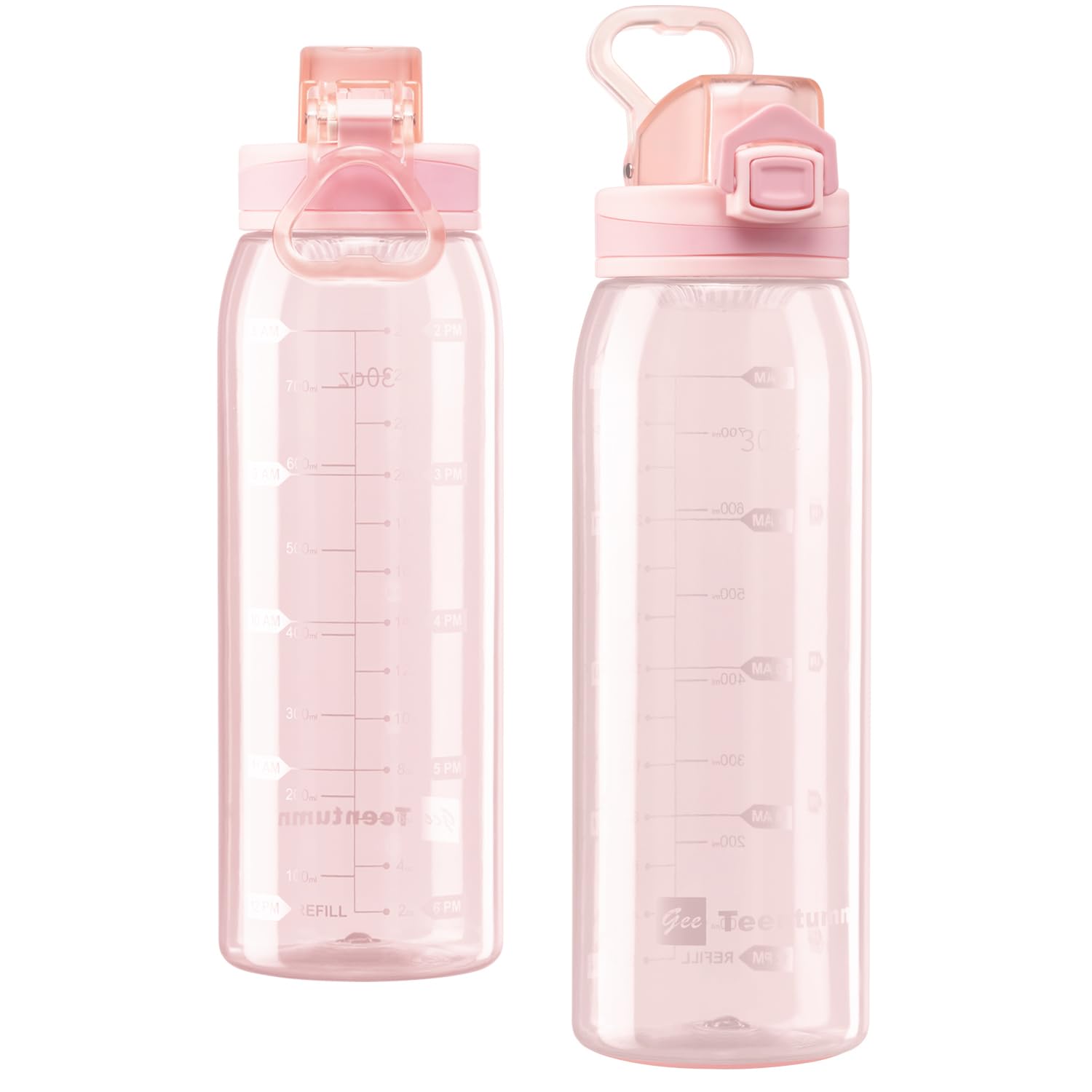
A stock image related to bpa water bottles.
In-depth Look: Manufacturing Processes and Quality Assurance for bpa water bottles
What Are the Main Stages of Manufacturing BPA Water Bottles?
Manufacturing BPA-free water bottles involves a series of well-defined stages, each critical to ensuring product quality and safety. The primary stages include material preparation, forming, assembly, and finishing. Understanding these stages allows B2B buyers to assess suppliers more effectively.
How is Material Prepared for BPA Water Bottles?
The first step in the manufacturing process is material preparation, which typically involves selecting high-quality polyethylene terephthalate (PET) resin. This material is favored because it is lightweight, strong, and recyclable, making it ideal for water bottles. Suppliers often source PET from reputable manufacturers to ensure consistency in quality.
Once the PET is acquired, it undergoes drying to remove moisture, which is crucial for preventing defects during the molding process. This step is usually conducted in a controlled environment to maintain the integrity of the resin.
What Techniques Are Used in the Forming Process?
The forming process is where the actual shape of the water bottle is created. Common techniques include injection molding and blow molding.
-
Injection Molding: This technique is used primarily for creating preforms, which are small, test-tube-like structures that will be expanded into the final bottle shape. The PET resin is heated until it melts, then injected into a mold to form the preform.
-
Blow Molding: Once the preforms are created, they are heated and placed in a mold where air is blown into them, causing them to expand into the shape of the final bottle. This process allows for the production of lightweight bottles with excellent clarity and strength.
These techniques are essential for achieving consistent product dimensions and quality, which are vital for the end-user experience.
How Are BPA Water Bottles Assembled and Finished?
After forming, the assembly stage may include adding features such as caps and labels. This is often done using automated systems to ensure precision and reduce labor costs.
The finishing stage involves several processes, including quality checks and surface treatments. Bottles may undergo additional treatments to enhance clarity, durability, or resistance to UV light. These processes not only improve the aesthetic appeal of the bottles but also extend their lifespan.
What Quality Assurance Measures Are In Place for BPA Water Bottles?
Quality assurance (QA) is a critical aspect of the manufacturing process for BPA-free water bottles, ensuring that products meet international and industry-specific standards. B2B buyers should be aware of the various QA measures in place to guarantee product safety and reliability.
Which International Standards Are Relevant for BPA Water Bottle Manufacturing?
Manufacturers typically adhere to international standards such as ISO 9001, which outlines a framework for quality management systems. Compliance with this standard indicates that the manufacturer has established processes for continuous improvement and customer satisfaction.
Additionally, other certifications like CE marking (which indicates conformity with health, safety, and environmental protection standards) and API standards (for products intended for food and beverage contact) are also important. These certifications can vary by region, so it’s essential for buyers from Africa, South America, the Middle East, and Europe to understand the specific regulations applicable to their markets.
What Are the Key Quality Control Checkpoints in Production?
Quality control (QC) checkpoints are strategically integrated throughout the manufacturing process to ensure that products meet established standards. These checkpoints typically include:
-
Inkomende kwaliteitscontrole (IQC): This involves inspecting raw materials upon arrival at the manufacturing facility. Ensuring that the PET resin meets specified criteria is crucial for the final product’s quality.
-
Kwaliteitscontrole tijdens het proces (IPQC): During the manufacturing process, random samples are taken for testing. This may involve checking the dimensions of the bottles, verifying wall thickness, and assessing the clarity and strength of the material.
-
Finale kwaliteitscontrole (FQC): Once the bottles are completed, a final inspection is conducted. This may include testing for leaks, checking for defects, and ensuring that the labeling meets regulatory requirements.
These checkpoints help in identifying and rectifying defects early in the production process, reducing waste and ensuring compliance with quality standards.
Hoe kunnen B2B-inkopers de kwaliteitscontrole van leveranciers controleren?
B2B buyers looking to establish partnerships with suppliers should take proactive steps to verify the quality control measures in place. Here are some actionable methods:
What Audit Practices Should Buyers Consider?
Conducting regular audits of potential suppliers is essential. This can involve both on-site visits and reviewing documentation. Buyers should look for evidence of adherence to international standards and any certifications that the supplier holds.
How Important Are Quality Control Reports?
Requesting quality control reports is another way to assess a supplier’s commitment to quality. These reports typically detail the results of various tests conducted during production, providing insight into the consistency and reliability of the products being manufactured.
Should Buyers Consider Third-Party Inspections?
Third-party inspections can offer an additional layer of assurance. Engaging independent organizations to evaluate the manufacturing process and product quality helps verify that suppliers adhere to the necessary standards and regulations. This is particularly crucial for international buyers who may face different regulatory environments.
What Are the Specific QC/CERT Nuances for International B2B Buyers?
For B2B buyers from regions such as Africa, South America, the Middle East, and Europe, it is vital to understand the specific nuances related to quality control and certification:
-
Regional Compliance: Different countries have varying regulations regarding materials that come into contact with food and beverages. Buyers should familiarize themselves with local laws to ensure that the products they purchase comply with these regulations.
-
Traceability: Ensure that the supplier has a robust traceability system in place. This allows for tracking the raw materials used in the production process, which is essential for addressing any potential safety issues that may arise post-purchase.
-
Culturele overwegingen: Understanding cultural differences in business practices can also be beneficial. Different regions may have varying expectations regarding quality and compliance, which can impact negotiations and supplier relationships.
By taking these factors into account, B2B buyers can make informed decisions when sourcing BPA-free water bottles, ensuring that they partner with reliable manufacturers committed to quality and safety.
Practical Sourcing Guide: A Step-by-Step Checklist for ‘bpa water bottles’
In today’s market, sourcing BPA water bottles requires careful consideration of safety, material quality, and supplier reliability. This guide offers a step-by-step checklist tailored for B2B buyers, ensuring informed purchasing decisions that meet regulatory and consumer expectations.
Stap 1: Understand Material Composition
Prioritize sourcing bottles made from polyethylene terephthalate (PET), as these are typically free from BPA. Understanding the material composition is vital because PET is recognized for its safety in food and beverage applications. Look for products with resin identification codes that confirm the absence of BPA.
Stap 2: Je technische specificaties definiëren
Clearly outline the requirements for your BPA water bottles, including size, design, and functionality. Technical specifications help in narrowing down suppliers that can meet your unique needs. Consider aspects like bottle capacity, closures, and ergonomic designs that enhance user experience.
Stap 3: Certificeringen van leveranciers controleren
Ensure that potential suppliers possess relevant certifications, such as ISO 9001 for quality management and compliance with food safety standards. Certification verification is essential to ensure that the bottles meet international safety regulations. Look for suppliers who can provide documentation demonstrating adherence to local and international guidelines.
Stap 4: Monsters aanvragen voor kwaliteitsbeoordeling
Before finalizing any orders, request samples of the BPA water bottles. Sample evaluations allow you to assess the quality, durability, and aesthetic appeal of the products. Pay close attention to the clarity, finish, and integrity of the bottles, as these factors impact both functionality and brand perception.
Stap 5: Assess Supplier Production Capabilities
Investigate the production capacity and technological capabilities of your suppliers. Understanding their production process and equipment will help you gauge whether they can meet your demand efficiently. Inquire about lead times, batch sizes, and flexibility in production to ensure they align with your business needs.
Stap 6: Check for Sustainable Practices
In today’s eco-conscious market, sourcing from suppliers who engage in sustainable practices can enhance your brand’s reputation. Look for suppliers that utilize recyclable materials and have waste reduction initiatives. This not only supports environmental goals but can also appeal to a growing base of eco-aware consumers.
Stap 7: Duidelijke communicatiekanalen opzetten
Effective communication is key to successful sourcing. Ensure that you have established clear channels for discussing requirements, addressing concerns, and negotiating terms. Regular communication can prevent misunderstandings and foster a strong working relationship with your suppliers.
By following this checklist, B2B buyers can confidently source BPA water bottles that meet safety standards, align with business objectives, and satisfy consumer demands.
Comprehensive Cost and Pricing Analysis for bpa water bottles Sourcing
What Are the Key Cost Components in Sourcing BPA Water Bottles?
Understanding the cost structure of BPA water bottles is crucial for international B2B buyers looking to optimize their sourcing strategies. The primary cost components include:
-
Materialen: The predominant material used for BPA water bottles is polyethylene terephthalate (PET), which is lightweight and recyclable. The price of PET can fluctuate based on global oil prices and demand. Additionally, any special additives or coatings for enhanced durability or aesthetics can increase material costs.
-
Arbeid: Labor costs vary significantly depending on the region of production. For instance, manufacturing in regions with lower wage standards may yield reduced labor costs, while countries with higher standards, such as Germany, will incur higher expenses.
-
Productie Overhead: This includes indirect costs such as utilities, equipment maintenance, and facility management. Efficient manufacturing processes can minimize overhead costs, impacting the overall pricing structure.
-
Gereedschap: Initial setup and tooling costs are critical, especially for custom designs. These costs can be amortized over larger production runs, making it essential to consider minimum order quantities (MOQs) when negotiating prices.
-
Kwaliteitscontrole (QC): Ensuring that the products meet international safety and quality standards often involves rigorous testing and quality assurance processes. This can add to the overall cost but is necessary for compliance and to avoid costly returns or recalls.
-
Logistiek: Shipping costs can vary dramatically based on distance, shipping method, and current freight rates. Buyers should consider both inbound logistics (from the manufacturer) and outbound logistics (to their end customers) when evaluating total costs.
-
Marge: Suppliers typically include a profit margin in their pricing, which can vary widely based on market competition and perceived value. Understanding the typical margins in your specific market can help in negotiations.
How Do Price Influencers Affect BPA Water Bottle Sourcing?
Several factors can significantly influence the pricing of BPA water bottles:
-
Volume and Minimum Order Quantity (MOQ): Larger orders generally lead to lower unit costs due to economies of scale. Buyers should negotiate MOQs that align with their inventory and cash flow capabilities.
-
Specificaties en aanpassingen: Custom designs, colors, or features can increase costs. It’s essential to clarify specifications early in the negotiation to avoid unexpected charges later in the process.
-
Materialen en kwaliteitscertificaten: Bottles made from higher-quality materials or those that meet certain certifications (e.g., FDA approval) may come at a premium. Buyers should assess whether these certifications are necessary for their target markets.
-
Factoren van leveranciers: The reputation and reliability of the supplier can impact pricing. Established suppliers may charge higher prices but offer greater security and quality assurance.
-
Incoterms: Understanding Incoterms (International Commercial Terms) is vital for clarifying responsibilities and costs associated with shipping. Terms such as FOB (Free On Board) or CIF (Cost, Insurance, and Freight) can significantly affect the total landed cost of the bottles.
What Buyer Tips Can Enhance Cost-Efficiency in Sourcing BPA Water Bottles?
For international B2B buyers, particularly those from Africa, South America, the Middle East, and Europe, the following tips can enhance cost-efficiency:
-
Effectief onderhandelen: Engage suppliers in discussions about pricing, especially for bulk orders. Be prepared to discuss your own volume needs and long-term purchasing potential.
-
Consider Total Cost of Ownership (TCO): Evaluate not just the purchase price but also shipping, handling, storage, and potential quality issues. A lower upfront cost may lead to higher overall expenses if quality is compromised.
-
Stay Informed About Market Trends: Prices for materials and logistics can fluctuate. Keeping abreast of market trends can help buyers time their purchases more strategically.
-
Understand Pricing Nuances for Different Regions: Different regions may have varying standards and expectations regarding pricing. Understanding these nuances can provide leverage during negotiations and help in selecting the right suppliers.
In conclusion, while sourcing BPA water bottles, B2B buyers must navigate a complex landscape of costs and pricing influencers. By focusing on these elements, buyers can make informed decisions that maximize cost-efficiency and quality in their procurement processes. Prices may vary significantly based on the factors mentioned, so it’s essential to remain vigilant and adaptable in your sourcing strategies.
Alternatives Analysis: Comparing bpa water bottles With Other Solutions
In the quest for safe and sustainable hydration solutions, businesses are increasingly evaluating alternatives to traditional BPA water bottles. As concerns about health and environmental impact rise, understanding the advantages and disadvantages of various options can guide buyers in making informed decisions. Below, we compare BPA water bottles with two viable alternatives: stainless steel water bottles and glass water bottles.
| Vergelijkingsaspect | BPA Water Bottles | Stainless Steel Water Bottles | Glazen waterflessen |
|---|---|---|---|
| Prestaties | Lightweight, durable, and recyclable; maintains temperature for a limited time. | Excellent insulation, keeps beverages cold or hot for extended periods. | Non-reactive, preserves taste and purity; heavy and fragile. |
| Kosten | Generally low-cost, often found in bulk. | Moderate to high cost, depending on brand and features. | Higher initial cost but reusable and long-lasting. |
| Gemak van implementatie | Readily available and easy to use. | Requires maintenance (cleaning) but no special handling needed. | Requires careful handling to prevent breakage; cleaning can be cumbersome. |
| Onderhoud | Low maintenance, but should be recycled properly. | Requires occasional deep cleaning to prevent rust and odor. | Requires careful washing and drying; may need replacements if broken. |
| Beste gebruikscasus | Ideal for casual, one-time use in various settings. | Best for outdoor activities, travel, and repeated use. | Suitable for home and office settings where breakage risk is minimal. |
What Are the Pros and Cons of Stainless Steel Water Bottles?
Stainless steel water bottles offer a robust alternative to BPA water bottles, renowned for their durability and insulation capabilities. They keep beverages hot or cold for extended periods, making them ideal for outdoor adventures or long commutes. However, they come with a higher price tag and require regular maintenance to prevent rust and odor. Additionally, while they are recyclable, they are less eco-friendly compared to glass due to the energy-intensive manufacturing process.
What Are the Advantages and Disadvantages of Glass Water Bottles?
Glass water bottles are celebrated for their non-reactive nature, which preserves the taste and purity of beverages. They are an excellent choice for consumers concerned about chemical leaching, as they do not contain BPA or similar substances. However, the fragility of glass makes it less suitable for active lifestyles, as breakage is a significant concern. Furthermore, glass bottles typically have a higher upfront cost and require careful handling, which may not align with the needs of every business.
How Can B2B Buyers Choose the Right Solution for Their Needs?
When selecting between BPA water bottles and their alternatives, B2B buyers should consider their specific use cases, budget constraints, and environmental goals. For organizations prioritizing cost-effectiveness and convenience, BPA water bottles may still be a viable option, especially for events or promotional giveaways. Conversely, businesses aiming for sustainability and durability should lean towards stainless steel or glass solutions, weighing the trade-offs of cost and maintenance. Ultimately, the right choice will depend on the organization’s values, target audience, and operational requirements.
Essential Technical Properties and Trade Terminology for bpa water bottles
What Are the Key Technical Properties of BPA Water Bottles for B2B Buyers?
When sourcing BPA-free water bottles, understanding specific technical properties is crucial for making informed purchasing decisions. Here are several key specifications that impact quality, safety, and functionality.
1. Material Grade: Why Is It Important for Quality Assurance?
BPA water bottles are primarily made from polyethylene terephthalate (PET), a plastic known for its durability and safety in food contact applications. Material grade refers to the quality and specific formulation of the plastic used. High-grade PET is essential for ensuring bottles are lightweight, resistant to impact, and free from harmful chemicals. For B2B buyers, selecting high-quality material grades can lead to better product performance and customer satisfaction.
2. Resin Identification Code: How Can It Help in Sourcing?
The resin identification code is a critical element for identifying the type of plastic used in water bottles. For PET, this code is typically “1,” which helps buyers quickly ascertain the material’s safety and recyclability. Understanding this code can guide procurement strategies, ensuring compliance with regional regulations and consumer safety standards.
3. Tolerance Levels: Why Are They Critical in Manufacturing?
Tolerance levels refer to the permissible limits of variation in the dimensions of the water bottles. Precise tolerances are crucial for ensuring that lids fit securely and that bottles can withstand pressure without leaking. For B2B transactions, adhering to specified tolerances minimizes production defects, reduces waste, and ultimately leads to cost savings.
4. Capacity and Dimensions: How Do They Affect Logistics and Usage?
Capacity is a fundamental property that defines how much liquid a bottle can hold, typically ranging from 500ml to 2 liters. Understanding the dimensions of the bottles is equally important, as it impacts shipping costs and storage efficiency. For international buyers, knowing these specifications can facilitate better logistics planning and inventory management.
5. Recyclability: What Should Buyers Know About Environmental Impact?
Recyclability is an increasingly critical factor in B2B purchasing decisions. PET is widely accepted in recycling programs globally, which appeals to environmentally conscious consumers and businesses. Choosing BPA-free bottles with high recyclability can enhance a company’s sustainability profile and align with global trends toward eco-friendly products.
What Are the Common Trade Terms Related to BPA Water Bottles?
Understanding industry jargon is essential for effective communication and negotiations in the B2B market. Here are some common terms you should know.
1. OEM (Original Equipment Manufacturer): What Role Does It Play?
An OEM refers to a company that produces parts or equipment that may be marketed by another manufacturer. In the context of BPA water bottles, OEM partnerships can be beneficial for buyers seeking custom designs or specific branding on their products. This relationship can streamline the supply chain and ensure quality control.
2. MOQ (Minimum Order Quantity): How Does It Affect Your Purchase?
MOQ is the minimum number of units that a supplier is willing to sell in a single order. Understanding MOQ is vital for B2B buyers to ensure they meet the supplier’s requirements while also managing inventory levels effectively. This can impact budgeting and cash flow, particularly for smaller businesses.
3. RFQ (Request for Quotation): What Is Its Importance?
An RFQ is a document sent to suppliers requesting price quotes for specific products. For BPA water bottles, an RFQ can help buyers compare prices, terms, and conditions from multiple suppliers. This process is essential for making informed purchasing decisions and optimizing procurement strategies.
4. Incoterms (International Commercial Terms): How Do They Facilitate Trade?
Incoterms are internationally recognized terms that define the responsibilities of buyers and sellers in international trade. Understanding these terms is crucial for B2B transactions, as they clarify shipping costs, insurance, and risk management. Proper use of Incoterms can lead to smoother logistics and fewer disputes between trading partners.
By familiarizing yourself with these technical properties and trade terms, you can enhance your procurement processes and make more informed decisions when sourcing BPA water bottles.
Navigating Market Dynamics and Sourcing Trends in the bpa water bottles Sector
What Are the Current Market Dynamics and Key Trends in the BPA Water Bottles Sector?
The global market for BPA water bottles is witnessing significant transformations driven by rising health consciousness and regulatory shifts across various regions. With an increasing number of consumers and businesses prioritizing health and safety, the demand for BPA-free alternatives is on the rise. International B2B buyers, particularly in Africa, South America, the Middle East, and Europe, should note that the focus is shifting towards materials that do not compromise consumer health while also adhering to strict regulatory standards.
Emerging technologies in manufacturing and sourcing are reshaping the landscape. For instance, advancements in recycling technologies and the development of biodegradable alternatives are gaining traction. Companies are leveraging digital platforms for streamlined sourcing, improving supply chain transparency and efficiency. Blockchain technology is being explored to trace the origins of materials, ensuring compliance with safety standards and ethical sourcing practices.
The market is also responding to fluctuating consumer preferences, with a notable trend towards personalized and branded BPA-free water bottles. This trend not only enhances customer engagement but also provides opportunities for businesses to differentiate their offerings. As international buyers navigate these dynamics, they should prioritize suppliers who exhibit adaptability and innovation in their product lines.
How Is Sustainability and Ethical Sourcing Shaping the BPA Water Bottles Industry?
Sustainability has become a crucial factor in the sourcing of BPA water bottles, especially as environmental concerns grow globally. The production and disposal of plastic have significant environmental impacts, prompting businesses to seek alternatives that minimize their carbon footprint. For B2B buyers, this means prioritizing suppliers who utilize recycled PET (rPET) or other eco-friendly materials in their products.
Ethical supply chains are also gaining importance, as consumers increasingly demand transparency regarding sourcing practices. Companies that can provide certifications for sustainability, such as ISO 14001 or the Global Recycled Standard, are more likely to attract conscientious buyers. Moreover, sourcing BPA-free products aligns with growing regulatory pressures, as many governments are implementing stricter regulations on materials that pose health risks.
Investing in ‘green’ certifications not only enhances brand reputation but can also open doors to new markets, particularly in regions where environmental regulations are stringent. B2B buyers should consider suppliers that demonstrate a commitment to sustainable practices, as this will not only resonate with consumers but also ensure compliance with evolving regulatory landscapes.
What Has Been the Evolution of BPA Water Bottles and Their Impact on B2B Sourcing?
The evolution of BPA water bottles dates back to the early 1960s when plastics began to gain prominence in consumer goods. Initially, polycarbonate plastic, which contains BPA, was widely used due to its durability and clarity. However, growing health concerns over BPA’s potential endocrine-disrupting effects led to increased scrutiny and a shift towards safer alternatives.
By the late 2000s, the market saw a significant decline in the use of BPA in water bottles, with manufacturers rapidly transitioning to BPA-free plastics, such as PET. This shift not only addressed consumer health concerns but also aligned with emerging regulatory requirements across various regions, particularly in Europe and North America.
Today, the evolution continues as suppliers innovate with materials that are not only BPA-free but also sustainable, marking a significant shift in the market. For B2B buyers, understanding this evolution is crucial for making informed sourcing decisions that align with consumer preferences and regulatory standards. Investing in suppliers that embrace this evolution can provide a competitive advantage in a rapidly changing market.
Frequently Asked Questions (FAQs) for B2B Buyers of bpa water bottles
-
How do I determine if BPA water bottles are safe for my business?
To assess the safety of BPA water bottles, confirm they are made from polyethylene terephthalate (PET) or other BPA-free materials. Look for the resin identification code on the bottle, which should indicate PET (typically marked with a “1”). Additionally, consult certifications from regulatory bodies such as the FDA or equivalent organizations in your region to ensure compliance with safety standards. Regularly reviewing supplier documentation can help you maintain safety assurance in your product offerings. -
What is the best material for BPA water bottles in international markets?
The best material for BPA water bottles is polyethylene terephthalate (PET), as it is lightweight, recyclable, and does not contain BPA. PET is widely accepted in international markets due to its safety profile and regulatory approval across various regions. Additionally, consider the environmental impact and consumer preferences for sustainable materials, such as recycled plastics or biodegradable options, which can enhance your brand’s reputation in eco-conscious markets. -
How can I find reliable suppliers for BPA water bottles?
To find reliable suppliers, utilize online B2B marketplaces such as Alibaba, Global Sources, or industry-specific platforms. Attend trade shows and exhibitions related to packaging and consumer goods to network with potential suppliers. Verify their credibility by checking customer reviews, requesting samples, and reviewing certifications such as ISO and FDA compliance. Establishing direct communication with suppliers can also help assess their reliability and responsiveness. -
What are typical minimum order quantities (MOQs) for BPA water bottles?
Minimum order quantities (MOQs) for BPA water bottles vary by supplier and production capabilities, generally ranging from 1,000 to 10,000 units. Smaller orders may be available but often at a higher per-unit cost. It’s advisable to negotiate MOQs based on your initial needs and future projections, ensuring that the supplier can accommodate your scaling requirements as your business grows. -
What customization options should I consider when sourcing BPA water bottles?
When sourcing BPA water bottles, consider customization options such as size, shape, color, and branding elements like logos and labels. Many suppliers offer the ability to create unique designs or incorporate features like spouts or built-in straws. Discuss your specific requirements during the sourcing process to ensure that the final product aligns with your brand identity and meets consumer expectations. -
What payment terms are commonly offered for BPA water bottles in international trade?
Common payment terms for international trade of BPA water bottles include a 30% deposit upon order confirmation and the remaining 70% before shipment. Some suppliers may offer letters of credit or payment through platforms like PayPal for added security. It’s essential to establish clear terms upfront, including acceptable currencies, payment methods, and timelines to ensure a smooth transaction process. -
How do I ensure quality assurance (QA) for my BPA water bottles?
To ensure quality assurance, request samples from suppliers before placing large orders to evaluate the product’s quality and compliance with your specifications. Implement quality control checks during the production process and consider hiring third-party inspection services to verify that products meet your standards before shipment. Establishing a clear QA protocol with your suppliers can prevent issues and maintain product consistency. -
What logistics considerations should I keep in mind when importing BPA water bottles?
When importing BPA water bottles, consider logistics factors such as shipping methods, lead times, and customs regulations in your destination country. Choose a reliable freight forwarder who understands the intricacies of international shipping and can help navigate any potential tariffs or import restrictions. Additionally, plan for warehousing and distribution to ensure that you can meet customer demand promptly upon arrival.
Belangrijke disclaimer en gebruiksvoorwaarden
⚠️ Belangrijke disclaimer
De informatie in deze gids, inclusief inhoud over fabrikanten, technische specificaties en marktanalyses, is uitsluitend bedoeld voor informatieve en educatieve doeleinden. Het is geen professioneel aankoopadvies, financieel advies of juridisch advies.
Hoewel we al het mogelijke hebben gedaan om de nauwkeurigheid en actualiteit van de informatie te garanderen, zijn we niet verantwoordelijk voor eventuele fouten, weglatingen of verouderde informatie. Marktomstandigheden, bedrijfsgegevens en technische normen kunnen veranderen.
B2B-kopers moeten hun eigen onafhankelijke en grondige due diligence uitvoeren voordat je een aankoopbeslissing neemt. Dit houdt in dat u rechtstreeks contact moet opnemen met leveranciers, certificeringen moet controleren, monsters moet aanvragen en professioneel advies moet inwinnen. Het risico van het vertrouwen op informatie in deze gids wordt uitsluitend gedragen door de lezer.
Top 8 Bpa Water Bottles Manufacturers & Suppliers List
1. BPA Awareness – Safe Water Bottle Alternatives
Domein: reddit.nl
Geregistreerd: 2005 (20 jaar)
Inleiding: The text discusses concerns about BPA (Bisphenol A) in water bottles, highlighting the lack of labeling indicating whether bottles are BPA-free. The author expresses anxiety about the potential health risks associated with BPA and seeks alternatives for drinking water, mentioning the use of a stainless steel bottle and concerns about well water that hasn’t been tested.
2. BPA – Key Component in Plastics
Domein: science.howstuffworks.com
Geregistreerd: 1998 (27 jaar)
Inleiding: BPA (Bisphenol A) is a key component in polycarbonate plastics used in water bottles, baby bottles, food storage containers, and various other items. BPA is found in the epoxy resins that line tin cans and in dental sealants. Products labeled “BPA free” do not contain bisphenol A, but may include other bisphenols like bisphenol F and bisphenol S, which could pose similar health risks. The FDA regu…
3. Brio – BPA-Free Water Bottles
Domein: briowater.com
Registered: 2015 (10 years)
Inleiding: This company, Brio – BPA-Free Water Bottles, is a notable entity in the market. For specific product details, it is recommended to visit their website directly.
4. The Water Bottle Store – BPA Free Reusable Bottles
Domein: thewaterbottlestore.com
Geregistreerd: 2005 (20 jaar)
Inleiding: BPA Free Plastic Reusable Water Bottles available in various sizes and brands including Asobu, Aquaovo, Beachcomber, BKR, Bluewave, Boon Supply, Bubi, EarthLust, EcoVessel, Kid Basix, KOR, Nalgene, New Wave Enviro, and more. Sizes range from under 8oz to 5 gallons, with options for insulated, collapsible, filtered, freezable, and infuser water bottles. Products include specific models like the ASO…
5. Cancer Council – Plastic Bottle Safety
Domein: cancer.org.au
Inleiding: It is safe to drink water out of plastic bottles without a risk of cancer, even when the bottles have been left in hot cars, frozen, or reused. There is no scientific evidence to support claims that these practices release damaging chemicals. BPA, often cited as a concern, is deemed safe by Food Standards Australia New Zealand. However, bacteria and fungi can grow in bottled water if left for a lo…
6. Hydrocell – BPA Free Water Bottles
Domein: hydrocellusa.com
Geregistreerd: 2017 (8 jaar)
Inleiding: To determine if a water bottle is BPA free, check for recycling codes: safe codes are 1 (PET), 2 (HDPE), 4 (LDPE), and 5 (PP). Avoid codes 3 (PVC), 6 (PS), and 7 (may contain BPA). Ensure the bottle does not contain polycarbonate or epoxy liners, as these can leach BPA. Alternatives like BPF and BPS should also be avoided. Hydro Cell water bottles are made from 18/8 stainless steel, which is resis…
7. BBC – Health Risks of Plastic Water Bottles
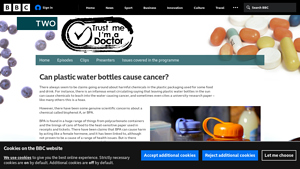
Domein: bbc.co.uk
Geregistreerd: 1996 (29 jaar)
Inleiding: The text discusses the potential health risks associated with plastic water bottles, specifically focusing on the chemical bisphenol A (BPA). It explains that BPA is found in various plastic products and has been linked to health concerns, although there is no conclusive evidence that everyday exposure to BPA is harmful to humans. The text provides guidance on identifying BPA in plastics, stating …
8. BottleStore – BPA Free Plastic Solutions
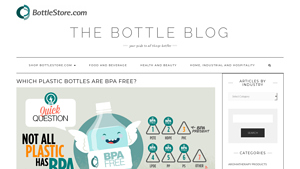
Domein: blog.bottlestore.com
Geregistreerd: 1998 (27 jaar)
Inleiding: BPA Free Plastic Bottles, Jars, and Jugs available at BottleStore. Resins that do not contain BPA include PET, HDPE, LDPE, PP, and PS. To identify BPA-free plastic, look for recycling codes 1, 2, 4, 5, or 6. Codes 3 (PVC) likely contain BPA, and code 7 is indeterminate. BottleStore provides a selection of BPA-free plastic containers.
Strategic Sourcing Conclusion and Outlook for bpa water bottles
How Can Strategic Sourcing Enhance Your BPA Water Bottle Procurement?
In summary, strategic sourcing for BPA water bottles is essential for international buyers seeking quality, safety, and compliance. Understanding that the majority of plastic water bottles are made from PET and do not contain BPA can reassure buyers about the safety of these products. Furthermore, with robust regulations ensuring that food-grade plastics meet safety standards, B2B buyers can confidently source BPA water bottles that align with health and environmental expectations.
As markets in Africa, South America, the Middle East, and Europe evolve, the demand for safe and sustainable packaging solutions continues to rise. Buyers are encouraged to prioritize suppliers who demonstrate transparency regarding their materials and practices. By establishing strong partnerships with manufacturers committed to quality, businesses can enhance their product offerings and build consumer trust.
Looking ahead, the focus on sustainability and health will drive innovation within the water bottle market. International buyers should actively seek out suppliers who are not only compliant with current regulations but also proactive in adopting eco-friendly practices. Embrace this opportunity to lead in a competitive landscape by aligning your sourcing strategies with the future of BPA water bottles.
 Nederlands
  English
  Español
  Português
  Français
  Deutsch
  العربية
  Русский
  日本語
日本語  한국어
한국어  Italiano