Introduction: Navigating the Global Market for tritan drinks bottle
The global market for Tritan drink bottles presents a unique set of challenges for international B2B buyers, particularly when it comes to sourcing high-quality, durable, and safe hydration solutions. As the demand for reusable water bottles continues to rise across diverse regions—including Africa, South America, the Middle East, and Europe—companies must navigate a complex landscape of suppliers, materials, and pricing structures. This guide aims to empower B2B buyers with the knowledge necessary to make informed purchasing decisions in this competitive market.
Within these pages, you will find a comprehensive overview of Tritan drink bottles, detailing various types and applications, from kid-friendly designs to robust outdoor options. We will delve into the key benefits of Tritan, such as its durability, safety, and ease of cleaning, which make it a preferred material for hydration products. Additionally, this guide will offer actionable insights on vetting suppliers, understanding cost implications, and recognizing market trends to ensure you choose the right products for your business needs.
By leveraging the information contained in this guide, B2B buyers can confidently approach their sourcing strategies, ensuring they meet the demands of their customers while adhering to safety and quality standards. Prepare to enhance your procurement process with a deep understanding of the Tritan drink bottle market, tailored specifically for your region and business objectives.
Understanding tritan drinks bottle Types and Variations
| Type Name | Key Distinguishing Features | Primary B2B Applications | Brief Pros & Cons for Buyers |
|---|---|---|---|
| Standard Tritan Bottle | Lightweight, BPA-free, various sizes (12oz-64oz) | Retail, fitness, corporate gifting | Pros: Versatile, affordable; Cons: Less insulation. |
| Insulated Tritan Bottle | Double-walled for temperature retention | Outdoor activities, corporate events | Pros: Keeps drinks hot/cold; Cons: Higher cost. |
| Kids’ Tritan Bottle | Fun designs, easy-grip, spill-proof features | Schools, childcare, family products | Pros: Attractive to children, durable; Cons: Limited volume options. |
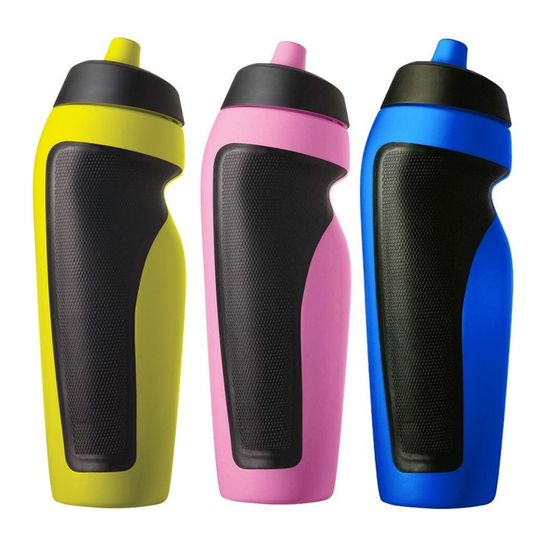
| Sports Tritan Bottle | Ergonomic design, often with straws or spouts | Gyms, sports teams, outdoor retailers | Pros: Convenient for active users; Cons: May not be suitable for all beverages. |
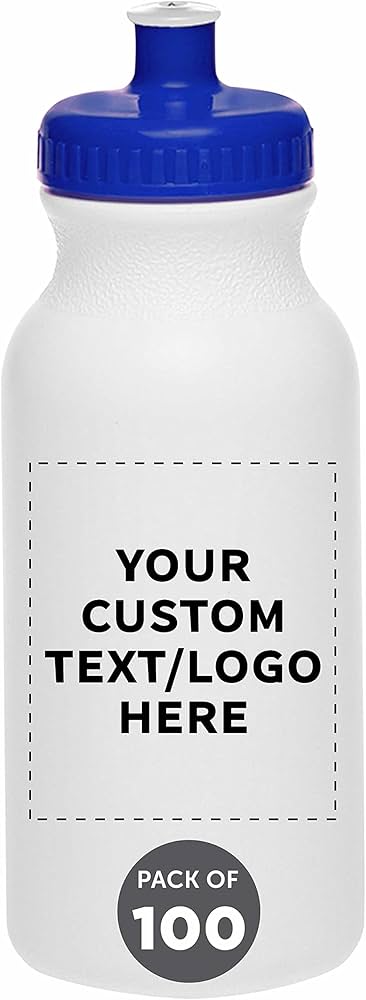
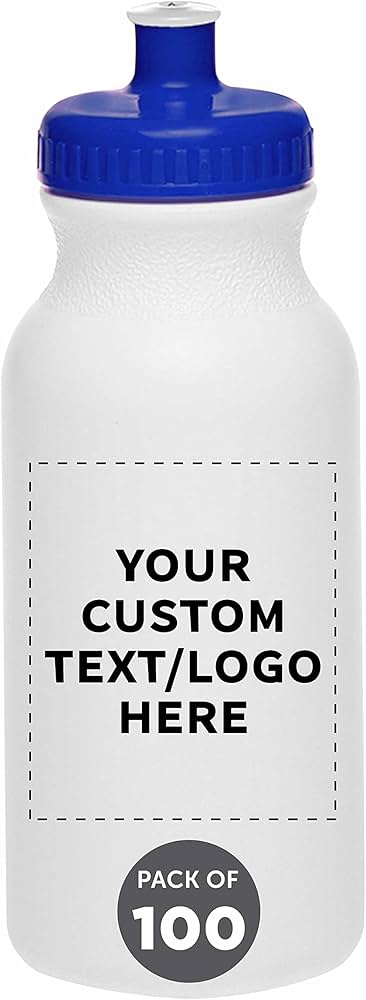
| Customizable Tritan Bottle | Options for branding and personalization | Promotional products, giveaways | Pros: Enhances brand visibility; Cons: Minimum order quantities may apply. |
What are the Characteristics of Standard Tritan Bottles?
Standard Tritan bottles are designed for everyday use, offering a lightweight and BPA-free solution that appeals to a broad range of consumers. Available in various sizes, from 12oz to 64oz, they cater to different hydration needs. These bottles are primarily used in retail environments, fitness centers, and as corporate gifts. When purchasing, B2B buyers should consider factors such as bulk pricing, branding opportunities, and the specific needs of their target audience.
How Do Insulated Tritan Bottles Stand Out?
Insulated Tritan bottles feature a double-walled design that effectively maintains the temperature of liquids for extended periods, making them ideal for outdoor activities and corporate events. These bottles are highly valued in B2B settings where clients seek durable, high-performance drinkware. Buyers should evaluate insulation performance, material quality, and potential customization options to enhance brand visibility when making purchasing decisions.
Why Choose Kids’ Tritan Bottles for B2B Applications?
Kids’ Tritan bottles are designed with vibrant colors and fun shapes that appeal to children, making them perfect for schools, childcare centers, and family-oriented products. These bottles often include easy-grip designs and spill-proof features, ensuring durability and functionality. B2B buyers should focus on safety certifications, volume options, and the appeal of designs to parents when selecting these products for resale or promotional use.
What Makes Sports Tritan Bottles Ideal for Active Lifestyles?
Sports Tritan bottles are ergonomically designed for ease of use during physical activities, often incorporating straws or spouts for quick hydration. These bottles are popular in gyms, among sports teams, and outdoor retailers. When considering a purchase, B2B buyers should assess the practicality of the design, the durability of materials, and how well the product meets the needs of active consumers.
How Can Customizable Tritan Bottles Enhance Brand Visibility?
Customizable Tritan bottles offer businesses the opportunity to enhance their brand visibility through personalized designs and logos. These bottles are frequently used as promotional products or giveaways, making them a strategic choice for marketing campaigns. Buyers should be aware of minimum order quantities, lead times for customization, and the overall impact of branding on consumer perception when selecting these products for their business needs.
Key Industrial Applications of tritan drinks bottle
| Industry/Sector | Specific Application of Tritan Drinks Bottle | Value/Benefit for the Business | Key Sourcing Considerations for this Application |
|---|---|---|---|
| Food and Beverage | Reusable water bottles for restaurants and cafes | Enhances customer experience and promotes sustainability | Ensure compliance with food safety regulations; consider branding options. |
| Education | Hydration solutions for schools and daycare centers | Encourages healthy habits among children; reduces single-use plastic waste | Focus on safety (BPA-free), durability, and ease of cleaning. |
| Fitness and Recreation | Water bottles for gyms and outdoor sports events | Increases brand visibility; promotes hydration culture among members | Look for designs that are portable, shatter-resistant, and easy to clean. |
| Travel and Tourism | Tritan bottles for hotels and travel companies | Offers guests a sustainable option; enhances brand image | Consider custom branding; ensure bottles are lightweight and durable. |
| Corporate Gifts | Promotional Tritan bottles for businesses | Strengthens brand loyalty; practical gifts for employees and clients | Evaluate customization options and bulk pricing. |
How Are Tritan Drinks Bottles Used in the Food and Beverage Industry?
In the food and beverage sector, Tritan drinks bottles serve as reusable hydration solutions in restaurants and cafes. They not only enhance the customer experience by providing a premium drinking option but also align with sustainability initiatives by reducing single-use plastic waste. Businesses must ensure that these bottles comply with food safety regulations and consider branding options to strengthen their market presence.
What Role Do Tritan Drinks Bottles Play in Education?
Tritan drinks bottles are increasingly popular in schools and daycare centers as a means to encourage hydration among children. These bottles help instill healthy habits while significantly reducing reliance on single-use plastics. When sourcing for educational institutions, buyers should prioritize safety (ensuring the bottles are BPA-free), durability for daily use, and ease of cleaning to maintain hygiene standards.
How Are Tritan Drinks Bottles Beneficial in Fitness and Recreation?
In gyms and at outdoor sports events, Tritan drinks bottles are essential for promoting hydration among members and participants. They can be customized with logos, increasing brand visibility during workouts and events. Buyers in this sector should focus on bottles that are portable, shatter-resistant, and easy to clean, catering to active lifestyles and enhancing user convenience.
Why Are Tritan Drinks Bottles Important for Travel and Tourism?
Hotels and travel companies utilize Tritan bottles to provide guests with sustainable hydration options. Offering these bottles enhances the guest experience while promoting the establishment’s commitment to environmental responsibility. Key considerations for sourcing include lightweight designs for easy transport and durability to withstand travel conditions, as well as opportunities for custom branding to reinforce the company’s image.
How Can Businesses Use Tritan Drinks Bottles as Corporate Gifts?
Tritan drinks bottles serve as practical and eco-friendly promotional gifts in corporate settings. They help strengthen brand loyalty among employees and clients by providing a useful item that promotes healthy hydration. When sourcing these bottles, businesses should evaluate customization options for logos and branding, along with bulk pricing to maximize cost efficiency.
3 Common User Pain Points for ‘tritan drinks bottle’ & Their Solutions
Scenario 1: Ensuring Durability for High-Use Environments
The Problem: B2B buyers in sectors such as hospitality, outdoor recreation, or education often face challenges with drinkware that can withstand rigorous daily use. Tritan drink bottles, while known for their durability, may still experience wear and tear, leading to concerns about breakage and the need for frequent replacements. This can result in increased costs and dissatisfaction among customers who expect reliable products that hold up in demanding environments.
The Solution: To address this issue, buyers should prioritize sourcing Tritan bottles that are specifically designed for high-impact resistance. When evaluating suppliers, look for bottles that are marketed as shatter-proof and have been tested under various conditions. Additionally, consider the design features such as reinforced handles and leak-proof seals that enhance usability in active settings. Establishing a relationship with manufacturers who offer warranties can also provide peace of mind, ensuring that any defective units can be replaced without additional costs. Regularly reviewing and testing the bottles in real-world scenarios can help ensure they meet the durability expectations required for heavy use.
Scenario 2: Managing Safety and Compliance Regulations
The Problem: International B2B buyers, especially those in the food and beverage industry, must navigate complex safety regulations regarding materials used in drinkware. With concerns around BPA and other harmful chemicals, sourcing Tritan bottles that comply with both local and international safety standards can be daunting. Buyers risk legal repercussions and damage to their brand reputation if they inadvertently choose non-compliant products.
The Solution: To mitigate these risks, buyers should conduct thorough research into the compliance certifications of Tritan bottles. Look for products that have been certified by relevant authorities, such as the FDA in the United States or equivalent organizations in other regions. Request documentation from suppliers that clearly outlines the materials used and their compliance with safety regulations. It is also beneficial to choose manufacturers that provide transparent information about their sourcing and production processes. Engaging in regular audits of suppliers can further ensure ongoing compliance and quality assurance.
Scenario 3: Addressing Aesthetic Versatility for Branding
The Problem: For B2B buyers in the promotional products industry, the aesthetic appeal of Tritan drink bottles is crucial for branding and customer engagement. However, many standard models may lack the customization options that businesses desire, leading to missed marketing opportunities and a diluted brand presence. Buyers often struggle to find bottles that align with their brand colors and messaging.
The Solution: Buyers should prioritize suppliers who offer a wide range of customization options, including color choices, printing techniques, and unique shapes. Investigate manufacturers that specialize in branded drinkware and can accommodate specific design requests, ensuring that the Tritan bottles can be tailored to reflect your brand identity. Additionally, consider bulk orders that allow for price negotiations on custom designs, providing a cost-effective way to enhance marketing efforts. Participating in design consultations with suppliers can also lead to innovative solutions that resonate with target audiences and elevate brand visibility.
Strategic Material Selection Guide for tritan drinks bottle
What Are the Key Properties of Tritan for Drink Bottles?
Tritan is a copolyester material known for its exceptional durability and safety features. It can withstand temperatures ranging from -40°F to 212°F, making it suitable for both hot and cold beverages. Tritan is also shatter-resistant, which is a crucial property for drinkware intended for outdoor use or in environments where accidental drops may occur. Additionally, Tritan is free from BPA, BPS, and EA, ensuring that it meets global safety standards for food contact materials.
What Are the Pros and Cons of Using Tritan in Drink Bottles?
Pros:
1. Durability: Tritan is highly resistant to impacts and scratches, making it ideal for long-term use.
2. Chemical Safety: The absence of harmful chemicals ensures consumer safety, which is a significant selling point in many markets.
3. Easy to Clean: Tritan bottles are dishwasher safe and resistant to staining and odors, enhancing user convenience.
Cons:
1. Cost: Tritan is generally more expensive than traditional plastics, which may impact pricing strategies for B2B buyers.
2. Manufacturing Complexity: The production process for Tritan can be more complex, potentially leading to longer lead times.
How Does Tritan Impact Application in Various Markets?
Tritan’s properties make it suitable for a wide range of applications, including hydration bottles, nutritional shaker bottles, and lidded tumblers. Its high-temperature stability allows it to handle various liquids without deforming, making it versatile for different consumer needs. For international buyers, especially in regions like Africa and South America, Tritan’s durability and safety can be a strong selling point against cheaper alternatives.
What Should International B2B Buyers Consider When Choosing Tritan?
When sourcing Tritan drink bottles, international buyers should be aware of compliance with local and international standards such as ASTM, DIN, and JIS. In regions like the Middle East and Europe, products must meet stringent safety regulations, which Tritan inherently satisfies due to its chemical composition. Additionally, buyers should consider local market preferences, which may lean towards colorful and customizable options, especially for consumer segments like children and outdoor enthusiasts.
Summary Table of Material Analysis
| Material | Typical Use Case for Tritan Drinks Bottle | Key Advantage | Key Disadvantage/Limitation | Relative Cost (Low/Med/High) |
|---|---|---|---|---|
| Tritan | Reusable hydration bottles | High durability and safety | Higher cost compared to traditional plastics | Medium |
| Polypropylene | Disposable drinkware | Cost-effective for bulk production | Less durable and may deform under heat | Low |
| Stainless Steel | Insulated drink bottles | Excellent thermal retention | Heavier and more expensive | High |
| Glass | Eco-friendly bottles | Non-reactive and aesthetic appeal | Fragile and heavy | High |
This detailed analysis provides B2B buyers with actionable insights into material selection for Tritan drink bottles, emphasizing the importance of durability, safety, and compliance in their purchasing decisions.
In-depth Look: Manufacturing Processes and Quality Assurance for tritan drinks bottle
What are the Main Stages in the Manufacturing Process of Tritan Drinks Bottles?
The production of Tritan drinks bottles involves several critical stages, each contributing to the overall quality and functionality of the final product. Understanding these stages can help B2B buyers evaluate potential suppliers more effectively.
Material Preparation
The manufacturing process begins with the selection of Tritan™, a high-performance copolyester known for its durability and safety. Raw materials are sourced from reputable suppliers and undergo quality checks to ensure compliance with safety standards. This stage includes material testing for properties such as clarity, color consistency, and absence of harmful chemicals like BPA and BPS.
Forming Techniques
Once the material is prepared, the next step is forming the bottles. Common techniques include injection molding and blow molding.
-
Injection Molding: This process involves melting the Tritan material and injecting it into a mold. The mold shapes the bottle and allows for intricate designs. This method is efficient for producing high volumes of products with consistent quality.
-
Blow Molding: In this method, a pre-formed parison (a tube of plastic) is inflated within a mold to achieve the desired bottle shape. Blow molding is particularly suitable for creating larger bottles and allows for lightweight designs without compromising strength.
Assembly and Finishing
After forming, the bottles undergo assembly, which may include adding components like lids, straws, or handles. This stage is crucial for ensuring that all parts fit securely and function properly. The finishing process typically involves surface treatments to enhance aesthetics and improve functionality, such as applying anti-slip coatings or printing logos.
How is Quality Assurance Implemented in Tritan Bottle Production?
Quality assurance (QA) is a vital aspect of Tritan bottle manufacturing, ensuring that products meet both regulatory standards and consumer expectations.
What International Standards Apply to Tritan Bottles?
B2B buyers should be aware of various international standards that govern the quality of Tritan drinks bottles:
-
ISO 9001: This standard focuses on quality management systems and is applicable across industries. It ensures that manufacturers maintain consistent quality in their processes and products.
-
CE Marking: For products sold in Europe, compliance with CE marking indicates that the product meets EU safety, health, and environmental protection standards.
-
API Standards: While more common in the pharmaceutical sector, API (American Petroleum Institute) standards can apply to specific chemical safety aspects of Tritan materials.
What Quality Control Checkpoints are Essential?
To maintain high-quality standards throughout the manufacturing process, several checkpoints are implemented:
-
Incoming Quality Control (IQC): At this stage, raw materials are inspected upon arrival to verify their quality and compliance with specifications.
-
In-Process Quality Control (IPQC): This continuous monitoring occurs during production, ensuring that any deviations from the standard are identified and corrected promptly.
-
Final Quality Control (FQC): Once production is complete, finished products undergo thorough inspections and testing to confirm they meet the required specifications and standards.
What Testing Methods are Commonly Used in Tritan Bottle Manufacturing?
Several testing methods are utilized to ensure the quality and safety of Tritan drinks bottles:
-
Mechanical Testing: This includes tests for impact resistance, tensile strength, and flexibility to ensure the bottles can withstand regular use and potential drops.
-
Chemical Testing: Bottles are tested for leachables and extractables to confirm that no harmful substances migrate into the contents.
-
Thermal Testing: Tritan bottles are tested for their ability to withstand extreme temperatures, both hot and cold, ensuring they maintain integrity under various conditions.
-
Odor and Stain Resistance Testing: Given Tritan’s characteristics, tests are conducted to verify that bottles do not retain odors or stains after repeated use.
How Can B2B Buyers Verify Supplier Quality Control?
To ensure that suppliers maintain robust quality control practices, B2B buyers can implement several strategies:
-
Supplier Audits: Regular audits allow buyers to evaluate the supplier’s adherence to quality standards and manufacturing processes. This can include reviewing documentation and visiting the production facilities.
-
Requesting Quality Reports: Buyers should ask suppliers for detailed reports on quality control processes, including testing results and compliance certifications.
-
Third-Party Inspections: Engaging third-party quality assurance firms can provide an unbiased assessment of a supplier’s quality management practices. This is particularly beneficial for international transactions where local regulations may differ.
What Are the QC and Certification Nuances for International B2B Buyers?
For international B2B buyers, particularly from regions like Africa, South America, the Middle East, and Europe, understanding local regulations and certifications is crucial. Different markets may have specific compliance requirements that suppliers must meet.
-
Regional Compliance: Buyers should be aware of local safety standards and certifications required in their markets. For instance, products sold in the EU must comply with REACH (Registration, Evaluation, Authorisation, and Restriction of Chemicals) regulations.
-
Cultural Considerations: In some regions, consumer preferences and expectations regarding safety and sustainability can influence product quality and marketing strategies. Suppliers should be prepared to adapt their products and practices to meet these diverse needs.
-
Logistical Challenges: When sourcing from international suppliers, buyers should consider the logistics of transporting products, including customs regulations and potential delays that can affect product quality.
By understanding the manufacturing processes and quality assurance measures associated with Tritan drinks bottles, B2B buyers can make informed decisions when selecting suppliers and ensuring that they receive products that meet their quality standards and market demands.
Practical Sourcing Guide: A Step-by-Step Checklist for ‘tritan drinks bottle’
Introduction
Navigating the procurement of Tritan drink bottles requires careful consideration of various factors to ensure you select the best products for your market. This step-by-step checklist is designed to guide B2B buyers through the essential steps in sourcing high-quality Tritan drink bottles, ensuring that your purchase aligns with safety standards, market needs, and supplier reliability.
1. Define Your Technical Specifications
Establish clear technical specifications that meet the demands of your target market. Consider factors such as size, color options, and design features that appeal to your customers. For instance, popular sizes may include 12oz, 20oz, or 32oz, while color choices can enhance brand recognition.
2. Research Material Quality
Ensure that the Tritan bottles you are considering are made from high-quality Tritan copolyester. This material is known for being BPA-free, durable, and resistant to stains and odors. Verify that the bottles can withstand temperature variations, making them suitable for both hot and cold beverages.
3. ✅ Verify Supplier Certifications
Before engaging with suppliers, confirm that they hold relevant certifications that comply with international safety and quality standards. Look for certifications such as FDA approval or ISO certifications, which can provide assurance of the product’s safety and reliability. This step is critical to ensure that you are sourcing products that meet regulatory requirements in your region.
4. Evaluate Supplier Experience and Reputation
Assess the experience and reputation of potential suppliers in the Tritan bottle market. Request references from previous clients, especially those in similar geographical regions. A reputable supplier should have a proven track record of delivering quality products on time, which is vital for maintaining your own business reputation.
5. Request Samples for Quality Assessment
Always request samples of the Tritan bottles before placing a bulk order. This allows you to evaluate the product’s quality firsthand, including its durability, design, and ease of use. Pay attention to the bottle’s sealing mechanism to ensure it is leak-proof, a crucial feature for customer satisfaction.
6. Compare Pricing and Payment Terms
Collect quotes from multiple suppliers and compare their pricing structures. Look beyond just the base price; consider factors such as minimum order quantities, shipping costs, and payment terms. A favorable payment plan can ease cash flow, especially when dealing with large orders.
7. Assess Logistics and Delivery Capabilities
Evaluate the logistics and delivery capabilities of your chosen supplier. Ensure they can meet your timelines and can handle international shipping if necessary. It’s beneficial to understand their shipping policies and lead times, as delays can affect your inventory and sales.
By following this checklist, B2B buyers can streamline their sourcing process for Tritan drink bottles, ensuring a reliable and efficient procurement experience that meets market demands and regulatory standards.
Comprehensive Cost and Pricing Analysis for tritan drinks bottle Sourcing
What Are the Key Cost Components in Tritan Drink Bottle Manufacturing?
When analyzing the cost structure for Tritan drink bottle sourcing, several components come into play. The primary costs include materials, labor, manufacturing overhead, tooling, quality control (QC), logistics, and the supplier’s margin.
-
Materials: Tritan copolyester is the key material used in manufacturing these bottles. Prices can fluctuate based on market demand, supplier availability, and the quality of Tritan. Typically, sourcing from established manufacturers can ensure better quality and consistency.
-
Labor: Labor costs will vary significantly depending on the region of production. In countries with lower labor costs, such as those in Africa or parts of South America, manufacturers may be able to offer competitive pricing. However, quality assurance measures can require skilled labor, which might increase costs.
-
Manufacturing Overhead: This includes utility costs, equipment maintenance, and facility management. Efficient production processes and energy-efficient technologies can help lower these costs.
-
Tooling: Initial costs for molds and specialized tools are significant but amortized over the production run. Custom designs or unique shapes will require higher upfront investments, which can affect pricing.
-
Quality Control (QC): Ensuring that products meet safety and quality standards is critical. This can involve additional inspections and testing, leading to increased costs. Certifications for food safety and BPA-free materials can also influence overall pricing.
-
Logistics: Transportation costs, warehousing, and distribution can vary widely based on geographic location and the chosen Incoterms. For international buyers, understanding shipping options and tariffs is crucial for accurate cost forecasting.
-
Supplier Margin: Each supplier will have different pricing strategies based on their market position, operational efficiencies, and the level of service they provide.
How Do Price Influencers Affect Tritan Drink Bottle Costs?
Several factors influence the pricing of Tritan drink bottles:
-
Volume/MOQ: Purchasing in bulk can significantly lower the unit price. Manufacturers often provide discounts for larger orders, making it advantageous for buyers to negotiate Minimum Order Quantities (MOQ) that align with their needs.
-
Specifications and Customization: Custom designs, colors, or features will typically incur additional costs. Clear communication about specifications at the outset can prevent unexpected price increases.
-
Materials and Quality Certifications: Higher-quality Tritan or certified materials will increase the base price. However, investing in quality can reduce long-term costs associated with customer returns or product recalls.
-
Supplier Factors: The reputation, reliability, and production capabilities of the supplier can also affect pricing. Established suppliers may charge a premium for their experience and quality assurance processes.
-
Incoterms: Understanding Incoterms is vital for international transactions. Terms like FOB (Free on Board) and CIF (Cost, Insurance, and Freight) can influence the total cost of ownership, including shipping and insurance.
What Buyer Tips Can Help in Negotiating Prices for Tritan Bottles?
For international B2B buyers, particularly in regions such as Africa, South America, the Middle East, and Europe, several strategies can help achieve cost-efficient sourcing of Tritan drink bottles:
-
Negotiate Terms: Always negotiate payment terms, delivery schedules, and prices. Establishing a good relationship with suppliers can lead to better deals and flexibility in future transactions.
-
Consider Total Cost of Ownership (TCO): Look beyond the initial purchase price. Evaluate ongoing costs, including logistics, potential returns, and customer satisfaction. High-quality bottles may have a higher upfront cost but can lead to reduced warranty claims and increased customer loyalty.
-
Leverage Local Knowledge: Utilize local agents or representatives who understand the regional market dynamics, shipping regulations, and customs duties. Their expertise can lead to better sourcing decisions and cost savings.
-
Stay Informed on Market Trends: Regularly monitor market trends for materials and production costs. Being informed can help buyers negotiate better prices and anticipate potential price increases.
-
Evaluate Multiple Suppliers: Don’t settle for the first quote. Obtaining multiple quotes can provide insight into market pricing and help identify the best value option.
Conclusion
The sourcing of Tritan drink bottles involves a complex interplay of costs and pricing factors. By understanding the cost components, price influencers, and employing strategic negotiation techniques, international B2B buyers can make informed decisions that optimize their purchasing process and ensure long-term profitability. Always remember that indicative prices can vary based on market conditions and specific supplier negotiations, so flexibility and adaptability are key to successful sourcing.
Alternatives Analysis: Comparing tritan drinks bottle With Other Solutions
Exploring Alternatives to Tritan Drinks Bottles: What Are the Options?
In the ever-evolving landscape of drinkware solutions, businesses often seek alternatives to popular products like Tritan drinks bottles. Understanding the various options available can help B2B buyers make informed decisions that align with their operational needs, budget constraints, and customer preferences. Below, we compare Tritan drinks bottles with two viable alternatives: stainless steel bottles and glass bottles.
| Comparison Aspect | Tritan Drinks Bottle | Stainless Steel Bottle | Glass Bottle |
|---|---|---|---|
| Performance | Durable, shatter-resistant, lightweight, and odor-resistant | Excellent insulation, highly durable but heavier | Heavy, breakable, excellent for taste preservation |
| Cost | Moderate ($10 – $30) | Higher ($15 – $50) | Varies ($5 – $30) |
| Ease of Implementation | Easy to manufacture and customize | Requires specialized processes for production | Simple to produce, but customization can be challenging |
| Maintenance | Dishwasher safe, easy to clean | Generally dishwasher safe, may require special care | Fragile, requires careful handling and cleaning |
| Best Use Case | Everyday hydration, sports, and outdoor activities | Hot and cold beverages, travel, and outdoor use | Home use, premium markets, and eco-conscious consumers |
In-Depth Analysis of Alternatives
Stainless Steel Bottles
Stainless steel bottles are known for their exceptional durability and insulation properties. They keep beverages hot or cold for extended periods, making them ideal for outdoor activities and travel. The higher cost of stainless steel can be justified by their longevity and performance. However, they are heavier than Tritan bottles, which may not be suitable for all users. Additionally, stainless steel requires specific manufacturing processes that can lead to increased production costs.
Glass Bottles
Glass bottles offer a premium feel and are excellent for preserving the taste of beverages. They are free from harmful chemicals like BPA and are often perceived as more environmentally friendly. However, glass is significantly heavier and more fragile than Tritan, which can limit its use in dynamic environments such as sports or outdoor activities. While glass bottles can be affordable, their breakability can lead to higher replacement costs over time.
Making the Right Choice for Your Needs
When choosing between Tritan drinks bottles and their alternatives, B2B buyers should consider several factors, including their target market, intended use cases, and budget constraints. Tritan bottles excel in durability and versatility, making them ideal for a wide range of applications, from casual everyday use to more active environments. Conversely, stainless steel bottles may appeal to consumers looking for insulation and longevity, while glass bottles attract those focused on sustainability and taste.
Ultimately, the best choice will depend on the specific requirements of the business and its customers. By evaluating these alternatives, B2B buyers can better align their drinkware offerings with market demands and enhance customer satisfaction.
Essential Technical Properties and Trade Terminology for tritan drinks bottle
What Are the Key Technical Properties of Tritan Drink Bottles?
When considering Tritan drink bottles for your B2B purchasing decisions, understanding the technical properties is crucial. Here are the essential specifications to keep in mind:
1. Material Grade
Tritan™ copolyester is a high-performance material known for its durability and safety. It is free from BPA, BPS, and other harmful chemicals, making it suitable for food contact. This property is significant for buyers in regions with stringent health regulations, ensuring compliance and consumer safety.
2. Temperature Tolerance
Tritan bottles can withstand a wide range of temperatures, from -14°F to 212°F. This versatility means they can handle both hot and cold beverages without warping or degrading, making them ideal for various markets, including outdoor and travel sectors.
3. Shatter and Impact Resistance
One of the standout features of Tritan is its exceptional shatter resistance. This property reduces the risk of breakage during shipping and handling, an important consideration for B2B buyers looking to minimize loss and ensure product longevity.
4. Odor and Stain Resistance
Tritan’s unique composition allows it to resist odors and stains, ensuring that flavors do not linger between uses. This quality is particularly appealing to consumers who prioritize hygiene and cleanliness, making it a selling point for retailers.
5. Clarity and Aesthetic Versatility
Tritan mimics the clarity of glass while being lightweight and shatter-resistant. This aesthetic quality allows for creative branding opportunities, making it easier for businesses to differentiate their products in competitive markets.
6. Dishwasher Safe
The ease of cleaning Tritan bottles in commercial dishwashers is a significant advantage for businesses in the food and beverage sector. This property streamlines operations and reduces labor costs associated with manual cleaning.
What Are Common Trade Terminology and Jargon in the Tritan Bottle Industry?
Understanding the terminology used in the Tritan bottle industry is essential for effective communication with suppliers and partners. Here are some common terms:
1. OEM (Original Equipment Manufacturer)
OEM refers to companies that manufacture products that are sold under another company’s brand. For Tritan bottles, this means that businesses can collaborate with manufacturers to produce custom designs that align with their branding and market needs.
2. MOQ (Minimum Order Quantity)
MOQ is the smallest number of units a supplier is willing to sell. This term is crucial for B2B buyers as it impacts inventory management and pricing structures. Understanding MOQ can help businesses plan their purchases more effectively and avoid overstocking.
3. RFQ (Request for Quotation)
An RFQ is a document sent to suppliers to request pricing for specific products. This process is essential for buyers to compare costs and negotiate better deals, ensuring they receive competitive pricing for Tritan bottles.
4. Incoterms (International Commercial Terms)
Incoterms are a set of international rules that define the responsibilities of buyers and sellers in international transactions. Familiarity with terms like FOB (Free on Board) or CIF (Cost, Insurance, and Freight) is vital for B2B buyers to understand shipping costs and risk management.
5. Lead Time
Lead time refers to the time it takes from placing an order to receiving it. Understanding lead times is critical for inventory planning, especially for businesses in fast-paced markets where timely product availability can affect sales.
6. Customization
Customization refers to the ability to modify products to meet specific customer needs, such as color, size, or design features. This flexibility allows businesses to cater to niche markets and enhance customer satisfaction.
By grasping these technical properties and trade terms, B2B buyers can make informed decisions when sourcing Tritan drink bottles, ultimately driving better business outcomes.
Navigating Market Dynamics and Sourcing Trends in the tritan drinks bottle Sector
What Are the Key Market Drivers for Tritan Drinks Bottles?
The global tritan drinks bottle market is witnessing robust growth, primarily driven by increasing health consciousness among consumers and a rising demand for sustainable and reusable products. The shift towards eco-friendly alternatives is a significant factor, as brands and consumers alike seek to reduce their reliance on single-use plastics. In regions such as Africa and South America, where access to clean drinking water can be inconsistent, the demand for durable and reliable hydration solutions is escalating. Moreover, the Middle East and Europe are experiencing a surge in outdoor activities, leading to increased sales of tritan bottles designed for travel and sports.
Emerging technologies, such as smart water bottles equipped with hydration tracking features, are also influencing sourcing trends. This innovation caters to health-oriented consumers who are keen on monitoring their hydration levels. Additionally, advancements in manufacturing processes are enhancing the quality and design of tritan bottles, allowing for customization and differentiation in a competitive market. International B2B buyers must stay abreast of these trends to make informed purchasing decisions that align with consumer preferences.
How Is Sustainability Shaping Sourcing Practices for Tritan Drinks Bottles?
Sustainability and ethical sourcing are paramount considerations for B2B buyers in the tritan drinks bottle sector. The environmental impact of plastic waste is driving companies to adopt more responsible sourcing practices. Tritan, being BPA and BPS-free, addresses safety concerns while promoting a greener alternative to traditional plastics. Buyers should prioritize suppliers who demonstrate a commitment to sustainable production methods, such as using recycled materials and minimizing carbon footprints.
Certifications like the Global Recycled Standard (GRS) and ISO 14001 are essential indicators of a supplier’s dedication to sustainability. These certifications assure buyers that the products not only meet quality standards but are also produced with minimal environmental impact. Moreover, transparency in the supply chain is becoming increasingly important; B2B buyers are encouraged to engage with suppliers who can provide detailed insights into their sourcing practices, ensuring that ethical considerations are at the forefront of their operations.
What Is the Brief Evolution of Tritan Drinks Bottles in the B2B Market?
The evolution of tritan drinks bottles can be traced back to the growing concerns over the safety and environmental impact of traditional plastic. Introduced in the early 2000s, Tritan copolyester quickly gained popularity due to its durability, safety, and versatility. Initially favored for its shatter-resistant qualities, Tritan has since evolved to include various designs that appeal to diverse consumer demographics, including children and outdoor enthusiasts.
As market dynamics shifted towards sustainability, Tritan’s appeal expanded further, aligning with the rising consumer demand for eco-friendly products. This evolution has paved the way for innovative designs and features, such as customizable colors and built-in hydration tracking, making tritan drinks bottles an attractive option for B2B buyers looking to meet market demands while adhering to sustainability practices. As the industry continues to grow, B2B buyers must recognize the importance of sourcing high-quality, sustainable products that resonate with their target markets.
Frequently Asked Questions (FAQs) for B2B Buyers of tritan drinks bottle
-
1. How do I choose the right Tritan drink bottle supplier for my business?
When selecting a supplier for Tritan drink bottles, consider factors such as their production capacity, quality control processes, and experience in the industry. Review their certifications, such as BPA-free and food safety compliance, which are essential for international trade. Additionally, request samples to evaluate product quality and durability. Establish clear communication channels to ensure they understand your needs, and inquire about their ability to meet your specific customization requests, such as branding and color options. -
2. What are the benefits of using Tritan material for drink bottles?
Tritan offers a range of benefits that make it an excellent choice for drink bottles. It is BPA-free, ensuring safety for consumers, and is known for its durability and shatter resistance. Tritan is also stain and odor resistant, making it easy to clean and maintain. Its high-temperature stability allows it to handle both hot and cold beverages without deforming, and its clarity provides a glass-like appearance that enhances the aesthetic appeal of the product, making it attractive to buyers. -
3. What customization options are available for Tritan drink bottles?
Customization options for Tritan drink bottles typically include color choices, size variations, and branding opportunities such as logo printing or embossing. Suppliers may also offer unique shapes or designs to align with your brand’s identity. Discuss your specific requirements with potential suppliers to explore their capabilities, including minimum order quantities (MOQs) for custom designs. Be sure to review any additional costs associated with customization to ensure they fit within your budget. -
4. What are the common minimum order quantities (MOQs) for Tritan drink bottles?
MOQs for Tritan drink bottles can vary significantly between suppliers, often ranging from 500 to 5,000 units depending on the customization and order specifics. When negotiating with suppliers, inquire about flexibility in MOQs, especially if you are a new business or are looking to test market demand. Some suppliers may offer lower MOQs for standard products, while custom designs may necessitate higher quantities to justify production costs. -
5. How can I ensure the quality of Tritan drink bottles from suppliers?
To ensure quality, request certifications and compliance documentation that demonstrate adherence to safety standards, such as FDA or EU regulations. Conduct factory audits if possible, or utilize third-party inspection services to verify product quality before shipment. Additionally, establish a clear quality assurance process that includes regular communication with the supplier, quality control checks during production, and a return policy for defective items to protect your investment. -
6. What payment terms should I expect when sourcing Tritan drink bottles?
Payment terms can vary widely among suppliers, but common practices include a deposit (usually 30-50%) upfront, with the balance due before shipment or upon receipt of goods. Some suppliers may offer credit terms based on your relationship and order history. Always clarify payment methods accepted (e.g., wire transfer, credit card, or escrow services) to facilitate smooth transactions. Ensure you have a written agreement outlining these terms to avoid misunderstandings. -
7. What logistics considerations should I keep in mind when importing Tritan drink bottles?
Logistics for importing Tritan drink bottles include selecting the right shipping method (air vs. sea), understanding customs regulations in your country, and calculating import duties and taxes. Work with a freight forwarder experienced in handling consumer goods to streamline the process. Ensure that your supplier provides all necessary documentation, such as bills of lading and certificates of origin, to facilitate customs clearance and avoid delays. -
8. How can I market Tritan drink bottles effectively in international markets?
To effectively market Tritan drink bottles in international markets, conduct thorough market research to understand local preferences and trends. Leverage online platforms and social media for targeted advertising, highlighting the unique features of Tritan bottles, such as safety, durability, and customization options. Collaborate with local distributors or retailers to expand your reach, and consider attending trade shows or industry events to showcase your products and build relationships with potential buyers.
Important Disclaimer & Terms of Use
⚠️ Important Disclaimer
The information provided in this guide, including content regarding manufacturers, technical specifications, and market analysis, is for informational and educational purposes only. It does not constitute professional procurement advice, financial advice, or legal advice.
While we have made every effort to ensure the accuracy and timeliness of the information, we are not responsible for any errors, omissions, or outdated information. Market conditions, company details, and technical standards are subject to change.
B2B buyers must conduct their own independent and thorough due diligence before making any purchasing decisions. This includes contacting suppliers directly, verifying certifications, requesting samples, and seeking professional consultation. The risk of relying on any information in this guide is borne solely by the reader.
Top 5 Tritan Drinks Bottle Manufacturers & Suppliers List
1. Takeya USA – Tritan Water Bottles
Domain: takeyausa.com
Registered: 2008 (17 years)
Introduction: Key Product Details:
– Brand: Takeya USA
– Product Type: Tritan Water Bottles
– Sizes Available: 18oz, 24oz, 32oz, 40oz, 64oz
– Colors Available: Breezy Blue, Stormy Black, Flutter Pink, Vivacity Purple, Pistachio Green, Cloud White, Clear
– Features: Spout Lid, Straw Lid, Motivational designs
– Pricing:
– 18oz Tritan Water Bottle (Two Pack): $23.98
– 24oz Tritan Water Bottle: $14.99
– 24oz…
2. AceCamp – Tritan Water Bottle
Domain: acecamp.com
Registered: 2009 (16 years)
Introduction: AceCamp Tritan Water Bottle
– Price: $10.99 – $14.99
– Sizes Available: 12 oz, 20 oz, 28 oz
– Colors Available: Pink, Blue, Yellow, Green, Gray
– Safe for Kids & Adults: Free of BPA and other harmful chemicals, tasteless and odorless, non-toxic
– High Quality & Durable: Withstands temperatures from 14 to 212 °F, scratch and shock resistant, dishwasher safe, portable handle design
– Leakproof: Inno…
3. Thermos – 26oz Lightweight Water Bottle
Domain: thermos.com
Registered: 1997 (28 years)
Introduction: 26oz Lightweight Water Bottle with Spout Lid from the Icon™ Series by Thermos. Made with durable Tritan™ from Eastman. Equipped with a wide mouth opening for easy cleaning. Available colors: Smoke, Teal, Aubergine, Hyper Green, Red, Ultra Pink. Price: $12.99.
4. HydroBlu – Tritan Water Bottle with Wide Mouth
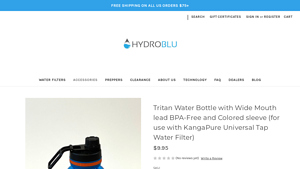
Domain: hydroblu.com
Registered: 2015 (10 years)
Introduction: {“product_name”: “Tritan Water Bottle with Wide Mouth”, “features”: [“BPA-Free”, “Colored Sleeve”, “Designed for use with KangaPure Universal Tap Water Filter”], “price”: “$9.95”, “sku”: “25002”, “UPC”: “”, “bottle_color”: “Optional”, “sleeve_color”: “Optional”, “current_stock”: “Available”}
5. 4imprint – Promotional Tritan Water Bottles
Domain: 4imprint.com
Registered: 1998 (27 years)
Introduction: Promotional Tritan Water Bottles are BPA free, shatter-resistant, stain-resistant, and carry no odors, delivering pure taste. 248 products available in various colors including Black, Blue, Gray, Green, Orange, Purple, Red, White, Yellow, Pink, Burgundy, Crimson, Dark Green, Lime Green, Navy, Royal Blue, Light Green, Silver, Light Blue. Options for production time include 24 hours, 2 days or less,…
Strategic Sourcing Conclusion and Outlook for tritan drinks bottle
In conclusion, strategic sourcing of Tritan drink bottles presents a significant opportunity for B2B buyers across diverse markets, including Africa, South America, the Middle East, and Europe. The unique properties of Tritan—such as durability, safety, and ease of cleaning—make it an ideal material for both consumer and commercial applications. By partnering with reputable suppliers, businesses can ensure access to high-quality products that meet international safety standards while also appealing to environmentally conscious consumers.
The growing demand for reusable and sustainable drinkware emphasizes the importance of sourcing strategies that prioritize both quality and environmental impact. Leveraging Tritan’s versatility allows brands to innovate and differentiate their product offerings, ultimately enhancing customer satisfaction and loyalty.
As you navigate the competitive landscape, consider the long-term benefits of investing in Tritan drink bottles. Explore partnerships with manufacturers who can deliver on quality and sustainability, and position your brand as a leader in responsible sourcing. The future of hydration solutions is bright, and with the right strategies, your business can thrive in this evolving market. Embrace the opportunity and take action today to secure your place in the Tritan drinkware revolution.