
Introduction: Navigating the Global Market for water bottles with handles
In today’s competitive marketplace, sourcing high-quality water bottles with handles poses unique challenges for international B2B buyers. As demand rises for functional and stylish hydration solutions across diverse regions, including Africa, South America, the Middle East, and Europe, companies must navigate a landscape filled with varying supplier standards, product types, and compliance regulations. This guide aims to equip decision-makers with the knowledge necessary to make informed purchases by examining the myriad options available, from insulated stainless steel models to eco-friendly alternatives.
Throughout this comprehensive resource, we will explore the different types of water bottles with handles, their applications in various industries, and essential considerations for supplier vetting. Additionally, we will analyze cost structures and pricing strategies to help you optimize your procurement process. By understanding the market dynamics and aligning your sourcing strategy with the latest trends, you can ensure that your organization benefits from durable, practical, and appealing hydration solutions.
This guide empowers international B2B buyers by providing actionable insights that enhance purchasing decisions, thereby facilitating successful collaborations and fostering long-term supplier relationships. Whether you’re based in Brazil or Germany, this resource is tailored to meet your specific needs and help you thrive in the global market for water bottles with handles.
Understanding water bottles with handles Types and Variations
| Tipo Nome | Principais caraterísticas distintivas | Aplicações B2B primárias | Breves prós e contras para os compradores |
|---|---|---|---|
| Garrafas de aço inoxidável isoladas | Double-wall vacuum insulation, durable stainless steel | Eventos ao ar livre, presentes para empresas | Pros: Keeps beverages cold/hot; durable. Cons: Heavier than plastic. |
| Garrafas de plástico sem BPA | Lightweight, various sizes, often with screw or straw lids | Schools, gyms, events | Pros: Cost-effective; lightweight. Cons: Less durable than metal. |
| Garrafas de água dobráveis | Made from flexible materials, can be folded for storage | Travel, camping, outdoor activities | Pros: Space-saving; lightweight. Cons: Less robust; may leak if damaged. |
| Glass Water Bottles | Non-toxic, often with protective sleeves | Health-focused brands, cafes | Pros: Eco-friendly; no chemical leaching. Cons: Fragile; heavier. |
| Garrafas de água para desporto | Ergonomic designs, often with straws or flip-top lids | Centros de fitness, equipas desportivas | Pros: Convenient for active use; easy to drink from. Cons: May not insulate well. |
What Are the Characteristics of Insulated Stainless Steel Bottles?
Insulated stainless steel bottles are designed with double-wall vacuum insulation, making them ideal for maintaining beverage temperatures for extended periods. They are robust and resistant to rust and corrosion, making them suitable for outdoor events and corporate gifting where durability is crucial. When purchasing, consider factors such as size, lid type, and branding options. They are an investment for businesses aiming to promote sustainability while providing practical products.
How Do BPA-Free Plastic Bottles Stand Out?
BPA-free plastic bottles are favored for their lightweight nature and affordability, making them a popular choice for schools, gyms, and large events. Available in various sizes and designs, they often feature user-friendly lids like screw tops or straws. Buyers should assess the quality of materials to ensure durability and safety. While cost-effective, these bottles may not withstand heavy use as well as metal options, which can affect long-term value.
Que vantagens oferecem as garrafas de água dobráveis?
Collapsible water bottles are made from flexible materials that allow them to be folded when empty, making them an excellent choice for travelers and outdoor enthusiasts. Their lightweight design is appealing for those seeking convenience in storage. However, businesses should be aware that these bottles may be less durable and susceptible to leaks if not handled carefully. Considerations for purchase include material quality and ease of cleaning.
Why Are Glass Water Bottles Increasing in Popularity?
Glass water bottles are gaining traction due to their non-toxic nature and the absence of chemical leaching, appealing to health-conscious consumers. Often equipped with protective sleeves, they are suitable for health-focused brands and cafes. When considering glass bottles, businesses should weigh the benefits of eco-friendliness against the fragility and weight of glass. Their aesthetic appeal can also enhance brand image, making them a worthwhile investment.
What Makes Sports Water Bottles Ideal for Active Environments?
Sports water bottles feature ergonomic designs that cater to active users, often incorporating straws or flip-top lids for easy access. They are commonly used in fitness centers and by sports teams, where convenience is key. When purchasing, consider the material, ease of cleaning, and whether they offer insulation. While they are user-friendly, sports bottles may lack the temperature retention capabilities of insulated options, which could be a drawback for some buyers.
Key Industrial Applications of water bottles with handles
| Indústria/Setor | Specific Application of Water Bottles with Handles | Valor/benefício para a empresa | Principais considerações de fornecimento para esta aplicação |
|---|---|---|---|
| Recreação ao ar livre | Hiking, camping, and adventure sports | Enhances customer experience with durable, portable hydration solutions | Look for lightweight materials, insulation properties, and ergonomic designs. |
| Bem-estar empresarial | Employee hydration programs and wellness initiatives | Promotes health and productivity while reducing disposable plastic use | Consider bulk purchasing options, branding opportunities, and BPA-free materials. |
| Educação | School and university hydration programs | Encourages hydration among students, reducing health issues and promoting sustainability | Focus on size options for children, durability, and ease of cleaning. |
| Hospitality and Events | Catering, outdoor events, and festivals | Provides guests with convenient hydration options, enhancing overall event experience | Assess customization options, capacity sizes, and ease of transport. |
| Health and Fitness | Gyms, fitness centers, and sports teams | Supports hydration during workouts, improving performance and recovery | Evaluate materials for safety, ease of use, and compatibility with fitness gear. |
How Are Water Bottles with Handles Used in the Outdoor Recreation Industry?
In the outdoor recreation sector, water bottles with handles are essential for hikers, campers, and adventure sports enthusiasts. These bottles are designed to be lightweight and durable, often featuring insulation to keep beverages cold or hot for extended periods. By providing a reliable hydration solution, businesses can enhance customer satisfaction and promote safety during outdoor activities. International buyers should prioritize sourcing options that include ergonomic designs and robust materials to withstand challenging environments.
What Role Do Water Bottles with Handles Play in Corporate Wellness Programs?
Corporate wellness programs increasingly incorporate water bottles with handles as part of their initiatives to promote employee health. These bottles encourage hydration, which can lead to increased productivity and reduced health-related absenteeism. Bulk purchasing options allow companies to provide branded bottles, fostering a sense of community and commitment to sustainability by reducing single-use plastic. Buyers should consider BPA-free materials and customizable designs to align with corporate branding and health goals.
How Are Water Bottles with Handles Beneficial in Educational Settings?
In educational environments, water bottles with handles are vital for promoting hydration among students. Schools and universities use these bottles to encourage healthy drinking habits while minimizing the use of disposable plastic bottles. Durability and ease of cleaning are critical factors for buyers, as they need products that can withstand daily use by children and young adults. Additionally, offering various sizes can cater to different age groups and preferences, ensuring widespread adoption.
What Advantages Do Water Bottles with Handles Offer for Hospitality and Events?
For the hospitality industry, water bottles with handles serve as a practical solution for catering, outdoor events, and festivals. They enhance the guest experience by providing easy access to hydration, which is particularly important during long events. Businesses can benefit from customization options, allowing them to feature logos and branding on the bottles. When sourcing, it’s essential to consider the capacity and transportability of the bottles, ensuring they meet the demands of various event types.
Why Are Water Bottles with Handles Important for Health and Fitness?
In the health and fitness industry, water bottles with handles are crucial for gyms, fitness centers, and sports teams. They facilitate hydration during workouts, which is vital for performance and recovery. Buyers should focus on materials that are safe and easy to use, as well as compatibility with fitness gear like gym bags and bicycles. Additionally, selecting bottles that feature easy-to-clean designs can enhance their appeal to fitness enthusiasts who prioritize hygiene.
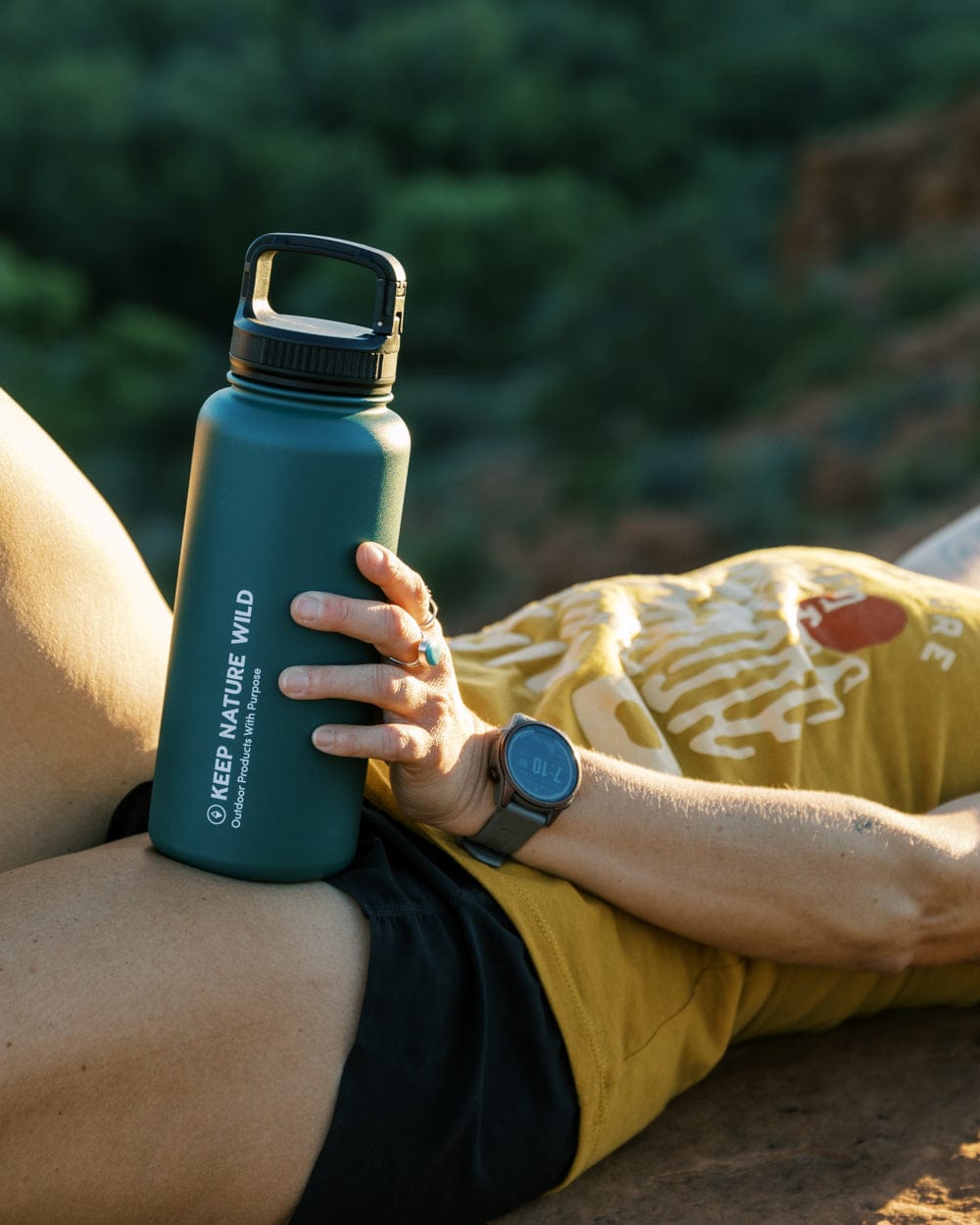
A stock image related to water bottles with handles.
3 Common User Pain Points for ‘water bottles with handles’ & Their Solutions
Scenario 1: Difficulty in Ensuring Durability and Longevity in Harsh Conditions
O problema: B2B buyers sourcing water bottles with handles often face the challenge of ensuring that the products can withstand harsh environmental conditions. For companies in sectors like construction, outdoor activities, or even healthcare, durability is paramount. A water bottle that cannot endure extreme temperatures or rough handling can lead to frequent replacements, ultimately increasing operational costs and impacting employee satisfaction.
A solução: To combat this issue, buyers should prioritize sourcing bottles made from high-quality materials such as stainless steel or BPA-free plastics designed for rugged use. When evaluating suppliers, inquire about product testing for impact resistance, thermal insulation, and resistance to corrosion. Look for certifications and customer reviews that reflect the product’s performance in challenging environments. Additionally, consider bulk purchasing agreements with warranties or satisfaction guarantees to mitigate the risk of investing in inferior products.
Scenario 2: Challenges with Cleaning and Maintenance
O problema: Many water bottles with handles are not designed for easy cleaning, which can be a significant pain point for B2B buyers. In industries where hygiene is critical, such as food service or healthcare, inadequate cleaning can lead to contamination and health hazards. Bottles that are difficult to disassemble or that have narrow openings can trap residues, making them hard to maintain.
A solução: Buyers should focus on sourcing water bottles that feature wide mouths or removable components, allowing for thorough cleaning. Look for bottles that are dishwasher safe, as this can greatly reduce manual labor and improve hygiene standards. When negotiating with suppliers, ask about the materials used in the bottles to ensure they can withstand frequent cleaning without degrading. Providing training for staff on proper cleaning techniques can also enhance the longevity and safety of the water bottles.
Scenario 3: Inadequate Insulation for Temperature Control
O problema: Many B2B buyers find that the water bottles they purchase do not maintain the desired temperature for beverages, leading to dissatisfaction among users. This is particularly problematic in regions with extreme climates, where keeping drinks cold or hot can significantly enhance user experience. If water bottles fail to perform, it can affect hydration levels and overall productivity, especially in outdoor or mobile work settings.
A solução: To ensure effective temperature retention, buyers should specifically look for double-walled insulated bottles with vacuum sealing technology. This design minimizes heat transfer, keeping beverages at the intended temperature for longer periods. When evaluating suppliers, request detailed specifications on insulation performance, including thermal retention tests. Furthermore, consider conducting field tests with potential users to gather feedback on how well the bottles perform under actual usage conditions. This proactive approach will help in making informed purchasing decisions that meet the needs of the end-users effectively.
Strategic Material Selection Guide for water bottles with handles
When selecting materials for water bottles with handles, several factors must be considered, including durability, safety, cost, and compliance with international standards. Below is an analysis of four common materials used in the manufacturing of these bottles, focusing on their properties, advantages, disadvantages, and considerations relevant to international B2B buyers.
What Are the Key Properties of Stainless Steel for Water Bottles with Handles?
Stainless steel is renowned for its exceptional durability and resistance to corrosion, making it an ideal choice for water bottles intended for various environments. Typically, stainless steel water bottles can withstand high temperatures and pressures, maintaining their integrity without warping. They are also non-reactive, ensuring that no metallic taste leaches into the water.
Prós: Stainless steel bottles are robust and can endure rough handling, making them suitable for outdoor activities. They are also easy to clean and can be insulated to keep beverages hot or cold for extended periods.
Contras: The manufacturing process for stainless steel can be more complex, resulting in higher costs compared to plastic alternatives. Additionally, while they are durable, they can dent upon impact, which may affect aesthetics.
Impacto na aplicação: Stainless steel is compatible with a wide range of liquids, including acidic beverages, without risk of corrosion.
Considerations for International Buyers: Compliance with standards such as ASTM and DIN is crucial, particularly in Europe and the Middle East. Buyers should also consider the weight of stainless steel bottles for shipping and logistics.
How Does BPA-Free Plastic Compare for Water Bottles with Handles?
BPA-free plastic has gained popularity due to its lightweight nature and lower production costs. This material is generally resistant to impact and can be molded into various shapes and sizes, making it versatile for different designs.
Prós: The primary advantage of BPA-free plastic is its affordability, which allows for competitive pricing in bulk orders. It is also lightweight, making it easier to transport.
Contras: However, plastic is less durable than stainless steel and may not withstand extreme temperatures. Over time, plastic can become discolored and may retain odors from previous contents.
Impacto na aplicação: While suitable for water and non-acidic beverages, BPA-free plastic may not be ideal for hot liquids, as it can warp under high temperatures.
Considerations for International Buyers: Ensure that the plastic used complies with local regulations regarding food safety. In regions like Africa and South America, buyers should verify that the products meet local health standards.
What Are the Benefits of Glass as a Material for Water Bottles with Handles?
Glass is a premium option for water bottles, known for its purity and aesthetic appeal. It does not leach chemicals, making it safe for all types of beverages, including acidic drinks.
Prós: Glass bottles are easy to clean and do not retain flavors or odors. They are also recyclable, appealing to environmentally conscious consumers.
Contras: The main drawback of glass is its fragility; it can break easily if dropped. Additionally, glass is heavier than both stainless steel and plastic, which can increase shipping costs.
Impacto na aplicação: Glass is suitable for a wide range of liquids, but it is not ideal for outdoor use due to the risk of breakage.
Considerations for International Buyers: Buyers should consider the packaging and shipping methods to prevent breakage during transportation. Compliance with international glass safety standards is also essential.
How Does Silicone Perform as a Material for Water Bottles with Handles?
Silicone is a flexible and durable material that can withstand extreme temperatures, making it suitable for both hot and cold liquids. Its flexibility allows for collapsible designs, which are increasingly popular among consumers.
Prós: Silicone bottles are lightweight, portable, and resistant to impact. They are also dishwasher safe and can be easily rolled up for storage.
Contras: While silicone is durable, it may not be as long-lasting as stainless steel or glass. Additionally, it can absorb odors and may require more frequent cleaning.
Impacto na aplicação: Silicone is compatible with a variety of beverages, but buyers should ensure that the silicone used is food-grade to avoid any health risks.
Considerations for International Buyers: Ensure that the silicone complies with food safety standards in the target markets, particularly in Europe and the Middle East, where regulations can be stringent.
| Material | Typical Use Case for Water Bottles with Handles | Vantagem chave | Principal desvantagem/limitação | Custo relativo (baixo/médio/alto) |
|---|---|---|---|---|
| Aço inoxidável | Actividades ao ar livre e desportivas | Exceptional durability and insulation | Maior complexidade de fabrico | Elevado |
| Plástico sem BPA | Everyday use and kids’ bottles | Leve e económico | Less durable and may warp under heat | Baixa |
| Vidro | Premium and eco-friendly options | Pure taste and recyclable | Frágil e mais pesado | Med |
| Silicone | Travel and collapsible designs | Flexible and portable | Can absorb odors | Med |
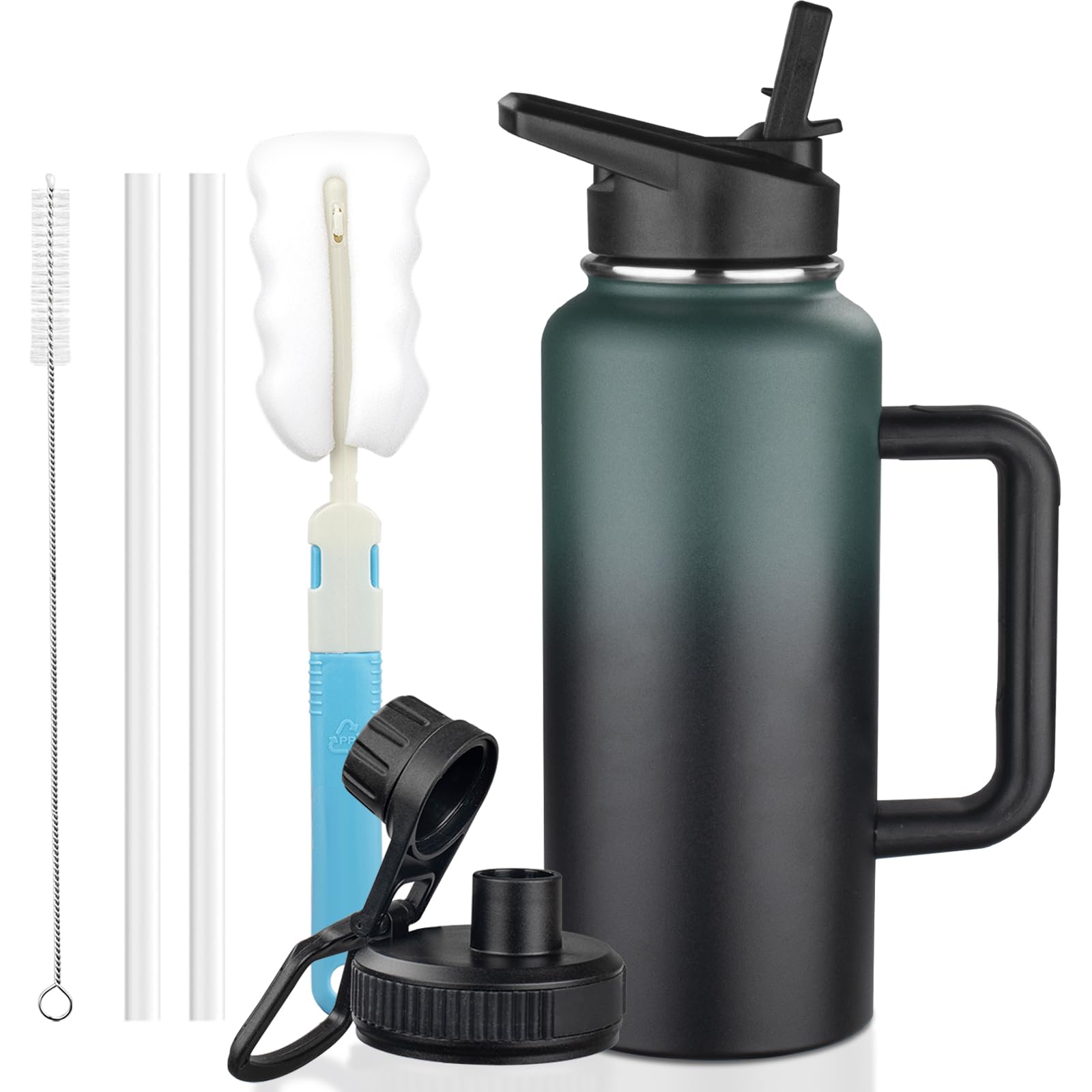
A stock image related to water bottles with handles.
In-depth Look: Manufacturing Processes and Quality Assurance for water bottles with handles
What Are the Main Stages in the Manufacturing Process of Water Bottles with Handles?
Manufacturing water bottles with handles involves a series of well-defined stages to ensure product quality and functionality. The primary stages include material preparation, forming, assembly, and finishing.
Preparação do material
The choice of materials is critical in the production of water bottles, particularly those with handles. Common materials include BPA-free plastics, stainless steel, and glass. Each material has unique properties impacting durability, insulation, and safety. For instance, stainless steel is favored for its robustness and ability to keep beverages hot or cold, while BPA-free plastics are lightweight and often used for children’s bottles. The materials undergo rigorous inspection to ensure they meet safety standards before production begins.
How Are Water Bottles Formed During Manufacturing?
Once materials are prepared, the forming stage commences. This typically involves various techniques such as blow molding for plastic bottles and stamping or deep drawing for metal bottles. Blow molding creates hollow shapes by inflating heated plastic, ensuring a seamless design that is both lightweight and sturdy. For stainless steel bottles, precision is key; components are often cut, shaped, and welded to form the final product. This stage is crucial as the integrity of the bottle’s structure depends on the accuracy of the forming process.
What Steps Are Involved in Assembly?
After forming, the assembly stage brings together various components, including the bottle body, handles, lids, and seals. Automated assembly lines are frequently employed to enhance efficiency and reduce human error. Each component must fit seamlessly to ensure the bottle is leak-proof and user-friendly. Quality control checks are integrated at this stage, where the alignment of the handle, lid, and body is verified to ensure ergonomic usability.
What Finishing Techniques Are Used for Water Bottles?
The finishing stage involves several processes aimed at enhancing the bottle’s aesthetics and functionality. This includes surface treatments like powder coating or anodizing for metal bottles to improve corrosion resistance and provide a variety of color options. Additionally, printing techniques can be applied for branding and labeling, ensuring that the final product meets market expectations. The finishing process also includes quality checks to ensure that the product is visually appealing and free from defects.
How Is Quality Assurance Integrated into the Manufacturing Process?
Quality assurance (QA) is paramount in ensuring that water bottles meet international safety and performance standards. B2B buyers should be aware of several key QA practices that ensure the reliability of their suppliers.
What International Standards Should Buyers Be Aware Of?
Manufacturers of water bottles with handles often adhere to international quality standards such as ISO 9001, which focuses on quality management systems. Compliance with these standards indicates that the manufacturer has established a systematic approach to managing quality throughout the manufacturing process. Additional certifications may include CE marking for European markets, indicating compliance with health, safety, and environmental protection standards.
Quais são os principais pontos de verificação do controlo de qualidade?
Quality control in manufacturing is typically segmented into several checkpoints, including Incoming Quality Control (IQC), In-Process Quality Control (IPQC), and Final Quality Control (FQC).
- IQC: This stage involves inspecting raw materials before they enter the production line to ensure they meet specified criteria.
- IPQC: Quality checks during the production process focus on critical dimensions and assembly accuracy, ensuring that any defects can be caught early.
- FQC: Final inspections are conducted before the product is shipped, assessing factors like leak tests and overall appearance.
These checkpoints help maintain high-quality standards and reduce the likelihood of defects reaching the market.
What Common Testing Methods Are Used to Ensure Product Quality?
Testing methods play a crucial role in quality assurance, providing data that validate the safety and functionality of water bottles. Common testing methods include:
- Teste de fugas: Ensures that the bottle is airtight and will not leak during use.
- Ensaio de queda: Evaluates the durability of the bottle by simulating accidental drops.
- Thermal Insulation Testing: For insulated bottles, this test checks how well the bottle maintains temperature over time.
- Material Safety Testing: Ensures that the materials used are free from harmful chemicals, particularly for bottles intended for children.
Como podem os compradores B2B verificar o controlo de qualidade dos fornecedores?
B2B buyers looking to establish reliable partnerships should implement several strategies to verify supplier quality control processes.
What Steps Should Buyers Take for Supplier Audits?
Conducting supplier audits is an effective way to ensure that a manufacturer adheres to established quality standards. Buyers can request detailed documentation on the manufacturer’s quality control processes, including results from recent internal audits.
How Important Are Quality Control Reports?
Quality control reports provide insights into the manufacturer’s performance over time. Buyers should ask for regular QC reports that detail the results of inspections and tests conducted at various stages of production. This transparency allows buyers to assess the reliability of the supplier.
Should Buyers Consider Third-Party Inspections?
Engaging third-party inspection services can further validate the quality of products before shipment. These independent organizations conduct thorough checks and provide unbiased reports on product quality, ensuring compliance with international standards. This step is particularly important for international buyers from regions like Africa, South America, the Middle East, and Europe, where regulatory compliance is crucial.
Quais são as nuances do controlo de qualidade para os compradores internacionais B2B?
For international B2B buyers, understanding the nuances of quality control is essential. Different regions may have specific regulatory requirements that impact product compliance. For instance, buyers in Europe may need to ensure that their products comply with REACH regulations, while those in the Middle East should consider local certifications for health and safety.
In conclusion, the manufacturing processes and quality assurance practices surrounding water bottles with handles are intricate and crucial for ensuring product safety and functionality. By understanding these processes, B2B buyers can make informed decisions and establish strong partnerships with reliable manufacturers.
Practical Sourcing Guide: A Step-by-Step Checklist for ‘water bottles with handles’
In the competitive landscape of B2B procurement, sourcing water bottles with handles requires a strategic approach. This guide provides a step-by-step checklist to help international buyers, especially from Africa, South America, the Middle East, and Europe, make informed decisions.
Passo 1: Definir as suas especificações técnicas
Clearly outline the specifications for the water bottles you intend to source. Consider factors such as material (e.g., stainless steel, BPA-free plastic, glass), size (e.g., 16oz, 32oz, 64oz), and design features (e.g., insulated, collapsible, or with straws). Defining these parameters upfront helps streamline the sourcing process and ensures that suppliers understand your exact needs.
Passo 2: Research Market Trends
Stay informed about the latest trends in the water bottle market. For instance, there is a growing demand for eco-friendly materials and innovative designs. Understanding these trends can help you identify popular products that resonate with your target audience, potentially increasing sales and customer satisfaction.
Passo 3: Avaliar potenciais fornecedores
Before committing to a supplier, conduct a thorough evaluation. Request company profiles, certifications, and references from other businesses in your region. Look for suppliers with a proven track record in quality and reliability, as this can significantly impact your business’s reputation.
- Check Certifications: Ensure that the suppliers comply with international standards, such as ISO certifications or FDA approvals, especially for products that will be used for consumables.
- Assess Production Capacity: Make sure the supplier can meet your order volume requirements and timelines, which is crucial for maintaining inventory levels.
Passo 4: Request Product Samples
Before finalizing any agreements, request samples of the water bottles you intend to purchase. This step allows you to evaluate the quality, functionality, and design of the products firsthand. Pay attention to aspects such as the durability of the handle, leakproof capabilities, and ease of cleaning.
Passo 5: Negociar condições e preços
Once you have identified suitable suppliers and evaluated samples, it’s time to negotiate terms. Discuss pricing, payment terms, minimum order quantities, and delivery schedules. Ensure that you understand the full cost implications, including shipping and potential tariffs, to avoid unexpected expenses.
Passo 6: Verify Shipping and Logistics
Confirm the logistics of shipping and delivery with your chosen supplier. Understand their shipping methods, estimated delivery times, and policies for handling delays or damages. Efficient logistics are crucial to maintaining your supply chain and ensuring timely product availability.
Passo 7: Establish a Long-Term Relationship
After a successful transaction, consider establishing a long-term relationship with your supplier. Regular communication and feedback can foster better service, improved pricing, and priority access to new products. Building a partnership can be beneficial in navigating future procurement needs effectively.
By following this checklist, B2B buyers can ensure a systematic and informed approach to sourcing water bottles with handles, ultimately enhancing their procurement strategy and business operations.
Comprehensive Cost and Pricing Analysis for water bottles with handles Sourcing
What Are the Key Cost Components of Water Bottles with Handles?
When sourcing water bottles with handles, it’s essential to understand the various cost components involved in their production. The primary elements include materials, labor, manufacturing overhead, tooling, quality control (QC), logistics, and profit margins.
-
Materiais: The choice of materials significantly affects the price. Common options include BPA-free plastic, stainless steel, and glass. Stainless steel bottles, for instance, often come with higher material costs due to their durability and insulation properties.
-
Trabalho: Labor costs can vary based on the manufacturing location. Countries with lower labor costs may offer a more competitive price, but this could affect quality and compliance with international standards.
-
Despesas gerais de fabrico: This includes utilities, rent, equipment depreciation, and administrative expenses. Suppliers with advanced manufacturing processes may have higher overhead costs, which can reflect in the pricing.
-
Ferramentas: Custom molds and tooling for specialized designs or branding can incur additional costs. This is especially relevant for larger orders where unique shapes or features are required.
-
Controlo de qualidade (CQ): Ensuring products meet specific standards requires investment in quality assurance processes. This can involve testing for durability, safety certifications, and compliance with international regulations.
-
Logística: Shipping costs are influenced by the size, weight, and distance of transportation. Incoterms will determine who bears these costs, impacting the final price.
-
Margem: Suppliers typically add a profit margin that varies based on market demand, competition, and perceived product value.
How Do Price Influencers Affect Water Bottle Sourcing?
Several factors influence the pricing of water bottles with handles, which B2B buyers should consider when negotiating.
-
Volume/MOQ: Suppliers often offer tiered pricing based on the minimum order quantity (MOQ). Higher volumes typically yield lower per-unit costs, making it advantageous for buyers to consolidate orders.
-
Especificações e personalização: Custom designs or added features (like built-in straws or unique colors) can increase the price. Buyers should assess whether these features align with their market needs.
-
Materiais e certificações de qualidade: Products made from premium materials or with certifications (e.g., FDA, ISO) may carry a premium price. Buyers should evaluate the necessity of these certifications based on their target market.
-
Factores do fornecedor: The reputation and reliability of the supplier can affect pricing. Established suppliers with a proven track record may charge more due to their reliability and quality assurance practices.
-
Incoterms: Understanding the implications of Incoterms is crucial for pricing. Terms like FOB (Free on Board) and CIF (Cost, Insurance, and Freight) can shift costs and responsibilities between buyer and seller.
What Buyer Tips Can Enhance Cost-Efficiency in Sourcing Water Bottles?
B2B buyers can optimize their sourcing strategies through several actionable tips:
-
Negociação: Engage in discussions with suppliers about pricing, especially if you have a long-term purchasing plan. Highlighting potential future orders can provide leverage for better pricing.
-
Custo total de propriedade (TCO): Assess not just the purchase price but also the total cost of ownership, which includes shipping, handling, and any potential costs related to quality issues. This approach helps in selecting the best value.
-
Nuances de preços para compradores internacionais: Buyers from regions like Africa, South America, the Middle East, and Europe should consider currency fluctuations, import duties, and local regulations when evaluating costs. Establishing relationships with local distributors can also mitigate logistical challenges and costs.
-
Sample Orders: Before committing to large orders, request samples to evaluate quality and ensure it meets your specifications. This step can prevent costly mistakes down the line.
-
Pesquisa de mercado: Stay informed about market trends and pricing fluctuations. Understanding the competitive landscape can help you make informed purchasing decisions.
In conclusion, a comprehensive understanding of cost components and pricing influencers, along with strategic buyer tips, will enable B2B buyers to source water bottles with handles effectively and efficiently.
Alternatives Analysis: Comparing water bottles with handles With Other Solutions
Introduction to Alternative Solutions for Hydration Needs
When evaluating hydration solutions, water bottles with handles stand out for their convenience and portability. However, businesses should consider various alternatives that can also meet hydration needs effectively. This analysis compares water bottles with handles against two viable alternatives: hydration packs and collapsible water bottles. Each option has unique features that cater to different use cases, making it essential for B2B buyers to understand the distinctions.
Tabela de comparação
| Aspeto de comparação | Water Bottles With Handles | Packs de hidratação | Garrafas de água dobráveis |
|---|---|---|---|
| Desempenho | Durable, leak-proof, insulated options available | Designed for hands-free hydration during activities | Lightweight, space-saving, suitable for light hydration |
| Custo | Mid-range ($12 – $60) | Higher initial investment ($30 – $100) | Low-cost options ($10 – $30) |
| Facilidade de implementação | Simple to use and refill | Requires some practice to wear and refill | Very easy to use and store |
| Manutenção | Necessidade de limpeza regular | Requires thorough cleaning; can mold if not dried | Easy to clean; prone to wear and tear |
| Melhor caso de utilização | Daily hydration, outdoor activities, office use | Hiking, biking, long-duration events | Travel, camping, emergency kits |
Análise pormenorizada das alternativas
Hydration Packs: Pros and Cons
Hydration packs are backpacks equipped with a water reservoir and a tube for sipping. They provide hands-free hydration, making them ideal for activities like hiking or cycling. The main advantage is their ability to hold a significant amount of water while allowing for mobility. However, hydration packs can be more expensive and require regular cleaning to prevent mold buildup in the reservoir. Additionally, they may not be suitable for casual or office settings where ease of access is a priority.
Collapsible Water Bottles: Pros and Cons
Collapsible water bottles are designed to save space when not in use, making them an excellent choice for travelers or those with limited storage. They are typically lightweight and easy to carry, often featuring a simple design that allows for quick filling and drinking. However, their durability may be a concern, as they can wear out faster than traditional bottles. They may also lack insulation, making them less effective for temperature retention compared to water bottles with handles.
Conclusão: Como escolher a solução de hidratação correta
Selecting the best hydration solution depends on specific needs and contexts. For businesses focused on durability and versatility, water bottles with handles offer a balanced approach to hydration. If your organization prioritizes hands-free convenience during activities, hydration packs may be the ideal option. Conversely, for those seeking lightweight, space-efficient solutions for travel or emergency situations, collapsible water bottles could be the best fit. Ultimately, understanding the unique features and trade-offs of each option will empower B2B buyers to make informed decisions that align with their operational requirements.
Essential Technical Properties and Trade Terminology for water bottles with handles
What Are the Key Technical Properties of Water Bottles with Handles?
When sourcing water bottles with handles for B2B needs, understanding the essential technical properties is crucial for ensuring product quality and compliance with market demands. Here are some key specifications to consider:
-
Composição do material
– Water bottles are typically made from materials like stainless steel, BPA-free plastic, glass, or silicone. Each material has distinct benefits; for example, stainless steel offers durability and insulation, while BPA-free plastic is lightweight and cost-effective. Selecting the right material affects not only the product’s longevity but also its appeal in various markets. -
Opções de capacidade
– Water bottles come in various capacities, typically ranging from 12 oz to 64 oz or more. Businesses should consider the target audience’s preferences and usage scenarios when choosing sizes. Larger bottles are popular for outdoor activities, while smaller sizes may appeal to kids or casual users. -
Insulation Properties
– Insulated bottles maintain temperature, keeping beverages cold or hot for extended periods. This is particularly important in markets with extreme climates. When assessing insulation, look for double-wall vacuum insulation technology, which provides superior thermal retention. -
Design à prova de fugas
– A leak-proof seal is essential for preventing spills during transport. This feature is particularly vital for consumers in active settings, such as hiking or sports. B2B buyers should inquire about the testing standards used to ensure leak-proof capabilities. -
Handle Design and Ergonomics
– The handle’s design impacts user experience, particularly for portability and ease of use. Ergonomic handles that provide a comfortable grip can enhance user satisfaction and encourage repeat purchases. Considerations for handle placement and size are also important for ensuring compatibility with various carrying methods, such as backpacks or gym bags. -
Durability and Impact Resistance
– The ability to withstand drops and rough handling is essential, especially for outdoor and active lifestyle users. Bottles made from durable materials should be tested for impact resistance to ensure they can endure daily use without damage.
Quais são os termos comerciais comuns na indústria de garrafas de água?
In addition to understanding technical properties, familiarity with industry terminology is vital for effective communication and negotiation. Here are some common terms:
-
OEM (Fabricante de Equipamento Original)
– This term refers to companies that produce products that are sold under another brand’s name. For B2B buyers, partnering with OEMs can reduce costs and enhance product offerings without the need for manufacturing capabilities. -
MOQ (Quantidade mínima de encomenda)
– MOQ is the smallest quantity of a product that a supplier is willing to sell. Understanding MOQs is crucial for budgeting and inventory management, especially for businesses looking to minimize excess stock. -
RFQ (Pedido de Cotação)
– An RFQ is a document sent to suppliers requesting pricing and availability for specific products. This process is essential for comparing costs and ensuring that the buyer receives competitive pricing. -
Incoterms (Termos Comerciais Internacionais)
– These are standardized terms used in international trade to define the responsibilities of buyers and sellers in shipping and logistics. Familiarity with Incoterms can help businesses navigate shipping costs and risks effectively. -
Prazo de execução
– Lead time refers to the time it takes from placing an order to receiving the product. Understanding lead times is critical for planning inventory and ensuring timely delivery to customers. -
Normas de certificação
– Certifications like FDA approval or BPA-free labels are important for ensuring product safety and compliance with regulations. Buyers should verify these certifications to guarantee that products meet health and safety standards in their target markets.
By grasping both the technical properties and trade terminology, B2B buyers can make informed decisions that align with their operational needs and market strategies, ultimately leading to successful product offerings in the water bottle sector.
Navigating Market Dynamics and Sourcing Trends in the water bottles with handles Sector
What Are the Key Market Drivers and Trends in the Water Bottles with Handles Sector?
The global market for water bottles with handles is witnessing significant growth, driven by a surge in health consciousness and an increasing focus on sustainability. Consumers are actively seeking reusable options that promote hydration while minimizing environmental impact. This trend is particularly pronounced in regions like Africa, South America, the Middle East, and Europe, where buyers are looking for durable, portable, and easy-to-use hydration solutions.
Technological advancements in materials and design are also shaping the market. Innovations such as insulated stainless steel, BPA-free plastics, and collapsible designs are attracting B2B buyers who prioritize functionality and convenience. Additionally, the rise of e-commerce platforms is facilitating easier access to a wider range of products, enabling international buyers to source water bottles from different regions at competitive prices.
Emerging trends also include customization options, where brands offer personalization features, appealing to businesses looking to enhance customer engagement. In regions like Brazil and Germany, where outdoor activities are prevalent, the demand for lightweight and versatile water bottles with handles is on the rise. As a result, international B2B buyers must stay informed about these market dynamics to make strategic sourcing decisions.
How Is Sustainability Impacting the Sourcing of Water Bottles with Handles?
Sustainability has become a pivotal consideration in the sourcing of water bottles with handles. The environmental impact of single-use plastics has prompted businesses to seek eco-friendly alternatives. International buyers are increasingly prioritizing suppliers that demonstrate a commitment to sustainable practices, such as using recycled materials or adopting zero-waste manufacturing processes.
Ethical sourcing is equally important, as consumers demand transparency in supply chains. Businesses are now looking for certifications such as Fair Trade or Global Recycled Standard to ensure their products are sourced responsibly. This shift not only addresses environmental concerns but also enhances brand reputation in a competitive market.
Materials like stainless steel and glass are gaining traction due to their durability and recyclability. Additionally, brands that offer biodegradable or compostable options are appealing to environmentally-conscious consumers. As a result, B2B buyers must evaluate suppliers based on their sustainability credentials and product lifecycle impacts to align with market expectations and regulatory standards.
What Is the Historical Context of Water Bottles with Handles in the B2B Sector?
The evolution of water bottles with handles can be traced back to the early 20th century when portable hydration solutions began gaining popularity. Initially designed for outdoor enthusiasts and athletes, these bottles have transformed into essential lifestyle products. With the growing awareness of hydration’s role in health, the demand expanded beyond traditional users to a broader consumer base.
The introduction of innovative materials in the late 20th century, such as BPA-free plastics and stainless steel, marked a significant turning point. These advancements made water bottles more appealing for daily use, contributing to their widespread adoption. As businesses recognized the potential for branding and customization, the market for water bottles with handles began to flourish, paving the way for today’s diverse offerings tailored to meet the needs of international B2B buyers.
Understanding this historical context helps B2B buyers appreciate the current landscape and anticipate future trends in the water bottles with handles sector.
Frequently Asked Questions (FAQs) for B2B Buyers of water bottles with handles
-
How do I choose the right water bottle with a handle for my business?
Choosing the right water bottle with a handle depends on your target market and intended use. Consider factors such as material (stainless steel, BPA-free plastic, or glass), size (from 16 oz to 64 oz), insulation properties, and handle design for ease of transport. Assess your customers’ preferences—whether they prioritize durability for outdoor activities or sleek designs for office use. Additionally, evaluate any regulatory requirements in your region concerning food safety and material standards. -
What customization options are available for water bottles with handles?
Customization options vary by supplier but often include branding with logos, color choices, and specific design modifications. Some manufacturers allow for different lid types, including straws or screw tops, and even packaging options. Discuss your customization needs upfront to ensure that the supplier can accommodate them. Always request samples to evaluate how your branding appears on the final product before placing a bulk order. -
What are the minimum order quantities (MOQs) for water bottles with handles?
Minimum order quantities can differ significantly based on the supplier and the specific product. Typically, MOQs range from 100 to 1,000 units, depending on factors like material type, customization complexity, and production capabilities. Be sure to clarify MOQs with potential suppliers early in your discussions to align your purchasing plans with their requirements and avoid unexpected costs. -
What payment terms should I expect when sourcing water bottles with handles?
Payment terms can vary widely among suppliers. Common practices include a deposit (often 30-50%) upfront, with the balance due before shipping. Some suppliers may offer payment options via letters of credit or escrow services for larger orders. It’s essential to establish clear payment terms in your contract, ensuring both parties are protected and understand the conditions for payments and any penalties for late payments. -
How can I ensure the quality of water bottles with handles from international suppliers?
To ensure quality, conduct thorough supplier vetting, including checking certifications (e.g., ISO, food safety standards) and customer reviews. Request product samples to assess quality firsthand. Additionally, consider third-party quality assurance inspections during production and before shipment. Establishing clear specifications and quality expectations in your purchase agreement will help minimize discrepancies and ensure compliance. -
Que considerações logísticas devo ter em conta ao importar garrafas de água?
When importing water bottles, consider shipping methods, customs duties, and delivery timelines. Choose between air freight for faster delivery or sea freight for cost efficiency. Ensure that your supplier provides all necessary documentation for customs clearance. Familiarize yourself with the import regulations in your country to avoid delays or fines. Partnering with a reliable logistics provider can streamline the process and mitigate risks. -
How do I handle potential issues with suppliers in international trade?
Establishing strong communication and a written contract with clear terms can help mitigate issues. If problems arise, address them promptly and professionally, documenting all communications. Utilizing a third-party mediator can be beneficial if negotiations stall. Additionally, consider including clauses in your contract that outline penalties for non-compliance or quality issues to protect your business interests. -
Quais são as considerações ambientais a ter em conta na aquisição de garrafas de água?
Sustainability is increasingly important in product sourcing. Look for suppliers that offer eco-friendly materials, such as BPA-free plastics or recycled materials, and those committed to sustainable practices. Certifications like FDA approval for food safety or eco-labels can indicate responsible sourcing. Engaging with suppliers who prioritize sustainability can enhance your brand’s reputation and appeal to environmentally conscious consumers.
Aviso importante e termos de utilização
⚠️ Declaração de exoneração de responsabilidade importante
As informações fornecidas neste guia, incluindo o conteúdo relativo a fabricantes, especificações técnicas e análises de mercado, destinam-se apenas a fins informativos e educativos. Não constitui aconselhamento profissional em matéria de aquisições, aconselhamento financeiro ou aconselhamento jurídico.
Embora tenhamos feito todos os esforços para garantir a exatidão e a atualidade das informações, não somos responsáveis por quaisquer erros, omissões ou informações desactualizadas. As condições de mercado, os detalhes da empresa e as normas técnicas estão sujeitos a alterações.
Os compradores B2B devem efetuar a sua própria diligência prévia independente e exaustiva antes de tomar qualquer decisão de compra. Isto inclui contactar diretamente os fornecedores, verificar as certificações, solicitar amostras e procurar aconselhamento profissional. O risco de confiar em qualquer informação contida neste guia é suportado exclusivamente pelo leitor.
Top 8 Water Bottles With Handles Manufacturers & Suppliers List
1. Thermos – Durable Water Bottles
Domínio: thermos.com
Registada: 1997 (28 anos)
Introdução: Water Bottles from Thermos are designed for durability and convenience. Key features include:
– Leakproof when closed
- Pode ser lavado na máquina de lavar louça
– Available sizes: 16oz, 18oz, 24oz, 32oz, 40oz, 64oz
– Color options: Beige, Black, Blue, Brown, Green, Grey, Orange, Pink, Purple, Red, Stainless Steel, White, Yellow, Alpine Green, Bright Blue, Bright Lime, Clear, Hyper Green, Mocha, Smoke, Ultra Pink
– Lid typ…
2. The Water Bottle Store – 1/2 Gallon BPA Free Water Bottles
Domínio: thewaterbottlestore.com
Registada: 2005 (20 anos)
Introdução: Reusable water bottles with handles available in various sizes and colors. Key products include: 1/2 Gallon (64 oz) BPA Free Plastic Water Bottles with Sports Cap in multiple colors (Light Blue, Purple, Pink, Green, Black, Red, Dark Blue, Orange) priced at $10.88 each. Other options include Half Gallon BPA Free Hexagon Bottles with Steel Caps in colors like Pink, Purple, Red, Light Blue, Brown, an…
3. Hydro Flask – Insulated Water Bottles
Domínio: hydroflask.com
Registada: 2009 (16 anos)
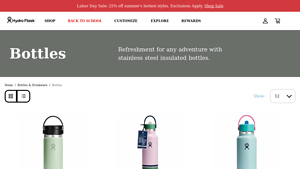
Introdução: Insulated & Stainless Steel Water Bottles | Hydro Flask. Labor Day Sale: 25% off summer’s hottest styles. Free shipping on orders $39+. New Limited Edition Campus Collection. Product offerings include: 16 oz Coffee with Flex Sip™ Lid ($32.95, $24.71 on sale), 21 oz Standard Mouth with Flex Straw Cap ($34.95), Remix 32 oz Wide Mouth with Flex Straw Cap – Polar Plunge ($31.47, $44.95 original), Remi…
4. Stanley – Insulated Water Bottles
Domínio: stanley1913.com
Registado: 2019 (6 anos)
Introdução: Stainless Steel, Insulated Water Bottles; Features: double-wall vacuum insulation, eliminates condensation, available in multiple sizes (14 OZ, 16 OZ, 20 OZ, 24 OZ, 30 OZ, 40 OZ); QuadVac™ technology for enhanced insulation; designed for durability and reusability; not recommended for freezing.
5. Hydro Flask – 24 oz Wide Mouth with Flex Chug Cap
Domínio: nytimes.com
Registada: 1994 (31 anos)
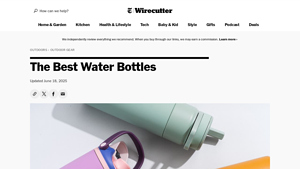
Introdução: Esta empresa, Hydro Flask - 24 oz Wide Mouth with Flex Chug Cap, é uma entidade notável no mercado. Para obter informações específicas sobre o produto, recomenda-se que visite diretamente o seu sítio Web.
6. Ello – Clear Double-Wall Insulated Bottle
Domínio: reddit.com
Registada: 2005 (20 anos)
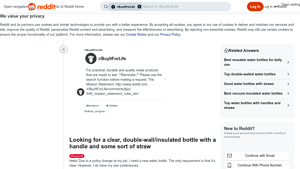
Introdução: Clear, double-wall insulated bottle; size: 1/2 gallon / 1.9L; features: handle (preferably on the side), internal straw, dishwasher safe; current brand: Ello.
7. Target – Water Bottles with Handle
Domínio: alvo.com
Registada: 1997 (28 anos)
Introdução: This company, Target – Water Bottles with Handle, is a notable entity in the market. For specific product details, it is recommended to visit their website directly.
8. Contigo – Key Product
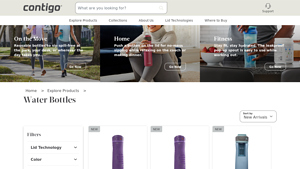
Domínio: gocontigo.com
Registada: 2005 (20 anos)
Introdução: Os principais detalhes do produto incluem: 1. Tipos de garrafas: Garrafas de água reutilizáveis e garrafas com shaker. 2. Caraterísticas: À prova de derrames, à prova de fugas, laváveis na máquina de lavar louça, fáceis de misturar e agitar, pega com mosquetão incorporada, proteção antimicrobiana Microban®. 3. Tecnologias da tampa: AutoPop, AutoSeal, AutoSpout, AutoClose. 4. Tamanhos disponíveis: 20 oz, 24 oz, 28 oz, 32 oz, 40 oz, 56 oz. 5. Materiais: Plástico, cor-de-rosa...
Strategic Sourcing Conclusion and Outlook for water bottles with handles
In the evolving landscape of hydration solutions, water bottles with handles have emerged as a vital category for international B2B buyers. Key takeaways from our analysis indicate that the demand for durable, insulated, and user-friendly water bottles is on the rise, particularly in markets across Africa, South America, the Middle East, and Europe. The strategic sourcing of these products not only meets consumer needs for convenience and sustainability but also aligns with global trends emphasizing health and wellness.
As buyers, it’s crucial to evaluate suppliers based on their product offerings, material quality, and innovation in design. Consideration of factors such as customization options, branding potential, and compliance with international standards can significantly enhance your competitive edge.
Looking ahead, the market for water bottles with handles is poised for growth, driven by increasing consumer awareness around hydration and environmental sustainability. We encourage you to leverage this opportunity by partnering with reliable manufacturers and distributors to expand your product range. By prioritizing strategic sourcing, you can position your business to meet the evolving demands of consumers while fostering long-term relationships with suppliers. Embrace this trend now to stay ahead in a dynamic marketplace.
 Português
  English
  Español
  Français
  Deutsch
  العربية
  Русский
  日本語
日本語  한국어
한국어  Italiano
  Nederlands