Introduction: Navigating the Global Market for flavor drink bottle
In the ever-evolving landscape of beverage innovation, sourcing a reliable supplier for flavor drink bottles presents a unique challenge for international B2B buyers. As consumer preferences shift towards healthier and more engaging hydration options, the demand for products that enhance the drinking experience has surged. Flavor drink bottles, which utilize innovative technologies to infuse water with natural flavors without added sugars, have emerged as a market favorite. This guide aims to provide a comprehensive overview of the flavor drink bottle market, covering various types, applications, and the critical aspects of supplier vetting and cost considerations.
With a focus on international markets, particularly in Africa, South America, the Middle East, and Europe—including key players like Vietnam and Germany—this guide empowers B2B buyers to make informed purchasing decisions. We will delve into the latest trends, highlight potential suppliers, and offer actionable insights that can help businesses navigate the complexities of sourcing these products. By understanding the features and benefits of different flavor drink bottles, buyers can align their selections with their brand values and customer demands, ensuring they remain competitive in an increasingly health-conscious marketplace.
Understanding flavor drink bottle Types and Variations
| Type Name | Key Distinguishing Features | Primary B2B Applications | Brief Pros & Cons for Buyers |
|---|---|---|---|
| Scent-Based Bottles | Utilize scent to enhance the taste of plain water | Health & wellness sectors, fitness centers | Pros: Sugar-free, low-calorie; Cons: Limited flavor intensity |
| Flavor Cartridge Bottles | Use replaceable cartridges for customizable flavor options | Beverage brands, restaurants, gyms | Pros: Variety of flavors; Cons: Ongoing cartridge costs |
| Electrolyte-Infused Bottles | Enriched with electrolytes for hydration and recovery | Sports teams, fitness clubs, health food stores | Pros: Supports hydration; Cons: Higher price point |
| Infusion Bottles | Allow for fresh fruit/herb infusion directly in the bottle | Cafés, juice bars, health-focused retailers | Pros: Natural flavors; Cons: Requires preparation time |
| Smart Hydration Bottles | Track water intake and remind users to hydrate | Corporate wellness programs, tech-savvy consumers | Pros: Encourages hydration; Cons: Higher initial investment |
What are Scent-Based Bottles and Their B2B Relevance?
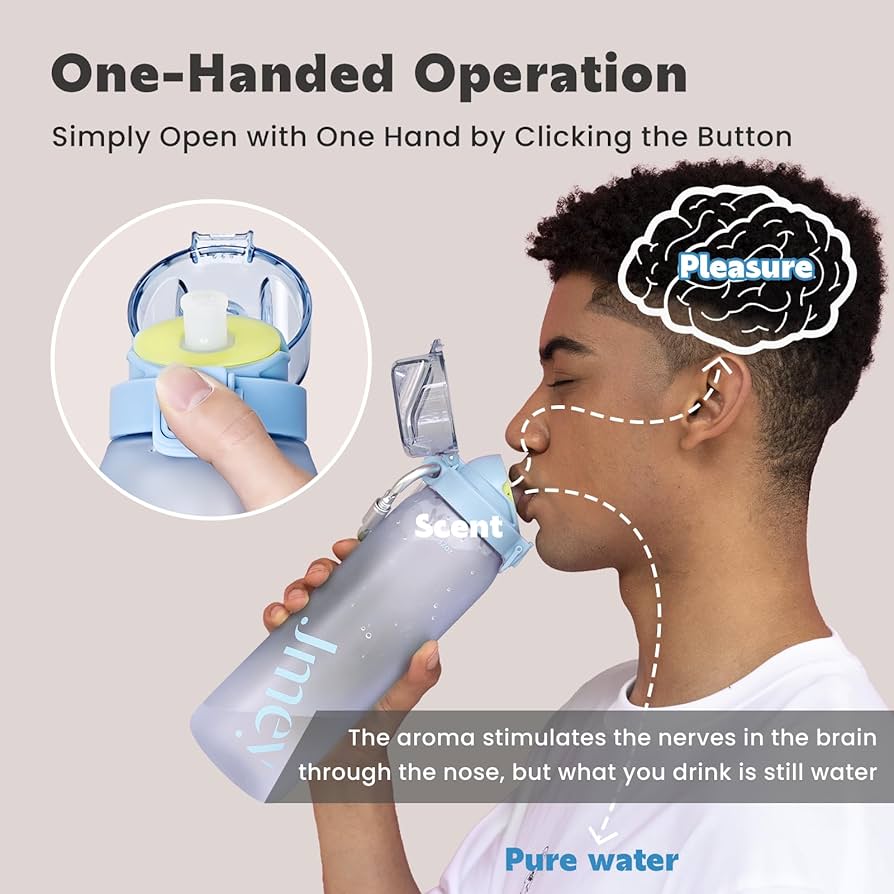
Scent-based bottles, such as those using Scentaste™ technology, transform plain water into flavored water through scent alone. This innovative approach appeals to health-conscious consumers looking to increase their hydration without added sugars or calories. For B2B buyers in health and wellness sectors, these bottles can be marketed as part of wellness programs or fitness packages, helping to promote hydration among clients. Key purchasing considerations include the scent technology’s effectiveness and the availability of natural ingredients.
How Do Flavor Cartridge Bottles Work in Business?
Flavor cartridge bottles, like those offered by brands such as Cirkul, allow users to customize their hydration experience with a range of flavors. These bottles are particularly suited for beverage brands and restaurants that want to offer unique drink options without the need for extensive inventory. B2B buyers should consider the cost of cartridges and the variety of flavors available, as these factors can influence customer satisfaction and repeat purchases.
What Makes Electrolyte-Infused Bottles Ideal for Sports?
Electrolyte-infused bottles are designed to support hydration and recovery, making them a popular choice among sports teams and fitness clubs. These bottles are often marketed to health-conscious consumers who engage in high-intensity activities. B2B buyers should evaluate the quality and effectiveness of the electrolytes used, as well as the price point, which may be higher than standard hydration solutions.
Why Choose Infusion Bottles for Natural Flavoring?
Infusion bottles allow users to create naturally flavored drinks by steeping fruits, herbs, or vegetables directly in water. This method is ideal for cafés and juice bars looking to offer fresh, customizable beverage options. For B2B buyers, the appeal lies in the natural ingredients, which can attract health-focused consumers. However, the need for preparation can be a drawback, requiring staff training and time management.
How Do Smart Hydration Bottles Enhance Consumer Engagement?
Smart hydration bottles integrate technology to track water intake and send reminders to users, promoting better hydration habits. These bottles are particularly appealing to corporate wellness programs and tech-savvy consumers. B2B buyers should consider the technology’s reliability and ease of use, as well as the initial investment required, which may be higher than traditional options but can yield long-term benefits in customer engagement and health outcomes.
Key Industrial Applications of flavor drink bottle
| Industry/Sector | Specific Application of Flavor Drink Bottle | Value/Benefit for the Business | Key Sourcing Considerations for this Application |
|---|---|---|---|
| Beverage Manufacturing | Production of flavored water products | Expands product line with innovative, low-calorie options | Quality of flavoring agents, sustainability of materials |
| Hospitality and Food Service | Enhancing guest experience in restaurants and hotels | Increases customer satisfaction and encourages repeat visits | Customization options, ease of use, and hygiene standards |
| Health and Wellness | Promotion of hydration in fitness centers and wellness programs | Supports health initiatives, appealing to health-conscious consumers | Certifications (organic, non-GMO), flavor variety |
| Education | Use in schools for healthy hydration initiatives | Encourages healthy habits among students, reduces sugary drink consumption | Safety standards, ease of cleaning, affordability |
| Retail | Consumer-targeted flavored water products | Drives sales through unique offerings and brand differentiation | Packaging, shelf life, and marketing support |
How Are Flavor Drink Bottles Used in Beverage Manufacturing?
In the beverage manufacturing industry, flavor drink bottles are utilized to create innovative flavored water products that cater to health-conscious consumers. These bottles allow manufacturers to offer a low-calorie alternative to sugary beverages while maintaining taste appeal. For international buyers, sourcing considerations include the quality of flavoring agents and the sustainability of materials used in bottle production. This ensures compliance with global health standards and consumer preferences, particularly in regions focused on wellness.
What Role Do Flavor Drink Bottles Play in Hospitality and Food Service?
In the hospitality and food service sector, flavor drink bottles enhance the guest experience by providing a unique and refreshing beverage option. Restaurants and hotels can offer flavored water as a complimentary service, which not only elevates the dining experience but also encourages repeat visits. Buyers in this sector should focus on customization options, ease of use, and adherence to hygiene standards to ensure that the products align with their service ethos and customer expectations.
How Are Flavor Drink Bottles Beneficial for Health and Wellness Initiatives?
Flavor drink bottles are increasingly used in health and wellness settings, such as fitness centers and wellness programs, to promote hydration. These bottles provide a flavorful alternative that encourages individuals to increase their water intake without the added sugars found in many drinks. For B2B buyers in this market, sourcing considerations should include product certifications (such as organic and non-GMO) and a diverse flavor variety to meet the preferences of health-conscious consumers.
How Are Flavor Drink Bottles Implemented in Educational Institutions?
In educational settings, flavor drink bottles serve as a tool to promote healthy hydration initiatives among students. Schools can use these bottles to replace sugary drinks in vending machines, thereby encouraging healthier choices. Buyers from educational institutions must prioritize safety standards, ease of cleaning, and affordability to ensure that these products can be widely adopted without burdening budgets or complicating maintenance.
How Do Retailers Leverage Flavor Drink Bottles for Consumer Sales?
Retailers utilize flavor drink bottles to offer consumers a range of flavored water products that stand out in a crowded marketplace. By providing unique flavors and branding, retailers can drive sales and enhance customer loyalty. When sourcing these products, considerations such as packaging, shelf life, and marketing support are critical to ensuring that the products meet consumer demands and align with retail strategies for visibility and appeal.
A stock image related to flavor drink bottle.
3 Common User Pain Points for ‘flavor drink bottle’ & Their Solutions
Scenario 1: Navigating Flavor Consistency in Diverse Markets
The Problem: B2B buyers, particularly those operating in regions with varied palates such as Africa and South America, often struggle with ensuring flavor consistency across different markets. They may find that a flavor drink bottle that is a hit in one region might not resonate well in another due to cultural differences, local preferences, and varying ingredient availability. This inconsistency can lead to wasted inventory, dissatisfied customers, and ultimately, a negative impact on brand reputation.
The Solution: To mitigate this issue, B2B buyers should conduct thorough market research before launching flavor drink bottles in new regions. This includes taste tests and focus groups to gather feedback on flavor preferences. Collaborating with local flavor experts can provide insights into preferred ingredients and flavor profiles. Additionally, sourcing natural flavorings that can be adapted based on local tastes will help maintain consistency while catering to regional preferences. Implementing a flexible supply chain that can adjust to local demands will also ensure that products remain relevant and appealing.
Scenario 2: Overcoming Environmental Concerns and Regulations
The Problem: As global awareness of environmental issues rises, B2B buyers face increasing pressure to source sustainable products. Flavor drink bottles made from single-use plastics or those using artificial flavorings can lead to backlash from environmentally conscious consumers and regulatory challenges. Buyers may feel overwhelmed by the need to comply with varying sustainability regulations across different regions, which can complicate product development and sourcing strategies.
The Solution: To address these environmental concerns, B2B buyers should prioritize sourcing flavor drink bottles made from sustainable materials, such as biodegradable plastics or recycled materials. They can partner with suppliers who emphasize eco-friendly practices in their manufacturing processes. Additionally, offering clear labeling that highlights the product’s sustainability can enhance brand loyalty among consumers. Staying informed about local regulations and working with legal experts can help buyers navigate compliance effectively, ensuring that their products meet regional environmental standards.
Scenario 3: Managing Supply Chain Disruptions in Flavor Bottles
The Problem: Supply chain disruptions are a common challenge for B2B buyers, particularly when sourcing flavor drink bottles from international suppliers. Factors such as political instability, shipping delays, or sudden changes in import regulations can lead to stock shortages or increased costs. Buyers may find themselves unable to fulfill orders, resulting in lost sales and strained customer relationships.
The Solution: To combat supply chain vulnerabilities, B2B buyers should adopt a multi-sourcing strategy. This involves identifying multiple suppliers across different regions to diversify risk. Building strong relationships with local suppliers can also help in navigating disruptions more effectively. Implementing advanced inventory management systems can provide real-time data on stock levels, helping buyers anticipate shortages and plan accordingly. Regular communication with suppliers about potential risks and lead times will enable proactive adjustments to orders, ensuring that product availability aligns with market demand.
Strategic Material Selection Guide for flavor drink bottle
When selecting materials for flavor drink bottles, it is crucial to consider their properties, advantages, and disadvantages, especially from a B2B perspective. Below are analyses of four common materials used in the production of flavor drink bottles, aimed at international buyers, particularly those from Africa, South America, the Middle East, and Europe.
What Are the Key Properties of Plastic in Flavor Drink Bottles?
Plastic, particularly polyethylene (PE) and polypropylene (PP), is widely used in flavor drink bottles due to its lightweight nature and cost-effectiveness. These materials offer good chemical resistance and can withstand moderate temperatures, making them suitable for various beverage applications. However, they may not be ideal for high-temperature liquids or long-term exposure to UV light, which can lead to degradation and leaching of harmful substances.
Pros: Plastics are generally low-cost, easy to manufacture, and lightweight, making them ideal for mass production and shipping. They also provide a barrier against moisture and gases, preserving flavor integrity.
Cons: Plastics can be less durable than other materials, and they may not be recyclable in all regions, raising environmental concerns. Additionally, they may not comply with stringent food safety standards in certain markets.
How Does Glass Compare as a Material for Flavor Drink Bottles?
Glass is another popular choice for flavor drink bottles, known for its excellent barrier properties and aesthetic appeal. It is non-reactive and does not leach chemicals, making it safe for flavored beverages. Glass can withstand high temperatures, making it suitable for hot-fill applications.
Pros: Glass provides a premium feel and is fully recyclable, which appeals to environmentally conscious consumers. It also maintains flavor integrity over time and is resistant to staining.
Cons: The primary drawback of glass is its weight, which can increase shipping costs. It is also more prone to breakage than plastic, posing safety concerns during transport and use.
What Are the Benefits of Stainless Steel in Flavor Drink Bottles?
Stainless steel is increasingly used in flavor drink bottles due to its durability and resistance to corrosion. It can handle a wide range of temperatures and is suitable for both hot and cold beverages. Stainless steel bottles often come with vacuum insulation, keeping drinks at the desired temperature for extended periods.
Pros: The durability of stainless steel makes it a long-lasting option, and it is easy to clean and maintain. It is also recyclable and does not retain flavors or odors.
Cons: The initial cost of stainless steel bottles is higher compared to plastic or glass. Additionally, they can be heavier, which may not be ideal for all consumers.
What Role Does Aluminum Play in Flavor Drink Bottle Manufacturing?
Aluminum is another viable option for flavor drink bottles, especially in the beverage industry. It is lightweight, strong, and can be easily shaped into various designs. Aluminum bottles often come with a protective lining to prevent reaction with acidic beverages.
Pros: Aluminum is cost-effective and provides a barrier against light and oxygen, preserving flavor. It is also fully recyclable, appealing to sustainability-focused markets.
Cons: Aluminum bottles may require a lining to prevent chemical leaching, which can complicate manufacturing. Additionally, they may not withstand high temperatures as effectively as glass or stainless steel.
Summary of Material Selection for Flavor Drink Bottles
| Material | Typical Use Case for flavor drink bottle | Key Advantage | Key Disadvantage/Limitation | Relative Cost (Low/Med/High) |
|---|---|---|---|---|
| Plastic | Mass-produced flavored water bottles | Lightweight and cost-effective | Less durable, potential leaching | Low |
| Glass | Premium flavored beverage bottles | Non-reactive, maintains flavor | Heavy and breakable | Med |
| Stainless Steel | Insulated flavored drink bottles | Durable, temperature-resistant | Higher initial cost | High |
| Aluminum | Lightweight flavored drink containers | Cost-effective, recyclable | Requires lining for acidic drinks | Med |
This strategic material selection guide provides valuable insights for international B2B buyers looking to optimize their flavor drink bottle offerings. By understanding the properties and implications of each material, businesses can make informed decisions that align with market demands and regulatory requirements.
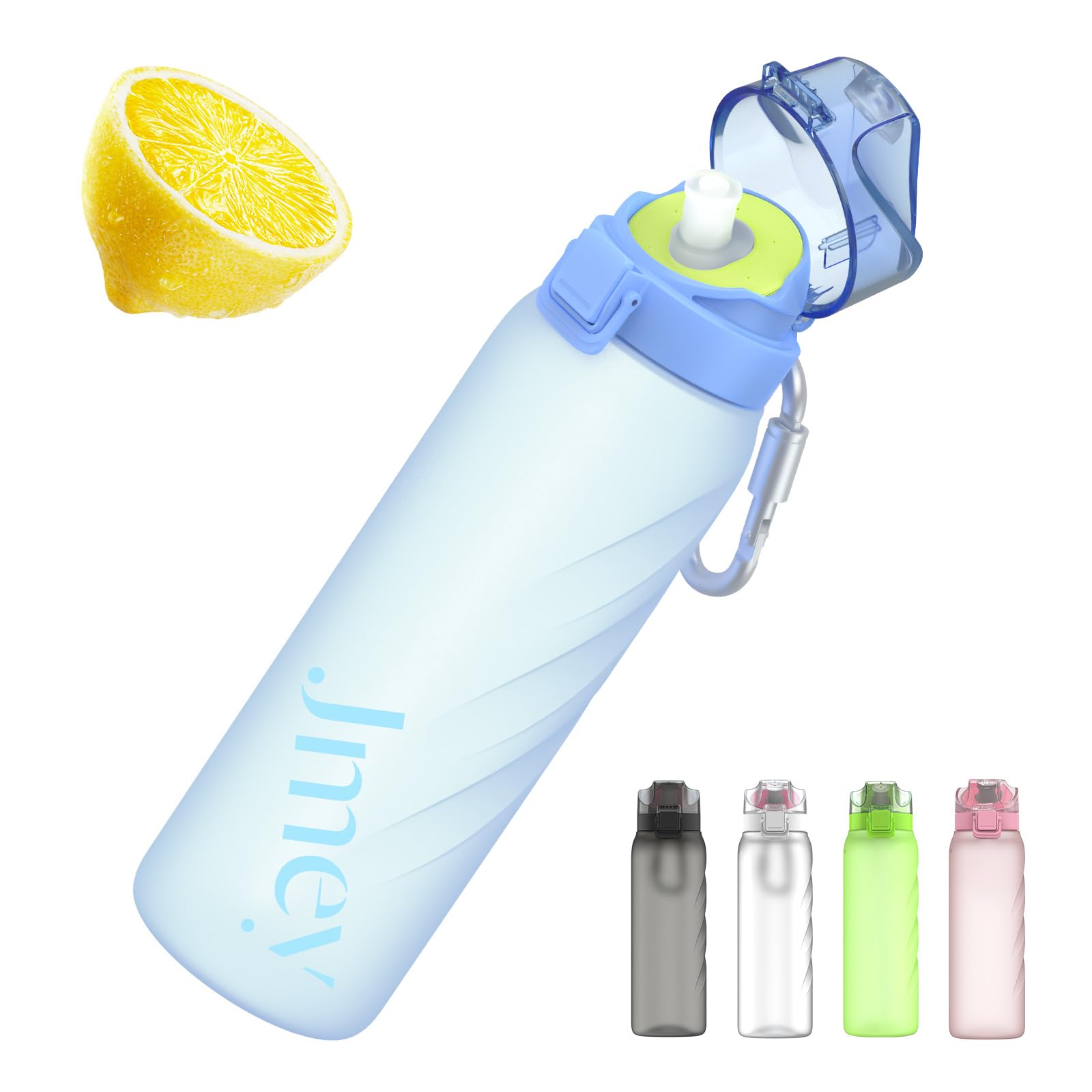
A stock image related to flavor drink bottle.
In-depth Look: Manufacturing Processes and Quality Assurance for flavor drink bottle
What Are the Main Stages in the Manufacturing Process of Flavor Drink Bottles?
The manufacturing process of flavor drink bottles involves several critical stages, each essential to ensuring the final product meets quality and safety standards. The typical stages include material preparation, forming, assembly, and finishing.
-
Material Preparation: The first stage involves sourcing high-quality materials, typically food-grade plastics such as PET or Tritan, which are safe for beverage storage. Suppliers must ensure that the raw materials comply with relevant food safety regulations, such as FDA guidelines in the U.S. or EFSA in Europe. Materials may also undergo pre-treatment processes, including cleaning and drying, to eliminate contaminants.
-
Forming: In this stage, the prepared materials are shaped into bottles using techniques such as blow molding or injection molding. Blow molding is commonly used for producing lightweight bottles with uniform thickness. The choice of technique can impact the bottle’s durability and aesthetic appeal, which are critical factors for branding and marketability.
-
Assembly: After forming, components such as caps, straws, and flavor pods are assembled onto the bottles. Automation plays a significant role in this stage, enhancing efficiency and precision. Attention to detail is crucial, as any misalignment can affect the functionality of the product.
-
Finishing: The final stage includes decorating the bottles with labels, applying coatings for UV protection, and conducting final inspections. This stage often involves printing technologies like flexography or digital printing, allowing for vibrant designs that attract consumers.
What Quality Assurance Measures Are Essential for Flavor Drink Bottles?
Quality assurance (QA) in the manufacturing of flavor drink bottles is vital to ensure safety, reliability, and consumer satisfaction. A comprehensive QA process typically adheres to international standards such as ISO 9001, which outlines a framework for quality management systems.
-
International and Industry-Specific Standards: Compliance with standards such as CE marking for products sold in Europe and API (Active Pharmaceutical Ingredient) regulations for health-related beverages is essential. Manufacturers must also adhere to local regulations, which can vary significantly across regions like Africa, South America, the Middle East, and Europe.
-
Quality Control Checkpoints: The QA process is segmented into several checkpoints:
– Incoming Quality Control (IQC): This involves inspecting raw materials upon receipt to ensure they meet predefined specifications.
– In-Process Quality Control (IPQC): Continuous monitoring during the manufacturing process helps identify defects early. Techniques such as statistical process control (SPC) can be employed.
– Final Quality Control (FQC): At the end of production, finished products undergo rigorous testing, including leak tests, pressure tests, and sensory evaluations to ensure flavor integrity and safety. -
Common Testing Methods: Testing methods may include physical inspections, chemical analyses for contaminants, and microbiological testing to ensure the absence of pathogens. Sensory testing can also be crucial, especially for flavor products, to confirm that the taste and aroma meet consumer expectations.
How Can B2B Buyers Verify Supplier Quality Control?
For international B2B buyers, particularly those from diverse regions like Africa, South America, the Middle East, and Europe, verifying the quality control processes of suppliers is paramount. Here are several strategies to ensure supplier reliability:
-
Audits and Inspections: Conducting on-site audits is one of the most effective ways to assess a supplier’s quality control measures. Buyers can evaluate the manufacturing processes, cleanliness, and adherence to safety protocols. Third-party audits by recognized organizations can add an extra layer of credibility.
-
Quality Control Reports: Suppliers should provide regular quality control reports detailing testing results, compliance with standards, and any corrective actions taken. These documents offer transparency and allow buyers to make informed decisions based on a supplier’s track record.
-
Third-Party Inspections: Engaging third-party inspection agencies can ensure an unbiased evaluation of a supplier’s operations and quality control measures. This is especially critical when sourcing from regions with varying regulatory standards, as independent inspectors can help bridge any gaps in compliance.
What Are the Quality Control Nuances for International B2B Buyers?
International B2B buyers face unique challenges regarding quality control when sourcing flavor drink bottles. Understanding regional nuances is crucial for successful procurement.
-
Regulatory Compliance: Different regions have varying regulatory requirements. For example, buyers in Europe may need to ensure CE compliance, while those in Africa may face less stringent regulations. Understanding these differences can affect product acceptance in the market.
-
Cultural Preferences: Taste and flavor preferences can differ significantly between regions. B2B buyers must ensure that the product meets local consumer expectations, which may require specific flavor formulations or packaging designs.
-
Logistics and Transportation: Quality can deteriorate during transportation, especially for products sensitive to temperature or humidity. Buyers should consider logistics partners with experience in handling food-grade products to maintain quality from production to delivery.
-
Sustainability Concerns: Increasingly, buyers are prioritizing suppliers with sustainable practices. This includes using eco-friendly materials and processes. Suppliers should be prepared to provide documentation on their sustainability efforts, as this can be a decisive factor for many buyers.
Conclusion
The manufacturing processes and quality assurance measures for flavor drink bottles are complex but crucial for ensuring product safety and consumer satisfaction. B2B buyers must be diligent in verifying suppliers’ quality control systems, understanding regional regulations, and considering cultural nuances. By prioritizing these factors, buyers can establish successful partnerships and ensure their products meet the demands of the global market.
Practical Sourcing Guide: A Step-by-Step Checklist for ‘flavor drink bottle’
Introduction
Sourcing flavored drink bottles for your business requires a strategic approach to ensure that you obtain high-quality products that meet market demands. This guide offers a step-by-step checklist to streamline your sourcing process, helping you identify the right suppliers and products that align with your business goals.
1. Define Your Technical Specifications
Before initiating the sourcing process, outline your technical specifications for the flavored drink bottles. Consider factors such as materials (e.g., BPA-free plastic, stainless steel), size (e.g., volume capacity), and functional features (e.g., built-in infuser, reusable flavor pods). Clearly defined specifications will help you communicate your needs to potential suppliers and ensure that the products meet safety and quality standards.
2. Conduct Market Research
Understanding the current market landscape is essential for making informed purchasing decisions. Research trends in flavored drink bottles, such as popular flavors, sustainability practices, and consumer preferences. Utilize tools like industry reports, competitor analysis, and customer feedback to gather insights that can inform your sourcing strategy.
3. Identify Potential Suppliers
Compile a list of potential suppliers that specialize in flavored drink bottles. Look for manufacturers with a proven track record in the industry and positive reviews from other B2B buyers. Consider reaching out to trade associations or attending industry trade shows to discover reputable suppliers that meet your criteria.
4. Evaluate Supplier Capabilities
Assess the capabilities of each supplier on your shortlist. Inquire about their production capacity, lead times, and flexibility in meeting custom orders. A supplier that can scale production according to your needs is crucial for maintaining supply continuity as your business grows.
5. Verify Quality Control Processes
Quality assurance is paramount when sourcing flavored drink bottles. Request details about the supplier’s quality control processes, including testing for compliance with international safety standards. Look for certifications such as ISO or FDA compliance to ensure that the products are safe for consumers.
6. Request Samples for Testing
Before finalizing any orders, always request product samples for testing. This step allows you to evaluate the quality, functionality, and flavor delivery of the bottles firsthand. Assess factors like ease of use, durability, and the effectiveness of flavor infusion to ensure they align with your expectations.
7. Negotiate Terms and Agreements
Once you have identified a suitable supplier, negotiate terms and agreements that protect your interests. Discuss pricing, payment terms, minimum order quantities, and delivery schedules. Ensure that all agreements are documented to avoid misunderstandings in the future.
By following this practical checklist, B2B buyers can navigate the sourcing process for flavored drink bottles effectively, ensuring they partner with the right suppliers to meet their business needs.
Comprehensive Cost and Pricing Analysis for flavor drink bottle Sourcing
What Are the Key Cost Components for Sourcing Flavor Drink Bottles?
When sourcing flavor drink bottles, understanding the cost structure is crucial for achieving a favorable price point. The primary cost components include materials, labor, manufacturing overhead, tooling, quality control (QC), logistics, and profit margin.
-
Materials: The choice of materials directly impacts the overall cost. High-quality, durable materials like stainless steel or BPA-free plastics often lead to higher initial costs but can reduce long-term expenses through increased durability and lower replacement rates.
-
Labor: Labor costs vary significantly by region. In countries with lower labor costs, such as those in parts of Africa and South America, the manufacturing process can be more cost-effective. However, it’s essential to consider the skill level of the workforce, which can affect production efficiency and product quality.
-
Manufacturing Overhead: This includes utilities, rent, and indirect labor associated with production. Efficient manufacturing processes can help reduce overhead, impacting the final price.
-
Tooling: Custom molds and tools for unique bottle designs represent a significant upfront cost. The more complex the design, the higher the tooling costs. Buyers should weigh the benefits of customization against these expenses.
-
Quality Control (QC): Ensuring product quality can incur additional costs. Implementing rigorous QC processes is crucial, particularly for international shipments where adherence to specific quality standards is mandatory.
-
Logistics: Shipping costs can vary based on distance, volume, and the chosen Incoterms. Import duties and taxes must also be factored in, particularly for international buyers.
-
Margin: Manufacturers typically include a profit margin of 15-30%, depending on market demand and competition. Buyers should be aware of the margin expectations when negotiating prices.
How Do Price Influencers Affect Flavor Drink Bottle Sourcing?
Several factors can influence the pricing of flavor drink bottles, impacting international buyers particularly.
-
Volume/MOQ: Minimum Order Quantities (MOQs) can significantly affect pricing. Larger orders often lead to lower per-unit costs. Buyers should assess their demand to negotiate better pricing.
-
Specifications and Customization: Custom designs and specifications can increase costs. Standardized products generally offer better pricing flexibility.
-
Material Quality and Certifications: Higher-quality materials and certifications (like FDA approval) can increase costs. Buyers should consider the balance between quality and price, particularly in regions with stringent health regulations.
-
Supplier Factors: Supplier reputation and reliability can influence pricing. Established suppliers may charge a premium, but they often provide greater assurance of quality and timely delivery.
-
Incoterms: Understanding Incoterms is vital for calculating total landed costs. Terms like FOB (Free On Board) and CIF (Cost, Insurance, and Freight) can significantly impact the final price.
What Are Effective Buyer Tips for Flavor Drink Bottle Sourcing?
-
Negotiation: Leverage your purchasing power by negotiating terms and pricing. Suppliers may offer discounts for larger orders or long-term contracts.
-
Cost-Efficiency: Evaluate the Total Cost of Ownership (TCO), which includes purchase price, shipping, duties, and potential costs associated with product returns or replacements.
-
Pricing Nuances for International Buyers: Understand regional market dynamics. In regions like Africa and South America, suppliers may offer flexible payment terms or discounts for local currency transactions.
-
Research and Due Diligence: Conduct thorough research on potential suppliers. Look for reviews and case studies to gauge reliability and product quality.
-
Consider Local Suppliers: Sourcing from local manufacturers can reduce shipping costs and lead times, enhancing supply chain efficiency.
Disclaimer on Indicative Prices
Prices for flavor drink bottles can vary widely based on the factors discussed. It is essential for buyers to conduct thorough market research and engage in direct negotiations with suppliers to obtain the most accurate and competitive pricing.
Alternatives Analysis: Comparing flavor drink bottle With Other Solutions
Exploring Alternatives to Flavor Drink Bottles for Enhanced Hydration Solutions
In the rapidly evolving beverage market, flavored drink bottles have gained popularity as a unique way to encourage hydration. However, buyers should consider various alternatives that can also meet their hydration and flavor needs. This section compares flavored drink bottles against two viable alternatives: flavor-infusing water pitchers and flavored beverage pods that work with standard bottles.
| Comparison Aspect | Flavor Drink Bottle | Flavor-Infusing Water Pitcher | Flavored Beverage Pods |
|---|---|---|---|
| Performance | Infuses water with flavors using scent technology | Provides customizable flavor infusion through fruits and herbs | Adds flavor via concentrated pods to regular water |
| Cost | Medium-range price per bottle and pods | Lower initial cost, ongoing costs for fresh ingredients | Low-cost per pod, but requires regular purchases |
| Ease of Implementation | Simple to use; requires minimal setup | Easy to use; requires preparation of ingredients | Very easy to use; just insert pod and fill with water |
| Maintenance | Low maintenance; replace pods periodically | Moderate; requires cleaning and replacing ingredients | Low maintenance; occasional pod replacement |
| Best Use Case | Ideal for consumers seeking a low-calorie option | Best for those who prefer natural flavors and homemade drinks | Suitable for on-the-go hydration with various flavor options |
What Are the Pros and Cons of Flavor-Infusing Water Pitchers?
Flavor-infusing water pitchers present a compelling alternative for buyers who value fresh ingredients. These pitchers allow users to infuse water with fruits, herbs, and spices, creating a customizable beverage. The major advantage is the ability to control the flavor intensity and choose natural ingredients, appealing to health-conscious consumers. However, the preparation time and the need for regular ingredient replenishment can be drawbacks for busy users. Additionally, the flavors may not be as consistent as those from flavored drink bottles.
What Advantages Do Flavored Beverage Pods Offer?
Flavored beverage pods, such as those from brands like Cirkul, provide an easy and efficient way to enhance hydration. These pods can be used with standard water bottles, making them highly versatile. The primary benefit is the convenience of carrying multiple flavors without the need for bulky pitchers or fresh ingredients. However, the reliance on pod purchases can lead to higher long-term costs, and some consumers may prefer the taste of fresh ingredients over artificially flavored options.
Conclusion: How to Choose the Right Hydration Solution for Your Business?
When selecting a hydration solution, B2B buyers must assess their specific needs and those of their target audience. Flavor drink bottles are excellent for consumers looking for a low-calorie, innovative approach to hydration. In contrast, flavor-infusing pitchers appeal to those who prefer natural flavors and customization. Flavored beverage pods offer convenience and variety, making them suitable for active lifestyles. Ultimately, understanding the unique benefits and limitations of each alternative will help businesses make informed decisions that align with their hydration goals and customer preferences.
Essential Technical Properties and Trade Terminology for flavor drink bottle
What Are the Key Technical Properties of Flavor Drink Bottles?
Understanding the technical specifications of flavor drink bottles is crucial for B2B buyers looking to make informed purchasing decisions. Here are some essential properties to consider:
1. Material Composition
The materials used in manufacturing flavor drink bottles typically include BPA-free plastics, stainless steel, or glass. Each material has its advantages; for example, stainless steel offers durability and insulation, while BPA-free plastics are lightweight and cost-effective. Choosing the right material is essential for product safety, longevity, and user experience.
2. Capacity and Size Variability
Flavor drink bottles come in various sizes, commonly ranging from 500ml to 2 liters. The capacity affects consumer convenience, hydration needs, and shipping logistics. B2B buyers should assess market demand to select the appropriate sizes that appeal to their target audience, especially in regions where hydration needs may vary significantly.
3. Closure Mechanism
The type of closure (screw cap, flip-top, or straw) impacts the usability and consumer experience. A secure closure prevents leaks, while a straw or flip-top design may enhance convenience for on-the-go consumption. Understanding the advantages of different closure types can help buyers align their product offerings with consumer preferences.
4. Temperature Retention Capability
For bottles designed to hold flavored or infused water, temperature retention properties are vital. Insulated bottles can keep beverages cold for hours, appealing to consumers in hotter climates. Buyers should look for bottles with double-walled insulation to ensure optimal performance and customer satisfaction.
5. Compatibility with Flavoring Systems
Some bottles are designed to work specifically with flavoring systems, like interchangeable flavor pods. Understanding the compatibility of bottles with these systems is crucial for manufacturers and distributors. This ensures seamless integration into the consumer experience, enhancing product appeal.
6. Compliance and Safety Standards
Flavor drink bottles must adhere to various safety and quality standards, such as FDA regulations in the U.S. or EU safety directives. Compliance guarantees that the product is safe for consumers and can significantly impact marketability. Buyers should verify certifications to ensure that their products meet these standards.
What Are Common Trade Terms in the Flavor Drink Bottle Industry?
Familiarity with industry-specific jargon can facilitate smoother transactions and better negotiation outcomes. Here are some essential terms to know:
1. OEM (Original Equipment Manufacturer)
An OEM refers to a company that produces parts or equipment that may be marketed by another manufacturer. In the context of flavor drink bottles, an OEM might produce the bottles while another brand handles the marketing and sales. Understanding OEM relationships can help buyers navigate their supply chains effectively.
2. MOQ (Minimum Order Quantity)
MOQ is the smallest quantity of a product that a supplier is willing to sell. This term is crucial for B2B buyers as it affects inventory management and cost efficiency. Buyers must evaluate whether the MOQ aligns with their business model and sales forecasts.
3. RFQ (Request for Quotation)
An RFQ is a document that buyers send to suppliers asking for a price quote on specific products. It’s a vital step in the procurement process, enabling buyers to compare pricing and terms from multiple suppliers. Clear RFQs can lead to better pricing and contract terms.
4. Incoterms (International Commercial Terms)
Incoterms are a set of standardized trade terms that define the responsibilities of buyers and sellers in international transactions. They specify who is responsible for shipping, insurance, and tariffs. Understanding Incoterms is essential for B2B buyers engaged in cross-border transactions to mitigate risk and ensure compliance.
5. Customization
This term refers to the ability to modify products according to specific customer requirements. In the flavor drink bottle sector, customization might include branding, color variations, or specialized designs. Offering customization can enhance market appeal and cater to niche segments.
6. Lead Time
Lead time is the amount of time from placing an order until the product is delivered. This term is critical for inventory planning and can significantly affect sales. Buyers should negotiate lead times with suppliers to ensure timely availability of products in the market.
By understanding these technical properties and trade terms, B2B buyers can make more informed decisions when sourcing flavor drink bottles, ultimately enhancing their competitive edge in the market.
Navigating Market Dynamics and Sourcing Trends in the flavor drink bottle Sector
What are the Current Market Dynamics and Key Trends in the Flavor Drink Bottle Sector?
The flavor drink bottle sector is experiencing a transformation driven by several global factors. One of the primary drivers is the increasing consumer demand for healthier beverage options, which has led to a surge in flavored water and functional drinks. This trend is particularly pronounced in regions such as Africa and South America, where health awareness is rising, and consumers are increasingly looking for alternatives to sugary beverages. Additionally, the proliferation of technology in flavor infusion—such as scent-based mechanisms—has attracted attention from international buyers looking for innovative products that enhance hydration without added sugars or calories.
Emerging B2B tech trends include the rise of subscription-based models and direct-to-consumer sales, which streamline sourcing for businesses and provide consumers with customizable options. Companies like Cirkul and air up® are leveraging these models to offer personalized flavor experiences, catering to diverse consumer preferences. For international buyers, especially in Europe and the Middle East, navigating these trends involves understanding local regulations on health claims and ingredient transparency, as these can vary significantly from one market to another.
Furthermore, the competitive landscape is evolving with increased collaboration between brands and local distributors, which facilitates entry into new markets. As buyers seek reliable suppliers, establishing strong partnerships with manufacturers that prioritize quality and innovation will be crucial in maintaining a competitive edge in this dynamic sector.
How is Sustainability and Ethical Sourcing Addressed in the Flavor Drink Bottle Sector?
Sustainability is becoming a pivotal consideration for businesses in the flavor drink bottle sector. The environmental impact of packaging and production processes is under scrutiny, pushing companies to adopt eco-friendly practices. International B2B buyers are increasingly prioritizing products that utilize sustainable materials, such as biodegradable plastics or recycled materials, to align with consumer preferences for environmentally conscious products.
Ethical sourcing is also gaining prominence, with buyers seeking suppliers that adhere to fair labor practices and transparent supply chains. Certifications like Fair Trade and the use of organic ingredients can enhance brand credibility and appeal to socially conscious consumers. For instance, brands that promote their use of natural flavors derived from local sources not only support local economies but also reduce their carbon footprint.
Additionally, the flavor drink bottle sector is witnessing innovations aimed at reducing waste. Refillable and reusable bottle designs are gaining traction, appealing to environmentally aware consumers who seek to minimize single-use plastics. For B2B buyers, sourcing from companies that emphasize sustainability can enhance their brand image and resonate with a growing demographic that values corporate responsibility.
What is the Brief Evolution and History of the Flavor Drink Bottle Sector?
The flavor drink bottle sector has evolved significantly over the past few decades, initially emerging from the broader beverage industry. Early iterations of flavored water and infused drinks primarily focused on sugary formulations that catered to taste rather than health. However, as consumer awareness around health and wellness increased, the market began shifting towards lower-calorie, sugar-free options.
The introduction of innovative technologies, such as flavor infusers and scent-based flavoring systems, revolutionized the market. These advancements allowed companies to offer products that maintain the appeal of flavored beverages while adhering to health-conscious trends. As a result, brands have successfully captured the interest of diverse consumer groups, paving the way for a more sophisticated and varied product range in the flavor drink bottle sector.
Today, the sector continues to adapt to changing consumer preferences and market demands, making it a compelling area for international B2B buyers seeking growth opportunities.
Frequently Asked Questions (FAQs) for B2B Buyers of flavor drink bottle
-
How do I choose the right flavor drink bottle for my business needs?
Selecting the ideal flavor drink bottle involves understanding your target market’s preferences and needs. Consider factors such as the type of flavoring technology (e.g., scent-based versus traditional flavoring), bottle material (plastic, stainless steel), and design (ergonomic, portable). Additionally, assess the flavor variety offered by suppliers, as a diverse range can attract different customer segments. Conduct market research to identify trending flavors and consumer preferences in your region, ensuring that your selection aligns with local tastes. -
What are the key benefits of offering flavored drink bottles in my product lineup?
Flavored drink bottles can significantly enhance customer engagement by providing a unique hydration experience. They cater to health-conscious consumers looking for alternatives to sugary beverages, thus promoting water consumption. Additionally, these products can differentiate your brand in a competitive market and increase sales through upselling flavor pods or cartridges. The convenience and novelty of flavor drink bottles can also lead to repeat purchases, enhancing customer loyalty. -
What customization options are available for flavor drink bottles?
Many suppliers offer customization options such as branding, color choices, and personalized packaging. You can request specific designs that reflect your brand identity, which can help in marketing efforts. Additionally, inquire about custom flavor formulations or the ability to create limited-edition flavors that resonate with seasonal trends or regional preferences. Always discuss minimum order quantities (MOQs) for customized products, as these can vary by supplier. -
What is the minimum order quantity (MOQ) for flavor drink bottles?
MOQs for flavor drink bottles can vary widely depending on the supplier, material, and customization level. Typically, MOQs can range from 500 to 5,000 units. It’s essential to clarify this with potential suppliers before proceeding, as lower MOQs may be available for standard products. Some suppliers may offer flexibility for first-time orders, especially if you are establishing a long-term partnership. -
What payment terms should I expect when sourcing flavor drink bottles internationally?
Payment terms can differ significantly based on the supplier and your negotiation. Common terms include 30% upfront payment with the balance due upon shipping or after delivery. Be prepared to discuss options like letter of credit, PayPal, or wire transfers, as these may offer different levels of security. Always ensure that the payment terms align with your cash flow and risk management strategies. -
How can I ensure the quality of flavor drink bottles from international suppliers?
To ensure quality, conduct thorough supplier vetting by checking certifications, customer reviews, and previous client feedback. Request samples to evaluate the product quality firsthand. It’s also advisable to establish a quality assurance (QA) process that includes third-party inspections during production and before shipment. This can help identify any potential defects or discrepancies early in the process, reducing the risk of returns and dissatisfaction. -
What logistics considerations should I keep in mind when importing flavor drink bottles?
When importing flavor drink bottles, consider shipping methods, lead times, and customs regulations in your country. It’s important to work with logistics partners who have experience in handling such products to ensure timely and compliant delivery. Also, account for potential delays due to customs inspections and regional regulations. Establishing a clear communication line with your supplier regarding shipping schedules can help mitigate risks. -
What certifications should I look for when sourcing flavor drink bottles?
When sourcing flavor drink bottles, check for relevant certifications that ensure product safety and compliance with local regulations. Look for certifications such as FDA approval, ISO standards, and BPA-free labels. These certifications not only guarantee product safety but also enhance your brand’s credibility in the market. Additionally, inquire about any environmental certifications, as sustainability is becoming increasingly important to consumers globally.
Important Disclaimer & Terms of Use
⚠️ Important Disclaimer
The information provided in this guide, including content regarding manufacturers, technical specifications, and market analysis, is for informational and educational purposes only. It does not constitute professional procurement advice, financial advice, or legal advice.
While we have made every effort to ensure the accuracy and timeliness of the information, we are not responsible for any errors, omissions, or outdated information. Market conditions, company details, and technical standards are subject to change.
B2B buyers must conduct their own independent and thorough due diligence before making any purchasing decisions. This includes contacting suppliers directly, verifying certifications, requesting samples, and seeking professional consultation. The risk of relying on any information in this guide is borne solely by the reader.
Top 9 Flavor Drink Bottle Manufacturers & Suppliers List
1. Air Up – Flavored Water Bottle
Domain: shop.air-up.com
Registered: 2018 (7 years)
Introduction: Flavored water bottle that allows users to experience different flavors through scent alone. Key features include: 100% natural ingredients, no sugar, sweeteners, or additives. Offers 25+ flavors, including Cherry Cola and Wild Berry, crafted from natural scents. Each flavor pod infuses up to 4 gallons of water and lasts for at least 1.3 gallons. Users reported doubling their water intake and expe…
2. Cirkul – Hydration Solutions
Domain: drinkcirkul.com
Registered: 2016 (9 years)
Introduction: Cirkul offers a variety of hydration products including flavor cartridges, bottles, and starter kits. Key details include: 1. **Flavor Cartridges**: Available in various flavors such as Pineapple Apple, Honeycrisp Apple, Strawberry Lemonade, and more, priced at $3.75 each. 2. **Bundles**: Options for auto-ship savings (10% off) and discounted cartridges based on quantity purchased (e.g., $3.06 per…
3. Air Up – Scent-Based Flavor Water Bottle
Domain: reddit.com
Registered: 2005 (20 years)
Introduction: Air Up is a water bottle that adds flavor to water through scent alone, without adding any actual flavoring to the water. It is marketed as a way to enhance the drinking experience of plain water.
4. Air Up – Innovative Hydration Solution
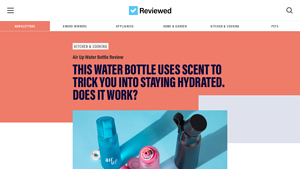
Domain: reviewed.com
Registered: 2001 (24 years)
Introduction: Product Name: Air Up Water Bottle
Key Features:
– Uses patented Scentaste technology to enhance hydration experience through scent pods.
– Offers a unique drinking experience by tricking the brain into perceiving flavor while drinking plain water.
– Available in over 15 different Scentaste flavors and 10 bottle varieties (plastic and stainless steel).
– Designed with a straw for convenience and e…
5. AllSips – Unique Hydration Experience
Domain: allsips.com
Registered: 2022 (3 years)
Introduction: allsips offers a unique hydration experience with scent-based flavors. Key product details include:
– **Shipping**: Free U.S. shipping on orders over $59 and free international shipping on orders over $99.
– **Flavor Options**: Over 15 flavors available, including Apple, Lemon, Grapefruit, Yogurt, Strawberry, Cola, Chocolate, Tangy Berry, and more (with several flavors coming soon).
– **Product …
6. Selah – Flavored Water Bottle
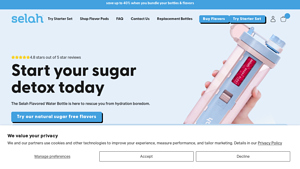
Domain: drinkselah.com
Registered: 2021 (4 years)
Introduction: Selah Flavored Water Bottle
– Price: 111 lei
– Capacity: 20 oz
– Features: Patent-pending flavored water bottle system, two buttons for adding and mixing flavors, made with BPA-free durable Tritan and food-safe materials, hinged large lid, silicone strap for easy carrying.
– Colors Available: Blue, Blue & White, Green, Green & Pink, Pink, Pink & Green, White, White & Pink.
Flavor Pods:
– Berry Bl…
7. ROAR Organic – Flavored Electrolyte Water
Domain: roarorganic.com
Registered: 2017 (8 years)
Introduction: This company, ROAR Organic – Flavored Electrolyte Water, is a notable entity in the market. For specific product details, it is recommended to visit their website directly.
8. Drink Flavorie – Black Flavorie Water Bottle Set
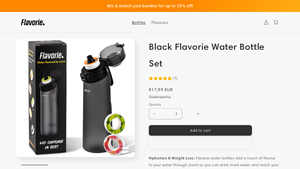
Domain: drinkflavorie.com
Registered: 2022 (3 years)
Introduction: {“product_name”: “Black Flavorie Water Bottle Set”, “regular_price”: “$28.00 USD”, “sale_price”: “$20.00 USD”, “features”: {“hydration_weight_loss”: “Flavorie water bottles add a touch of flavour to your water through scent to help you drink more water and reach fitness goals.”, “flavours_included”: “5 scented pods: Orange, Peach, Lemon, Grape, Kola for 25L of water.”, “swap_flavours”: “Easily swa…
9. Air Up – Flavored Water Bottle (22oz)
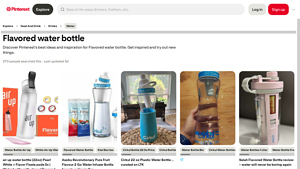
Domain: pinterest.com
Registered: 2009 (16 years)
Introduction: Flavored Water Bottle: Air Up Water Bottle (22oz) in Pearl White with Flavor Fiesta pods (5x). Features: sugar-free hydration with 5 refreshing flavors (Kola, Watermelon, Orangeade, Apple, Pineapple), 25+ litres of flavor, BPA-free, leak-proof lid, compatible with sparkling or still water, ideal for gym or office use.
Strategic Sourcing Conclusion and Outlook for flavor drink bottle
In the rapidly evolving market of flavored drink bottles, strategic sourcing has emerged as a critical driver for international B2B buyers. The innovative technologies showcased by brands like air up® and Cirkul illustrate the potential for unique product offerings that cater to health-conscious consumers seeking flavorful hydration without added sugars or artificial ingredients. Key takeaways include the importance of understanding regional consumer preferences and leveraging supplier relationships to ensure quality and sustainability.
As buyers explore sourcing opportunities, it is essential to evaluate not only product quality but also the supply chain’s efficiency and responsiveness. Investing in partnerships with manufacturers that prioritize natural ingredients and innovative flavor solutions can significantly enhance product appeal in diverse markets, including Africa, South America, the Middle East, and Europe.
Looking ahead, the flavored drink bottle segment presents promising growth potential. By aligning sourcing strategies with consumer trends and sustainability goals, international buyers can position themselves as leaders in this competitive landscape. Engage with suppliers who demonstrate a commitment to innovation and quality—your next successful product line is just a partnership away.