
Introduction: Navigating the Global Market for beverage bottles
The global market for beverage bottles presents a myriad of challenges for international B2B buyers, particularly when it comes to sourcing reliable and high-quality packaging solutions. With an increasing demand for sustainable and safe beverage packaging, buyers from regions such as Africa, South America, the Middle East, and Europe—including key markets like Saudi Arabia and Germany—must navigate a complex landscape of options. This guide is designed to illuminate the various types of beverage bottles available, including PET, glass, and eco-friendly alternatives, while addressing critical factors such as application suitability, supplier vetting, and cost considerations.
In this comprehensive resource, we delve into the unique requirements for different beverages, from juices and dairy products to carbonated drinks, ensuring that buyers can make informed decisions tailored to their specific needs. Additionally, we provide insights into regulatory compliance, material properties, and the benefits of high-pressure pasteurization (HPP) compatibility. By equipping B2B buyers with the knowledge and tools necessary to assess suppliers effectively, this guide empowers them to optimize their purchasing strategies. Ultimately, our aim is to foster successful partnerships and enhance the operational efficiency of businesses across diverse markets, paving the way for sustainable growth in the beverage industry.
Understanding beverage bottles Types and Variations
| Tipo Nome | Principais caraterísticas distintivas | Aplicações B2B primárias | Breves prós e contras para os compradores |
|---|---|---|---|
| PET Plastic Bottles | Lightweight, shatter-resistant, recyclable, FDA-approved | Juices, cold brews, sauces | Prós: Económica e versátil. Contras: Limited heat resistance; not suitable for carbonated drinks. |
| Glass Bottles | Durable, premium feel, excellent barrier properties | Dairy products, premium beverages | Prós: Reusable, recyclable. Contras: Heavier, more fragile. |
| Aluminum Cans | Lightweight, excellent for carbonated beverages, recyclable | Soft drinks, energy drinks | Prós: Good for portability, effective barrier. Contras: Limited reusability. |
| Tetra Pak | Multi-layered packaging, long shelf life, lightweight | Juices, dairy, soups | Prós: Extended shelf life, reduces food waste. Contras: Complex recycling process. |
| Glass Jars | Wide mouth, reusable, suitable for a variety of products | Sauces, jams, pickles | Prós: Versatile, attractive presentation. Contras: Bulkier, can be more expensive. |
What Are PET Plastic Bottles and Their B2B Applications?
PET plastic bottles are widely recognized for their lightweight and shatter-resistant properties, making them ideal for various beverage applications such as juices, cold brew coffees, and sauces. Their recyclability and FDA approval enhance their appeal in the food and beverage industry. B2B buyers should consider the specific requirements of their products, such as temperature tolerance and compatibility with pasteurization processes, when selecting PET bottles.
Why Choose Glass Bottles for Beverage Packaging?
Glass bottles offer a premium feel and excellent barrier properties, making them suitable for dairy products and high-end beverages. Their durability allows for reuse, which is an attractive feature for environmentally-conscious brands. However, buyers should be aware of the weight and fragility of glass, which can impact shipping and storage costs.
How Do Aluminum Cans Fit into Beverage Packaging?
Aluminum cans are lightweight and ideal for carbonated beverages, providing an effective barrier against light and oxygen, which helps preserve freshness. They are commonly used for soft drinks and energy drinks. While they are excellent for portability, B2B buyers should note that aluminum cans have limited reusability compared to glass or PET options.
What Benefits Do Tetra Pak Offer for Beverage Products?
Tetra Pak is designed with multiple layers that provide an extended shelf life for products like juices, dairy, and soups. Its lightweight nature and ability to reduce food waste make it an attractive option for manufacturers looking to enhance sustainability. However, buyers must consider the complexities involved in recycling Tetra Pak materials.
Why Consider Glass Jars for Sauces and Preserves?
Glass jars, often featuring a wide mouth, are highly versatile and suitable for packaging sauces, jams, and pickles. Their reusable nature and attractive appearance can enhance product presentation on retail shelves. However, they can be bulkier and more expensive than other packaging options, which may affect overall cost considerations for B2B buyers.
Key Industrial Applications of beverage bottles
| Indústria/Setor | Specific Application of beverage bottles | Valor/benefício para a empresa | Principais considerações de fornecimento para esta aplicação |
|---|---|---|---|
| Alimentação e bebidas | Bottling fresh juices and smoothies | High-quality, shatter-resistant PET bottles ensure product safety and appeal. | Ensure bottles are BPA-free, HPP compatible, and FDA-approved for food safety. |
| Dairy Products | Packaging milk and yogurt | Glass and PET options provide durability and maintain product freshness. | Consider weight, recyclability, and compatibility with pasteurization processes. |
| Alcoholic Beverages | Bottling craft beers and spirits | Customizable bottles enhance brand visibility and consumer appeal. | Evaluate bottle shape, size, and closure options for carbonation resistance. |
| Ready-to-Drink Beverages | Packaging iced teas and energy drinks | Lightweight and recyclable options reduce shipping costs and environmental impact. | Focus on sourcing from certified facilities to ensure compliance with international standards. |
| Health and Wellness | Dispensing nutritional drinks and supplements | Clear, attractive bottles enhance product visibility and consumer trust. | Ensure bottles are designed to prevent contamination and comply with health regulations. |
How Are Beverage Bottles Used in the Food and Beverage Industry?
In the food and beverage sector, beverage bottles are essential for packaging fresh juices and smoothies. High-quality PET bottles are utilized due to their shatter-resistant properties and clarity, which showcase the product. These bottles must be BPA-free and compatible with High-Pressure Pasteurization (HPP) to ensure safety and extend shelf life. International buyers should prioritize sourcing from certified facilities to guarantee compliance with regional health regulations.
What Role Do Beverage Bottles Play in Dairy Product Packaging?
Dairy products such as milk and yogurt require specialized packaging to maintain freshness and prevent spoilage. Glass and PET bottles are commonly used, offering durability and a premium look. Buyers must consider the weight of the bottles for transportation efficiency and ensure they are recyclable, aligning with sustainability goals. Additionally, compatibility with pasteurization processes is crucial for product safety.
How Are Beverage Bottles Customized for Alcoholic Beverages?
In the alcoholic beverage industry, customizable bottles are vital for branding craft beers and spirits. The ability to select unique shapes, sizes, and closure options allows businesses to differentiate their products in a competitive market. It’s essential to ensure that the bottles can withstand carbonation pressure, particularly for sparkling beverages. International buyers should seek suppliers that offer a variety of designs and robust quality standards to enhance brand visibility.
Why Are Beverage Bottles Important for Ready-to-Drink Beverages?
Ready-to-drink beverages, including iced teas and energy drinks, benefit from lightweight and recyclable bottle options. These features not only reduce shipping costs but also align with growing environmental concerns among consumers. Buyers should focus on sourcing from certified manufacturers to ensure compliance with international packaging standards and regulations, which can vary significantly between regions.
How Do Beverage Bottles Support Health and Wellness Products?
In the health and wellness sector, beverage bottles are used for packaging nutritional drinks and supplements. Clear, attractive bottles enhance product visibility and build consumer trust, essential for market success. Buyers must ensure that the bottles are designed to prevent contamination and meet health regulations, particularly for international markets where standards may differ. Sourcing from reputable suppliers that guarantee food safety certifications is critical for maintaining product integrity.
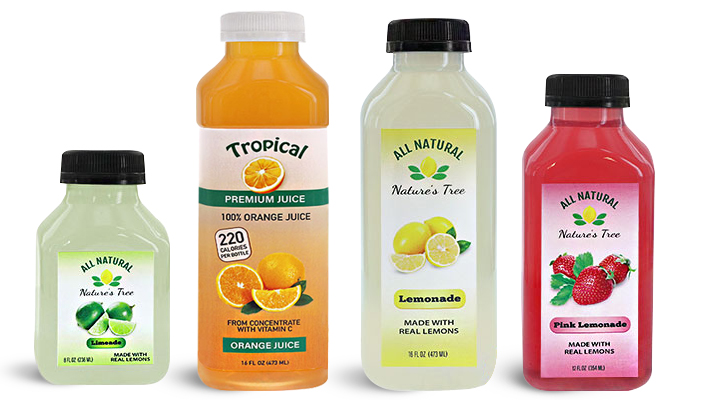
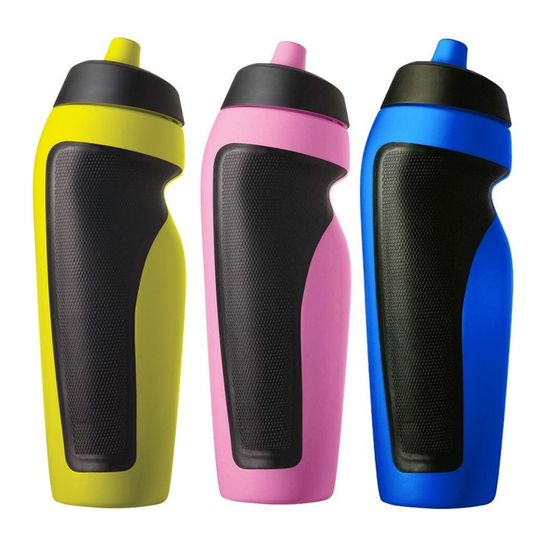
A stock image related to beverage bottles.
3 Common User Pain Points for ‘beverage bottles’ & Their Solutions
Scenario 1: Concerns About Material Safety and Compliance
O problema: B2B buyers, especially in regions with stringent regulations like Europe and North America, often face challenges ensuring that the beverage bottles they purchase comply with safety standards. Concerns about materials such as BPA (Bisphenol A) and other harmful chemicals can lead to hesitance in sourcing products. Buyers may find it difficult to verify certifications and compliance, potentially risking product recalls or legal issues.
A solução: To navigate these challenges, B2B buyers should prioritize sourcing from manufacturers who provide clear documentation of safety certifications. Look for products that are labeled as BPA-free and certified by recognized authorities such as the FDA or equivalent in your region. Engaging directly with suppliers can help clarify any uncertainties; request product samples and certification documents upfront. Additionally, consider suppliers who are transparent about their manufacturing processes, particularly those who operate in SQF (Safe Quality Food) certified facilities. This proactive approach not only ensures compliance but also builds trust in your supply chain.
Scenario 2: Difficulty in Finding the Right Bottle Size and Design
O problema: A frequent pain point for beverage manufacturers is the challenge of selecting the appropriate bottle size and design that aligns with their product requirements and market expectations. With a myriad of options available, buyers may struggle to identify which size will optimize both production efficiency and consumer satisfaction. This can lead to overstocking certain sizes while underestimating demand for others, resulting in wasted resources.
A solução: Conducting thorough market research is essential for understanding consumer preferences in your target demographic. Utilize surveys or focus groups to gather insights on preferred bottle sizes and designs. Once you have this data, consult with suppliers who can provide a range of customizable options. Many manufacturers offer a variety of sizes and shapes, including eco-friendly choices made from recycled materials. Additionally, consider using predictive analytics tools to forecast demand more accurately, allowing you to order the right quantities and minimize waste.
Scenario 3: Challenges with Shipping and Logistics
O problema: B2B buyers often encounter logistical issues related to shipping beverage bottles, particularly when dealing with international suppliers. Bottles can be fragile and bulky, increasing the risk of damage during transit, which can lead to costly losses and delays. Buyers may also face unexpected shipping costs that can strain budgets, especially for bulk orders.
A solução: To mitigate shipping challenges, it is vital to collaborate with suppliers who have a robust logistics network and experience in international shipping. Inquire about their packaging methods to ensure that bottles are adequately protected during transit. Suppliers should use materials that cushion the bottles and prevent movement within the shipping containers. Additionally, negotiate shipping terms and seek out bulk discounts to help manage costs. Utilizing a freight forwarder can also streamline the shipping process, providing expertise in customs and logistics to avoid unexpected delays and expenses. By establishing a reliable shipping strategy, buyers can ensure timely delivery of their beverage bottles and maintain smooth operations.
Strategic Material Selection Guide for beverage bottles
What Are the Key Properties of Common Materials Used for Beverage Bottles?
When selecting materials for beverage bottles, several factors come into play, including the properties of the materials, their suitability for specific applications, and compliance with international standards. Here, we analyze four common materials used in beverage bottle manufacturing: PET (Polyethylene Terephthalate), glass, HDPE (High-Density Polyethylene), and aluminum.
How Does PET Compare as a Material for Beverage Bottles?
PET is widely favored for its excellent clarity, lightweight nature, and shatter resistance. It has a temperature rating of up to 140°F (60°C) and is suitable for cold beverages. PET is also highly recyclable, making it an environmentally friendly option. However, it is not suitable for hot-fill applications or carbonated beverages due to its lower pressure resistance.
For international B2B buyers, PET bottles must meet FDA and IMS certifications, particularly important in regions like Europe and the Middle East. Compliance with recycling standards is also crucial, especially in countries that enforce strict environmental regulations.
What Are the Benefits and Drawbacks of Glass Beverage Bottles?
Glass bottles are known for their premium feel and excellent barrier properties, which make them ideal for preserving the taste and quality of beverages. They can withstand high temperatures, making them suitable for hot-fill processes. However, glass is heavier and more fragile than other materials, which can lead to higher shipping costs and breakage during transport.
International buyers should consider the regulatory standards for glass packaging in their markets, such as DIN standards in Germany, which emphasize safety and recyclability. The preference for glass is growing in regions like Europe, where sustainability is a significant concern.
Why Choose HDPE for Beverage Bottles?
HDPE is a robust and versatile material commonly used for milk and juice bottles. It has excellent resistance to impact and moisture, making it suitable for various beverages. HDPE can withstand temperatures up to 120°F (49°C) and is also recyclable, though its recycling rate is lower than that of PET.
For B2B buyers in Africa and South America, HDPE bottles can be a cost-effective solution. However, compliance with local food safety standards is essential, as is consideration for the environmental impact of using non-recyclable materials.
What Are the Advantages of Aluminum Beverage Bottles?
Aluminum bottles are lightweight, durable, and offer excellent protection against light and oxygen, making them ideal for beverages that require extended shelf life. They can be easily shaped and are highly recyclable. However, aluminum bottles may have higher production costs compared to plastic options and require a lining to prevent chemical reactions with acidic beverages.
International buyers should be aware of the varying regulations regarding aluminum packaging in different regions. For example, compliance with ASTM standards in the U.S. and EU directives in Europe is crucial for market acceptance.
Summary Table of Material Selection for Beverage Bottles
| Material | Typical Use Case for Beverage Bottles | Vantagem chave | Principal desvantagem/limitação | Custo relativo (baixo/médio/alto) |
|---|---|---|---|---|
| PET | Cold beverages, juices | Lightweight, shatter-resistant | Not suitable for hot-fill or carbonated drinks | Baixa |
| Vidro | Bebidas premium, sumos | Excellent barrier properties | Heavy and fragile, higher shipping costs | Elevado |
| HDPE | Milk, juices | Robust and moisture-resistant | Lower recycling rate, temperature limitations | Médio |
| Alumínio | Carbonated drinks, energy beverages | Lightweight, excellent shelf life | Higher production costs, requires lining | Médio |
This strategic material selection guide provides a comprehensive overview of the key materials used in beverage bottle manufacturing, helping international B2B buyers make informed decisions based on their specific needs and market conditions.
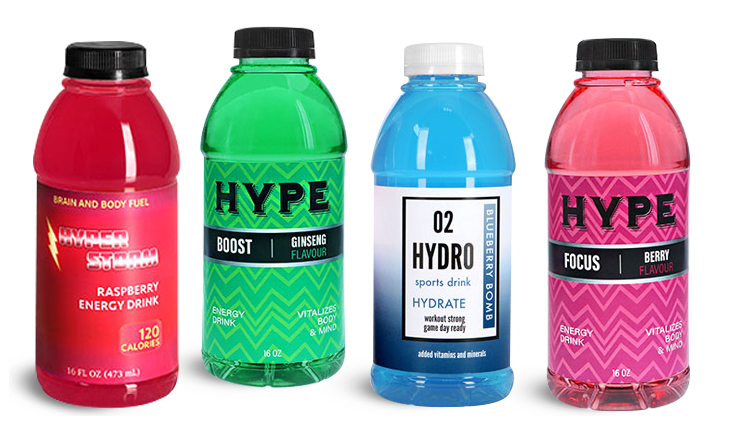
A stock image related to beverage bottles.
In-depth Look: Manufacturing Processes and Quality Assurance for beverage bottles
What Are the Key Stages in the Manufacturing Process of Beverage Bottles?
The manufacturing process for beverage bottles is a complex sequence that ensures the final product meets the rigorous standards required in the food and beverage industry. Understanding this process is crucial for B2B buyers seeking high-quality packaging solutions.
Material Preparation: What Materials Are Used?
The primary materials for beverage bottles include Polyethylene Terephthalate (PET), glass, and sometimes aluminum. PET is favored for its lightweight, shatter-resistant properties, and recyclability, while glass offers superior barrier properties for certain beverages. The material preparation stage involves sourcing high-quality resin pellets for PET bottles or glass cullet for glass bottles. Suppliers should ensure that the raw materials are food-safe and compliant with international standards such as FDA regulations and European Union directives.
How Are Beverage Bottles Formed?
The forming stage involves several techniques, including injection molding, blow molding, and extrusion.
-
Moldagem por injeção: Used primarily for creating preforms that will be later blow-molded into the final shape of the bottle. This method ensures high precision and reduced material waste.
-
Moldagem por sopro: This is the most common technique for creating PET bottles. It involves heating the preform and then using air pressure to expand it into the final bottle shape. Variations include stretch blow molding, which enhances the strength and clarity of the bottle.
-
Extrusion: Often used for making larger containers or bottles with complex shapes.
The choice of forming technique depends on the type of beverage and the desired bottle characteristics, such as strength, clarity, and design.
What Finishing Processes Are Common in Beverage Bottle Manufacturing?
Finishing processes may include labeling, decorating, and applying protective coatings. These steps not only enhance the aesthetic appeal of the bottles but also serve functional purposes, such as providing additional protection against UV light or enhancing grip. The finishing stage also includes quality checks to ensure that all bottles meet the required specifications for size, weight, and appearance.
How Is Quality Assurance Implemented in Beverage Bottle Production?
Quality assurance (QA) in beverage bottle manufacturing is critical to ensure product safety and compliance with industry standards. For international B2B buyers, understanding these QA processes can significantly influence supplier selection.
What International Standards Should Buyers Be Aware Of?
Several international standards govern the quality of beverage bottles, including ISO 9001 for quality management systems, CE marking for compliance with European health and safety requirements, and specific industry certifications like the American Petroleum Institute (API) for certain plastic materials.
These certifications ensure that the manufacturing processes are regularly audited and that the products meet the necessary safety and quality standards.
Quais são os principais pontos de verificação do controlo de qualidade?
Quality control (QC) is integrated into various stages of the manufacturing process:
-
Controlo de qualidade de entrada (IQC): This involves inspecting raw materials upon arrival at the manufacturing facility. Suppliers should provide certificates of analysis (COA) to confirm that materials meet specified standards.
-
Controlo de qualidade durante o processo (IPQC): During the manufacturing process, random samples are taken at various stages to ensure compliance with dimensional and performance specifications. This stage often includes monitoring temperature, pressure, and other critical parameters.
-
Controlo de qualidade final (FQC): After the bottles are completed, they undergo a final inspection to check for defects, proper labeling, and packaging integrity. Common tests include burst strength, drop tests, and leak tests.
How Can B2B Buyers Verify Supplier Quality Assurance?
B2B buyers should employ several strategies to ensure that their suppliers maintain high-quality standards:
-
Auditorias a fornecedores: Conducting on-site audits can provide insight into the manufacturing processes, quality control measures, and overall facility conditions. This can help confirm that suppliers adhere to international standards.
-
Relatórios de qualidade: Requesting periodic quality reports can give buyers a clearer picture of the supplier’s performance over time, including defect rates and compliance with industry standards.
-
Inspecções por terceiros: Engaging independent third-party inspectors can validate the supplier’s claims regarding quality and safety. This adds an additional layer of assurance, particularly for international transactions where trust may be a concern.
Quais são as nuances do controlo de qualidade para os compradores internacionais?
For B2B buyers from regions such as Africa, South America, the Middle East, and Europe, understanding the nuances of quality control is essential. Regulatory environments can differ significantly across regions, affecting compliance requirements.
-
Documentation: Ensure that suppliers provide all necessary documentation, including safety data sheets (SDS), compliance certificates, and test results. This is particularly important for buyers in regions with stringent import regulations.
-
Considerações culturais: Different regions may have varying expectations regarding product quality and safety. Buyers should communicate their specific requirements clearly and establish mutual understanding with suppliers.
-
Sustentabilidade: As environmental concerns grow, buyers should inquire about the sustainability practices of their suppliers, such as the use of recycled materials and waste management processes. This is not only a selling point but increasingly a requirement for compliance in various markets.
Conclusion: Why Quality Assurance Matters for Beverage Bottles
In conclusion, understanding the manufacturing processes and quality assurance measures for beverage bottles is vital for B2B buyers. By focusing on the key stages of production, relevant international standards, and effective verification methods, buyers can make informed decisions that ensure the safety and quality of their beverage packaging solutions. This knowledge can lead to stronger supplier relationships and ultimately, a better product for their customers.
Practical Sourcing Guide: A Step-by-Step Checklist for ‘beverage bottles’
Introdução
In the competitive landscape of beverage packaging, selecting the right bottles is essential for maintaining product integrity, brand image, and compliance with safety regulations. This practical sourcing guide provides a step-by-step checklist to assist B2B buyers in procuring beverage bottles that meet their specific needs. By following this guide, buyers can streamline their sourcing process, ensuring they make informed decisions.
Passo 1: Definir as suas especificações técnicas
Before beginning the sourcing process, clearly outline the technical requirements for your beverage bottles. Consider factors such as size, shape, material (e.g., PET, glass), and compatibility with your beverage type. Each beverage has unique needs; for instance, carbonated drinks require bottles that can withstand higher pressure.
- Material Considerations: Opt for BPA-free materials to ensure safety and environmental compliance.
- Size and Shape: Determine the volume your bottles need to hold and the shape that best fits your branding.
Passo 2: Research Regulatory Compliance
Ensuring compliance with local and international regulations is critical in beverage packaging. Investigate the standards that apply to your product, including food safety certifications like FDA approval and other regional regulations relevant to your target markets.
- Certifications: Look for suppliers whose products are certified by recognized bodies, ensuring they meet safety and quality standards.
- Regulamentos locais: Understand the specific regulations in your target markets, such as those in Europe or Africa, which may differ significantly.
Passo 3: Avaliar potenciais fornecedores
Thoroughly vet potential suppliers to ensure they align with your business needs. Request company profiles, product samples, and references from other clients, especially those in similar industries or regions.
- Supplier Experience: Look for suppliers with a proven track record in beverage packaging.
- Quality Assurance Processes: Inquire about their quality control measures and facilities, such as SQF certification.
Passo 4: Pedido de amostras para teste
Once you have shortlisted suppliers, request samples of their beverage bottles. Testing these samples is crucial to evaluate their performance in real-world conditions, including durability, usability, and compatibility with your beverages.
- Test for Compatibility: Ensure the bottles can handle the specific conditions of your beverage, such as temperature and pressure.
- Evaluate User Experience: Consider how easy the bottles are to fill, seal, and transport.
Passo 5: Assess Pricing and Payment Terms
Pricing is a vital factor, but it should not be the only consideration. Analyze the pricing structure, including bulk discounts, shipping costs, and payment terms.
- Cost Analysis: Compare costs across different suppliers, factoring in quality and service.
- Flexible Payment Options: Look for suppliers who offer favorable payment terms that align with your cash flow.
Passo 6: Negotiate Contract Terms
Once you have selected a supplier, negotiate the contract terms carefully. Ensure that all aspects of the agreement, including delivery schedules, minimum order quantities, and warranties, are clearly defined.
- Clear Deliverables: Specify timelines for delivery and quality standards.
- Risk Management: Include clauses that protect your interests in case of unforeseen circumstances.
Passo 7: Establish Ongoing Communication
After securing your supplier, maintain open lines of communication to address any issues that may arise. Regular check-ins can help ensure that the quality and service remain consistent over time.
- Mecanismo de feedback: Implement a system for providing feedback to the supplier regarding product quality and service.
- Adaptability: Ensure your supplier is willing to adapt to changing needs or market conditions.
By following these steps, B2B buyers can effectively navigate the complex landscape of beverage bottle sourcing, ensuring they select high-quality, compliant, and cost-effective packaging solutions for their products.
Comprehensive Cost and Pricing Analysis for beverage bottles Sourcing
What Are the Key Cost Components in Beverage Bottle Sourcing?
When sourcing beverage bottles, understanding the cost structure is essential for international B2B buyers. The primary cost components include materials, labor, manufacturing overhead, tooling, quality control (QC), logistics, and margins.
-
Materiais: The choice of materials—such as PET, glass, or recycled plastics—significantly affects pricing. For instance, PET is often more cost-effective due to its recyclability and lighter weight, which reduces shipping costs. Glass, while providing a premium feel, typically incurs higher material and shipping costs.
-
Labor and Manufacturing Overhead: Labor costs can vary widely based on geographic location and local wage standards. Manufacturing overhead includes expenses related to machinery, energy, and facility maintenance. In regions with lower labor costs, such as some South American countries, buyers may find more competitive pricing.
-
Tooling and Quality Control: Tooling costs for creating custom molds or designs can be substantial, particularly for specialized bottles. Moreover, rigorous quality control measures, essential for ensuring compliance with international standards (like FDA or IMS certification), can add to overall expenses.
-
Logística: Shipping and transportation costs are critical components, particularly for international buyers. Factors such as distance, freight method (air vs. sea), and import duties can dramatically influence the final cost. Understanding Incoterms is vital to clarify responsibilities and costs associated with shipping.
-
Margins: Suppliers typically include a margin in their pricing to cover business risks and operational costs. This margin can vary based on the supplier’s market position and the competitive landscape.
How Do Price Influencers Impact Beverage Bottle Costs?
Several factors influence pricing beyond the basic cost components:
-
Volume e quantidade mínima de encomenda (MOQ): Higher order volumes often lead to lower per-unit costs due to economies of scale. Buyers should negotiate MOQs to align with their inventory needs while maximizing cost savings.
-
Especificações e personalização: Custom designs or specific size requirements can increase production costs. Buyers should evaluate the necessity of customization against potential price increases.
-
Quality Certifications: Bottles with certifications (like HPP compatibility or SQF certification) may command higher prices due to the assurance of quality and safety. However, these certifications can also enhance marketability, justifying the additional expense.
-
Factores do fornecedor: The supplier’s reputation, reliability, and service level can impact pricing. Established suppliers with a history of quality may charge more, but they often provide better support and consistency.
-
Incoterms: Understanding Incoterms is crucial for managing total costs associated with shipping. Different Incoterms can shift the responsibility for transportation, insurance, and customs duties, affecting the overall pricing structure.
What Buyer Tips Can Help Achieve Cost Efficiency in Beverage Bottle Sourcing?
For international B2B buyers, particularly those from Africa, South America, the Middle East, and Europe, several strategies can enhance cost efficiency:
-
Negociação: Leverage volume purchases to negotiate better terms and prices. Establishing long-term relationships with suppliers can also lead to favorable pricing agreements.
-
Custo total de propriedade (TCO): Consider the TCO rather than just the upfront price. Include factors such as logistics, storage, and the expected lifespan of the bottles in your calculations.
-
Understanding Pricing Nuances: Be aware of regional pricing variations and potential tariffs or taxes that may apply when importing bottles. This knowledge can help in budgeting and financial planning.
-
Sampling and Testing: Before committing to large orders, request samples to evaluate quality and suitability for your specific applications. This can prevent costly mistakes down the line.
-
Stay Informed: Keep abreast of market trends, material innovations, and changes in regulations that could affect pricing. Regularly review supplier performance to ensure competitive pricing and quality.
In conclusion, a comprehensive understanding of the cost structure, price influencers, and strategic sourcing practices is crucial for international B2B buyers looking to optimize their beverage bottle procurement. By focusing on these areas, buyers can enhance their purchasing efficiency and ensure they are making informed decisions.
Alternatives Analysis: Comparing beverage bottles With Other Solutions
Exploring Alternatives to Beverage Bottles
In the beverage industry, choosing the right packaging solution is crucial for maintaining product quality and meeting market demands. While beverage bottles, particularly those made from PET plastic, are widely used, several alternatives exist that may offer distinct advantages depending on the specific requirements of your business. This analysis will compare beverage bottles against two viable alternatives: glass bottles and pouch packaging.
Tabela de comparação
| Aspeto de comparação | Beverage Bottles | Glass Bottles | Pouch Packaging |
|---|---|---|---|
| Desempenho | Shatter-resistant, lightweight, suitable for cold beverages | Excellent for hot and cold liquids; preserves flavor | Lightweight, flexible, and good barrier properties |
| Custo | Generally lower production cost, especially in bulk | Higher production and shipping costs due to weight | Lower material costs, but may require complex filling machines |
| Facilidade de implementação | Simple to source and fill; compatible with various caps | Requires careful handling and specialized filling | Requires specific machinery for filling and sealing |
| Manutenção | Low; recyclable and reusable | Moderate; reusable but fragile | Minimal; single-use, reducing cleaning needs |
| Melhor caso de utilização | Cold beverages, juices, sauces | Dairy products, premium beverages, and liquids needing extended shelf life | Single-serve drinks, smoothies, or liquid meal replacements |
Análise pormenorizada das alternativas
How Do Glass Bottles Compare to Beverage Bottles?
Glass bottles offer superior performance for certain applications, especially for products that require extended shelf life and preservation of flavor. They are an excellent choice for dairy products and premium beverages, as glass does not leach chemicals and provides a strong barrier against external elements. However, the cost of glass bottles is significantly higher due to their weight and the need for specialized handling during transport. Additionally, while glass is recyclable, it requires more energy to produce and recycle compared to PET plastic.
What Advantages Does Pouch Packaging Offer Over Beverage Bottles?
Pouch packaging is increasingly popular for its lightweight and flexible characteristics, making it easy to transport and store. Pouches can be designed for single-serve portions, which appeals to consumers seeking convenience. They also provide excellent barrier properties, protecting the contents from oxygen and moisture. However, pouch packaging typically requires more complex filling and sealing machinery, which could be a barrier for smaller producers. Additionally, they may not be as widely accepted in recycling programs compared to traditional bottles.
Conclusion: How Can B2B Buyers Choose the Right Packaging Solution?
When evaluating packaging options, B2B buyers should consider the specific needs of their products, including performance requirements, cost constraints, and operational capabilities. Beverage bottles remain a strong choice for many applications due to their affordability and ease of use. However, glass bottles may be preferable for products that benefit from a premium presentation and extended shelf life. Pouch packaging can be ideal for innovative, single-serve solutions that cater to evolving consumer trends. Ultimately, the right choice will depend on balancing these factors with market demands and sustainability goals.
Essential Technical Properties and Trade Terminology for beverage bottles
What Are the Key Technical Properties of Beverage Bottles?
When sourcing beverage bottles, understanding the technical properties is crucial for ensuring product quality, compliance, and operational efficiency. Here are some essential specifications to consider:
-
Grau do material:
The most common materials for beverage bottles include PET (Polyethylene Terephthalate), HDPE (High-Density Polyethylene), and glass. PET is favored for its lightweight, shatter-resistant qualities and recyclability, making it ideal for juices and cold beverages. HDPE is used for its durability and resistance to impact and chemicals, while glass offers premium presentation and taste preservation. Choosing the right material grade can significantly impact the product’s shelf life and customer satisfaction. -
Neck Finish and Closure Compatibility:
The neck finish refers to the design and dimensions of the bottle’s neck, which dictates the type of closure that can be used. Common finishes include 24-410 and 38-400. Proper neck finish ensures a secure seal, preventing leakage and contamination. It’s critical for B2B buyers to match closures with the correct neck finish to maintain product integrity. -
Tolerance Levels:
Tolerance levels indicate the allowable variation in bottle dimensions. High tolerance levels (e.g., +/- 0.5 mm) are crucial in ensuring that bottles fit machinery and closures correctly. This is particularly important in high-volume production environments, where precision can reduce waste and increase efficiency. -
Thermal Resistance:
Thermal resistance is the ability of a bottle to withstand temperature variations. For instance, PET bottles can typically handle temperatures up to 140°F (60°C), making them suitable for cold beverages but not for hot-filling processes. Understanding thermal limits is essential for compliance with safety standards and to avoid product spoilage. -
Reciclabilidade:
The recyclability of materials affects not only environmental sustainability but also compliance with international regulations. PET is one of the most recyclable plastics, making it a preferred choice for eco-conscious brands. Buyers should verify recyclability claims to align with corporate sustainability goals.
What Are Common Trade Terms Used in the Beverage Bottle Industry?
Navigating the B2B landscape involves familiarizing oneself with industry jargon. Here are some essential terms:
-
OEM (Fabricante de Equipamento Original):
This term refers to companies that produce parts or equipment that may be marketed by another manufacturer. In the beverage industry, understanding OEM relationships can help buyers source bottles that meet specific design requirements while ensuring quality. -
MOQ (Quantidade mínima de encomenda):
MOQ indicates the smallest quantity of a product that a supplier is willing to sell. This term is critical for budgeting and inventory management, as it affects the overall purchasing strategy. Buyers should negotiate MOQs to align with their production needs and cash flow. -
RFQ (Pedido de Cotação):
An RFQ is a document issued by a buyer to solicit price quotes from suppliers. This process is essential for comparing costs and ensuring competitive pricing. Crafting a detailed RFQ can lead to more accurate quotes and better supplier relationships. -
Incoterms (Termos Comerciais Internacionais):
Incoterms define the responsibilities of buyers and sellers in international transactions. Familiarity with terms like FOB (Free On Board) or CIF (Cost, Insurance, and Freight) is crucial for understanding shipping costs and liability, which can significantly impact total landed costs. -
HPP (High-Pressure Processing):
HPP is a food preservation method that uses high pressure to eliminate pathogens and extend shelf life without heat. This technique is increasingly popular in the beverage industry, particularly for juices. Understanding HPP compatibility can guide buyers in selecting suitable packaging for their products.
By familiarizing themselves with these technical properties and trade terms, B2B buyers can make informed decisions that enhance product quality, compliance, and operational efficiency in the beverage bottle market.
Navigating Market Dynamics and Sourcing Trends in the beverage bottles Sector
What Are the Key Market Dynamics and Trends Impacting the Beverage Bottles Sector?
The beverage bottles market is undergoing significant transformation, driven by global trends such as increasing consumer demand for convenience, sustainability, and product differentiation. In regions like Africa, South America, the Middle East, and Europe, international B2B buyers must navigate these evolving dynamics to stay competitive. The rise of health-conscious consumers has led to a surge in demand for products like fresh juices and cold brew coffees, which in turn fuels the need for high-quality packaging solutions.
Emerging technologies are revolutionizing the sourcing process, with digital platforms and e-commerce facilitating easier access to suppliers and enabling buyers to compare products and prices efficiently. Notably, innovations such as High-Pressure Processing (HPP) and advancements in recyclable materials are increasingly being adopted, allowing manufacturers to enhance product safety and shelf life while minimizing environmental impact. Furthermore, the shift towards personalized and aesthetically appealing packaging is becoming vital for brand differentiation, compelling suppliers to invest in design and customization options.
How Is Sustainability Influencing Sourcing Trends for Beverage Bottles?
Sustainability has become a cornerstone of sourcing strategies in the beverage bottles sector. The environmental impact of plastic waste is prompting both manufacturers and buyers to seek eco-friendly alternatives. As a result, materials such as PET (Polyethylene Terephthalate) are gaining traction due to their recyclability and lower carbon footprint. B2B buyers should prioritize suppliers that offer ‘green’ certifications and utilize recycled materials in their products, as this not only aligns with global sustainability goals but also appeals to environmentally conscious consumers.
Ethical sourcing practices are equally important. Buyers are encouraged to verify that their suppliers adhere to responsible labor practices and environmental regulations. Transparency in supply chains is essential, as it fosters trust and reduces risks associated with unethical practices. By focusing on sustainable and ethical sourcing, businesses can enhance their brand reputation and appeal to a growing segment of consumers who prioritize corporate responsibility.
What Has Been the Evolution of Beverage Bottles in the B2B Market?
The evolution of beverage bottles can be traced back to the early 20th century, when glass was the primary material used for packaging. Over the decades, the introduction of plastics revolutionized the industry, offering lightweight, shatter-resistant alternatives that became popular for both consumer convenience and cost-effectiveness. The shift towards PET bottles in particular has been instrumental in meeting the demands of modern consumers, as they provide excellent barrier properties and are more sustainable than traditional plastics.
Today, the beverage bottles sector continues to adapt, influenced by technological advancements and changing consumer preferences. The emphasis on sustainability and innovation signifies a new era for B2B buyers, who must remain agile and informed to capitalize on emerging trends and meet the expectations of an increasingly discerning market.
Frequently Asked Questions (FAQs) for B2B Buyers of beverage bottles
1. How do I ensure the quality of beverage bottles from suppliers?
To ensure quality, start by verifying that the supplier adheres to international safety standards such as FDA and ISO certifications. Request samples to evaluate the materials used, such as PET for clarity and shatter resistance, and confirm that they are BPA-free. It’s also crucial to check if the manufacturing facility is SQF certified, indicating a high level of food safety and hygiene. Finally, consider visiting the facility if possible or using third-party inspection services to conduct quality audits before placing a large order.
2. What is the best type of beverage bottle for my product?
The best type of beverage bottle depends on your specific product needs. For juices and cold brews, clear PET bottles are ideal due to their shatter resistance and recyclability. If your product requires a premium look, glass bottles offer an elegant presentation. Consider the volume and type of beverage (e.g., carbonated vs. non-carbonated) as well, as this affects the bottle’s design and material choice. Always align your choice with your branding and target market preferences.
3. What are the typical minimum order quantities (MOQs) for beverage bottles?
Minimum order quantities vary by supplier and bottle type, typically ranging from 500 to 10,000 units. Bulk orders generally offer better pricing, but smaller businesses can negotiate lower MOQs, especially when establishing a new partnership. It’s advisable to discuss your specific needs with potential suppliers, as many are willing to accommodate smaller orders to foster long-term relationships. Always clarify MOQs in your initial discussions to avoid surprises later.
4. How can I customize beverage bottles for my brand?
Customization options often include selecting colors, sizes, and shapes, as well as adding your logo or branding elements. Many suppliers offer labeling services or can provide bottles with custom neck finishes and closures. Be prepared to provide design specifications and possibly pay extra for molds or unique designs. Engaging with a supplier experienced in custom orders can help streamline the process and ensure your vision aligns with production capabilities.
5. What payment terms should I expect when ordering beverage bottles internationally?
Payment terms for international orders can vary widely. Common arrangements include upfront payments, partial deposits (e.g., 30% upfront and 70% before shipping), or letters of credit for larger transactions. Discuss these terms early in negotiations to find a mutually agreeable solution. Ensure that payment methods are secure, and consider using escrow services for added protection, especially when dealing with new suppliers.
6. How do I manage logistics when importing beverage bottles?
Managing logistics involves coordinating with freight forwarders to handle shipping, customs clearance, and delivery. Assess the best shipping methods based on your budget and timeline—air freight is faster but more expensive than sea freight. Ensure that your supplier provides all necessary documentation, including commercial invoices and packing lists, to facilitate customs clearance. Staying informed about import regulations in your country will also help streamline the process.
7. What are the best practices for vetting beverage bottle suppliers?
Begin by conducting thorough research on potential suppliers, looking for reviews and testimonials from other B2B buyers. Verify their certifications and industry experience, and request references to assess their reliability. It’s also beneficial to visit their manufacturing facility if possible or arrange for an independent audit. Engaging in trial orders can help gauge product quality and service reliability before committing to larger purchases.
8. How can I ensure compliance with international packaging regulations?
To ensure compliance, familiarize yourself with the packaging regulations specific to your target market, which may include safety standards, labeling requirements, and recycling laws. Consult with local regulatory bodies or legal experts to understand the nuances of compliance in each region. Working with suppliers who have experience in international trade can also provide valuable insights and assistance in navigating these regulations, ensuring that your products meet all necessary criteria before entering the market.
Aviso importante e termos de utilização
⚠️ Declaração de exoneração de responsabilidade importante
As informações fornecidas neste guia, incluindo o conteúdo relativo a fabricantes, especificações técnicas e análises de mercado, destinam-se apenas a fins informativos e educativos. Não constitui aconselhamento profissional em matéria de aquisições, aconselhamento financeiro ou aconselhamento jurídico.
Embora tenhamos feito todos os esforços para garantir a exatidão e a atualidade das informações, não somos responsáveis por quaisquer erros, omissões ou informações desactualizadas. As condições de mercado, os detalhes da empresa e as normas técnicas estão sujeitos a alterações.
Os compradores B2B devem efetuar a sua própria diligência prévia independente e exaustiva antes de tomar qualquer decisão de compra. Isto inclui contactar diretamente os fornecedores, verificar as certificações, solicitar amostras e procurar aconselhamento profissional. O risco de confiar em qualquer informação contida neste guia é suportado exclusivamente pelo leitor.
Top 8 Beverage Bottles Manufacturers & Suppliers List
1. Good Start Packaging – BPA-Free Plastic Juice Bottles
Domínio: goodstartpackaging.com
Registado: 2010 (15 anos)
Introdução: Plastic juice bottles made of BPA-free PET plastic, crystal clear, shatter-resistant, IMS & FDA Certified, HPP compatible, produced in a SQF Certified Facility. Suitable for fresh juices, cold brew coffees, or sauces. Not intended for freezing or carbonated beverages. Heat resistant up to 140 degrees. Sold at wholesale prices with quantity discounts and free shipping on orders over $50. Caps sold …
2. BottleStore – Clear PET Beverage Bottles
Domínio: bottlestore.com
Registada: 1998 (27 anos)
Introdução: [{“capacity”:”16oz (480ml)”,”type”:”Clear PET Wide-Mouth Beverage Bottle”,”neck”:”38-385 DBJ”,”rating”:”100%”,”price_per_piece”:”$0.44″,”pieces_per_carton”:”264″,”carton_price”:”$116.16″,”discounted_carton_price”:”$102.68″},{“capacity”:”4.23oz (125ml)”,”type”:”Clear PET 30% Sonata Round Plastic Bottle”,”neck”:”24-410″,”material”:”Recycled Plastic”,”price_per_piece”:”$0.37″,”pieces_per_carton”:”302…
3. Berlin Packaging – PET Plastic Beverage Bottles
Domínio: berlinpackaging.com
Registada: 1997 (28 anos)
Introdução: PET Plastic Beverage Bottles are perfect for energy drinks, juices, and other beverages. They are suitable for cold press High Pressure Processing (HPP) when paired with the suggested cap. The bottles are made from lightweight, shatter-resistant PET plastic, which is durable and offers excellent gloss, clarity, and impact resistance. They are recyclable and constructed from FDA-compliant materials…
4. The Cary Company – Glass Beverage & Drink Bottles
Domínio: thecarycompany.com
Registada: 1999 (26 anos)
Introdução: This company, The Cary Company – Glass Beverage & Drink Bottles, is a notable entity in the market. For specific product details, it is recommended to visit their website directly.
5. Bottles Beverage Superstore – Spirits, Wines, and Beers
Domínio: shopbottles.com
Registado: 2011 (14 anos)
Introdução: Bottles Beverage Superstore offers a selection of spirits, wines, and beers at discounted prices. Locations include Columbia, Greenville, Mt Pleasant, and Summerville in South Carolina. Store pickup only; online checkout and delivery are not available. Tasting events are held regularly.
6. SKS Bottle – Custom Beverage Containers
Domínio: sks-bottle.com
Registada: 1997 (28 anos)
Introdução: Beverage Bottles, Custom Labels, Caps, Metal Tins, Cans, Plastic Jars, Plastic Bottles, Glass Vials, Glass Jars, Glass Bottles. Glass Containers include: Wholesale Glass Bottles by Color (Clear, Blue, Green, Amber, Frosted), by Shape (Round, Sauce, Dropper, Square, Roll-On, Specialty, Beverage), by Size (5-10 ml, 1/2 oz, 1 oz, 2 oz, 4 oz, 8 oz, 12 oz, 16 oz, 50-100 ml, Other). Glass Jars by Shape/…
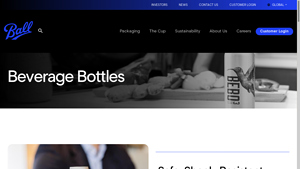
7. Ball – Aluminum Bottles
Domínio: ball.com
Registered: 1991 (34 years)
Introdução: Ball aluminum bottles are designed for sporting events, concert venues, and active beverage consumers. They offer sustainable packaging for various beverages including water, beer, kombucha, and hard seltzer, without compromising flavor. Key features include:
– Alumi-Tek® technology, which emphasizes eco-consciousness and circularity of aluminum.
– A wide selection of shapes and sizes to facilit…
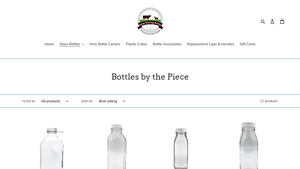
8. Better Beverage Bottles – Heavy Glass Milk Bottle 64 Oz Jug
Domínio: betterbeveragebottles.com
Registada: 2015 (10 anos)
Introdução: [{‘name’: ‘The Dairy Shoppe Heavy Glass Milk Bottle 64 Oz Jug (2 Quart) with Extra Accessories Included’, ‘regular_price’: ‘$5.95’, ‘sale_price’: ‘$5.95’, ‘backordered’: ‘true’}, {‘name’: ‘1 Liter (33.8 Oz) Square Milk Bottle’, ‘regular_price’: ‘$4.25’, ‘sale_price’: ‘$4.25’, ‘backordered’: ‘true’}, {‘name’: ’17 Oz Glass Water Bottle Virtually Unbreakable with Thick Sides’, ‘regular_price’: ‘$3.00…
Strategic Sourcing Conclusion and Outlook for beverage bottles
In navigating the complex landscape of beverage bottle sourcing, strategic partnerships are essential. B2B buyers should prioritize suppliers who offer high-quality materials, such as BPA-free PET, which is not only safe for consumers but also widely recyclable. Emphasizing certifications like FDA and SQF can provide assurance of quality and compliance, which is particularly important in regions like Europe and the Middle East where regulatory standards are stringent.
Additionally, understanding the specific needs of your target market can guide your sourcing strategy. For instance, while PET bottles are suitable for cold beverages, glass options may appeal to premium product lines. Consideration of local market preferences, environmental impact, and logistical efficiency will bolster your competitive edge.
As you look toward the future, the demand for sustainable and innovative packaging solutions is expected to rise. Engaging with suppliers who are committed to eco-friendly practices and can adapt to market changes will be crucial. Take proactive steps today to secure partnerships that not only meet your current needs but also align with future trends in the beverage industry. Embrace the opportunity to lead in sustainability and quality within your market.
 Português
  English
  Español
  Français
  Deutsch
  العربية
  Русский
  日本語
日本語  한국어
한국어  Italiano
  Nederlands