Introduction: Navigating the Global Market for insulated water bottle for hot water
In the quest for high-quality insulated water bottles for hot water, international B2B buyers face the challenge of identifying reliable suppliers and understanding the diverse offerings in the market. The demand for insulated bottles is rapidly increasing, driven by the need for sustainable hydration solutions that keep beverages at optimal temperatures while catering to the eco-conscious consumer. This comprehensive guide delves into various types of insulated water bottles, their applications across different sectors, and critical considerations for supplier vetting, pricing strategies, and logistics.
Navigating the global landscape of insulated water bottles requires insights into regional preferences and market trends, especially for buyers from Africa, South America, the Middle East, and Europe, including countries like Saudi Arabia and Brazil. By providing detailed analyses of product specifications, material quality, and brand reputation, this guide empowers B2B buyers to make informed purchasing decisions. It highlights the importance of durability, insulation efficiency, and design versatility, ensuring that your investment meets the needs of your target market.
Ultimately, this resource aims to equip you with the knowledge to source superior insulated water bottles that not only meet consumer demands but also align with sustainability goals, enhancing your competitive edge in the marketplace.
Understanding insulated water bottle for hot water Types and Variations
| Type Name | Key Distinguishing Features | Primary B2B Applications | Brief Pros & Cons for Buyers |
|---|---|---|---|
| Stainless Steel Bottles | High durability, excellent heat retention, often insulated with double-wall technology | Outdoor events, corporate gifting, hospitality | Pros: Long-lasting, eco-friendly; Cons: Heavier than plastic options |
| Vacuum Insulated Tumblers | Designed for both hot and cold beverages, wide mouth for easy filling and cleaning | Cafes, restaurants, catering services | Pros: Versatile; Cons: Can spill if not sealed properly |
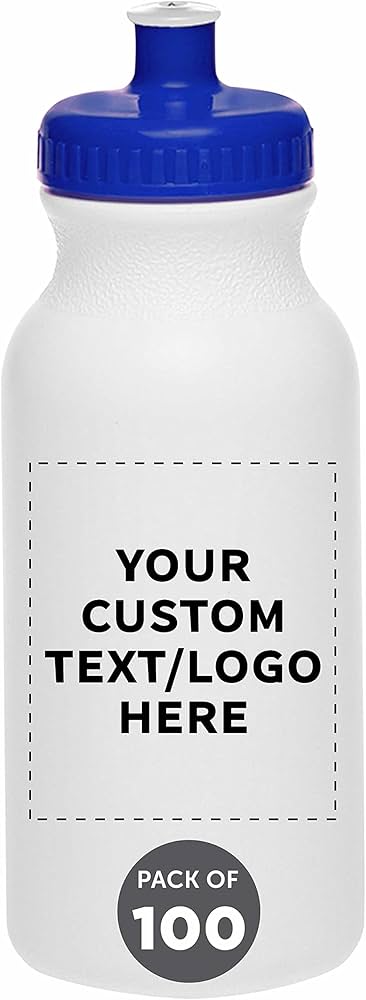
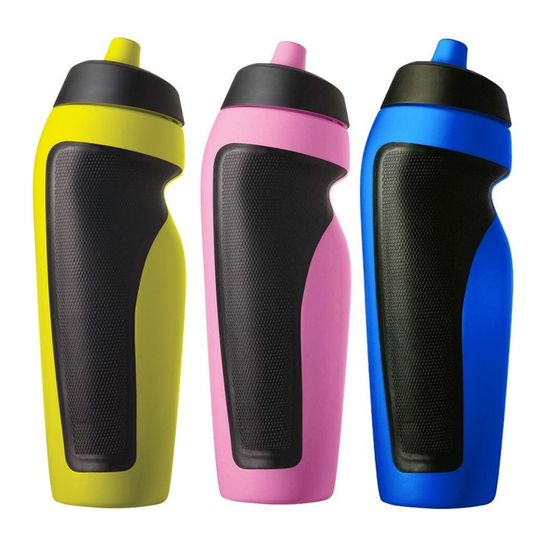
| BPA-Free Plastic Bottles | Lightweight, often available in multiple colors and sizes | Schools, sports teams, promotional giveaways | Pros: Cost-effective, customizable; Cons: Less durable than metal |
| Travel Mugs with Lids | Designed for on-the-go use, spill-proof lids, often fits in car cup holders | Transportation companies, corporate travel | Pros: Convenient for commuters; Cons: Limited capacity |
| Specialty Designed Bottles | Includes features like built-in filters or straws, targeted at specific user needs | Health-focused businesses, fitness centers | Pros: Tailored for niche markets; Cons: May be more expensive |
What Are the Characteristics of Stainless Steel Bottles?
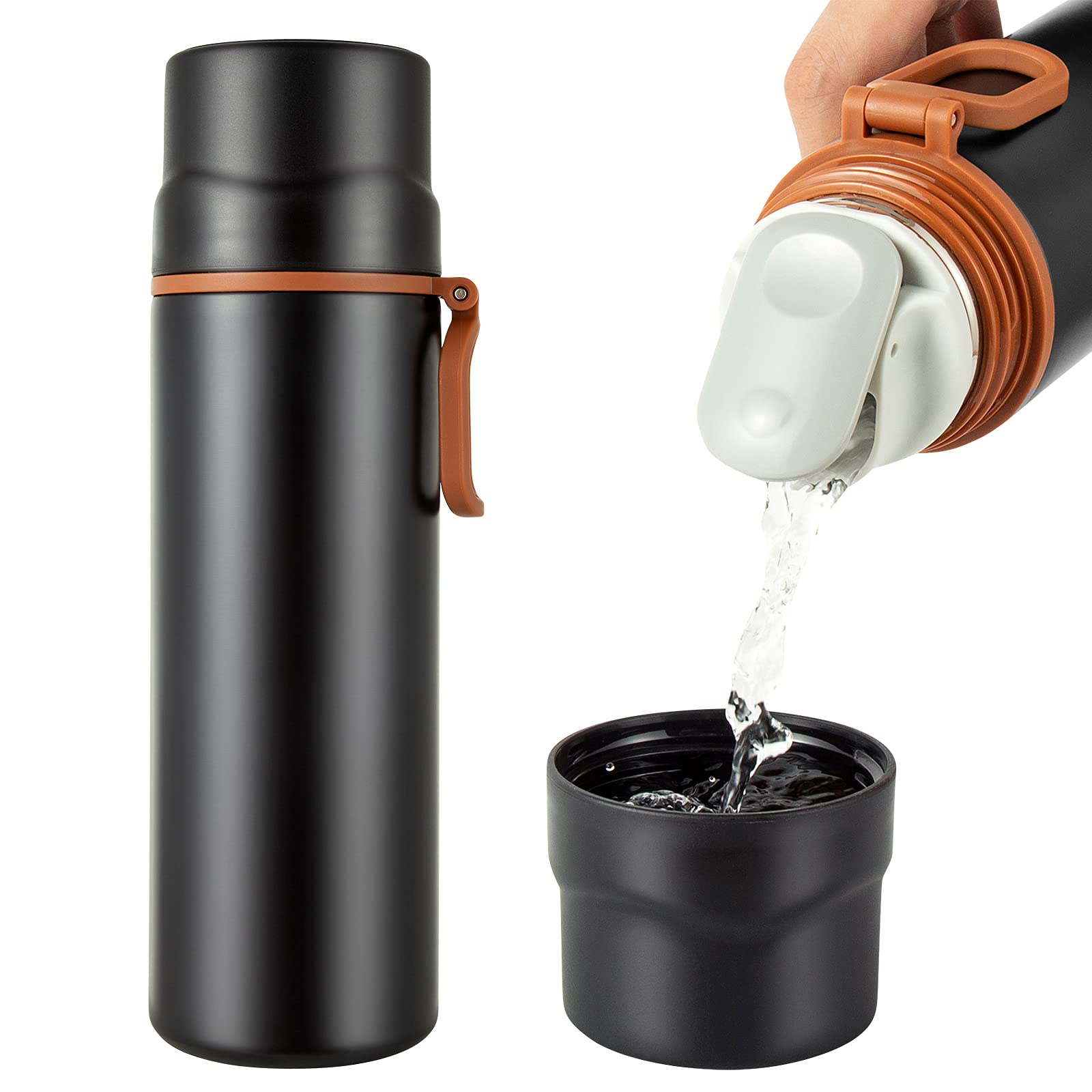
Stainless steel insulated bottles are known for their robust construction and exceptional ability to maintain temperature. Typically featuring double-wall vacuum insulation, these bottles can keep hot water warm for extended periods, making them ideal for outdoor events or corporate gifting. B2B buyers should consider the durability and eco-friendliness of stainless steel, as these bottles can significantly reduce single-use plastic waste. However, their weight compared to plastic alternatives may be a drawback for some applications.
How Do Vacuum Insulated Tumblers Benefit B2B Applications?
Vacuum insulated tumblers are versatile and suitable for both hot and cold beverages. Their wide mouth design allows for easy filling and cleaning, making them popular in cafes, restaurants, and catering services. B2B buyers should look for options that offer good insulation properties and a variety of sizes to cater to different customer needs. While they are generally spill-proof, it is essential to ensure the lid seals properly to prevent accidents during service.
Why Choose BPA-Free Plastic Bottles for Your Business?
BPA-free plastic bottles are lightweight and often come in various colors and sizes, making them attractive for schools, sports teams, and promotional giveaways. Their cost-effectiveness can be appealing for businesses looking to engage customers without significant investment. However, while these bottles are customizable, their durability is often inferior to that of metal options, which may affect long-term usage and sustainability.
What Are the Advantages of Travel Mugs with Lids?
Travel mugs with lids are specifically designed for on-the-go use, often featuring spill-proof lids that fit standard car cup holders. They are particularly useful for transportation companies and corporate travel, where convenience is paramount. Buyers should consider the capacity and insulation quality when selecting travel mugs, as these factors can influence user satisfaction. However, the limited capacity might not meet the needs of all customers, particularly those requiring larger volumes.
How Do Specialty Designed Bottles Cater to Niche Markets?
Specialty designed bottles often include features like built-in filters or straws, targeting specific user needs such as health and fitness. These bottles are ideal for health-focused businesses and fitness centers looking to provide customers with unique, functional products. While they can command a higher price point, the tailored features may justify the investment for buyers aiming to differentiate themselves in the market. However, it is essential to evaluate the additional costs against potential sales and customer interest.
Key Industrial Applications of insulated water bottle for hot water
| Industry/Sector | Specific Application of insulated water bottle for hot water | Value/Benefit for the Business | Key Sourcing Considerations for this Application |
|---|---|---|---|
| Hospitality | Providing hot beverages for guests in hotels and restaurants | Enhances guest experience and satisfaction | Durability, heat retention, and ease of cleaning are crucial. |
| Outdoor and Adventure | Hydration solutions for trekking and camping expeditions | Ensures availability of hot beverages in remote areas | Lightweight design and robust insulation are essential. |
| Health and Wellness | Use in fitness centers for hot herbal teas and infusions | Promotes wellness and hydration among clients | BPA-free materials and ergonomic design for easy handling. |
| Corporate Gifts | Promotional items for businesses to distribute | Increases brand visibility and customer loyalty | Customization options and bulk pricing should be evaluated. |
| Education and Training | Providing hot beverages during workshops and seminars | Supports a conducive learning environment | Insulation efficiency and safety features are important. |
How is the Insulated Water Bottle for Hot Water Used in the Hospitality Industry?
In the hospitality sector, insulated water bottles for hot water serve as an essential tool for delivering beverages like coffee and tea to guests. Hotels and restaurants can enhance the dining experience by offering guests hot drinks in stylish, insulated containers that maintain temperature for extended periods. This not only improves customer satisfaction but also reduces the frequency of beverage refills, streamlining service. Buyers in this sector should consider durability and ease of cleaning, as these bottles will be used frequently in high-traffic environments.
What Role Does the Insulated Water Bottle Play in Outdoor and Adventure Activities?
Outdoor enthusiasts rely on insulated water bottles for hot water to ensure they have access to warm beverages during trekking, hiking, and camping trips. These bottles are designed to withstand harsh conditions while keeping liquids hot for hours. This is particularly important in colder climates where maintaining body temperature is crucial. B2B buyers in this sector must prioritize lightweight designs and robust insulation capabilities to cater to the needs of adventurous consumers seeking reliable hydration solutions.
How Do Insulated Water Bottles Support Health and Wellness Initiatives?
In fitness centers and wellness retreats, insulated water bottles for hot water are often used to serve herbal teas and infusions that promote health. By providing clients with the option to enjoy hot beverages post-workout, businesses can enhance the overall wellness experience. This encourages hydration and supports health goals. Buyers should focus on BPA-free materials and ergonomic designs that facilitate ease of use, ensuring that the bottles meet health-conscious consumers’ expectations.
Why Are Insulated Water Bottles Effective as Corporate Gifts?
Businesses often utilize insulated water bottles for hot water as promotional items, gifting them to clients and employees. This strategy not only boosts brand visibility but also fosters customer loyalty by providing a practical item that recipients will use regularly. When sourcing these bottles, companies should consider customization options, such as branding and bulk pricing, to maximize their marketing impact while ensuring quality and functionality.
How Are Insulated Water Bottles Utilized in Educational Settings?
In educational environments, insulated water bottles for hot water are valuable for providing hot beverages during workshops, seminars, and training sessions. This contributes to a comfortable atmosphere conducive to learning. Additionally, these bottles can help instill sustainable practices among students by promoting reusable drinkware. Key considerations for buyers include insulation efficiency and safety features to ensure that the bottles are suitable for all age groups while remaining easy to handle.
A stock image related to insulated water bottle for hot water.
3 Common User Pain Points for ‘insulated water bottle for hot water’ & Their Solutions
Scenario 1: Insufficient Temperature Retention for Hot Beverages
The Problem: One of the most significant challenges faced by B2B buyers of insulated water bottles for hot water is ensuring that the bottles maintain high temperatures for extended periods. Many businesses, such as coffee shops and catering services, rely on these bottles to keep beverages hot throughout events or during long workdays. When bottles fail to perform as promised, it not only affects customer satisfaction but can lead to financial losses and damage to brand reputation.
The Solution: To address this challenge, buyers should prioritize sourcing insulated water bottles with double-wall vacuum insulation technology. This feature significantly improves heat retention compared to single-walled or poorly insulated options. When specifying products, look for bottles that explicitly state their temperature retention capabilities, ideally those that can keep liquids hot for up to 12-24 hours. Additionally, conducting hands-on testing or requesting samples can provide assurance that the products meet performance expectations. Establishing partnerships with reputable manufacturers known for their quality assurance processes can further mitigate risks.
Scenario 2: Durability Issues in Harsh Environments
The Problem: Many businesses operate in challenging environments where products are subjected to rough handling, extreme temperatures, or exposure to the elements. For example, companies in the outdoor adventure industry or fieldwork settings often find that their insulated water bottles become damaged or lose insulation effectiveness over time. This not only results in increased replacement costs but also can lead to a lack of trust from customers who depend on reliable products.
The Solution: To overcome durability issues, B2B buyers should look for insulated water bottles made from high-grade stainless steel that offers both durability and resistance to corrosion. It’s essential to inquire about the specific materials used in construction and the presence of protective coatings. Additionally, consider sourcing bottles that come with a warranty, as this can indicate a manufacturer’s confidence in their product’s longevity. Implementing a regular inspection process to assess the condition of the bottles can help identify potential issues before they escalate, ensuring that your supply remains reliable.
Scenario 3: Difficulties with Cleaning and Maintenance
The Problem: Cleaning and maintaining insulated water bottles can be a pain point for B2B buyers, especially in environments with high-volume use, such as cafes or gyms. Residual odors and stains can develop if bottles are not properly cleaned, leading to unpleasant customer experiences and potentially harmful health concerns. This issue is exacerbated when bottles are designed with narrow openings that make thorough cleaning difficult.
The Solution: To mitigate cleaning challenges, businesses should prioritize sourcing insulated water bottles that feature wide mouths or detachable parts for easy access. This design allows for thorough cleaning, whether using a bottle brush or a dishwasher. When negotiating with suppliers, emphasize the need for products that are dishwasher-safe and resistant to staining. Additionally, consider implementing a cleaning protocol that includes regular deep cleaning cycles and employee training to ensure all staff members are knowledgeable about maintaining the bottles. This proactive approach can enhance product longevity and maintain customer satisfaction.
Strategic Material Selection Guide for insulated water bottle for hot water
What Are the Key Materials for Insulated Water Bottles Designed for Hot Water?
When selecting materials for insulated water bottles intended for hot water, it is crucial to consider their properties, advantages, disadvantages, and how they align with international standards. The following materials are commonly used in the production of insulated water bottles, each offering unique benefits and challenges.
How Does Stainless Steel Perform in Insulated Water Bottles?
Key Properties: Stainless steel is renowned for its excellent temperature retention and corrosion resistance. It can withstand high temperatures, making it suitable for hot liquids. Its pressure rating is also high, ensuring that it can handle the thermal expansion of hot water without compromising structural integrity.
Pros & Cons: The durability of stainless steel is one of its greatest strengths, as it is resistant to dents and scratches. However, it tends to be heavier than other materials, which may affect portability. The manufacturing process can be more complex, leading to higher production costs compared to plastic options.
Impact on Application: Stainless steel is compatible with a wide range of liquids, including acidic beverages, making it versatile for various applications.
Considerations for International Buyers: Buyers from regions like Africa and the Middle East should ensure compliance with food safety standards such as ASTM and ISO. Additionally, the preference for stainless steel bottles is increasing due to their perceived quality and durability.
What Role Does BPA-Free Plastic Play in Insulated Water Bottles?
Key Properties: BPA-free plastic is lightweight and can be engineered to withstand high temperatures, although it generally has a lower temperature retention capability compared to metals. Its pressure rating is suitable for hot water but may not match that of stainless steel.
Pros & Cons: The primary advantage of BPA-free plastic is its lightweight nature and lower cost, making it an attractive option for budget-conscious buyers. However, it may not offer the same level of durability and insulation as stainless steel, leading to potential issues with long-term use.
Impact on Application: While suitable for hot water, BPA-free plastic may not be ideal for all types of beverages, especially those that are highly acidic or oily, which can degrade the material over time.
Considerations for International Buyers: Compliance with local regulations regarding food safety and material standards is essential. In regions like South America, the demand for eco-friendly products is rising, making BPA-free plastic a viable option.
How Does Glass Compare in Insulated Water Bottles?
Key Properties: Glass offers excellent thermal resistance and does not leach chemicals, making it a safe choice for hot liquids. However, it is heavier and more fragile than other materials, which can limit its practicality.
Pros & Cons: The aesthetic appeal and purity of glass are significant advantages, as it does not retain flavors or odors. However, its fragility can be a considerable drawback, especially in environments where durability is crucial, such as outdoor activities.
Impact on Application: Glass is suitable for hot water and other beverages but requires careful handling to avoid breakage.
Considerations for International Buyers: Buyers in Europe may favor glass for its eco-friendliness, but they should also consider the logistics of shipping fragile products. Compliance with EU packaging regulations is also critical.
What About Silicone in Insulated Water Bottles?
Key Properties: Silicone is flexible and can withstand high temperatures, making it suitable for hot liquids. It is also resistant to UV light and does not degrade over time.
Pros & Cons: The flexibility and lightweight nature of silicone are significant advantages, allowing for collapsible designs. However, silicone may not provide the same level of insulation as metal or glass, which could affect temperature retention.
Impact on Application: Silicone is generally compatible with hot water but may not be ideal for prolonged exposure to very high temperatures.
Considerations for International Buyers: In regions like the Middle East, where high temperatures are common, ensuring that silicone products meet local health and safety standards is crucial.
Summary Table of Material Selection for Insulated Water Bottles
| Material | Typical Use Case for insulated water bottle for hot water | Key Advantage | Key Disadvantage/Limitation | Relative Cost (Low/Med/High) |
|---|---|---|---|---|
| Stainless Steel | Hot beverages, outdoor activities | Excellent durability and insulation | Heavier and higher manufacturing costs | High |
| BPA-Free Plastic | Everyday use, budget-friendly options | Lightweight and cost-effective | Lower durability and insulation | Low |
| Glass | Home use, eco-friendly markets | Pure taste and aesthetic appeal | Fragile and heavy | Medium |
| Silicone | Travel-friendly, collapsible designs | Flexible and lightweight | Lower insulation performance | Medium |
This strategic material selection guide provides B2B buyers with insights into the properties, advantages, and considerations of various materials used in insulated water bottles for hot water, enabling informed purchasing decisions tailored to their specific market needs.
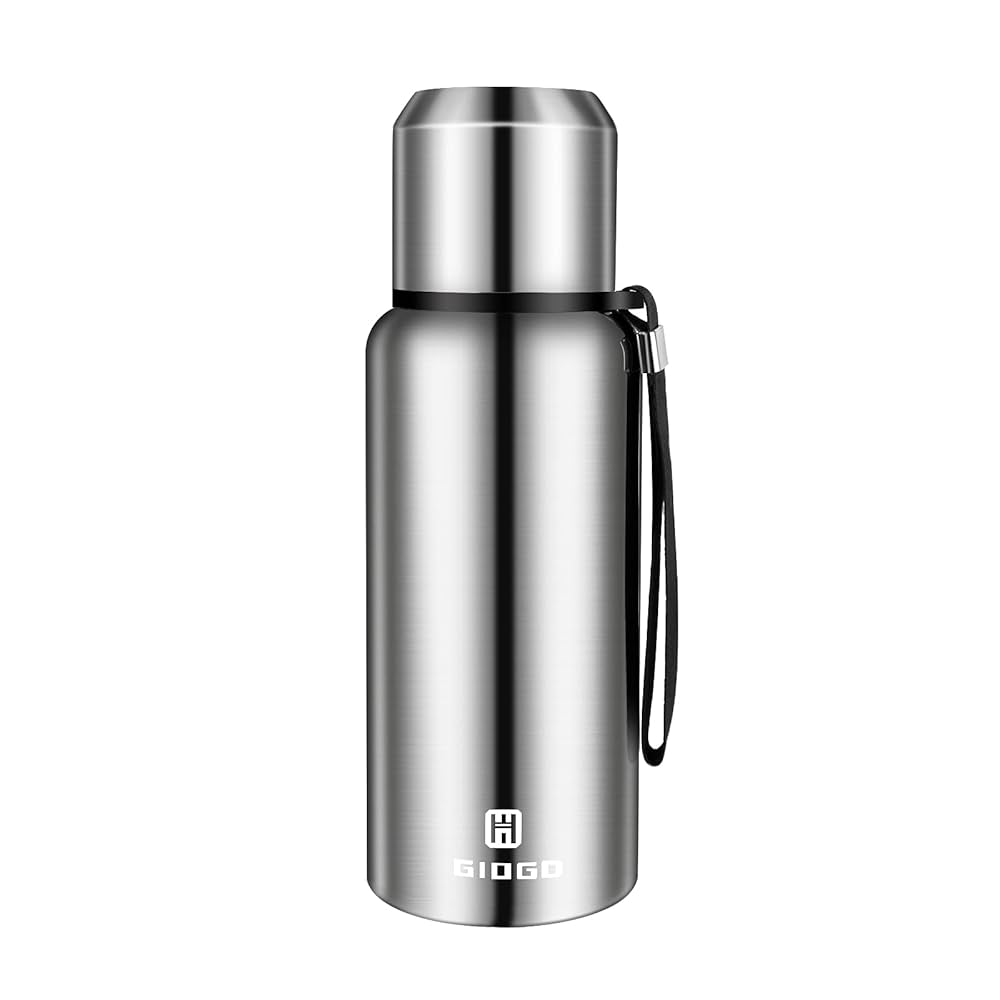
A stock image related to insulated water bottle for hot water.
In-depth Look: Manufacturing Processes and Quality Assurance for insulated water bottle for hot water
What Are the Key Stages in the Manufacturing Process of Insulated Water Bottles for Hot Water?
The manufacturing of insulated water bottles involves several critical stages that ensure the final product meets quality and performance standards. The main stages include material preparation, forming, assembly, and finishing.
How Is Material Prepared for Insulated Water Bottles?
The first step in the manufacturing process is material preparation. High-quality stainless steel is often chosen for its durability and insulation properties. The steel is sourced from reputable suppliers who adhere to international standards. Before fabrication, the material is subjected to rigorous testing to ensure it meets specifications for thickness, corrosion resistance, and thermal conductivity.
In addition to stainless steel, other materials such as silicone for lids and gaskets, and BPA-free plastics for caps may also be prepared. These materials are screened for quality to ensure they are safe for hot liquids and do not leach harmful substances.
What Techniques Are Used in the Forming Stage?
Once the materials are prepared, they undergo the forming process. This typically involves cutting the stainless steel sheets into the required shapes, followed by processes such as deep drawing or spinning to create the bottle’s body. Advanced techniques like hydroforming may be employed for more complex designs, allowing for greater flexibility in design without compromising strength.
After forming, the pieces are often subjected to a cleaning process to remove any contaminants that could affect the final product’s quality. This step is crucial, especially for insulated bottles intended for hot liquids, as any residue could alter taste or safety.
How Are Insulated Water Bottles Assembled?
The assembly stage involves the integration of various components, including the body, lid, and insulation layers. Manufacturers often use vacuum insulation technology, which involves creating a vacuum between two layers of stainless steel. This process is critical for maintaining the temperature of hot liquids.
During assembly, components are meticulously aligned, and seals are placed to ensure leak-proof performance. Automated assembly lines may be used to enhance efficiency and consistency, though manual inspections are also commonplace to catch any defects.
What Finishing Techniques Are Employed?
The final stage, finishing, includes polishing, coating, and branding. Polishing enhances the aesthetic appeal and provides a smooth surface that is easier to clean. Coatings may be applied to improve grip or to add color and branding, making the bottles visually appealing to consumers.
Quality checks are conducted throughout this stage to ensure that all surfaces meet the required standards. Bottles are also subjected to rigorous cleaning processes to ensure they are ready for packaging.
How Is Quality Assurance Implemented in the Manufacturing of Insulated Water Bottles?
Quality assurance (QA) is a critical component of the manufacturing process for insulated water bottles, especially when targeting international markets.
Which International Standards Are Relevant for Quality Assurance?
Manufacturers typically adhere to international quality management standards such as ISO 9001. This standard outlines requirements for a quality management system, ensuring that organizations consistently provide products that meet customer and regulatory requirements.
In addition, industry-specific certifications such as CE marking (for European markets) and API standards (for specific applications) may also be relevant. These certifications assure buyers that the products have undergone rigorous testing and meet specific safety and performance criteria.
What Are the Key Quality Control Checkpoints?
Quality control (QC) is integrated into various stages of the manufacturing process, commonly categorized into three checkpoints:
-
Incoming Quality Control (IQC): This initial stage involves inspecting raw materials upon arrival. Suppliers must provide documentation certifying that materials meet required standards. Non-conforming materials are rejected or quarantined.
-
In-Process Quality Control (IPQC): During the manufacturing process, random samples are taken at different stages to ensure that the products conform to specifications. This includes checks for dimensions, weight, and insulation effectiveness.
-
Final Quality Control (FQC): After assembly and finishing, a final inspection is performed. This includes functional testing to verify that the bottles maintain temperature for hot liquids, as well as checks for leaks and defects in the finish.
How Can B2B Buyers Verify Supplier Quality Control?
B2B buyers can implement several strategies to verify the quality control processes of potential suppliers:
-
Audits: Conducting on-site audits allows buyers to assess the manufacturing environment, quality control processes, and compliance with international standards firsthand.
-
Reports: Requesting detailed QC reports can provide insights into the supplier’s testing methods, results, and any corrective actions taken for non-conforming products.
-
Third-Party Inspections: Engaging third-party inspection agencies can offer an unbiased view of the supplier’s quality management systems and product quality. This is particularly important for international buyers who may not have direct access to the supplier’s facilities.
What Nuances Should International Buyers Consider Regarding Quality Control?
For international buyers, especially those in regions like Africa, South America, the Middle East, and Europe, understanding local regulations and standards is crucial. Compliance with both international and regional standards can significantly affect importation processes and market entry.
Additionally, cultural differences in business practices may influence quality assurance processes. Buyers should ensure clear communication regarding quality expectations and compliance requirements. Building strong relationships with suppliers can also facilitate better understanding and adherence to quality standards.
In conclusion, understanding the manufacturing processes and quality assurance measures for insulated water bottles is essential for B2B buyers. By focusing on these aspects, buyers can make informed decisions, ensuring they partner with manufacturers who prioritize quality and compliance, ultimately leading to successful business outcomes.
Practical Sourcing Guide: A Step-by-Step Checklist for ‘insulated water bottle for hot water’
Introduction
This sourcing guide aims to assist B2B buyers in effectively procuring insulated water bottles designed for hot water. With a focus on durability, efficiency, and safety, this checklist outlines essential steps that will streamline your purchasing process, ensuring you find the right products that meet your specific needs.
Step 1: Define Your Technical Specifications
Before reaching out to suppliers, clarify your requirements for insulated water bottles. Consider factors such as capacity, material (e.g., stainless steel, BPA-free plastic), and insulation efficiency. Specifying these technical details upfront will help suppliers provide accurate quotes and ensure that the products align with your business’s operational needs.
Step 2: Identify Potential Suppliers
Conduct thorough research to compile a list of reputable suppliers. Focus on manufacturers known for producing insulated water bottles, especially those with experience in your target markets, such as Africa, South America, the Middle East, and Europe. Utilize industry directories, trade shows, and online marketplaces to find suppliers that meet your criteria.
Step 3: Evaluate Supplier Certifications
Verify that potential suppliers hold necessary certifications, such as ISO 9001 or relevant food safety standards. This step is crucial for ensuring product quality and compliance with international regulations. Request documentation and check for third-party audits to validate their manufacturing processes and product safety.
Step 4: Request Samples for Testing
Before finalizing your order, request samples of the insulated water bottles. Conduct rigorous testing to evaluate their insulation performance, durability, and ease of use. This practical assessment allows you to identify any potential issues and ensures that the bottles meet your expectations for hot water storage.
Step 5: Inquire About Customization Options
If your business requires branding or specific design features, inquire about customization options with the supplier. Many manufacturers offer personalized solutions, such as custom logos or unique color schemes. Ensuring that the bottles can be tailored to your brand identity can enhance your market presence and customer loyalty.
Step 6: Review Pricing and Payment Terms
Once you have shortlisted suppliers, review their pricing structures and payment terms. Compare quotes to ensure you are getting competitive pricing while also considering factors like minimum order quantities and bulk discounts. Establish clear payment terms that align with your cash flow and procurement cycle.
Step 7: Negotiate Delivery and Logistics
Finally, discuss delivery timelines and logistics with your chosen supplier. Ensure they can meet your required lead times and understand their shipping methods, costs, and any potential customs issues for your target regions. Clear communication on logistics will help avoid delays and ensure a smooth procurement process.
By following these steps, B2B buyers can effectively source high-quality insulated water bottles for hot water, optimizing their purchasing strategy and ensuring satisfaction with their final products.
Comprehensive Cost and Pricing Analysis for insulated water bottle for hot water Sourcing
When sourcing insulated water bottles for hot water, understanding the cost structure and pricing dynamics is crucial for international B2B buyers. This analysis delves into the cost components, price influencers, and actionable tips to enhance negotiation outcomes.
What Are the Key Cost Components in Insulated Water Bottle Manufacturing?
Materials: The primary cost driver in insulated water bottles is the raw materials used. Common materials include stainless steel, which is preferred for its durability and insulation properties, and BPA-free plastics for lighter options. Prices can fluctuate based on market conditions and material grades.
Labor: Labor costs vary significantly depending on the manufacturing location. Regions with lower labor costs, such as parts of Asia, can offer competitive pricing, while European manufacturers may have higher labor expenses due to stringent regulations.
Manufacturing Overhead: This includes utilities, facility maintenance, and other operational costs. Efficient factories with modern equipment tend to have lower overhead, allowing for more competitive pricing.
Tooling: Initial tooling costs for molds and dies can be substantial, particularly for custom designs. However, these costs can be amortized over larger production runs, making it essential to consider Minimum Order Quantities (MOQs).
Quality Control (QC): Implementing robust QC processes ensures product reliability and compliance with international standards. While this can increase costs, it often leads to fewer defects and higher customer satisfaction.
Logistics: Transportation and shipping costs are critical, especially for international transactions. Factors such as distance, shipping mode (air vs. sea), and customs duties can impact the overall cost.
Margin: Suppliers typically add a margin to cover their costs and profit. This margin can vary based on competition, brand reputation, and market demand.
How Do Price Influencers Impact Sourcing Decisions?
Volume/MOQ: Larger orders often attract discounts, making it advantageous for buyers to negotiate higher volumes. However, this requires careful forecasting to avoid overstocking.
Specifications and Customization: Custom designs or specific features can increase costs significantly. Buyers should balance the need for unique features with budget constraints.
Material Quality and Certifications: High-quality materials and certifications (e.g., ISO, FDA compliance) can elevate costs. However, they also enhance product reliability and marketability.
Supplier Factors: The reputation and reliability of suppliers can influence pricing. Established suppliers may charge more due to their proven track record and better service.
Incoterms: Understanding Incoterms (International Commercial Terms) is essential for determining who bears shipping costs, risks, and responsibilities. This can significantly impact the total cost of ownership.
What Are the Best Buyer Tips for Negotiating Prices?
Negotiation Strategies: Buyers should come prepared with market research to negotiate effectively. Understanding competitors’ pricing can provide leverage in discussions.
Focusing on Cost-Efficiency: Consider the Total Cost of Ownership (TCO), which includes purchase price, shipping, handling, and potential warranty costs. A lower upfront cost may not always equate to better value.
Pricing Nuances for International Buyers: B2B buyers from regions like Africa, South America, the Middle East, and Europe should be aware of currency fluctuations, import duties, and regional trade agreements that may affect pricing.
Building Long-Term Relationships: Establishing a strong relationship with suppliers can lead to better pricing, improved service, and preferential treatment during negotiations.
Disclaimer on Indicative Prices
While indicative prices may be referenced from various suppliers, it is essential to conduct thorough due diligence to obtain accurate and up-to-date quotes tailored to specific requirements. Prices can fluctuate based on market conditions, and buyers should always seek multiple quotations to ensure competitive pricing.
In summary, understanding the intricacies of cost components, price influencers, and negotiation strategies is vital for B2B buyers in the insulated water bottle market. By employing these insights, businesses can enhance their sourcing strategies and secure favorable terms.
Alternatives Analysis: Comparing insulated water bottle for hot water With Other Solutions
Exploring Alternatives to Insulated Water Bottles for Hot Water
When considering hydration solutions for hot beverages, insulated water bottles are a popular choice due to their thermal retention capabilities. However, several alternative solutions can also serve this purpose effectively. This analysis explores the key differences between insulated water bottles for hot water and other viable options, enabling international B2B buyers to make informed decisions.
| Comparison Aspect | Insulated Water Bottle For Hot Water | Thermal Carafe | Electric Thermos |
|---|---|---|---|
| Performance | Excellent thermal insulation, retains heat for hours | Good heat retention, ideal for serving | Keeps water hot continuously, but limited portability |
| Cost | Moderate ($20 – $50) | Moderate ($25 – $70) | Higher ($50 – $120) |
| Ease of Implementation | Very easy to use, portable | Requires pre-heating, less portable | Requires power source, heavier |
| Maintenance | Low maintenance, easy to clean | Moderate, requires careful handling | Moderate, needs regular cleaning and charging |
| Best Use Case | Ideal for outdoor activities, travel | Best for serving in offices or during events | Perfect for long trips, picnics where continuous heat is needed |
Understanding the Alternatives: Pros and Cons
1. Thermal Carafe
Thermal carafes are designed primarily for serving hot beverages. They offer good insulation and can keep drinks hot for several hours, making them suitable for office settings or gatherings. However, they are generally less portable than insulated water bottles. While they are relatively easy to use, they require pre-heating, which can be inconvenient. The cost is comparable to insulated bottles, but their bulkier design may limit their functionality in mobile scenarios.
2. Electric Thermos
Electric thermoses are innovative devices that maintain the temperature of hot liquids using a power source. They are excellent for long journeys where continuous access to hot water is essential. However, they are typically more expensive and require a power source, which can limit their portability. Maintenance involves regular cleaning and ensuring the device is charged, which may not be practical for all users. Their robustness makes them ideal for specific scenarios, but they may not be the best choice for casual, everyday use.
Making the Right Choice for Your B2B Needs
When selecting the appropriate hydration solution for hot beverages, consider the specific use case and operational requirements of your business. Insulated water bottles are ideal for portability and ease of use, making them suitable for companies with mobile employees or outdoor activities. On the other hand, if your operations require serving hot beverages in a fixed location, thermal carafes may be more appropriate. For businesses that need continuous access to hot water during trips or events, electric thermoses provide a robust solution, albeit at a higher cost and maintenance level.
By evaluating these alternatives against your specific needs, you can make an informed decision that optimizes functionality and cost-effectiveness for your organization.
Essential Technical Properties and Trade Terminology for insulated water bottle for hot water
What Are the Key Technical Properties of Insulated Water Bottles for Hot Water?
When sourcing insulated water bottles designed for hot water, several technical properties are essential for ensuring product quality and performance. Understanding these specifications can help B2B buyers make informed purchasing decisions.
-
Material Grade
The most common materials for insulated water bottles are stainless steel and high-grade BPA-free plastic. Stainless steel grades, such as 304 or 316, are preferred for their corrosion resistance and durability. For hot water applications, the material must withstand high temperatures without degrading, ensuring safety and longevity. -
Thermal Performance (Insulation Efficiency)
Insulation performance is typically measured by the bottle’s ability to maintain temperature over time, quantified in hours. A well-insulated bottle should keep hot liquids hot for 12 hours or more. This property is vital for end-users who require reliable hydration solutions during long excursions or workdays. -
Capacity and Dimensions
Insulated water bottles come in various sizes, commonly ranging from 12 oz to 64 oz. Buyers should consider the intended use—larger capacities are suited for outdoor adventures, while smaller options are better for daily commuting. Additionally, the dimensions should fit standard cup holders or backpacks for optimal portability. -
Leak-Proof Design
A reliable leak-proof design is crucial for insulated water bottles, especially when transporting hot liquids. Features such as silicone seals and threaded lids can prevent spills and maintain thermal integrity. Buyers must ensure that the bottles meet rigorous testing standards for leak resistance. -
Weight and Portability
The weight of the bottle can impact its usability, especially in outdoor settings. Lightweight materials, while maintaining durability, enhance portability. Buyers should assess the trade-off between weight and insulation performance to find the ideal balance for their target market. -
Finish and Coating
The outer coating of the bottle can influence aesthetics and functionality. Options like powder coating or silicone sleeves can improve grip and resistance to scratches or dents. Buyers should consider the visual appeal and practical benefits of different finishes when selecting products.
What Common Trade Terminology Should B2B Buyers Know?
Understanding industry jargon is crucial for navigating procurement processes efficiently. Here are key terms relevant to insulated water bottles:
-
OEM (Original Equipment Manufacturer)
OEM refers to companies that manufacture products based on another company’s design specifications. In the context of insulated water bottles, businesses can partner with OEMs to create custom designs, ensuring unique branding and differentiation in the market. -
MOQ (Minimum Order Quantity)
MOQ is the smallest quantity of a product that a supplier is willing to sell. For insulated water bottles, this term is significant as it affects inventory planning and cost management. Buyers should negotiate MOQs to align with their sales forecasts. -
RFQ (Request for Quotation)
An RFQ is a formal document used to solicit pricing and terms from suppliers. When sourcing insulated water bottles, submitting an RFQ can help buyers compare offers and ensure they receive competitive pricing based on their specific requirements. -
Incoterms (International Commercial Terms)
Incoterms define the responsibilities of buyers and sellers in international trade. Understanding these terms is essential for B2B transactions involving insulated water bottles, as they dictate shipping responsibilities, risk, and costs. -
Lead Time
Lead time refers to the time it takes from placing an order to receiving the goods. For insulated water bottles, understanding lead times is crucial for inventory management and meeting customer demands, especially in peak seasons. -
Certification Standards
Certification standards, such as FDA or ISO, ensure that products meet specific safety and quality benchmarks. Buyers should prioritize suppliers that comply with relevant certifications to guarantee product safety and enhance brand reputation.
By grasping these technical properties and trade terms, B2B buyers can navigate the insulated water bottle market more effectively, ensuring that they procure high-quality products that meet their customers’ needs.
Navigating Market Dynamics and Sourcing Trends in the insulated water bottle for hot water Sector
What Are the Current Market Dynamics and Key Trends Influencing Insulated Water Bottles for Hot Water?
The insulated water bottle market is witnessing significant growth, driven by increasing health consciousness and a shift towards sustainable alternatives to single-use plastics. B2B buyers, particularly in emerging markets such as Africa, South America, the Middle East, and Europe, are looking for reliable suppliers that can meet the rising demand for high-quality insulated bottles that maintain the temperature of hot beverages. One key trend is the adoption of advanced insulation technologies, such as double-wall vacuum insulation, which enhances thermal retention and durability.
Moreover, the integration of smart technologies in insulated bottles—such as temperature indicators and hydration tracking—appeals to tech-savvy consumers and businesses alike. As a result, suppliers are encouraged to incorporate innovative features that enhance user experience while maintaining cost-effectiveness.
The competitive landscape is also evolving, with established brands like Hydro Flask and Thermos expanding their product lines to capture a broader audience. In regions like Saudi Arabia and Brazil, where outdoor activities and lifestyle changes are becoming more prevalent, the demand for insulated bottles that cater to both hot and cold beverages is increasing. Understanding local preferences and cultural nuances is essential for B2B buyers to effectively navigate these market dynamics.
How Are Sustainability and Ethical Sourcing Shaping the Insulated Water Bottle Industry?
Sustainability has become a pivotal consideration in the sourcing of insulated water bottles. B2B buyers are increasingly prioritizing products made from eco-friendly materials, such as recycled stainless steel and BPA-free plastics. The environmental impact of the manufacturing process is under scrutiny, pushing brands to adopt ethical sourcing practices that minimize waste and reduce carbon footprints.
Certifications like Fair Trade and ISO 14001 are gaining traction as buyers seek assurance that their products are sourced responsibly. Transparent supply chains are critical, with businesses needing to demonstrate their commitment to ethical practices. This not only enhances brand reputation but also aligns with the growing consumer expectation for sustainable products.
Investing in sustainable practices can also lead to cost savings in the long run. By opting for materials that are both durable and environmentally friendly, businesses can reduce replacement costs and waste. For international B2B buyers, focusing on suppliers who share these values will not only meet regulatory requirements but also appeal to the environmentally conscious consumer base.
What Is the Brief Evolution of Insulated Water Bottles and Its Relevance to B2B Buyers?
The evolution of insulated water bottles can be traced back to the early 20th century, when they were first developed for commercial use in the food and beverage industry. Initially made from glass and metal, these bottles were designed to keep liquids at stable temperatures. Over the decades, advancements in materials and technology have transformed insulated bottles into versatile products suitable for various applications, including outdoor activities and everyday use.
Today, the market offers a plethora of options featuring advanced insulation techniques, ergonomic designs, and customizable branding opportunities, which are particularly appealing to B2B buyers looking to differentiate their offerings. As the demand for sustainable products continues to rise, understanding the historical context of insulated bottles can provide valuable insights for buyers seeking to make informed purchasing decisions. Recognizing the trajectory of innovation and consumer preferences can help businesses align their sourcing strategies with market trends, ultimately leading to enhanced competitiveness in the global marketplace.
Frequently Asked Questions (FAQs) for B2B Buyers of insulated water bottle for hot water
-
1. How do I choose the right insulated water bottle for hot water?
When selecting an insulated water bottle for hot water, consider the material, insulation technology, capacity, and lid design. Stainless steel bottles with double-wall vacuum insulation are ideal for maintaining temperature. Look for features like leak-proof lids and easy-to-clean designs. Evaluate the bottle’s weight and portability, especially if it will be used in outdoor settings or for travel. Additionally, read reviews to assess durability and performance in various environments. -
2. What are the key features to look for in insulated water bottles for B2B purchasing?
Key features to consider include insulation efficiency, material quality, size options, and customization capabilities. Bottles should have high thermal retention, ideally keeping liquids hot for several hours. Opt for BPA-free stainless steel or food-grade materials to ensure safety. Evaluate the supplier’s ability to provide branding or color options for customization, as well as their minimum order quantities (MOQs) that align with your business needs. -
3. What is the typical minimum order quantity (MOQ) for insulated water bottles?
MOQs for insulated water bottles can vary significantly based on the supplier and customization options. Generally, they range from 100 to 1,000 units. Suppliers may offer lower MOQs for standard models without customization, while custom designs often require higher quantities. It’s essential to communicate your needs with potential suppliers to negotiate favorable terms that suit your business’s purchasing power. -
4. How can I ensure the quality of insulated water bottles from suppliers?
To ensure quality, thoroughly vet suppliers by checking certifications, quality control processes, and customer reviews. Request samples to evaluate the product firsthand, focusing on insulation performance, materials, and durability. Additionally, inquire about their production standards, such as ISO certifications, and ask about warranty policies for defects. Establish clear expectations regarding quality assurance (QA) checks during production and before shipment. -
5. What payment terms should I expect when sourcing insulated water bottles internationally?
Payment terms can vary widely among suppliers, but common practices include a 30% deposit upon order confirmation and the remaining 70% before shipment. Some suppliers may offer net 30 or net 60 payment terms for established customers. It’s crucial to discuss and agree on payment methods (e.g., wire transfer, letter of credit) upfront to avoid complications. Ensure that the terms are documented in the purchase agreement. -
6. What are the logistics considerations for importing insulated water bottles?
Logistics considerations include shipping methods (air freight vs. sea freight), customs clearance, and import duties. Choose a shipping method that balances cost and delivery time based on your urgency. Be aware of the regulations in your country regarding imports, especially concerning food safety standards. Collaborating with experienced freight forwarders can streamline the process and help navigate any challenges with customs. -
7. How do I customize insulated water bottles for my brand?
Customization options typically include adding your logo, selecting colors, and choosing different lid designs. When sourcing, confirm with suppliers about their customization capabilities, including the minimum order requirements for personalized designs. Discuss the artwork specifications and production timelines for custom orders. Ensure that you receive a digital proof before full production to avoid any misalignment with your brand identity. -
8. What are the environmental considerations when sourcing insulated water bottles?
When sourcing insulated water bottles, prioritize suppliers that adhere to sustainable practices. Look for products made from recycled materials or those that promote a reduction in single-use plastics. Inquire about the supplier’s environmental certifications, such as ISO 14001 for environmental management. Additionally, consider the lifecycle of the product and its recyclability to align with your company’s sustainability goals and values.
Important Disclaimer & Terms of Use
⚠️ Important Disclaimer
The information provided in this guide, including content regarding manufacturers, technical specifications, and market analysis, is for informational and educational purposes only. It does not constitute professional procurement advice, financial advice, or legal advice.
While we have made every effort to ensure the accuracy and timeliness of the information, we are not responsible for any errors, omissions, or outdated information. Market conditions, company details, and technical standards are subject to change.
B2B buyers must conduct their own independent and thorough due diligence before making any purchasing decisions. This includes contacting suppliers directly, verifying certifications, requesting samples, and seeking professional consultation. The risk of relying on any information in this guide is borne solely by the reader.
Top 9 Insulated Water Bottle For Hot Water Manufacturers & Suppliers List
1. Thermos – Water Bottles
Domain: thermos.com
Registered: 1997 (28 years)
Introduction: Water Bottles from Thermos are tough, leakproof, and dishwasher safe. Available sizes include 16oz, 18oz, 24oz, 32oz, 40oz, and 64oz. Color options include Beige, Black, Blue, Brown, Green, Grey, Orange, Pink, Purple, Red, Stainless Steel, White, Yellow, Alpine Green, Bright Blue, Bright Lime, Clear, Hyper Green, Mocha, Smoke, Ultra Pink. Lid types include Slide Lock Lid and Push Button with Spout…
2. Hydro Flask – Insulated Water Bottles
Domain: hydroflask.com
Registered: 2009 (16 years)
Introduction: Insulated & Stainless Steel Water Bottles from Hydro Flask. Labor Day Sale: 25% off summer styles. Free shipping on orders over $39. New Limited Edition Campus Collection available. Various bottle sizes and styles including 16 oz Coffee with Flex Sip™ Lid ($32.95, $24.71 on sale), 21 oz Standard Mouth with Flex Straw Cap ($34.95), and multiple 32 oz Wide Mouth options with Flex Straw Cap in variou…
3. Leak-Proof Insulated Bottle – 24oz Capacity
Domain: reddit.com
Registered: 2005 (20 years)
Introduction: – Leak-proof bottle suitable for backpack use, not a travel mug or coffee tumbler.
– Minimum capacity of 24oz.
– Preferably without straws due to temperature and pressure issues, unless recommended otherwise.
– Insulated to keep water warm for at least a couple of hours.
– Suggested products include:
1. Hydroflask Wide Mouth – known for insulation but can dent easily and is expensive. …
4. Yeti – Rambler Water Bottle
Domain: allrecipes.com
Registered: 1998 (27 years)
Introduction: Top Picks: 1. Yeti Rambler Water Bottle – Price: $32, Features: Durable, leakproof, color doesn’t fade or chip, Capacity: 18 ounces, Weight: 1.2 pounds, Dimensions: 10.2 x 3 inches, Material: Stainless steel, Insulation: Double-wall vacuum, Dishwasher-safe. 2. Contigo AutoSeal Chill 2.0 Water Bottle – Price: $24 (originally $29), Features: Great temperature retention, sliding lock lid, slim profil…
5. Stanley – Insulated Water Bottles

Domain: stanley1913.com
Registered: 2019 (6 years)
Introduction: Stainless Steel, Insulated Water Bottles; Features: Double-wall vacuum insulation for temperature retention; Designed to eliminate condensation; Available sizes: 14 OZ, 16 OZ, 20 OZ, 24 OZ, 30 OZ, 40 OZ; Accessories include straws and toppers; Special technology: QuadVac™ for enhanced insulation; Not recommended for freezing.
6. BottlePro – Top Insulated Bottles
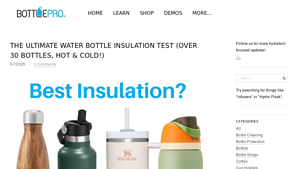
Domain: bottlepro.net
Registered: 2014 (11 years)
Introduction: Hot Test, Best 3: 1) S’well (Original 25oz) 2) Stanley Thermos (1L) 3) RevoMax (20oz) Hot Test, Worst 3: 30) Stanley Quencher (40oz) 31) Hydro Flask Tumbler (40oz) 32) Brumate Era Tumbler (40oz) Cold Test, Best 3: 1) Stanley Thermos (1L) 2) Camelbak Chute Mag (32oz) 3) S’well (Original 25oz) Cold Test, Worst 3: 30) Hydro Flask Tumbler (40oz) 31) Stanley Quencher (40oz) 32) Zulu Ace (24oz) Best Col…
7. LTT Store – Insulated Water Bottle
Domain: lttstore.com
Registered: 2018 (7 years)
Introduction: Insulated Water Bottle – Double Wall Design
– Price: $34.99 USD
– Sizes Available: 21oz, 40oz, 64oz
– Colors Available: Classic, Stealth, Black and Gold, White and Black, Atlantic Blue
– Features:
– Double-wall vacuum insulation keeps drinks cold for up to 16 hours and hot for up to 8 hours.
– Improved Spout Lid V2 for easier sipping, durability, and comfort.
– Care Instructions: Not dishwash…
8. Klean Kanteen – Insulated Steel Water Bottles

Domain: kleankanteen.com
Registered: 2003 (22 years)
Introduction: Insulated Steel Water Bottles and Coffee Mugs from Klean Kanteen include a variety of options with features such as Climate Lock™ Vacuum Insulation, keeping drinks cold for up to 145 hours and hot for up to 47 hours. Available sizes include 12oz, 16oz, 20oz, 32oz, and 64oz. Key models include the TKWide, Rise Classic, and Kid’s Classic, with various cap options like Twist Cap, Flip Seal Sport Cap,…
9. Black+Blum – Reusable Water Bottles
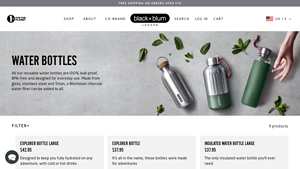
Domain: blackblum.com
Registered: 2001 (24 years)
Introduction: Reusable water bottles from Black+Blum are 100% leak proof, BPA-free, and designed for everyday use. They are made from glass, stainless steel, and Tritan. A Binchotan charcoal water filter can be added to all bottles. The collection includes 9 products with various features such as insulation, different sizes (over and under 24fl oz), and color options including Black, Ocean, Olive, Orange, Slate…
Strategic Sourcing Conclusion and Outlook for insulated water bottle for hot water
In navigating the dynamic landscape of insulated water bottles designed for hot water, international B2B buyers must prioritize strategic sourcing to enhance their procurement processes. Key takeaways include the importance of selecting durable, high-quality materials that ensure optimal insulation and longevity, while also considering the environmental impact of products. Collaborating with reliable manufacturers who adhere to stringent quality standards can lead to better pricing, supply chain efficiency, and ultimately, customer satisfaction.
The global demand for insulated water bottles continues to rise, driven by an increasing focus on sustainability and health. As markets in Africa, South America, the Middle East, and Europe evolve, there is a significant opportunity for businesses to differentiate themselves by offering innovative, eco-friendly solutions.
Looking ahead, it is crucial for international buyers to stay informed about industry trends and consumer preferences. By leveraging strategic sourcing practices, companies can secure advantageous partnerships that not only meet current market demands but also anticipate future needs. Engage with manufacturers that align with your values and vision to maximize your market potential. The time to act is now—position your business for success in the growing insulated water bottle market.