Introduction: Navigating the Global Market for personalized insulated water bottles
The demand for personalized insulated water bottles is surging as businesses increasingly prioritize sustainability and brand visibility in a competitive global marketplace. B2B buyers face the challenge of sourcing high-quality, eco-friendly products that not only meet their branding needs but also resonate with environmentally conscious consumers. This guide aims to empower international buyers—particularly those from Africa, South America, the Middle East, and Europe, including markets like Vietnam and Saudi Arabia—by providing a comprehensive overview of the landscape for personalized insulated water bottles.
Within this guide, you will find detailed insights into various types of insulated bottles, their applications across different industries, and essential supplier vetting criteria. We will also delve into cost considerations and potential return on investment, ensuring that you make informed purchasing decisions that align with your business goals. By understanding the nuances of the global market for personalized insulated water bottles, you can enhance your brand’s appeal, boost customer loyalty, and contribute to a more sustainable future.
Join us as we explore the intricacies of sourcing these innovative products and leverage this knowledge to elevate your brand in an increasingly eco-conscious world.
Understanding personalized insulated water bottles Types and Variations
| Type Name | Key Distinguishing Features | Primary B2B Applications | Brief Pros & Cons for Buyers |
|---|---|---|---|
| Stainless Steel Bottles | Durable, rust-resistant, and excellent insulation properties. Available in various sizes. | Corporate gifts, promotional events, and employee giveaways. | Pros: Long-lasting, eco-friendly; Cons: Higher upfront cost. |
| Tritan™ Renew Bottles | Made from recycled materials, lightweight, and BPA-free. Offers color customization. | Eco-conscious branding, outdoor events, and sports teams. | Pros: Sustainable option, lightweight; Cons: Less durable than stainless steel. |
| Insulated Tumblers | Designed with a double-walled vacuum for temperature retention. Often includes straws. | Coffee shops, restaurants, and catering services. | Pros: Versatile for hot/cold beverages; Cons: May not be as portable as bottles. |
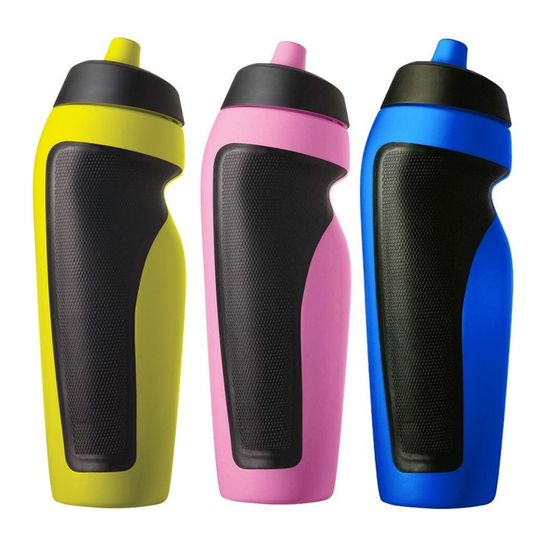
| Sports Water Bottles | Ergonomic design for athletes, often featuring flip-top or squeeze designs. | Fitness clubs, sports teams, and outdoor activities. | Pros: User-friendly for active consumers; Cons: Limited branding surface. |
| Customized Travel Mugs | Insulated mugs designed for on-the-go use, usually with lids and handles. | Corporate gifts, trade shows, and daily commuting. | Pros: Practical for daily use; Cons: May require more maintenance. |
What Are the Characteristics of Stainless Steel Bottles?
Stainless steel bottles are prized for their robust durability and excellent thermal insulation. Typically available in a range of sizes, they can keep beverages hot or cold for extended periods. B2B buyers should consider these bottles for corporate gifts or promotional events, as they align well with eco-friendly branding initiatives. While the initial investment may be higher compared to plastic options, their longevity and sustainability can lead to cost savings over time.
Why Choose Tritan™ Renew Bottles for Eco-Conscious Branding?
Tritan™ Renew bottles are made from recycled materials, making them an attractive option for businesses focused on sustainability. These lightweight bottles are BPA-free and can be customized in various colors, appealing to environmentally conscious consumers. B2B applications include outdoor events and sports teams, where branding can be prominently displayed. However, while they are sustainable, they may not offer the same durability as stainless steel options, which is a consideration for frequent users.
How Do Insulated Tumblers Serve Diverse B2B Needs?
Insulated tumblers feature double-walled vacuum insulation, making them ideal for maintaining beverage temperatures. They often come with straws, making them suitable for coffee shops and catering services. For B2B buyers, these tumblers provide a versatile solution for both hot and cold drinks, enhancing customer experience. However, their larger size may limit portability compared to traditional water bottles, which could be a drawback for some consumers.
What Benefits Do Sports Water Bottles Offer to Active Consumers?
Sports water bottles are designed with the active user in mind, featuring ergonomic shapes and easy-to-use flip-top or squeeze designs. These bottles are ideal for fitness clubs and sports teams, providing a user-friendly experience for athletes. While they offer great functionality, the branding surface is often limited, which could restrict marketing opportunities. B2B buyers should assess the balance between functionality and branding potential when considering these products.
Why Are Customized Travel Mugs Ideal for Corporate Gifting?
Customized travel mugs are practical for daily use, often featuring insulated designs with lids and handles for on-the-go convenience. They are perfect for corporate gifts, trade shows, and daily commuting, allowing companies to enhance their brand visibility. However, they may require regular cleaning and maintenance, which could deter some users. B2B buyers should weigh the practicality against the potential for brand promotion when selecting travel mugs for their initiatives.
Key Industrial Applications of personalized insulated water bottles
| Industry/Sector | Specific Application of personalized insulated water bottles | Value/Benefit for the Business | Key Sourcing Considerations for this Application |
|---|---|---|---|
| Corporate Gifting | Employee gifts or client giveaways | Enhances brand visibility and employee loyalty while promoting sustainability | Customization options, eco-friendly materials, bulk ordering capabilities |
| Events and Promotions | Event swag for conferences or trade shows | Attracts attendees and provides a tangible takeaway that promotes the brand | Design flexibility, production timelines, shipping logistics |
| Health and Fitness | Promotional products for gyms and wellness centers | Encourages healthy hydration habits and brand association with wellness | Durability, insulation performance, compliance with health standards |
| Education | School merchandise or student giveaways | Fosters school spirit and promotes hydration among students | Custom branding options, safety certifications, affordability |
| Hospitality and Tourism | Guest amenities in hotels or resorts | Enhances guest experience and promotes eco-friendly practices | Design aesthetics, branding opportunities, bulk pricing |
How Can Corporate Gifting Utilize Personalized Insulated Water Bottles Effectively?
In the corporate sector, personalized insulated water bottles serve as excellent gifts for employees and clients. These bottles not only promote brand visibility but also enhance employee loyalty by showing appreciation. By choosing eco-friendly materials, companies can align their gifting strategies with sustainability goals, appealing to environmentally conscious clients. Buyers should consider customization options that reflect their brand identity and ensure bulk ordering capabilities to meet large-scale needs.
What Role Do Personalized Insulated Water Bottles Play in Events and Promotions?
At events such as conferences and trade shows, personalized insulated water bottles act as effective promotional items. They attract attendees and provide a memorable takeaway that reinforces brand messaging. Such bottles can be customized with logos or event themes, making them a powerful marketing tool. For international buyers, it is crucial to consider design flexibility and production timelines to ensure timely delivery for events in diverse locations.
How Do Health and Fitness Industries Benefit from Personalized Insulated Water Bottles?
In the health and fitness industry, personalized insulated water bottles are often used as promotional products by gyms and wellness centers. They encourage healthy hydration habits while associating the brand with a lifestyle choice that resonates with consumers. Buyers in this sector should prioritize durability and insulation performance, ensuring that the bottles can withstand rigorous use and maintain beverage temperatures throughout workouts.
Why Are Personalized Insulated Water Bottles Important for Educational Institutions?
Educational institutions can leverage personalized insulated water bottles as merchandise or giveaways to foster school spirit. These bottles not only promote hydration among students but also serve as a marketing tool for the school. Buyers should focus on custom branding options that resonate with students and parents alike, while ensuring that the products meet safety certifications and are affordably priced for bulk purchases.
How Can the Hospitality and Tourism Industry Enhance Guest Experience with Personalized Insulated Water Bottles?
In the hospitality and tourism sector, personalized insulated water bottles can be provided as guest amenities in hotels and resorts. They enhance the guest experience by promoting eco-friendly practices and providing a practical item that guests can use during their stay. Buyers should consider the design aesthetics and branding opportunities to align with the hotel’s image, as well as bulk pricing options to accommodate high guest turnover.
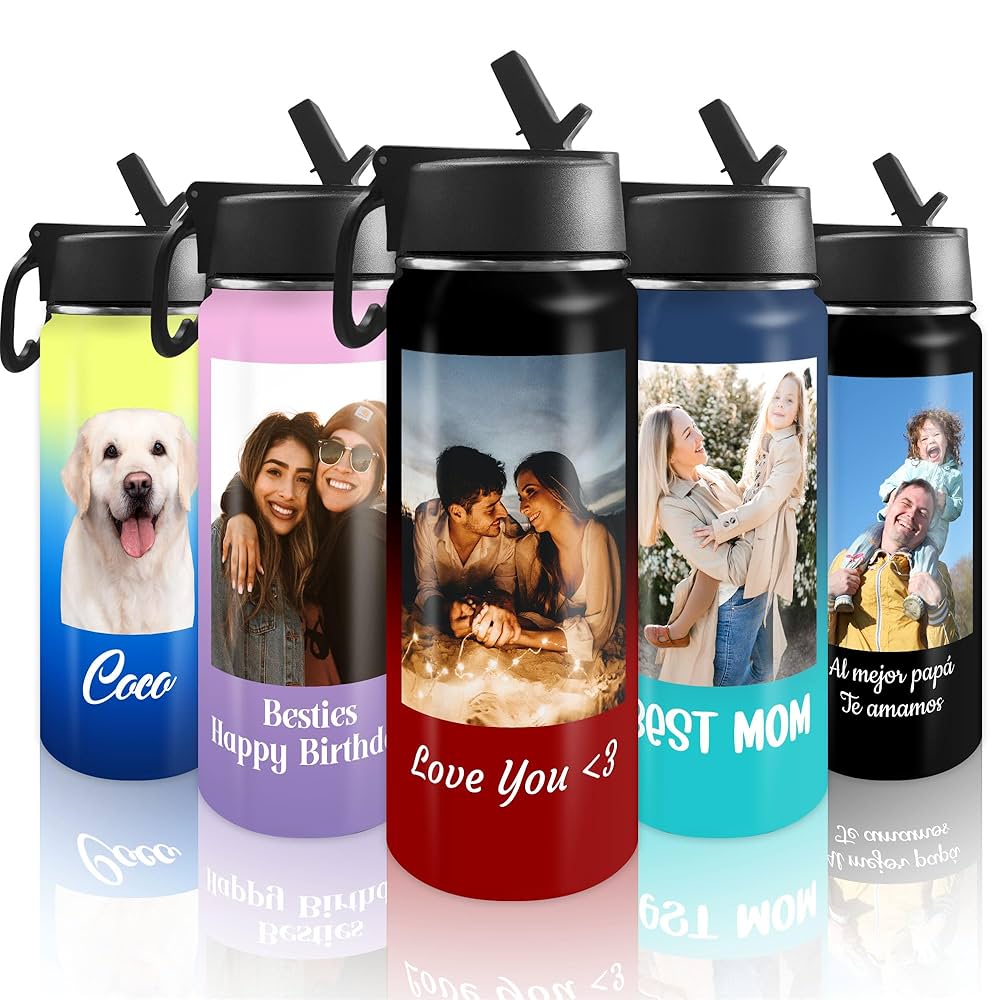
A stock image related to personalized insulated water bottles.
3 Common User Pain Points for ‘personalized insulated water bottles’ & Their Solutions
Scenario 1: Challenges with Brand Visibility in Competitive Markets
The Problem: In regions like Africa and South America, B2B buyers often face intense competition in the promotional products market. Personalized insulated water bottles, while popular, can easily get lost in the sea of similar products. Buyers may struggle to differentiate their brand from competitors, leading to ineffective marketing campaigns and wasted resources. They often find that generic designs do not resonate with their target audience, resulting in low engagement and brand recognition.
The Solution: To overcome this challenge, B2B buyers should focus on creating unique and eye-catching designs that reflect their brand identity. This can be achieved by collaborating with experienced design professionals who understand the local market trends and consumer preferences. Buyers should leverage customization options, such as unique colors, finishes, and branding placements, to make their bottles stand out. Additionally, incorporating local cultural elements into the design can enhance relatability and connection with the target audience. Conducting market research to identify popular aesthetics in specific regions can also guide the design process. By prioritizing distinctiveness, brands can boost visibility and foster stronger consumer loyalty.
Scenario 2: Concerns About Sustainability and Eco-Friendliness
The Problem: As global awareness of environmental issues increases, B2B buyers are often confronted with the challenge of selecting sustainable products that align with their corporate social responsibility goals. Many buyers are concerned about the environmental impact of the materials used in insulated water bottles, particularly in regions facing significant ecological challenges. Additionally, they may struggle to find suppliers who offer genuinely eco-friendly options without sacrificing quality or functionality.
The Solution: B2B buyers should actively seek out suppliers that provide detailed information about the sustainability of their products. This includes sourcing materials such as BPA-free stainless steel, recycled plastics, or biodegradable components. Buyers can also inquire about the manufacturing processes to ensure that suppliers adhere to environmentally responsible practices. To further enhance their sustainability narrative, companies can include messaging on the bottles that promotes eco-consciousness and encourages customers to reduce single-use plastics. Partnering with suppliers who have certifications or recognitions for their sustainability efforts can also strengthen a brand’s commitment to environmental stewardship.
Scenario 3: Navigating Quality and Functionality Concerns
The Problem: B2B buyers often encounter difficulties in ensuring that personalized insulated water bottles meet both quality and functional expectations. Issues such as poor insulation, leaks, or low durability can lead to customer dissatisfaction and negatively impact brand reputation. Buyers may feel overwhelmed by the variety of options available, making it challenging to select products that provide long-term value.
The Solution: To address quality concerns, B2B buyers should prioritize suppliers known for their rigorous quality control processes and positive customer feedback. Requesting samples before placing bulk orders can help buyers evaluate the performance of the bottles, particularly their insulation capabilities and durability under various conditions. Establishing clear specifications regarding materials, insulation ratings, and design features during the sourcing process is also crucial. Additionally, buyers should consider offering warranties or guarantees on the products to reassure end-users of their investment. By focusing on quality and functionality, businesses can enhance customer satisfaction and foster loyalty, ultimately leading to repeat purchases.
Strategic Material Selection Guide for personalized insulated water bottles
What Are the Key Properties of Stainless Steel for Personalized Insulated Water Bottles?
Stainless steel is the most common material used for insulated water bottles due to its excellent thermal insulation properties and durability. It typically features a temperature rating that can withstand extreme heat and cold without compromising structural integrity. Additionally, stainless steel is resistant to corrosion, which makes it suitable for various beverages, including acidic drinks.
Pros and Cons of Stainless Steel: The primary advantage of stainless steel is its durability; it can withstand drops and rough handling, making it ideal for outdoor and active lifestyles. However, the manufacturing process can be complex and costly, which may impact the final price point. Furthermore, while stainless steel is generally safe, it can react with certain chemicals if not properly coated or treated.
For international B2B buyers, compliance with standards such as ASTM or JIS is critical, especially in regions like Europe and the Middle East, where regulations on food safety and material quality are stringent.
How Does Aluminum Compare as a Material for Personalized Insulated Water Bottles?
Aluminum is another popular choice for insulated water bottles. It is lightweight and has good thermal properties, although it does not insulate as well as stainless steel. Aluminum bottles often feature a protective lining to prevent reactions with acidic beverages, which can enhance their usability.
Pros and Cons of Aluminum: The main advantage of aluminum is its lightweight nature, making it easier to carry, especially for outdoor activities. However, it is less durable than stainless steel and can dent or scratch easily. The cost of aluminum is generally lower than that of stainless steel, making it an attractive option for budget-conscious buyers.
For buyers in Africa and South America, it is essential to consider the availability of aluminum and the potential for recycling, as these factors can influence sustainability initiatives.
What Are the Benefits of BPA-Free Plastic for Personalized Insulated Water Bottles?
BPA-free plastic is increasingly used in the production of insulated water bottles, particularly for those targeting younger demographics or eco-conscious consumers. This material is lightweight and can be molded into various shapes and sizes, offering flexibility in design.
Pros and Cons of BPA-Free Plastic: The key advantage of BPA-free plastic is its affordability and versatility in design. However, it is less durable than metal options and can be susceptible to scratches and wear over time. Additionally, while BPA-free plastics mitigate health risks, they may still leach chemicals under certain conditions, which is a concern for some consumers.
International buyers should be aware of varying regulations regarding plastic materials, particularly in Europe, where there are strict guidelines on chemical safety.
Why Choose Glass for Personalized Insulated Water Bottles?
Glass is a less common but increasingly popular option for insulated water bottles due to its aesthetic appeal and purity. Glass does not react with beverages, ensuring that the taste remains untainted. It also has excellent thermal properties, although it is heavier and more fragile than other materials.
Pros and Cons of Glass: The main advantage of glass is its non-reactive nature, making it ideal for health-conscious consumers. However, its fragility and weight can be significant drawbacks, especially for active users. The cost of glass bottles can also be higher due to the material and manufacturing processes involved.
For B2B buyers in regions like the Middle East and Europe, ensuring compliance with safety standards is essential, as glass products are subject to rigorous testing to prevent breakage and ensure food safety.
Summary Table of Material Selection for Personalized Insulated Water Bottles
| Material | Typical Use Case for personalized insulated water bottles | Key Advantage | Key Disadvantage/Limitation | Relative Cost (Low/Med/High) |
|---|---|---|---|---|
| Stainless Steel | Outdoor and active lifestyle bottles | Highly durable and corrosion-resistant | Higher manufacturing complexity and cost | High |
| Aluminum | Lightweight travel and sports bottles | Lightweight and cost-effective | Less durable, prone to dents | Medium |
| BPA-Free Plastic | Budget-friendly promotional items | Affordable and versatile design options | Less durable, potential chemical leaching | Low |
| Glass | Premium, health-focused bottles | Non-reactive, preserves beverage taste | Heavy, fragile, and higher cost | Medium to High |
This guide provides a comprehensive overview of the materials used in personalized insulated water bottles, focusing on their properties, advantages, and considerations for international B2B buyers. Understanding these factors is crucial for making informed purchasing decisions that align with market demands and regulatory standards.
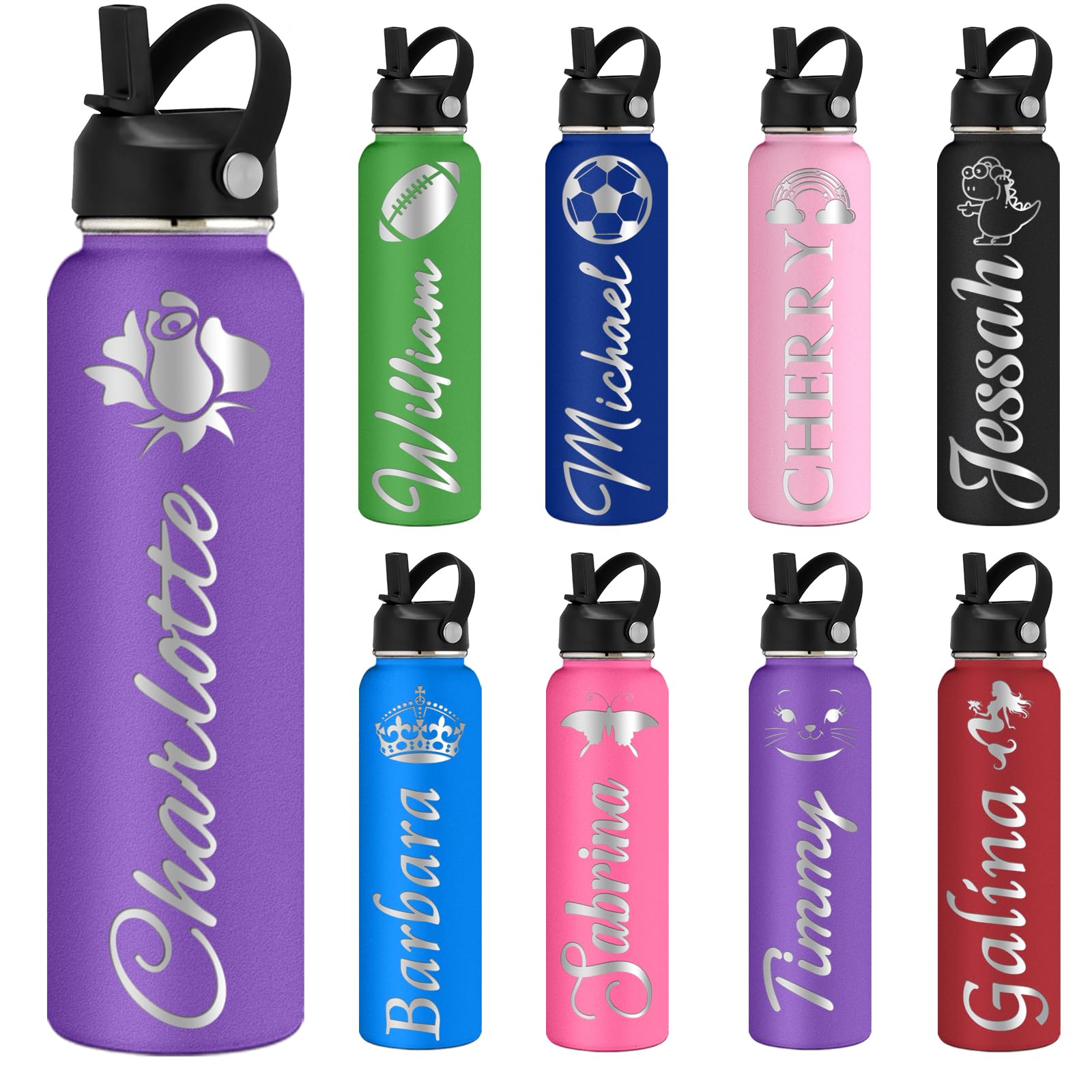
A stock image related to personalized insulated water bottles.
In-depth Look: Manufacturing Processes and Quality Assurance for personalized insulated water bottles
What Are the Main Stages in the Manufacturing Process of Personalized Insulated Water Bottles?
The manufacturing process for personalized insulated water bottles involves several key stages, each crucial for ensuring product quality and durability. Understanding these stages can help B2B buyers make informed decisions when selecting suppliers.
-
Material Preparation: The process begins with sourcing high-quality materials, primarily stainless steel for insulated bottles. Suppliers should verify that the stainless steel is food-grade, corrosion-resistant, and BPA-free. Some manufacturers may also use alternative materials like Tritan for specific designs. Proper material preparation includes cutting the metal sheets into appropriate sizes and shapes, ensuring that the raw materials meet international safety and quality standards.
-
Forming: In this stage, the cut metal is formed into the desired bottle shape using techniques such as deep drawing or hydroforming. Deep drawing involves using a punch to form the metal into a cavity, creating a seamless structure that enhances durability. Hydroforming utilizes high-pressure hydraulic fluid to shape the metal, allowing for complex designs. This stage is critical for the insulation aspect, as the design must accommodate vacuum spaces to maintain temperature.
-
Assembly: Once the bottles are formed, assembly begins. This includes attaching components such as lids, straws, and any additional features like handles or silicone grips. The assembly process can vary depending on whether the bottles are designed for specific functionalities, such as sports or outdoor activities. Automated assembly lines may be used to improve efficiency, but manual assembly is often necessary for quality checks and customized features.
-
Finishing: The finishing stage involves several processes, including polishing, coating, and printing. Polishing ensures a smooth surface, which not only enhances aesthetics but also makes the bottles easier to clean. Coatings can provide additional insulation or aesthetic appeal, while printing allows for branding and personalization. Advanced printing techniques, like laser engraving or screen printing, ensure that designs are durable and resistant to wear.
How Is Quality Assurance Implemented in the Production of Insulated Water Bottles?
Quality assurance (QA) is paramount in the manufacturing of personalized insulated water bottles. B2B buyers should be familiar with the relevant international standards and the specific quality control (QC) checkpoints used throughout the manufacturing process.
-
International Standards: Suppliers should comply with recognized standards such as ISO 9001, which outlines criteria for a quality management system. This certification demonstrates a commitment to consistent quality and customer satisfaction. Other relevant certifications may include CE marking for safety and compliance within the European market, and API standards for products entering the energy sector.
-
QC Checkpoints: The QC process typically involves several checkpoints, including:
– Incoming Quality Control (IQC): This initial checkpoint assesses the quality of raw materials upon arrival. It ensures that all materials meet specified standards before entering production.
– In-Process Quality Control (IPQC): Conducted during manufacturing, IPQC monitors the production process, checking for deviations from quality standards. This includes inspections of forming, assembly, and finishing stages.
– Final Quality Control (FQC): Once the bottles are fully assembled, FQC involves comprehensive testing of the final product. This may include leak tests, thermal insulation assessments, and visual inspections for defects. -
Common Testing Methods: Various testing methods are employed to ensure product quality, including:
– Leak Testing: Ensures that the bottles are sealed properly and do not leak under pressure.
– Thermal Performance Testing: Measures the insulation efficiency by assessing how long the bottle maintains temperature.
– Material Testing: Checks the integrity of the materials used, including tensile strength and corrosion resistance.
How Can B2B Buyers Verify Supplier Quality Control Processes?
To ensure that suppliers adhere to stringent quality control measures, B2B buyers should consider several verification strategies.
-
Conducting Audits: Regular audits of the manufacturing facility can provide insights into the operational practices and adherence to quality standards. Buyers should request to observe QC processes and review documentation related to testing and compliance.
-
Requesting Quality Reports: Suppliers should provide detailed quality reports that outline testing results, compliance with international standards, and any certifications obtained. These reports should be transparent and easily accessible for review.
-
Third-Party Inspections: Engaging third-party inspection services can offer an unbiased evaluation of the manufacturing processes and product quality. These inspections can be particularly beneficial for international transactions, where buyers may not have direct oversight of the production facility.
What Are the Quality Control Nuances for International B2B Buyers?
International buyers, particularly from regions like Africa, South America, the Middle East, and Europe, should be aware of several nuances regarding quality control in the context of personalized insulated water bottles.
-
Cultural and Regulatory Differences: Different regions have varying regulations regarding materials and safety standards. Buyers should familiarize themselves with local regulations, such as those set by the FDA in the U.S. or the EFSA in Europe. Ensuring that products comply with these regulations can prevent issues during importation.
-
Supply Chain Transparency: Maintaining transparency throughout the supply chain is critical. Buyers should insist on clear communication regarding sourcing, production methods, and any subcontractors involved. This transparency can help mitigate risks associated with subpar materials or processes.
-
Sustainability Practices: As eco-consciousness grows globally, buyers should consider the sustainability practices of their suppliers. This includes the use of recycled materials, environmentally friendly manufacturing processes, and responsible waste management. Suppliers who demonstrate commitment to sustainability can enhance brand reputation and appeal to eco-conscious consumers.
By understanding these manufacturing processes and quality assurance measures, B2B buyers can make well-informed decisions when sourcing personalized insulated water bottles. Ensuring adherence to quality standards not only guarantees product reliability but also fosters long-term partnerships with suppliers.
Practical Sourcing Guide: A Step-by-Step Checklist for ‘personalized insulated water bottles’
To help international B2B buyers effectively source personalized insulated water bottles, this guide outlines a structured checklist that ensures a successful procurement process. By following these steps, buyers can secure high-quality products that meet their branding and functional needs.
Step 1: Define Your Technical Specifications
Clearly outline the specifications you require for your insulated water bottles. This includes size, material (such as stainless steel), insulation type, and any additional features like lids or straws. A well-defined specification will help you communicate your needs to suppliers and ensure that the products meet your expectations.
- Consider the target market: Different regions may have preferences for size and design, so tailor your specifications accordingly.
- Sustainability factors: Specify eco-friendly materials to appeal to environmentally conscious consumers.
Step 2: Research Potential Suppliers
Begin your search for suppliers by looking at both local and international options. Use online platforms, trade shows, and industry recommendations to compile a list of potential partners. This step is critical to find suppliers that can meet your quality and delivery requirements.
- Check their reputation: Look for reviews and testimonials from other B2B buyers.
- Evaluate their product range: Ensure they offer a variety of customizable options that align with your specifications.
Step 3: Evaluate Supplier Certifications
Before proceeding, it’s essential to verify that potential suppliers hold the necessary certifications. This includes quality assurance standards (like ISO 9001) and safety certifications relevant to the materials used in the bottles.
- Importance of certifications: Valid certifications demonstrate a supplier’s commitment to quality and safety, which is crucial for maintaining your brand’s reputation.
- Regulatory compliance: Ensure that the products meet regional regulations, especially for markets in Africa and the Middle East.
Step 4: Request Samples
Once you have shortlisted suppliers, request samples of the personalized insulated water bottles. Testing samples allows you to assess the quality, design, and functionality firsthand.
- Test for durability and insulation: Ensure that the bottles perform well under various conditions.
- Review personalization options: Check how well the branding elements (logos, colors) integrate with the product.
Step 5: Negotiate Pricing and Terms
After selecting a supplier based on the sample evaluations, initiate discussions around pricing and terms. Make sure to clarify minimum order quantities, payment terms, and delivery timelines.
- Consider bulk discounts: Many suppliers offer pricing breaks for larger orders, which can significantly reduce costs.
- Discuss shipping logistics: Ensure that the supplier can meet your delivery needs, especially for international shipments.
Step 6: Finalize the Order and Confirm Production Details
Once terms are agreed upon, finalize the order. Confirm production timelines and quality assurance processes with the supplier to ensure that the bottles are manufactured to your specifications.
- Establish communication channels: Set up regular updates to monitor the production process.
- Quality checks: Discuss how quality will be monitored during production to prevent defects.
Step 7: Plan for Delivery and Post-Purchase Support
Prepare for the logistics of receiving your order. Coordinate with the supplier on shipping arrangements and ensure you have a plan for customs clearance if importing internationally.
- Post-purchase support: Understand the supplier’s policies on returns and defects to safeguard your investment.
- Feedback loop: Establish a process for providing feedback to the supplier for future orders, enhancing the partnership.
By following this structured checklist, B2B buyers can navigate the complexities of sourcing personalized insulated water bottles, ensuring a successful procurement that meets both business and customer expectations.
Comprehensive Cost and Pricing Analysis for personalized insulated water bottles Sourcing
When evaluating the cost and pricing structure for personalized insulated water bottles, it is crucial to understand the various components that contribute to the overall expense. This analysis provides insights for international B2B buyers, particularly those operating in diverse markets such as Africa, South America, the Middle East, and Europe.
What Are the Key Cost Components in Sourcing Personalized Insulated Water Bottles?
-
Materials: The choice of materials significantly impacts costs. Stainless steel is a preferred option for insulated water bottles due to its durability and eco-friendliness. Prices for stainless steel can vary based on quality and source, with higher-grade options commanding a premium. For example, bottles made with BPA-free stainless steel are often marketed at a higher price due to their safety certifications.
-
Labor: Labor costs depend on the production location. Regions with lower labor costs, such as parts of Southeast Asia, may offer significant savings. However, labor costs in Europe or North America may be higher, reflecting the local economy and worker protections.
-
Manufacturing Overhead: This includes utilities, rent, and equipment depreciation. Manufacturers often distribute these costs across their product lines, impacting the pricing of personalized bottles. Efficient production processes can lower overhead costs, allowing for more competitive pricing.
-
Tooling: Customization requires specific tooling, which can be a substantial initial investment. The cost of molds and machinery for unique designs or logos must be factored into the price, especially for lower volume orders.
-
Quality Control (QC): Ensuring product quality is critical, particularly for B2B transactions. QC processes can involve additional costs, but they are essential for maintaining brand reputation and compliance with safety standards.
-
Logistics: Shipping costs vary widely based on distance, shipping method, and the volume of the order. Incoterms also play a vital role in determining who bears the costs and risks during transportation, influencing the final price.
-
Margin: Suppliers typically include a markup to cover their costs and ensure profitability. This margin can vary based on market competition and the perceived value of the product.
How Do Price Influencers Affect the Cost of Personalized Insulated Water Bottles?
-
Volume and Minimum Order Quantity (MOQ): Larger orders often attract significant discounts. Understanding the supplier’s MOQ can help buyers negotiate better pricing based on their purchasing strategy.
-
Specifications and Customization: More intricate designs and customization options (e.g., engraving, color choices) can increase costs. Buyers should weigh the need for personalization against the potential price increase.
-
Material Quality and Certifications: Higher quality materials with certifications (such as FDA approval or eco-friendly labels) can lead to higher prices. Buyers should consider whether these certifications align with their branding and target market.
-
Supplier Factors: The reliability and reputation of the supplier can influence pricing. Established suppliers with a history of quality and service may charge a premium, but this can be offset by lower risk and better service.
-
Incoterms and Shipping Arrangements: Different Incoterms can shift costs and responsibilities. Buyers should carefully choose terms that minimize costs while ensuring timely delivery.
What Are the Best Negotiation Tips for International B2B Buyers?
-
Understand Total Cost of Ownership (TCO): Beyond the initial purchase price, consider logistics, potential tariffs, and maintenance costs. A lower upfront cost may not always translate to savings over time.
-
Leverage Volume for Discounts: Consolidate orders to meet MOQs and negotiate lower prices based on volume. Suppliers are often more willing to negotiate when they see potential for larger, repeat business.
-
Build Relationships: Establishing rapport with suppliers can lead to better pricing and service. Long-term partnerships often yield benefits such as priority production and better payment terms.
-
Research Market Prices: Being informed about market trends and competitor pricing can strengthen your negotiating position. Use this knowledge to justify your pricing expectations.
-
Be Flexible with Specifications: If customization is not a hard requirement, consider standard designs or materials that may be more cost-effective.
Conclusion
In the competitive landscape of personalized insulated water bottles, understanding the cost structure and pricing influencers is essential for effective sourcing. By focusing on these elements and employing strategic negotiation techniques, international B2B buyers can optimize their purchasing decisions and achieve cost efficiency in their operations.
Alternatives Analysis: Comparing personalized insulated water bottles With Other Solutions
In today’s environmentally conscious marketplace, businesses are increasingly looking for effective and sustainable ways to promote their brand while catering to consumer preferences. Personalized insulated water bottles stand out as a popular solution for hydration needs and promotional strategies. However, it is essential to explore alternative options that may also fulfill similar objectives. This section examines several viable alternatives to personalized insulated water bottles, providing B2B buyers with insights to make informed decisions.
| Comparison Aspect | Personalized Insulated Water Bottles | Custom Reusable Plastic Bottles | Bulk Water Pouches |
|---|---|---|---|
| Performance | Excellent thermal retention, durable | Good for short-term use, lightweight | Convenient for large events, less durable |
| Cost | Moderate to high ($10 – $50) | Low ($1 – $5) | Low to moderate ($0.50 – $3) |
| Ease of Implementation | Requires custom design work | Simple customization options | Quick setup, minimal design work |
| Maintenance | Low (dishwasher safe) | Low (single-use) | Low (disposable) |
| Best Use Case | Corporate gifting, eco-friendly branding | Events, giveaways | Festivals, large gatherings |
What are the Advantages and Disadvantages of Custom Reusable Plastic Bottles?
Custom reusable plastic bottles are a cost-effective alternative to personalized insulated water bottles. They offer lightweight convenience, making them easy to carry during events or promotions. However, their performance in temperature retention falls short compared to insulated options, making them less suitable for long-lasting hydration needs. Additionally, while they can be branded effectively, their environmental impact is greater due to the reliance on plastic materials, which can deter eco-conscious consumers.
How Do Bulk Water Pouches Compare?
Bulk water pouches are another alternative that provides convenience, especially for large-scale events. They are lightweight and easy to distribute, making them an excellent choice for festivals or gatherings where hydration is essential. However, they lack the durability and personalization aspects that insulated bottles offer. Once used, these pouches are typically discarded, contributing to waste and potentially harming the environment. While they are cost-effective for short-term hydration, they do not foster brand loyalty or recognition in the same way personalized bottles do.
Conclusion: How to Choose the Right Hydration Solution for Your Business?
When selecting the right hydration solution for your business, consider the specific needs and values of your target audience. Personalized insulated water bottles excel in performance, sustainability, and brand promotion, making them ideal for businesses that prioritize eco-friendliness and customer loyalty. On the other hand, if cost and simplicity are paramount, custom reusable plastic bottles or bulk water pouches may be more suitable for short-term promotional campaigns. Ultimately, aligning your choice with your brand’s mission and your audience’s preferences will lead to more effective marketing and customer engagement.
Essential Technical Properties and Trade Terminology for personalized insulated water bottles
What Are the Key Technical Properties of Personalized Insulated Water Bottles?
When evaluating personalized insulated water bottles for B2B procurement, understanding the critical specifications can significantly influence purchasing decisions. Here are some essential properties:
1. Material Grade
The most common materials for insulated water bottles are stainless steel and BPA-free plastics. Stainless steel, particularly 304-grade, is preferred for its durability, resistance to corrosion, and ability to maintain temperature. BPA-free plastics are lightweight and often used for lids and straws. Selecting the right material can enhance product longevity and ensure safety, especially in food and beverage applications.
2. Insulation Technology
Insulated bottles typically use double-wall vacuum insulation or foam insulation. Double-wall vacuum insulation provides superior thermal retention, keeping drinks hot or cold for extended periods. In contrast, foam insulation offers a lighter alternative but may not perform as well. Understanding these differences is crucial for businesses aiming to meet customer expectations regarding temperature maintenance.
3. Capacity and Size Options
Water bottles come in various sizes, ranging from 12 oz to 64 oz. The choice of capacity affects portability and usability. For instance, larger bottles are suitable for outdoor activities, while smaller bottles are ideal for everyday carry. B2B buyers should consider their target market’s preferences when selecting sizes to enhance customer satisfaction.
4. Tolerance Levels
Tolerance refers to the permissible limits of variation in a physical dimension. For instance, a tolerance of ±0.5mm on bottle diameter ensures that caps fit securely. High tolerance levels are essential in maintaining product quality and consistency, which is particularly important for bulk orders where uniformity is expected.
5. Customization Options
Customization options, such as printing, engraving, or color choices, are vital for branding. B2B buyers should assess the range of customization available, as it can significantly impact marketing efforts and customer engagement. High-quality printing and durable finishes ensure that the branding remains intact over time.
6. Eco-Friendliness
With increasing emphasis on sustainability, eco-friendly materials and manufacturing processes are becoming a priority. Many manufacturers now offer recyclable materials and sustainable practices, which can enhance a brand’s image and appeal to environmentally conscious consumers. Buyers should inquire about certifications and eco-claims to ensure alignment with their values.
What Are Common Trade Terms in the Personalized Insulated Water Bottle Industry?
Familiarity with industry jargon is essential for effective communication and negotiation. Here are some common terms:
1. OEM (Original Equipment Manufacturer)
OEM refers to a company that produces parts or products that are then marketed by another company. In the context of personalized insulated water bottles, buyers may work with OEMs to create custom designs while leveraging the manufacturer’s production capabilities.
2. MOQ (Minimum Order Quantity)
MOQ is the smallest number of units that a supplier is willing to sell. Understanding MOQ is critical for B2B buyers, as it affects budget and inventory management. Negotiating MOQs can lead to cost savings, especially for larger orders.
3. RFQ (Request for Quotation)
An RFQ is a document sent to suppliers requesting pricing and terms for specific products. When seeking personalized insulated water bottles, a well-structured RFQ can clarify requirements and streamline the procurement process, leading to more accurate responses from suppliers.
4. Incoterms (International Commercial Terms)
Incoterms define the responsibilities of buyers and sellers in international transactions. They clarify who is responsible for shipping costs, insurance, and risk during transit. Understanding these terms is crucial for managing logistics and avoiding unexpected costs.
5. Lead Time
Lead time refers to the time taken from placing an order to its delivery. It is an essential consideration in B2B transactions, as longer lead times can disrupt inventory planning and customer commitments. Buyers should communicate their timelines clearly to ensure that suppliers can meet expectations.
6. Customization Fee
A customization fee is an additional charge for personalizing products, such as adding logos or unique designs. B2B buyers should be aware of potential customization fees to budget accordingly and assess the overall cost-effectiveness of their branding efforts.
Understanding these technical properties and trade terms will empower B2B buyers to make informed decisions when sourcing personalized insulated water bottles, ultimately enhancing product offerings and customer satisfaction.
Navigating Market Dynamics and Sourcing Trends in the personalized insulated water bottles Sector
What Are the Key Market Dynamics and Trends in the Personalized Insulated Water Bottles Sector?
The global market for personalized insulated water bottles is witnessing significant growth, driven by increasing consumer awareness around sustainability and health. As international B2B buyers, particularly from regions like Africa, South America, the Middle East, and Europe, explore options in this sector, several key trends emerge. Firstly, the rising demand for eco-friendly products is reshaping sourcing strategies. Buyers are gravitating towards suppliers who offer bottles made from sustainable materials, such as stainless steel and BPA-free plastics, which not only reduce environmental impact but also enhance brand reputation.
Moreover, customization is becoming a vital component of the buying process. Businesses are now looking for suppliers that can provide unique branding opportunities through personalization, such as custom logos and designs, which are essential for corporate gifts and promotional campaigns. The use of advanced technologies, such as digital printing and laser engraving, allows for more intricate designs, appealing to businesses seeking to differentiate themselves in a competitive market.
Another dynamic aspect is the increasing integration of technology in product offerings. Smart water bottles that monitor hydration levels and temperature control are gaining traction, particularly among tech-savvy consumers. This trend presents an opportunity for B2B buyers to invest in innovative products that cater to the evolving preferences of their customer base.
How Important Is Sustainability and Ethical Sourcing in the Personalized Insulated Water Bottles Market?
Sustainability and ethical sourcing are no longer optional considerations for B2B buyers in the personalized insulated water bottles market; they are essential for long-term viability. The environmental impact of disposable plastic bottles is substantial, with millions ending up in landfills and oceans each year. This reality has prompted a shift towards sustainable alternatives. Buyers are increasingly prioritizing suppliers who adhere to eco-friendly practices, such as using recyclable materials and implementing waste reduction strategies.
Ethical supply chains also play a crucial role in decision-making. Buyers should consider suppliers that demonstrate transparency in their sourcing processes and labor practices. Certifications such as Fair Trade, ISO 14001, and other green certifications provide assurance that products are sourced responsibly. This not only mitigates risk but also aligns with the values of environmentally conscious consumers, enhancing brand loyalty and customer trust.
Furthermore, investing in sustainable products can lead to cost savings in the long run. By choosing durable, reusable bottles, businesses can reduce their reliance on single-use plastics, ultimately lowering their operational costs and contributing positively to the environment.
What Is the Historical Context of the Personalized Insulated Water Bottles Market?
The evolution of personalized insulated water bottles can be traced back to the growing awareness of environmental issues and the health implications of plastic consumption. Initially, reusable water bottles were primarily marketed for their convenience and cost-effectiveness. However, as sustainability became a global concern, the focus shifted towards eco-friendly materials and designs. The introduction of stainless steel and vacuum insulation technology revolutionized the market, offering consumers a durable and effective solution for hydration.
In recent years, the personalization trend has gained momentum, driven by businesses seeking to enhance their branding efforts through unique and customized products. Today, personalized insulated water bottles represent a convergence of sustainability, technology, and consumer preference, making them a valuable asset for businesses aiming to resonate with eco-conscious customers. As this market continues to evolve, B2B buyers must stay attuned to these trends to make informed sourcing decisions that align with both their business goals and ethical standards.
Frequently Asked Questions (FAQs) for B2B Buyers of personalized insulated water bottles
-
How do I find reliable suppliers for personalized insulated water bottles?
To find reliable suppliers for personalized insulated water bottles, start by researching manufacturers with a strong reputation in the industry. Utilize B2B platforms such as Alibaba, Global Sources, or TradeIndia, where you can read reviews and assess ratings. Look for suppliers who provide certifications for product quality and sustainability. Networking through trade shows or industry events in your region can also lead to trustworthy contacts. Finally, consider reaching out to existing clients of the supplier for testimonials about their experience. -
What are the typical minimum order quantities (MOQ) for custom insulated water bottles?
Minimum order quantities (MOQ) for custom insulated water bottles can vary significantly by supplier, often ranging from 100 to 1,000 units. Factors influencing MOQ include the complexity of customization, production capacity, and material sourcing. For smaller businesses or new entrants, some suppliers may offer lower MOQs, especially if they have existing stock. Always communicate your needs clearly and negotiate terms that accommodate your business scale while ensuring cost-effectiveness. -
What customization options are available for insulated water bottles?
Customization options for insulated water bottles typically include size, color, material, and branding elements like logos or slogans. You can choose different printing techniques such as screen printing, laser engraving, or embossing, depending on the desired aesthetic and durability. Some suppliers also offer unique features like built-in straws or specific lid types. Ensure that your design aligns with your brand identity and resonates with your target audience for maximum impact. -
What payment terms should I expect when sourcing insulated water bottles internationally?
Payment terms for international purchases of insulated water bottles often include options like a 30% deposit with the order and the remaining balance before shipment. Common payment methods include wire transfers, letters of credit, and secure online payment platforms like PayPal. It’s crucial to discuss and agree on terms upfront to avoid misunderstandings. Ensure that the payment terms protect both parties and consider using escrow services for added security. -
How do I ensure product quality when ordering personalized insulated water bottles?
To ensure product quality, request samples before placing a bulk order. This allows you to assess materials, craftsmanship, and customization accuracy. Establish clear quality assurance (QA) standards with your supplier, including specific measurements and tolerances. Additionally, consider third-party inspections during production and before shipment to verify compliance with your quality expectations. Building a strong relationship with your supplier can also foster better communication regarding quality control. -
What are the best shipping options for importing insulated water bottles?
When importing insulated water bottles, common shipping options include air freight for faster delivery and sea freight for cost-effectiveness, especially for larger orders. Evaluate the pros and cons of each method based on your urgency and budget. Consider using freight forwarders who specialize in international logistics to navigate customs regulations and documentation. Additionally, factor in shipping insurance to protect your investment during transit. -
What certifications should I look for in insulated water bottle suppliers?
When sourcing insulated water bottles, look for certifications that demonstrate compliance with safety and environmental standards. Common certifications include ISO 9001 for quality management, FDA approval for food safety, and BPA-free certifications for health assurance. Additionally, sustainability certifications like FSC or recycled content certifications can enhance your brand’s eco-friendly image. These certifications can also influence purchasing decisions, especially among environmentally conscious consumers. -
How can I effectively market my personalized insulated water bottles to international customers?
To market your personalized insulated water bottles effectively, leverage digital marketing strategies such as social media advertising, influencer partnerships, and content marketing. Create engaging content that highlights the eco-friendly aspects and customization options of your products. Utilize SEO strategies to optimize your website for relevant keywords, making it easier for international buyers to find your offerings. Participation in international trade shows and online B2B marketplaces can also help you reach a broader audience and establish brand presence in new markets.
Important Disclaimer & Terms of Use
⚠️ Important Disclaimer
The information provided in this guide, including content regarding manufacturers, technical specifications, and market analysis, is for informational and educational purposes only. It does not constitute professional procurement advice, financial advice, or legal advice.
While we have made every effort to ensure the accuracy and timeliness of the information, we are not responsible for any errors, omissions, or outdated information. Market conditions, company details, and technical standards are subject to change.
B2B buyers must conduct their own independent and thorough due diligence before making any purchasing decisions. This includes contacting suppliers directly, verifying certifications, requesting samples, and seeking professional consultation. The risk of relying on any information in this guide is borne solely by the reader.
Top 8 Personalized Insulated Water Bottles Manufacturers & Suppliers List
1. CamelBak – Custom Thrive™ Flip Straw Bottles
Domain: camelbak.com
Registered: 1996 (29 years)
Introduction: Customized Bottles: 38 items available. Price range: $0.00 – $24.99 (4 items), $25.00 – $49.99 (32 items), $50.00 – $74.99 (2 items). Examples include: Custom Thrive™ Flip Straw 32oz Bottle with Tritan™ Renew ($28.99), Custom Thrive™ Flip Straw 20oz Bottle with Tritan™ Renew ($25.99), Custom Thrive™ Chug 40oz Bottle, Insulated Stainless Steel ($47.99), Custom Podium® Steel 22oz Bike Bottle ($54.00…
2. MyThermoFlask – Customizable Drinkware Collection
Domain: mythermoflask.com
Registered: 2014 (11 years)
Introduction: Customize Your Bottle collection includes various drinkware options such as water bottles, tumblers, coffee mugs, and food storage jars. Key features include:
– Free shipping on orders over $49 (U.S. only)
– Customizable options available for single bottles, two packs, and corporate bulk orders.
– A variety of colors and sizes available:
– Colors: Aquamarine/Storm Pink, Black, Blueberry/Wolf Gre…
3. Swig Life – Personalized Stainless Steel Water Bottles
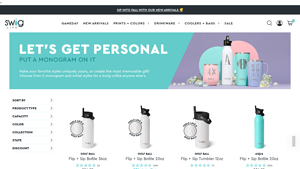
Domain: swiglife.com
Registered: 2018 (7 years)
Introduction: Personalized Stainless Steel Water Bottles available in various shapes and sizes (12oz – 26oz). Options for monograms or custom designs. Multiple colors and prints to choose from. Insulated for hot and cold drinks.
4. VistaPrint – Custom Water Bottles
Domain: vistaprint.com
Registered: 1999 (26 years)
Introduction: This company, VistaPrint – Custom Water Bottles, is a notable entity in the market. For specific product details, it is recommended to visit their website directly.
5. Gatorade – Black Insulated Squeeze Water Bottle
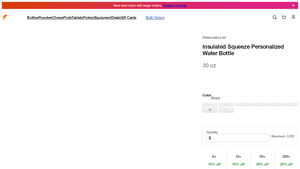
Domain: gatorade.com
Registered: 1995 (30 years)
Introduction: {“product_name”: “Black Insulated Squeeze Personalized Water Bottle”,”volume”: “30 oz”,”color_options”: [“Black”, “Blue”, “Green”, “Orange”, “Purple”, “Red”, “Silver”, “White”],”price”: “$19.99″,”customization_options”: “Personalize lid”,”material”: “BPA-free”,”features”: [“Gator-skin grip”,”Contoured shape for non-slip comfort”,”High-flow valve for steady stream and leak elimination”,”Top rack di…
6. 4imprint – Custom Insulated Water Bottles
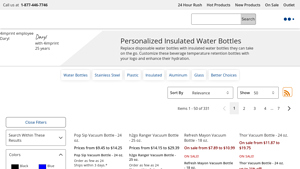
Domain: 4imprint.com
Registered: 1998 (27 years)
Introduction: Custom Insulated Water Bottles, replace disposable bottles, customizable with logo, enhance hydration, available in stainless steel, plastic, insulated aluminum, and glass, 331 products found, various colors, price range, production time options, imprint color and location options.
7. Quality Logo Products – Keep Vacuum Insulated Stainless Steel Bottles
Domain: qualitylogoproducts.com
Registered: 2003 (22 years)
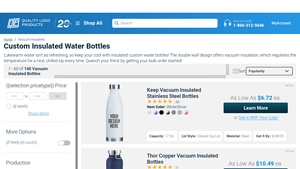
Introduction: Custom Insulated Water Bottles with double wall design for vacuum insulation. Key products include: 1. Keep Vacuum Insulated Stainless Steel Bottles – 17 Oz, Closed-Top Lid, Steel, As Low As $6.72 ea. 2. Thor Copper Vacuum Insulated Bottles – 22 Oz, Closed-Top Lid, Steel, As Low As $10.49 ea. 3. Polar Camel Water Bottles – 32 Oz, Flip-Straw Lid, Steel, As Low As $21.32 ea. 4. Colson Vacuum Insulat…
8. Snapfish – Personalized Insulated Water Bottles
Domain: snapfish.com
Registered: 1999 (26 years)
Introduction: Insulated Water Bottle | Personalized Water Bottles | Snapfish
Strategic Sourcing Conclusion and Outlook for personalized insulated water bottles
As the demand for personalized insulated water bottles continues to rise, international B2B buyers must prioritize strategic sourcing to enhance their competitive edge. The benefits of these eco-friendly products extend beyond mere hydration solutions; they serve as powerful marketing tools that promote brand loyalty and sustainability. By investing in custom designs, companies can effectively convey their brand identity while appealing to the growing segment of eco-conscious consumers.
Buyers from regions such as Africa, South America, the Middle East, and Europe should focus on sourcing high-quality, customizable options that align with their market preferences. Engaging with reliable suppliers who prioritize sustainability and offer a variety of designs can significantly enhance product offerings. Additionally, understanding regional trends and consumer behaviors will enable companies to tailor their marketing strategies effectively.
Looking ahead, the personalized insulated water bottle market is poised for growth, driven by increasing awareness of environmental issues and the demand for unique branding opportunities. Now is the time for B2B buyers to take action—evaluate potential suppliers, explore customization options, and position your business at the forefront of this evolving market. Embrace the opportunity to lead with sustainability and innovation, and watch your brand flourish.