Introduction: Navigating the Global Market for large quantity water bottles
In the ever-evolving landscape of global commerce, sourcing large quantity water bottles presents a unique challenge for international B2B buyers. Whether you are in Africa, South America, the Middle East, or Europe, navigating the complexities of supplier selection, product quality, and cost-effectiveness is crucial. This guide addresses these concerns head-on, providing a comprehensive resource for understanding the various types of water bottles available, their applications across different industries, and the essential factors to consider when vetting suppliers.
From eco-friendly materials to customizable designs, the options for bulk water bottles are vast, catering to diverse market needs. This guide delves into the nuances of each product category, exploring features such as capacity, durability, and usability to help you make informed choices. Additionally, it outlines strategies for negotiating favorable terms and pricing, ensuring you maximize your investment while meeting your organization’s specific requirements.
By equipping yourself with the insights and knowledge presented in this guide, you empower your purchasing decisions with confidence. Understanding the key elements of sourcing large quantity water bottles will not only streamline your procurement process but also enhance your brand’s commitment to quality and sustainability. Let this guide be your roadmap to successfully navigating the global market and securing the best products for your business.
Understanding large quantity water bottles Types and Variations
| Type Name | Key Distinguishing Features | Primary B2B Applications | Brief Pros & Cons for Buyers |
|---|---|---|---|
| Plastic Sports Bottles | Lightweight, BPA-free, various sizes (16-32 oz) | Promotional events, gyms, outdoor events | Pros: Affordable, customizable; Cons: Less durable than metal options. |
| Aluminum Water Bottles | Sturdy, often with a spill-resistant lid, 20-28 oz capacity | Corporate gifts, outdoor activities | Pros: Lightweight, stylish; Cons: Can dent easily, less insulation. |
| Stainless Steel Insulated Bottles | Double-wall vacuum insulation, 20-40 oz capacity | Hospitality, corporate branding | Pros: Excellent insulation, durable; Cons: Higher cost, heavier than plastic. |
| Tritan™ Plastic Bottles | Shatter-resistant, BPA-free, various sizes (20-32 oz) | Schools, corporate events | Pros: Durable, dishwasher safe; Cons: Can be more expensive than standard plastic. |
| Customizable Bottles | Various materials and styles available, branding options | Marketing campaigns, trade shows | Pros: High brand visibility; Cons: May require larger minimum orders. |
What Are the Characteristics of Plastic Sports Bottles?
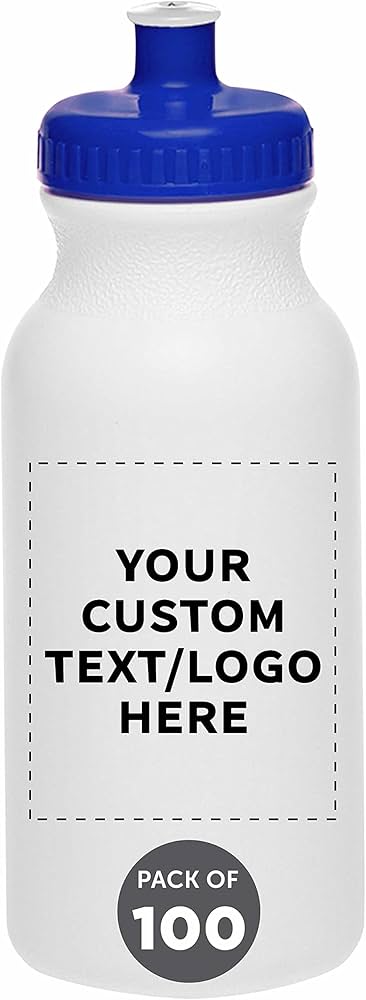
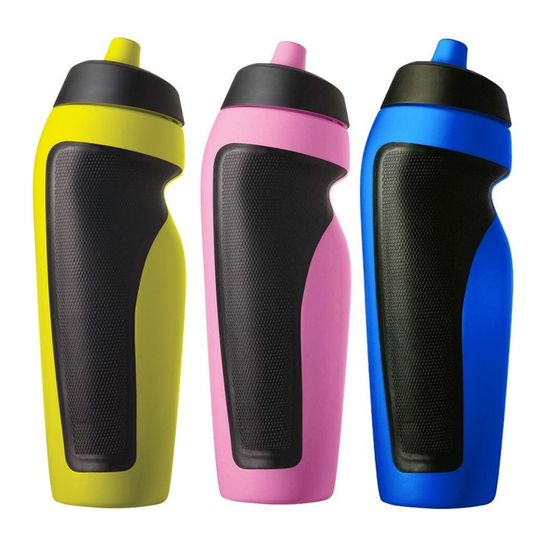
Plastic sports bottles are popular for their lightweight design and affordability. Typically available in sizes ranging from 16 to 32 oz, these bottles are often BPA-free and can be customized with logos for promotional purposes. They are suitable for events like marathons, gym promotions, and outdoor activities. However, while they are cost-effective, buyers should consider their relatively lower durability compared to metal options, which may lead to a shorter lifespan.
How Do Aluminum Water Bottles Stand Out?
Aluminum water bottles are known for their sturdiness and sleek design. They usually feature a spill-resistant lid and come in sizes between 20 and 28 oz. These bottles are ideal for corporate gifts or outdoor activities, providing a stylish hydration solution. While they are lightweight and visually appealing, potential buyers should note that aluminum can dent easily and may not offer the same insulation as stainless steel.
Why Choose Stainless Steel Insulated Bottles?
Stainless steel insulated bottles are designed with double-wall vacuum insulation, which keeps beverages hot or cold for extended periods. Ranging from 20 to 40 oz, these bottles are perfect for the hospitality industry or corporate branding efforts. Their durability and excellent thermal retention make them a preferred choice. However, they come at a higher price point and are heavier than plastic options, which could affect shipping costs for bulk orders.
What Are the Benefits of Tritan™ Plastic Bottles?
Tritan™ plastic bottles are notable for their shatter-resistance and BPA-free composition, making them a safe choice for schools and corporate events. Available in sizes from 20 to 32 oz, they are also dishwasher safe, enhancing their usability. While they offer a durable alternative to standard plastic, buyers may find these bottles to be slightly more expensive, which could impact budget considerations.
How Can Customizable Bottles Enhance Branding?
Customizable bottles come in various materials and styles, allowing businesses to create a unique branding experience. They are particularly effective for marketing campaigns and trade shows, where high brand visibility is crucial. While they provide excellent promotional opportunities, buyers should be aware that they may require larger minimum orders, which could pose a challenge for smaller businesses or one-time events.
Key Industrial Applications of large quantity water bottles
| Industry/Sector | Specific Application of large quantity water bottles | Value/Benefit for the Business | Key Sourcing Considerations for this Application |
|---|---|---|---|
| Events and Festivals | Providing hydration stations at large gatherings | Enhances attendee experience, promotes health and wellness | Custom branding options, quick delivery, bulk pricing |
| Construction Sites | Supplying workers with hydration solutions | Boosts employee productivity and safety | Durability, spill-proof designs, compliance with safety standards |
| Corporate Promotions | Gifting branded water bottles during trade shows or conferences | Increases brand visibility and customer loyalty | Customization options, minimum order quantities, material quality |
| Educational Institutions | Offering students and staff reusable water bottles | Encourages sustainability and reduces plastic waste | BPA-free materials, design for easy cleaning, bulk discounts |
| Healthcare Facilities | Distributing water bottles in hospitals or wellness programs | Promotes hydration, supports patient care | Sterilization compliance, ergonomic designs, customization for branding |
How Are Large Quantity Water Bottles Used in Events and Festivals?
In the events and festival sector, large quantity water bottles serve as essential hydration solutions, particularly during outdoor gatherings. Businesses can set up hydration stations to provide attendees with easy access to water, promoting health and wellness. This not only enhances the attendee experience but also aligns with sustainability goals by reducing single-use plastic waste. Buyers should consider options for custom branding to enhance visibility and ensure quick delivery to meet event timelines.
What Role Do Large Quantity Water Bottles Play on Construction Sites?
Construction sites are demanding environments where hydration is crucial for worker safety and productivity. Large quantity water bottles can be used to provide easy access to water throughout the workday, helping to prevent heat-related illnesses. Buyers in this sector should prioritize durable, spill-proof designs that can withstand rough handling and comply with safety standards. Additionally, suppliers should offer bulk pricing to accommodate the needs of larger teams.
How Are Large Quantity Water Bottles Leveraged in Corporate Promotions?
Corporate promotions utilize large quantity water bottles as effective marketing tools during trade shows and conferences. By gifting branded bottles, companies can increase their brand visibility while promoting a healthy lifestyle among clients and partners. For B2B buyers, key sourcing considerations include customization options, minimum order quantities, and the quality of materials used. Ensuring that the bottles are appealing and functional will maximize their impact as promotional items.
Why Are Large Quantity Water Bottles Important in Educational Institutions?
Educational institutions are increasingly adopting large quantity water bottles to promote hydration among students and staff. By providing reusable bottles, schools encourage sustainable practices and reduce the reliance on single-use plastics. Buyers should look for BPA-free materials and designs that facilitate easy cleaning to ensure hygiene. Bulk discounts can also be beneficial for institutions purchasing for large student populations.
How Do Large Quantity Water Bottles Support Healthcare Facilities?
In healthcare facilities, large quantity water bottles play a significant role in promoting hydration among patients and staff. Whether in hospitals or wellness programs, easy access to water supports patient care and overall health. Buyers must ensure that the bottles meet sterilization compliance and feature ergonomic designs for ease of use. Customization for branding can also enhance the facility’s image while promoting wellness initiatives.
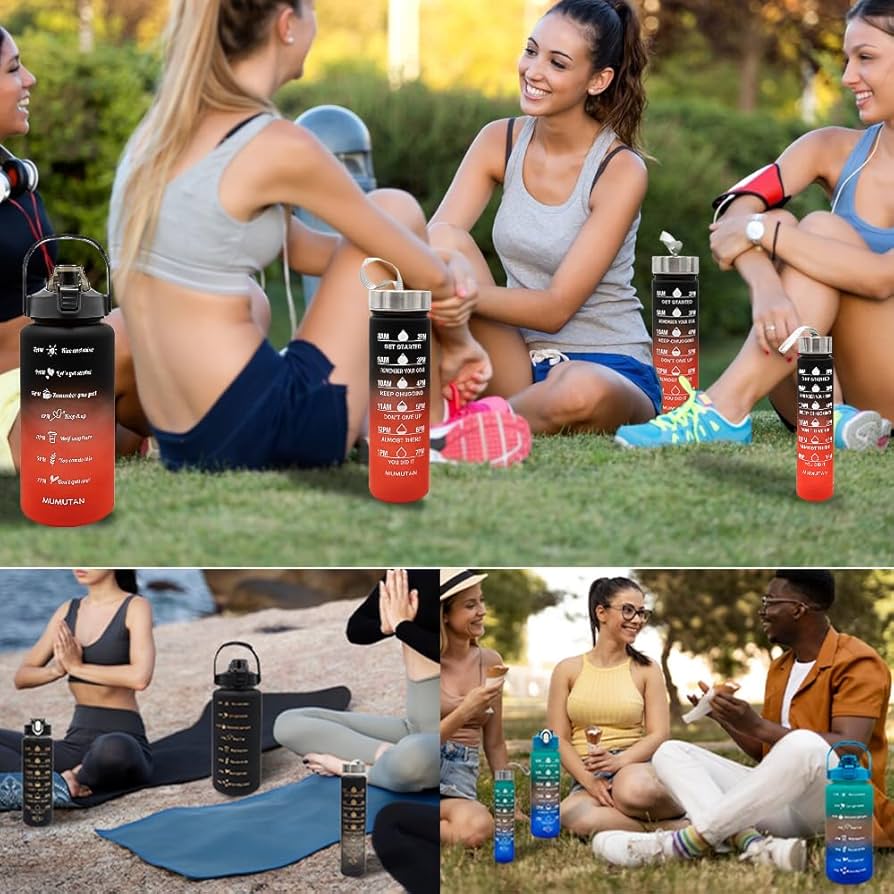
A stock image related to large quantity water bottles.
3 Common User Pain Points for ‘large quantity water bottles’ & Their Solutions
Scenario 1: Inconsistent Quality Across Suppliers
The Problem: B2B buyers often face the challenge of inconsistent product quality when sourcing large quantities of water bottles from different suppliers. This inconsistency can lead to customer dissatisfaction, especially if the bottles are for promotional use or essential for hydration in events. Issues such as subpar materials, poor sealing, or inadequate durability can arise, resulting in a waste of resources and potential damage to brand reputation.
The Solution: To mitigate this problem, buyers should prioritize working with established suppliers who have a proven track record of quality assurance. Request samples before placing bulk orders to evaluate the quality firsthand. Additionally, consider suppliers who provide detailed product specifications and compliance certifications, ensuring that the bottles meet safety and performance standards. Establishing a clear communication channel with the supplier about expectations can also help maintain consistent quality in future orders.
Scenario 2: Logistical Challenges in Shipping and Delivery
The Problem: International shipping can pose significant logistical challenges, including delays, unexpected costs, and damage during transit. For buyers in regions like Africa, South America, or the Middle East, these issues can disrupt supply chains and impact project timelines. Bottles arriving late or damaged can result in financial losses and missed opportunities, particularly for events that require timely delivery of promotional materials.
The Solution: To overcome these logistical challenges, buyers should work closely with suppliers who have robust shipping and handling processes in place. Opt for suppliers who offer comprehensive shipping solutions that include tracking services and insurance for bulk orders. It’s also beneficial to discuss lead times upfront and to consider local suppliers or distributors that can fulfill orders quickly and reliably. Additionally, utilizing a freight forwarder with experience in international shipping can help navigate customs regulations and ensure smooth delivery.
Scenario 3: Limited Customization Options for Branding
The Problem: Many B2B buyers struggle to find large quantity water bottles that can be effectively customized to reflect their brand identity. Limited options for colors, materials, and printing techniques can hinder marketing efforts, especially for businesses looking to stand out in competitive markets. This lack of personalization can make it difficult for companies to create a lasting impression at events, trade shows, or corporate gatherings.
The Solution: To address this pain point, buyers should seek suppliers that specialize in customizable water bottles with a wide range of options. Look for suppliers who offer various materials (like stainless steel, aluminum, or BPA-free plastics) and printing techniques (such as screen printing, laser engraving, or full-color digital printing). Collaborating with the supplier early in the design process can yield better results; suppliers may offer design assistance or templates to ensure your branding is prominently featured. Additionally, consider bulk ordering designs that are versatile and appealing to a broader audience, maximizing the return on investment.
Strategic Material Selection Guide for large quantity water bottles
When selecting materials for large quantity water bottles, it’s essential to consider various factors that influence product performance, cost, and market compliance. This guide analyzes four common materials used in the production of water bottles: plastic (PET), aluminum, stainless steel, and Tritan™. Each material has distinct properties and implications for international buyers, particularly those from Africa, South America, the Middle East, and Europe.
What Are the Key Properties of Plastic (PET) for Water Bottles?
Polyethylene Terephthalate (PET) is a widely used plastic for water bottles due to its lightweight nature and excellent clarity. PET bottles typically have a temperature rating of up to 60°C (140°F) and are resistant to moisture, making them suitable for various beverages. However, they are not as durable under high-pressure conditions.
Pros: PET is cost-effective, lightweight, and recyclable, making it a popular choice for mass production. It is also BPA-free, which is a significant consideration for health-conscious consumers.
Cons: PET has lower durability compared to metals and can be susceptible to UV degradation over time. It may not withstand extreme temperatures, limiting its application for hot liquids.
Impact on Application: PET is ideal for cold beverages but may not be suitable for hot or carbonated drinks due to its pressure limitations.
Considerations for International Buyers: Compliance with regulations such as FDA standards for food safety is crucial. Buyers should also consider local recycling capabilities, as PET recycling rates vary by region.
How Does Aluminum Compare as a Material for Water Bottles?
Aluminum is a lightweight metal known for its strength and corrosion resistance. It typically has a temperature rating of up to 100°C (212°F) and is often used in insulated bottles for hot and cold beverages.
Pros: Aluminum is durable, lightweight, and can be powder-coated for aesthetic appeal. It is also recyclable, which aligns with sustainability goals.
Cons: While aluminum is resistant to corrosion, it can dent easily and may require a lining to prevent leaching of aluminum into beverages.
Impact on Application: Aluminum is suitable for both hot and cold liquids and is often used for promotional products due to its lightweight nature.
Considerations for International Buyers: Buyers must ensure compliance with international standards such as ASTM and DIN for food safety. The preference for aluminum may vary by region, with some markets favoring stainless steel for its perceived safety.
What Advantages Does Stainless Steel Offer for Water Bottles?
Stainless steel is renowned for its durability and corrosion resistance. It can handle extreme temperatures and pressures, making it suitable for a wide range of beverages, including carbonated drinks.
Pros: Stainless steel is extremely durable, resistant to rust and corrosion, and often comes with double-wall insulation for temperature retention. It is also BPA-free and does not retain flavors.
Cons: The higher cost of stainless steel compared to plastic and aluminum can be a barrier for some buyers. Manufacturing processes can also be more complex.
Impact on Application: Stainless steel is ideal for both hot and cold beverages, making it versatile for various applications, including outdoor and sports use.
Considerations for International Buyers: Compliance with food safety standards is critical. Buyers should also consider the market’s perception of stainless steel as a premium product, which can influence pricing strategies.
How Does Tritan™ Perform as a Material for Water Bottles?
Tritan™ is a copolyester that offers a glass-like clarity and is known for its impact resistance. It has a temperature rating of up to 90°C (194°F) and is often used in reusable bottles.
Pros: Tritan™ is BPA-free, dishwasher-safe, and offers excellent clarity and durability. It is also lightweight and resistant to odors and stains.
Cons: Tritan™ can be more expensive than traditional plastics and may not be as widely recognized as a sustainable option.
Impact on Application: Tritan™ is suitable for a wide range of beverages and is often used in high-end reusable bottles.
Considerations for International Buyers: Buyers should verify that Tritan™ products comply with local regulations and standards. The material’s sustainability credentials may also influence purchasing decisions, particularly in environmentally conscious markets.
Summary Table of Material Selection for Large Quantity Water Bottles
| Material | Typical Use Case for large quantity water bottles | Key Advantage | Key Disadvantage/Limitation | Relative Cost (Low/Med/High) |
|---|---|---|---|---|
| Plastic (PET) | Cold beverages, single-use bottles | Lightweight and cost-effective | Lower durability and temperature limits | Low |
| Aluminum | Insulated bottles for hot and cold beverages | Durable and recyclable | Can dent easily, may require lining | Medium |
| Stainless Steel | Hot and cold beverages, premium products | Extremely durable and corrosion-resistant | Higher cost and complex manufacturing | High |
| Tritan™ | Reusable bottles, high-end products | BPA-free, impact-resistant, dishwasher-safe | More expensive than standard plastics | Medium |
This strategic material selection guide provides valuable insights for B2B buyers in diverse markets, enabling informed decisions that align with product performance, cost, and compliance requirements.
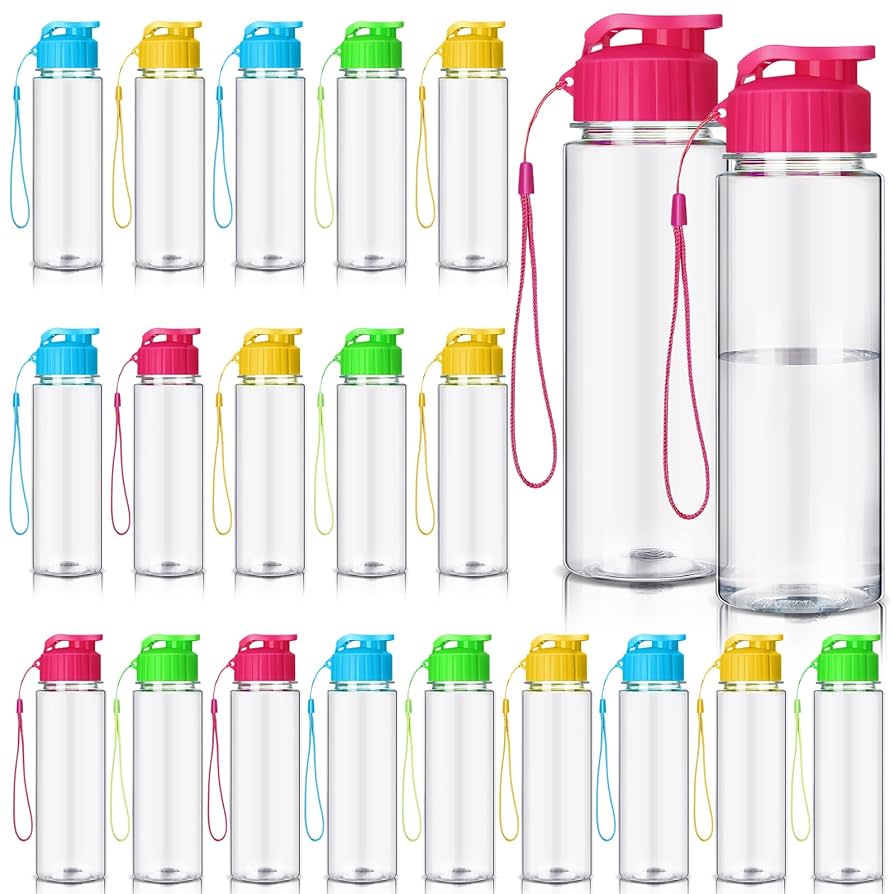
A stock image related to large quantity water bottles.
In-depth Look: Manufacturing Processes and Quality Assurance for large quantity water bottles
What Are the Main Stages of Manufacturing Large Quantity Water Bottles?
The manufacturing process for large quantity water bottles involves several key stages, each critical to ensuring product quality and efficiency. Understanding these stages can help B2B buyers evaluate potential suppliers and their capabilities.
Material Preparation: What Materials Are Used and How Are They Processed?
The first step in manufacturing water bottles is material preparation. The most common materials used include high-density polyethylene (HDPE), polyethylene terephthalate (PET), and stainless steel. Each material has its own unique properties suitable for various applications.
-
Plastic Bottles: For plastic water bottles, resin pellets are sourced and then melted down to form the desired shape. The pellets are heated and extruded through a mold to create the bottle’s body. This process can include the addition of colorants and other additives to enhance the bottle’s properties, such as making it BPA-free or UV-resistant.
-
Metal Bottles: In the case of stainless steel bottles, the raw metal is cut into sheets, which are then shaped into cylindrical forms through a process called deep drawing. The edges are then welded or sealed to form a complete bottle.
How Are Water Bottles Formed and Assembled?
After preparing the materials, the next stage is forming and assembly.
-
Injection Molding: This technique is commonly used for plastic bottles, where molten plastic is injected into a mold. Once cooled, the bottle takes its final shape. For larger quantities, this method is efficient and cost-effective.
-
Blow Molding: Another technique for plastic bottles, blow molding involves inflating a heated plastic tube inside a mold. This allows for more complex shapes and larger volumes.
-
Assembly: For bottles that require additional components—like lids or straws—assembly lines are used to attach these parts. This stage may also involve the application of labels, which can be printed directly on the bottle or added as stickers.
What Finishing Processes Are Necessary for Quality?
Finishing processes enhance the aesthetic appeal and functionality of water bottles.
-
Surface Treatment: For stainless steel bottles, surface treatments such as polishing or powder coating are applied to improve durability and appearance. Powder coating can also add insulation properties.
-
Quality Control: Before moving to distribution, bottles undergo rigorous quality checks to ensure they meet industry standards. This includes inspections for defects, ensuring proper sealing, and verifying that labels are correctly applied.
How Is Quality Assurance Implemented in Water Bottle Manufacturing?
Quality assurance (QA) is vital in the manufacturing of water bottles, particularly for B2B buyers who require reliable products.
What International Standards Should Buyers Consider?
One key aspect of QA is adherence to international standards. ISO 9001 is a widely recognized quality management standard that ensures a consistent approach to quality across all processes. Manufacturers may also comply with specific industry standards such as CE marking in Europe, which indicates conformity with health, safety, and environmental protection standards.
What Are the Key Quality Control Checkpoints?
Quality control (QC) checkpoints are integral to the manufacturing process. Key checkpoints include:
-
Incoming Quality Control (IQC): This initial stage involves inspecting raw materials to ensure they meet specified standards before manufacturing begins.
-
In-Process Quality Control (IPQC): During manufacturing, regular checks are conducted to monitor the production process. This may involve measuring dimensions, testing for leaks, and ensuring proper assembly.
-
Final Quality Control (FQC): After production, finished products undergo rigorous testing. This includes visual inspections, functional testing, and compliance checks against relevant standards.
What Common Testing Methods Are Used?
Common testing methods for water bottles include:
- Leak Testing: Ensures that bottles do not leak under normal usage conditions.
- Drop Testing: Assesses durability by dropping bottles from various heights to simulate real-world handling.
- Temperature Resistance Testing: For insulated bottles, this checks their ability to maintain temperature under extreme conditions.
How Can B2B Buyers Verify Supplier Quality Assurance?
B2B buyers should take proactive steps to verify the quality assurance processes of potential suppliers.
What Audit Practices Should Be Followed?
Conducting audits is one of the most effective ways to assess a supplier’s quality assurance capabilities. Buyers can request:
- Supplier Audits: Periodic audits allow buyers to evaluate the manufacturing processes and QC protocols in place.
- Documentation Review: Requesting quality assurance documents, including ISO certifications and internal QC reports, can provide insight into a supplier’s commitment to quality.
How Can Third-Party Inspections Enhance Confidence?
Engaging third-party inspection services can further ensure product quality. These independent organizations can perform inspections at various stages of production and provide unbiased reports on compliance with specified standards.
What Are the Specific Quality Control Nuances for International Buyers?
For international buyers, particularly from Africa, South America, the Middle East, and Europe, it’s essential to understand the nuances of quality control in different regions.
-
Regulatory Compliance: Different regions may have unique regulations affecting product safety and quality. Buyers should familiarize themselves with these regulations to ensure compliance.
-
Cultural Considerations: Understanding cultural differences in business practices can facilitate smoother negotiations and ensure that quality expectations are met.
-
Communication: Clear communication is key when dealing with international suppliers. Establishing a consistent line of communication can help address any quality concerns promptly.
In summary, understanding the manufacturing processes and quality assurance protocols for large quantity water bottles is essential for B2B buyers. By focusing on material preparation, forming, assembly, finishing, and rigorous quality control measures, buyers can make informed decisions that align with their business needs.
Practical Sourcing Guide: A Step-by-Step Checklist for ‘large quantity water bottles’
In the competitive landscape of B2B procurement, sourcing large quantity water bottles requires careful planning and execution. This step-by-step checklist will help international buyers streamline their purchasing process, ensuring they meet their needs while maintaining quality and compliance.
Step 1: Define Your Technical Specifications
Before reaching out to suppliers, it’s essential to establish clear technical specifications for the water bottles you need. Consider factors such as material (plastic, aluminum, stainless steel), capacity (e.g., 16 oz, 32 oz), and design features (e.g., lid types, insulation). These specifications will guide your supplier search and help ensure you receive products that meet your requirements.
Step 2: Identify Your Budget and Quantity Requirements
Determine your budget and the quantity of water bottles you plan to purchase. Knowing your budget helps narrow down options and ensures you do not overspend. Additionally, understanding the quantity can affect pricing structures, as many suppliers offer discounts for bulk purchases.
- Bulk Pricing: Inquire about tiered pricing based on quantity to maximize savings.
- Shipping Costs: Factor in logistics, as these can significantly affect the total cost.
Step 3: Research and Shortlist Suppliers
Conduct thorough research to identify potential suppliers. Look for manufacturers and distributors with a solid reputation in the industry. Use platforms like industry directories, trade shows, and online marketplaces to gather options.
- Supplier Credentials: Check for certifications such as ISO or FDA compliance, especially if you’re sourcing for regions with strict regulations.
- Customer Reviews: Examine testimonials and case studies to gauge supplier reliability and product quality.
Step 4: Request Samples for Evaluation
Once you have shortlisted suppliers, request samples of the water bottles you are considering. Evaluating samples allows you to assess quality, usability, and design firsthand.
- Quality Assurance: Look for durability, safety features (like BPA-free materials), and overall aesthetics.
- Functionality Testing: Check features such as lid effectiveness and ease of cleaning to ensure they meet your operational needs.
Step 5: Verify Supplier Certifications and Compliance
Before finalizing any deals, confirm that the suppliers adhere to necessary certifications and compliance standards relevant to your market. This is crucial for ensuring product safety and legal compliance.
- Documentation: Request copies of certifications and compliance documents.
- Production Standards: Ensure that production facilities follow environmentally friendly practices, especially if sustainability is a priority for your business.
Step 6: Negotiate Terms and Conditions
Engage in negotiations to ensure favorable terms and conditions. Discuss pricing, payment terms, delivery schedules, and return policies.
- Flexibility: Seek suppliers willing to accommodate your specific needs, such as rush orders or custom branding options.
- Contracts: Ensure all agreements are documented to avoid misunderstandings later on.
Step 7: Establish a Communication Plan
Effective communication is key to a successful procurement process. Establish a clear communication channel with your chosen supplier to facilitate updates and address any concerns promptly.
- Regular Updates: Set expectations for reporting on production timelines and shipping statuses.
- Point of Contact: Designate a representative from both sides to streamline communication and resolve issues efficiently.
Following this checklist will empower B2B buyers to make informed decisions, ensuring they procure large quantity water bottles that meet their business needs and compliance standards.
Comprehensive Cost and Pricing Analysis for large quantity water bottles Sourcing
What Are the Key Cost Components of Large Quantity Water Bottles?
When sourcing large quantities of water bottles, understanding the cost structure is essential for effective budgeting and negotiation. The primary cost components include:
-
Materials: The type of material—plastic, aluminum, or stainless steel—significantly impacts costs. For instance, stainless steel bottles tend to be more expensive due to their durability and insulation properties.
-
Labor: Labor costs vary based on the manufacturing location. Regions with lower labor costs may offer more competitive pricing, but factors such as skill level and labor regulations can influence overall expenses.
-
Manufacturing Overhead: This includes utilities, rent, and equipment maintenance costs. Manufacturers often factor these into the pricing, which can vary depending on the facility’s location and efficiency.
-
Tooling: Custom designs may require specific molds and tools, which can add to the initial costs. This investment is often amortized over large production runs, making it crucial to consider the volume when negotiating.
-
Quality Control (QC): Ensuring product quality through rigorous QC processes can increase costs. However, this is essential for maintaining standards, especially for international buyers who may have stricter compliance requirements.
-
Logistics: Shipping costs can vary greatly based on distance, mode of transport, and Incoterms. International shipping often incurs additional customs duties and taxes, which should be factored into the total cost.
-
Margin: Suppliers will typically include their profit margin in the pricing. Understanding industry standards can help buyers negotiate better terms.
How Do Price Influencers Affect the Cost of Water Bottles?
Several factors can influence the pricing of large quantity water bottles:
-
Volume/MOQ: Suppliers often have minimum order quantities (MOQs). Ordering in larger volumes can lead to better pricing per unit due to economies of scale.
-
Specifications and Customization: Customized designs or specialized features (like insulation or unique lids) can increase costs. Buyers should evaluate the necessity of these features against their budget.
-
Material Quality and Certifications: Higher-quality materials or products that meet specific certifications (such as FDA compliance) may come at a premium. It’s important to balance quality with budget constraints.
-
Supplier Factors: Supplier reputation, reliability, and production capacity can affect pricing. Working with established suppliers may offer better security and consistency, albeit at a potentially higher cost.
-
Incoterms: The chosen Incoterm (e.g., FOB, CIF) dictates who bears the shipping costs and risks, which can significantly affect overall expenditure. Understanding these terms is vital for accurate cost assessment.
What Are the Best Buyer Tips for Negotiating Costs?
International B2B buyers, particularly from Africa, South America, the Middle East, and Europe, can benefit from strategic negotiation and cost management techniques:
-
Negotiate on Volume: Leverage volume purchasing to negotiate lower prices. Suppliers are often willing to offer discounts for larger orders.
-
Focus on Total Cost of Ownership (TCO): Consider not just the purchase price but also maintenance, shipping, and disposal costs. A higher upfront cost may be justified by lower long-term expenses.
-
Understand Pricing Nuances: Be aware of market fluctuations, seasonal pricing, and regional pricing differences. This knowledge can empower buyers during negotiations.
-
Evaluate Supplier Relationships: Building strong relationships with suppliers can lead to better pricing and terms. Regular communication and feedback can foster loyalty and trust.
-
Conduct Market Research: Regularly assess market prices and competitor offerings. This will provide leverage when discussing costs and terms with suppliers.
Disclaimer on Pricing
The prices mentioned in this analysis are indicative and may vary based on market conditions, supplier negotiations, and specific buyer requirements. Always seek updated quotes directly from suppliers for accurate pricing tailored to your needs.
Alternatives Analysis: Comparing large quantity water bottles With Other Solutions
Exploring Alternatives to Large Quantity Water Bottles
In the context of providing hydration solutions for events, workplaces, or large gatherings, large quantity water bottles have become a popular choice. However, businesses might consider several alternative methods to meet their hydration needs. This analysis will compare large quantity water bottles with two viable alternatives: water coolers and bulk water delivery systems.
| Comparison Aspect | Large Quantity Water Bottles | Water Coolers | Bulk Water Delivery Systems |
|---|---|---|---|
| Performance | High portability and versatility for events | Provides continuous supply and cooling | Offers large volumes at once, ideal for long-term use |
| Cost | Low initial investment; cost-effective per unit | Higher upfront costs; ongoing maintenance costs | Variable pricing based on delivery frequency and volume |
| Ease of Implementation | Simple setup; requires no special equipment | Requires electrical outlet and plumbing | Requires scheduling and may involve storage logistics |
| Maintenance | Minimal; just refill and clean | Regular cleaning and maintenance required | Occasional equipment cleaning; depends on delivery service |
| Best Use Case | Ideal for short-term events or promotions | Suitable for offices or locations needing constant supply | Best for large facilities or remote locations with high water demand |
Pros and Cons of Water Coolers
Water coolers are a common hydration solution, especially in office settings. They provide a continuous supply of chilled water, making them an attractive choice for environments where employees need easy access to hydration throughout the day. The main advantage of water coolers is their ability to serve water at a consistent temperature, which can be particularly appealing in hot climates. However, they require a reliable power source and regular maintenance, which can lead to higher operational costs over time. Additionally, they may not be as portable as large quantity water bottles, limiting their use in mobile or temporary setups.
Pros and Cons of Bulk Water Delivery Systems
Bulk water delivery systems are designed for large-scale hydration needs, making them ideal for construction sites, large events, or facilities with high water consumption. These systems can provide significant volumes of water at once, reducing the frequency of restocking. One of the primary benefits is the cost-effectiveness for high-volume consumption, as the price per liter tends to decrease with larger orders. However, the logistics of scheduling deliveries can be cumbersome, and businesses must ensure they have adequate storage for the water. Additionally, the reliance on a delivery service can lead to potential delays or issues with availability.
Conclusion: How to Choose the Right Hydration Solution
When selecting the best hydration solution for your business, it is essential to assess your specific needs, including the scale of water consumption, budget, and logistical considerations. For short-term events or locations requiring mobility, large quantity water bottles offer a flexible and cost-effective solution. Conversely, if you need a continuous supply and have the infrastructure to support it, water coolers may be more suitable. For larger facilities or situations where water demand is high and consistent, bulk water delivery systems can provide the best value. Ultimately, understanding the unique requirements of your operations will guide you in choosing the most effective hydration strategy for your business.
Essential Technical Properties and Trade Terminology for large quantity water bottles
What Are the Key Technical Properties of Large Quantity Water Bottles?
When sourcing large quantity water bottles, understanding the technical specifications is crucial for ensuring product quality and suitability for your target market. Here are several essential technical properties to consider:
-
Material Grade
The material used in water bottles significantly affects durability, safety, and compliance with health regulations. Common materials include high-density polyethylene (HDPE), polyethylene terephthalate (PET), and stainless steel. Each material has unique properties: HDPE is known for its impact resistance, PET is lightweight and recyclable, while stainless steel offers superior insulation and durability. For B2B buyers, selecting the appropriate material grade can enhance product longevity and customer satisfaction. -
Capacity
Water bottles come in various capacities, typically ranging from 16 oz to 40 oz or more. The choice of capacity should align with the intended use—larger bottles are ideal for outdoor events or sports, while smaller sizes may suit individual use. Understanding the capacity is essential for inventory management and meeting customer demand, particularly in bulk orders. -
BPA-Free Certification
Bisphenol A (BPA) is a chemical commonly found in plastics that can pose health risks. Many buyers now prioritize BPA-free products to ensure safety and compliance with health regulations in various markets, especially in Europe and North America. Highlighting BPA-free certification can be a strong selling point in B2B transactions, as it reflects a commitment to consumer health and safety. -
Insulation Type
For stainless steel bottles, insulation type (e.g., double-wall vacuum insulation) is a critical factor. This feature keeps beverages cold or hot for extended periods, appealing to consumers who value temperature retention. For B2B buyers, offering insulated options can differentiate your product line and meet diverse customer needs. -
Design Features
Design elements such as lid types (screw-on, flip-top), handles, and ergonomic shapes can enhance user experience. Spill-resistant lids are particularly important for active users. When purchasing in bulk, understanding these design features can help buyers select products that maximize user satisfaction and minimize returns.
What Common Trade Terms Should B2B Buyers Know in the Water Bottle Industry?
Navigating the water bottle market requires familiarity with industry-specific jargon. Here are key terms that B2B buyers should understand:
-
OEM (Original Equipment Manufacturer)
OEM refers to companies that produce parts or products that are sold under another company’s brand. In the context of water bottles, buyers may engage with OEMs to create custom designs or private-label products. Understanding OEM relationships can facilitate better negotiations and product development timelines. -
MOQ (Minimum Order Quantity)
MOQ indicates the smallest quantity a supplier is willing to sell. This term is critical for B2B buyers, as it directly impacts inventory costs and cash flow. Knowing the MOQ helps businesses plan their purchasing strategy effectively, ensuring they meet demand without overstocking. -
RFQ (Request for Quotation)
An RFQ is a document sent to suppliers to solicit price quotes for specific products or services. For large quantity orders of water bottles, submitting an RFQ can help buyers compare pricing, lead times, and terms across multiple suppliers, enabling informed decision-making. -
Incoterms (International Commercial Terms)
Incoterms are standardized trade terms used in international shipping to clarify the responsibilities of buyers and sellers. Understanding these terms helps B2B buyers navigate shipping costs, insurance, and delivery responsibilities, ensuring smoother transactions across borders. -
Lead Time
Lead time refers to the duration from placing an order to receiving the product. It encompasses production and shipping times. Awareness of lead times is crucial for B2B buyers to manage inventory levels and fulfill customer orders timely. -
Customization Options
Customization options pertain to the ability to alter products according to specific client requirements, such as color, branding, and design features. For B2B buyers, understanding available customization can enhance product appeal and meet unique market demands.
By grasping these technical properties and trade terms, international B2B buyers can make informed purchasing decisions, ensuring they select high-quality water bottles that meet their operational needs and customer expectations.
Navigating Market Dynamics and Sourcing Trends in the large quantity water bottles Sector
What Are the Key Market Trends Influencing Large Quantity Water Bottles?
The large quantity water bottles market is witnessing significant growth driven by various global factors. Increasing health consciousness among consumers has led to a surge in demand for reusable and eco-friendly water bottles. This trend is further amplified by the global movement towards sustainability, influencing B2B buyers to seek products that align with environmentally friendly practices. In regions like Africa and South America, the rising population and urbanization are contributing to an increased need for hydration solutions in public and private sectors, from schools to corporate events.
Emerging technologies are reshaping sourcing trends. Digital platforms for bulk purchasing are becoming more prevalent, allowing international buyers to streamline their procurement processes. Additionally, advancements in manufacturing, such as 3D printing and automation, are enabling suppliers to offer customizable options at competitive prices. Notably, buyers from Europe, including Germany, are increasingly prioritizing suppliers who utilize advanced production technologies, which enhance product quality and reduce lead times.
How Can Sustainability and Ethical Sourcing Be Integrated into B2B Water Bottle Purchases?
Sustainability has become a crucial consideration in the sourcing of large quantity water bottles. The environmental impact of single-use plastics has prompted organizations to shift towards reusable bottles made from sustainable materials, such as stainless steel and BPA-free plastics. B2B buyers are encouraged to consider suppliers who demonstrate a commitment to sustainability through eco-friendly certifications, such as ISO 14001 or certifications from organizations like the Forest Stewardship Council (FSC).
Moreover, ethical sourcing is gaining traction in the B2B landscape. Buyers should evaluate suppliers based on their labor practices, environmental policies, and transparency in the supply chain. This includes ensuring that materials are sourced responsibly and that the manufacturing processes adhere to social and environmental standards. By partnering with suppliers who prioritize ethical practices, companies not only enhance their brand reputation but also contribute to global sustainability efforts.
What Is the Historical Context of Large Quantity Water Bottles in the B2B Sector?
The large quantity water bottles sector has evolved significantly over the past few decades. Initially dominated by single-use plastic bottles, the market has gradually shifted towards reusable alternatives, driven by increasing environmental awareness and regulatory pressures. The introduction of materials such as stainless steel and Tritan™ has revolutionized the industry, offering durability and safety while appealing to eco-conscious consumers.
The rise of promotional products in corporate settings has also played a role in the evolution of water bottles. Organizations began using customized bottles as marketing tools, leading to a greater emphasis on design and functionality. Today, B2B buyers are not only looking for cost-effectiveness but also for products that reflect their commitment to sustainability and corporate responsibility. As the market continues to evolve, the focus on innovative designs and ethical sourcing will likely shape future trends, offering new opportunities for buyers and suppliers alike.
Frequently Asked Questions (FAQs) for B2B Buyers of large quantity water bottles
-
How do I ensure the quality of large quantity water bottles when sourcing internationally?
To ensure quality, start by thoroughly vetting potential suppliers. Request samples to assess the materials and craftsmanship before committing to a bulk order. It’s also advisable to check for certifications, such as ISO or FDA compliance, which indicate adherence to safety and quality standards. Establish clear quality assurance protocols, including inspections during production and upon delivery. Engaging third-party quality control services can further enhance assurance, particularly for international shipments. -
What are the minimum order quantities (MOQ) for bulk water bottles?
Minimum order quantities can vary significantly by supplier and product type. Typically, MOQs for large quantity water bottles range from 12 to several hundred units, depending on customization and material. For standard models, lower MOQs are common, while custom designs may require larger orders. Always confirm the MOQ with your supplier and consider negotiating terms if you plan to establish a long-term partnership. -
What customization options are available for bulk water bottles?
Customization options often include size, color, material, and branding. Many suppliers offer printing services for logos and designs, which can enhance brand visibility. You can also request features like spill-resistant lids or specific ergonomic designs. Discuss your requirements early in the procurement process to ensure that the supplier can meet your needs. Always review mock-ups or proofs before finalizing the design to prevent errors. -
What payment terms are typical when purchasing large quantities of water bottles?
Payment terms vary by supplier but often include options like upfront payments, deposits, or net payment terms (e.g., 30, 60, or 90 days). For international transactions, consider using secure payment methods such as letters of credit or escrow services to protect both parties. It’s crucial to clarify payment terms before placing an order and to ensure they align with your cash flow needs and risk tolerance. -
How can I navigate shipping and logistics for bulk water bottle orders?
Navigating shipping and logistics requires careful planning. Discuss shipping options with your supplier, including freight forwarding and customs clearance procedures, particularly for international deliveries. Choose a reliable shipping partner that understands your destination’s regulations to avoid delays. Be aware of additional costs such as duties, tariffs, and insurance. It’s also wise to consider the lead time for production and shipping to ensure timely delivery. -
What are the best practices for supplier vetting in the water bottle industry?
Effective supplier vetting involves checking their business credentials, production capabilities, and track record. Request references from previous clients, and investigate their reputation through industry reviews. Conduct site visits if possible, or utilize online platforms that offer supplier ratings. Ensure they comply with international trade regulations and have the necessary certifications for quality and safety. Building a relationship with suppliers can also lead to better communication and service. -
How do I address potential issues with product quality after delivery?
If you encounter quality issues after delivery, promptly communicate with your supplier to discuss your concerns. Document the issues with photos and detailed descriptions to support your case. Most reputable suppliers will have a return policy or warranty in place. If the problem is significant, you may need to negotiate a refund or replacement. Establishing open lines of communication can often lead to quick resolutions and strengthen the business relationship. -
What sustainability practices should I consider when sourcing water bottles?
When sourcing water bottles, consider suppliers that prioritize sustainable materials and manufacturing processes. Look for bottles made from recycled plastics or biodegradable materials. Assess the supplier’s commitment to reducing carbon footprints and waste in their operations. Additionally, inquire about their packaging practices and whether they offer refillable or reusable options. Incorporating sustainability into your procurement strategy can enhance your brand’s reputation and appeal to environmentally conscious consumers.
Important Disclaimer & Terms of Use
⚠️ Important Disclaimer
The information provided in this guide, including content regarding manufacturers, technical specifications, and market analysis, is for informational and educational purposes only. It does not constitute professional procurement advice, financial advice, or legal advice.
While we have made every effort to ensure the accuracy and timeliness of the information, we are not responsible for any errors, omissions, or outdated information. Market conditions, company details, and technical standards are subject to change.
B2B buyers must conduct their own independent and thorough due diligence before making any purchasing decisions. This includes contacting suppliers directly, verifying certifications, requesting samples, and seeking professional consultation. The risk of relying on any information in this guide is borne solely by the reader.
Top 8 Large Quantity Water Bottles Manufacturers & Suppliers List
1. Totally Promotional – Bulk Water Bottles
Domain: totallypromotional.com
Registered: 2008 (17 years)
Introduction: Blank Water Bottles in Bulk – Wholesale Bulk Water Bottles | Totally Promotional. Options include Plastic Water Bottles, Metal Water Bottles, Glass Water Bottles, BPA-Free Water Bottles, Sustainable Water Bottles, Shaker Bottles, Drink Pouches, and Water Bottle Lids. Free Delivery, USA-Made, On Sale, and 24-Hour Rush available.
2. Bulk Tumblers – Insulated Water Bottles
Domain: bulktumblers.com
Registered: 2018 (7 years)
Introduction: Water Bottles – Bulk Tumblers: Blank and Powder Coated Stainless Steel Insulated Water Bottles, sold individually or by the case. Available sizes: 6 – 12 oz, 14 – 18 oz, 20 – 24 oz, 27 – 32 oz, 40 oz. Coating types include Black Ghost, Copper Ion, Glitter, Glossy Powder Coat, Holographic, Matte Powder Coat, None (Stainless Steel), Rainbow Prism, Sublimation. Prices range from €6,95 to €168,95 depe…
3. Oriental Trading – Bulk Water Bottles
Domain: orientaltrading.com
Registered: 1998 (27 years)
Introduction: Bulk Water Bottles for Parties & Events | Oriental Trading. Available in various colors including Assorted Colors, Black, Blue, Brown, Clear, Gold, Green, Grey, Mint Green, Multicolor, Neon, Orange, Pastel, Pink, Purple, Red, Silver, Teal, Turquoise, White, Yellow. Materials include Acrylic, Ceramic, Corrugated Plastic, Glass, Metal, Paper, Plastic, Rubber, Silicone. Personalizable options availab…
4. KingStar – Custom Eco-Friendly Water Bottles
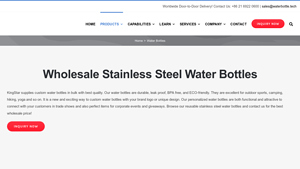
Domain: waterbottle.tech
Registered: 2018 (7 years)
Introduction: KingStar supplies custom water bottles in bulk with best quality. Key features include:
– Durable, leak proof, BPA free, and ECO-friendly.
– Suitable for outdoor sports, camping, hiking, yoga, etc.
– Customizable with brand logo or unique design.
– Available in various styles and colors.
– Made from premium 18/8 stainless steel (SUS304).
– Sweat Free Technology with double-wall insulation and copp…
5. Mountain Valley Spring Water – 5-Gallon Glass Jugs
Domain: reddit.com
Registered: 2005 (20 years)
Introduction: Mountain Valley Spring Water offers sealed 5-gallon glass jugs, available through their website. Additionally, users suggest storing water in empty canning jars with Tattler reusable lids, and using half-gallon jugs for short-term emergency supplies. Other options mentioned include carboys used by home brewers and 64 oz Ball jars for canning water.
6. Water Bottles – Custom Bulk Solutions
Domain: waterbottles.com
Registered: 1998 (27 years)
Introduction: Wholesale custom water bottles at discount bulk pricing. Categories include: Custom Water Bottles, Sports Bottles, Custom Bike Bottles, Team Water Bottles, Plastic Water Bottles, Hard Plastic Bottles, Soft Plastic Bottles, Collapsible Water Bottles, Premium Water Bottles, Stainless Steel Bottles, Custom Aluminum Bottles, Discount Water Bottles, Custom Insulated Bottles, Glass Water Bottles, Brande…
7. VistaPrint – Custom Water Bottles
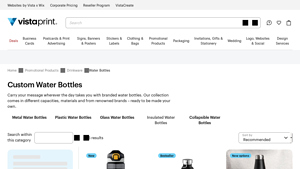
Domain: vistaprint.com
Registered: 1999 (26 years)
Introduction: This company, VistaPrint – Custom Water Bottles, is a notable entity in the market. For specific product details, it is recommended to visit their website directly.
8. I Want My H2O – Bulk Bottled Water
Domain: iwantmyh2o.com
Registered: 2007 (18 years)
Introduction: Bulk Bottled Water – Wholesale Pricing
– High-quality purified water in non-branded bottles
– Affordable bulk bottled water for businesses, events, and promotions
– Pallet orders and truckload pricing available
– Cost-effective pricing for bulk purchases
– Fast and reliable delivery for bulk orders
– Perfect for event planners, businesses, and hydration needs
– Pallet Pricing:
– 10 oz Bottles: …
Strategic Sourcing Conclusion and Outlook for large quantity water bottles
As the demand for large quantity water bottles continues to rise globally, strategic sourcing becomes essential for B2B buyers looking to optimize their procurement processes. Key takeaways highlight the importance of selecting suppliers that offer a diverse range of products—from durable aluminum to eco-friendly options—tailored to meet the unique needs of various markets, including those in Africa, South America, the Middle East, and Europe.
Investing in high-quality, customizable bottles not only enhances brand visibility but also aligns with sustainability goals, a significant consideration for today’s environmentally conscious consumers. Moreover, leveraging bulk purchasing agreements can yield cost savings and improved supply chain efficiencies, further solidifying a company’s competitive advantage.
Looking ahead, international buyers are encouraged to explore innovative options and consider suppliers that prioritize quality, delivery, and eco-friendliness. By doing so, businesses can position themselves effectively in a rapidly evolving marketplace. Embrace the opportunity to source strategically and elevate your brand with high-quality water bottles that resonate with your target audience. Start your journey toward smarter sourcing today!