Introduction: Navigating the Global Market for 1 gallon stainless steel water bottle
In an increasingly globalized market, sourcing a reliable supplier for 1 gallon stainless steel water bottles can pose significant challenges, especially for businesses operating in diverse regions such as Africa, South America, the Middle East, and Europe. The demand for durable, insulated water bottles is surging due to their versatility in both commercial and consumer markets, making it essential for B2B buyers to navigate through a myriad of options effectively. This comprehensive guide serves as a vital resource, addressing critical aspects such as different types of 1 gallon stainless steel water bottles, their applications across various industries, and strategies for vetting suppliers to ensure quality and reliability.
The guide delves into important considerations like cost analysis, product specifications, and market trends that influence purchasing decisions. With a focus on empowering international B2B buyers from countries like Nigeria and Saudi Arabia, this resource aims to equip you with the knowledge needed to make informed decisions. Whether you are looking to enhance your product offerings or seeking sustainable solutions for hydration needs, understanding the nuances of the 1 gallon stainless steel water bottle market is crucial. By leveraging the insights presented here, you can confidently navigate the complexities of sourcing, ensuring that your business remains competitive and responsive to consumer demands.
Understanding 1 gallon stainless steel water bottle Types and Variations
| Type Name | Key Distinguishing Features | Primary B2B Applications | Brief Pros & Cons for Buyers |
|---|---|---|---|
| Double-Wall Insulated Jugs | Maintains temperature for hours, no-sweat design | Outdoor events, sports, and camping | Pros: Excellent insulation, durable; Cons: Heavier than others. |
| Wide-Mouth Bottles | Extra-wide opening for easy filling and cleaning | Catering, food delivery, and events | Pros: Easy to fill and clean; Cons: May not fit standard cup holders. |
| Motivational Water Bottles | Time markers for hydration tracking | Fitness centers, corporate wellness | Pros: Encourages hydration; Cons: Limited color and style options. |
| Rugged Outdoor Bottles | Designed for extreme conditions, often with handles | Adventure tourism, outdoor activities | Pros: Highly durable; Cons: Can be bulky and expensive. |
| Compact Travel Jugs | Lightweight, often with a sleek design | Travel agencies, corporate gifts | Pros: Portable and stylish; Cons: Smaller capacity may not suit all users. |
What Are the Characteristics of Double-Wall Insulated Jugs?
Double-wall insulated jugs are designed to keep beverages cold or hot for extended periods. This feature is particularly advantageous for B2B applications such as outdoor events, sports, and camping. Buyers should consider the insulation effectiveness and durability, as these jugs often endure rugged environments. While they may be heavier than other types, their performance in extreme temperatures makes them a reliable choice for businesses that require consistent hydration solutions.
Why Choose Wide-Mouth Bottles for Catering and Events?
Wide-mouth bottles are characterized by their extra-wide openings, which facilitate easy filling and cleaning. This design is especially beneficial for catering services and event organizers who need to quickly refill or clean their equipment. When purchasing, B2B buyers should evaluate the ease of use and compatibility with standard serving equipment. Although they may not fit in standard cup holders, their practicality in food service settings makes them a preferred option.
How Do Motivational Water Bottles Benefit Corporate Wellness Programs?
Motivational water bottles feature time markers that encourage users to track their hydration throughout the day. This type is especially popular in fitness centers and corporate wellness programs, where promoting healthy habits is a priority. Buyers should consider the material quality and design, as these factors can influence employee engagement. While they may have limited style options, their functionality in promoting hydration can significantly enhance workplace wellness initiatives.
What Makes Rugged Outdoor Bottles Ideal for Adventure Tourism?
Rugged outdoor bottles are built to withstand extreme conditions, often featuring sturdy handles for easy transport. These bottles are perfect for adventure tourism and outdoor activities, where durability is paramount. When sourcing these products, B2B buyers should assess the materials used and the bottle’s weight, as these factors affect portability. Although they may come at a higher price point, their resilience and reliability in challenging environments justify the investment.
Why Are Compact Travel Jugs Popular Among Travel Agencies?
Compact travel jugs are lightweight and often designed with a sleek aesthetic, making them ideal for travel agencies and corporate gifting. Their portability allows users to easily carry them during commutes or trips. Buyers should examine the jug’s capacity and design features, as these elements can impact user satisfaction. While their smaller size may not cater to all hydration needs, their stylish design and ease of transport make them a valuable asset for businesses focused on customer experience.
Key Industrial Applications of 1 gallon stainless steel water bottle
| Industry/Sector | Specific Application of 1 gallon stainless steel water bottle | Value/Benefit for the Business | Key Sourcing Considerations for this Application |
|---|---|---|---|
| Food & Beverage | Beverage distribution for events and catering | Ensures efficient hydration solutions while maintaining beverage temperature | Durability, insulation properties, and ease of cleaning are critical. |
| Construction | On-site hydration for workers | Promotes worker safety and productivity by encouraging hydration | Consider weight, portability, and capacity for long shifts. |
| Outdoor Recreation | Hydration for outdoor activities and sports | Supports healthy hydration practices during activities | Evaluate insulation capabilities and resistance to outdoor elements. |
| Healthcare | Patient and staff hydration solutions | Helps maintain hydration standards in healthcare settings | Compliance with health regulations and materials safety are essential. |
| Corporate Wellness | Employee hydration initiatives | Enhances employee well-being and productivity | Custom branding options and bulk purchasing agreements are beneficial. |
How is the 1 Gallon Stainless Steel Water Bottle Used in the Food & Beverage Industry?
In the food and beverage sector, the 1-gallon stainless steel water bottle serves as an ideal solution for beverage distribution during events and catering. Its ability to maintain the temperature of drinks ensures that beverages remain refreshing for longer periods, enhancing customer satisfaction. Businesses must prioritize sourcing bottles that are durable and easy to clean, as they will be used frequently in high-demand environments. Additionally, considerations around capacity and design can also impact branding and customer experience.
What Role Does the 1 Gallon Stainless Steel Water Bottle Play in Construction Sites?
On construction sites, the 1-gallon stainless steel water bottle is crucial for ensuring that workers remain hydrated throughout their shifts. Hydration directly impacts worker safety and productivity, making these bottles an essential part of workplace health programs. Buyers in this sector should consider the weight and portability of the bottles, as workers will need to carry them easily. Furthermore, the durability of the bottles is vital due to the rugged conditions often present on construction sites.
Why is the 1 Gallon Stainless Steel Water Bottle Important for Outdoor Recreation?
In outdoor recreation, the 1-gallon stainless steel water bottle is invaluable for individuals participating in sports and outdoor activities. It provides a reliable hydration source that can withstand the elements while keeping drinks cool. Buyers need to evaluate the insulation capabilities of these bottles, as well as their resistance to various weather conditions. This ensures that they meet the demands of outdoor enthusiasts, who often seek products that can endure rigorous use.
How Does the 1 Gallon Stainless Steel Water Bottle Support Healthcare Settings?
In healthcare environments, the 1-gallon stainless steel water bottle is used to facilitate hydration for both patients and staff. Maintaining proper hydration is essential for overall health, and these bottles can help healthcare facilities meet hydration standards. Buyers in this sector must ensure that their products comply with health regulations, focusing on materials that are safe and easy to sanitize. This is particularly important in maintaining hygiene in sensitive environments.
What Benefits Does the 1 Gallon Stainless Steel Water Bottle Offer in Corporate Wellness Programs?
For corporate wellness initiatives, the 1-gallon stainless steel water bottle encourages employees to stay hydrated, promoting overall well-being and productivity. Businesses can benefit from custom branding options, which can enhance corporate identity while providing practical hydration solutions. When sourcing these bottles, companies should consider bulk purchasing agreements to reduce costs and ensure consistent supply for their wellness programs.
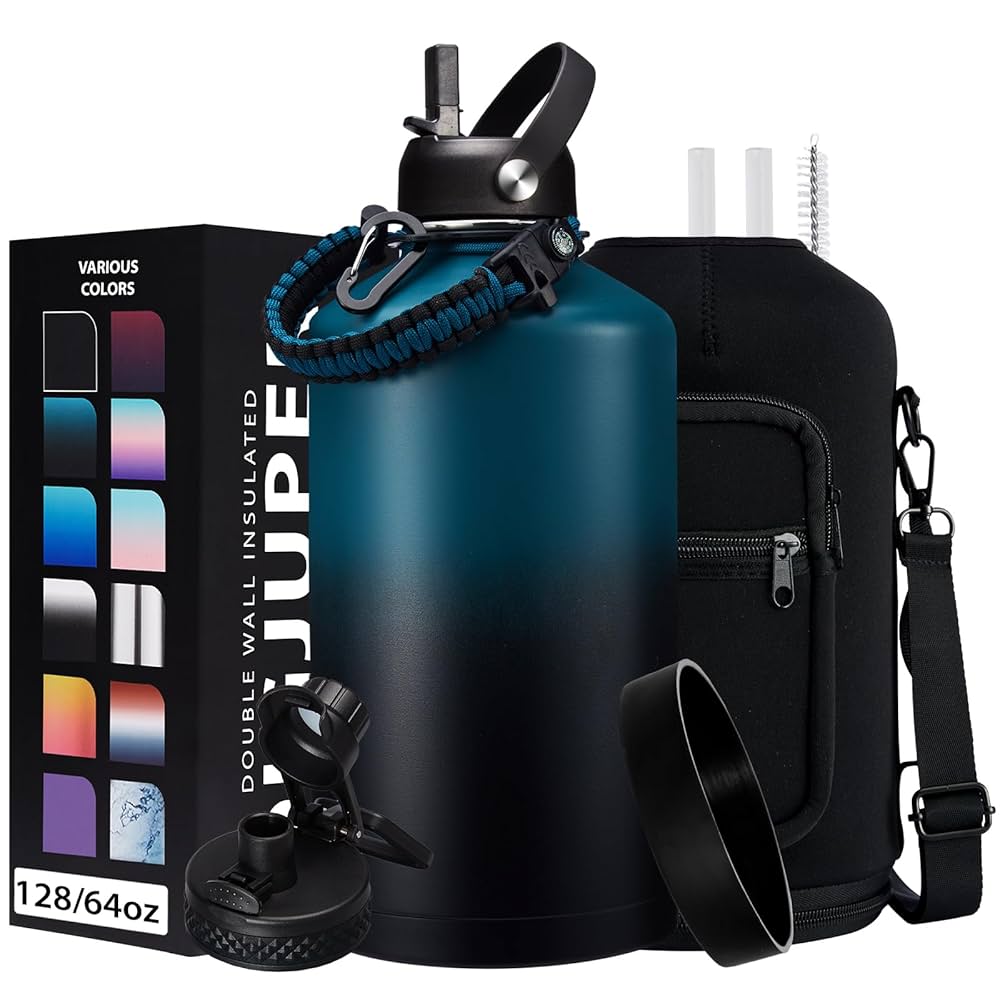
A stock image related to 1 gallon stainless steel water bottle.
3 Common User Pain Points for ‘1 gallon stainless steel water bottle’ & Their Solutions
Scenario 1: Insufficient Insulation for Temperature Control
The Problem: B2B buyers often seek high-quality water bottles for outdoor events, corporate retreats, or employee wellness programs. However, many stainless steel water bottles fail to maintain the desired temperature of beverages for extended periods. For example, in hot climates like Nigeria or Saudi Arabia, water can warm up quickly, leading to dissatisfied customers or employees who expect refreshing cold drinks. This can negatively impact brand image and employee morale.
The Solution: To address this challenge, buyers should prioritize sourcing 1-gallon stainless steel water bottles with double-wall vacuum insulation. This technology significantly enhances temperature retention, keeping beverages cold for up to 24 hours or hot for up to 12 hours. When negotiating with suppliers, ask for performance testing data to verify insulation claims. Additionally, consider selecting bottles with a no-sweat design, which prevents condensation on the exterior, ensuring that they remain easy to handle and transport. For optimal use, recommend that users fill the bottles with ice before adding water, as this will enhance cooling capabilities, especially during outdoor activities.
Scenario 2: Difficulty in Cleaning and Maintenance
The Problem: In a B2B environment, maintaining hygiene is crucial, particularly when water bottles are shared among staff or used in public settings. Many stainless steel water bottles have narrow openings, making them challenging to clean thoroughly. Residue buildup can lead to unpleasant odors and compromise the quality of the water, posing health risks, especially in regions with limited access to clean water.
The Solution: When sourcing 1-gallon stainless steel water bottles, opt for models with wide-mouth openings. This design not only facilitates easy filling but also allows for effective cleaning using brushes or sponges. Additionally, look for bottles that are dishwasher safe and feature BPA-free materials, ensuring they are safe for repeated use. To further enhance hygiene, consider implementing a cleaning schedule for all reusable bottles in the workplace. Educate users on the importance of regular cleaning and provide them with appropriate cleaning supplies, such as eco-friendly bottle cleaners or brushes specifically designed for large openings.
Scenario 3: Weight and Portability Issues
The Problem: For companies engaged in outdoor activities or events, the weight and portability of water bottles can be a significant concern. Heavy bottles can lead to fatigue during long events, and cumbersome designs can make them difficult to carry. This is particularly relevant for businesses that operate in rugged environments, such as construction sites or outdoor sports events in South America or the Middle East.
The Solution: To mitigate weight-related challenges, buyers should seek lightweight yet durable 1-gallon stainless steel water bottles. Materials like 18/8 stainless steel can provide strength without unnecessary bulk. Additionally, consider bottles with ergonomic designs and features like built-in handles or detachable straps for easier transport. When evaluating suppliers, inquire about the weight specifications and carry options available. If possible, request samples to test for comfort and usability in real-world scenarios. Furthermore, training employees on optimal packing techniques—such as distributing weight evenly in backpacks—can improve overall portability during events.
Strategic Material Selection Guide for 1 gallon stainless steel water bottle
What Are the Key Materials Used in 1 Gallon Stainless Steel Water Bottles?
When selecting materials for 1 gallon stainless steel water bottles, several options are commonly considered. Each material presents unique properties, advantages, and challenges that can impact product performance and marketability. Below, we explore the most prevalent materials used in manufacturing these bottles, focusing on their properties, pros and cons, and specific considerations for international B2B buyers.
How Does 18/8 Stainless Steel Perform in Water Bottles?
18/8 stainless steel, also known as Type 304 stainless steel, is a popular choice for water bottles due to its excellent corrosion resistance and durability. This material contains 18% chromium and 8% nickel, which enhance its resistance to oxidation and rust.
Pros: The key advantages of 18/8 stainless steel include its ability to withstand high temperatures and pressures, making it suitable for both hot and cold beverages. It is also BPA-free, ensuring safety for consumers.
Cons: However, the manufacturing process can be complex, leading to higher production costs. Additionally, while 18/8 stainless steel is generally durable, it can be prone to dents if dropped.
Impact on Application: This material is compatible with a wide range of beverages, including acidic drinks, without imparting metallic flavors.
Considerations for International Buyers: Buyers in regions like Africa and the Middle East should ensure compliance with local food safety standards, such as those outlined by the FDA or EU regulations. Familiarity with ASTM or DIN standards can also be beneficial for quality assurance.
What About 18/10 Stainless Steel?
Similar to 18/8, 18/10 stainless steel contains 18% chromium and 10% nickel, offering even greater corrosion resistance and durability.
Pros: The additional nickel enhances the material’s ability to resist pitting and oxidation, making it ideal for long-term use in various environments.
Cons: The cost of 18/10 stainless steel is typically higher than 18/8, which may affect pricing strategies for B2B buyers. The complexity of manufacturing can also lead to longer lead times.
Impact on Application: This material is particularly well-suited for high-end products aimed at consumers looking for premium quality.
Considerations for International Buyers: Buyers should consider the potential for higher import tariffs on premium materials and ensure that their suppliers can meet international quality certifications.
How Does Double-Wall Vacuum Insulation Work?
Double-wall vacuum insulation is not a material per se but a construction method that significantly enhances the thermal performance of stainless steel bottles.
Pros: This design allows the bottle to maintain the temperature of its contents for extended periods, keeping drinks cold for up to 24 hours or hot for 12 hours.
Cons: The complexity of manufacturing double-walled bottles can lead to increased costs and may limit the types of designs that can be achieved.
Impact on Application: This insulation method is particularly advantageous for outdoor and travel applications, where temperature retention is critical.
Considerations for International Buyers: Buyers should verify that the insulation technology meets local standards for thermal efficiency and safety, particularly in regions with extreme temperatures.
What Are the Benefits of Powder Coating?
Powder coating is often applied to stainless steel water bottles to enhance aesthetics and provide additional protection.
Pros: This finish can improve the bottle’s resistance to scratches and corrosion while offering a variety of color options for branding purposes.
Cons: While powder coating enhances durability, it can add to the overall cost and may require specific care to avoid chipping.
Impact on Application: Powder-coated bottles are particularly appealing in consumer markets where design and branding are crucial.
Considerations for International Buyers: Buyers should ensure that the powder coating used is compliant with local environmental regulations, particularly in regions with strict VOC (volatile organic compound) standards.
Summary Table of Material Selection for 1 Gallon Stainless Steel Water Bottles
| Material | Typical Use Case for 1 gallon stainless steel water bottle | Key Advantage | Key Disadvantage/Limitation | Relative Cost (Low/Med/High) |
|---|---|---|---|---|
| 18/8 Stainless Steel | General-purpose water bottles for everyday use | Excellent corrosion resistance | Prone to dents if dropped | Medium |
| 18/10 Stainless Steel | Premium water bottles for high-end markets | Superior durability and corrosion resistance | Higher cost and longer lead times | High |
| Double-Wall Vacuum Insulation | Outdoor and travel water bottles | Exceptional temperature retention | Increased manufacturing complexity | Medium |
| Powder Coating | Branded and aesthetically appealing water bottles | Enhanced durability and design options | Can chip and add to overall cost | Medium |
This guide serves as a strategic resource for B2B buyers, providing actionable insights into material selection for 1 gallon stainless steel water bottles. Understanding the properties and implications of each material can help in making informed purchasing decisions that align with market demands and compliance requirements.
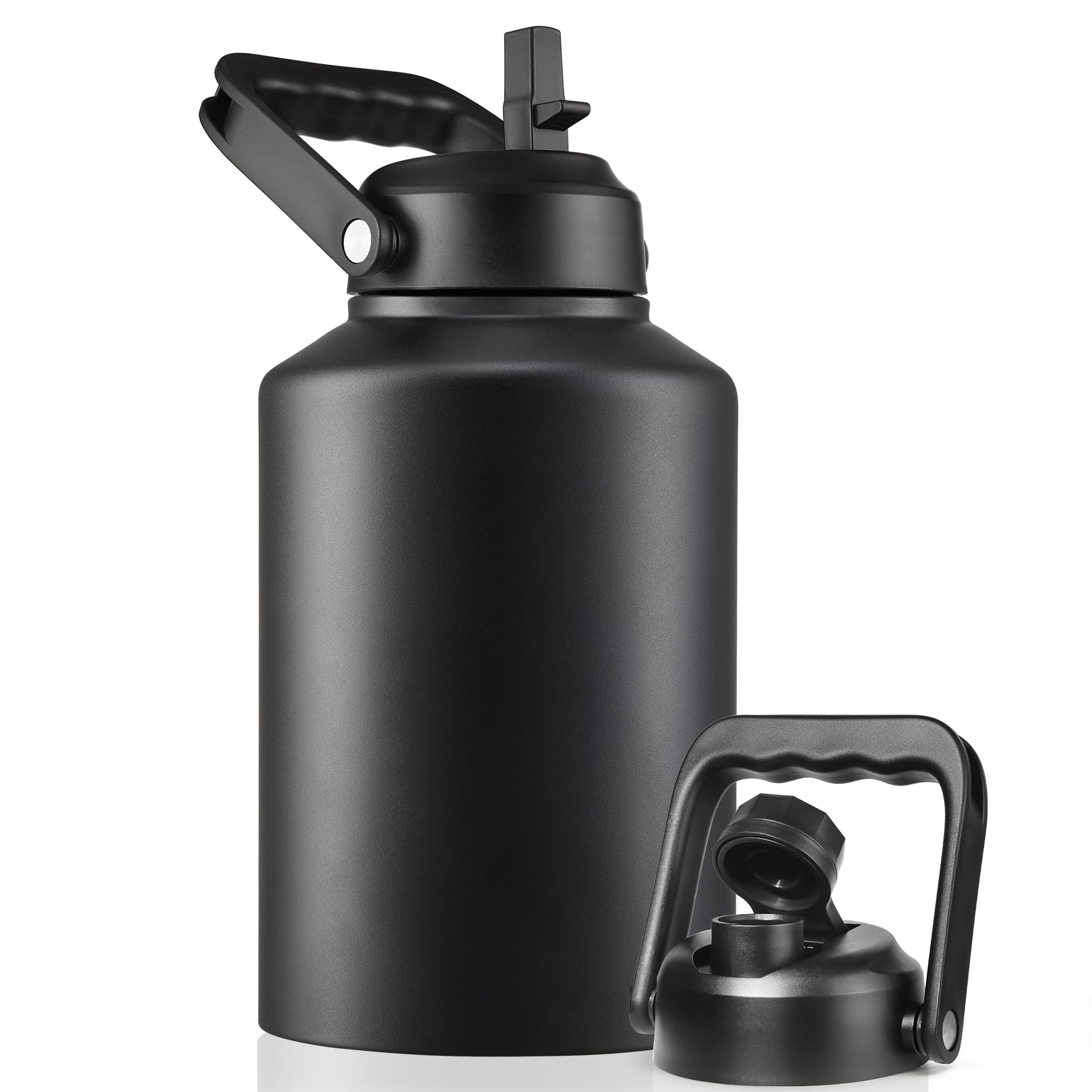
A stock image related to 1 gallon stainless steel water bottle.
In-depth Look: Manufacturing Processes and Quality Assurance for 1 gallon stainless steel water bottle
What Are the Main Stages in the Manufacturing Process of 1 Gallon Stainless Steel Water Bottles?
The manufacturing process of 1 gallon stainless steel water bottles involves several key stages, each critical for ensuring product quality and performance. The primary stages include material preparation, forming, assembly, and finishing.
How Is Material Prepared for Stainless Steel Water Bottles?
Material preparation begins with sourcing high-quality stainless steel, typically 18/8 (304 grade) for its corrosion resistance and durability. Suppliers should provide certifications verifying the chemical composition of the steel. After procurement, the steel sheets are cut into appropriate sizes for further processing. This stage may also include cleaning and surface treatment to eliminate any contaminants that could affect later stages.
What Techniques Are Used in Forming Stainless Steel Water Bottles?
Forming involves shaping the cut steel sheets into the desired bottle form. Techniques such as deep drawing and hydroforming are commonly used. In deep drawing, a punch presses the sheet into a die to create the bottle’s body, while hydroforming uses high-pressure fluid to mold the material into shape. Both methods require precision to ensure uniformity and strength. Quality control measures during this stage include dimensional checks and visual inspections to catch any deformities or inconsistencies.
How Are Stainless Steel Water Bottles Assembled?
Once formed, the components of the water bottle, including the lid, handle, and any insulation layers, are assembled. Automated assembly lines often facilitate this process, but manual assembly may be employed for more complex designs. The assembly must be done in a clean environment to avoid contamination. Quality assurance checks during assembly focus on ensuring proper fit and function of all parts, including leak testing to verify seal integrity.
What Finishing Processes Are Applied to Stainless Steel Water Bottles?
Finishing processes enhance both the aesthetic and functional qualities of the water bottle. This includes polishing, coating, and sometimes applying branding elements. A common technique is passivation, which enhances corrosion resistance by treating the stainless steel with an acid solution. Final inspections at this stage assess surface quality and adherence to design specifications.
What Quality Assurance Standards Are Relevant for Stainless Steel Water Bottles?
Quality assurance in the manufacturing of stainless steel water bottles is vital for maintaining product reliability and consumer safety. International standards such as ISO 9001, which outlines quality management systems, are essential for manufacturers. Additionally, industry-specific certifications like CE marking for compliance with European health, safety, and environmental protection standards can provide further assurance to B2B buyers.
How Are Quality Control Checkpoints Integrated into the Manufacturing Process?
Quality control is integrated throughout the manufacturing process through various checkpoints:
- Incoming Quality Control (IQC): This stage involves inspecting raw materials upon arrival to ensure they meet specified standards.
- In-Process Quality Control (IPQC): During production, samples are regularly tested for dimensional accuracy and structural integrity.
- Final Quality Control (FQC): After finishing, each batch undergoes rigorous testing, including leak tests, thermal performance assessments, and surface quality inspections.
These checkpoints help identify defects early, reducing waste and ensuring a higher quality end product.
What Common Testing Methods Are Employed for Stainless Steel Water Bottles?
Testing methods for stainless steel water bottles encompass both mechanical and thermal evaluations. Common methods include:
- Pressure Testing: Ensures that bottles can withstand internal pressures without leaking or bursting.
- Thermal Insulation Testing: Measures the bottle’s ability to maintain the temperature of its contents over time, verifying claims of insulation performance.
- Corrosion Resistance Testing: Assesses how well the stainless steel withstands various environmental conditions, particularly important for markets with high humidity or saline conditions.
How Can B2B Buyers Verify Supplier Quality Control?
B2B buyers should take proactive steps to verify the quality control measures of potential suppliers. Key actions include:
- Supplier Audits: Conducting on-site inspections of the manufacturing facilities to evaluate adherence to quality standards and production capabilities.
- Reviewing Quality Reports: Requesting documentation that outlines the results of quality control tests, including IQC, IPQC, and FQC findings.
- Third-Party Inspections: Engaging independent organizations to perform quality assessments can provide an unbiased evaluation of supplier practices.
What Are the QC and Certification Nuances for International B2B Buyers?
For international B2B buyers, understanding the nuances of quality control and certifications is essential. Different regions may have varying compliance requirements. For example, European markets may require CE certification, while buyers in Africa or South America may prioritize compliance with local health and safety regulations.
Additionally, understanding the cultural context of quality expectations can aid in selecting suppliers who align with your standards. Clear communication regarding quality expectations and certifications can help mitigate risks associated with international procurement.
Conclusion
A thorough understanding of the manufacturing processes and quality assurance protocols for 1 gallon stainless steel water bottles is essential for B2B buyers. By focusing on key stages such as material preparation, forming, assembly, and finishing, along with robust quality control measures, businesses can ensure they source high-quality, reliable products that meet international standards.
Practical Sourcing Guide: A Step-by-Step Checklist for ‘1 gallon stainless steel water bottle’
Introduction:
Sourcing a reliable supplier for 1-gallon stainless steel water bottles involves a strategic approach to ensure you receive quality products that meet your specifications and market demands. This checklist serves as a comprehensive guide for B2B buyers, particularly those in regions such as Africa, South America, the Middle East, and Europe, to effectively navigate the procurement process.
Step 1: Define Your Technical Specifications
Establishing clear technical specifications is essential for ensuring that the product meets your needs. Consider factors such as insulation properties, material quality (e.g., 18/8 stainless steel), and features like BPA-free certification. Documenting these specifications will help you communicate effectively with potential suppliers and avoid misunderstandings.
Step 2: Research Potential Suppliers
Begin your search by gathering a list of potential suppliers that specialize in stainless steel water bottles. Utilize platforms such as Alibaba, trade shows, and industry directories. Focus on suppliers with a strong reputation and positive reviews, as this can significantly impact product quality and reliability.
Step 3: Evaluate Supplier Certifications
Before engaging with a supplier, verify their certifications and compliance with international standards. Look for certifications such as ISO 9001 (quality management) and FDA approval for food-safe materials. This step is crucial to ensure that the products you source are safe and meet regulatory requirements in your target markets.
Step 4: Request Samples for Quality Assessment
Request product samples from shortlisted suppliers to assess the quality firsthand. Evaluate the finish, insulation performance, and overall build quality. This step allows you to verify that the product meets your specifications and helps build trust with the supplier.
Step 5: Understand Pricing and Payment Terms
Negotiate pricing structures and understand the payment terms offered by each supplier. Look for transparency in pricing, including any additional costs such as shipping and customs duties. Establishing clear payment terms upfront can prevent disputes later in the procurement process.
Step 6: Inquire About Production Capacity and Lead Times
Assess the supplier’s production capacity and lead times to ensure they can meet your demands. Inquire about their ability to scale production during peak seasons and how they handle order fulfillment. Reliable lead times are crucial for maintaining inventory levels and meeting customer expectations.
Step 7: Establish a Communication Plan
Effective communication is vital for a successful partnership. Establish a clear communication plan detailing points of contact, preferred communication channels, and frequency of updates. This ensures that both parties remain aligned throughout the sourcing process and can address any issues promptly.
By following this practical checklist, B2B buyers can streamline the sourcing process for 1-gallon stainless steel water bottles, ensuring they partner with reliable suppliers who can deliver quality products that meet market demands.
Comprehensive Cost and Pricing Analysis for 1 gallon stainless steel water bottle Sourcing
What Are the Key Cost Components in Sourcing 1 Gallon Stainless Steel Water Bottles?
When sourcing 1 gallon stainless steel water bottles, understanding the cost structure is vital for B2B buyers. The main cost components include:
-
Materials: The primary material is 18/8 stainless steel, known for its durability and resistance to rust. Prices can fluctuate based on global market conditions for steel. Additional materials may include BPA-free plastics for lids and seals, which can also affect costs.
-
Labor: Labor costs vary by region. In countries with lower labor costs, such as those in parts of Africa and South America, manufacturers may offer more competitive pricing. However, skilled labor for quality assurance and production techniques can elevate costs.
-
Manufacturing Overhead: This includes utilities, rent, and administrative expenses associated with the production facility. Overhead can vary significantly based on the location and efficiency of the manufacturing plant.
-
Tooling: Custom molds and tooling for specific designs can add significant upfront costs. For buyers seeking unique designs or branding opportunities, these costs should be factored into the overall budget.
-
Quality Control (QC): Implementing rigorous QC processes ensures product reliability and compliance with international standards. While this adds to the cost, it is crucial for maintaining product quality, particularly in markets that prioritize safety certifications.
-
Logistics: Shipping costs can vary based on the destination, shipping method, and current fuel prices. International buyers should also account for customs duties and import taxes, which can significantly affect the final landed cost.
-
Margin: Suppliers typically include a profit margin in their pricing. This margin can vary based on competition, brand reputation, and the uniqueness of the product.
How Do Price Influencers Affect the Cost of 1 Gallon Stainless Steel Water Bottles?
Several factors can influence the pricing of 1 gallon stainless steel water bottles:
-
Volume/MOQ (Minimum Order Quantity): Larger orders often lead to lower per-unit costs. Suppliers may offer discounts for bulk purchases, making it advantageous for businesses to consolidate orders.
-
Specifications and Customization: Customized designs or specifications can increase costs due to the need for specialized tooling or materials. However, these customizations can also enhance brand visibility.
-
Materials and Quality Certifications: Higher-quality materials and certifications (like FDA approval or BPA-free labeling) can increase costs. Buyers should weigh the benefits of these certifications against the price increase.
-
Supplier Factors: The supplier’s location, reputation, and production capabilities can significantly affect pricing. Established suppliers with a track record of quality may charge a premium, while newer manufacturers may offer lower rates to gain market share.
-
Incoterms: Understanding Incoterms is essential for international transactions. They define the responsibilities of buyers and sellers in terms of shipping, insurance, and tariffs, impacting overall costs.
What Are Effective Buyer Tips for Negotiating Prices on 1 Gallon Stainless Steel Water Bottles?
For international B2B buyers, particularly from regions like Africa, South America, the Middle East, and Europe, several strategies can enhance cost-efficiency:
-
Negotiate with Multiple Suppliers: Engaging with multiple suppliers can create competitive pressure, leading to better pricing. Request quotes from various manufacturers to compare costs and terms.
-
Focus on Total Cost of Ownership (TCO): Consider not just the purchase price but also the costs associated with shipping, potential tariffs, and the longevity of the product. A higher upfront cost might be justified by lower long-term maintenance or replacement costs.
-
Understand Pricing Nuances: Be aware of seasonal variations in pricing due to changes in material costs or production capacity. Timing your orders can help secure better rates.
-
Seek Local Suppliers: Whenever possible, consider sourcing from local manufacturers to reduce shipping costs and simplify logistics, which can be particularly beneficial in regions with complex import regulations.
Disclaimer on Indicative Prices
Prices for 1 gallon stainless steel water bottles can vary widely based on the factors discussed above. It’s essential for buyers to conduct thorough market research and supplier evaluations to determine accurate pricing tailored to their specific needs and circumstances.
Alternatives Analysis: Comparing 1 gallon stainless steel water bottle With Other Solutions
Exploring Alternatives to the 1 Gallon Stainless Steel Water Bottle
In the quest for effective hydration solutions, the 1-gallon stainless steel water bottle stands out due to its durability and insulation capabilities. However, there are various alternatives available that may better suit specific needs or preferences. This analysis will explore two viable alternatives: the plastic water jug and the glass water bottle, comparing them across key aspects.
Comparison Table
| Comparison Aspect | 1 Gallon Stainless Steel Water Bottle | Plastic Water Jug | Glass Water Bottle |
|---|---|---|---|
| Performance | Excellent insulation, retains temperature | Basic insulation, less effective | Excellent taste, no leaching |
| Cost | Moderate to high ($30-$50) | Low ($10-$20) | Moderate ($20-$40) |
| Ease of Implementation | Ready-to-use, minimal setup required | Lightweight, easy to carry | Fragile, careful handling required |
| Maintenance | Easy to clean, dishwasher safe | Simple to clean, less durable | Requires careful washing, prone to breakage |
| Best Use Case | Outdoor activities, long-term hydration | Casual use, parties, picnics | Home use, aesthetic appeal |
Detailed Breakdown of Alternatives
Plastic Water Jug
The plastic water jug is a cost-effective alternative, often used for casual hydration needs. These jugs are lightweight and easy to transport, making them ideal for gatherings and outdoor events. However, they typically lack insulation, which means drinks can lose temperature quickly. Additionally, while plastic jugs are generally easy to clean, they may not be as durable as their stainless steel counterparts, leading to potential wear and tear over time. They are best suited for short-term use or situations where cost is a primary concern.
Glass Water Bottle
Glass water bottles offer an aesthetically pleasing alternative, often favored for their taste-neutral properties and eco-friendliness. They do not leach chemicals, ensuring that the water remains pure and free from unwanted flavors. However, glass bottles are typically heavier and more fragile than stainless steel or plastic options, making them less suitable for outdoor activities. While they can be stylish and functional for home use, their vulnerability to breaking can be a significant drawback in dynamic environments. They are ideal for consumers looking for a premium product with a focus on taste and sustainability.
Conclusion: How to Choose the Right Hydration Solution for Your Business
When selecting a hydration solution for your business, it is crucial to consider the specific needs of your target market and the environments in which the products will be used. If durability and temperature retention are paramount, the 1-gallon stainless steel water bottle is an excellent choice. For budget-conscious applications, particularly in casual or temporary settings, the plastic water jug offers an economical solution. Meanwhile, if your clientele values aesthetics and purity of taste, a glass water bottle may be the most appealing option. Ultimately, understanding your audience’s preferences will guide you in selecting the most suitable hydration solution that aligns with both functionality and brand ethos.
Essential Technical Properties and Trade Terminology for 1 gallon stainless steel water bottle
What Are the Key Technical Properties of a 1 Gallon Stainless Steel Water Bottle?
Understanding the technical specifications of a 1 gallon stainless steel water bottle is crucial for B2B buyers, particularly when assessing product quality and suitability for diverse markets. Here are some essential properties to consider:
1. Material Grade
Stainless steel water bottles are typically made from food-grade stainless steel, often denoted as 18/8 or 304 stainless steel. The first number (18) indicates the percentage of chromium, which enhances corrosion resistance, while the second number (8) refers to the nickel content that adds to the durability and non-reactive properties. For B2B buyers, opting for high-grade materials ensures safety, longevity, and compliance with international food safety standards.
2. Insulation Technology
Most 1 gallon stainless steel bottles feature double-wall vacuum insulation, which maintains the temperature of beverages for extended periods—keeping cold drinks cold for up to 24 hours and hot drinks warm for about 12 hours. This property is vital for buyers targeting outdoor markets or regions with extreme temperatures, as it enhances product appeal and usability.
3. Weight and Dimensions
The weight of an empty 1 gallon stainless steel bottle typically ranges between 3 to 5 pounds, and its dimensions usually measure around 12.5 inches in height and 6.5 inches in diameter. Understanding these specifications is important for logistics, as it impacts shipping costs, storage, and consumer handling preferences. Buyers should also consider how these dimensions affect compatibility with existing packaging or transport systems.
4. BPA-Free and FDA Approval
It is essential to verify that the water bottle is BPA-free and FDA-approved. BPA (Bisphenol A) is a chemical commonly found in plastics that can leach into beverages. Products that are labeled BPA-free assure consumers of their safety, making them more attractive in markets that prioritize health and wellness. For B2B buyers, this certification can be a key selling point in regions with stringent health regulations.
5. Finish and Coating
The exterior finish of the bottle can vary—options include powder coating, brushed stainless steel, or polished finishes. A powder-coated finish often provides additional grip and aesthetic appeal, while polished stainless steel may offer a sleek look. Understanding these finishes is essential for branding and marketing strategies, as they can influence consumer perception and purchasing decisions.
What Are Common Trade Terms Relevant to 1 Gallon Stainless Steel Water Bottles?
Navigating B2B transactions involves familiarity with specific terminology that can influence procurement and sales processes. Here are some common terms used in the industry:
1. OEM (Original Equipment Manufacturer)
OEM refers to a company that produces parts or equipment that may be marketed by another manufacturer. In the context of stainless steel water bottles, buyers may work with OEMs for customized branding or unique product features. Understanding this term helps buyers identify potential partners for private label opportunities.
2. MOQ (Minimum Order Quantity)
MOQ is the smallest quantity of a product that a supplier is willing to sell. For 1 gallon stainless steel water bottles, MOQs can vary widely based on the supplier and product specifications. Knowing the MOQ is crucial for B2B buyers to manage inventory costs and ensure sufficient stock levels.
3. RFQ (Request for Quotation)
An RFQ is a formal process where buyers request pricing information from suppliers for specific products. When sourcing 1 gallon stainless steel water bottles, submitting an RFQ helps buyers compare prices, terms, and product specifications efficiently.
4. Incoterms (International Commercial Terms)
Incoterms are a set of predefined commercial terms published by the International Chamber of Commerce (ICC) that define the responsibilities of buyers and sellers in international transactions. Familiarity with Incoterms is vital for B2B buyers involved in cross-border trade, as they clarify shipping responsibilities, risk management, and cost allocation.
5. Lead Time
Lead time refers to the amount of time it takes from placing an order until the product is delivered. This is a critical metric for B2B buyers, especially in industries where timely delivery impacts operations and customer satisfaction. Understanding lead times can help buyers plan inventory and production schedules more effectively.
By grasping these technical properties and trade terms, B2B buyers can make informed purchasing decisions that align with their operational needs and market demands.
Navigating Market Dynamics and Sourcing Trends in the 1 gallon stainless steel water bottle Sector
What Are the Current Market Dynamics and Key Trends Affecting the 1 Gallon Stainless Steel Water Bottle Sector?
The global market for 1-gallon stainless steel water bottles is witnessing substantial growth, driven by an increasing focus on health, hydration, and sustainability. The rise in outdoor activities, sports, and fitness culture is prompting consumers to seek durable and efficient hydration solutions. Additionally, the demand for eco-friendly products is reshaping buyer preferences, with stainless steel bottles being favored for their longevity and recyclability. In regions like Africa and South America, where access to clean water is a growing concern, these bottles serve not only as a practical solution but also as a status symbol reflecting a modern lifestyle.
Emerging technologies in manufacturing and design are also influencing market dynamics. Innovations in insulation technology, such as double-wall vacuum sealing, enhance product performance, making these bottles more appealing to B2B buyers looking for quality and reliability. Furthermore, the integration of e-commerce platforms is simplifying sourcing for international buyers, allowing them to compare products and suppliers effortlessly.
For B2B buyers in Europe and the Middle East, compliance with safety regulations and certifications is paramount. As the market becomes more competitive, understanding regional preferences and leveraging technology for efficient supply chain management will be key differentiators for successful sourcing strategies.
How Is Sustainability and Ethical Sourcing Influencing the 1 Gallon Stainless Steel Water Bottle Market?
Sustainability is no longer just a trend; it has become a critical consideration for B2B buyers in the 1-gallon stainless steel water bottle market. The environmental impact of single-use plastics has catalyzed a shift towards reusable products. Stainless steel bottles are not only recyclable but also contribute to reducing carbon footprints when compared to their plastic counterparts.
Ethical sourcing practices are essential for businesses aiming to enhance their brand reputation. This includes ensuring that materials are sourced responsibly, and that suppliers adhere to fair labor practices. Certifications such as ISO 14001 for environmental management and the Global Recycled Standard (GRS) are becoming increasingly important for buyers looking to validate their supply chains.
Moreover, the demand for ‘green’ certifications is rising as consumers and businesses alike prioritize sustainable products. B2B buyers should consider suppliers who can demonstrate a commitment to sustainability through eco-friendly materials and transparent sourcing practices. This not only aligns with corporate social responsibility goals but also appeals to a growing demographic of environmentally conscious consumers.
How Has the 1 Gallon Stainless Steel Water Bottle Market Evolved Over Time?
The evolution of the 1-gallon stainless steel water bottle market can be traced back to the growing awareness of health and environmental issues. Initially, these bottles were predominantly used in outdoor and sporting contexts. However, as consumer preferences shifted towards sustainable living, they gained popularity as everyday hydration solutions.
Over the years, advancements in manufacturing processes have led to improved designs that enhance functionality and user experience. The introduction of features such as ergonomic handles, wide openings for easy filling, and advanced insulation technologies has made these bottles more appealing to a broader audience.
Today, the market is characterized by a diverse range of products catering to various consumer needs, from rugged outdoor models to sleek, modern designs suitable for office use. As the market continues to evolve, staying informed about consumer preferences and technological advancements will be crucial for B2B buyers looking to capitalize on this lucrative sector.
Frequently Asked Questions (FAQs) for B2B Buyers of 1 gallon stainless steel water bottle
-
How do I choose the right supplier for 1 gallon stainless steel water bottles?
Selecting the right supplier involves assessing their manufacturing capabilities, quality control processes, and reputation in the market. Look for suppliers with certifications such as ISO 9001, which indicates adherence to quality management principles. Request samples to evaluate the product quality firsthand. Additionally, consider their responsiveness and willingness to provide customization options, as these factors can significantly impact your business relationship and the final product. -
What is the best material for a durable 1 gallon water bottle?
The best material for a durable 1 gallon water bottle is 18/8 stainless steel, known for its resistance to rust and corrosion. This grade of stainless steel also ensures that the bottle is safe for food and drink, as it is BPA-free and does not retain flavors. When sourcing, confirm that the supplier uses high-quality materials and has undergone rigorous testing to ensure durability and safety in various conditions. -
What are the typical minimum order quantities (MOQs) for B2B purchases of stainless steel water bottles?
Minimum order quantities can vary significantly depending on the supplier and the level of customization required. Generally, MOQs for 1 gallon stainless steel water bottles range from 500 to 1,000 units. It’s essential to communicate your needs clearly with potential suppliers, as some may offer flexible MOQs for first-time orders or bulk purchases. Always confirm MOQs before finalizing any agreements to avoid unexpected costs. -
How can I customize my 1 gallon stainless steel water bottles?
Customization options often include adding logos, color choices, and unique designs. Many suppliers offer screen printing or laser engraving services for branding purposes. When considering customization, inquire about the minimum quantities required for custom orders and the additional costs involved. It’s also advisable to request mock-ups before production to ensure the design aligns with your brand’s vision. -
What payment terms should I expect when sourcing from international suppliers?
Payment terms can vary widely among suppliers, but common practices include a deposit of 30% upfront with the remaining 70% due upon shipment. Some suppliers may offer letters of credit or payment through platforms like PayPal for added security. It’s crucial to discuss and agree upon payment terms in advance to protect your interests and maintain a smooth transaction process. -
What quality assurance measures should I look for in a supplier?
When sourcing, ensure the supplier has a robust quality assurance (QA) process in place. This includes regular inspections during production, pre-shipment quality checks, and compliance with international safety standards. Request documentation of their QA procedures and any relevant certifications. Additionally, consider visiting the factory if possible or hiring a third-party inspection service to verify product quality before shipment. -
What are the logistics considerations for importing 1 gallon stainless steel water bottles?
Logistics considerations include shipping methods, customs clearance, and delivery timelines. Depending on your location, you may choose air freight for faster delivery or sea freight for cost efficiency. Ensure that the supplier can provide necessary documentation for customs, such as bills of lading and commercial invoices. It’s also advisable to work with a freight forwarder who understands the regulations in your country to avoid delays. -
What factors influence the price of 1 gallon stainless steel water bottles?
The price of 1 gallon stainless steel water bottles is influenced by several factors, including material quality, manufacturing processes, design complexity, and order volume. Higher-quality materials and advanced insulation technologies typically raise costs. Additionally, customization options can add to the price. When comparing suppliers, ensure you evaluate the overall value rather than just the price, considering aspects like product durability and supplier reliability.
Important Disclaimer & Terms of Use
⚠️ Important Disclaimer
The information provided in this guide, including content regarding manufacturers, technical specifications, and market analysis, is for informational and educational purposes only. It does not constitute professional procurement advice, financial advice, or legal advice.
While we have made every effort to ensure the accuracy and timeliness of the information, we are not responsible for any errors, omissions, or outdated information. Market conditions, company details, and technical standards are subject to change.
B2B buyers must conduct their own independent and thorough due diligence before making any purchasing decisions. This includes contacting suppliers directly, verifying certifications, requesting samples, and seeking professional consultation. The risk of relying on any information in this guide is borne solely by the reader.
Top 4 1 Gallon Stainless Steel Water Bottle Manufacturers & Suppliers List
1. Frosted Frog – 128 oz Double Wall Stainless Steel Growler
Domain: frostedfrog.com
Registered: 2019 (6 years)
Introduction: 128 oz (One Gallon) Double Wall Stainless Steel Growler; Available in 3 colors: Light Gray, Blue, Clear; Price: $39.99; Keeps drinks cold for 24 hours and hot for 12 hours; Made from 18/8 stainless steel; Double-wall vacuum insulated; No-sweat design; BPA-free and FDA-approved; Dishwasher safe; Weight: 3 lbs 14 oz; Package dimensions: 12.5″ x 6.5″ x 12.5″; Total weight in box: 4.5 lbs; Features a …
2. Hydro Flask – 24 oz Wide Mouth with Flex Chug Cap
Domain: nytimes.com
Registered: 1994 (31 years)
Introduction: This company, Hydro Flask – 24 oz Wide Mouth with Flex Chug Cap, is a notable entity in the market. For specific product details, it is recommended to visit their website directly.
3. GEO – 1 Gallon Solid Blue Water Bottle
Domain: thewaterbottlestore.com
Registered: 2005 (20 years)
Introduction: {“name”: “1 Gallon Solid Blue Water Bottle w/ Handle & Steel Cap”, “brand”: “GEO”, “material”: “BPA-Free Tritan”, “capacity”: “1 gallon (128 ounces)”, “dimensions”: {“diameter”: “6.5 inches”, “height”: “11 inches”}, “cap_type”: “48 mm stainless steel screw cap”, “features”: [“100% BPA-free & phthalate-free”, “rust and leak proof”, “ergonomic design”, “tethered cap for easy filling”, “wide-mouth op…
4. Igloo – 1 Gallon Thermos
Domain: boards.straightdope.com
Registered: 1995 (30 years)
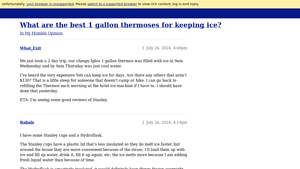
Introduction: 1. Igloo 1 Gallon Thermos: Inexpensive but only keeps ice for about 24 hours. 2. Yeti: High-end option, can keep ice for days, but priced around $130. 3. Stanley: Good insulation, lifetime warranty, but ice retention varies. 4. Hydroflask: Excellent insulation, retains ice overnight, sizes up to 64 oz (1/2 gallon). 5. RTIC: 1-gallon jug priced around $50, decent insulation but not highly rated for…
Strategic Sourcing Conclusion and Outlook for 1 gallon stainless steel water bottle
In today’s competitive market, strategic sourcing of 1-gallon stainless steel water bottles presents a unique opportunity for international B2B buyers, particularly in regions like Africa, South America, the Middle East, and Europe. These products not only cater to the growing demand for sustainable and durable drinkware but also align with health-conscious trends among consumers. By selecting suppliers who prioritize quality materials—such as 18/8 stainless steel—and innovative designs that enhance user experience, businesses can differentiate themselves in a crowded marketplace.
Investing in high-quality, insulated water bottles ensures that your customers receive superior performance, from maintaining beverage temperatures to providing convenient portability. Emphasizing features like no-sweat designs and ease of cleaning can further appeal to the eco-conscious buyer.
As we look ahead, the demand for sustainable and practical drinkware is expected to rise. Now is the time for B2B buyers to forge partnerships with reliable manufacturers and leverage market insights to stay ahead of trends. Embrace this opportunity to enhance your product offerings and meet the evolving needs of your customers, ensuring a profitable and sustainable future.