Introduction: Navigating the Global Market for drink bottle small
Navigating the global market for small drink bottles presents a unique set of challenges for B2B buyers, particularly those focused on sustainability and consumer preferences. As businesses increasingly seek eco-friendly solutions, sourcing high-quality small drink bottles that meet international standards becomes paramount. This guide aims to provide comprehensive insights into various types of small drink bottles, their applications across different sectors, and effective strategies for supplier vetting.
From identifying trending materials and designs to understanding pricing structures, this resource empowers international buyers from regions such as Africa, South America, the Middle East, and Europe—countries like Brazil and Germany—to make informed purchasing decisions. By delving into aspects such as market trends, supplier reliability, and cost analysis, this guide offers actionable insights that can enhance your procurement strategy.
Whether you are looking to stock your retail shelves with the latest styles or seeking bulk purchases for corporate gifts, understanding the nuances of the small drink bottle market is crucial. This guide will serve as your essential tool for navigating the complexities of sourcing, ensuring that your business stays competitive in a rapidly evolving marketplace.
Understanding drink bottle small Types and Variations
| Type Name | Key Distinguishing Features | Primary B2B Applications | Brief Pros & Cons for Buyers |
|---|---|---|---|
| Insulated Stainless Steel | Double-wall vacuum insulation, keeps beverages hot/cold | Corporate gifting, outdoor events | Pros: Durable, maintains temperature; Cons: Higher cost compared to plastic. |
| Plastic Sports Bottles | Lightweight, often with sports caps for easy drinking | Gyms, schools, sports teams | Pros: Cost-effective, customizable; Cons: Less durable, may retain odors. |
| Glass Water Bottles | Eco-friendly, often with silicone sleeves for grip | Health-focused brands, retail outlets | Pros: Non-toxic, stylish; Cons: Fragile, heavier than alternatives. |
| Collapsible Water Bottles | Flexible design, compact for travel | Travel agencies, outdoor retailers | Pros: Space-saving, lightweight; Cons: May lack durability under heavy use. |
| Kids’ Drink Bottles | Smaller size, colorful designs, often with fun features | Schools, children’s events | Pros: Engaging for children, promotes hydration; Cons: Limited lifespan due to wear and tear. |
What Are the Key Characteristics of Insulated Stainless Steel Bottles?
Insulated stainless steel bottles are designed with double-wall vacuum insulation, providing excellent temperature retention for both hot and cold beverages. This type of bottle is particularly popular in B2B applications for corporate gifting and outdoor events, where maintaining beverage temperature is crucial. Buyers should consider the durability and long-term cost-effectiveness, as these bottles tend to have a higher upfront cost but offer longevity and a premium feel.
How Do Plastic Sports Bottles Serve B2B Needs?
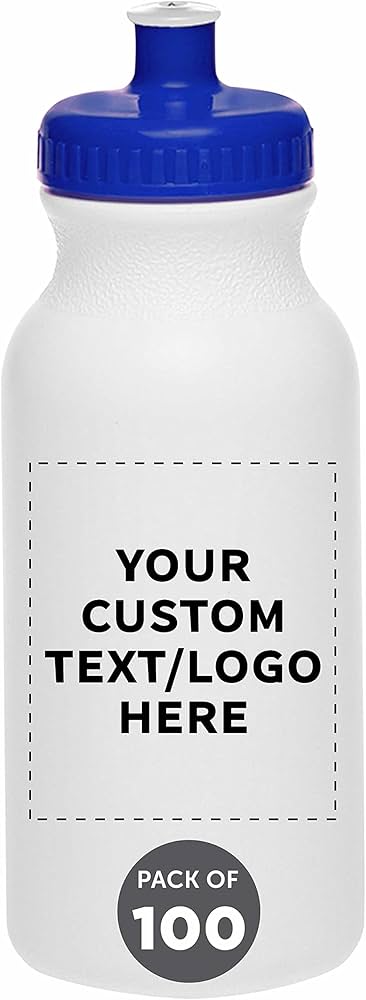
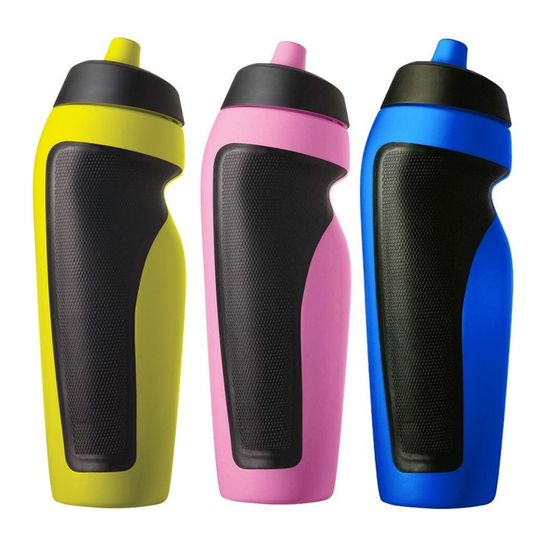
Plastic sports bottles are lightweight and often feature sports caps that allow for easy drinking during physical activities. They are commonly used in gyms, schools, and by sports teams. Their cost-effectiveness and ability to be customized with branding make them attractive to B2B buyers. However, potential drawbacks include less durability compared to metal options and the possibility of retaining odors over time.
Why Choose Glass Water Bottles for Your Business?
Glass water bottles are eco-friendly and often come with silicone sleeves for added grip and protection. They appeal to health-focused brands and retail outlets due to their stylish appearance and non-toxic materials. While they offer a premium feel and are safer for health-conscious consumers, buyers must weigh the fragility and weight of glass against their intended use, especially in settings where durability is essential.
What Advantages Do Collapsible Water Bottles Offer to Businesses?
Collapsible water bottles provide a flexible design that allows them to be compacted when empty, making them ideal for travel and outdoor activities. They are particularly suited for travel agencies and outdoor retailers seeking to offer practical solutions to consumers. Although they are lightweight and space-saving, potential buyers should be aware that collapsible bottles may not withstand heavy use as well as rigid counterparts.
How Do Kids’ Drink Bottles Cater to Specific Market Segments?
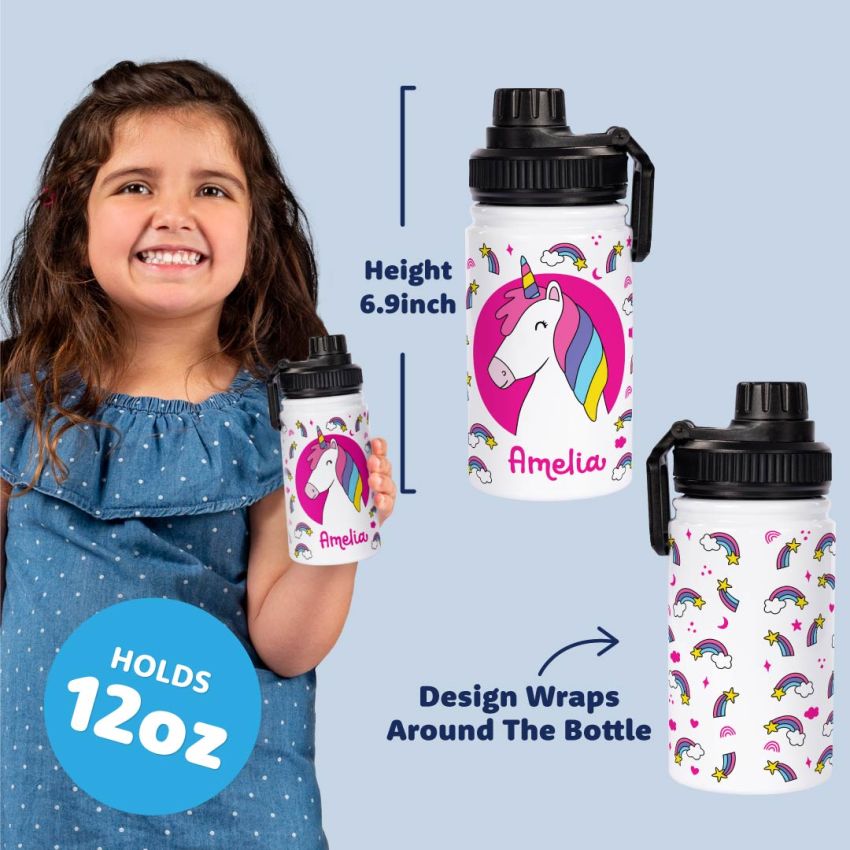
Kids’ drink bottles are specifically designed in smaller sizes with colorful and engaging designs to attract children’s attention. They are commonly used in schools and at children’s events to promote hydration among young users. While they encourage healthy habits, buyers should consider the limited lifespan of these bottles due to wear and tear, which can affect long-term value.
Key Industrial Applications of drink bottle small
| Industry/Sector | Specific Application of drink bottle small | Value/Benefit for the Business | Key Sourcing Considerations for this Application |
|---|---|---|---|
| Health and Wellness | Personal hydration solutions for fitness centers | Encourages hydration among clients, enhancing health | Durability, BPA-free materials, customization options |
| Education | Student water bottles in schools | Promotes sustainability and hydration among students | Safety certifications, ease of use, colorful designs |
| Corporate Gifts | Branded drink bottles for corporate events | Enhances brand visibility and employee engagement | Custom branding options, bulk pricing, eco-friendly materials |
| Outdoor Recreation | Hydration solutions for adventure sports companies | Provides reliable hydration for outdoor enthusiasts | Insulation properties, lightweight design, leak-proof features |
| Food and Beverage | Small drink bottles for cafes and restaurants | Offers customers portable beverage options, increasing sales | Aesthetic appeal, variety of sizes, easy cleaning |
How Are ‘Drink Bottle Small’ Products Used in the Health and Wellness Sector?
In fitness centers, small drink bottles are essential for promoting hydration among clients during workouts. These bottles are often designed to fit in gym bags and cup holders, making them convenient for on-the-go hydration. Businesses benefit by encouraging client health, leading to better retention rates. Buyers in this sector should prioritize durability and BPA-free materials, ensuring safety and longevity, especially in high-usage environments.
What Role Do ‘Drink Bottle Small’ Products Play in Educational Settings?
Schools increasingly utilize small drink bottles to promote hydration and sustainability among students. These bottles serve as a practical solution for students to carry water throughout the day, reducing reliance on single-use plastics. For educators and administrators, sourcing bottles that meet safety certifications and are easy for children to use is crucial. Additionally, colorful designs can enhance student engagement, making hydration more appealing.
How Can Corporations Benefit from Using ‘Drink Bottle Small’ as Corporate Gifts?
Branded small drink bottles serve as effective corporate gifts during events, enhancing brand visibility while promoting a healthy lifestyle. They can be customized with company logos, making them a memorable takeaway for attendees. For businesses, sourcing options that offer bulk pricing and eco-friendly materials is essential to align with corporate sustainability goals. This approach not only boosts brand recognition but also fosters employee loyalty and engagement.
In What Ways Do ‘Drink Bottle Small’ Products Support Outdoor Recreation?
Adventure sports companies rely on small drink bottles to provide hydration solutions for outdoor enthusiasts. These bottles must be lightweight, insulated, and designed to withstand rugged environments, ensuring that users have access to cold beverages during activities. Businesses in this sector benefit from sourcing bottles that feature leak-proof designs and durable materials, catering to the demands of their adventurous clientele.
Why Are ‘Drink Bottle Small’ Products Important in the Food and Beverage Industry?
Cafes and restaurants can enhance customer experience by offering small drink bottles as portable beverage options. These bottles can be used for takeout orders or as part of a sustainable initiative to reduce waste. Sourcing aesthetically appealing bottles in various sizes can help attract customers while ensuring easy cleaning and maintenance. This approach can drive sales and encourage repeat business, as customers appreciate convenient, eco-friendly options.
A stock image related to drink bottle small.
3 Common User Pain Points for ‘drink bottle small’ & Their Solutions
Scenario 1: Sourcing Durable Small Drink Bottles for Diverse Markets
The Problem: B2B buyers often face the challenge of sourcing small drink bottles that are both durable and appealing to a diverse consumer base. In regions such as Africa and South America, climate conditions can be harsh, requiring bottles that can withstand extreme temperatures and rough handling. Buyers may struggle to find suppliers who offer products that meet these durability standards while also being cost-effective and available in various designs to cater to local preferences.
The Solution: To effectively source durable small drink bottles, buyers should establish partnerships with manufacturers known for their quality assurance processes. Look for companies that provide samples to test the durability of their products in local conditions. Additionally, exploring manufacturers that utilize high-grade materials, such as stainless steel or BPA-free plastics, will ensure longevity. It’s also wise to engage with suppliers who can customize designs to reflect local culture and preferences, making the product more attractive to end consumers. Regular communication with suppliers to stay updated on new materials and technologies can further enhance product offerings.
Scenario 2: Managing Supply Chain Logistics for Small Drink Bottles
The Problem: A common issue for B2B buyers is managing the logistics involved in importing small drink bottles from international suppliers. Delays, unexpected tariffs, and shipping costs can significantly affect profit margins and inventory levels. For businesses operating in remote areas or regions with underdeveloped infrastructure, these challenges can be even more pronounced, leading to stock shortages and dissatisfied customers.
The Solution: To streamline supply chain logistics, buyers should consider establishing relationships with freight forwarders who specialize in shipping consumer goods. These professionals can provide valuable insights into the best shipping routes and methods, helping to minimize delays and costs. Additionally, implementing inventory management software can aid in tracking stock levels and predicting future demand, allowing for timely reordering. Buyers should also negotiate terms with suppliers to include shipping costs in pricing or explore local manufacturing options to reduce reliance on international shipping. This approach not only mitigates risks but also supports local economies.
Scenario 3: Addressing Environmental Concerns with Small Drink Bottles
The Problem: Increasingly, consumers are concerned about environmental sustainability, pushing B2B buyers to source eco-friendly small drink bottles. Buyers may find it challenging to identify products that meet sustainability standards without compromising quality or cost. In regions like Europe, where eco-consciousness is high, failing to provide sustainable options can lead to lost business opportunities.
The Solution: B2B buyers should prioritize suppliers who offer eco-friendly materials, such as recycled plastics or biodegradable options, and those with certifications proving their sustainability practices. Additionally, buyers can work with suppliers to develop a range of products that promote sustainability, such as reusable bottles that are easy to clean and refill. Marketing these products effectively can highlight the environmental benefits, appealing to eco-conscious consumers. Consider collaborating with local environmental organizations to enhance credibility and awareness around sustainability initiatives, fostering a stronger connection with the community and enhancing brand loyalty.
Strategic Material Selection Guide for drink bottle small
What Are the Key Properties of Stainless Steel for Small Drink Bottles?
Stainless steel is a popular choice for small drink bottles due to its excellent corrosion resistance and durability. It can withstand a wide range of temperatures, making it suitable for both hot and cold beverages. Stainless steel typically has a pressure rating that allows it to handle carbonated drinks without risk of bursting. Additionally, it is non-reactive, meaning it won’t alter the taste of the contents, which is crucial for maintaining beverage quality.
What Are the Pros and Cons of Using Plastic in Small Drink Bottles?
Plastic, particularly BPA-free options, is lightweight and cost-effective, making it a common choice for small drink bottles. Its manufacturing process is generally simpler and less expensive than that of metal bottles. However, plastic can be less durable and may not withstand high temperatures, which can lead to deformation or chemical leaching over time. Additionally, while some plastics are recyclable, the environmental impact of plastic waste remains a significant concern, especially in regions with limited recycling infrastructure.
How Does Glass Compare as a Material for Small Drink Bottles?
Glass offers a premium feel and is completely inert, ensuring that it does not affect the taste or quality of the beverage. It is also highly resistant to scratching and staining. However, glass is heavier and more fragile than both plastic and stainless steel, which can be a disadvantage for on-the-go use. The manufacturing process for glass can be more complex and energy-intensive, leading to higher costs. International buyers must also consider the potential for breakage during shipping and the need for protective packaging.
What Are the Specific Considerations for Aluminum in Small Drink Bottles?
Aluminum is lightweight and can be treated to provide excellent resistance to corrosion. It is often coated with a protective layer to prevent reactions with acidic beverages. However, aluminum bottles may not be suitable for hot liquids unless specifically designed for that purpose. The cost of aluminum can vary, but it is generally less expensive than stainless steel while offering a similar durability. For international buyers, compliance with food safety standards and regulations is essential, particularly in regions with stringent import requirements.
Summary Table of Material Selection for Small Drink Bottles
| Material | Typical Use Case for drink bottle small | Key Advantage | Key Disadvantage/Limitation | Relative Cost (Low/Med/High) |
|---|---|---|---|---|
| Stainless Steel | Insulated and reusable bottles | Excellent durability and temperature retention | Higher manufacturing complexity | High |
| Plastic | Lightweight and budget-friendly options | Cost-effective and easy to manufacture | Less durable and potential for chemical leaching | Low |
| Glass | Premium beverage containers | Inert material that preserves taste | Heavy and fragile, higher shipping costs | Med |
| Aluminum | Lightweight, portable options | Lightweight and good corrosion resistance | May require coatings for acidic beverages | Med |
This analysis provides a comprehensive overview of the materials commonly used in small drink bottles, highlighting their properties, advantages, and limitations. For international B2B buyers, understanding these factors is crucial for making informed purchasing decisions that align with regional preferences and compliance standards.
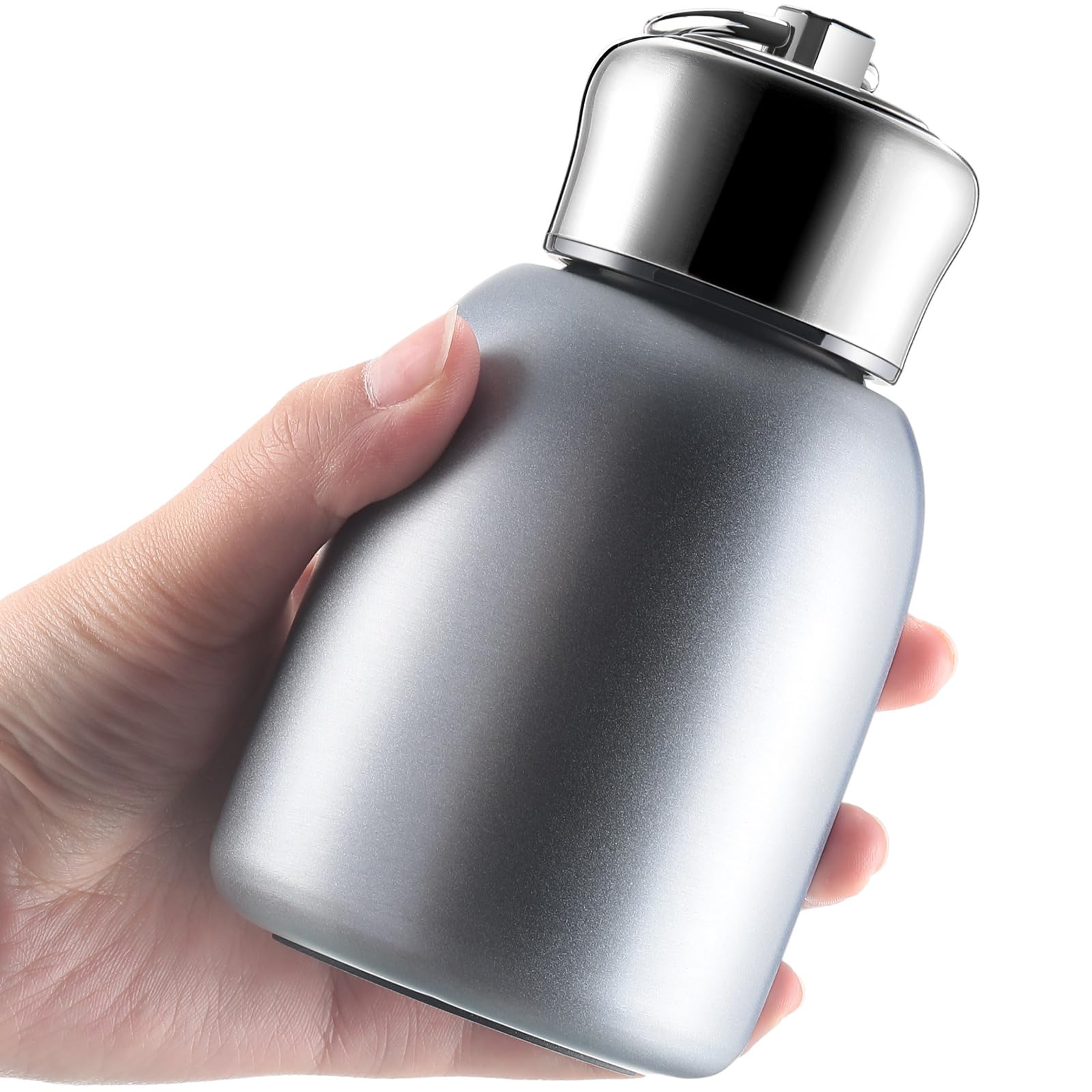
A stock image related to drink bottle small.
In-depth Look: Manufacturing Processes and Quality Assurance for drink bottle small
What Are the Main Stages in the Manufacturing Process of Small Drink Bottles?
The manufacturing of small drink bottles involves several critical stages, each designed to ensure product quality, durability, and compliance with international standards. The main stages include:
-
Material Preparation: The first step involves selecting the appropriate materials, which can range from stainless steel to BPA-free plastics or glass. Suppliers typically source these materials from certified vendors to ensure they meet health and safety regulations. Material testing is also crucial at this stage to verify properties like durability, temperature resistance, and safety.
-
Forming: The forming process varies based on the material. For plastic bottles, injection molding is a common technique where melted plastic is injected into molds to create bottle shapes. For stainless steel, a process called deep drawing is often utilized, where sheets of metal are drawn into the desired shape using dies. Glass bottles are produced through blow molding or glass forming techniques. Each method requires precise machinery to maintain consistency in size and shape.
-
Assembly: After forming, bottles may require additional components such as caps, straws, or insulation layers. Automated assembly lines are often employed to integrate these components efficiently. Quality checks occur at this stage to ensure that all parts fit correctly and function as intended.
-
Finishing: This stage involves surface treatments, such as polishing, coating, or printing. These processes enhance the aesthetic appeal and functionality of the bottles. For example, powder coating can provide a durable finish that resists scratches and improves grip.
How Is Quality Assurance Implemented in Small Drink Bottle Production?
Quality assurance (QA) is paramount in ensuring that small drink bottles meet safety and performance standards. Here are key aspects of QA in the manufacturing process:
-
International Standards Compliance: Manufacturers often adhere to international standards such as ISO 9001, which focuses on quality management systems. Compliance with CE marking is essential for products sold in the European Union, indicating conformity with health, safety, and environmental protection standards. In industries that handle food and beverages, FDA regulations for food-safe materials are also critical.
-
Quality Control Checkpoints: Effective quality control (QC) involves multiple checkpoints throughout the manufacturing process:
– Incoming Quality Control (IQC): At this initial stage, raw materials are inspected to ensure they meet specified requirements before production begins.
– In-Process Quality Control (IPQC): During production, random samples are taken to monitor processes and ensure they remain within specified tolerances.
– Final Quality Control (FQC): Once production is completed, final inspections and tests are conducted to verify that the finished products meet all quality standards. -
Common Testing Methods: Various testing methods are employed to assess the quality and safety of drink bottles. These can include:
– Leak Testing: Ensures that the bottles do not leak when filled with liquid.
– Drop Tests: Evaluate durability by simulating accidental drops.
– Thermal Shock Testing: Assesses the ability of bottles to withstand extreme temperature changes.
How Can B2B Buyers Verify Supplier Quality Control?
B2B buyers must take proactive steps to ensure that their suppliers maintain high-quality standards. Here are several methods to verify supplier QC:
-
Supplier Audits: Conducting on-site audits of suppliers can provide insights into their manufacturing processes, quality management systems, and compliance with international standards. This practice helps build trust and ensures that suppliers are committed to maintaining quality.
-
Quality Assurance Reports: Requesting regular QA reports from suppliers can help buyers monitor quality over time. These reports should detail testing results, compliance with standards, and any corrective actions taken in response to quality issues.
-
Third-Party Inspections: Engaging third-party inspection services can offer an unbiased assessment of supplier quality. These organizations can conduct inspections at various stages of production and provide detailed reports that highlight any concerns.
What Are the Quality Control Nuances for International B2B Buyers?
For international buyers, understanding the nuances of quality control is essential, particularly when sourcing from diverse regions such as Africa, South America, the Middle East, and Europe. Here are some considerations:
-
Cultural and Regulatory Differences: Different regions may have varying regulations and cultural attitudes towards quality assurance. Buyers should familiarize themselves with local regulations and industry standards to ensure compliance.
-
Logistics and Supply Chain Management: International shipping can introduce additional risks to product quality. Buyers should work closely with suppliers to establish clear logistics protocols that minimize the potential for damage during transit.
-
Building Relationships: Establishing strong relationships with suppliers can facilitate better communication regarding quality expectations. Regular meetings and open lines of communication can help address quality concerns proactively.
Conclusion
Understanding the manufacturing processes and quality assurance practices for small drink bottles is crucial for B2B buyers. By focusing on the key stages of production, implementing rigorous quality control measures, and verifying supplier compliance, businesses can ensure they source high-quality products that meet international standards. This diligence not only enhances product reliability but also builds trust with customers across different markets.
Practical Sourcing Guide: A Step-by-Step Checklist for ‘drink bottle small’
Introduction
This sourcing guide aims to equip B2B buyers with a comprehensive checklist for procuring small drink bottles. Whether you’re catering to the needs of a retail business, corporate gifts, or promotional items, understanding the key steps in sourcing can enhance your procurement process, ensuring quality and value.
Step 1: Define Your Technical Specifications
Before initiating the sourcing process, clearly outline your requirements for small drink bottles. Consider aspects like material (e.g., stainless steel, BPA-free plastic), capacity (typically between 9oz to 25oz), and features (insulation, lids, design). Defining these specifications helps streamline your search for suppliers that can meet your needs effectively.
Step 2: Research Market Trends and Demand
Understanding current market trends is essential for making informed purchasing decisions. Analyze consumer preferences in your target regions, such as Africa, South America, the Middle East, and Europe. Look into popular designs, materials, and eco-friendly options, as sustainability is increasingly important to consumers.
Step 3: Evaluate Potential Suppliers
Before committing to a supplier, conduct thorough evaluations. Request detailed company profiles, product catalogs, and case studies that showcase their experience in the industry. Look for references from other buyers within similar markets to gauge reliability and product quality. This step minimizes risks associated with supplier selection.
Step 4: Verify Certifications and Compliance
Ensure that potential suppliers meet necessary industry standards and certifications. Check for ISO certifications, BPA-free claims, and compliance with regional regulations. This step is crucial, especially when sourcing for markets with strict safety and environmental standards, as it protects your brand’s reputation.
Step 5: Request Samples
Before placing a bulk order, request samples of the small drink bottles. Testing these samples allows you to assess quality, design, and functionality firsthand. Pay attention to aspects such as insulation performance, ease of use, and durability, ensuring they align with your specifications and customer expectations.
Step 6: Negotiate Pricing and Terms
Once you have selected a suitable supplier, initiate negotiations on pricing, payment terms, and delivery schedules. Consider factors like bulk discounts, lead times, and shipping costs, which can significantly impact your overall budget. Establishing clear terms at this stage will help avoid misunderstandings later on.
Step 7: Plan for Logistics and Distribution
Finally, create a logistics plan for the distribution of your small drink bottles. Consider how you will handle shipping, customs clearance, and inventory management. A well-structured logistics strategy ensures timely delivery to your customers and can enhance your operational efficiency.
By following this checklist, B2B buyers can make informed decisions when sourcing small drink bottles, optimizing their procurement process and ultimately leading to successful product offerings.
Comprehensive Cost and Pricing Analysis for drink bottle small Sourcing
What Are the Key Cost Components for Sourcing Small Drink Bottles?
When sourcing small drink bottles, understanding the cost structure is essential for effective budgeting and pricing strategy. The primary cost components include:
-
Materials: The type of material used (e.g., stainless steel, BPA-free plastic, glass) significantly impacts the overall cost. High-quality, eco-friendly materials tend to be more expensive but can attract a premium price in the market.
-
Labor: Labor costs vary based on the manufacturing location. Regions with lower wage standards may offer more competitive pricing, but this can affect the quality of craftsmanship and production efficiency.
-
Manufacturing Overhead: This encompasses indirect costs associated with production, such as utilities, rent, and equipment maintenance. Efficient operations can reduce overhead, leading to cost savings.
-
Tooling: The initial investment in molds and machinery for producing custom bottles can be substantial. However, this cost is amortized over larger production runs, making it more economical in high-volume orders.
-
Quality Control (QC): Implementing rigorous quality control processes ensures that products meet specifications and standards. While this adds to costs, it can prevent costly returns and enhance customer satisfaction.
-
Logistics: Shipping and handling costs are critical, especially for international buyers. Factors such as distance, shipping method, and Incoterms can influence these expenses significantly.
-
Margin: Suppliers will add a profit margin to cover their expenses and generate profit. Understanding typical margins in the industry can help buyers assess whether a quote is competitive.
How Do Price Influencers Affect the Cost of Small Drink Bottles?
Several factors can influence the pricing of small drink bottles, including:
-
Volume/MOQ (Minimum Order Quantity): Higher order volumes often lead to lower per-unit costs. Suppliers are more willing to negotiate discounts for bulk purchases.
-
Specifications and Customization: Custom features, such as branding, unique designs, or special functionalities (like insulated designs), can increase costs. Buyers should balance customization with budget constraints.
-
Material Quality and Certifications: Bottles made from premium materials or those that meet specific certifications (like FDA approval) typically command higher prices. Buyers should evaluate the necessity of such certifications based on their target market.
-
Supplier Factors: Supplier reputation, reliability, and production capacity can affect pricing. Established suppliers may charge a premium for their proven quality and service.
-
Incoterms: The chosen Incoterms (e.g., FOB, CIF) will impact total landed costs. Understanding these terms can help buyers negotiate better shipping terms and manage costs effectively.
What Buyer Tips Can Enhance Cost-Efficiency in Sourcing Small Drink Bottles?
International B2B buyers, especially from regions like Africa, South America, the Middle East, and Europe, can enhance cost-efficiency by considering the following tips:
-
Negotiation Strategies: Engage suppliers in discussions about pricing, especially if you can commit to larger volumes or longer-term contracts. Leverage competitive quotes from multiple suppliers to strengthen your negotiating position.
-
Total Cost of Ownership (TCO): Evaluate not only the purchase price but also the total cost of ownership, which includes shipping, tariffs, and potential quality issues. A cheaper product might lead to higher long-term costs due to quality problems or high shipping fees.
-
Understand Pricing Nuances: Be aware of seasonal fluctuations in pricing, especially for materials that may be subject to market demand changes. Timing your orders can lead to substantial savings.
-
Establish Long-Term Relationships: Building strong relationships with suppliers can lead to better pricing, improved service, and priority during high-demand periods. Consider establishing contracts that benefit both parties.
-
Research Local Market Conditions: Familiarize yourself with local market conditions and regulations in your target regions. This knowledge can help you navigate logistics more effectively and avoid unexpected costs.
Disclaimer
Prices mentioned in this analysis are indicative and can vary based on market conditions, supplier negotiations, and specific order requirements. Always confirm current pricing with suppliers before making purchasing decisions.
Alternatives Analysis: Comparing drink bottle small With Other Solutions
Understanding Alternatives for Small Drink Bottles
In today’s market, B2B buyers are presented with a variety of hydration solutions, each with its own set of advantages and limitations. While ‘drink bottle small’ provides a compact and portable option for hydration, alternatives exist that may better suit specific business needs or consumer preferences. Understanding these options can help buyers make informed decisions that align with their operational goals and target audience.
Comparison Table
| Comparison Aspect | Drink Bottle Small | S’well Original Bottle | Contigo Water Bottle |
|---|---|---|---|
| Performance | Insulation varies; typically keeps beverages cold/hot for a few hours | Excellent thermal retention; keeps drinks cold for up to 24 hours, hot for 12 | Good insulation; keeps beverages cold/hot for several hours |
| Cost | Generally affordable, ranging from $15 – $30 | Premium pricing, typically $27 – $50 | Mid-range, usually between $20 – $35 |
| Ease of Implementation | Simple design; easy to use and refill | Slightly heavier due to insulation; may require careful handling | User-friendly; designed for one-handed operation |
| Maintenance | Dishwasher safe; minimal upkeep | Hand wash recommended; durable but can scratch | Dishwasher safe; easy to clean |
| Best Use Case | Ideal for personal use and casual outings | Great for outdoor activities and extended use | Suitable for active lifestyles and on-the-go hydration |
Detailed Breakdown of Alternatives
S’well Original Bottle
The S’well Original Bottle is renowned for its superior thermal insulation, capable of keeping beverages cold for up to 24 hours and hot for 12. Its premium materials and stylish design make it a popular choice among consumers who prioritize aesthetics alongside functionality. However, its higher price point may deter budget-conscious businesses looking to purchase in bulk. Additionally, the heavier weight compared to standard drink bottles might be a consideration for active users.
Contigo Water Bottle
Contigo’s water bottles offer a good balance between functionality and cost. They are designed for active users, featuring a one-handed operation mechanism that enhances convenience. The insulation performance is commendable, keeping drinks at their desired temperature for several hours. Contigo bottles are also dishwasher safe, making maintenance straightforward. However, while they are moderately priced, they may not match the thermal efficiency of higher-end products like S’well, which could be a drawback for specific use cases.
Conclusion
When choosing the right hydration solution, B2B buyers should assess their specific needs, including budget constraints, intended use cases, and desired performance levels. While the ‘drink bottle small’ provides an excellent entry-level option for hydration, alternatives like the S’well Original Bottle and Contigo Water Bottle present unique advantages that may better align with certain operational requirements. Understanding these differences allows buyers to select the most suitable product for their target market, ensuring both satisfaction and functionality.
Essential Technical Properties and Trade Terminology for drink bottle small
What Are the Key Technical Properties of Small Drink Bottles?
When considering small drink bottles for B2B procurement, understanding their technical properties is essential for making informed purchasing decisions. Here are several critical specifications that influence functionality, safety, and marketability.
-
Material Grade
Small drink bottles are typically manufactured from various materials, including stainless steel, glass, and BPA-free plastic. The material grade affects durability, weight, and insulation properties. For example, 304 stainless steel is commonly used for its corrosion resistance and ability to maintain beverage temperatures. This specification is crucial for B2B buyers looking for long-lasting products that can withstand rigorous use, particularly in outdoor or active environments. -
Capacity and Size Tolerance
The capacity of small drink bottles often ranges from 9oz to 25oz. Tolerance refers to the acceptable deviation in size, which is critical for ensuring that the bottles fit standard cup holders or packaging. For B2B buyers, knowing the capacity helps in selecting bottles that meet customer preferences while size tolerance ensures compatibility with existing distribution systems. -
Thermal Insulation
Many small drink bottles feature double-walled vacuum insulation, which keeps beverages hot or cold for extended periods. The effectiveness of this insulation can significantly impact customer satisfaction and product appeal. B2B buyers should prioritize insulation properties to cater to markets demanding high-performance hydration solutions. -
Leak-Proof Design
A leak-proof design is essential for preventing spills during transport and use. This property is often achieved through specialized lids and seals. For B2B buyers, selecting bottles with proven leak-proof designs reduces the risk of customer complaints and returns, enhancing brand reputation. -
Surface Finish and Customization Options
The surface finish of a bottle can influence its aesthetic appeal and functionality. Options may include powder coating, matte, or glossy finishes, which can be customized for branding purposes. Understanding these options allows B2B buyers to offer products that not only serve practical purposes but also meet marketing and promotional needs.
Which Trade Terms Are Commonly Used in the Small Drink Bottle Industry?
Navigating the B2B landscape involves familiarity with industry-specific jargon. Here are some essential terms that buyers should understand:
-
OEM (Original Equipment Manufacturer)
OEM refers to companies that manufacture products or components that are sold under another company’s brand. For B2B buyers, engaging with OEMs can lead to customized products tailored to specific market needs, often at lower costs. -
MOQ (Minimum Order Quantity)
MOQ is the smallest quantity of a product that a supplier is willing to sell. Understanding MOQ is critical for B2B buyers as it affects inventory management and upfront costs. Buyers should negotiate MOQs that align with their sales forecasts and storage capabilities. -
RFQ (Request for Quotation)
An RFQ is a formal process where buyers request pricing and terms from suppliers for specific products. This document helps streamline the procurement process and ensures that all necessary specifications are communicated clearly. B2B buyers benefit from issuing RFQs to gather competitive pricing and terms. -
Incoterms (International Commercial Terms)
Incoterms are a set of international trade terms that define the responsibilities of buyers and sellers regarding shipping, insurance, and tariffs. Familiarity with Incoterms is vital for B2B transactions, particularly in international trade, as they clarify costs and risks associated with shipping small drink bottles. -
Lead Time
Lead time refers to the amount of time it takes from placing an order until it is received. Understanding lead times is crucial for inventory planning and customer satisfaction. B2B buyers should account for lead times when planning their supply chain and managing customer expectations.
By grasping these technical properties and trade terms, B2B buyers can make informed decisions, ensuring they procure the right small drink bottles that meet both their operational needs and customer expectations.
Navigating Market Dynamics and Sourcing Trends in the drink bottle small Sector
What Are the Key Market Trends Impacting the Drink Bottle Small Sector?
The global market for drink bottle small products is witnessing a significant transformation driven by several factors. Firstly, the increasing consumer awareness regarding health and hydration is propelling demand for reusable water bottles. This trend is particularly strong in emerging markets in Africa and South America, where access to clean water remains a challenge. Additionally, the rise of eco-consciousness among consumers in Europe and the Middle East is influencing purchasing decisions, with buyers favoring sustainable and reusable options.
Technological advancements are also shaping the sourcing landscape. Innovations in materials, such as BPA-free plastics and stainless steel, enhance product durability and safety. Moreover, the proliferation of e-commerce platforms is enabling international B2B buyers to access a wider variety of products, allowing for better price comparisons and negotiation opportunities. Enhanced logistics solutions, including improved supply chain management software, are facilitating smoother transactions across borders, making it easier for buyers from diverse regions like Brazil and Germany to source products efficiently.
How Is Sustainability Shaping Sourcing Trends in the Drink Bottle Small Sector?
Sustainability is no longer just a trend; it has become a crucial factor in the sourcing strategies of B2B buyers in the drink bottle small sector. The environmental impact of single-use plastics has led to a growing emphasis on ethical sourcing and sustainable materials. Buyers are increasingly seeking suppliers who can demonstrate their commitment to sustainability through certifications such as Fair Trade, ISO 14001, and other ‘green’ credentials. These certifications not only assure buyers of the product’s environmental integrity but also enhance brand reputation in a competitive market.
Moreover, many manufacturers are adopting recycled materials in their production processes, appealing to eco-conscious consumers. This shift not only reduces waste but also lowers production costs in the long term. For international buyers, aligning sourcing practices with sustainability goals can lead to stronger partnerships and customer loyalty, particularly in regions where environmental concerns are paramount.
What Is the Historical Context of the Drink Bottle Small Market?
The drink bottle small sector has evolved significantly over the decades. Initially dominated by disposable plastic bottles, the market began to shift in the late 1990s as awareness of environmental issues grew. Early adopters of reusable bottles were primarily outdoor enthusiasts and health-conscious consumers. As technology advanced, manufacturers began to innovate with materials and designs, leading to the introduction of insulated and stainless steel bottles that keep beverages hot or cold for extended periods.
By the 2010s, the market had expanded to include a broader demographic, driven by trends in health, fitness, and sustainability. Today, the industry is characterized by a diverse range of products catering to various consumer needs—from stylish designs for urban dwellers to rugged options for outdoor adventurers. This evolution highlights the importance of adaptability and responsiveness to market trends, which are crucial for B2B buyers looking to source effectively in a dynamic landscape.
Frequently Asked Questions (FAQs) for B2B Buyers of drink bottle small
-
How do I ensure the quality of small drink bottles when sourcing from international suppliers?
To ensure quality, conduct thorough supplier vetting by checking their certifications, customer reviews, and production capabilities. Request samples to evaluate material quality, design, and functionality. It’s beneficial to use third-party quality assurance services to inspect products before shipment. Establishing clear quality standards in the contract, including adherence to international safety regulations, can further safeguard your interests. -
What are the best materials for small drink bottles in terms of durability and safety?
Stainless steel and BPA-free plastic are often the best materials for small drink bottles. Stainless steel provides excellent durability, insulation, and resistance to corrosion, making it ideal for both hot and cold beverages. BPA-free plastic is lightweight and versatile, suitable for various designs. Ensure the materials comply with health regulations in your target market, particularly in regions like Europe where safety standards are stringent. -
What customization options should I consider when sourcing small drink bottles?
Customization can enhance brand visibility and appeal. Consider options such as color, design, and branding (like logos and tags). You might also explore functional customizations, like built-in straws or unique lids. Engage with suppliers who offer extensive customization services, and discuss minimum order quantities (MOQs) to ensure your needs align with their capabilities without incurring excessive costs. -
What are typical minimum order quantities (MOQs) for small drink bottles?
MOQs can vary widely based on the supplier and customization level. Typically, for standard designs, MOQs may range from 500 to 1,000 units, while customized bottles can have higher MOQs, sometimes exceeding 2,000 units. When negotiating with suppliers, clarify if they offer lower MOQs for first-time orders or samples, and consider your storage capabilities when determining how many units to order. -
What payment terms are standard when dealing with international suppliers?
Standard payment terms often include a deposit (usually 30-50%) upfront, with the balance due upon delivery or before shipping. Some suppliers may accept letters of credit or payment through secure online platforms. It’s crucial to clarify payment terms early in negotiations and consider using escrow services for added security, especially when dealing with new suppliers. -
How can I manage logistics effectively when importing small drink bottles?
Effective logistics management involves planning for shipping options, customs clearance, and warehousing. Partner with a reliable freight forwarder who understands the regulations of your target market. Establish clear timelines for production and shipping, and factor in potential delays. Additionally, consider the use of Incoterms to define responsibilities between you and the supplier regarding shipping costs and risks. -
What certifications should I look for in suppliers of small drink bottles?
Look for suppliers who hold relevant certifications such as ISO 9001 for quality management, FDA approval for food safety, and EU certifications for compliance with European regulations. These certifications indicate adherence to quality and safety standards. Additionally, inquire about environmental certifications if sustainability is a priority for your brand. -
How can I evaluate potential suppliers for small drink bottles?
Evaluate potential suppliers by reviewing their business history, production capabilities, and customer feedback. Conduct virtual or in-person factory visits when possible to assess their operations. Request references from other clients and check their responsiveness during negotiations. Online platforms like Alibaba or global trade shows can also provide insights into supplier reliability and reputation in the market.
Important Disclaimer & Terms of Use
⚠️ Important Disclaimer
The information provided in this guide, including content regarding manufacturers, technical specifications, and market analysis, is for informational and educational purposes only. It does not constitute professional procurement advice, financial advice, or legal advice.
While we have made every effort to ensure the accuracy and timeliness of the information, we are not responsible for any errors, omissions, or outdated information. Market conditions, company details, and technical standards are subject to change.
B2B buyers must conduct their own independent and thorough due diligence before making any purchasing decisions. This includes contacting suppliers directly, verifying certifications, requesting samples, and seeking professional consultation. The risk of relying on any information in this guide is borne solely by the reader.
Top 4 Drink Bottle Small Manufacturers & Suppliers List
1. Contigo UK – Thermal Mugs & Hydration Solutions
Domain: gocontigo.com
Registered: 2005 (20 years)
Introduction: Contigo UK offers a variety of products including Thermal Mugs, Water Bottles, Kids Bottles, Tumblers, and Premium Outdoor Bottles. Their products are designed for easy hydration, functionality, and to cater to active lifestyles. Key features include leak-free and spill-proof designs, temperature retention for hot or cold beverages, and innovative lid technologies such as the AUTOPOP™ for kids. Th…
2. Slim Water Bottle – 10-12 oz Capacity
Domain: reddit.com
Registered: 2005 (20 years)
Introduction: Slim water bottle, capacity 10-12 oz, suitable for small travel backpacks, not insulated, prefers no straw cap, examples mentioned include Nalgene 16 oz (2.75″ diameter) and Voss water bottle (glass).
3. Evolve Together – Great Barrier Reef Water Bottle
Domain: evolvetogether.com
Registered: 2012 (13 years)
Introduction: Product Name: Great Barrier Reef – Small Water Bottle
Capacity: 13.5 oz / 0.4 liter
Material: High-quality, lightweight aluminum
Made in: Switzerland by SIGG
Features:
– Nearly indestructible and 100% leak proof (even with carbonated beverages)
– No aftertaste; water stays fresh and tasteless
– Minimal design with white exterior coating and solid white cap
– Food safe interior coating to resist f…
4. Hydro Flask – Insulated Water Bottles
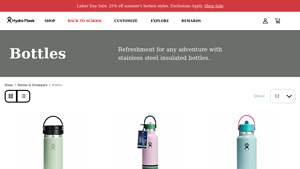
Domain: hydroflask.com
Registered: 2009 (16 years)
Introduction: Insulated & Stainless Steel Water Bottles | Hydro Flask. Labor Day Sale: 25% off summer’s hottest styles. Free shipping on orders $39+. New Limited Edition Campus Collection. Product options include: 16 oz Coffee with Flex Sip™ Lid ($32.95, now $24.71), 21 oz Standard Mouth with Flex Straw Cap ($34.95), Remix 32 oz Wide Mouth with Flex Straw Cap – Polar Plunge (Out of stock), Remix 24 oz Wide Mout…
Strategic Sourcing Conclusion and Outlook for drink bottle small
In the competitive landscape of drink bottle small sourcing, strategic procurement is essential for maximizing value and ensuring product quality. As we have explored, the variety of options available—from stylish stainless steel bottles to eco-friendly choices—highlights the importance of aligning product offerings with market demand. Buyers should consider factors such as pricing, material sustainability, and design innovation to cater to diverse consumer preferences across regions, including Africa, South America, the Middle East, and Europe.
Moreover, fostering strong supplier relationships can facilitate better negotiations and ensure consistent quality control, which is crucial for maintaining customer satisfaction and brand loyalty. As sustainability continues to be a significant driver in consumer purchasing decisions, sourcing from manufacturers committed to eco-friendly practices will not only enhance brand reputation but also resonate with increasingly conscious consumers.
Looking ahead, international B2B buyers should leverage data-driven insights and market trends to inform their sourcing strategies. By staying ahead of the curve and anticipating shifts in consumer behavior, businesses can position themselves effectively in the market. Engage with your suppliers today to explore innovative solutions and elevate your product offerings in this dynamic landscape.