Introduction: Navigating the Global Market for military water bottle
In an increasingly globalized marketplace, B2B buyers face the challenge of sourcing high-quality military water bottles that meet the demanding standards of military applications while also being cost-effective. The military water bottle market is diverse, featuring a variety of materials, designs, and functionalities tailored for different environments, from rugged terrains in Africa to urban settings in Europe. This comprehensive guide will delve into the various types of military water bottles available, their specific applications, and essential factors to consider during the supplier vetting process.
Moreover, it will provide insights into pricing strategies and cost considerations, equipping international buyers from regions such as South America, the Middle East, and Europe—including key markets like Saudi Arabia and Germany—with the knowledge needed to make informed purchasing decisions. By addressing critical aspects such as durability, insulation, and adaptability, this guide aims to empower businesses to select products that not only fulfill operational needs but also enhance user experience. Whether you are a procurement officer for a defense agency or a retailer seeking to expand your inventory, understanding the nuances of the military water bottle market is vital for achieving success in your sourcing efforts.
Understanding military water bottle Types and Variations
| Type Name | Key Distinguishing Features | Primary B2B Applications | Brief Pros & Cons for Buyers |
|---|---|---|---|
| Stainless Steel Battle Bottles | Double-wall vacuum insulation, rugged design, utility pouches | Military, outdoor expeditions, sports teams | Pros: Durable, retains temperature, customizable. Cons: Heavier than plastic options. |
| Tactical Hydration Packs | Integrated hydration systems, MOLLE compatibility | Military operations, hiking, camping | Pros: Hands-free hydration, versatile attachment options. Cons: More complex to clean. |
| Plastic Canteens | Lightweight, often BPA-free, various sizes and colors | Military training, youth programs | Pros: Lightweight, cost-effective. Cons: Less durable, may not retain temperature. |
| Insulated Tactical Bottles | High insulation capacity, often includes carrying straps and covers | Long missions, outdoor events | Pros: Excellent temperature retention, rugged construction. Cons: Bulkier than standard bottles. |
| Collapsible Water Bottles | Flexible material, easy storage when not in use | Travel, emergency kits | Pros: Space-saving, lightweight. Cons: Less durable, may leak if not properly sealed. |
What Are the Characteristics of Stainless Steel Battle Bottles?
Stainless steel battle bottles are designed for durability and thermal efficiency, featuring double-wall vacuum insulation that keeps beverages hot or cold for extended periods. Their rugged exteriors often come with utility pouches and metal clips for easy attachment to gear. Ideal for military personnel and outdoor enthusiasts, these bottles are suitable for various applications, including tactical missions and sports activities. When purchasing, consider the weight and insulation performance to match the intended use.
How Do Tactical Hydration Packs Enhance Hydration During Operations?
Tactical hydration packs integrate water reservoirs with hoses, allowing for hands-free drinking. They often feature MOLLE webbing for easy attachment to military gear, making them highly functional for active operations. These packs are particularly suitable for long missions or outdoor adventures where quick access to hydration is crucial. When sourcing these products, evaluate the reservoir capacity and material durability to ensure they meet operational demands.
What Advantages Do Plastic Canteens Offer for Military Training?
Plastic canteens are lightweight and typically made from BPA-free materials, making them an economical choice for military training and youth programs. They come in various colors and sizes, allowing for easy customization. However, while they are cost-effective, they may lack the durability and temperature retention of metal alternatives. Buyers should consider the intended use and environmental conditions when selecting plastic canteens for their teams.
Why Are Insulated Tactical Bottles Essential for Long Missions?
Insulated tactical bottles are built to withstand harsh conditions, featuring high insulation capacity that keeps drinks at optimal temperatures for hours. Many come with carrying straps and rugged covers for added convenience. These bottles are particularly beneficial for military personnel on extended missions or outdoor events. When purchasing, focus on the insulation efficiency and overall durability to ensure they can handle demanding environments.
What Makes Collapsible Water Bottles a Practical Choice for Travel?
Collapsible water bottles are made from flexible materials that allow them to be stored flat when not in use, making them an excellent option for travel and emergency kits. While they are lightweight and space-saving, they may be less durable compared to rigid alternatives and require careful handling to prevent leaks. B2B buyers should assess the material quality and sealing mechanisms to ensure reliability during use.
Key Industrial Applications of military water bottle
| Industry/Sector | Specific Application of Military Water Bottle | Value/Benefit for the Business | Key Sourcing Considerations for this Application |
|---|---|---|---|
| Defense & Military | Hydration for personnel in training and operations | Ensures troops remain hydrated, enhancing performance and safety | Durability, insulation properties, and compliance with military standards |
| Outdoor & Adventure Gear | Essential for camping, hiking, and outdoor expeditions | Attracts customers seeking reliable and rugged hydration solutions | Material quality, weight, and versatility of carrying options |
| Emergency Response | Support for disaster relief teams and first responders | Provides critical hydration in crisis situations | Leak-proof design, ease of cleaning, and capacity options |
| Corporate & Industrial | Employee hydration in remote work environments | Promotes employee health and productivity | Custom branding options, bulk purchasing, and ergonomic design |
| Sports & Fitness | Used in training programs and athletic events | Enhances athlete performance and recovery | Lightweight design, insulation performance, and compatibility with sports gear |
How Are Military Water Bottles Used in Defense and Military Operations?
In defense and military sectors, military water bottles are crucial for ensuring personnel stay hydrated during extensive training and operational missions. These bottles are designed to withstand rugged conditions, providing reliable hydration solutions that can enhance performance and safety. Buyers in this sector should prioritize durability, insulation properties, and compliance with military standards to ensure functionality and longevity in the field.
What Role Do Military Water Bottles Play in Outdoor and Adventure Gear?
For businesses in the outdoor and adventure gear industry, military water bottles are essential for camping, hiking, and other outdoor activities. Their robust construction and insulation capabilities make them attractive to customers seeking reliable hydration solutions. When sourcing, companies should focus on material quality, weight, and versatility, as these factors significantly influence customer satisfaction and repeat purchases.
Why Are Military Water Bottles Important for Emergency Response Teams?
Military water bottles serve a critical role for disaster relief teams and first responders by providing essential hydration during emergencies. Their leak-proof design and ease of cleaning are vital in ensuring that responders can access safe drinking water quickly. Buyers in this sector should consider capacity options and the ability to withstand harsh conditions, as these features directly impact the effectiveness of emergency operations.
How Can Corporate and Industrial Sectors Benefit from Military Water Bottles?
In corporate and industrial settings, military water bottles are beneficial for employee hydration, especially in remote work environments. By promoting employee health and productivity, these bottles can serve as an effective branding tool when customized. Key sourcing considerations include options for bulk purchasing, ergonomic design, and custom branding to align with company values and enhance employee engagement.
What Are the Benefits of Military Water Bottles in Sports and Fitness?
For the sports and fitness industry, military water bottles are integral to training programs and athletic events. Their lightweight design and superior insulation performance aid in athlete hydration, leading to better performance and quicker recovery. Companies should ensure compatibility with sports gear and consider features that enhance usability, as these factors can significantly influence athlete preferences and brand loyalty.
A stock image related to military water bottle.
3 Common User Pain Points for ‘military water bottle’ & Their Solutions
Scenario 1: Insufficient Insulation for Extreme Conditions
The Problem: B2B buyers in regions with extreme temperatures—such as the Middle East or parts of Africa—often face the challenge of sourcing military water bottles that can maintain beverage temperatures for extended periods. In extreme heat, standard water bottles may fail to keep water cool, leading to hydration issues for personnel engaged in outdoor activities. Conversely, in colder climates, hot beverages can quickly lose heat, leaving users dissatisfied and at risk of dehydration or frostbite.
The Solution: When sourcing military water bottles, prioritize double-wall vacuum-insulated options made from high-grade stainless steel. Look for products with specifications that detail their thermal performance, such as the ability to keep liquids cold for up to 48 hours and hot for 24 hours. Brands like Iron Infidel and CamelBak offer robust options specifically designed for harsh environments. Ensure that the bottles have been tested under extreme conditions, and consider investing in a variety of sizes to cater to different missions and user needs. Providing training on how to utilize the bottles effectively—like pre-chilling or pre-heating them—can also enhance their performance in the field.
Scenario 2: Durability Issues During Tactical Use
The Problem: Military and tactical professionals often operate in rugged environments, where equipment can be subjected to drops, impacts, and harsh weather conditions. B2B buyers frequently report that standard water bottles do not withstand the rigors of tactical use, leading to leaks, cracks, or complete failure. This not only impacts hydration but can also lead to wasted resources and increased operational costs due to replacement needs.
The Solution: To address durability concerns, select military water bottles constructed from high-quality, impact-resistant materials. Features such as rugged sleeves made from military-grade nylon or reinforced metal components are essential for enhancing the longevity of the product. When negotiating with suppliers, request product samples to evaluate their durability firsthand. Additionally, consider solutions like integrated MOLLE attachments for secure carrying, which can prevent accidental drops. Implementing a feedback loop with users will help identify any performance issues early, allowing for timely adjustments in procurement strategies.
Scenario 3: Difficulty in Maintaining Hygiene Standards
The Problem: In military operations, maintaining hygiene is crucial to prevent illness, yet many B2B buyers encounter issues with water bottles that are difficult to clean. Contaminants can accumulate in hard-to-reach areas, leading to potential health risks for personnel. This is especially concerning in prolonged operations where access to clean water and sanitation facilities may be limited.
The Solution: To combat hygiene challenges, opt for military water bottles with wide mouths and removable components that allow for thorough cleaning. Look for bottles that come with cleaning accessories, such as brushes, to facilitate regular maintenance. Additionally, consider sourcing bottles made from non-toxic, BPA-free materials that are resistant to microbial growth. Educating personnel on proper cleaning protocols, including regular sterilization and usage of cleaning agents safe for food containers, can further mitigate hygiene concerns. By choosing products that prioritize cleanliness and ease of maintenance, you can ensure the health and safety of all personnel involved in operations.
Strategic Material Selection Guide for military water bottle
What Are the Key Properties of Common Materials Used in Military Water Bottles?
When selecting materials for military water bottles, it is essential to consider their properties, durability, and suitability for various applications. The most commonly used materials include stainless steel, aluminum, BPA-free plastic, and titanium. Each material has unique advantages and disadvantages that can significantly impact performance and user satisfaction.
How Does Stainless Steel Perform in Military Water Bottles?
Stainless steel is a popular choice for military water bottles due to its excellent corrosion resistance and durability. It typically features a double-wall vacuum insulation, which helps maintain the temperature of liquids for extended periods. Stainless steel can withstand high temperatures and pressures, making it suitable for various environments.
Pros: Stainless steel is highly durable, resistant to rust and corrosion, and does not retain flavors or odors. It is also easy to clean and maintain, which is crucial for military applications.
Cons: The primary drawback is its weight compared to other materials, which can be a consideration for soldiers needing to minimize load. Additionally, stainless steel can be more expensive than plastic options.
Impact on Application: Stainless steel is compatible with both hot and cold beverages, making it versatile for different missions. Its robust nature ensures it can withstand rough handling in the field.
Considerations for International Buyers: Buyers from regions like Europe and the Middle East should ensure compliance with standards such as ASTM and DIN for food safety. The demand for stainless steel products is high due to its perceived quality and longevity.
What Are the Advantages of Aluminum in Military Water Bottles?
Aluminum is another common material used in military water bottles, known for its lightweight and strength. It is often anodized to enhance its corrosion resistance and durability.
Pros: Aluminum is significantly lighter than stainless steel, making it easier to carry during long missions. It also offers good thermal conductivity, which can be beneficial for temperature regulation.
Cons: While aluminum is durable, it can dent or scratch more easily than stainless steel. Additionally, it may require a lining to prevent leaching of metals into beverages, which can complicate manufacturing.
Impact on Application: Aluminum bottles are suitable for cold beverages but may not be ideal for hot liquids unless properly lined. This limitation can affect their versatility in various military scenarios.
Considerations for International Buyers: Buyers should be aware of regulations regarding aluminum coatings and linings, especially in countries with strict food safety standards.
Why Choose BPA-Free Plastic for Military Water Bottles?
BPA-free plastic is increasingly popular in military water bottles, especially for lightweight and cost-effective solutions. This material is designed to be safe for food and drink, free from harmful chemicals.
Pros: The main advantage of BPA-free plastic is its lightweight nature and lower cost compared to metal options. It is also available in various colors and designs, allowing for customization.
Cons: However, plastic may not offer the same level of durability as metal materials. It can be prone to scratching and may retain odors or flavors over time.
Impact on Application: BPA-free plastic is suitable for cold beverages but may not perform well under high temperatures. This limitation can restrict its use in certain military operations.
Considerations for International Buyers: Buyers should verify that products meet international safety standards, such as JIS and ASTM, particularly in regions with stringent regulations.
What Are the Benefits of Titanium in Military Water Bottles?
Titanium is a premium material known for its exceptional strength-to-weight ratio and corrosion resistance. It is less common but offers unique advantages for specialized military applications.
Pros: Titanium is incredibly strong yet lightweight, making it ideal for high-performance applications. It is also highly resistant to corrosion and does not leach chemicals into beverages.
Cons: The main disadvantage is its high cost, which can be a barrier for bulk purchases. Additionally, titanium may not be as widely available as other materials.
Impact on Application: Titanium water bottles can handle extreme conditions and are suitable for both hot and cold liquids. Their durability makes them ideal for long-term use in challenging environments.
Considerations for International Buyers: Buyers should consider the availability and cost implications of titanium products, especially in regions where budget constraints are a significant factor.
Summary Table of Material Selection for Military Water Bottles
| Material | Typical Use Case for military water bottle | Key Advantage | Key Disadvantage/Limitation | Relative Cost (Low/Med/High) |
|---|---|---|---|---|
| Stainless Steel | General field use and extreme conditions | Highly durable and corrosion-resistant | Heavier than other materials | High |
| Aluminum | Lightweight missions and training | Lightweight and cost-effective | Prone to dents and scratches | Medium |
| BPA-Free Plastic | Everyday hydration and low-cost solutions | Lightweight and customizable | Less durable, may retain odors | Low |
| Titanium | Specialized high-performance applications | Exceptional strength-to-weight ratio | High cost and limited availability | High |
This guide provides a comprehensive overview of the materials used in military water bottles, helping B2B buyers make informed decisions based on their specific needs and regional considerations.
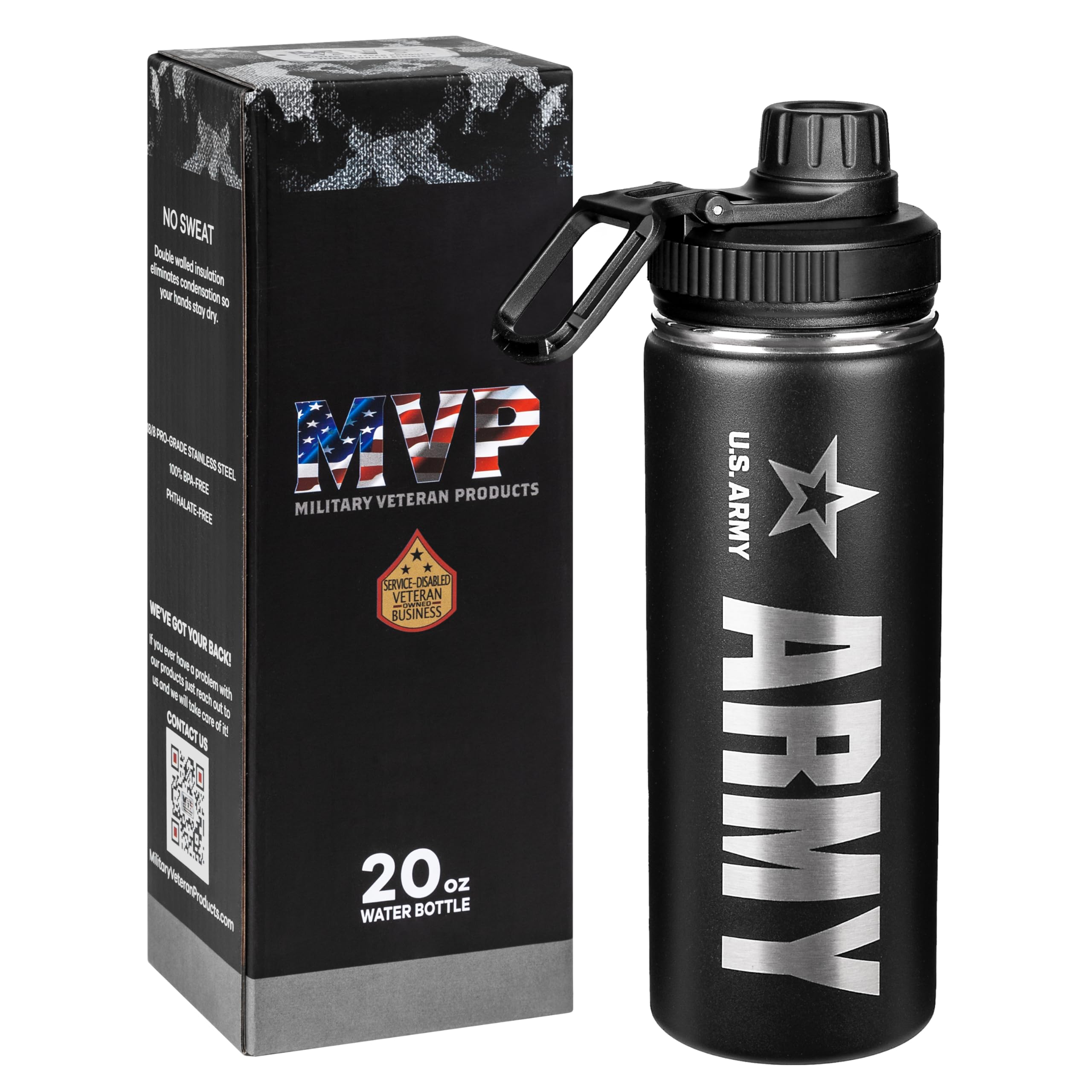
A stock image related to military water bottle.
In-depth Look: Manufacturing Processes and Quality Assurance for military water bottle
What Are the Key Stages in the Manufacturing Process of Military Water Bottles?
The manufacturing of military water bottles involves several critical stages, each designed to ensure the product’s durability and functionality in extreme conditions. The primary stages include material preparation, forming, assembly, and finishing.
How is Material Prepared for Military Water Bottles?
The process begins with the selection of high-quality materials. Commonly used materials include food-grade stainless steel, which is known for its durability and resistance to rust and corrosion. The material preparation phase involves cutting the raw materials into specified dimensions, followed by cleaning and treating them to remove impurities. This ensures that the final product is safe for use in various environments, including rugged military operations.
What Techniques Are Used in the Forming Stage?
Once the materials are prepared, they undergo forming processes such as stamping, molding, or extrusion. For stainless steel bottles, deep drawing is a prevalent technique, where flat sheets are transformed into cylindrical shapes. This process is crucial as it influences the structural integrity of the bottle. The forming stage must be executed with precision to prevent defects that could compromise performance.
How is the Assembly of Military Water Bottles Conducted?
The assembly stage involves integrating various components such as lids, seals, and insulation layers. For instance, double-wall vacuum insulation is commonly used to enhance thermal efficiency. This assembly phase also includes adding features like MOLLE webbing for tactical use, which requires meticulous attention to detail to ensure that all components fit securely and function as intended.
What Finishing Processes Are Essential for Military Water Bottles?
Finishing processes include surface treatment, coating, and quality checks to enhance aesthetics and performance. Surface treatments can involve powder coating or anodizing, which not only provide a protective layer but also contribute to the bottle’s camouflage features. This stage is critical for ensuring that the product meets military specifications for environmental resistance.
What Quality Assurance Measures Are Standard for Military Water Bottles?
Quality assurance is paramount in manufacturing military water bottles, as these products must withstand harsh conditions. Several international and industry-specific standards guide the quality assurance process.
Which International Standards Should B2B Buyers Be Aware Of?
ISO 9001 is the most recognized quality management standard applicable across various industries, including military equipment. Compliance with ISO 9001 ensures that manufacturers maintain consistent quality in their products and processes. Additionally, certifications such as CE marking (for products sold in the European Economic Area) and API standards (for products used in the petroleum and natural gas industries) may also be relevant depending on the application.
What are the Key Quality Control Checkpoints in the Manufacturing Process?
Quality control checkpoints typically include:
-
Incoming Quality Control (IQC): This stage assesses the quality of raw materials before they are used in production. It helps identify any material defects early in the process.
-
In-Process Quality Control (IPQC): During manufacturing, ongoing inspections ensure that each stage meets predefined quality criteria. This may involve monitoring temperature, pressure, and other critical parameters.
-
Final Quality Control (FQC): After assembly, the final product undergoes rigorous testing to verify its functionality and safety. This may include leak tests, thermal performance assessments, and durability evaluations.
How Can B2B Buyers Verify Supplier Quality Control Processes?
For international B2B buyers, particularly from regions like Africa, South America, the Middle East, and Europe, verifying a supplier’s quality control processes is crucial for ensuring product reliability.
What Methods Can Be Used to Audit Supplier Quality Control?
Buyers can request detailed quality assurance reports from suppliers to understand their quality control practices better. Additionally, conducting third-party inspections can provide an unbiased assessment of the supplier’s compliance with industry standards. Regular audits can also be arranged to ensure ongoing adherence to quality protocols.
What Specific QC Certifications Should International Buyers Look For?
When sourcing military water bottles, buyers should look for suppliers with certifications that align with their regional standards. For instance, European buyers may prioritize CE certification, while those in the Middle East might look for compliance with local military specifications. Understanding the nuances of these certifications helps buyers mitigate risks associated with product quality.
What Common Testing Methods Are Employed for Military Water Bottles?
Several testing methods are commonly employed to ensure that military water bottles meet the required performance standards:
-
Thermal Testing: This assesses the bottle’s ability to maintain temperature under various environmental conditions. It is vital for military operations where hydration is crucial.
-
Drop Testing: Evaluating the bottle’s durability involves subjecting it to drop tests from specific heights to simulate real-world impacts.
-
Leak Testing: Ensuring that the bottle does not leak under pressure is critical for maintaining hydration reliability in the field.
How Do Quality Control Nuances Differ for International B2B Buyers?
International B2B buyers should be aware of the varying standards and regulations that apply in different regions. For instance, while ISO certifications are globally recognized, local regulations may impose additional requirements that must be met. Buyers should conduct thorough research on the specific quality assurance expectations in their respective markets to avoid compliance issues.
In conclusion, understanding the manufacturing processes and quality assurance measures for military water bottles is essential for B2B buyers. By focusing on supplier quality control, adherence to international standards, and verification methods, buyers can ensure they procure reliable and durable hydration solutions suitable for military use.
Practical Sourcing Guide: A Step-by-Step Checklist for ‘military water bottle’
To assist international B2B buyers in procuring military water bottles, this practical sourcing guide outlines essential steps to ensure a successful purchasing process. By following this checklist, buyers can make informed decisions, minimize risks, and secure high-quality products suitable for various operational needs.
Step 1: Define Your Technical Specifications
Clearly outline the specifications required for the military water bottles. Consider factors such as material (e.g., stainless steel vs. plastic), insulation capabilities, capacity, and design features like leak-proof lids or MOLLE compatibility. This step is crucial as it sets the foundation for your sourcing process, ensuring that you identify products that meet your operational requirements.
Step 2: Research Potential Suppliers
Conduct thorough research to identify reputable suppliers. Look for manufacturers with a proven track record in producing military-grade products. Utilize online marketplaces, industry directories, and trade shows to compile a list of potential suppliers. This step is vital to ensure you partner with companies that can meet your standards for quality and reliability.
Step 3: Evaluate Potential Suppliers
Before committing, vet suppliers rigorously. Request detailed company profiles, product catalogs, and case studies that demonstrate their experience with military water bottles. Additionally, seek references from other buyers in your region or industry to validate the supplier’s credibility and product quality. Thorough evaluation helps mitigate risks associated with supplier reliability.
Step 4: Verify Compliance and Certifications
Ensure that the suppliers’ products comply with international standards and regulations relevant to military equipment. Certifications such as ISO 9001 for quality management or any specific military standards (e.g., MIL-STD) should be verified. Compliance with these standards not only ensures safety and quality but also helps in fulfilling procurement requirements for government or military contracts.
Step 5: Request Samples for Testing
Before finalizing an order, request samples of the military water bottles. Testing samples allows you to assess the product’s durability, insulation performance, and usability in real-world conditions. It’s important to evaluate how the bottles perform under various scenarios, such as extreme temperatures or rugged handling, to ensure they meet your operational needs.
Step 6: Discuss Pricing and Payment Terms
Engage in discussions regarding pricing, payment terms, and bulk discounts. Understanding the cost structure is essential for budget management. Be sure to clarify any hidden costs related to shipping, handling, or customs duties, especially when dealing with international suppliers. Transparent pricing discussions help in establishing a fair and mutually beneficial agreement.
Step 7: Establish a Communication Protocol
Set up a clear communication protocol with your chosen supplier. Define points of contact, response times, and preferred communication channels to facilitate smooth interactions. Effective communication is key to addressing any issues that may arise during the procurement process, ensuring that both parties are aligned on expectations and timelines.
By following this structured checklist, B2B buyers can navigate the complexities of sourcing military water bottles effectively, ensuring they acquire products that meet their specific needs while fostering strong supplier relationships.
Comprehensive Cost and Pricing Analysis for military water bottle Sourcing
What Are the Key Cost Components for Military Water Bottle Sourcing?
When sourcing military water bottles, understanding the cost structure is crucial for international B2B buyers. The primary cost components include:
-
Materials: The choice of materials significantly impacts cost. High-grade stainless steel, for instance, is more expensive but offers durability and insulation benefits. Cheaper alternatives, like plastic, may reduce upfront costs but compromise quality and longevity.
-
Labor: Labor costs vary by region and can influence the overall price. Countries with lower labor costs may offer more competitive pricing, but this often comes with trade-offs in quality control.
-
Manufacturing Overhead: This includes costs related to facilities, utilities, and operational expenses. Efficient manufacturing processes can lower these overheads, directly affecting the final product price.
-
Tooling: Custom molds or tooling for specialized designs can add significant costs. For large orders, however, these costs can be amortized over the entire production run.
-
Quality Control (QC): Implementing stringent QC measures ensures product reliability, especially for military applications. While this adds to the cost, it mitigates risks associated with product failure.
-
Logistics: Shipping and handling costs can vary based on the destination and chosen Incoterms. Understanding these can help buyers avoid unexpected expenses.
-
Margin: Suppliers typically add a margin to cover their costs and profit. This can vary widely based on the supplier’s market position and perceived value of the product.
How Do Price Influencers Affect Military Water Bottle Sourcing?
Several factors influence the pricing of military water bottles, particularly for international buyers:
-
Volume/MOQ (Minimum Order Quantity): Larger orders often lead to lower per-unit costs due to economies of scale. Negotiating for bulk pricing can result in significant savings.
-
Specifications and Customization: Custom features, such as specific colors or added functionalities, can increase costs. Buyers should weigh the benefits of customization against the potential price increases.
-
Materials and Quality Certifications: High-quality materials and certifications (e.g., BPA-free, food-grade standards) can raise prices but are essential for ensuring product safety and compliance with military standards.
-
Supplier Factors: The reputation and reliability of suppliers play a crucial role. Established suppliers may charge more, but their proven track record can justify the investment.
-
Incoterms: Understanding Incoterms is vital as they dictate responsibilities for shipping, insurance, and tariffs. Choosing the right Incoterm can help manage costs effectively.
What Are the Best Buyer Tips for Cost-Efficiency in Military Water Bottle Sourcing?
For international B2B buyers, particularly in regions like Africa, South America, the Middle East, and Europe, implementing strategic approaches can enhance cost-efficiency:
-
Negotiation: Always negotiate prices, especially when dealing with bulk orders. Suppliers may have room for adjustment, particularly if you are a repeat customer.
-
Evaluate Total Cost of Ownership (TCO): Consider not just the purchase price but also maintenance, durability, and potential replacement costs. A higher initial investment in quality products may lead to lower TCO in the long run.
-
Understand Pricing Nuances: Be aware of regional pricing differences and how local economic conditions can affect costs. For instance, tariffs and import duties in Europe may differ significantly from those in South America.
-
Conduct Supplier Audits: Regular audits can ensure that suppliers maintain quality and operational standards. This can help mitigate risks associated with subpar products.
-
Build Relationships with Suppliers: Establishing strong relationships can lead to better pricing, priority during production delays, and more favorable terms.
Conclusion
While indicative prices for military water bottles can range widely—from $10 for basic models to upwards of $80 for high-end, customized options—buyers must assess the various cost components and pricing influencers critically. By employing strategic sourcing practices and understanding the nuances of international trade, B2B buyers can optimize their procurement processes and achieve better value for their investments.
Alternatives Analysis: Comparing military water bottle With Other Solutions
Introduction: Exploring Alternatives to Military Water Bottles
In the quest for effective hydration solutions, military water bottles stand out due to their durability, design, and performance. However, several alternatives exist that may cater to specific needs or preferences in various operational contexts. This analysis compares military water bottles against two viable alternatives: hydration packs and collapsible water bottles. Each option offers distinct advantages and disadvantages that can influence purchasing decisions for B2B buyers.
Comparison Table
| Comparison Aspect | Military Water Bottle | Hydration Pack | Collapsible Water Bottle |
|---|---|---|---|
| Performance | Excellent insulation, rugged design | Offers hands-free hydration, lightweight | Convenient for storage, less durable |
| Cost | $30 – $80, depending on features | $50 – $150, varies by brand and capacity | $10 – $30, budget-friendly |
| Ease of Implementation | Simple to use, ready-to-fill design | Requires setup and adjustment | Easy to pack and use |
| Maintenance | Requires regular cleaning | May require more frequent cleaning due to moisture | Simple to clean, but may wear out faster |
| Best Use Case | Outdoor activities, military operations | Hiking, cycling, long-distance travel | Casual outings, travel, and storage |
Detailed Breakdown of Alternatives
Hydration Packs
Hydration packs are backpacks equipped with a water reservoir and a hose for easy sipping. They are ideal for activities like hiking and cycling, where hands-free hydration is beneficial. The lightweight design allows for comfortable long-distance travel. However, hydration packs can be more complex to clean and maintain due to their hoses and reservoirs, which may harbor bacteria if not properly cared for. Additionally, they typically come at a higher price point than standard military water bottles, which may be a concern for budget-conscious buyers.
Collapsible Water Bottles
Collapsible water bottles are designed for portability and convenience. They can be easily folded when empty, making them an excellent choice for travelers or those needing to save space. While they are generally more affordable than military water bottles and hydration packs, their durability is often compromised; they may not withstand harsh conditions as well as their sturdier counterparts. Collapsible bottles are best suited for casual outings or events where weight and space are priorities, rather than rigorous activities or military use.
Conclusion: Choosing the Right Hydration Solution
When selecting the most suitable hydration solution, B2B buyers should consider their specific operational needs, budget constraints, and the environments in which the products will be used. Military water bottles excel in durability and thermal performance, making them ideal for rigorous applications. Hydration packs offer convenience for active users who require hands-free hydration, while collapsible bottles provide a flexible and cost-effective option for lighter use. By carefully evaluating these factors, buyers can make informed decisions that align with their hydration requirements and overall operational objectives.
Essential Technical Properties and Trade Terminology for military water bottle
What Are the Key Technical Properties of Military Water Bottles?
When sourcing military water bottles, understanding the technical specifications is crucial for ensuring product performance and reliability. Here are some of the essential properties that B2B buyers should consider:
1. Material Grade
Military water bottles are typically made from high-grade materials such as stainless steel or BPA-free plastic. Stainless steel (like 18/8 or 304 grades) is preferred for its durability, resistance to corrosion, and ability to maintain beverage temperature through insulation. The choice of material directly impacts the product’s longevity and safety, which are critical in military applications.
2. Insulation Type
Double-wall vacuum insulation is a common feature in high-quality military water bottles. This technology helps maintain the temperature of liquids for extended periods—keeping beverages cold for up to 48 hours or hot for 24 hours. For military and outdoor operations, this capability ensures hydration in various climates and conditions, enhancing user efficiency.
3. Capacity
Military water bottles come in various capacities, typically ranging from 32 oz to 64 oz or larger. The capacity affects how often users need to refill the bottle and can influence operational efficiency. Larger bottles may be beneficial for extended missions, while smaller, more compact designs are suitable for tactical situations where space is limited.
4. Leak-Proof Design
A leak-proof design is essential for military water bottles, especially during rigorous activities. Features such as sealing rings and anti-spill lids prevent accidental leaks, ensuring that the contents remain secure even in motion. This property is crucial for maintaining hydration without creating mess or waste, which is especially important in field operations.
5. Weight and Portability
The weight of the water bottle can significantly affect its usability in military contexts. Lightweight materials combined with ergonomic designs enhance portability. Features like MOLLE webbing or detachable straps allow for easy attachment to backpacks or belts, ensuring that soldiers can carry their hydration solutions without added burden.
6. Durability Standards
Military water bottles are often designed to meet specific durability standards, such as being impact-resistant and weatherproof. This ensures they can withstand the harsh conditions often encountered in military operations, from extreme temperatures to rough handling. Buyers should verify that the products meet relevant military specifications to ensure reliability.
What Are Common Trade Terms in the Military Water Bottle Industry?
Understanding industry jargon is vital for effective communication and negotiation. Here are some key terms relevant to military water bottle procurement:
1. OEM (Original Equipment Manufacturer)
An OEM refers to a company that produces parts or equipment that may be marketed by another manufacturer. For military water bottles, buyers often deal with OEMs to ensure that products meet specific military standards and specifications.
2. MOQ (Minimum Order Quantity)
MOQ indicates the smallest number of units a supplier is willing to sell. This term is crucial for B2B buyers as it affects inventory management and cost. Understanding the MOQ can help buyers plan their procurement strategy effectively.
3. RFQ (Request for Quotation)
An RFQ is a document that solicits price quotes from suppliers. This process is essential for comparing costs and terms across different vendors, allowing buyers to make informed decisions based on budget and requirements.
4. Incoterms (International Commercial Terms)
Incoterms are a set of international rules that define the responsibilities of sellers and buyers in the shipping process. Understanding these terms is critical for B2B transactions, especially when importing military water bottles from different countries, as they dictate who is responsible for costs and risks during transportation.
5. Lead Time
Lead time refers to the amount of time it takes from placing an order to receiving the goods. In the military supply chain, understanding lead times is vital for ensuring that products are available when needed, especially during critical operations.
6. Customization
Customization refers to modifying a product to meet specific requirements or branding. For military water bottles, this could include adding features like custom colors, logos, or specialized attachments, allowing buyers to tailor products to their needs.
In summary, a thorough understanding of the technical properties and trade terminology related to military water bottles can empower B2B buyers to make informed purchasing decisions that align with their operational needs.
Navigating Market Dynamics and Sourcing Trends in the military water bottle Sector
What Are the Key Drivers and Trends Shaping the Military Water Bottle Market?
The military water bottle market is experiencing significant growth, driven by several global factors. The rising demand for durable and high-capacity hydration solutions among military personnel and outdoor enthusiasts has spurred innovation in materials and designs. Notably, the shift towards sustainable products is reshaping sourcing strategies, compelling manufacturers to adopt eco-friendly materials and production practices. For international B2B buyers, particularly those in Africa, South America, the Middle East, and Europe (e.g., Saudi Arabia, Germany), understanding these dynamics is crucial for making informed purchasing decisions.
Emerging technologies are also influencing the sector. The integration of advanced insulation technologies, such as double-wall vacuum sealing, enhances product performance by ensuring beverages maintain desired temperatures for extended periods. Additionally, the adoption of features like MOLLE webbing and modular designs caters to the tactical needs of users, providing versatility and convenience in various environments. These trends underscore the importance of sourcing products that not only meet functional requirements but also align with the evolving expectations of end-users.
How Can Sustainability and Ethical Sourcing Impact Military Water Bottle Procurement?
Sustainability and ethical sourcing have become pivotal considerations for B2B buyers in the military water bottle sector. The environmental impact of traditional manufacturing processes is prompting companies to seek alternatives that minimize their carbon footprint. This shift is particularly relevant in regions where ecological sustainability is increasingly prioritized by consumers and regulators alike.
Buyers should look for suppliers who utilize ‘green’ certifications and materials, such as BPA-free plastics and food-grade stainless steel. Furthermore, companies that demonstrate transparency in their supply chains and adhere to ethical labor practices are gaining favor among conscientious buyers. By prioritizing sustainability, businesses can not only reduce their environmental impact but also enhance their brand reputation, aligning with the values of an increasingly eco-aware market.
How Has the Military Water Bottle Market Evolved Over Time?
The evolution of military water bottles reflects broader trends in consumer preferences and technological advancements. Originally designed for functionality, modern military water bottles now incorporate ergonomic designs, advanced insulation technologies, and customizable features that cater to diverse user needs. Early models were predominantly made from aluminum or plastic, but the introduction of stainless steel has significantly improved durability and thermal performance.
As the market continues to evolve, international B2B buyers must stay attuned to these changes, recognizing that the military water bottle has transformed into a multifunctional tool that supports hydration, convenience, and sustainability. Understanding this evolution allows buyers to better align their procurement strategies with the latest innovations and market demands, ensuring they remain competitive in a rapidly changing landscape.
Frequently Asked Questions (FAQs) for B2B Buyers of military water bottle
-
How do I ensure the quality of military water bottles from suppliers?
To ensure the quality of military water bottles, request samples from potential suppliers to assess material durability, insulation efficiency, and overall design. Verify certifications, such as ISO or specific military standards, which indicate compliance with quality benchmarks. Additionally, consider conducting factory audits or third-party inspections to evaluate production processes and quality control measures. Reading reviews and testimonials from other buyers can also provide insights into a supplier’s reliability and product performance. -
What is the best material for military water bottles?
Stainless steel is widely regarded as the best material for military water bottles due to its durability, resistance to rust, and ability to maintain beverage temperatures through vacuum insulation. It is also non-toxic and BPA-free, making it safe for long-term use. For lightweight options, high-density polyethylene (HDPE) is another good choice, especially for less rugged applications. When selecting a material, consider the specific needs of your target market, such as outdoor durability or ease of transport. -
What customization options are available for military water bottles?
Many suppliers offer customization options such as branding through screen printing, embossing, or laser engraving. You can also choose different colors, sizes, and additional features like detachable straps or MOLLE webbing for tactical use. Discuss your specific requirements with suppliers to explore potential modifications that align with your branding strategy and meet the operational needs of your customers. -
What are the typical minimum order quantities (MOQ) for military water bottles?
Minimum order quantities for military water bottles vary by supplier and can range from 100 to several thousand units. Factors influencing MOQ include the complexity of customization, production capacity, and supplier policies. It’s advisable to communicate your needs upfront to negotiate favorable terms and potentially lower MOQs, especially if you’re a new buyer or testing the market with a limited product range. -
What payment terms should I expect when sourcing military water bottles internationally?
Payment terms for international orders often include options such as a deposit (usually 30-50%) before production and the balance due upon shipment or delivery. Some suppliers may accept letters of credit or escrow services for larger orders, providing additional security. Always clarify payment methods, currency, and any applicable transaction fees early in negotiations to avoid misunderstandings later. -
How can I vet suppliers when sourcing military water bottles?
To vet suppliers, start by researching their business history, certifications, and customer reviews. Request references from previous clients and conduct background checks to verify their legitimacy. Engage in direct communication to assess their responsiveness and willingness to provide necessary documentation. Utilizing platforms like Alibaba or Global Sources can also help identify reputable suppliers with verified ratings and feedback. -
What logistics considerations should I keep in mind when importing military water bottles?
When importing military water bottles, consider shipping costs, customs duties, and potential delays due to regulatory compliance or inspections. Choose a reliable logistics partner familiar with international shipping and customs procedures in your destination country. Ensure all necessary documentation, such as commercial invoices and certificates of origin, is prepared to facilitate a smooth import process. -
What are the common uses for military water bottles in various sectors?
Military water bottles are commonly used in outdoor activities, such as hiking, camping, and military operations, due to their durability and insulation properties. They are also popular in emergency preparedness kits, sports events, and among fitness enthusiasts. Understanding the diverse applications can help you tailor your marketing strategies to effectively reach different customer segments and increase sales potential.
Important Disclaimer & Terms of Use
⚠️ Important Disclaimer
The information provided in this guide, including content regarding manufacturers, technical specifications, and market analysis, is for informational and educational purposes only. It does not constitute professional procurement advice, financial advice, or legal advice.
While we have made every effort to ensure the accuracy and timeliness of the information, we are not responsible for any errors, omissions, or outdated information. Market conditions, company details, and technical standards are subject to change.
B2B buyers must conduct their own independent and thorough due diligence before making any purchasing decisions. This includes contacting suppliers directly, verifying certifications, requesting samples, and seeking professional consultation. The risk of relying on any information in this guide is borne solely by the reader.
Top 7 Military Water Bottle Manufacturers & Suppliers List
1. Iron Infidel – 64oz Battle Bottle
Domain: ironinfidel.com
Registered: 2019 (6 years)
Introduction: Battle Bottles by Iron Infidel – Stainless Steel Water Bottles
Key Products:
1. 64oz Battle Bottle:
– Capacity: 2-Liter
– Material: Stainless Steel
– Insulation: Double-Wall Vacuum-Insulated
– Features: Rugged Removable Sleeve, Utility Pouches, Metal Clip, Paracord
– Price: $59.99 USD
– Available Colors/Designs: Camo Black, OCP, Betsy, Live Free, Join or Die, Overland, Earned no…
2. CamelBak – Military Water Bottles
Domain: camelbak.com
Registered: 1996 (29 years)
Introduction: CamelBak Military Water Bottles are designed for mission readiness, featuring high-flow caps for easy hydration. The bottles are part of a broader range of CamelBak products, including packs, coolers, and accessories tailored for outdoor activities. The brand emphasizes innovation, sustainability, and customization options for their products.
3. USAMM – Military Water Bottles
Domain: usamm.com
Registered: 2010 (15 years)
Introduction: This company, USAMM – Military Water Bottles, is a notable entity in the market. For specific product details, it is recommended to visit their website directly.
4. eBay – Army Water Bottles
Domain: ebay.com
Registered: 1995 (30 years)
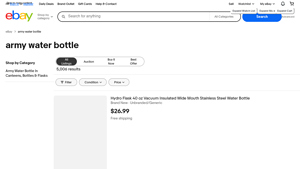
Introduction: Army water bottle products for sale on eBay include various types of canteens, bottles, and flasks. Related searches feature items such as British water bottles, army hydration systems, tactical water bottles, and marine corps water bottles. Notable listings include Hydro Flask 40 oz vacuum insulated wide mouth stainless steel water bottles, with prices ranging from $23.99 to $26.99, and free ship…
5. Votagoo – 64Oz Half Gallon Stainless Steel Insulated Tactical Water Bottle
Domain: antarcticaoutdoors.com
Registered: 2020 (5 years)
Introduction: {“Product Name”: “Votagoo 64Oz Half Gallon Stainless Steel Insulated Tactical Water Bottle”, “Material”: “High quality double-wall stainless steel and military grade fabrics”, “Capacity”: “64 oz”, “Insulation”: “Vacuum insulated, keeps beverages cold for up to 48 hours and warm for up to 24 hours”, “Features”: [“Non-toxic and BPA-free”, “Leak-proof design with sealing ring”, “Wide mouth for easy c…
6. JUSTLET – 32 oz Insulated Stainless Steel Water Bottle
Domain: walmart.com
Registered: 1995 (30 years)
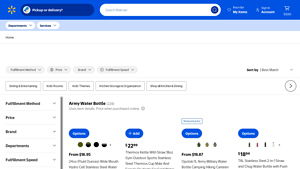
Introduction: This company, JUSTLET – 32 oz Insulated Stainless Steel Water Bottle, is a notable entity in the market. For specific product details, it is recommended to visit their website directly.
7. Military Kit – BCB Osprey NATO Water Bottle & Mug
Domain: militarykit.com
Registered: 2000 (25 years)
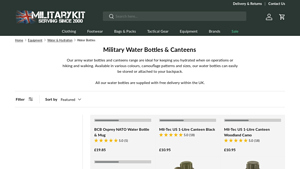
Introduction: Military Water Bottles & Canteens available in various colours, camouflage patterns, and sizes. Ideal for hydration during operations, hiking, and walking. Free delivery within the UK. Key products include: BCB Osprey NATO Water Bottle & Mug (£19.85), Mil-Tec US 1-Litre Canteen in Black, Woodland Camo, and OD Green (£10.95 each), Highlander Patrol Water Bottle (950ml) in DPM Camouflage and Olive G…
Strategic Sourcing Conclusion and Outlook for military water bottle
As the demand for durable and functional military water bottles continues to grow globally, strategic sourcing emerges as a pivotal factor for B2B buyers. The variety of offerings—from stainless steel insulated models to tactical designs with MOLLE compatibility—highlights the importance of selecting products that not only meet operational needs but also offer long-term reliability. Buyers should prioritize suppliers who demonstrate robust quality control, innovative designs, and competitive pricing to ensure they are making wise investments.
Moreover, understanding regional preferences and environmental conditions can significantly enhance sourcing strategies. For instance, buyers in Africa and the Middle East may prioritize bottles with superior insulation for extreme temperatures, while those in Europe might seek compact, lightweight options for ease of transport.
Looking ahead, the market for military water bottles is poised for growth, driven by increased military budgets and outdoor recreational activities. B2B buyers are encouraged to explore partnerships with reputable manufacturers to capitalize on this expanding market. Engaging with suppliers who offer customization and scalability will not only meet immediate needs but also align with future operational demands. Your next strategic sourcing decision could be the key to ensuring your team stays mission-ready in any environment.