Introduction: Navigating the Global Market for tactical water bottle
In an increasingly interconnected world, international B2B buyers face the daunting challenge of sourcing tactical water bottles that meet diverse operational needs while ensuring quality and reliability. The tactical water bottle market, characterized by its robust designs and specialized features, caters to various sectors including military, outdoor recreation, and emergency preparedness. This comprehensive guide is designed to empower buyers from regions such as Africa, South America, the Middle East, and Europe—countries like Vietnam and Nigeria—with the insights needed to make informed purchasing decisions.
Throughout this guide, we will explore the different types of tactical water bottles available, their applications in various settings, and the key factors to consider when vetting suppliers. Buyers will gain valuable insights into cost considerations, product specifications, and the importance of certifications that guarantee durability and performance.
By providing a detailed analysis of the tactical water bottle landscape, this guide aims to equip international buyers with the knowledge necessary to navigate the complexities of sourcing. Understanding market trends and supplier capabilities will not only enhance procurement strategies but also ensure that the selected products fulfill their intended purpose, ultimately leading to successful operations in diverse environments.
Understanding tactical water bottle Types and Variations
| Type Name | Key Distinguishing Features | Primary B2B Applications | Brief Pros & Cons for Buyers |
|---|---|---|---|
| Stainless Steel Battle Bottles | Double-wall vacuum insulation, rugged design, and utility pouches | Military, outdoor recreation, emergency services | Pros: Durable, excellent insulation, versatile. Cons: Higher cost, heavier than plastic options. |
| Tactical Hydration Packs | Integrated water bladders, adjustable straps, and MOLLE compatibility | Tactical training, hiking, military operations | Pros: Hands-free hydration, lightweight. Cons: Limited capacity compared to bottles. |
| Insulated Plastic Bottles | Lightweight, BPA-free materials, and various sizes available | Corporate giveaways, casual outdoor activities | Pros: Affordable, versatile. Cons: Less durable, lower insulation performance. |
| Modular Tactical Bottles | Customizable with attachments, multiple lid options, and storage pouches | Adventure sports, military, outdoor expeditions | Pros: Highly customizable, functional. Cons: Can be complex to assemble, potential for loss of parts. |
| Collapsible Water Bottles | Space-saving design, lightweight materials, and easy transport | Travel, emergency preparedness, outdoor events | Pros: Portable, easy to store. Cons: Less durable, limited insulation. |
What Are the Key Characteristics of Stainless Steel Battle Bottles?
Stainless steel battle bottles are designed for maximum durability and performance. With features like double-wall vacuum insulation, these bottles keep beverages hot or cold for extended periods. The rugged exterior often includes utility pouches for added functionality. B2B buyers in military, outdoor recreation, and emergency services can benefit from their reliability and insulation capabilities, making them ideal for demanding environments. However, the higher cost and weight compared to plastic options should be considered.
How Do Tactical Hydration Packs Differ from Traditional Bottles?
Tactical hydration packs feature integrated water bladders, allowing for hands-free hydration during activities. These packs often come with adjustable straps and MOLLE compatibility for easy attachment to tactical gear. They are particularly suited for tactical training, hiking, and military operations. While they offer lightweight convenience, the limited capacity compared to traditional bottles may be a drawback for some users.
What Advantages Do Insulated Plastic Bottles Offer for B2B Buyers?
Insulated plastic bottles are lightweight and made from BPA-free materials, making them a safer choice for hydration. They come in various sizes and are often more affordable than their stainless steel counterparts. This makes them suitable for corporate giveaways and casual outdoor activities. However, their durability and insulation performance are generally lower than that of stainless steel options, which may affect long-term usability.
Why Choose Modular Tactical Bottles for Customization?
Modular tactical bottles allow users to customize their hydration systems with various attachments and multiple lid options. This adaptability makes them particularly appealing for adventure sports, military use, and outdoor expeditions. While they offer enhanced functionality, the complexity of assembly and potential for losing small parts can be a concern for B2B buyers seeking straightforward solutions.
How Do Collapsible Water Bottles Enhance Portability?
Collapsible water bottles are designed for easy transport and storage, making them an excellent choice for travel, emergency preparedness, and outdoor events. Their lightweight materials allow for space-saving convenience. However, they may sacrifice durability and insulation capabilities compared to more rigid options, which B2B buyers should weigh against their specific needs for hydration solutions.
Key Industrial Applications of tactical water bottle
| Industry/Sector | Specific Application of Tactical Water Bottle | Value/Benefit for the Business | Key Sourcing Considerations for this Application |
|---|---|---|---|
| Military & Defense | Hydration during training exercises and field operations | Ensures soldiers remain hydrated, enhancing performance | Durability, insulation properties, and ease of transport |
| Outdoor & Adventure Retail | Selling to outdoor enthusiasts for hiking and camping | Increases sales through high-quality, reliable gear | Brand reputation, material quality, and customer reviews |
| Emergency Services | Providing hydration solutions in disaster response situations | Supports first responders in critical environments | Compliance with safety standards and portability |
| Corporate Wellness Programs | Promoting hydration in employee health initiatives | Boosts employee productivity and well-being | Customization options and bulk purchasing agreements |
| Sports & Fitness | Used in gyms and athletic facilities for hydration | Enhances performance and recovery for athletes | Ergonomic design and compatibility with fitness equipment |
How is the Tactical Water Bottle Used in the Military & Defense Sector?
In military and defense applications, tactical water bottles are essential for maintaining hydration during rigorous training and field operations. These bottles are designed to withstand extreme conditions, ensuring that soldiers have access to clean water without the risk of leaks or contamination. Buyers in this sector prioritize durability, insulation to keep beverages cold or hot, and lightweight designs for easy transport. Additionally, military buyers may seek products that can integrate with existing gear, such as MOLLE systems.
What Role Does the Tactical Water Bottle Play in Outdoor & Adventure Retail?
Outdoor and adventure retailers utilize tactical water bottles as part of their product offerings aimed at hiking, camping, and other outdoor activities. These bottles are marketed for their rugged construction and ability to keep drinks cold or hot for extended periods. Retailers benefit from high-quality tactical bottles by enhancing their brand image and attracting customers who prioritize reliability in outdoor gear. Key considerations for sourcing include material quality, brand reputation, and positive customer reviews to ensure customer satisfaction.
How Do Emergency Services Benefit from Tactical Water Bottles?
Emergency services rely on tactical water bottles to provide hydration solutions during disaster response scenarios. These bottles are crucial for first responders who often work in high-stress environments where access to clean water may be limited. The value lies in their ability to keep water safe and accessible, thus supporting the health and effectiveness of emergency personnel. Buyers in this sector must consider compliance with safety standards, portability, and ease of use, ensuring that the bottles can be deployed quickly and efficiently.
Why are Tactical Water Bottles Important for Corporate Wellness Programs?
In corporate wellness initiatives, tactical water bottles serve as a tool to promote hydration and overall health among employees. Companies that provide high-quality hydration solutions can enhance employee productivity and well-being, leading to reduced absenteeism and improved morale. When sourcing these products, businesses should look for customization options, such as branding and bulk purchasing agreements, to align with their corporate identity and budget constraints.
How are Tactical Water Bottles Used in Sports & Fitness?
In the sports and fitness industry, tactical water bottles are utilized in gyms and athletic facilities for hydration before, during, and after workouts. These bottles are designed for ergonomic use, ensuring that athletes can hydrate efficiently without interrupting their routines. The benefits include improved performance and recovery, making these bottles a staple in fitness environments. Buyers should focus on ergonomic design, compatibility with fitness equipment, and the ability to withstand rigorous use when sourcing tactical water bottles.
A stock image related to tactical water bottle.
3 Common User Pain Points for ‘tactical water bottle’ & Their Solutions
Scenario 1: Ensuring Durability in Harsh Environments
The Problem: B2B buyers often face the challenge of sourcing tactical water bottles that can withstand extreme conditions. In regions with high temperatures, rugged terrains, or potential exposure to chemicals, standard water bottles may fail, leading to costly replacements and potential harm to personnel. Buyers need assurance that the products they invest in will remain functional and safe under all circumstances, especially in industries such as military, outdoor adventures, or emergency response.
The Solution: To overcome this issue, buyers should prioritize sourcing tactical water bottles made from high-quality materials such as stainless steel or BPA-free plastic that meet military-grade specifications. When evaluating suppliers, request samples to test their durability through rigorous field tests, including drop tests and exposure to various environmental conditions. Look for features such as double-wall insulation to prevent sweating and maintain temperature, as well as reinforced seams and rugged finishes that can endure rough handling. Additionally, consider customizing products with specific branding or utility features that align with your operational needs, ensuring that the bottles not only last but also support the mission effectively.
Scenario 2: Overcoming Weight and Portability Challenges
The Problem: Many tactical operations require personnel to carry essential equipment for extended periods, which can lead to fatigue if items are too heavy or cumbersome. Tactical water bottles, especially when filled, can add significant weight to a loadout. Buyers must find a balance between capacity, functionality, and portability to ensure that team members can remain agile and effective during operations.
The Solution: One effective strategy is to invest in lightweight, compact tactical water bottles that maintain high capacity without adding unnecessary bulk. Buyers should look for options that provide modular designs, allowing for attachments to backpacks or tactical vests through MOLLE systems. Selecting bottles with varying capacities, such as 32 oz and 64 oz options, can help tailor the solution to specific missions or user preferences. Additionally, consider sourcing bottles with ergonomic designs and comfortable grips, which will enhance usability during long missions. Educating teams on optimal load distribution can further improve comfort and efficiency, ensuring personnel can stay hydrated without compromising their mobility.
Scenario 3: Ensuring Easy Access and Versatility
The Problem: In fast-paced environments, quick access to hydration can be critical. Buyers often struggle with tactical water bottles that do not offer easy access to liquids, especially when personnel are wearing gloves or managing multiple tasks. Bottles that require complicated openings can hinder performance and lead to dehydration during critical moments.
The Solution: To address this challenge, buyers should prioritize tactical water bottles with user-friendly designs that allow for quick and effortless hydration. Look for products featuring wide-mouth openings, dual-cap systems (such as a spout and a wide mouth), or integrated straws for easy sipping while on the move. Assessing the accessibility of these features in real-life scenarios can provide valuable insights into their practicality. Additionally, consider bottles with built-in utility pouches or attachment points for essential gear, enabling personnel to have everything they need within reach. Training teams on the best practices for using these features will further enhance their efficiency and effectiveness in high-pressure situations, ensuring that hydration is never a hindrance.
Strategic Material Selection Guide for tactical water bottle
What Are the Key Materials for Tactical Water Bottles?
When selecting materials for tactical water bottles, several options stand out due to their unique properties and suitability for various applications. Understanding these materials can help international B2B buyers make informed decisions that align with their specific needs and market requirements.
How Does Stainless Steel Perform in Tactical Water Bottles?
Stainless steel is a popular choice for tactical water bottles due to its exceptional durability and resistance to corrosion. Key properties include a high temperature and pressure rating, which allows it to withstand extreme conditions without compromising integrity. Additionally, stainless steel does not impart flavors to the water, ensuring a pure taste.
Pros: Stainless steel is highly durable, resistant to dents, and easy to clean. It is also recyclable, making it an environmentally friendly option.
Cons: The manufacturing process can be more complex and costly compared to other materials. Stainless steel bottles can be heavier, which may not be suitable for all tactical applications.
Impact on Application: Stainless steel is compatible with a wide range of liquids, including hot and cold beverages, making it versatile for various missions.
Considerations for International Buyers: Compliance with international standards such as ASTM and DIN is crucial. Buyers should also consider the availability of stainless steel in their region, as well as shipping costs associated with heavier materials.
What Advantages Does BPA-Free Plastic Offer for Tactical Water Bottles?
BPA-free plastic is another common material used in tactical water bottles. It is lightweight and can be molded into various shapes, allowing for ergonomic designs. The key properties of BPA-free plastic include good impact resistance and a lower temperature rating compared to metals.
Pros: The lightweight nature of plastic makes it easy to carry, and it is generally less expensive than metal options. It can also be produced in various colors and designs.
Cons: While durable, plastic is less resistant to extreme temperatures and can warp or degrade over time, especially when exposed to UV light.
Impact on Application: BPA-free plastic is suitable for cold beverages but may not be ideal for hot liquids due to its lower temperature tolerance.
Considerations for International Buyers: Buyers should ensure that the plastic complies with safety regulations in their respective countries. Additionally, they should be aware of the environmental impact and recycling options available for plastic products.
How Does Aluminum Compare as a Material for Tactical Water Bottles?
Aluminum is another viable option for tactical water bottles, known for its lightweight and strength. Key properties include a good strength-to-weight ratio and moderate resistance to corrosion when treated with a protective coating.
Pros: Aluminum bottles are lightweight and often come with insulation options, which can keep beverages cold or hot for extended periods.
Cons: Without proper coatings, aluminum can corrode over time, especially when exposed to acidic liquids.
Impact on Application: Aluminum is suitable for both hot and cold liquids, but buyers should consider the potential for flavor transfer if the coating is damaged.
Considerations for International Buyers: Compliance with local regulations regarding aluminum usage is essential. Buyers should also consider the availability of treated aluminum options to ensure durability.
What Role Does Silicone Play in Tactical Water Bottle Accessories?
Silicone is often used in conjunction with other materials for tactical water bottles, primarily in lids and seals. Its key properties include flexibility and resistance to extreme temperatures, making it suitable for various applications.
Pros: Silicone is lightweight, durable, and can withstand high and low temperatures without degrading. It also provides excellent sealing properties, preventing leaks.
Cons: Silicone is generally not used as the primary material for bottles due to its lower structural integrity compared to metals and plastics.
Impact on Application: Silicone components enhance the functionality of tactical water bottles, ensuring they are leak-proof and easy to use.
Considerations for International Buyers: Buyers should ensure that silicone materials comply with food safety standards in their countries.
Summary Table of Material Selection for Tactical Water Bottles
| Material | Typical Use Case for Tactical Water Bottle | Key Advantage | Key Disadvantage/Limitation | Relative Cost (Low/Med/High) |
|---|---|---|---|---|
| Stainless Steel | Long-term outdoor activities | Highly durable and corrosion-resistant | Heavier and more expensive | High |
| BPA-Free Plastic | Lightweight, casual use | Lightweight and cost-effective | Less durable under extreme conditions | Low |
| Aluminum | Versatile for hot and cold liquids | Good strength-to-weight ratio | Can corrode if not treated | Medium |
| Silicone | Seals and lids for water bottles | Excellent sealing properties | Not suitable as a primary material | Medium |
This guide provides a comprehensive overview of the materials used in tactical water bottles, helping B2B buyers make informed decisions based on their specific needs and market conditions.
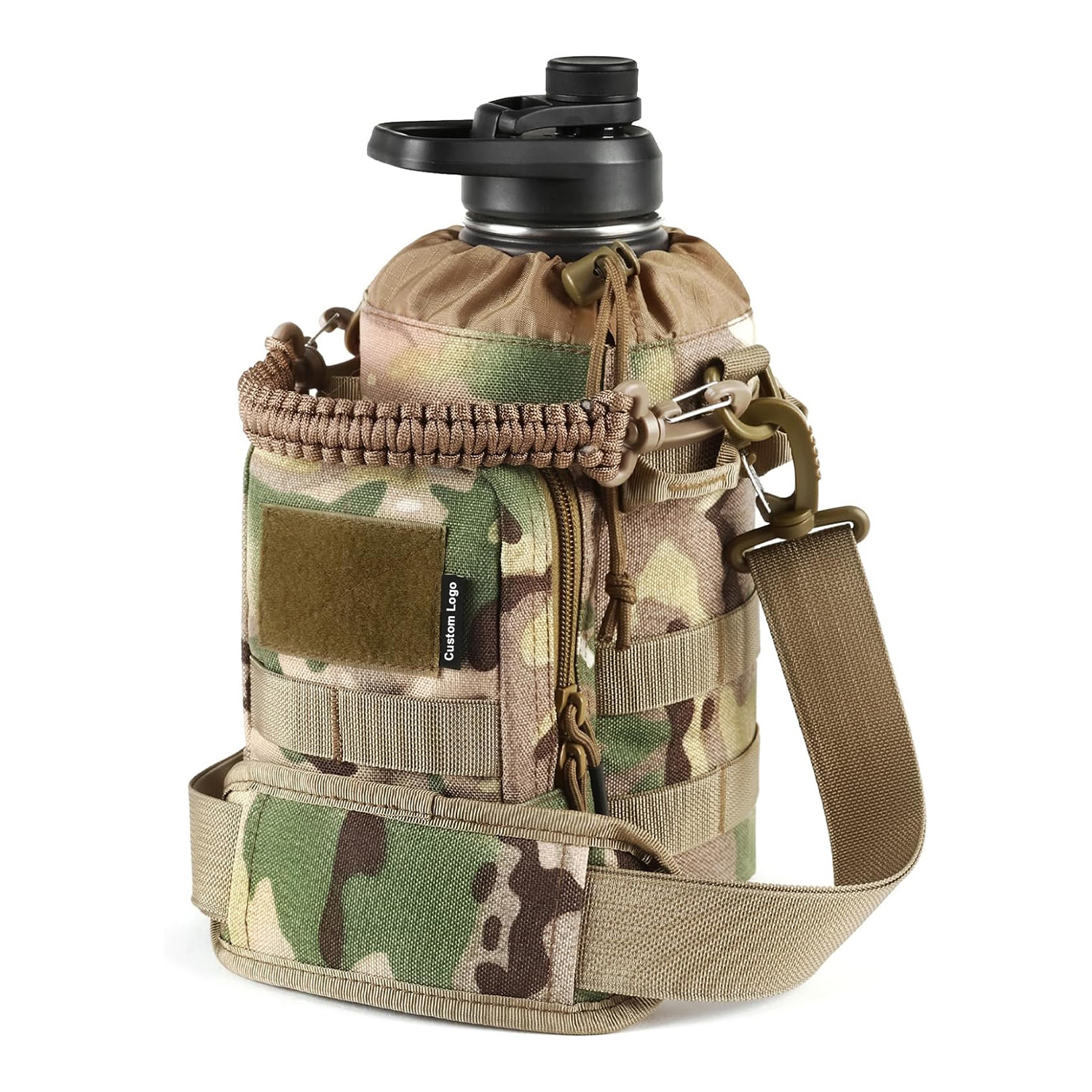
A stock image related to tactical water bottle.
In-depth Look: Manufacturing Processes and Quality Assurance for tactical water bottle
What Are the Key Stages in the Manufacturing Process of Tactical Water Bottles?
The manufacturing of tactical water bottles involves several critical stages, each designed to ensure the final product meets the rigorous demands of durability, performance, and functionality. The main stages typically include material preparation, forming, assembly, and finishing.
Material Preparation
The first step involves selecting high-quality materials, commonly stainless steel or BPA-free plastic. These materials must be sourced from reputable suppliers who adhere to international standards. After selection, materials undergo inspection to verify compliance with specifications, ensuring that only the best inputs are used in production.
Forming
During the forming stage, raw materials are shaped into the desired bottle form. Techniques such as deep drawing or blow molding are commonly employed, particularly for stainless steel or plastics. This stage may also include the application of double-wall vacuum insulation, which is critical for maintaining temperature control, a key feature in tactical water bottles.
Assembly
Assembly involves the integration of various components, including lids, pouches, and straps. This process requires precision to ensure that all parts fit seamlessly, enhancing the overall functionality of the water bottle. Quality control measures are implemented at this stage to catch any defects early, which could affect performance.
Finishing
The finishing stage includes surface treatments and coatings that enhance durability and aesthetic appeal. Processes such as powder coating or anodizing are applied to provide corrosion resistance and a rugged finish. Final inspections are conducted to ensure that the bottles meet the desired specifications, including weight, capacity, and thermal performance.
How Is Quality Assurance Implemented in Tactical Water Bottle Manufacturing?
Quality assurance (QA) is crucial in the production of tactical water bottles to ensure they meet both international and industry-specific standards. This process is multifaceted and involves several checkpoints and testing methods.
Relevant International Standards
Manufacturers often adhere to ISO 9001, which outlines a framework for quality management systems. This certification ensures that companies maintain consistent quality in their products and services. In addition, tactical water bottles may need to comply with specific standards such as CE marking for safety in the European market or API standards relevant to certain applications.
Quality Control Checkpoints
Quality control is typically segmented into three main checkpoints: Incoming Quality Control (IQC), In-Process Quality Control (IPQC), and Final Quality Control (FQC).
-
IQC focuses on verifying the quality of incoming materials before production begins. Suppliers are often required to provide certificates of compliance and test reports.
-
IPQC occurs during the manufacturing process, where operators conduct regular inspections to ensure adherence to quality standards. This may involve checking dimensions, weights, and functional aspects of the bottles as they are being produced.
-
FQC is the final assessment before the product is shipped. This stage includes a thorough inspection of the finished products, ensuring they meet all specifications and are free from defects.
What Common Testing Methods Are Used to Ensure the Quality of Tactical Water Bottles?
To ensure that tactical water bottles meet performance and safety standards, various testing methods are employed:
-
Thermal Performance Testing: Evaluates how well the bottle maintains temperature for hot or cold liquids, typically performed in controlled environments to simulate real-world conditions.
-
Drop Testing: Assesses the durability of the bottle by subjecting it to drops from various heights to ensure it can withstand rugged use.
-
Leak Testing: Involves filling the bottles with water and monitoring for leaks over a specified period to confirm the integrity of seals and closures.
-
Chemical Resistance Testing: Ensures that the materials used do not leach harmful substances when in contact with various liquids, which is especially important for health and safety compliance.
How Can B2B Buyers Verify Supplier Quality Control Processes?
For B2B buyers, especially those from international markets such as Africa, South America, the Middle East, and Europe, verifying a supplier’s quality control processes is essential to mitigate risks associated with product quality.
Conducting Audits
Buyers should consider conducting on-site audits of potential suppliers. This allows for a comprehensive evaluation of the manufacturing processes, quality control checkpoints, and overall operational practices. Audits can reveal insights into the supplier’s commitment to quality and compliance with international standards.
Requesting Reports
Buyers can also request detailed quality control reports, including IQC, IPQC, and FQC documentation. These reports should outline the results of testing methods and any corrective actions taken in response to non-conformities.
Utilizing Third-Party Inspections
Engaging third-party inspection services can provide an unbiased assessment of the supplier’s quality control practices. These services can conduct inspections during various manufacturing stages, ensuring that products meet specified standards before shipment.
What Are the Quality Control and Certification Nuances for International B2B Buyers?
International B2B buyers must be aware of specific nuances related to quality control and certification when sourcing tactical water bottles from different regions.
Understanding Regional Standards
Quality standards can vary significantly by region. For example, European buyers may place higher importance on CE marking, while buyers in the Middle East might focus on compliance with local regulations. Buyers should familiarize themselves with the applicable standards in their target markets to ensure that products are compliant.
Navigating Customs Regulations
Buyers should also consider the customs regulations that may affect the importation of tactical water bottles. Ensuring that products are certified according to the importing country’s regulations can prevent delays and additional costs.
Evaluating Supplier Reputation
Lastly, assessing the reputation of suppliers in their respective regions is crucial. Buyers can leverage online reviews, testimonials, and industry certifications to gauge a supplier’s reliability and commitment to quality.
By understanding the manufacturing processes and quality assurance measures associated with tactical water bottles, B2B buyers can make informed decisions that align with their operational needs and market standards.
Practical Sourcing Guide: A Step-by-Step Checklist for ‘tactical water bottle’
In the competitive market for tactical water bottles, having a structured approach to sourcing can significantly impact your procurement process. This checklist is designed for B2B buyers from diverse regions, including Africa, South America, the Middle East, and Europe, ensuring you make informed decisions when selecting suppliers for tactical water bottles.
Step 1: Define Your Technical Specifications
Establishing clear technical specifications is the cornerstone of effective sourcing. Identify the key features that are crucial for your target market, such as material (e.g., stainless steel), insulation capabilities (double-wall vacuum), capacity options (32 oz, 64 oz), and additional functionalities like removable pouches or modular attachments. This will guide your supplier search and ensure the products meet your quality standards.
Step 2: Research Market Trends and Requirements
Understanding current market trends is essential for aligning your product offerings with customer expectations. Investigate regional preferences for tactical water bottles, such as favored designs or functionalities. Additionally, consider any regulatory requirements in your target markets that may affect product specifications, such as safety standards or eco-friendly materials.
Step 3: Identify Potential Suppliers
Compile a list of potential suppliers who specialize in tactical water bottles. Utilize industry directories, trade shows, and online platforms to find manufacturers with a strong reputation. Focus on suppliers that have experience serving your specific region, as they may better understand local market dynamics and customer needs.
Step 4: Evaluate Supplier Capabilities
Before making a commitment, assess each supplier’s production capabilities and quality control measures. Request product samples to evaluate their durability and functionality firsthand. Additionally, inquire about their production capacity to ensure they can meet your demand, especially during peak seasons.
Step 5: Verify Certifications and Compliance
Ensure that your chosen suppliers have the necessary certifications and comply with international standards. Look for certifications such as ISO, FDA, or relevant local certifications that demonstrate their commitment to quality and safety. This step is vital to mitigate risks related to product quality and regulatory compliance.
Step 6: Request Pricing and Terms
Once you have narrowed down your suppliers, request detailed pricing information and payment terms. Consider factors such as bulk discounts, shipping costs, and lead times. A clear understanding of these financial aspects will help you assess the overall cost-effectiveness of your sourcing decisions.
Step 7: Establish Communication and Support
Effective communication is crucial for a successful partnership. Establish clear lines of communication with your suppliers to discuss expectations, timelines, and potential issues. Additionally, consider the level of customer support they offer, as responsive support can be a significant asset in resolving challenges that may arise during the procurement process.
By following this checklist, B2B buyers can streamline their sourcing process for tactical water bottles, ensuring they select reliable suppliers who meet their specific needs and market demands.
Comprehensive Cost and Pricing Analysis for tactical water bottle Sourcing
What Are the Key Cost Components in Tactical Water Bottle Manufacturing?
When sourcing tactical water bottles, understanding the cost structure is essential for informed decision-making. The primary cost components include:
-
Materials: The choice of materials significantly impacts cost. Stainless steel, commonly used for its durability and insulation properties, can range from $2 to $10 per unit, depending on the quality and source. Specialty coatings or finishes may add additional costs.
-
Labor: Labor costs will vary based on the manufacturing location. Regions with lower labor costs, such as parts of Asia, may present a significant advantage. However, it’s important to consider the skill level required for quality production, which can affect labor rates.
-
Manufacturing Overhead: This includes costs related to factory utilities, equipment maintenance, and salaries of non-production staff. Overhead can be a significant factor, especially in regions with higher operational costs.
-
Tooling: Initial tooling costs for molds and machinery can be substantial, often ranging from $5,000 to $50,000 depending on the complexity of the bottle design and production scale. These costs are amortized over the production volume.
-
Quality Control (QC): Implementing stringent QC processes ensures product reliability, which is critical for tactical gear. QC costs can include testing and inspections, potentially adding $1 to $3 per unit.
-
Logistics: Shipping and handling costs are influenced by the distance from the manufacturing site to the buyer’s location. Freight costs can vary significantly based on Incoterms, shipping methods, and volume.
-
Margin: Manufacturers typically add a profit margin that can range from 10% to 30% above total production costs, influenced by market demand and competition.
What Influences Pricing for Tactical Water Bottles?
Several factors can influence the pricing of tactical water bottles, particularly in the international B2B market:
-
Volume/MOQ: Purchasing in bulk often leads to lower per-unit costs. Manufacturers may offer significant discounts for larger orders, making it economically beneficial for businesses to consolidate purchases.
-
Specifications and Customization: Custom designs or specifications can increase production costs. Buyers should assess whether the added features justify the higher price.
-
Material Quality and Certifications: Higher-grade materials and recognized certifications (e.g., ISO, FDA approval) can elevate costs but may be necessary for certain markets, particularly in industries that prioritize safety and reliability.
-
Supplier Factors: The reputation and reliability of the supplier can affect pricing. Established manufacturers with a track record may charge premium prices for their assurance of quality.
-
Incoterms: The chosen Incoterms (e.g., FOB, CIF) will significantly impact the total landed cost. Understanding these terms can help buyers navigate logistics and associated costs effectively.
How Can Buyers Negotiate and Optimize Costs?
For international buyers, particularly in regions like Africa, South America, the Middle East, and Europe, several strategies can enhance cost efficiency:
-
Negotiation: Engage suppliers in discussions about pricing, especially for larger orders. Leverage competitive quotes from multiple suppliers to negotiate better terms.
-
Total Cost of Ownership (TCO): Consider not just the initial purchase price but also long-term costs, including maintenance, durability, and potential replacement. Investing in higher-quality products can yield savings over time.
-
Pricing Nuances for International Buyers: Be aware of currency fluctuations, tariffs, and import duties that can affect final costs. Establishing agreements in stable currencies or exploring local suppliers can mitigate these risks.
-
Supplier Relationships: Build long-term relationships with suppliers for favorable terms and reliability. Regular communication can lead to improved pricing and service over time.
In conclusion, understanding the cost structure and pricing dynamics of tactical water bottles is crucial for international B2B buyers. By focusing on key components, negotiating effectively, and considering total ownership costs, businesses can make informed sourcing decisions that align with their operational needs and budget constraints.
Alternatives Analysis: Comparing tactical water bottle With Other Solutions
Exploring Alternatives to Tactical Water Bottles: What Are Your Options?
In the realm of hydration solutions for outdoor activities, military applications, and rugged environments, tactical water bottles stand out due to their durability, insulation, and multifunctional designs. However, various alternatives also exist that can meet the hydration needs of businesses and organizations. In this analysis, we will compare tactical water bottles with hydration bladders and standard water bottles, examining their performance, cost, ease of implementation, maintenance, and best use cases.
| Comparison Aspect | Tactical Water Bottle | Hydration Bladder | Standard Water Bottle |
|---|---|---|---|
| Performance | Excellent thermal insulation; durable | Quick access; hands-free hydration | Basic hydration; less durable |
| Cost | $30 – $60 per unit | $20 – $50 per unit | $5 – $20 per unit |
| Ease of Implementation | Simple to use; requires no setup | Requires setup with a pack | Immediate use; no setup needed |
| Maintenance | Easy to clean; sturdy materials | Requires regular cleaning; can mold | Simple; generally dishwasher-safe |
| Best Use Case | Outdoor activities, military applications | Hiking, running, cycling | Everyday use, casual outings |
What Are the Advantages and Disadvantages of Using Hydration Bladders?
Hydration bladders are commonly used in outdoor and tactical gear. They offer a hands-free hydration solution, allowing users to drink easily while on the move. This convenience is particularly beneficial for activities like hiking and cycling, where carrying a bottle can be cumbersome. However, bladders require regular maintenance to prevent mold buildup and must be properly cleaned after each use. Additionally, they can be less durable than tactical water bottles, which are designed to withstand extreme conditions.
How Do Standard Water Bottles Compare to Tactical Water Bottles?
Standard water bottles, typically made from plastic or lightweight materials, are readily available and cost-effective. They are easy to carry and simple to use, making them suitable for everyday activities. However, they lack the durability and thermal insulation that tactical water bottles provide. In high-stress environments or extreme conditions, standard bottles may not hold up as well, leading to potential leakage or breakage. For businesses looking for a basic hydration solution at a lower price point, standard bottles may suffice, but they may not meet the needs of more demanding applications.
Conclusion: How Should B2B Buyers Choose the Right Hydration Solution?
When selecting a hydration solution, B2B buyers should consider the specific needs of their operation. Tactical water bottles offer superior performance and durability for challenging environments, making them ideal for military, outdoor, and emergency use. Hydration bladders provide convenience for active users, while standard water bottles serve as an economical option for casual use. Evaluating factors such as cost, ease of maintenance, and intended use will help businesses make an informed decision that aligns with their operational requirements.
Essential Technical Properties and Trade Terminology for tactical water bottle
What Are the Key Technical Properties of Tactical Water Bottles?
When selecting tactical water bottles for commercial purposes, understanding their technical properties is crucial for ensuring quality, durability, and functionality. Below are some essential specifications that B2B buyers should consider:
-
Material Grade
Tactical water bottles are commonly made from stainless steel or high-density polyethylene (HDPE). Stainless steel is favored for its durability, resistance to corrosion, and ability to maintain temperature, while HDPE offers lightweight characteristics and resistance to impact. For buyers, choosing the right material impacts the product’s longevity and suitability for various environments, such as military or outdoor applications. -
Insulation Type
Many tactical bottles feature double-wall vacuum insulation, which is critical for maintaining the temperature of liquids. This property allows drinks to stay hot or cold for extended periods, which is particularly valuable in extreme conditions. Buyers should assess insulation efficiency to ensure their products meet the needs of users in diverse climates. -
Capacity Options
Tactical water bottles typically come in various sizes, ranging from 16 ounces to 64 ounces or more. The choice of capacity affects usability for different activities, from short hikes to extended missions. B2B buyers must consider the target audience’s needs when selecting sizes, ensuring that the product aligns with their operational requirements. -
MOLLE Compatibility
Many tactical water bottles are designed with Modular Lightweight Load-carrying Equipment (MOLLE) compatibility, allowing them to be easily attached to tactical gear or backpacks. This feature enhances portability and convenience, particularly for military and outdoor enthusiasts. For buyers, understanding MOLLE compatibility can help in selecting products that enhance user experience. -
Durability Standards
Tactical water bottles should meet specific durability standards, often indicated by military or industrial certifications. These standards ensure that the bottles can withstand harsh environments, impacts, and temperature fluctuations. Buyers should inquire about these certifications to guarantee that the products will perform as expected in demanding situations. -
Weight
The weight of a tactical water bottle is a critical factor, especially for users who prioritize mobility. Lightweight materials without compromising strength are preferred. B2B buyers should balance weight against durability and capacity to meet the diverse needs of their customers.
What Are Common Trade Terms in the Tactical Water Bottle Industry?
Familiarity with industry jargon is essential for effective communication and negotiation in the tactical water bottle market. Here are some commonly used terms:
-
OEM (Original Equipment Manufacturer)
OEM refers to companies that produce parts or products that are sold under another company’s brand name. In the tactical water bottle sector, this is significant for businesses looking to outsource manufacturing while maintaining brand identity. -
MOQ (Minimum Order Quantity)
MOQ denotes the smallest number of units that a supplier is willing to sell. Understanding MOQ is crucial for B2B buyers to manage inventory and production costs effectively, ensuring they meet their budgetary constraints. -
RFQ (Request for Quotation)
An RFQ is a formal process where buyers request pricing information from suppliers for specific products or services. This term is critical for B2B transactions, as it helps businesses obtain competitive pricing and terms. -
Incoterms (International Commercial Terms)
Incoterms are a series of pre-defined commercial terms published by the International Chamber of Commerce, which outline the responsibilities of buyers and sellers in international transactions. Understanding Incoterms is vital for B2B buyers to clarify shipping responsibilities, costs, and risks. -
Lead Time
Lead time refers to the amount of time it takes from placing an order until the product is delivered. In the tactical water bottle industry, lead time can vary significantly based on production capacity and shipping methods. Buyers should consider lead times in their planning to ensure timely delivery. -
Custom Branding
Custom branding involves personalizing products with logos or designs specific to a buyer’s brand. This is essential for businesses looking to differentiate themselves in a competitive market. Understanding the options for custom branding can enhance marketing strategies for B2B buyers.
By mastering these technical properties and trade terms, B2B buyers can make informed decisions, ensuring they select tactical water bottles that meet their operational needs and market demands.
Navigating Market Dynamics and Sourcing Trends in the tactical water bottle Sector
What Are the Key Market Drivers and Trends in the Tactical Water Bottle Sector?
The tactical water bottle market is experiencing robust growth driven by several global factors, particularly among international B2B buyers from regions such as Africa, South America, the Middle East, and Europe. Increased interest in outdoor activities, survivalism, and tactical sports has amplified demand for durable and versatile hydration solutions. As consumers become more health-conscious, the preference for stainless steel and BPA-free materials is becoming a significant trend, emphasizing safety and usability.
Emerging technologies are also reshaping sourcing trends. Smart water bottles that track hydration levels or come equipped with built-in filters are gaining traction, appealing to tech-savvy consumers and organizations alike. The integration of e-commerce platforms simplifies the sourcing process for B2B buyers, offering access to diverse suppliers and the ability to compare products and prices seamlessly. Additionally, the rise of customization options, such as interchangeable sleeves or modular designs, allows businesses to cater to specific market needs, enhancing customer satisfaction.
Market dynamics are further influenced by geopolitical factors, trade agreements, and environmental regulations, which can affect pricing and availability. For buyers in emerging markets, understanding local regulations and consumer preferences will be crucial for successful market penetration and product positioning.
How Is Sustainability Impacting the Tactical Water Bottle Supply Chain?
Sustainability is becoming a cornerstone of sourcing strategies in the tactical water bottle sector. The environmental impact of plastic waste has prompted buyers to seek eco-friendly alternatives, such as stainless steel and recycled materials. These materials not only reduce environmental footprints but also resonate with consumers who prioritize sustainability in their purchasing decisions.
Ethical sourcing practices are increasingly important, as businesses face scrutiny regarding labor practices and environmental stewardship. Buyers are encouraged to partner with suppliers who adhere to ethical standards and possess relevant certifications, such as Fair Trade or ISO 14001, which demonstrate a commitment to sustainability. This can enhance brand reputation and appeal to a growing demographic of eco-conscious consumers.
Furthermore, incorporating ‘green’ certifications and materials into product offerings can provide a competitive edge. B2B buyers should consider suppliers that invest in sustainable practices, such as using renewable energy in production or implementing waste reduction strategies. Such commitments not only contribute to global sustainability efforts but can also result in long-term cost savings and improved product quality.
What Is the Historical Context of Tactical Water Bottles for B2B Buyers?
The tactical water bottle has evolved significantly over the decades. Initially designed for military use, these bottles were primarily utilitarian, focusing on functionality and durability. As outdoor activities gained popularity, the tactical water bottle transitioned into a consumer product, embracing a wider range of features, including insulation, ergonomic designs, and compatibility with tactical gear.
The rise of the outdoor lifestyle and adventure sports further propelled the demand for tactical water bottles, transforming them into essential gear for hikers, campers, and survival enthusiasts. This evolution has led to a broader product range, catering to various consumer needs while maintaining the core principles of durability and performance. For B2B buyers, this history underscores the importance of product quality and innovation in meeting the demands of an increasingly diverse market.
Frequently Asked Questions (FAQs) for B2B Buyers of tactical water bottle
-
1. How do I ensure the quality of tactical water bottles from suppliers?
To ensure the quality of tactical water bottles, start by vetting potential suppliers thoroughly. Request samples to assess the product’s materials, durability, and functionality. Look for certifications that indicate compliance with international standards, such as ISO or FDA. Additionally, consider visiting factories or arranging third-party inspections to verify production processes. Establishing quality assurance protocols and clear communication regarding expectations can further enhance product quality. -
2. What are the most important features to consider when sourcing tactical water bottles?
When sourcing tactical water bottles, prioritize features such as material (stainless steel for durability), insulation capabilities (double-wall vacuum insulation for temperature retention), and additional functionalities (like removable pouches or clips). Assess the size options available, as different capacities (32oz vs. 64oz) may cater to varied market needs. Customization options for branding or specific designs can also be crucial for appealing to your target demographic. -
3. What is the typical minimum order quantity (MOQ) for tactical water bottles?
The minimum order quantity (MOQ) for tactical water bottles can vary significantly based on the supplier and the complexity of customization. Generally, MOQs range from 100 to 1,000 units. It’s advisable to discuss your specific needs with potential suppliers to negotiate terms that suit your business model. If you are entering a new market, consider starting with a smaller order to test demand before committing to larger quantities. -
4. How can I customize tactical water bottles for my brand?
Customization options for tactical water bottles may include printing your logo, selecting specific colors, or adding unique features like pouches or attachments. Communicate your design preferences clearly to suppliers and request digital mock-ups before production begins. Some manufacturers may also offer options for custom packaging, which can enhance brand visibility. Be sure to understand any additional costs associated with customization and the impact on lead times. -
5. What are the payment terms typically offered by suppliers of tactical water bottles?
Payment terms can vary widely among suppliers, but common practices include a deposit (often 30% to 50%) upfront with the balance due before shipping. Some suppliers may offer letter of credit or escrow services for larger orders to mitigate risks. It’s essential to clarify payment terms during negotiations to avoid misunderstandings and ensure a smooth transaction process. Always consider the implications of currency exchange rates when dealing with international suppliers. -
6. What are the logistics considerations when importing tactical water bottles?
Logistics considerations for importing tactical water bottles include choosing the right shipping method (air freight for speed vs. sea freight for cost-efficiency), understanding customs regulations in your country, and ensuring proper documentation is in place. Engage with freight forwarders who specialize in your target markets to navigate complexities. Additionally, factor in lead times for production and shipping to align with your inventory needs. -
7. How do I handle returns or defective products from suppliers?
Establish a clear return policy with your suppliers before finalizing orders. This policy should outline the process for returning defective products, including timelines and responsibilities for shipping costs. Regular communication is vital; maintain a record of quality issues and feedback to ensure supplier accountability. Some suppliers may offer warranties or guarantees, which can provide additional assurance for your business. -
8. What international trade regulations should I be aware of when sourcing tactical water bottles?
When sourcing tactical water bottles internationally, familiarize yourself with trade regulations that apply to your specific markets. This includes import tariffs, safety and environmental regulations, and any compliance certifications required for your product. Engaging with a customs broker can help navigate these complexities and ensure all necessary documentation is in order. Staying informed about changes in trade policies can also help mitigate risks associated with international sourcing.
Important Disclaimer & Terms of Use
⚠️ Important Disclaimer
The information provided in this guide, including content regarding manufacturers, technical specifications, and market analysis, is for informational and educational purposes only. It does not constitute professional procurement advice, financial advice, or legal advice.
While we have made every effort to ensure the accuracy and timeliness of the information, we are not responsible for any errors, omissions, or outdated information. Market conditions, company details, and technical standards are subject to change.
B2B buyers must conduct their own independent and thorough due diligence before making any purchasing decisions. This includes contacting suppliers directly, verifying certifications, requesting samples, and seeking professional consultation. The risk of relying on any information in this guide is borne solely by the reader.
Top 8 Tactical Water Bottle Manufacturers & Suppliers List
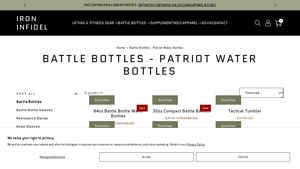
1. Iron Infidel – 64oz Battle Bottle
Domain: ironinfidel.com
Registered: 2019 (6 years)
Introduction: Battle Bottles by Iron Infidel – Stainless Steel Water Bottles
Key Product Details:
1. **64oz Battle Bottle**
– Capacity: 2-Liter
– Material: Stainless Steel
– Insulation: Double-Wall Vacuum-Insulated
– Features: Rugged Removable Sleeve, Utility Pouches, Metal Clip, Paracord
– Price: $59.99 USD
– Available Colors: Camo Black, OCP, Betsy, Live Free, Join or Die, Overland, Earned…
2. OneTigris – Tactical Water Bottle Collection
Domain: tactical.onetigris.com
Registered: 2014 (11 years)
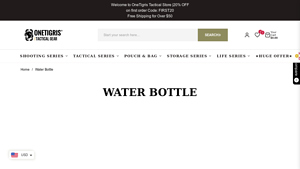
Introduction: Product Name: OneTigris Tactical Water Bottle Collection
Discount: 20% OFF on first order with code FIRST20
Free Shipping: For orders over $50
Availability: 5 items in stock, 2 items out of stock
Price Range: From $15.98 to $51.99
Colors Available: All black, Black, Camocolor-black, Camocolor-brown, Coyote brown, Dark grey, Green, Range green, Tan
Key Features: Insulated water bottles that keep dr…
3. 511 Tactical – WTS 2L Hydration System
Domain: 511tactical.com
Registered: 2001 (24 years)
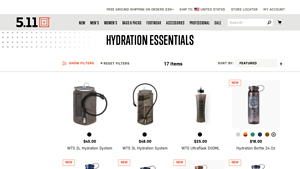
Introduction: Hydration Essentials: 17 Items including Water Bottles (12 items), Hydration Systems (5 items), and Backpacks (2 items). Price Range: $0.00 – $100.00. Key Products: WTS 2L Hydration System ($45.00), WTS 3L Hydration System ($48.00), WTS Ultraflask 500ML ($25.00), Hydration Bottle 24 Oz ($18.00), Hydration Bottle 32 Oz ($20.00), PC Convertible Hydration Carrier ($60.00), Convertible Hydration Carri…
4. Walmart – Tactical Half Gallon Water Bottle
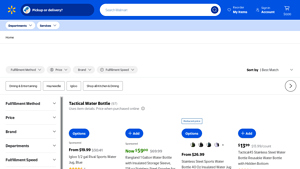
Domain: walmart.com
Registered: 1995 (30 years)
Introduction: This company, Walmart – Tactical Half Gallon Water Bottle, is a notable entity in the market. For specific product details, it is recommended to visit their website directly.
5. Orca Tactical – MOLLE H2O Water Bottle Pouches
Domain: orcatacticalgear.com
Registered: 2015 (10 years)
Introduction: Water Bottle Pouches – Orca Tactical Gear
1. Orca Tactical MOLLE H2O Water Bottle Pouch – Black
– Price: $21.99
– Reviews: 11 reviews
2. Orca Tactical MOLLE H2O Water Bottle Pouch – Coyote
– Price: $21.99
– Reviews: 7 reviews
3. Orca Tactical MOLLE H2O Water Bottle Pouch – OD Green
– Price: $21.99
– Reviews: 9 reviews
4. Orca Tactical MOLLE H2O Water Bottle Pouch – Multicam
…
6. Hydro Gallon – Tactical Insulated Water Bottle
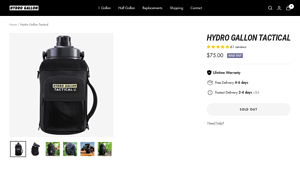
Domain: hydrogallon.com
Registered: 2020 (5 years)
Introduction: {“Product Name”: “Hydro Gallon® Tactical Insulated Water Bottle”, “Material”: “Double Wall Stainless Steel”, “Capacity”: “1 Gallon / 128 OZ / 3.78 Liter”, “Insulation”: “Vacuum Insulated: 24h Cold / 10h Hot”, “Features”: [“Jug Spout Lid with Handle”, “Wide Mouth”, “Military Grade Sleeve”, “4 Attachment Rings for Carrying Straps”, “MOLLE System”, “Big Front Zipper Pocket”], “Included Items”: [“Hydr…
7. LA Police Gear – Tactical Bottle Pouches
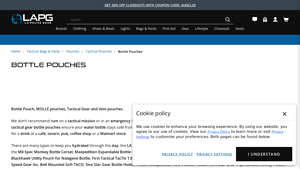
Domain: lapolicegear.com
Registered: 2001 (24 years)
Introduction: Bottle Pouches, MOLLE pouches, Tactical Gear and Vest pouches. Designed to keep water bottles safe from damage and secure in place. Essential for survival and success during tactical missions.
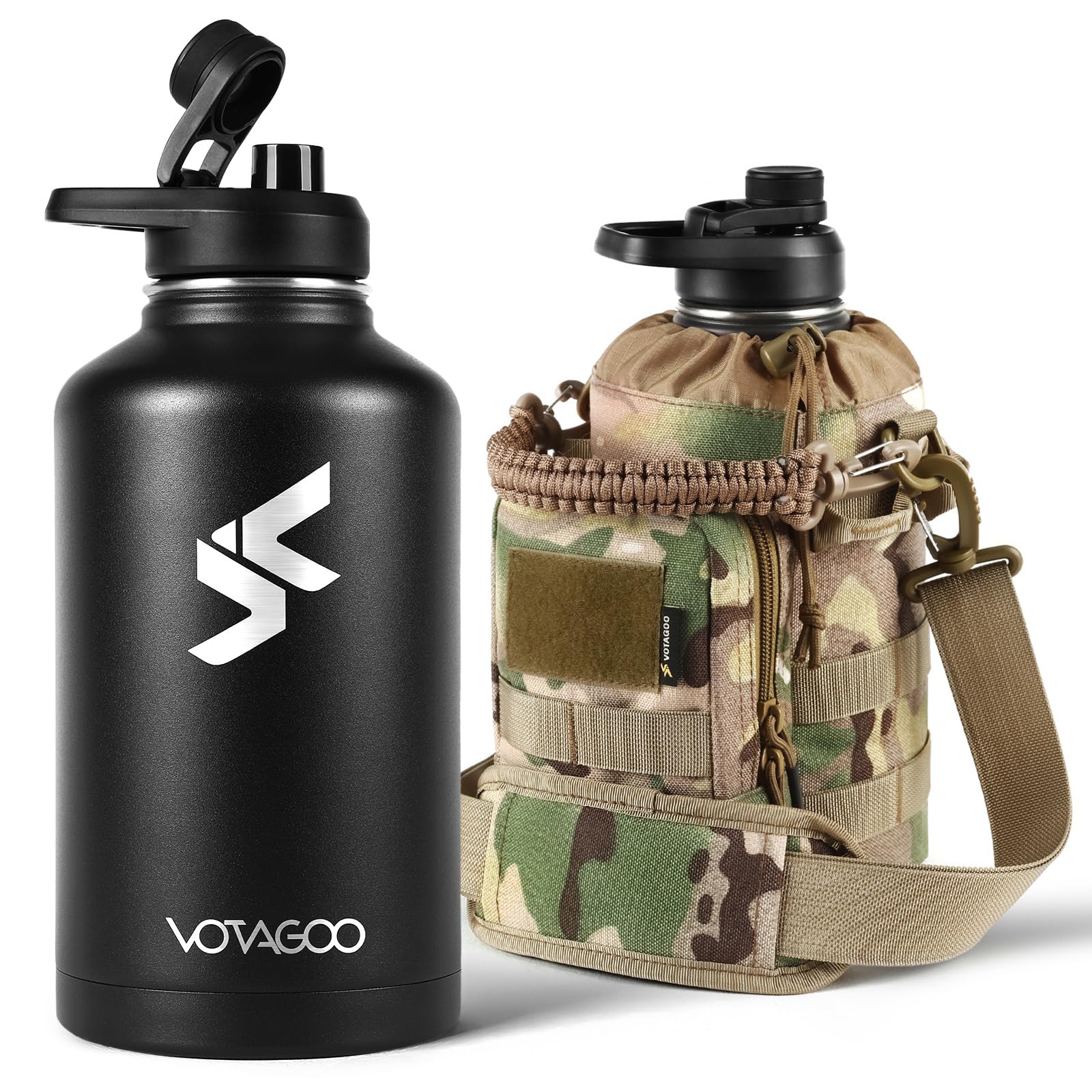
8. Votagoo – 64Oz Half Gallon Stainless Steel Insulated Tactical Water Bottle
Domain: antarcticaoutdoors.com
Registered: 2020 (5 years)
Introduction: {“Product Name”: “Votagoo 64Oz Half Gallon Stainless Steel Insulated Tactical Water Bottle”, “Material”: “High quality double-wall stainless steel and military grade fabrics”, “Capacity”: “64 oz”, “Insulation”: “Vacuum insulated, keeps beverages cold for up to 48 hours and warm for up to 24 hours”, “Features”: [“Non-toxic and BPA-free”, “Rip and tear resistant nylon cover”, “MOLLE webbing attachme…
Strategic Sourcing Conclusion and Outlook for tactical water bottle
In the evolving landscape of tactical water bottles, strategic sourcing emerges as a vital component for international B2B buyers. Understanding the unique features—such as military-grade construction, insulation capabilities, and multifunctional designs—enables buyers to select products that meet diverse needs across various environments. The demand for durable and versatile hydration solutions is growing, particularly in regions like Africa, South America, the Middle East, and Europe, where climatic conditions can be extreme and outdoor activities prevalent.
Investing in quality tactical water bottles not only enhances user experience but also supports brand differentiation in a competitive market. Buyers should prioritize suppliers that offer robust customer support, transparent shipping options, and quality guarantees. As the market shifts towards sustainability and innovation, sourcing partners that align with these values will be crucial.
Looking ahead, now is the time for international B2B buyers to engage with manufacturers and suppliers who can provide cutting-edge tactical water bottles that fulfill both functional and aesthetic requirements. Embrace this opportunity to enhance your product offerings and meet the evolving demands of your clientele. Reach out to trusted suppliers today to secure a competitive edge in the tactical gear market.