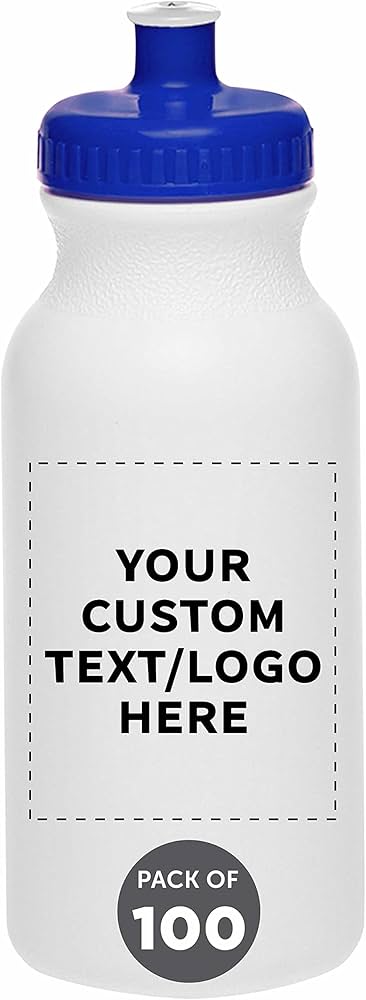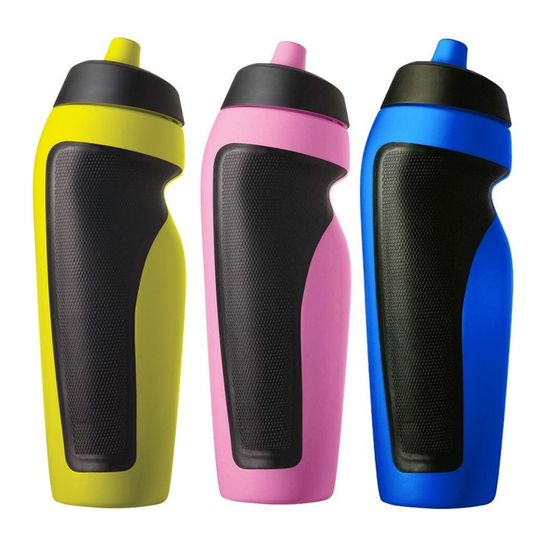
Introduction: Navigating the Global Market for type water bottle
In today’s fast-paced global marketplace, sourcing the right type of water bottle can be a daunting task for B2B buyers. With a plethora of options available, each tailored for specific needs—be it for hydration on-the-go or specialized uses like outdoor activities—making the right choice is crucial. This comprehensive guide delves into the various types of water bottles, including cold cups, tumblers, canteens, and commuter cups, along with their unique applications and benefits.
International buyers from regions such as Africa, South America, the Middle East, and Europe (including Vietnam and Saudi Arabia) will find invaluable insights on how to vet suppliers, understand pricing structures, and assess quality features that align with their business requirements. By exploring the specific attributes of each water bottle type, this guide empowers decision-makers to navigate the complexities of procurement confidently.
Moreover, we will address emerging trends in the water bottle industry, sustainability considerations, and innovations that can enhance your product offerings. Equip yourself with the knowledge to make informed purchasing decisions that not only meet your hydration needs but also resonate with your target market’s preferences. This guide serves as your strategic resource in the global water bottle market, ensuring you stay ahead of the competition while fulfilling your clientele’s demands.
Understanding type water bottle Types and Variations
| Type Name | Key Distinguishing Features | Primary B2B Applications | Brief Pros & Cons for Buyers |
|---|---|---|---|
| Cold Cups | Triple-walled insulation, straw for sipping | Retail, promotional giveaways | Pros: Keeps drinks cold; customizable designs. Cons: Less durable than metal options. |
| Tumblers | Durable stainless steel, maintains temperature for hot/cold | Corporate gifts, outdoor events | Pros: Versatile; suitable for various beverages. Cons: Heavier than plastic alternatives. |
| Canteens | Triple insulated, tough finish, ergonomic handle | Hiking gear suppliers, fitness retailers | Pros: Excellent insulation; highly durable. Cons: Bulkier for transport. |
| Commuter Cups | Spill-proof design, 360-degree sip lid | Office supplies, travel accessories | Pros: Convenient for on-the-go hydration. Cons: Limited capacity for extended use. |
| Filter Bottles | Built-in filtration system, BPA-free materials | Health-focused businesses, eco-friendly brands | Pros: Promotes healthy hydration; sustainable. Cons: Requires maintenance and filter replacement. |
What are the key characteristics of Cold Cups?
Cold cups are designed with triple-walled insulation, allowing them to keep beverages cold for extended periods, typically up to 12 hours. Their straw feature makes them user-friendly, especially for children or during active situations. B2B buyers in retail and promotional sectors find cold cups appealing for their customizable designs, which can enhance brand visibility. However, they may lack the durability of metal options, which could be a consideration for long-term use.
How do Tumblers serve diverse business needs?
Tumblers are constructed from stainless steel, ensuring they can maintain the temperature of both hot and cold beverages. Their robust design makes them suitable for various activities, from corporate gifting to outdoor events. The versatility of tumblers appeals to businesses looking to cater to a wide audience. While they offer great functionality, their weight compared to plastic bottles could deter some buyers focused on portability.
Why choose Canteens for rugged applications?
Canteens are characterized by their triple insulation and tough exterior, designed to withstand the rigors of outdoor activities. They can keep drinks cold for up to 25 hours, making them ideal for hiking and camping. B2B buyers in outdoor retail and fitness sectors will appreciate their durability and ergonomic design, which facilitates easy transport. However, their bulkier size may not be suitable for all consumers, particularly those seeking lightweight options.
What advantages do Commuter Cups provide in fast-paced environments?
Commuter cups are engineered for convenience, featuring a spill-proof design and a 360-degree sip lid, allowing for quick hydration while on the move. They are particularly popular in office supply and travel accessory markets, catering to professionals who need to stay hydrated during commutes. While their practicality is a major selling point, the limited capacity may not meet the hydration needs of users engaged in prolonged activities.
How do Filter Bottles contribute to health-focused business initiatives?
Filter bottles incorporate a built-in filtration system that allows users to enjoy clean, safe drinking water on-the-go. This feature aligns well with health-conscious businesses and eco-friendly brands that prioritize sustainability. B2B buyers in health and wellness sectors will find filter bottles appealing for their dual benefits of promoting hydration and environmental responsibility. However, the need for regular filter maintenance may be a drawback for some buyers looking for low-maintenance hydration solutions.
Key Industrial Applications of type water bottle
| Industry/Sector | Specific Application of type water bottle | Value/Benefit for the Business | Key Sourcing Considerations for this Application |
|---|---|---|---|
| Corporate Wellness | Employee hydration stations | Enhances employee productivity and morale | Custom branding options, material safety certifications, bulk pricing |
| Outdoor Recreation | Adventure and camping gear | Meets the demand for reliable hydration solutions | Durability, insulation properties, lightweight design |
| Education | School hydration programs | Promotes healthy habits among students | Age-appropriate designs, spill-proof features, eco-friendly materials |
| Healthcare | Patient hydration solutions | Supports patient care and recovery | Sterilization standards, ease of use for patients, customizable options |
| Hospitality | Event and conference catering | Enhances guest experience with premium offerings | Aesthetic appeal, branding opportunities, variety of sizes and styles |
How Are Water Bottles Used in Corporate Wellness Programs?
In corporate environments, hydration stations equipped with high-quality water bottles encourage employees to drink more water, leading to improved focus and productivity. Companies often seek bottles that can be customized with their branding, ensuring visibility and promoting a culture of health. For international buyers, sourcing options that include material safety certifications and bulk pricing are essential to manage costs effectively while ensuring employee satisfaction.
What Role Do Water Bottles Play in Outdoor Recreation?
In the outdoor recreation sector, water bottles are vital for hikers, campers, and adventurers who require reliable hydration solutions. Durable, insulated bottles that can withstand harsh conditions are highly sought after. Businesses need to consider the weight, insulation properties, and overall durability of the products they source, as these factors directly influence customer satisfaction and retention in markets across Africa, South America, and the Middle East.
How Are Water Bottles Beneficial in Educational Settings?
Schools and educational institutions utilize water bottles to promote hydration among students, which is crucial for maintaining concentration and health. Spill-proof designs and age-appropriate aesthetics are important for this demographic. International buyers should look for eco-friendly materials and bulk purchasing options to align with sustainability initiatives and budget constraints while ensuring the products meet safety standards.
In What Ways Are Water Bottles Used in Healthcare?
In healthcare settings, water bottles serve as essential tools for patient hydration, especially during recovery. They must adhere to sterilization standards and be easy for patients to use. Customization options can also enhance patient experience, making hydration more accessible. Buyers in the healthcare sector should prioritize sourcing from manufacturers who can guarantee compliance with health regulations and offer user-friendly designs.
How Do Water Bottles Enhance Hospitality Experiences?
In the hospitality industry, water bottles are often provided at events and conferences to enhance guest experiences. High-quality, aesthetically pleasing bottles that can be branded with the event logo create a lasting impression. Sourcing considerations include the variety of sizes, styles, and the ability to customize for specific events. International buyers should also factor in logistics and supply chain efficiency to ensure timely delivery for events across different regions.
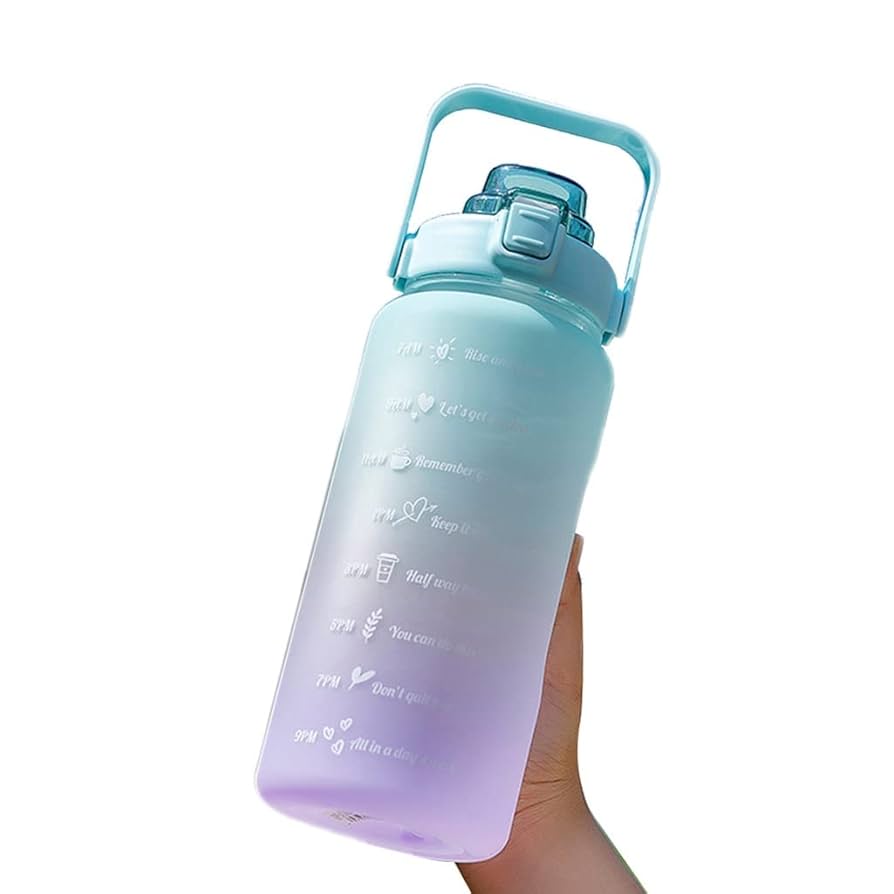
A stock image related to type water bottle.
3 Common User Pain Points for ‘type water bottle’ & Their Solutions
Scenario 1: Difficulty in Sourcing Quality Water Bottles for Diverse Markets
The Problem: B2B buyers often struggle to find high-quality water bottles that meet the varying demands of their target markets, which can include regions with different climates, consumer preferences, and usage patterns. For instance, buyers in Africa may require durable, insulated bottles that can withstand high temperatures, while those in Europe might prioritize eco-friendly materials and stylish designs. This discrepancy complicates the sourcing process, leading to potential inventory issues and dissatisfied customers if the products do not align with market needs.
The Solution: To effectively source water bottles that cater to diverse markets, B2B buyers should conduct thorough market research to understand local preferences and requirements. This can include surveys or focus groups to gather insights on desired features, such as insulation capabilities, material sustainability, and design aesthetics. Collaborating with suppliers who offer customizable options can also be beneficial. Buyers should prioritize partnerships with manufacturers that provide a range of materials (like stainless steel, BPA-free plastics, and glass) and designs suitable for different climates. Establishing a flexible supply chain that can quickly adapt to changing consumer demands will help ensure that buyers always have the right products on hand.
Scenario 2: Ensuring Product Safety and Compliance with Regulations
The Problem: B2B buyers face significant challenges regarding product safety and regulatory compliance, especially when importing water bottles to different countries. Each region has its own set of health and safety standards, which can vary dramatically. For example, buyers in the Middle East must ensure that water bottles meet specific food-grade quality standards, while those in South America might have to navigate complex import regulations. Non-compliance can lead to costly recalls, fines, and damage to brand reputation.
The Solution: To navigate these regulatory landscapes effectively, B2B buyers should invest time in understanding the specific regulations of each target market. This involves consulting with legal experts or regulatory bodies in the respective regions. Establishing a reliable relationship with suppliers who can provide certifications and test results for their products is essential. Buyers should also consider sourcing from manufacturers that comply with international standards, such as ISO or FDA certifications. Regular audits and quality checks on products can further ensure compliance and safety, thereby reducing risks associated with non-compliance.
Scenario 3: Overcoming Customer Dissatisfaction Due to Performance Issues
The Problem: A common pain point for B2B buyers is dealing with customer dissatisfaction stemming from the performance of the water bottles they offer. Issues such as poor insulation, leaks, and difficulty in cleaning can lead to negative feedback and returns. This not only affects sales but can also harm the buyer’s relationship with their customers, especially if they are unable to provide effective solutions quickly.
The Solution: To mitigate performance-related issues, B2B buyers should prioritize selecting water bottles that have been rigorously tested for quality and durability. Requesting samples from suppliers before placing bulk orders can help buyers assess the products’ performance firsthand. Additionally, providing comprehensive product descriptions and usage guidelines can set clear expectations for customers. Implementing a robust feedback loop where customers can report issues can also help buyers identify recurring problems and address them proactively. Offering a satisfaction guarantee or return policy can further build customer trust and loyalty. This approach not only enhances customer satisfaction but also helps in refining product selection based on real-world usage data.
Strategic Material Selection Guide for type water bottle
What Are the Common Materials Used for Water Bottles?
When selecting materials for water bottles, several factors come into play, including performance characteristics, durability, cost, and compliance with international standards. Below is an analysis of four common materials used in the manufacturing of water bottles, focusing on their properties, advantages, disadvantages, and considerations for international B2B buyers.
1. Stainless Steel
Key Properties: Stainless steel is known for its corrosion resistance, high strength, and ability to withstand high temperatures. It typically has a pressure rating that allows it to handle carbonated beverages without risk of rupture.
Pros & Cons: Stainless steel is highly durable and can last for years without showing signs of wear. However, it is more expensive than plastic options and can be heavier, which may not be suitable for all applications, especially for products targeting children or outdoor enthusiasts.
Impact on Application: Stainless steel is compatible with a wide range of beverages, including acidic drinks, making it versatile for various markets.
Considerations for International Buyers: Compliance with food safety standards such as ASTM and EU regulations is crucial. Buyers in regions like the Middle East may also prefer stainless steel for its durability in extreme heat.
2. Tritan Plastic
Key Properties: Tritan is a BPA-free copolyester known for its clarity, toughness, and resistance to impact and heat. It can typically withstand temperatures up to 100°C, making it suitable for hot beverages.
Pros & Cons: Tritan is lightweight and cost-effective, making it a popular choice for mass production. However, it may not be as durable as stainless steel and can scratch more easily, which may affect its aesthetic appeal over time.
Impact on Application: Tritan is suitable for a variety of beverages but may not be ideal for carbonated drinks due to potential pressure build-up.
Considerations for International Buyers: Buyers should ensure that Tritan products meet local safety standards. In regions like Africa and South America, the cost-effectiveness of Tritan can be a significant selling point.
3. Glass
Key Properties: Glass is chemically inert, meaning it does not leach chemicals into beverages. It can withstand high temperatures but is fragile compared to other materials.
Pros & Cons: Glass offers a premium feel and is often perceived as healthier. However, its fragility and weight can be significant drawbacks, especially for outdoor applications or transport.
Impact on Application: Glass is ideal for still water and juices but may not be suitable for carbonated beverages due to the risk of breakage.
Considerations for International Buyers: Compliance with packaging standards is critical, particularly in Europe, where glass recycling is highly prioritized. Buyers should also consider the logistics of shipping glass products, especially in regions with less developed infrastructure.
4. Aluminum
Key Properties: Aluminum is lightweight and has good thermal conductivity. It can be treated with coatings to prevent corrosion and improve durability.
Pros & Cons: Aluminum bottles are often more affordable than stainless steel and can be produced in various colors and designs. However, they can dent easily and may require a liner to prevent leaching of aluminum into beverages.
Impact on Application: Aluminum is suitable for cold beverages but may not be ideal for hot drinks unless specifically designed for such use.
Considerations for International Buyers: Buyers should ensure that aluminum products comply with local regulations regarding food safety and recycling. In regions like the Middle East, where temperatures can soar, insulated aluminum bottles may be particularly appealing.
Summary Table
| Material | Typical Use Case for type water bottle | Key Advantage | Key Disadvantage/Limitation | Relative Cost (Low/Med/High) |
|---|---|---|---|---|
| Stainless Steel | Long-term hydration solutions | Highly durable and corrosion-resistant | Heavier and more expensive | High |
| Tritan Plastic | Everyday use and children’s bottles | Lightweight and cost-effective | Less durable and prone to scratching | Medium |
| Glass | Premium beverage presentation | Chemically inert and recyclable | Fragile and heavy | Medium |
| Aluminum | Sports and outdoor activities | Lightweight and customizable | Can dent easily and may leach | Low |
This material selection guide provides essential insights for B2B buyers to make informed decisions based on their specific market needs and regional considerations.
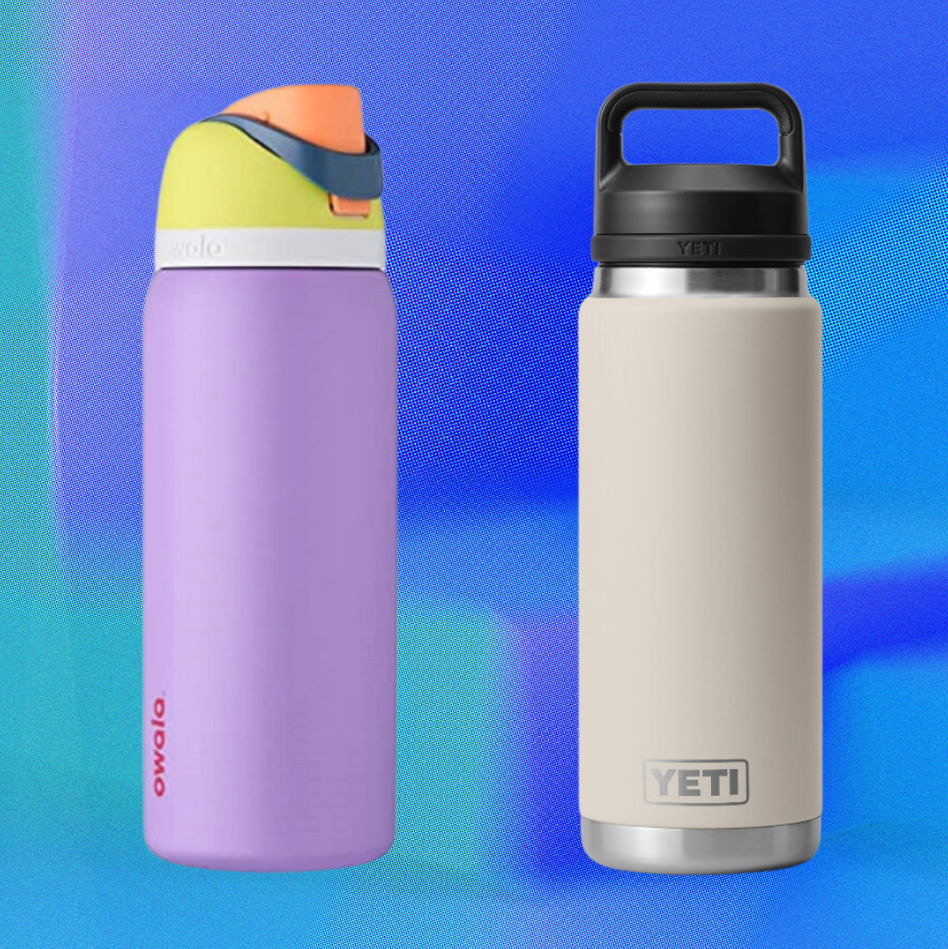
A stock image related to type water bottle.
In-depth Look: Manufacturing Processes and Quality Assurance for type water bottle
What Are the Main Stages of Manufacturing Water Bottles?
The manufacturing process for reusable water bottles involves several critical stages that ensure product quality and functionality. Here’s a detailed overview of each stage:
Material Preparation: What Materials Are Commonly Used?
The first step in manufacturing water bottles is material preparation. Depending on the type of bottle, materials may include stainless steel, BPA-free plastic, glass, or aluminum. Each material has unique properties that cater to specific uses. For instance, stainless steel is favored for its durability and insulation capabilities, while Tritan plastic is renowned for being lightweight and shatter-resistant.
Once the materials are selected, they undergo rigorous inspection to ensure they meet quality standards. Suppliers must provide certifications verifying that materials comply with international safety regulations, which is particularly crucial for B2B buyers concerned about health and safety.
How Are Water Bottles Formed?
Forming is the next stage where raw materials are shaped into water bottle forms. This process varies based on the material:
-
Injection Molding: Commonly used for plastics, this process involves injecting molten plastic into a mold to create the desired shape. This method allows for intricate designs and is efficient for mass production.
-
Blow Molding: Ideal for creating hollow plastic bottles, this technique expands heated plastic into a mold, forming the bottle’s body. It’s a common choice for lightweight, durable designs.
-
Stainless Steel Forming: Involves cutting, stamping, and welding stainless steel sheets to create the bottle. The use of laser cutting technology enhances precision and reduces waste.
-
Glass Blowing: For glass bottles, this traditional method is often used, where molten glass is shaped into the final product.
What Happens During the Assembly Phase?
After forming, the bottles move to the assembly phase, where components such as lids, straws, and seals are added. The assembly process may include:
-
Quality Checks: Each component is inspected for defects before assembly, ensuring that only high-quality parts are used.
-
Automated Assembly Lines: Many manufacturers employ robotics for assembly, enhancing efficiency and reducing human error.
-
Customization Options: B2B buyers can request custom colors, branding, or features during this phase, tailoring products to their market needs.
How Is the Finishing Process Conducted?
Finishing involves applying surface treatments and coatings to enhance aesthetics and functionality. This stage may include:
-
Powder Coating or Painting: These techniques improve durability and provide color options. For instance, powder coating protects against scratches and corrosion.
-
Screen Printing or Laser Engraving: Used for branding, these methods apply logos or designs onto the bottle surface without compromising quality.
-
Quality Assurance: Final products undergo a thorough inspection to confirm they meet design specifications and safety standards before packaging.
What International Standards and Quality Assurance Processes Are Relevant?
Quality assurance in the manufacturing of water bottles is critical for ensuring that products meet both safety and functional standards. Here are the key standards and processes:
Which International Standards Should B2B Buyers Look For?
-
ISO 9001: This standard outlines a framework for quality management systems, focusing on continuous improvement and customer satisfaction. Manufacturers adhering to ISO 9001 demonstrate their commitment to quality.
-
CE Marking: Particularly relevant in Europe, CE marking indicates that the product meets EU safety, health, and environmental protection standards. This is crucial for B2B buyers sourcing products for the European market.
-
FDA Approval: For plastic water bottles, FDA approval ensures that materials are safe for food contact, particularly important for markets in North America and beyond.
-
API Standards: For bottles designed for specific industrial applications, such as oil and gas, adherence to API standards can be a requirement.
What Are the Key Quality Control Checkpoints?
Quality control (QC) is a multi-stage process that ensures the product’s integrity and safety. Key checkpoints include:
-
Incoming Quality Control (IQC): This initial stage involves inspecting raw materials upon arrival to verify compliance with specifications.
-
In-Process Quality Control (IPQC): Throughout the manufacturing process, random sampling and testing are performed to catch defects early. This includes checking for dimensional accuracy and material integrity.
-
Final Quality Control (FQC): Before packaging, every batch of finished water bottles undergoes comprehensive testing to ensure they meet all quality and safety standards. This includes leak tests, impact resistance tests, and thermal insulation checks.
How Can B2B Buyers Verify Supplier Quality Control?
To ensure the reliability of their suppliers, B2B buyers can take several proactive steps:
What Audit Options Are Available?
-
Supplier Audits: Conducting on-site audits allows buyers to assess manufacturing processes, quality control systems, and overall compliance with international standards.
-
Quality Reports: Requesting regular quality reports from suppliers can provide insights into their manufacturing performance and adherence to quality standards.
-
Third-Party Inspections: Engaging third-party inspection agencies can provide unbiased evaluations of product quality and compliance with specified standards.
-
Certifications Verification: Buyers should ensure that suppliers can provide documentation verifying compliance with relevant international standards, including ISO, CE, and FDA certifications.
What Are the Quality Control Nuances for International B2B Buyers?
B2B buyers in regions like Africa, South America, the Middle East, and Europe may encounter specific challenges related to quality control:
-
Regulatory Differences: Understanding the regulatory landscape in different regions is crucial. For example, CE marking is essential for products sold in Europe, while different standards may apply in Africa or South America.
-
Supply Chain Complexity: Longer supply chains can introduce variability in quality. Buyers should consider working with suppliers who maintain stringent quality checks throughout the supply chain.
-
Cultural Considerations: Building relationships with suppliers in different regions may require understanding local business practices and communication styles, which can influence quality assurance processes.
By understanding the manufacturing processes and quality assurance measures, B2B buyers can make informed decisions when sourcing water bottles, ensuring they choose reliable suppliers who meet international standards and their specific market needs.
Practical Sourcing Guide: A Step-by-Step Checklist for ‘type water bottle’
Introduction
This practical sourcing guide is designed to assist B2B buyers in the procurement of reusable water bottles. Whether you’re sourcing for retail, corporate gifts, or promotional items, this checklist will help ensure that you make informed decisions, optimize your supply chain, and find reliable suppliers that meet your specific needs.
Step 1: Define Your Technical Specifications
Establishing clear technical specifications is the first step in the sourcing process. Consider the materials (e.g., stainless steel, BPA-free plastic), sizes (e.g., 500ml, 1L), and specific features (e.g., insulation, lid types) that align with your target market. This step is crucial as it helps streamline the selection process and ensures that the products meet the needs of your customers.
Step 2: Research Market Trends and Customer Preferences
Understanding current market trends and customer preferences will guide your sourcing decisions. Analyze data on popular styles, colors, and functionalities that resonate with your audience, particularly in your target regions like Africa, South America, and Europe. This insight will help you select products that are not only desirable but also competitive in the market.
Step 3: Evaluate Potential Suppliers
Before committing to a supplier, it’s essential to conduct a thorough evaluation. Request detailed company profiles, product samples, and customer references to assess their reliability and product quality. Look for suppliers that specialize in the type of water bottles you require and have a proven track record in your target markets.
- Sub-bullet: Verify their manufacturing capabilities to ensure they can meet your volume requirements.
Step 4: Verify Certifications and Compliance
Ensure that potential suppliers possess relevant certifications and comply with international safety standards. This may include certifications for food-grade materials, BPA-free claims, or environmental compliance (e.g., ISO certifications). Compliance is vital to prevent legal issues and to maintain the quality and safety of your products.
Step 5: Request Samples for Quality Assessment
Before finalizing your order, request samples from shortlisted suppliers. This allows you to evaluate the quality, design, and functionality of the water bottles firsthand. Pay attention to details such as insulation effectiveness, lid functionality, and overall craftsmanship to ensure they meet your specifications.
Step 6: Negotiate Pricing and Terms
Once you’ve selected a suitable supplier, engage in negotiations regarding pricing, payment terms, and delivery schedules. Be transparent about your budget while also considering the long-term relationship with the supplier. Establishing favorable terms can lead to better pricing in future orders and improved supply chain efficiency.
Step 7: Plan for Logistics and Distribution
Finally, develop a logistics plan for the transportation and distribution of your water bottles. Consider factors such as shipping costs, delivery timelines, and warehousing options. Efficient logistics planning will help reduce delays and ensure that your products are available to your customers when needed.
By following this step-by-step sourcing checklist, B2B buyers can effectively navigate the complexities of procuring reusable water bottles, ensuring that they make strategic decisions that align with their business goals.
Comprehensive Cost and Pricing Analysis for type water bottle Sourcing
What Are the Key Cost Components in Sourcing Water Bottles?
When sourcing water bottles, understanding the cost structure is essential for effective budgeting and pricing strategy. The primary cost components include materials, labor, manufacturing overhead, tooling, quality control (QC), logistics, and margins.
-
Materials: The choice of materials significantly impacts the cost. Common materials include stainless steel, BPA-free plastic, and glass. For instance, stainless steel bottles, while more expensive, offer durability and insulation benefits that can justify a higher price point.
-
Labor: Labor costs vary by region and manufacturing processes. Countries with lower labor costs can offer competitive pricing, but this can also affect quality. It’s crucial to evaluate the skill level of the labor force in the supplier’s location.
-
Manufacturing Overhead: This includes costs associated with factory operations, such as utilities and facility maintenance. Efficient production processes can help minimize overhead, impacting the overall cost.
-
Tooling: Initial costs for molds and production equipment can be substantial, especially for custom designs. However, these costs can be amortized over larger production runs, making them less significant on a per-unit basis.
-
Quality Control: Ensuring product quality through rigorous QC processes adds to the cost. However, investing in quality can reduce returns and improve customer satisfaction, leading to long-term savings.
-
Logistics: Shipping and handling fees can vary widely depending on the distance, mode of transport, and the chosen Incoterms. These factors should be included in the total cost of ownership calculation.
-
Margin: Supplier margins will vary based on the market, competition, and perceived value of the product. Understanding the margin expectations of different suppliers is critical for negotiating the best deal.
How Do Price Influencers Affect Water Bottle Sourcing?
Several factors can influence the pricing of water bottles, making it essential for buyers to consider them during the sourcing process.
-
Volume/MOQ: Minimum order quantities (MOQ) can significantly affect pricing. Higher volumes often lead to better pricing, but it’s important to balance stock levels with demand to avoid excess inventory.
-
Specifications and Customization: Custom designs, colors, or features can increase costs. Buyers should weigh the benefits of customization against the potential price increase.
-
Materials and Quality Certifications: Bottles that meet specific quality standards or certifications (like BPA-free or food-grade materials) may come at a premium. Ensure that the product specifications align with market demands in your region.
-
Supplier Factors: The reputation and reliability of suppliers can influence pricing. Established suppliers may charge higher prices but offer better quality assurance and reliability.
-
Incoterms: The chosen Incoterms can significantly affect overall costs. Different terms dictate who is responsible for shipping and insurance, impacting pricing and risk exposure.
What Tips Can Help Buyers Negotiate Better Prices?
For international B2B buyers, particularly those from regions like Africa, South America, the Middle East, and Europe, effective negotiation and cost management strategies are critical.
-
Leverage Volume for Better Pricing: If possible, consolidate orders across multiple products to meet higher MOQ thresholds, which can lead to significant discounts.
-
Consider Total Cost of Ownership: Look beyond the initial purchase price. Factor in shipping, customs, and potential quality issues that could incur additional costs down the line.
-
Research and Benchmark Prices: Understanding market rates for similar products can empower buyers during negotiations. Having comparative data can help leverage better terms.
-
Establish Long-Term Relationships: Building a strong relationship with suppliers can lead to better pricing, priority service, and flexibility in terms of customization and order adjustments.
-
Stay Informed About Regional Market Trends: Different regions may have varying demand patterns and regulatory requirements. Being informed can help negotiate better pricing based on local market conditions.
Disclaimer on Pricing
It is important to note that pricing for water bottles can vary widely based on numerous factors, including market fluctuations, material costs, and supplier pricing strategies. As such, any indicative prices provided in this analysis should be viewed as a guideline and not definitive. Always seek multiple quotes and consider all cost components before making purchasing decisions.
Alternatives Analysis: Comparing type water bottle With Other Solutions
Introduction: Exploring Alternatives to Type Water Bottles
In the growing market of hydration solutions, B2B buyers must consider various alternatives to traditional water bottles. The right choice can enhance user experience, reduce costs, and align with corporate sustainability goals. This section will compare ‘type water bottles’ with two viable alternatives: hydration packs and water filtration systems, offering insights into their respective advantages and disadvantages.
Comparison Table
| Comparison Aspect | Type Water Bottle | Hydration Pack | Water Filtration System |
|---|---|---|---|
| Performance | Excellent insulation and portability; keeps drinks at desired temperatures. | Efficient for on-the-go hydration; can carry large volumes of water. | Provides clean drinking water from various sources; essential for outdoor use. |
| Cost | Moderate initial investment; reusable, reducing long-term costs. | Higher upfront cost; durable but can be more expensive to maintain. | Variable costs based on the filtration system; often cost-effective over time. |
| Ease of Implementation | Simple to use; no special setup required. | Requires adjustment and practice to wear comfortably. | Installation may be required; user training necessary for optimal use. |
| Maintenance | Low maintenance; easy to clean and refill. | Moderate maintenance; requires cleaning and occasional part replacement. | Regular filter replacements needed; maintenance dependent on water source quality. |
| Best Use Case | Ideal for daily commuting, office use, and casual outings. | Perfect for hiking, biking, and extended outdoor activities. | Essential for camping, travel in remote areas, and emergency preparedness. |
Detailed Breakdown of Alternatives
Hydration Packs
Hydration packs are a popular choice among outdoor enthusiasts and athletes. They come equipped with a reservoir that can hold a significant amount of water, allowing users to stay hydrated hands-free. The primary advantage of hydration packs is their ability to carry more liquid than traditional bottles, making them ideal for long hikes or biking trips. However, they can be cumbersome to wear, and users may need time to adjust to the weight and fit. Additionally, cleaning and maintaining a hydration pack can be more complex than a standard water bottle, as the tubing and reservoir require regular attention.
Water Filtration Systems
Water filtration systems provide a solution for accessing clean drinking water from various sources, including rivers, lakes, or tap water. They are particularly advantageous for businesses and organizations involved in outdoor activities, travel, or emergency response. The main benefit is the assurance of safe drinking water, which is crucial in areas where water quality is questionable. However, these systems can come with higher upfront costs and may require user training for optimal use. Regular maintenance, such as replacing filters, is also necessary, which can add to the total cost of ownership.
Conclusion: Making an Informed Decision for Your Business Needs
When selecting the right hydration solution, B2B buyers must assess their specific needs and use cases. Type water bottles offer convenience and portability for everyday use, while hydration packs provide enhanced capacity for active lifestyles. On the other hand, water filtration systems are essential for accessing safe drinking water in various environments. By weighing the performance, cost, ease of implementation, and maintenance of each option, buyers can make an informed decision that aligns with their operational requirements and sustainability goals.
Essential Technical Properties and Trade Terminology for type water bottle
What Are the Key Technical Properties of Water Bottles?
When sourcing water bottles for B2B purposes, understanding the essential technical properties is critical to ensure product quality and suitability for your target market. Here are several key specifications to consider:
-
Material Grade
The material used in water bottles typically ranges from stainless steel to BPA-free plastic and glass. Stainless steel, for example, is favored for its durability and insulation properties, keeping beverages at the desired temperature for extended periods. Knowing the material grade helps buyers assess the longevity and safety of the products, especially in markets with stringent health regulations. -
Capacity
Capacity is a vital specification, often measured in ounces or liters. Common sizes include 500ml, 750ml, and 1 liter. Understanding the capacity is essential for targeting specific consumer needs, whether for everyday hydration, sports, or travel. This can influence purchasing decisions and inventory management, as different markets may prefer different sizes based on regional consumption habits. -
Insulation Type
Insulation properties, such as double or triple-wall vacuum insulation, significantly impact the bottle’s performance. Bottles with advanced insulation can keep drinks cold for up to 25 hours or hot for several hours. This feature is particularly appealing in warmer climates or among outdoor enthusiasts, making it a key selling point in B2B transactions. -
Lid Mechanism
The design and functionality of the lid (e.g., screw-on, flip-top, or straw) are crucial for user convenience and spill prevention. A well-designed lid enhances the user experience, which can lead to higher customer satisfaction and repeat purchases. Buyers should consider how the lid design aligns with their target market’s lifestyle preferences. -
Durability Rating
Durability ratings indicate how well a bottle withstands impact, heat, and chemical exposure. Products designed with high durability are essential for outdoor and sports applications, where bottles are subjected to rigorous use. Ensuring that products meet specific durability standards can help in reducing returns and increasing customer loyalty. -
Eco-Friendliness
As sustainability becomes a priority for consumers, the eco-friendliness of materials used in production is increasingly important. Bottles made from recycled materials or those that are fully recyclable appeal to environmentally conscious buyers. Understanding this property can enhance a brand’s reputation and marketability.
What Are Common Trade Terms in the Water Bottle Industry?
Familiarity with industry jargon can streamline communication and negotiations with suppliers and buyers. Here are several common trade terms relevant to water bottles:
-
OEM (Original Equipment Manufacturer)
OEM refers to companies that manufacture products based on specifications provided by another company, often a brand owner. In the water bottle industry, partnering with an OEM can allow brands to offer customized products without investing heavily in manufacturing infrastructure. -
MOQ (Minimum Order Quantity)
MOQ is the smallest number of units a supplier is willing to sell in a single order. Understanding MOQ is crucial for B2B buyers to manage inventory levels and cash flow. It helps in negotiating terms that suit both the buyer’s needs and the supplier’s production capabilities. -
RFQ (Request for Quotation)
An RFQ is a document sent by buyers to suppliers requesting pricing and terms for specific products. In the context of water bottles, an RFQ helps buyers gather competitive quotes from multiple suppliers, enabling informed decision-making regarding pricing and product specifications. -
Incoterms
Incoterms are international commercial terms that define the responsibilities of buyers and sellers in shipping and delivery. Familiarity with these terms is essential for B2B transactions to ensure clarity on shipping costs, risks, and delivery timelines, particularly when dealing across borders. -
Lead Time
Lead time refers to the time taken from placing an order to delivery. Understanding lead times is essential for effective inventory management and planning, especially in markets with high demand for water bottles, such as during summer seasons or sporting events. -
Customs Duties and Tariffs
These are taxes imposed on goods when they are transported across international borders. Awareness of customs duties and tariffs is vital for B2B buyers to calculate the total landed cost of imported water bottles, influencing pricing strategies and profit margins.
By understanding these technical properties and trade terms, B2B buyers can make more informed decisions, ensuring they select the right water bottles that meet their business needs and customer expectations.
Navigating Market Dynamics and Sourcing Trends in the type water bottle Sector
What Are the Key Market Dynamics Driving the Water Bottle Sector?
The global water bottle market is experiencing significant growth, primarily driven by increasing health awareness and a shift toward sustainable living. B2B buyers from regions such as Africa, South America, the Middle East, and Europe are increasingly prioritizing products that reflect these values. The demand for reusable water bottles is rising, fueled by concerns over single-use plastics and environmental sustainability. As consumers become more environmentally conscious, businesses are adapting to meet this demand by sourcing innovative designs and eco-friendly materials.
Emerging technologies are reshaping the sourcing landscape. Smart water bottles equipped with tracking capabilities and hydration reminders are gaining traction, particularly among health-conscious consumers. Additionally, advancements in manufacturing processes have led to more durable and versatile products, such as insulated bottles that maintain beverage temperatures for extended periods. This trend is particularly relevant for B2B buyers looking to provide high-quality products that align with consumer preferences.
In terms of market dynamics, international buyers should consider the geographical variations in consumer preferences. For instance, in regions like Saudi Arabia and Vietnam, the demand for stylish, functional designs is prevalent, whereas, in Europe, the emphasis may be on sustainability and ethical sourcing. Understanding these nuances can help businesses tailor their offerings to specific markets, enhancing their competitive edge.
How Can Sustainability and Ethical Sourcing Impact the Water Bottle Industry?
Sustainability and ethical sourcing have become crucial considerations for B2B buyers in the water bottle sector. The environmental impact of plastic waste is prompting companies to seek alternatives that minimize their carbon footprint. Many buyers are now prioritizing suppliers who offer products made from recycled materials or sustainably sourced resources. This shift not only addresses environmental concerns but also enhances brand reputation, making it a vital factor for long-term success.
Incorporating ‘green’ certifications into sourcing strategies is becoming increasingly important. Certifications such as FSC (Forest Stewardship Council) for wood-based materials and ISO 14001 for environmental management systems can provide assurance that products meet specific sustainability standards. Furthermore, the use of biodegradable materials and non-toxic finishes is gaining popularity, appealing to eco-conscious consumers. Buyers who emphasize these aspects in their procurement processes can establish themselves as leaders in the market, attracting a broader customer base.
As sustainability becomes a core value for consumers, B2B companies must align their sourcing strategies with these expectations. Not only does this contribute positively to the environment, but it also opens up new opportunities for partnerships with like-minded brands and organizations, enhancing the overall supply chain resilience.
What Is the Historical Context of Water Bottles in the B2B Marketplace?
The evolution of water bottles has been shaped by changing consumer preferences and technological advancements. Initially, water bottles were primarily utilitarian, designed for functionality rather than aesthetics. However, as the fitness and wellness movements gained momentum in the late 20th century, there was a notable shift towards reusable bottles that catered to a more health-conscious audience.
In the early 2000s, the introduction of insulated water bottles revolutionized the market, allowing consumers to keep beverages hot or cold for extended periods. This innovation not only enhanced the user experience but also aligned with the growing trend of sustainability, as consumers sought to reduce their reliance on single-use plastics.
Today, the water bottle market is a dynamic space, characterized by a diverse range of products that combine functionality, style, and sustainability. B2B buyers must recognize the historical context of these trends to make informed sourcing decisions that resonate with contemporary consumer values. Understanding this evolution can provide valuable insights into future market developments and consumer expectations.
Frequently Asked Questions (FAQs) for B2B Buyers of type water bottle
-
1. How do I choose the right type of water bottle for my business needs?
Selecting the appropriate water bottle type hinges on your target market and intended use. For outdoor activities or fitness enthusiasts, insulated canteens or tumblers may be ideal, as they keep beverages at the desired temperature for extended periods. Alternatively, if your focus is on casual daily use, commuter cups or cold cups could appeal to a broader audience. Assess factors such as material durability, design features, and branding options to ensure the product aligns with your company’s values and customer preferences. -
2. What is the best material for reusable water bottles?
The choice of material significantly impacts the functionality and appeal of water bottles. Stainless steel is highly regarded for its durability and insulation properties, making it suitable for both hot and cold beverages. BPA-free plastic is lightweight and offers versatility but may not provide the same insulation. Glass is another option, though it can be more fragile. Consider your target audience’s preferences and use cases when selecting the material, as well as the environmental impact of each option. -
3. What customization options are available for bulk water bottle orders?
Many suppliers offer various customization options for bulk orders, including color selection, logo printing, and packaging choices. Customization can enhance brand visibility and appeal to specific market segments. Some manufacturers may also provide the option for personalized designs or unique features, such as different lids or built-in filters. When discussing customization, ensure you communicate your brand’s requirements clearly and inquire about any additional costs associated with these options. -
4. What is the minimum order quantity (MOQ) for sourcing water bottles?
The MOQ for water bottles can vary significantly between manufacturers and types of bottles. Generally, MOQs can range from 100 to several thousand units, depending on the supplier’s production capacity and the complexity of the order. It’s crucial to discuss your requirements upfront to identify suppliers that can accommodate your needs. Some manufacturers may offer flexibility on MOQs for first-time buyers or larger orders, so it’s worth negotiating based on your specific situation. -
5. How can I vet suppliers for sourcing water bottles internationally?
To vet suppliers, begin by researching their reputation through reviews, ratings, and industry certifications. Request references from previous clients to gauge their reliability and quality. Additionally, consider visiting their facilities if possible, or utilize third-party inspection services to evaluate their production processes. Assess their compliance with international standards, such as ISO certifications, to ensure they meet quality and safety regulations. Establishing open communication and transparency during negotiations can also help build trust. -
6. What payment terms should I expect when sourcing water bottles from overseas?
Payment terms can vary widely depending on the supplier and the nature of the transaction. Common practices include a deposit upfront (typically 30-50%) with the balance due prior to shipping. Some suppliers may offer net terms or letter of credit options for larger orders. Always clarify payment terms before finalizing the order to avoid misunderstandings. It’s advisable to use secure payment methods and consider escrow services for added protection in international transactions. -
7. How can I ensure quality assurance for bulk water bottle orders?
Implementing a robust quality assurance (QA) process is essential when sourcing bulk water bottles. Start by establishing clear product specifications and quality standards before production begins. Request samples to evaluate the quality of materials and craftsmanship. Consider conducting third-party inspections at different production stages to identify potential issues early. Additionally, inquire about the supplier’s warranty or return policy, which can provide an added layer of protection in case the products do not meet your standards. -
8. What logistics considerations should I keep in mind for importing water bottles?
When importing water bottles, consider logistics factors such as shipping methods, costs, and customs regulations. Choose between air freight for faster delivery or sea freight for cost-effectiveness, depending on your timeline and budget. Familiarize yourself with import duties and taxes that may apply to your goods to avoid unexpected expenses. Establish a reliable logistics partner who understands international shipping and can assist with documentation and compliance to ensure a smooth import process.
Important Disclaimer & Terms of Use
⚠️ Important Disclaimer
The information provided in this guide, including content regarding manufacturers, technical specifications, and market analysis, is for informational and educational purposes only. It does not constitute professional procurement advice, financial advice, or legal advice.
While we have made every effort to ensure the accuracy and timeliness of the information, we are not responsible for any errors, omissions, or outdated information. Market conditions, company details, and technical standards are subject to change.
B2B buyers must conduct their own independent and thorough due diligence before making any purchasing decisions. This includes contacting suppliers directly, verifying certifications, requesting samples, and seeking professional consultation. The risk of relying on any information in this guide is borne solely by the reader.
Top 6 Type Water Bottle Manufacturers & Suppliers List
1. Contigo – Key Product
Domain: gocontigo.com
Registered: 2005 (20 years)
Introduction: Key product details include: 1. Types of bottles: Reusable water bottles and shaker bottles. 2. Lid technologies: AUTOPOP, AUTOSPOUT, AUTOSEAL, AutoClose. 3. Sizes available: 20 oz, 24 oz, 28 oz, 32 oz, 40 oz, 56 oz. 4. Materials: Plastic, Stainless Steel, Tritan Plastic, Plastic with Microban® Antimicrobial Material. 5. Features: Spill-Proof, Button Lock, Leak-Proof, Dishwasher Safe, Easy Mixing …
2. Hydro Flask – 24 oz Wide Mouth with Flex Chug Cap
Domain: nytimes.com
Registered: 1994 (31 years)
Introduction: This company, Hydro Flask – 24 oz Wide Mouth with Flex Chug Cap, is a notable entity in the market. For specific product details, it is recommended to visit their website directly.
3. Hydro Flask – Premium Drinkware
Domain: hydroflask.com
Registered: 2009 (16 years)
Introduction: This company, Hydro Flask – Premium Drinkware, is a notable entity in the market. For specific product details, it is recommended to visit their website directly.
4. BottlePro – Best Water Bottles for Every Use
Domain: bottlepro.net
Registered: 2014 (11 years)
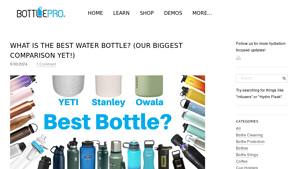
Introduction: 31 water bottles compared including brands like Camelbak, EcoVessel, Hydro Flask, Iron Flask, Klean Kanteen, Nalgene, Owala, Ozark Trail, RevoMax, S’well, Takeya, ThermoFlask, and YETI. Recommendations for best bottles based on use: Everyday use (Owala FreeSip, FJbottle), Value (Ozark Trail, Iron Flask, ThermoFlask, Nalgene), Hiking (Nalgene, Hydro Flask Trail Series, FJbottle, GRAYL Filter Bottle…
5. Cotton On – Drink Bottles
Domain: cottonon.com
Registered: 2002 (23 years)
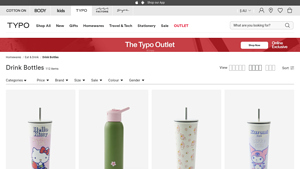
Introduction: Drink Bottles available in various styles and collaborations. Key products include: 1. Hello Kitty Metal Smoothie Cup – $29.99 2. Flip It Metal Drink Bottle 600Ml – $34.99 (now $15) 3. On The Move 500Ml Drink Bottle 2.0 – $29.99 (now $10) 4. Metal Commuter Cup – $24.99 (now $10) 5. The 2L Lifter Drink Bottle – $29.99 (now $10) 6. Premium Big Sipper Drink Bottle – $19.99 7. The Cloud Metal Drink Bo…
6. WaterBottle.Tech – Diverse Water Bottle Options
Domain: waterbottle.tech
Registered: 2018 (7 years)
Introduction: Different types of water bottles available on the market include: 1. Stainless Steel Water Bottles – Durable, excellent temperature retention, stylish, suitable for office workers and outdoor enthusiasts. 2. Aluminum Water Bottles – Lightweight, strong, ideal for portability, improved insulation, recyclable. 3. Plastic Water Bottles – Affordable, lightweight, popular among students and children, v…
Strategic Sourcing Conclusion and Outlook for type water bottle
In today’s competitive landscape, strategic sourcing of water bottles is essential for businesses aiming to meet diverse consumer needs while optimizing costs. By understanding the various types of water bottles—such as cold cups, tumblers, canteens, and commuter cups—B2B buyers can select products that align with their target markets and usage scenarios. This knowledge not only enhances product offerings but also strengthens brand positioning in a growing global market.
Investing in high-quality, innovative water bottle designs can lead to increased customer satisfaction and loyalty. As sustainability becomes a priority for consumers, sourcing reusable and environmentally friendly bottles will also enhance brand reputation and appeal. International buyers from regions like Africa, South America, the Middle East, and Europe should leverage this opportunity to engage with manufacturers that prioritize quality and sustainability.
Looking ahead, the demand for versatile, durable, and stylish water bottles will only continue to rise. To remain competitive, businesses must actively seek partnerships with reliable suppliers who can deliver the latest innovations in drinkware. Embrace this opportunity to elevate your product range and meet the hydration needs of consumers worldwide.