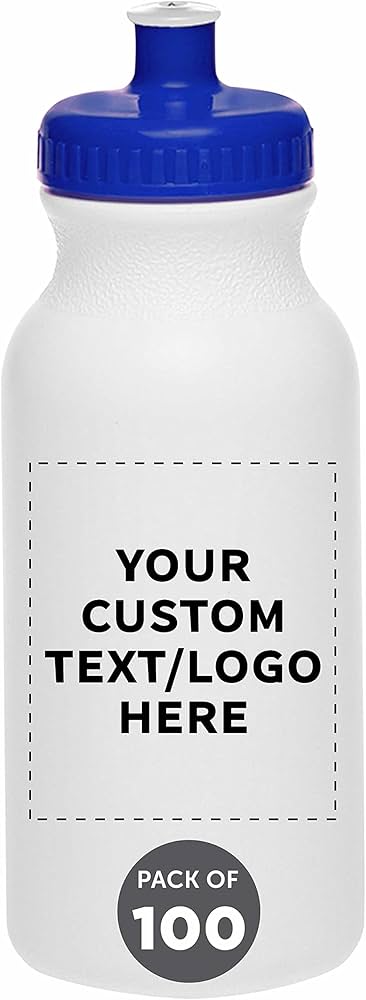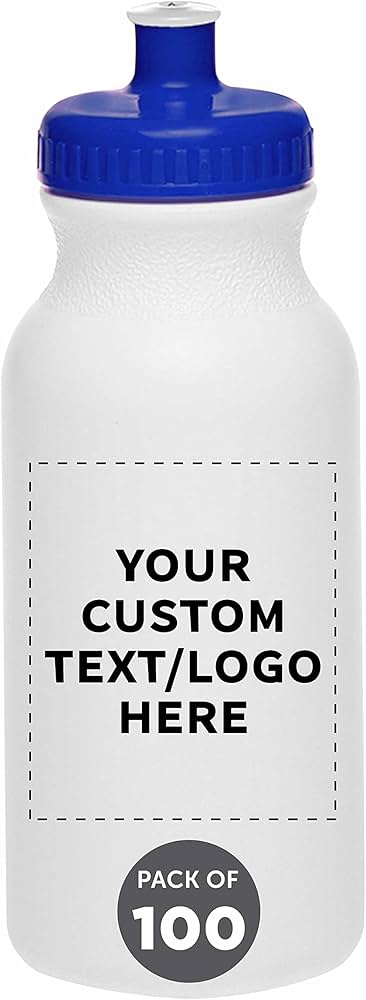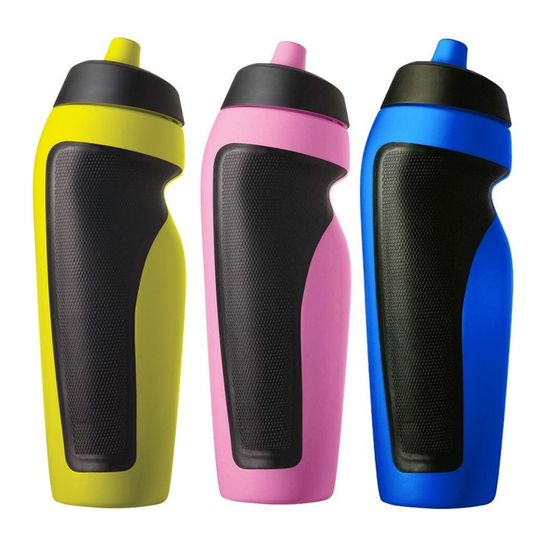
Introduction: Navigating the Global Market for bpa free bottle
Navigating the complexities of sourcing BPA-free bottles can be a daunting task for international B2B buyers, especially in diverse markets across Africa, South America, the Middle East, and Europe. As the demand for sustainable and safe consumer products rises, businesses must ensure that their water bottles are not only eco-friendly but also devoid of harmful chemicals like bisphenol A (BPA). This guide is designed to empower purchasing managers and decision-makers by providing a comprehensive overview of the global BPA-free bottle market.
From understanding the various types of BPA-free materials available, such as stainless steel and glass, to exploring their applications in industries ranging from outdoor recreation to corporate branding, this resource covers it all. We will delve into crucial aspects of supplier vetting, helping you identify reliable manufacturers who prioritize safety and sustainability in their products. Additionally, the guide addresses cost considerations, enabling you to make informed financial decisions while selecting the best options for your business needs.
By equipping you with actionable insights and a clear framework for evaluating suppliers, this guide aims to streamline your procurement process, ensuring you can confidently meet consumer demands while promoting health-conscious choices. Whether you are sourcing for retail, corporate gifts, or promotional items, understanding the nuances of the BPA-free bottle market will enhance your competitive edge and drive success.
Understanding bpa free bottle Types and Variations
| Type Name | Key Distinguishing Features | Primary B2B Applications | Brief Pros & Cons for Buyers |
|---|---|---|---|
| Wide Mouth Water Bottles | Large opening for easy filling and cleaning | Outdoor activities, sports, and events | Pros: Easy to fill with ice or water filters; durable. Cons: Bulkier; may not fit in standard cup holders. |
| Stainless Steel Bottles | High durability, excellent insulation, and BPA-free | Corporate gifting, outdoor recreation | Pros: Long-lasting; maintains temperature; eco-friendly. Cons: Higher initial cost; heavier than plastic. |
| Glass Water Bottles | Non-reactive material, aesthetic appeal | Health-focused brands, premium markets | Pros: No leaching of chemicals; easy to clean. Cons: Fragile; heavier; potential for breakage. |
| Collapsible Water Bottles | Lightweight, space-saving design | Travel, events, and promotional giveaways | Pros: Portable; convenient for storage. Cons: Less durable; may not withstand extreme temperatures. |
| Reusable BPA-Free Plastic Bottles | Variety of sizes and designs, lightweight | Schools, gyms, and corporate promotions | Pros: Affordable; customizable; versatile. Cons: Can degrade over time; potential for chemical leaching if not properly maintained. |
What Are the Characteristics of Wide Mouth Water Bottles?
Wide mouth water bottles are designed with a larger opening, making them ideal for filling with ice, cleaning, or using filtration systems. Typically made from BPA-free plastic, they are durable and versatile, suitable for various outdoor activities such as hiking, camping, and sports events. For B2B buyers, the wide mouth design offers practicality and functionality, particularly for businesses in the outdoor or event sectors that prioritize hydration solutions.
Why Choose Stainless Steel Bottles for B2B Purchases?
Stainless steel bottles are favored for their durability and thermal insulation capabilities, keeping beverages hot or cold for extended periods. They are BPA-free and often come in sleek designs, making them suitable for corporate gifting or high-end promotional items. While they tend to have a higher upfront cost, their longevity and eco-friendly nature can appeal to businesses looking to enhance their sustainability profile.
What Makes Glass Water Bottles a Premium Choice?
Glass water bottles are non-reactive and do not leach chemicals, making them an excellent choice for health-conscious consumers. Their aesthetic appeal can also serve as a marketing advantage for premium brands. However, they are heavier and more fragile than other options, which may be a consideration for B2B buyers in industries where durability is paramount, such as outdoor retail.
How Do Collapsible Water Bottles Benefit Businesses?
Collapsible water bottles are designed for portability and convenience, making them ideal for travelers and event attendees. Their lightweight and space-saving design allows for easy storage and transport, making them a popular choice for promotional giveaways. However, their durability may be less than that of rigid bottles, which is a crucial factor for B2B buyers considering long-term use in rugged environments.
What Should B2B Buyers Know About Reusable BPA-Free Plastic Bottles?
Reusable BPA-free plastic bottles come in various sizes and designs, making them a versatile option for schools, gyms, and corporate promotions. They are generally affordable and can be customized with branding, enhancing marketing efforts. However, buyers should consider the potential for degradation over time and ensure proper maintenance to avoid any chemical leaching, which can impact product safety and consumer trust.
Key Industrial Applications of bpa free bottle
| Industry/Sector | Specific Application of BPA Free Bottle | Value/Benefit for the Business | Key Sourcing Considerations for this Application |
|---|---|---|---|
| Food and Beverage | Bottling of water and beverages | Ensures consumer safety and enhances brand reputation | Certification of BPA-free materials; compliance with local regulations |
| Outdoor Recreation | Hydration solutions for camping and adventure sports | Durable and safe products improve customer satisfaction | Lightweight design; compatibility with filtration systems |
| Healthcare | Use in hospitals and clinics for patient hydration | Reduces health risks associated with BPA, ensuring patient safety | Sterilization capabilities; easy-to-clean materials |
| Education | Reusable bottles for schools and universities | Promotes sustainability and health among students | Custom branding options; bulk purchasing agreements |
| Personal Care | Travel-friendly bottles for cosmetics and personal items | Enhances product appeal while ensuring safety for consumers | Variety of sizes and designs; BPA-free certification |
How is BPA Free Bottle Utilized in the Food and Beverage Industry?
In the food and beverage sector, BPA-free bottles are essential for bottling water and other beverages. Given the rising consumer awareness about health risks associated with BPA, businesses are increasingly shifting to BPA-free options to safeguard their brand reputation and consumer trust. International B2B buyers should prioritize sourcing bottles that comply with local food safety regulations and possess certifications confirming they are BPA-free, particularly in regions with stringent health standards.
What Role Do BPA Free Bottles Play in Outdoor Recreation?
BPA-free bottles are widely used in the outdoor recreation industry for activities such as hiking, camping, and sports. Their robust design and safety features make them ideal for adventurous consumers who require reliable hydration solutions. For B2B buyers, sourcing lightweight and versatile bottles that can accommodate filtration systems is crucial, especially in markets where access to clean water is limited. This not only enhances customer satisfaction but also promotes a brand’s commitment to health and safety.
Why are BPA Free Bottles Important in Healthcare Settings?
In healthcare, BPA-free bottles are vital for ensuring patient hydration without the risks associated with BPA exposure. Hospitals and clinics that use these bottles can significantly reduce potential health risks, providing a safer environment for patients. B2B buyers in this sector should focus on sourcing bottles that are easy to sterilize and made from materials that withstand frequent cleaning, as these factors are critical in maintaining hygienic standards.
How Can BPA Free Bottles Enhance Sustainability in Education?
Schools and universities are increasingly adopting BPA-free bottles as part of their sustainability initiatives. By providing students with reusable bottles, educational institutions can promote health and environmental responsibility. B2B buyers should consider options that offer custom branding to align with their institution’s values while ensuring that bulk purchasing agreements are in place to manage costs effectively.
What Benefits Do BPA Free Bottles Offer in Personal Care?
In the personal care industry, BPA-free bottles are essential for travel-friendly cosmetics and personal items. These bottles not only ensure the safety of the products but also enhance their appeal to health-conscious consumers. Buyers should look for a variety of sizes and designs while ensuring that the products are certified BPA-free, as this will resonate with eco-conscious consumers and boost brand loyalty.
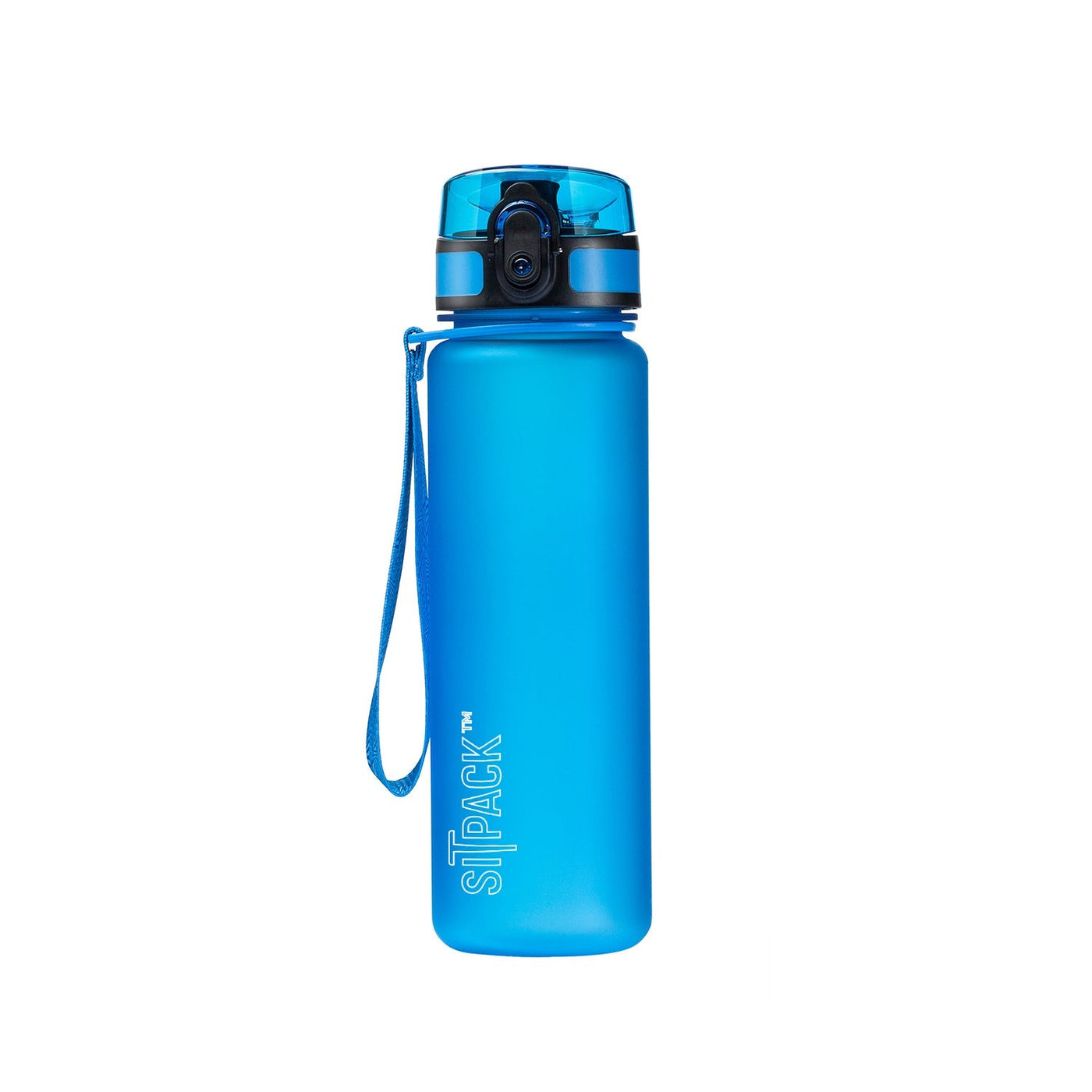
A stock image related to bpa free bottle.
3 Common User Pain Points for ‘bpa free bottle’ & Their Solutions
Scenario 1: Sourcing Reliable BPA-Free Bottles for Diverse Markets
The Problem: B2B buyers often face the challenge of sourcing BPA-free bottles that meet diverse regulatory requirements across different regions, such as the EU, Africa, and South America. The varying standards regarding health and safety can lead to confusion about which products comply, resulting in potential legal liabilities and costly recalls. Additionally, buyers may struggle with identifying suppliers who can consistently deliver high-quality, certified BPA-free products that align with their brand values and consumer expectations.
The Solution: To effectively address these challenges, B2B buyers should prioritize suppliers who provide comprehensive documentation of their BPA-free certifications and compliance with regional regulations. Establishing partnerships with manufacturers who are transparent about their production processes and materials can help ensure that the products meet safety standards. Buyers should also conduct thorough research on potential suppliers, checking for third-party testing certifications and customer reviews that highlight product performance. Additionally, creating a checklist of required certifications for each market can streamline the sourcing process, ensuring that all products meet local regulations before making a purchase.
Scenario 2: Managing Consumer Perception and Brand Trust
The Problem: In today’s health-conscious market, consumers are increasingly aware of the potential risks associated with BPA exposure. B2B buyers representing brands that sell water bottles may find themselves under pressure to reassure their customers about the safety of their products. Negative publicity surrounding BPA can undermine consumer trust, leading to decreased sales and damaged brand reputation if buyers fail to effectively communicate the benefits of their BPA-free offerings.
The Solution: To combat this issue, B2B buyers should develop a robust marketing strategy that educates consumers about the importance of BPA-free products. This can include creating informative content that highlights the health benefits of using BPA-free bottles, such as reduced risk of chemical leaching. Additionally, buyers should consider leveraging social media and other digital platforms to share customer testimonials, product safety certifications, and educational resources. Engaging in community outreach or partnerships with health organizations can further enhance brand credibility. By proactively addressing consumer concerns and demonstrating a commitment to safety, buyers can strengthen brand trust and drive customer loyalty.
Scenario 3: Ensuring Product Quality Amidst Supply Chain Challenges
The Problem: The global supply chain has faced unprecedented disruptions, making it difficult for B2B buyers to secure high-quality BPA-free bottles consistently. Issues such as material shortages, increased shipping costs, and delays can lead to compromised product quality, resulting in dissatisfied customers and potential financial losses. Buyers must navigate these challenges while maintaining a steady supply of BPA-free bottles that meet their operational needs.
The Solution: To mitigate supply chain risks, B2B buyers should diversify their supplier base by establishing relationships with multiple manufacturers in different regions. This strategy not only provides alternatives in case of disruptions but also fosters competition, which can lead to better pricing and quality. Implementing a just-in-time inventory system can also help buyers manage stock levels effectively while reducing excess inventory costs. Additionally, maintaining open lines of communication with suppliers can facilitate quicker responses to potential issues, ensuring that quality remains a top priority. Regularly reviewing supplier performance and quality assurance processes will further enable buyers to uphold product standards and meet customer demands reliably.
Strategic Material Selection Guide for bpa free bottle
What Are the Key Materials for BPA-Free Bottles?
When selecting materials for BPA-free bottles, international B2B buyers must consider various factors, including performance properties, manufacturing complexities, and compliance with regional standards. Below is an analysis of four common materials used in BPA-free bottles: Tritan™, stainless steel, glass, and HDPE (High-Density Polyethylene).
How Does Tritan™ Compare as a Material for BPA-Free Bottles?
Tritan™ is a copolyester that has gained popularity as a BPA-free alternative. It boasts excellent clarity, high impact resistance, and is dishwasher safe. Tritan™ bottles can withstand temperatures up to 100°C (212°F) without warping, making them suitable for both hot and cold beverages.
Pros: Tritan™ is lightweight, durable, and offers a glass-like appearance, appealing to consumers who prefer aesthetics. It is also resistant to odors and stains, enhancing product longevity.
Cons: The cost of Tritan™ is higher compared to traditional plastics, which may deter budget-conscious buyers. Additionally, while Tritan™ is generally considered safe, concerns about potential leaching of other chemicals have been raised.
Impact on Application: Tritan™ is compatible with a wide range of beverages, including acidic juices and carbonated drinks, making it versatile for various consumer needs.
Considerations for International Buyers: Compliance with standards such as FDA and European Food Safety Authority (EFSA) regulations is crucial. Buyers in regions like Europe and South America may prioritize certifications that affirm product safety.
What Advantages Does Stainless Steel Offer for BPA-Free Bottles?
Stainless steel is a robust material known for its exceptional durability and corrosion resistance. It can withstand extreme temperatures, making it suitable for both hot and cold beverages.
Pros: Stainless steel bottles are virtually indestructible, making them ideal for outdoor activities. They are also easy to clean and do not retain flavors or odors.
Cons: The initial cost of stainless steel bottles is generally higher than plastic options, which may be a barrier for some markets. Additionally, they are heavier than plastic, which could be a disadvantage for portable applications.
Impact on Application: Stainless steel is compatible with a variety of liquids, including acidic and alkaline beverages, and is often used for sports and travel bottles.
Considerations for International Buyers: Buyers should ensure compliance with international standards such as ASTM and ISO for food contact materials. In regions like Africa and the Middle East, the demand for durable products may drive interest in stainless steel.
What Role Does Glass Play in BPA-Free Bottle Selection?
Glass is a traditional material that offers a premium feel and is completely free of BPA and other harmful chemicals. It is inert, meaning it does not leach substances into the contents, ensuring purity.
Pros: Glass bottles are recyclable and can be reused indefinitely, appealing to environmentally conscious consumers. They also maintain the taste and quality of beverages exceptionally well.
Cons: Glass is fragile and can break easily, which poses risks in certain environments. The weight of glass bottles can also be a disadvantage for portability.
Impact on Application: Glass is suitable for a wide range of beverages, including juices and flavored waters, but may not be ideal for high-impact activities.
Considerations for International Buyers: Compliance with safety standards is essential, especially in regions with stringent regulations. Buyers in Europe may favor glass for its eco-friendly attributes.
How Does HDPE Fit into the BPA-Free Bottle Landscape?
High-Density Polyethylene (HDPE) is a widely used plastic known for its strength and resistance to impact and moisture. It is often used in a variety of consumer products, including water bottles.
Pros: HDPE is cost-effective and lightweight, making it an economical choice for manufacturers. It is also recyclable, which aligns with sustainability goals.
Cons: While HDPE is durable, it may not withstand high temperatures as effectively as other materials, limiting its use for hot beverages.
Impact on Application: HDPE is suitable for cold beverages and is commonly used in bulk water containers, but it may not be the best choice for products requiring high-temperature resistance.
Considerations for International Buyers: Buyers should check for compliance with regional recycling and safety standards, particularly in emerging markets where sustainability is gaining traction.
Summary Table of Material Selection for BPA-Free Bottles
| Material | Typical Use Case for BPA-Free Bottle | Key Advantage | Key Disadvantage/Limitation | Relative Cost (Low/Med/High) |
|---|---|---|---|---|
| Tritan™ | Everyday use, outdoor activities | Lightweight, durable, aesthetically pleasing | Higher cost, potential chemical concerns | Medium |
| Stainless Steel | Sports, travel, outdoor activities | Indestructible, easy to clean | Higher initial cost, heavier weight | High |
| Glass | Premium beverages, eco-friendly use | Pure taste, recyclable | Fragile, heavier | Medium |
| HDPE | Bulk water containers, cold beverages | Cost-effective, lightweight | Limited temperature resistance | Low |
This analysis provides B2B buyers with a comprehensive understanding of the materials available for BPA-free bottles, helping them make informed decisions based on their specific market needs and compliance requirements.
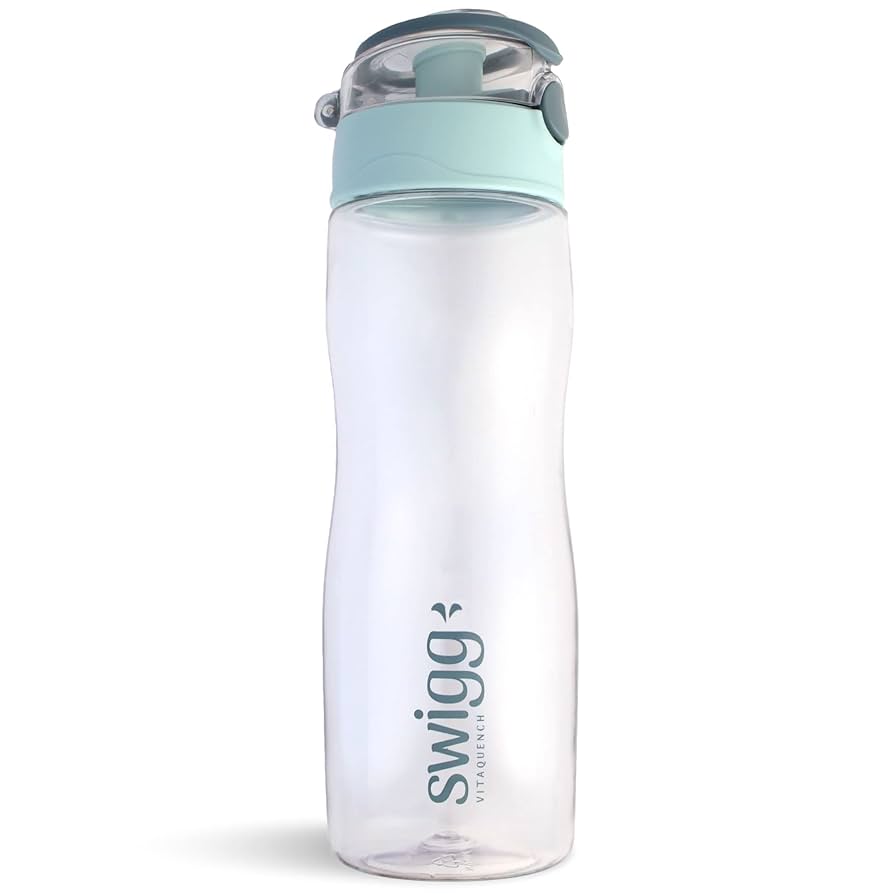
A stock image related to bpa free bottle.
In-depth Look: Manufacturing Processes and Quality Assurance for bpa free bottle
What Are the Key Manufacturing Stages for BPA-Free Bottles?
The manufacturing of BPA-free bottles involves a series of well-defined stages that ensure both the quality and safety of the final product. Understanding these stages is crucial for B2B buyers looking for reliable suppliers.
Material Preparation: What Materials Are Used?
The first step in the manufacturing process is material preparation. BPA-free bottles are typically made from alternative plastics such as Tritan™, polyethylene (PET), or polypropylene, which do not contain bisphenol A. The selection of materials is critical, as they must meet both regulatory standards and consumer expectations for safety and durability.
During this stage, raw materials are sourced and tested for compliance with international safety standards. Suppliers often provide Material Safety Data Sheets (MSDS) to confirm that materials are free from harmful chemicals, which is particularly important for international markets where regulations may differ.
Forming: How Are Bottles Shaped?
After materials are prepared, the next phase is forming. This involves various techniques such as blow molding, injection molding, or extrusion, depending on the desired bottle shape and functionality.
-
Blow Molding: This is the most common method for producing hollow bottles. It involves heating plastic and then blowing it into a mold to achieve the desired shape. This process allows for the creation of lightweight, sturdy bottles suitable for various applications.
-
Injection Molding: Used for creating complex bottle designs, this method injects molten plastic into a mold. It allows for high precision but may result in higher production costs.
Each technique requires specific machinery and skilled operators to ensure consistency and minimize defects.
Assembly: What Comes Next in the Production Line?
Post-forming, the assembly stage involves integrating any additional components, such as caps, straws, or handles. This stage often includes automated processes to enhance efficiency.
Quality control measures are implemented at this point to ensure that all parts fit correctly and function as intended. Misalignment or defects in components can lead to product failure, which is unacceptable for B2B buyers who prioritize reliability.
Finishing: How Are Bottles Prepared for Market?
The final stage of manufacturing is finishing, which includes surface treatments, labeling, and packaging. Bottles may undergo processes such as polishing, printing, or applying coatings to enhance durability and aesthetics.
Packaging is also crucial; products must be securely packaged to prevent damage during transit. For international shipments, this stage may involve compliance with specific regulations to ensure safe delivery across borders.
What Quality Control Standards Should B2B Buyers Look For?
Quality assurance is paramount in the production of BPA-free bottles. Buyers should be aware of relevant international standards and specific industry certifications that indicate a manufacturer’s commitment to quality.
Which International Standards Are Relevant?
ISO 9001 is one of the most recognized quality management standards globally, ensuring that manufacturers maintain consistent quality in their processes. Adherence to this standard indicates that a company has implemented a systematic approach to managing its quality processes.
In addition, certifications such as CE marking for products sold in Europe and API (American Petroleum Institute) standards for bottles used in specific industries may also apply. These certifications reflect compliance with safety and performance standards critical for various markets.
What Are the Key Quality Control Checkpoints?
Quality control checkpoints are essential throughout the manufacturing process. Key stages include:
-
Incoming Quality Control (IQC): This involves inspecting raw materials before they are used in production. Suppliers must provide documentation proving that materials meet specified standards.
-
In-Process Quality Control (IPQC): During manufacturing, random samples are checked to ensure that the production process adheres to quality standards. This may involve testing for dimensional accuracy or material properties.
-
Final Quality Control (FQC): At the end of the manufacturing process, finished products undergo rigorous testing to ensure they meet all specifications. This may include leak testing, stress testing, and compliance checks.
How Can B2B Buyers Verify Supplier Quality Control?
B2B buyers should take proactive steps to verify the quality assurance processes of their suppliers. Here are some practical methods:
What Types of Audits and Reports Should Be Requested?
Buyers should request regular quality assurance audits and reports from suppliers. These documents should detail the results of quality control tests, compliance with standards, and any corrective actions taken for non-conformities.
Annual audits by third-party organizations can provide an unbiased assessment of a supplier’s quality control processes and adherence to industry standards.
How Important Are Third-Party Inspections?
Engaging a third-party inspection service can add another layer of assurance. These organizations conduct independent evaluations of manufacturing processes and products, helping to ensure that suppliers are not only compliant but also adhere to best practices in production.
What Nuances Should International B2B Buyers Be Aware Of?
For international buyers, particularly from regions like Africa, South America, the Middle East, and Europe, understanding the nuances of quality control is essential.
How Do Regional Regulations Impact Quality Assurance?
Different regions may have specific regulations regarding BPA-free products. For instance, the EU has stringent regulations concerning food contact materials, which may not be the same as those in other regions. B2B buyers must ensure that their suppliers are compliant with the regulations applicable in their target markets.
What Are the Risks of Non-Compliance?
Failing to adhere to quality standards can lead to significant risks, including product recalls, legal issues, and damage to brand reputation. Buyers should prioritize suppliers who demonstrate a commitment to quality through certifications and a transparent quality assurance process.
Conclusion: Ensuring Quality in BPA-Free Bottle Manufacturing
In summary, understanding the manufacturing processes and quality assurance protocols for BPA-free bottles is critical for B2B buyers. By focusing on the key stages of production, relevant quality standards, and verification methods, buyers can make informed decisions when sourcing from international suppliers. This knowledge not only ensures compliance and safety but also enhances overall customer satisfaction and brand integrity.
Practical Sourcing Guide: A Step-by-Step Checklist for ‘bpa free bottle’
This practical sourcing guide aims to assist B2B buyers in procuring BPA-free bottles effectively. The emphasis is on ensuring product safety, supplier reliability, and compliance with international standards, particularly for those sourcing from diverse markets such as Africa, South America, the Middle East, and Europe.
Step 1: Define Your Technical Specifications
Understanding the precise requirements for your BPA-free bottles is the first step in the procurement process. Consider factors such as size, material (e.g., BPA-free plastic, stainless steel, or glass), and intended use (e.g., consumer retail, corporate gifts, or outdoor activities). Clearly defined specifications will streamline your sourcing process and help you communicate effectively with suppliers.
Step 2: Research Regulatory Standards
Familiarize yourself with the regulatory standards applicable to BPA-free bottles in your target markets. Different regions may have specific requirements regarding materials and safety certifications. For example, the European Union has stringent regulations on plastic safety that you must comply with to ensure market access.
Step 3: Identify Reliable Suppliers
Finding trustworthy suppliers is crucial for ensuring product quality and consistency. Look for suppliers with a solid track record in the industry and positive reviews from previous clients. Utilize platforms like trade fairs, industry directories, and online marketplaces to gather a list of potential suppliers.
Step 4: Verify Supplier Certifications
Before finalizing any supplier, it’s essential to verify their certifications. Check for ISO certifications, compliance with FDA or EU regulations, and any other relevant industry standards. Valid certifications indicate that the supplier adheres to quality and safety practices, minimizing the risk of non-compliance.
Step 5: Request Samples
Always request product samples before making a bulk purchase. Evaluating samples allows you to assess the quality, design, and functionality of the BPA-free bottles firsthand. This step also provides an opportunity to check for any unwanted chemical residues or defects in the product.
Step 6: Negotiate Pricing and Terms
Once you have confirmed the quality of the samples, engage in negotiations regarding pricing, payment terms, and delivery schedules. Be transparent about your budget and requirements to foster a mutually beneficial agreement. Remember to consider the total cost of ownership, including shipping and potential tariffs, rather than just the initial purchase price.
Step 7: Establish a Quality Assurance Process
Implementing a robust quality assurance process is vital to ensure that all products meet your specifications upon delivery. Define clear quality criteria and consider conducting inspections either at the supplier’s facility or upon receipt of goods. This proactive approach can help mitigate issues before they escalate into larger problems.
By following this step-by-step checklist, B2B buyers can navigate the complexities of sourcing BPA-free bottles efficiently, ensuring safety, compliance, and quality in their procurement process.
Comprehensive Cost and Pricing Analysis for bpa free bottle Sourcing
What are the Key Cost Components in Sourcing BPA-Free Bottles?
When sourcing BPA-free bottles, understanding the cost structure is crucial for B2B buyers. The primary cost components include:
-
Materials: The choice of materials significantly affects the price. BPA-free plastics, stainless steel, and glass are common options. BPA-free plastics tend to be less expensive than stainless steel or glass, but variations in quality can lead to different pricing.
-
Labor: Labor costs encompass the workforce involved in production, assembly, and packaging. Labor rates vary by region, with lower costs often found in emerging markets. However, labor quality and expertise can impact the overall product quality.
-
Manufacturing Overhead: This includes expenses related to factory operations, such as utilities, maintenance, and administrative costs. Efficient manufacturing practices can reduce overhead and, consequently, the cost of the final product.
-
Tooling: Initial tooling costs for molds and machinery can be significant, especially for custom designs. Buyers should consider these costs when evaluating pricing, as they may be amortized over the production run.
-
Quality Control (QC): Ensuring that products meet safety and quality standards is essential, especially for products intended for food and beverage use. Comprehensive QC processes can add to costs but are vital for maintaining product integrity.
-
Logistics: Shipping costs can vary widely based on the distance, mode of transport, and current market rates. International buyers should factor in potential tariffs and customs duties, which can significantly influence overall expenses.
-
Margin: Suppliers will add a profit margin to cover their costs and risks. This margin can vary based on the supplier’s market position and the competitive landscape.
How Do Price Influencers Affect BPA-Free Bottle Sourcing?
Several factors can influence pricing for BPA-free bottles:
-
Volume and Minimum Order Quantity (MOQ): Higher order volumes typically lead to lower per-unit costs due to economies of scale. Buyers should negotiate MOQs that align with their needs while taking advantage of bulk pricing.
-
Specifications and Customization: Custom designs, colors, and features can significantly impact the price. Standardized bottles generally cost less than custom options, so buyers should weigh the benefits of customization against cost implications.
-
Materials and Quality Certifications: The choice of materials and any relevant certifications (e.g., FDA approval, ISO standards) can affect pricing. Higher-quality materials and certifications often lead to higher costs but can enhance product appeal and marketability.
-
Supplier Factors: Supplier reputation, reliability, and production capabilities can influence costs. Established suppliers may charge a premium for their experience and quality assurance, while newer entrants may offer competitive pricing to gain market share.
-
Incoterms: Understanding Incoterms is crucial for international transactions. Terms like FOB (Free On Board) or CIF (Cost, Insurance, and Freight) determine who bears shipping costs and risks, affecting the final price.
What Buyer Tips Can Help Optimize BPA-Free Bottle Costs?
B2B buyers can employ several strategies to optimize their sourcing costs:
-
Negotiation: Effective negotiation skills can lead to better pricing and terms. Buyers should be prepared to discuss volume discounts, payment terms, and delivery schedules to secure favorable agreements.
-
Focus on Cost-Efficiency: Consider the total cost of ownership (TCO), which includes purchase price, shipping, storage, and any potential waste or returns. This holistic view helps identify the most cost-effective options over time.
-
Be Aware of Pricing Nuances in International Markets: Different regions may have varying pricing structures due to factors like currency fluctuations, local demand, and regulatory environments. Buyers from Africa, South America, the Middle East, and Europe should stay informed about these dynamics to make informed decisions.
-
Build Strong Relationships with Suppliers: Long-term partnerships can lead to better pricing and terms. Suppliers may be more willing to offer discounts or flexible terms to established clients.
-
Stay Updated on Market Trends: Regularly monitor market trends and material costs, as these can fluctuate and impact pricing. Being informed allows buyers to act quickly and capitalize on favorable market conditions.
In summary, a comprehensive understanding of the cost structure, price influencers, and strategic negotiation can empower B2B buyers to make informed decisions when sourcing BPA-free bottles. It is crucial to remain flexible and adapt to changing market conditions to optimize procurement strategies effectively.
Alternatives Analysis: Comparing bpa free bottle With Other Solutions
Introduction to Alternatives for BPA-Free Bottles
As global awareness of health and environmental issues grows, the demand for safe, sustainable, and functional hydration solutions has increased. BPA-free bottles have emerged as a popular choice, particularly among B2B buyers looking to provide safe options for their customers. However, it’s essential to consider other viable alternatives that meet similar hydration needs while addressing concerns about material safety, sustainability, and usability.
Comparison Table
| Comparison Aspect | BPA-Free Bottle | Stainless Steel Bottle | Glass Bottle |
|---|---|---|---|
| Performance | Durable and lightweight; no leaching of harmful chemicals | Highly durable; excellent insulation properties | Non-reactive; preserves taste |
| Cost | Moderate ($10-$30) | Higher ($15-$40) | Moderate to High ($10-$50) |
| Ease of Implementation | Easy to source and distribute | Requires more careful handling | Fragile; may require protective packaging |
| Maintenance | Easy to clean; dishwasher safe | Easy to clean; can retain odors if not maintained | Requires careful handling; can break easily |
| Best Use Case | Everyday hydration; general use | Outdoor activities; hot beverages | Home use; premium branding |
Detailed Breakdown of Alternatives
Stainless Steel Bottle
Stainless steel bottles have gained popularity due to their durability and insulation properties. They are ideal for both hot and cold beverages, maintaining temperature longer than plastic alternatives. However, the initial cost can be higher, making them less attractive for bulk purchases. Their maintenance is straightforward, but they can be heavier and require careful handling to avoid dents or scratches.
Glass Bottle
Glass bottles are another alternative, favored for their non-reactive nature, which means they won’t leach chemicals into beverages. This feature is particularly appealing for health-conscious consumers. However, glass is prone to breaking, necessitating protective packaging or careful distribution practices. While the cost can vary widely, premium glass bottles can be significantly more expensive than their BPA-free plastic counterparts, which may deter B2B buyers focused on budget constraints.
Conclusion: Choosing the Right Solution for Your Business Needs
When selecting the most suitable hydration solution for your business, consider the specific needs of your target audience, budget constraints, and long-term sustainability goals. BPA-free bottles offer a balanced combination of safety, cost-effectiveness, and usability, making them a strong choice for general use. However, if your clientele prioritizes durability and temperature retention, stainless steel bottles may be worth the investment. Alternatively, glass bottles could appeal to premium markets focused on health and sustainability, despite their higher costs and fragility. Ultimately, understanding your customers’ preferences and the contexts in which they will use these products will guide you toward the best choice for your business.
Essential Technical Properties and Trade Terminology for bpa free bottle
What Are the Key Technical Properties of BPA-Free Bottles?
When sourcing BPA-free bottles for your business, understanding the critical technical properties is essential. These specifications can impact product performance, safety, and compliance with international regulations.
1. Material Composition
BPA-free bottles are typically made from alternative plastics such as Tritan™, polyethylene (PE), or polypropylene (PP). Each material offers distinct advantages: Tritan™ is known for its clarity and durability, while PE and PP are lightweight and resistant to impacts. The choice of material affects not only the bottle’s strength and flexibility but also its safety profile, which is crucial for consumer trust in markets concerned about health risks.
2. Capacity and Dimensions
BPA-free bottles come in various sizes, commonly ranging from 500 mL to 2 liters. Understanding the capacity is vital for targeting specific market segments, such as sports enthusiasts or families. Additionally, dimensions influence the design for ergonomic handling and storage, affecting consumer usability and satisfaction.
3. Temperature Resistance
BPA-free bottles should be able to withstand temperature variations without deforming or leaching chemicals. This property is especially important for bottles intended for hot beverages or those that may be exposed to sunlight. Bottles with high-temperature resistance can cater to a broader range of applications, enhancing marketability.
4. Recyclability and Sustainability
The recyclability of materials used in BPA-free bottles is a growing concern among consumers and businesses alike. Bottles made from recyclable materials can enhance your brand’s sustainability profile, appealing to environmentally conscious buyers. Understanding the recycling codes and processes in target markets can also influence purchasing decisions and compliance with local regulations.
5. Closure Types and Sealing Mechanisms
The design of closures (lids) and sealing mechanisms is critical for preventing leaks and maintaining the integrity of the contents. Options range from screw caps to flip-top lids, each offering different levels of convenience and security. The right closure type can significantly enhance user experience, which is a key factor in customer retention.
What Are Common Trade Terms Related to BPA-Free Bottles?
Navigating the world of BPA-free bottles requires familiarity with specific trade terminology. Understanding these terms can streamline communication with suppliers and enhance procurement efficiency.
1. OEM (Original Equipment Manufacturer)
This term refers to companies that manufacture products for other brands. In the context of BPA-free bottles, partnering with an OEM allows businesses to customize bottle designs and materials while leveraging the manufacturer’s expertise. This can lead to unique product offerings in competitive markets.
2. MOQ (Minimum Order Quantity)
MOQ denotes the smallest number of units a supplier is willing to sell. Understanding MOQ is crucial for budgeting and inventory management. Low MOQs can benefit startups or small businesses looking to test the market without significant upfront investment.
3. RFQ (Request for Quotation)
An RFQ is a formal document sent to suppliers to solicit pricing and terms for specific products. For BPA-free bottles, issuing an RFQ enables businesses to compare costs, quality, and lead times from different manufacturers, ensuring the best deal.
4. Incoterms (International Commercial Terms)
These are standardized trade terms that define the responsibilities of buyers and sellers in international transactions. Familiarity with Incoterms is essential for understanding shipping costs, risks, and delivery responsibilities, which can vary significantly across regions.
5. Certification Standards
BPA-free bottles may require compliance with various international safety and quality standards, such as FDA regulations or EU food safety directives. Understanding these certifications is vital for ensuring that your products meet the necessary legal requirements in your target markets.
By grasping these technical properties and trade terms, B2B buyers can make informed decisions when sourcing BPA-free bottles, ensuring they meet both consumer demands and regulatory standards.
Navigating Market Dynamics and Sourcing Trends in the bpa free bottle Sector
What Are the Key Trends Influencing the BPA-Free Bottle Market?
The global market for BPA-free bottles is experiencing dynamic growth, driven by increasing health awareness and the rising demand for sustainable products. Key trends influencing this sector include a shift towards eco-friendly materials, such as stainless steel and glass, as consumers and businesses alike prioritize health and safety. Furthermore, the global push for reducing plastic waste is compelling manufacturers to innovate in designing reusable and recyclable bottle options.
In terms of technology, the integration of advanced manufacturing processes, such as injection molding and 3D printing, is enhancing production efficiency and allowing for customized designs. B2B buyers from regions like Africa, South America, the Middle East, and Europe must stay abreast of these trends to ensure they source products that align with consumer preferences for sustainability and safety. Additionally, e-commerce platforms are increasingly becoming a vital channel for sourcing BPA-free bottles, providing international buyers with broader access to suppliers and competitive pricing.
Moreover, the regulatory landscape is shifting, with stricter regulations on plastic use and safety standards emerging in various markets. This is particularly relevant for buyers in Europe and North America, where compliance with guidelines such as REACH (Registration, Evaluation, Authorisation and Restriction of Chemicals) is essential. As a result, understanding these market dynamics is critical for B2B buyers to navigate sourcing effectively and make informed decisions.
How Can Sustainability and Ethical Sourcing Impact Your BPA-Free Bottle Choices?
Sustainability is at the forefront of the BPA-free bottle industry, with growing concerns about environmental impact and the ethical implications of sourcing materials. B2B buyers should consider the lifecycle of the products they source, from raw material extraction to manufacturing processes and end-of-life disposal. Selecting BPA-free bottles made from recycled or sustainably sourced materials not only reduces environmental footprints but also enhances brand reputation among eco-conscious consumers.
Ethical supply chains are increasingly important, as businesses face pressure to ensure that their suppliers adhere to fair labor practices and sustainable sourcing methods. This is particularly vital for companies operating in regions like Africa and South America, where supply chain transparency can be challenging. Buyers should seek out suppliers who provide certifications or third-party audits confirming their commitment to ethical practices.
Moreover, certifications such as the Green Seal or the Cradle to Cradle certification can serve as indicators of a product’s sustainability. These certifications assure buyers that the products meet rigorous environmental standards, thus promoting the adoption of green practices in business operations. By prioritizing sustainability and ethical sourcing, B2B buyers not only comply with emerging regulations but also position themselves as leaders in responsible business practices.
What Is the Evolution of the BPA-Free Bottle Market?
The evolution of the BPA-free bottle market is marked by a significant shift in consumer awareness regarding health and environmental issues. Initially, BPA was a widely used chemical in the production of plastics due to its durability. However, growing concerns about its potential health risks, including hormonal disruptions and links to various health conditions, led to a decline in its use.
In response, manufacturers began to develop alternatives that do not contain BPA, leading to the rise of BPA-free plastics and other materials like glass and stainless steel. This transition not only addressed health concerns but also aligned with the global movement toward sustainability. As a result, the market has expanded to include a diverse range of BPA-free products that cater to various consumer needs, from outdoor enthusiasts to everyday users.
Today, the BPA-free bottle market is characterized by innovation, with ongoing research and development focusing on creating safer, more sustainable alternatives. This evolution reflects a broader societal trend towards health consciousness and environmental responsibility, making BPA-free bottles not just a product choice, but a commitment to a healthier future.
Frequently Asked Questions (FAQs) for B2B Buyers of bpa free bottle
-
How do I ensure the BPA-free status of the bottles I am sourcing?
To verify the BPA-free status of bottles, request documentation from suppliers that certifies their products as BPA-free. Look for bottles made from alternative materials such as stainless steel, glass, or BPA-free plastics. Additionally, check for labeling that indicates compliance with international standards, such as FDA or EU regulations. Engaging with suppliers who prioritize transparency and sustainability can also provide peace of mind regarding the materials used in their products. -
What is the best material for BPA-free bottles?
The best materials for BPA-free bottles include stainless steel, glass, and BPA-free plastics like Tritan or polyethylene. Stainless steel is durable, resistant to staining, and does not retain flavors, making it ideal for various uses. Glass is another excellent option, as it is non-reactive and maintains beverage integrity. BPA-free plastics are lightweight and versatile, but ensure they are free from harmful chemicals. Your choice should depend on the intended use, target market preferences, and branding considerations. -
What factors should I consider when vetting suppliers of BPA-free bottles?
When vetting suppliers, evaluate their certifications, production capabilities, and past customer reviews. Look for suppliers with experience in the BPA-free market and those who provide transparency regarding their sourcing and manufacturing processes. Additionally, assess their ability to meet your specific needs, such as customization options, minimum order quantities, and delivery timelines. Establishing communication with suppliers can also help gauge their responsiveness and reliability. -
What are the typical minimum order quantities (MOQs) for BPA-free bottles?
Minimum order quantities for BPA-free bottles can vary widely based on the supplier and the type of bottles being ordered. Generally, MOQs can range from 500 to 10,000 units. Factors influencing MOQs include the material, complexity of customization, and production capacity of the supplier. When sourcing, it’s beneficial to discuss your requirements directly with potential suppliers to negotiate terms that align with your business needs. -
What customization options are available for BPA-free bottles?
Customization options for BPA-free bottles often include printing logos, selecting colors, and choosing sizes or shapes. Some suppliers may also offer custom designs or unique features, such as built-in filters or special lids. It’s essential to communicate your specific branding requirements and target market preferences to suppliers, as this can influence the customization process. Request samples to evaluate how well the customization aligns with your brand identity. -
What payment terms should I expect when sourcing BPA-free bottles internationally?
Payment terms can vary among suppliers, but common options include advance payment, letter of credit, and payment upon delivery. Typically, suppliers may request a deposit of 30-50% upfront, with the balance due before shipment. It’s advisable to clarify payment terms during negotiations to ensure they align with your cash flow capabilities. Additionally, consider using secure payment methods to protect your investment in international transactions. -
How can I ensure quality assurance (QA) for BPA-free bottles?
To ensure quality assurance, establish clear specifications and standards with your supplier before production begins. Request samples for testing and evaluation to confirm that the bottles meet your quality expectations. Implementing regular inspections during production and before shipment can help identify any defects or inconsistencies. Additionally, consider working with third-party inspection services to provide an unbiased assessment of product quality before acceptance. -
What logistics considerations should I keep in mind when importing BPA-free bottles?
When importing BPA-free bottles, consider logistics factors such as shipping methods, customs regulations, and lead times. Choose between air freight for faster delivery or sea freight for cost-effectiveness, depending on your urgency and budget. Familiarize yourself with import duties and taxes applicable in your country to avoid unexpected costs. Collaborating with a reliable logistics provider can streamline the shipping process and ensure compliance with international trade regulations.
Important Disclaimer & Terms of Use
⚠️ Important Disclaimer
The information provided in this guide, including content regarding manufacturers, technical specifications, and market analysis, is for informational and educational purposes only. It does not constitute professional procurement advice, financial advice, or legal advice.
While we have made every effort to ensure the accuracy and timeliness of the information, we are not responsible for any errors, omissions, or outdated information. Market conditions, company details, and technical standards are subject to change.
B2B buyers must conduct their own independent and thorough due diligence before making any purchasing decisions. This includes contacting suppliers directly, verifying certifications, requesting samples, and seeking professional consultation. The risk of relying on any information in this guide is borne solely by the reader.
Top 3 Bpa Free Bottle Manufacturers & Suppliers List
1. Contigo – Stainless Steel Water Bottles
Domain: gocontigo.com
Registered: 2005 (20 years)
Introduction: BPA Free, Reusable, Stainless Steel Water Bottles; Available in multiple collections: Ashland, Ashland Chill 2.0, Jackson, Jackson Chill 2.0, Cortland, Cortland Chill 2.0; Sizes: 20 oz, 24 oz, 32 oz, 40 oz; Features: Leakproof, Spill-free, Designed for hydration on-the-go.
2. REI – BPA Free Water Bottles
Domain: rei.com
Registered: 1996 (29 years)
Introduction: This company, REI – BPA Free Water Bottles, is a notable entity in the market. For specific product details, it is recommended to visit their website directly.
3. Waterdrop – BPA-Free Bottles
Domain: waterdrop.com
Registered: 1998 (27 years)
Introduction: All waterdrop® products, including Steel, Sports, and Kids Bottles, are BPA-free. The bottles are designed for durability and comfort, ensuring that your water or drink remains pure. Waterdrop offers a variety of bottle types: Glass Bottles made from durable borosilicate glass, All-Purpose Steel Bottles with a wide opening and mix & match lids, and Stainless Steel Explorer Thermo Tumblers with a b…
Strategic Sourcing Conclusion and Outlook for bpa free bottle
As the global demand for BPA-free bottles continues to rise, strategic sourcing plays a pivotal role in ensuring quality and sustainability. B2B buyers must prioritize suppliers who not only offer BPA-free options but also adhere to environmentally responsible practices. This focus on sustainability is increasingly important to consumers, particularly in markets across Africa, South America, the Middle East, and Europe, where health and environmental consciousness are growing.
Investing in BPA-free bottles presents a significant opportunity to enhance brand reputation and meet regulatory requirements. By sourcing from manufacturers who guarantee the absence of harmful chemicals, businesses can alleviate health concerns associated with traditional plastics. Furthermore, offering a diverse range of BPA-free products can cater to a wider customer base, appealing to both eco-conscious consumers and those seeking safe hydration solutions.
Looking ahead, international B2B buyers should leverage these insights to enhance their sourcing strategies. By aligning with reputable suppliers and prioritizing sustainability, businesses can not only fulfill market demands but also contribute to a healthier future. Engage with your supply chain partners today to explore innovative BPA-free solutions that align with your business objectives and consumer expectations.