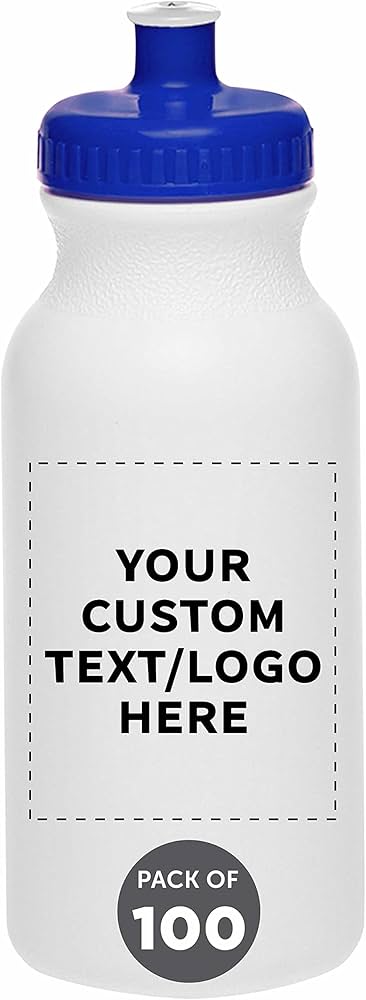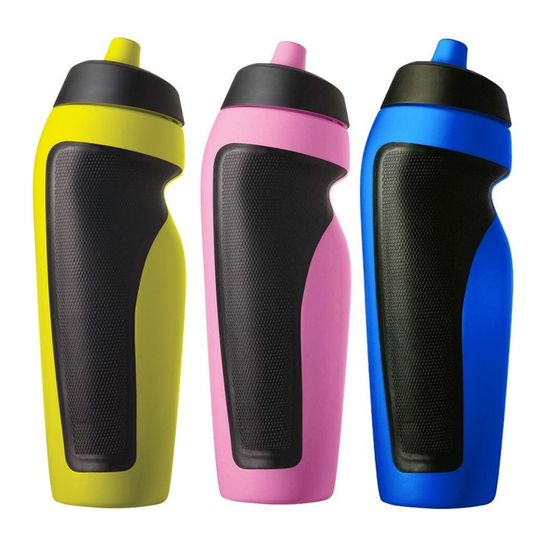
Introduction: Navigating the Global Market for coffee bottle tumbnler
In the competitive landscape of beverage ware, sourcing high-quality coffee bottle tumblers presents a unique challenge for international B2B buyers. With rising consumer demand for sustainable, stylish, and functional drinkware, businesses must navigate a myriad of options to identify products that align with their brand values and market expectations. This comprehensive guide delves into the world of coffee bottle tumblers, providing insights into various types, applications, and materials that cater to diverse markets across Africa, South America, the Middle East, and Europe, including countries like Vietnam and Nigeria.
The guide will equip buyers with essential knowledge on supplier vetting processes, ensuring they partner with reputable manufacturers that prioritize quality and sustainability. Furthermore, it will explore cost factors, helping businesses understand pricing dynamics and budget considerations. By highlighting emerging trends and consumer preferences, this resource empowers B2B buyers to make informed purchasing decisions that enhance their product offerings and customer satisfaction.
Whether you are a retailer looking to expand your drinkware collection or a distributor aiming to meet the demands of eco-conscious consumers, this guide serves as a vital tool in your sourcing strategy. Embrace the opportunity to elevate your brand with premium coffee bottle tumblers that resonate with your target audience and foster lasting relationships in the global market.
Understanding coffee bottle tumbnler Types and Variations
| Type Name | Key Distinguishing Features | Primary B2B Applications | Brief Pros & Cons for Buyers |
|---|---|---|---|
| Classic Insulated Tumbler | Double-walled stainless steel, vacuum insulation | Cafes, restaurants, corporate gifts | Pros: Excellent heat retention, durable. Cons: May be heavier than plastic alternatives. |
| Travel Mug | Designed for on-the-go use, often with a spill-proof lid | Commuter services, travel businesses | Pros: Convenient for travel, fits in car cup holders. Cons: Limited capacity compared to larger tumblers. |
| 2-in-1 Tumbler | Versatile design, can be used for hot and cold beverages | Hospitality industry, catering | Pros: Multi-functional, appeals to diverse customer needs. Cons: Complexity may deter some buyers. |
| Cold Beverage Tumbler | Specifically designed for iced coffee or cold drinks | Juice bars, cafes, event catering | Pros: Keeps drinks cold for longer, often includes straws. Cons: Not suitable for hot beverages. |
| Customizable Tumbler | Options for branding and personal designs | Promotional products, corporate branding | Pros: Enhances brand visibility, tailored to customer preferences. Cons: Higher upfront costs for customization. |
What Are the Characteristics of Classic Insulated Tumblers?
Classic insulated tumblers are primarily constructed from double-walled stainless steel, providing superior thermal retention for hot beverages. They are widely used in cafes and restaurants due to their durability and ability to maintain beverage temperatures for extended periods. B2B buyers should consider the tumbler’s weight and size, as these factors can influence shipping costs and storage efficiency. Their robust design ensures longevity, making them a wise investment for businesses aiming to enhance customer experience.
How Do Travel Mugs Cater to On-the-Go Consumers?
Travel mugs are specifically engineered for convenience, featuring spill-proof lids and designs that fit standard car cup holders. This makes them ideal for commuter services and travel-related businesses. When purchasing travel mugs, B2B buyers should evaluate the ease of cleaning and the material’s insulation effectiveness. The practicality of these mugs appeals to a broad customer base, ensuring consistent sales in retail and food service environments.
Why Choose a 2-in-1 Tumbler for Versatile Beverage Options?
The 2-in-1 tumbler stands out for its dual functionality, accommodating both hot and cold drinks. This versatility is particularly beneficial in the hospitality industry, where diverse customer preferences must be met. B2B buyers should assess the tumbler’s design and ease of use, as complexity may dissuade some consumers. The ability to cater to multiple beverage types can significantly enhance customer satisfaction and loyalty.
What Advantages Do Cold Beverage Tumblers Offer?
Cold beverage tumblers are specifically designed to maintain the chill of iced coffee and other cold drinks. Their features often include integrated straws and a focus on maximizing cooling efficiency. These tumblers are popular in juice bars and cafes, making them a suitable choice for event catering. When sourcing cold beverage tumblers, B2B buyers should consider their target market’s preferences and the products’ compatibility with existing offerings.
How Can Customizable Tumblers Elevate Brand Recognition?
Customizable tumblers offer businesses the opportunity to enhance their brand visibility through personalized designs. These tumblers are often used as promotional products or corporate gifts, making them highly relevant for companies focused on branding. B2B buyers should weigh the benefits of increased customer engagement against the potential higher costs associated with customization. The ability to tailor products to specific audiences can lead to stronger brand loyalty and recognition.
Key Industrial Applications of coffee bottle tumbnler
| Industry/Sector | Specific Application of coffee bottle tumbnler | Value/Benefit for the Business | Key Sourcing Considerations for this Application |
|---|---|---|---|
| Hospitality and Food Service | Providing customers with take-away coffee options | Enhances customer experience and brand loyalty | Durability, insulation performance, and design options |
| Corporate and Office Supplies | Employee coffee tumbler programs | Promotes sustainability and employee satisfaction | Bulk purchasing options, customization, and branding |
| Retail and E-commerce | Selling branded coffee tumblers | Increases revenue through merchandise sales | Material quality, price competitiveness, and design |
| Events and Promotions | Gifting coffee tumblers at corporate events | Strengthens brand visibility and customer engagement | Custom branding options, minimum order quantities |
| Education and Training | Use in campus coffee shops or events | Encourages sustainable practices among students | Variety in sizes, colors, and branding for schools |
How is the coffee bottle tumbler utilized in the hospitality and food service industry?
In the hospitality and food service sector, coffee bottle tumblers serve as a key takeaway option for customers looking to enjoy their beverages on the go. These tumblers not only enhance the customer experience but also contribute to brand loyalty as establishments can offer branded options. The requirement for durable, insulated tumblers ensures that beverages maintain their temperature, which is critical for customer satisfaction. Buyers in this sector should focus on sourcing tumblers that are resistant to wear and tear while offering customization options for branding.
What role do coffee bottle tumblers play in corporate and office environments?
Corporate offices are increasingly adopting coffee bottle tumbler programs to promote sustainability while enhancing employee satisfaction. Providing employees with high-quality tumblers encourages them to reduce single-use plastic waste, aligning with corporate social responsibility goals. Key considerations for buyers include bulk purchasing options that can accommodate a large workforce, as well as customization for branding purposes. Sourcing tumblers that are both functional and aesthetically pleasing can significantly enhance the company’s image.
How can retail and e-commerce sectors benefit from coffee bottle tumblers?
In the retail and e-commerce sectors, coffee bottle tumblers represent a lucrative merchandise opportunity. By selling branded tumblers, businesses can tap into the growing consumer trend of reusable drinkware. This not only increases revenue but also enhances brand visibility. When sourcing tumblers, retailers should prioritize material quality and price competitiveness to ensure a healthy profit margin. Additionally, offering a variety of designs can cater to different customer preferences, making the product more appealing.
How do coffee bottle tumblers enhance events and promotions?
Coffee bottle tumblers are increasingly popular as giveaways at corporate events and promotions. They serve as practical, branded items that attendees can use, thereby strengthening brand visibility and customer engagement. When sourcing tumblers for events, businesses should consider custom branding options to create a lasting impression. Additionally, understanding minimum order quantities is crucial for managing budget constraints while maximizing promotional impact.
Why are coffee bottle tumblers important in educational settings?
In educational settings, coffee bottle tumblers can be utilized in campus coffee shops or during events to promote sustainable practices among students. By providing students with reusable tumblers, educational institutions can foster a culture of environmental responsibility. Buyers should focus on sourcing a variety of sizes and colors to cater to diverse student preferences. Customization options for schools can also enhance school spirit and community engagement.
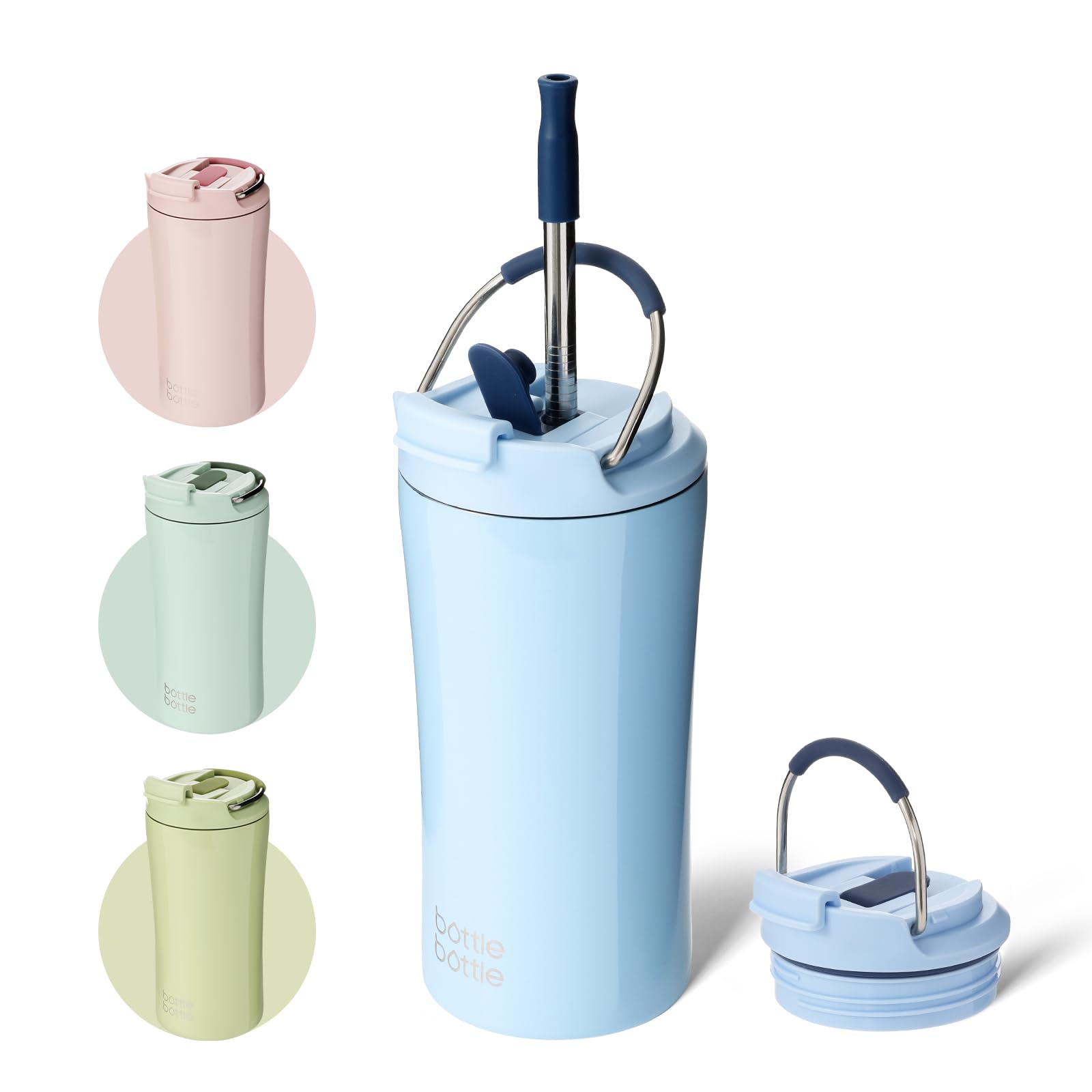
A stock image related to coffee bottle tumbnler.
3 Common User Pain Points for ‘coffee bottle tumbnler’ & Their Solutions
Scenario 1: Struggling with Temperature Retention for Hot Beverages
The Problem: Many B2B buyers find that coffee tumblers fail to maintain the desired temperature of hot beverages, leading to dissatisfaction among employees or customers. This issue can be particularly pressing in environments such as corporate offices, cafés, and restaurants, where coffee is a staple. When tumblers do not keep drinks hot for an extended period, it not only affects the taste but also diminishes the overall experience, potentially impacting customer loyalty and employee morale.
The Solution: To ensure optimal temperature retention, B2B buyers should focus on sourcing tumblers made from high-quality materials, such as double-walled vacuum-insulated stainless steel. When selecting suppliers, ask for product specifications that detail insulation performance. A reliable tumbler should maintain hot beverages at a drinkable temperature for several hours. Additionally, consider investing in tumblers with features like a secure lid to prevent heat loss and spills. Conduct a small test order of different models to evaluate their performance in real-world conditions before making a bulk purchase.
Scenario 2: Difficulty in Ensuring Product Quality and Safety
The Problem: B2B buyers often encounter challenges when sourcing coffee tumblers that meet safety and quality standards, particularly when importing from different countries. Concerns about materials used, such as BPA in plastics or low-grade stainless steel, can pose health risks and lead to legal liabilities. This is especially critical for businesses in the food and beverage sector, where compliance with health regulations is mandatory.
The Solution: Buyers should prioritize suppliers who provide detailed certifications and safety data sheets for their tumblers. Look for products labeled as BPA-free and made from food-grade stainless steel, ensuring that they comply with international safety standards. Establish strong communication with suppliers to inquire about their quality control processes and request samples for testing. Additionally, consider collaborating with third-party inspection services to assess product quality before shipment, which can mitigate risks associated with substandard products.
Scenario 3: Managing Inventory and Supply Chain Challenges
The Problem: One common pain point for B2B buyers is the management of inventory and supply chain logistics when dealing with coffee tumblers. Fluctuations in demand can lead to either overstocking, which ties up capital, or understocking, which results in missed sales opportunities. This challenge is exacerbated by unpredictable lead times from suppliers, particularly when sourcing internationally.
The Solution: Implementing an efficient inventory management system is crucial. Utilize demand forecasting tools that analyze historical sales data to predict future trends. This approach will help in making informed purchasing decisions, reducing the risk of overstocking or running out of stock. Additionally, establish strong relationships with multiple suppliers to ensure flexibility in sourcing and reduce dependence on a single vendor. Regularly review and adjust minimum order quantities based on changing demand patterns, and consider negotiating terms that allow for smaller, more frequent orders to better manage inventory levels.
Strategic Material Selection Guide for coffee bottle tumbnler
What Are the Key Materials Used in Coffee Bottle Tumblers?
When selecting materials for coffee bottle tumblers, it is essential to consider various factors that influence performance, cost, and suitability for international markets. Below, we analyze four common materials used in the manufacturing of these products: stainless steel, plastic, glass, and ceramic.
How Does Stainless Steel Perform in Coffee Bottle Tumblers?
Stainless steel, particularly 18/8 food-grade stainless steel, is widely used in coffee bottle tumblers due to its excellent thermal insulation properties and resistance to corrosion. This material can withstand high temperatures and pressures, making it ideal for both hot and cold beverages.
Pros: Stainless steel is highly durable, resistant to rust and stains, and offers a long lifespan. It is also easy to clean and does not retain flavors or odors, ensuring a pure taste.
Cons: The primary drawback is its higher manufacturing cost compared to plastic. Additionally, stainless steel tumblers can be heavier, which may not appeal to all consumers.
Impact on Application: Stainless steel is compatible with a wide range of beverages, including acidic drinks like coffee and tea, without any risk of leaching harmful substances.
Considerations for International Buyers: Buyers from regions like Africa and South America should ensure compliance with international safety standards such as ASTM and ISO. Additionally, the demand for eco-friendly products is rising, making stainless steel a favorable choice.
What Role Does Plastic Play in Coffee Bottle Tumblers?
Plastic, particularly BPA-free polypropylene and Tritan, is another common material for coffee bottle tumblers. These plastics are lightweight and can be molded into various shapes and designs.
Pros: The primary advantage of plastic is its low cost and versatility in design. It is also lightweight, which can enhance portability.
Cons: However, plastic is less durable than stainless steel and can be prone to scratches and wear over time. It may also absorb odors and flavors, affecting the quality of beverages.
Impact on Application: Plastic tumblers are suitable for cold drinks but may not perform as well under high temperatures.
Considerations for International Buyers: Buyers in the Middle East and Europe should ensure that the plastics used meet relevant food safety standards, such as those set by the European Union. Awareness of local regulations regarding plastic use is also crucial.
How Does Glass Fare in Coffee Bottle Tumblers?
Glass is often chosen for its aesthetic appeal and ability to maintain beverage temperature. Borosilicate glass is commonly used due to its resistance to thermal shock.
Pros: Glass tumblers do not leach chemicals and provide a clean taste. They are also visually appealing, which can enhance brand perception.
Cons: The main disadvantage is fragility; glass is prone to breaking. Additionally, glass tumblers are typically heavier than their plastic counterparts.
Impact on Application: Glass is suitable for hot and cold beverages but requires careful handling to prevent breakage.
Considerations for International Buyers: Buyers should consider shipping costs and breakage rates, particularly in regions with less stable transportation infrastructure, such as parts of Africa.
What Are the Benefits of Using Ceramic in Coffee Bottle Tumblers?
Ceramic tumblers are known for their excellent heat retention and aesthetic qualities. They are often coated with glazes that can enhance their appeal.
Pros: Ceramic offers a unique look and feel, along with good thermal insulation. It does not retain flavors or odors, making it suitable for various beverages.
Cons: Like glass, ceramic is also fragile and can chip or break easily. The manufacturing process can be more complex and costly.
Impact on Application: Ceramic is ideal for hot beverages but may not be suitable for outdoor use due to its fragility.
Considerations for International Buyers: Buyers should ensure that ceramic products comply with safety regulations, particularly regarding lead and cadmium content in glazes.
Summary of Material Properties for Coffee Bottle Tumblers
| Material | Typical Use Case for coffee bottle tumbnler | Key Advantage | Key Disadvantage/Limitation | Relative Cost (Low/Med/High) |
|---|---|---|---|---|
| Stainless Steel | Hot and cold beverages | Excellent durability and insulation | Higher cost and weight | High |
| Plastic | Cold beverages and casual use | Lightweight and cost-effective | Less durable and may retain odors | Low |
| Glass | Hot and cold beverages | Clean taste and aesthetic appeal | Fragile and heavy | Medium |
| Ceramic | Hot beverages | Unique design and thermal retention | Fragile and complex manufacturing | Medium |
This guide provides insights into the strategic selection of materials for coffee bottle tumblers, helping B2B buyers make informed decisions based on performance, cost, and compliance with international standards.
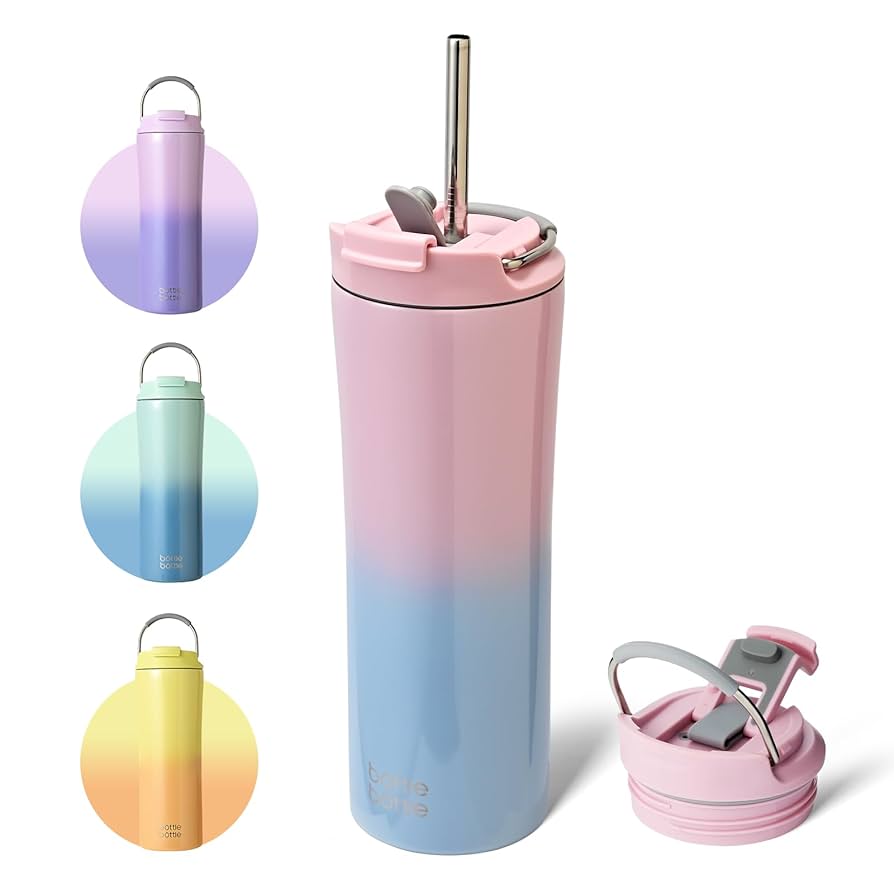
A stock image related to coffee bottle tumbnler.
In-depth Look: Manufacturing Processes and Quality Assurance for coffee bottle tumbnler
What Are the Main Stages in the Manufacturing Process of Coffee Bottle Tumblers?
The manufacturing of coffee bottle tumblers involves several key stages that ensure high-quality output. Each stage is crucial for transforming raw materials into a finished product that meets market demands.
Material Preparation
The process begins with material selection. High-grade materials like 18/8 stainless steel are commonly used for their durability and insulation properties. Suppliers should ensure that the stainless steel is sourced from reputable manufacturers to guarantee quality. The preparation phase may include cutting and shaping the raw steel into the desired sizes, followed by surface treatment to remove any impurities.
Forming Techniques
Once the materials are prepared, the next step is forming. This can involve several techniques, including:
- Stamping: Used to create the basic shape of the tumbler.
- Deep Drawing: A technique that forms the body of the tumbler from a flat sheet of metal into a three-dimensional shape.
- Injection Molding: Often used for creating lids or other plastic components.
These methods are critical as they influence the product’s strength, aesthetics, and thermal efficiency.
Assembly Process
After forming, the components undergo assembly. This stage may involve welding, riveting, or using adhesives to attach parts like the lid, straw, and any insulation layers. Precision is vital here to ensure the tumbler is leak-proof and maintains its thermal properties. Automation plays a significant role in this phase, with robotic systems often employed to enhance consistency and reduce human error.
Finishing Techniques
The final stage is finishing, which includes polishing, coating, and printing. Tumblers may undergo processes like powder coating for enhanced durability and aesthetics or laser engraving for branding purposes. This stage is essential for providing the product with a premium look and feel that attracts B2B buyers.
How Is Quality Assurance Implemented in Coffee Bottle Tumbler Production?
Quality assurance is integral to ensuring that coffee tumblers meet international standards and customer expectations. A robust QA process encompasses various checkpoints and testing methods throughout the manufacturing lifecycle.
What Are the Relevant International Standards for Coffee Bottle Tumblers?
International standards such as ISO 9001 are pivotal in guiding manufacturers to maintain quality management systems. Additionally, compliance with specific industry standards, like CE marking for safety and API for materials, is essential for global trade. Understanding these standards can help B2B buyers assess the credibility of their suppliers.
What Are the Key Quality Control Checkpoints in the Manufacturing Process?
Quality control (QC) checkpoints are strategically placed throughout the manufacturing process to catch defects early:
- Incoming Quality Control (IQC): This involves inspecting raw materials upon arrival to ensure they meet specified standards.
- In-Process Quality Control (IPQC): Continuous monitoring during the manufacturing process helps identify issues before they escalate. This includes checking dimensions and tolerances at various stages.
- Final Quality Control (FQC): Before shipment, a thorough inspection ensures that the finished product adheres to all specifications. This may include functionality tests, thermal performance assessments, and aesthetic evaluations.
What Common Testing Methods Are Used to Ensure Product Quality?
Various testing methods are employed to ensure that coffee tumblers meet quality standards. These include:
- Thermal Insulation Testing: Measures the tumbler’s ability to maintain temperature.
- Drop Tests: Assesses durability by dropping the tumbler from specific heights.
- Leak Tests: Ensures that the tumbler is airtight and liquid-tight.
These tests help to establish the reliability and performance of the product in real-world scenarios.
How Can B2B Buyers Verify Supplier Quality Control Practices?
For international B2B buyers, verifying a supplier’s quality control practices is crucial. Here are some effective strategies:
What Role Do Audits and Reports Play in Supplier Verification?
Conducting audits is a proactive way to assess a supplier’s manufacturing processes and quality systems. Buyers can request audit reports from suppliers or even engage third-party auditors to perform independent assessments. A thorough audit will evaluate compliance with relevant standards and the effectiveness of the QC processes.
How Can Third-Party Inspections Enhance Quality Assurance?
Third-party inspections provide an unbiased view of a supplier’s quality practices. These inspections can occur at various stages of production, ensuring that materials and processes align with agreed specifications. Engaging reputable inspection agencies can provide additional confidence to B2B buyers, particularly in regions where local regulations may vary.
What Are the Quality Control Nuances for International Buyers?
International buyers must be aware of specific QC nuances that may affect their purchasing decisions. For example, standards and certifications may differ significantly across regions. Buyers from Africa, South America, the Middle East, and Europe should familiarize themselves with local regulations and market expectations to ensure compliance and product acceptance.
Conclusion
Understanding the manufacturing processes and quality assurance protocols for coffee bottle tumblers is essential for B2B buyers looking to source high-quality products. By focusing on material preparation, forming techniques, assembly, and finishing, buyers can appreciate the complexities involved in tumbler production. Moreover, a thorough grasp of quality assurance practices, international standards, and effective supplier verification methods can empower buyers to make informed decisions, ultimately leading to successful procurement strategies.
Practical Sourcing Guide: A Step-by-Step Checklist for ‘coffee bottle tumbnler’
Introduction
This practical sourcing guide serves as a comprehensive checklist for B2B buyers interested in procuring coffee bottle tumblers. The coffee tumbler market is competitive, and understanding the key factors involved in sourcing can help ensure that you select high-quality products that meet your business needs while also aligning with your budget and market demands.
Step 1: Define Your Technical Specifications
Before initiating the sourcing process, clarify the technical specifications of the coffee tumblers you intend to procure. This includes the size, material (e.g., stainless steel, plastic), insulation type, and any additional features such as lids, straws, or customization options. Establishing these criteria will help streamline the selection process and ensure that the tumblers meet your quality standards and customer expectations.
Step 2: Conduct Market Research
Engage in thorough market research to identify current trends, pricing, and potential suppliers. Analyze competitors and consumer preferences to understand what features are in demand, such as eco-friendliness or innovative designs. This insight will not only inform your purchasing decisions but also position your offerings more competitively in your target market.
Step 3: Evaluate Potential Suppliers
Before committing to a supplier, it is crucial to vet them thoroughly. Request company profiles, case studies, and references from previous buyers in similar industries or regions. Key factors to assess include:
– Certifications: Ensure the supplier complies with relevant safety and quality standards.
– Production Capacity: Verify that the supplier can meet your volume requirements within your desired timelines.
Step 4: Request Samples for Quality Assurance
Request samples from shortlisted suppliers to evaluate the quality of their coffee tumblers firsthand. Pay attention to the materials used, insulation effectiveness, and overall design. This step is critical as it allows you to assess whether the product aligns with your specifications and quality expectations before placing a larger order.
Step 5: Negotiate Terms and Pricing
Once you have identified a suitable supplier, engage in negotiations to finalize pricing, payment terms, and delivery schedules. Be clear about your budget constraints and seek to establish a mutually beneficial agreement. Consider discussing bulk pricing options, as this can lead to significant cost savings.
Step 6: Verify Compliance with Regulations
Ensure that the coffee tumblers comply with international and local regulations, especially if you are importing them from another country. This includes food safety standards and any environmental regulations relevant to the materials used. Non-compliance can lead to costly fines and product recalls, making this step essential for maintaining your business’s reputation.
Step 7: Establish a Reliable Supply Chain
Finally, establish a reliable supply chain to ensure consistent product availability. This involves maintaining open communication with your supplier and planning for potential disruptions. Consider logistics options and inventory management strategies to optimize your supply chain and meet customer demand effectively.
By following this step-by-step checklist, B2B buyers can make informed decisions when sourcing coffee bottle tumblers, ultimately enhancing their product offerings and customer satisfaction.
Comprehensive Cost and Pricing Analysis for coffee bottle tumbnler Sourcing
What Are the Key Cost Components in Coffee Bottle Tumbler Sourcing?
When sourcing coffee bottle tumblers, understanding the various cost components is essential for B2B buyers. Key components include materials, labor, manufacturing overhead, tooling, quality control (QC), logistics, and the supplier’s margin.
-
Materials: The choice of materials significantly impacts the overall cost. High-quality options like 18/8 pro-grade stainless steel are often used for durability and insulation. Buyers should consider the trade-off between cost and material quality to ensure they meet their market’s expectations.
-
Labor: Labor costs vary by region. In countries with lower labor costs, such as Vietnam or Nigeria, manufacturers may offer more competitive pricing. However, this can also affect the quality of workmanship, so it’s crucial to evaluate the labor market in the supplier’s location.
-
Manufacturing Overhead: This includes costs related to factory operations, utilities, and administrative expenses. Overhead can fluctuate based on the supplier’s efficiency and operational scale.
-
Tooling: Custom designs or specifications may require specialized tooling, leading to increased upfront costs. However, these costs can be amortized over larger production runs, making it more cost-effective for high-volume orders.
-
Quality Control (QC): Implementing robust QC processes ensures product reliability, which can add to the cost. However, investing in quality can reduce returns and enhance customer satisfaction in the long run.
-
Logistics: Shipping costs depend on the distance from the supplier, shipping method, and chosen Incoterms. International shipments may incur additional customs duties and taxes, influencing the total landed cost.
-
Margin: Suppliers typically build in a profit margin that varies based on their market position, competition, and unique value propositions.
How Do Price Influencers Affect Coffee Tumbler Costs?
Several factors can influence the pricing structure of coffee bottle tumblers, particularly for international B2B buyers.
-
Volume/MOQ: Minimum Order Quantities (MOQs) can significantly affect pricing. Higher volumes often result in lower per-unit costs due to economies of scale.
-
Specifications/Customization: Custom designs or features increase costs, as they often require additional tooling and setup time. Buyers should weigh the benefits of customization against the potential for higher expenses.
-
Materials and Quality Certifications: The use of premium materials and certifications (e.g., BPA-free, food-grade) can raise prices. However, these attributes may be crucial for meeting customer demands in certain markets.
-
Supplier Factors: The reputation and reliability of the supplier can affect pricing. Established suppliers may charge a premium for their expertise and reliability, while new entrants may offer lower prices to gain market share.
-
Incoterms: The chosen Incoterms can significantly affect the total cost of ownership. For example, DDP (Delivered Duty Paid) pricing includes all shipping and customs costs, which can simplify budgeting for buyers.
What Are the Best Tips for Negotiating Coffee Tumbler Prices?
Effective negotiation strategies can help B2B buyers achieve better pricing and terms when sourcing coffee bottle tumblers.
-
Understand Total Cost of Ownership: Consider all costs, including shipping, duties, and potential returns, rather than just the unit price. This holistic view can help identify the most cost-effective suppliers.
-
Leverage Volume Discounts: If planning large orders, negotiate for bulk pricing or tiered discounts. Suppliers are often willing to provide better rates for higher volumes.
-
Request Samples: Before committing to a large order, request samples to evaluate quality. This can also be a negotiation tool to discuss pricing based on quality perceptions.
-
Be Aware of Pricing Nuances: International buyers should be mindful of currency fluctuations and their impact on pricing. Establishing contracts in stable currencies can mitigate risks.
-
Build Long-Term Relationships: Cultivating strong supplier relationships can lead to better pricing and terms over time. Suppliers are more likely to offer favorable conditions to reliable customers.
Disclaimer
Prices and costs mentioned in this analysis are indicative and can vary based on market conditions, supplier capabilities, and specific buyer requirements. Always conduct thorough due diligence when evaluating suppliers and pricing structures.
Alternatives Analysis: Comparing coffee bottle tumbnler With Other Solutions
When considering beverage storage solutions, especially for hot drinks like coffee, the coffee bottle tumbler stands out. However, it is essential for B2B buyers to explore viable alternatives that may better suit their specific operational needs. This analysis will compare the coffee bottle tumbler against two alternatives: the traditional travel mug and the insulated coffee thermos. Each solution presents unique features, costs, and usability that can influence purchasing decisions.
| Comparison Aspect | Coffee Bottle Tumbler | Traditional Travel Mug | Insulated Coffee Thermos |
|---|---|---|---|
| Performance | Excellent insulation; maintains temperature for hours | Moderate insulation; temperature retention varies | Superior insulation; keeps beverages hot for up to 24 hours |
| Cost | $15.99 – $31.99 | $10.00 – $25.00 | $20.00 – $50.00 |
| Ease of Implementation | Easy to use and clean; often dishwasher safe | Simple design; typically easy to clean | Can be bulkier; some models may be complex to clean |
| Maintenance | Low maintenance; durable materials | Low maintenance; often made from plastic or stainless steel | Low to moderate; requires care to maintain vacuum seal |
| Best Use Case | Ideal for individual users on the go | Good for daily commuters; less effective for long travel | Best for long trips or events where hot beverages are needed |
What Are the Advantages and Disadvantages of a Traditional Travel Mug?
Traditional travel mugs are a popular choice among consumers for their lightweight design and affordability. They typically feature a simple lid for sipping, making them easy to use while commuting or running errands. However, their insulation capabilities can vary significantly based on the materials used, which may lead to lukewarm drinks over time. Additionally, while they are generally low-maintenance, the plastic components may not withstand rigorous cleaning methods, leading to potential hygiene concerns.
Why Choose an Insulated Coffee Thermos Over a Coffee Bottle Tumbler?
Insulated coffee thermoses are designed for maximum temperature retention, making them ideal for long-duration use. They can keep beverages hot for up to 24 hours, which is beneficial for businesses that require coffee service throughout the day. However, thermoses tend to be bulkier and may not fit as easily in standard cup holders. Cleaning can also be more complex due to their design, which may deter some users. While they are typically more expensive than coffee bottle tumblers, the investment can be justified for extended use in corporate environments.
How Can B2B Buyers Make Informed Decisions When Choosing Between These Solutions?
In selecting the right beverage storage solution, B2B buyers should evaluate their specific needs, including duration of use, budget constraints, and ease of cleaning. For businesses with a high demand for hot beverages over extended periods, insulated coffee thermoses may provide the best return on investment. Conversely, if quick, on-the-go coffee consumption is the priority, coffee bottle tumblers offer excellent performance and convenience. Traditional travel mugs serve well for cost-sensitive buyers but may compromise on performance. Ultimately, understanding the context in which these products will be used will guide buyers toward the most suitable choice for their operations.
Essential Technical Properties and Trade Terminology for coffee bottle tumbnler
What Are the Key Technical Properties of Coffee Bottle Tumblers?
When selecting coffee bottle tumblers for B2B transactions, understanding the essential technical properties is crucial for ensuring product quality and customer satisfaction. Here are some key specifications to consider:
1. Material Grade: What Should You Look for in Tumblers?
Most high-quality coffee bottle tumblers are made from 18/8 stainless steel, known for its durability and resistance to rust and corrosion. This material ensures that the tumbler maintains the purity of the beverage’s flavor, which is essential for coffee enthusiasts. For B2B buyers, opting for tumblers made from premium materials can lead to lower return rates and higher customer satisfaction.
2. Insulation Technology: How Does It Affect Beverage Temperature?
Insulation is a critical feature that determines how well a tumbler can keep beverages hot or cold. Double-wall vacuum insulation is the industry standard, providing superior temperature retention. For instance, a tumbler with this technology can keep coffee hot for hours, appealing to consumers on the go. Understanding insulation specifications can help businesses position their products effectively in the marketplace.
3. Capacity and Size Options: Why Are They Important?
Coffee tumblers come in various sizes, typically ranging from 12 oz to 40 oz. The capacity affects not only the volume of beverage it can hold but also its portability and ease of use. B2B buyers should consider their target market’s preferences; for example, larger tumblers may appeal to outdoor enthusiasts, while smaller sizes may be favored by commuters. Offering a range of sizes can enhance product attractiveness.
4. Lid Type: What Should You Know?
The type of lid can significantly influence the usability of a tumbler. Common lid styles include flip-top, slide-lock, and straw lids. Each type has its benefits—flip-top lids are great for hot drinks, while straw lids are perfect for iced beverages. Understanding these options allows B2B buyers to cater to specific consumer needs and preferences.
5. Eco-Friendliness: Why Is It a Growing Concern?
With increasing environmental awareness, the eco-friendliness of materials used in coffee tumblers is becoming a vital selling point. Many manufacturers are now offering products made from recycled materials or promoting reusable designs. Emphasizing sustainability can enhance brand reputation and attract environmentally conscious consumers.
6. Customization Options: How Can They Enhance Sales?
Customization capabilities, such as color options, branding opportunities, and personalized designs, are increasingly popular among consumers. B2B buyers should consider products that allow for customization to meet specific client needs, which can lead to higher sales and customer loyalty.
What Are Common Trade Terms Related to Coffee Bottle Tumblers?
In the world of B2B transactions, familiarity with industry terminology is essential for effective communication and negotiation. Here are some common terms you should know:
1. OEM (Original Equipment Manufacturer): What Does It Mean?
OEM refers to companies that produce parts or equipment that may be marketed by another manufacturer. In the context of coffee tumblers, an OEM may produce a tumbler design that is branded under a different label. Understanding OEM relationships can help businesses navigate supply chain dynamics effectively.
2. MOQ (Minimum Order Quantity): Why Is It Important?
MOQ represents the smallest quantity of a product that a supplier is willing to sell. This is crucial for B2B buyers, as it can affect pricing and inventory levels. Knowing the MOQ can help businesses plan their purchasing strategies and manage cash flow.
3. RFQ (Request for Quotation): How to Utilize It?
An RFQ is a document sent to suppliers to request pricing and other details for a specific product. For coffee tumblers, an RFQ can help buyers compare options and negotiate better deals. It’s an essential tool for informed decision-making.
4. Incoterms: What Do They Cover?
Incoterms are international commercial terms that define the responsibilities of buyers and sellers in shipping goods. They specify who is responsible for shipping costs, insurance, and tariffs. Understanding Incoterms is vital for B2B transactions, especially for international buyers in regions like Africa, South America, and the Middle East.
5. Lead Time: Why Should You Consider It?
Lead time refers to the period between placing an order and receiving the goods. In the coffee tumbler market, understanding lead times can help businesses manage customer expectations and inventory levels effectively.
By familiarizing yourself with these technical properties and trade terms, you can make more informed purchasing decisions and enhance your business’s competitive edge in the coffee tumbler market.
Navigating Market Dynamics and Sourcing Trends in the coffee bottle tumbnler Sector
What Are the Current Market Dynamics and Key Trends in the Coffee Bottle Tumbler Sector?
The coffee bottle tumbler market is experiencing robust growth driven by increasing consumer demand for portable, insulated drinkware. This demand is particularly pronounced in regions such as Africa, South America, the Middle East, and Europe, where busy lifestyles necessitate convenient and sustainable beverage solutions. Key market drivers include a rising emphasis on health and wellness, as consumers seek to maintain their beverage temperatures while on the go. Additionally, the proliferation of remote work and outdoor activities has fueled interest in reusable drinkware that supports sustainability.
Emerging B2B tech trends include the integration of smart technologies into coffee tumblers, such as temperature control features and app connectivity for tracking hydration. International buyers are increasingly sourcing products that align with these tech advancements, as they offer unique selling points in competitive markets. Moreover, e-commerce platforms are becoming essential for sourcing these products, providing buyers with a broader range of options and the ability to compare prices and features conveniently.
As buyers explore sourcing options, they must consider the supply chain dynamics, including lead times and logistical challenges. The ongoing impacts of global trade policies and the availability of raw materials can significantly affect pricing and supply stability. Understanding these dynamics will enable B2B buyers to make informed decisions and secure advantageous partnerships.
How Is Sustainability and Ethical Sourcing Reshaping the Coffee Bottle Tumbler Market?
Sustainability has become a cornerstone of purchasing decisions in the coffee bottle tumbler market. As environmental concerns continue to escalate, B2B buyers are increasingly prioritizing products that demonstrate a commitment to sustainability. This includes sourcing tumblers made from eco-friendly materials, such as recycled stainless steel and BPA-free plastics. The use of sustainable materials not only reduces environmental impact but also appeals to a growing consumer base that values eco-conscious brands.
Ethical sourcing is equally critical, as buyers seek suppliers who adhere to fair labor practices and transparent supply chains. Certifications such as Fair Trade and Global Organic Textile Standard (GOTS) can serve as indicators of a supplier’s commitment to ethical practices. By prioritizing suppliers with these certifications, businesses can enhance their brand reputation and customer loyalty.
Moreover, incorporating sustainability into product design—such as offering reusable straws or packaging made from recycled materials—can provide a competitive edge. As consumers become more environmentally aware, they are likely to favor brands that reflect their values. Thus, B2B buyers must navigate the complexities of sourcing while ensuring that sustainability remains at the forefront of their purchasing strategies.
What Is the Brief Evolution of the Coffee Bottle Tumbler Market?
The coffee bottle tumbler market has evolved significantly over the past few decades. Initially, insulated tumblers were primarily associated with outdoor activities and travel. However, as urban lifestyles became more fast-paced, the demand for portable drinkware surged. This shift was accompanied by advancements in insulation technology, allowing for greater temperature retention and durability.
In recent years, the market has seen an influx of innovative designs and materials, catering to a more discerning consumer base. The focus has shifted not only to functionality but also to aesthetics, with a variety of colors and styles now available. This evolution reflects broader consumer trends towards personalization and self-expression, making coffee tumblers not just practical items but also fashion accessories. As the market continues to mature, B2B buyers must stay attuned to these trends to effectively meet the needs of their customers.
Frequently Asked Questions (FAQs) for B2B Buyers of coffee bottle tumbnler
-
How do I ensure the quality of coffee bottle tumblers from suppliers?
To ensure the quality of coffee bottle tumblers, start by requesting samples from potential suppliers. This allows you to assess the materials, craftsmanship, and insulation effectiveness firsthand. Additionally, verify their certifications, such as ISO standards, which indicate adherence to quality management principles. Conducting a factory audit can also provide insights into their production processes and quality control measures. Lastly, consider reading reviews or asking for references from other businesses that have sourced products from them. -
What is the best material for coffee tumblers in a B2B context?
The best materials for coffee tumblers are typically 18/8 stainless steel, which offers durability, resistance to rust, and excellent insulation properties. This material ensures that beverages maintain their temperature for extended periods, enhancing user experience. BPA-free plastics can be used for lids or straws, ensuring safety and compliance with health regulations. When sourcing, consider the environmental impact of the materials as well, as sustainability is increasingly important to consumers and businesses alike. -
What customization options should I consider when sourcing coffee tumblers?
Customization options for coffee tumblers can include printing your brand logo, selecting specific colors, and offering different sizes or shapes. Some suppliers may also provide options for personalized engraving, which can enhance the perceived value of the product. Additionally, consider features like double-walled insulation, spill-proof lids, or reusable straws. When negotiating with suppliers, clearly communicate your customization requirements to ensure they can meet your expectations. -
What are the typical minimum order quantities (MOQs) for coffee tumblers?
Minimum order quantities (MOQs) for coffee tumblers can vary significantly depending on the supplier and the complexity of customization. Generally, MOQs range from 100 to 1,000 units for standard products, while customized items may require higher quantities. It’s essential to discuss MOQs upfront to avoid misunderstandings later in the negotiation process. Some suppliers may offer flexibility for first-time buyers or for large orders, so it’s worth exploring your options. -
What payment terms are common in international B2B transactions for coffee tumblers?
Common payment terms for international B2B transactions typically include options like a 30% deposit upfront, with the remaining balance due before shipment. Some suppliers may also accept letters of credit or payment through escrow services for added security. Always clarify payment terms in your contract to prevent any disputes. Additionally, consider the impact of currency fluctuations and transaction fees, especially when dealing with international suppliers. -
How can I assess the reliability of a supplier for coffee tumblers?
To assess a supplier’s reliability, start by checking their business credentials and certifications, such as ISO or CE marks. Look for reviews and testimonials from other clients, and consider reaching out to them for feedback. It’s also beneficial to evaluate their response time and communication skills during initial interactions. Conducting a factory visit or requesting a third-party audit can further validate their operational capabilities and adherence to quality standards. -
What logistics considerations should I keep in mind when importing coffee tumblers?
When importing coffee tumblers, consider factors such as shipping costs, lead times, and customs regulations. Research different shipping methods (air vs. sea) to determine the best option for your timeline and budget. Ensure that you understand the import duties and taxes applicable in your country, as these can significantly impact overall costs. Additionally, establish a reliable logistics partner to handle the transportation and clearance processes efficiently. -
What are the common quality assurance practices for coffee tumblers?
Common quality assurance practices for coffee tumblers include pre-production inspections, in-line quality checks during manufacturing, and final product inspections before shipping. Utilize third-party quality control services to conduct these inspections if necessary. Implementing a clear quality assurance plan with your supplier can help ensure that the tumblers meet your specifications and standards. Additionally, requesting a quality control report after production can provide further assurance of the product’s quality.
Important Disclaimer & Terms of Use
⚠️ Important Disclaimer
The information provided in this guide, including content regarding manufacturers, technical specifications, and market analysis, is for informational and educational purposes only. It does not constitute professional procurement advice, financial advice, or legal advice.
While we have made every effort to ensure the accuracy and timeliness of the information, we are not responsible for any errors, omissions, or outdated information. Market conditions, company details, and technical standards are subject to change.
B2B buyers must conduct their own independent and thorough due diligence before making any purchasing decisions. This includes contacting suppliers directly, verifying certifications, requesting samples, and seeking professional consultation. The risk of relying on any information in this guide is borne solely by the reader.
Top 6 Coffee Bottle Tumbnler Manufacturers & Suppliers List
1. Thermos – Mugs & Tumblers Collection
Domain: thermos.com
Registered: 1997 (28 years)
Introduction: Mugs & Tumblers collection includes various sizes (12oz, 16oz, 18oz, 24oz, 40oz) and colors (Beige, Black, Blue, Brown, Green, Grey, Orange, Pink, Purple, Red, Stainless Steel, White, Yellow, Alpine Green, Bright Blue, Bright Lime, Mocha). Lid types available are Twist Lock Lid and Slide Lock Lid. Temperature preferences include Cold and Hot or Cold. Customizable options are available. Notable pro…
2. Simple Modern – Classic Tumblers
Domain: simplemodern.com
Registered: 2009 (16 years)
Introduction: Classic Tumblers – Price: $25.99 – $29.99
3. Hydro Flask – Insulated Coffee Tumblers & Mugs
Domain: hydroflask.com
Registered: 2009 (16 years)
Introduction: Insulated Coffee Tumblers, Mugs & Cups from Hydro Flask. Key products include: 24 oz Travel Tumbler Mug ($29.95), Teatime Bundle (from $33.68), Tiny Sip Bundle ($37.16), Coffee & Cream Bundle ($40.91), 28 oz Hot Flask & Cup ($54.95), 36 oz Hot Flask & Cup ($59.95), 24 oz Travel Mug Bundle ($29.93), 51 oz Insulated Pitcher ($64.95), 20 oz All Around™ Tumbler Bundle (from $83.85), Micro Hydro Mini B…
4. Fellow Products – Premium Coffee Accessories
Domain: fellowproducts.com
Registered: 2014 (11 years)
Introduction: This company, Fellow Products – Premium Coffee Accessories, is a notable entity in the market. For specific product details, it is recommended to visit their website directly.
5. Reddit – Versatile Coffee Tumbler
Domain: reddit.com
Registered: 2005 (20 years)
Introduction: Coffee Cup/Tumbler that is easy to clean and ideally leak proof. Desired capacity: 340-350ml for hot coffee and 450ml for tea. Insulation not a priority for coffee drinker, but important for tea drinker. Preference for a lid that allows smelling the coffee, while partner prefers a hole for drinking.
6. Black Rifle Coffee – Water Bottles and Tumblers
Domain: blackriflecoffee.com
Registered: 2014 (11 years)
Introduction: [{“name”:”Water Bottle”,”price”:”$36.99″},{“name”:”Freedom Company Logo Water Bottle”,”price”:”$36.99″},{“name”:”BRCC x YETI 13 Stars Rambler Travel Mug”,”price”:”$38.00″},{“name”:”BRCC x HydroJug Mountain Logo Traveler”,”price”:”$39.99″},{“name”:”COTUS Tumbler, BF”,”price”:”$33.99″},{“name”:”BRCC Camo Tumbler”,”price”:”$33.99″},{“name”:”Big Frig Gunship Tumbler”,”price”:”$39.99″},{“name”:”BRCC x …
Strategic Sourcing Conclusion and Outlook for coffee bottle tumbnler
In today’s competitive landscape, strategic sourcing for coffee bottle tumblers presents significant opportunities for international B2B buyers. Key takeaways include the importance of selecting high-quality materials, such as 18/8 pro-grade stainless steel, which enhances product durability and taste. Additionally, understanding consumer preferences for features like thermal insulation and customizable designs can drive market demand and increase sales potential.
Strategic sourcing not only ensures a steady supply of innovative products but also fosters partnerships with reliable manufacturers. This collaborative approach can lead to better pricing, improved quality control, and responsiveness to market trends. As buyers from regions like Africa, South America, the Middle East, and Europe evaluate their sourcing strategies, focusing on sustainable practices and product differentiation will be crucial for long-term success.
Looking ahead, the coffee tumbler market is poised for growth, driven by rising consumer interest in eco-friendly and functional drinkware. By capitalizing on these trends and leveraging strategic sourcing, businesses can position themselves favorably in a rapidly evolving marketplace. Now is the time to explore new partnerships and invest in innovative solutions that meet the diverse needs of global consumers.