Introduction: Navigating the Global Market for water bottle cooler
In an increasingly competitive landscape, sourcing the right water bottle cooler can pose significant challenges for international B2B buyers. Whether you are operating in the bustling markets of Nigeria or Brazil, the need for reliable hydration solutions is paramount. This guide addresses the complexities of navigating the global market for water bottle coolers, offering insights into various types, applications, and the latest technological advancements.
From traditional top-loading coolers to innovative bottom-loading models with touchless technology, this resource will help you understand the options available and their suitability for different environments, such as offices, gyms, and public spaces. Additionally, it covers vital aspects of supplier vetting, including quality assurance and compliance with international standards, ensuring you make informed purchasing decisions.
Cost considerations are also thoroughly examined, providing a clear understanding of price ranges and potential return on investment. By leveraging this comprehensive guide, B2B buyers from Africa, South America, the Middle East, and Europe will be empowered to choose the most effective hydration solutions for their businesses, ultimately enhancing customer satisfaction and operational efficiency. Embrace the opportunity to optimize your sourcing strategy and stay ahead in a demanding marketplace.
Understanding water bottle cooler Types and Variations
| Type Name | Key Distinguishing Features | Primary B2B Applications | Brief Pros & Cons for Buyers |
|---|---|---|---|
| Bottled Water Hot/Cold Cooler | Provides both hot and cold water options | Offices, gyms, and healthcare facilities | Pros: Versatile temperature options; Cons: Requires regular bottle replacement. |
| Bottom Loading Water Cooler | Water bottle stored at the bottom, reducing visibility | Corporate offices and schools | Pros: Sleek design; Cons: Higher initial cost. |
| Touchless Water Cooler | Sensor-activated dispensing to minimize contact | Hospitals, food service, and public areas | Pros: Reduces cross-contamination; Cons: Requires power source and maintenance. |
| Top Loading Water Cooler | Traditional design with visible water bottle on top | Small offices, homes, and events | Pros: Easy to refill; Cons: Takes up more space. |
| Water Fountain Cooler | Continuous supply of chilled water without bottles | Public spaces, schools, and parks | Pros: Eco-friendly; Cons: Requires plumbing installation. |
What are the Key Characteristics of Bottled Water Hot/Cold Coolers?
Bottled Water Hot/Cold Coolers are designed to provide both hot and cold water, making them ideal for diverse environments such as offices, gyms, and healthcare facilities. Their dual functionality allows users to enjoy instant hot beverages or refreshing cold water, catering to various hydration needs. When considering a purchase, B2B buyers should evaluate the cooler’s capacity, ease of use, and maintenance requirements, as regular bottle replacement is necessary.
Why Choose Bottom Loading Water Coolers?
Bottom Loading Water Coolers feature an innovative design where the water bottle is concealed within the unit, promoting a cleaner aesthetic. This type is particularly popular in corporate offices and educational institutions, as it minimizes the visual clutter of exposed bottles. Buyers should consider the initial investment and potential maintenance costs, as these models often come with advanced features like self-cleaning mechanisms and temperature controls.
What Makes Touchless Water Coolers Stand Out?
Touchless Water Coolers utilize sensor technology for dispensing water, significantly reducing the risk of cross-contamination. This feature is especially beneficial in healthcare settings and food service environments where hygiene is paramount. While the convenience of touchless operation is a significant advantage, buyers must ensure a reliable power source and be prepared for regular maintenance to keep the sensors functioning optimally.
How Do Top Loading Water Coolers Compare?
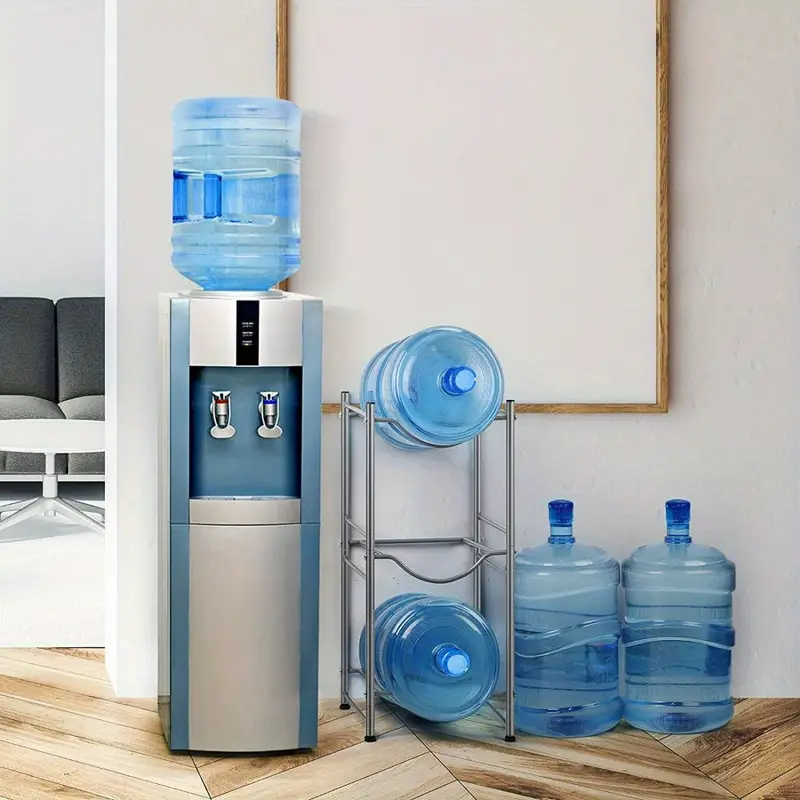
Top Loading Water Coolers are characterized by their traditional design, where the water bottle is placed on top of the unit. They are widely used in small offices, homes, and during events due to their straightforward functionality. The ease of refilling is a notable benefit, but buyers should also consider space requirements, as these units can be bulkier compared to bottom-loading alternatives.
What are the Benefits of Water Fountain Coolers?
Water Fountain Coolers provide a continuous supply of chilled water without the need for bottled water, making them an eco-friendly choice for public spaces, schools, and parks. These units typically require plumbing installation, which may deter some buyers. However, their sustainability and cost-effectiveness over time make them an attractive option for organizations looking to reduce their reliance on single-use plastics.
Key Industrial Applications of water bottle cooler
| Industry/Sector | Specific Application of Water Bottle Cooler | Value/Benefit for the Business | Key Sourcing Considerations for this Application |
|---|---|---|---|
| Corporate Offices | Providing hydration stations for employees | Enhances employee wellness and productivity through hydration | Consider energy efficiency, maintenance support, and design aesthetics. |
| Educational Institutions | Supplying water coolers in schools and universities | Promotes healthy drinking habits among students and staff | Evaluate durability, ease of use, and safety certifications. |
| Construction Sites | Portable hydration solutions for workers | Ensures worker safety and compliance with hydration regulations | Focus on mobility, robust design, and capacity for large volumes. |
| Healthcare Facilities | Installation in waiting rooms and staff areas | Improves patient experience and staff satisfaction | Look for touchless dispensing and self-cleaning features to enhance hygiene. |
| Hospitality Industry | Water stations in hotels and restaurants | Provides guests with easy access to refreshing water, enhancing their experience | Assess design compatibility, refill options, and service agreements. |
How Are Water Bottle Coolers Used in Corporate Offices?
In corporate offices, water bottle coolers serve as hydration stations that promote employee wellness. By providing easy access to cold and hot water, these coolers help boost productivity and morale. For B2B buyers in this sector, sourcing considerations include energy efficiency and maintenance support, which can significantly reduce operational costs over time. Additionally, the aesthetic design of the cooler can enhance the office environment, making it more appealing to employees and visitors alike.
What Role Do Water Bottle Coolers Play in Educational Institutions?
Educational institutions utilize water bottle coolers to encourage healthy drinking habits among students and staff. These units are often placed in hallways, cafeterias, and common areas, making water accessible throughout the day. When sourcing for schools and universities, it is crucial to evaluate the durability of the coolers, as they will undergo heavy usage. Safety certifications are also important to ensure that the units meet health standards, particularly in regions where water quality may be a concern.
How Do Water Bottle Coolers Benefit Construction Sites?
On construction sites, water bottle coolers provide a vital hydration solution for workers, helping to ensure compliance with safety regulations regarding hydration. These coolers can be strategically placed in break areas, allowing workers to easily refill their bottles. Buyers in this sector should prioritize mobility and robustness in the design of the coolers, as they need to withstand harsh conditions. Additionally, a larger capacity is essential to accommodate many workers throughout the day.
Why Are Water Bottle Coolers Important in Healthcare Facilities?
In healthcare facilities, water bottle coolers are essential for enhancing patient experience and staff satisfaction. They can be installed in waiting rooms and staff areas, providing easy access to hydration. B2B buyers in this sector should consider coolers with touchless dispensing mechanisms and self-cleaning features to maintain hygiene and reduce the risk of cross-contamination. These features are particularly important in healthcare settings where cleanliness is paramount.
How Do Water Bottle Coolers Enhance the Hospitality Industry?
In the hospitality industry, water bottle coolers are commonly found in hotels and restaurants, offering guests easy access to refreshing water. This amenity can significantly enhance the guest experience, encouraging longer stays and repeat visits. When sourcing coolers for this sector, buyers should assess design compatibility with the venue’s aesthetics, refill options, and service agreements that ensure timely maintenance and support. These factors contribute to a seamless guest experience while maximizing operational efficiency.
A stock image related to water bottle cooler.
3 Common User Pain Points for ‘water bottle cooler’ & Their Solutions
Scenario 1: Managing Supply Chain Disruptions for Water Bottle Coolers
The Problem: B2B buyers, especially in regions like Africa and South America, often face significant challenges in the supply chain when sourcing water bottle coolers. Issues such as delayed shipments, fluctuating prices, and limited availability can hinder operations. This is particularly problematic for businesses that rely on consistent hydration solutions for employees or customers, as interruptions can lead to dissatisfaction and productivity losses.
The Solution: To mitigate supply chain disruptions, B2B buyers should establish relationships with multiple suppliers to diversify their sourcing strategy. This approach not only provides alternatives in case one supplier faces delays but also fosters competitive pricing. Buyers should invest time in researching suppliers that have a proven track record of reliability and flexibility. Additionally, implementing a just-in-time inventory system can help manage stock levels effectively, reducing the risk of over-ordering or running low on supplies. Regularly reviewing supplier performance and conducting risk assessments can further enhance resilience against unforeseen supply chain challenges.
Scenario 2: Addressing Health and Safety Concerns with Water Coolers
The Problem: In many regions, including the Middle East and parts of Europe, health and safety regulations around food and beverage handling are stringent. B2B buyers may worry about the hygiene and cleanliness of water bottle coolers, particularly in high-traffic environments like offices or schools. Concerns about cross-contamination, especially in shared spaces, can lead to reluctance in adopting bottled water solutions.
The Solution: To address these concerns, buyers should prioritize water coolers that feature advanced sanitation technologies, such as self-cleaning UV systems or touchless dispensing mechanisms. These innovations significantly reduce the risk of bacteria and ensure a safer drinking environment. When selecting a water cooler, buyers should look for models that meet local health standards and certifications, providing peace of mind to their workforce or clientele. Educating employees about proper hygiene practices when using these coolers can further enhance safety. Regular maintenance and cleaning schedules should also be established to uphold hygiene standards consistently.
Scenario 3: Balancing Cost and Quality in Water Bottle Coolers
The Problem: Budget constraints are a common issue for B2B buyers, especially in developing markets. Buyers often struggle to find a balance between cost-effective options and high-quality water bottle coolers that meet their operational needs. Compromising on quality can lead to higher long-term costs due to repairs or replacements, while choosing the cheapest option might not deliver the necessary functionality.
The Solution: To strike the right balance, buyers should conduct a thorough cost-benefit analysis of various water cooler options. This involves not only evaluating the initial purchase price but also considering factors such as energy efficiency, warranty periods, and maintenance costs over time. Investing in higher-quality, durable coolers may have a steeper upfront cost but can lead to significant savings in the long run. Additionally, buyers should seek out suppliers that offer transparent pricing and comprehensive after-sales support, including warranties and maintenance services. Engaging in negotiations for bulk purchases can also lead to favorable pricing without sacrificing quality, making it easier to adhere to budget constraints while ensuring reliable hydration solutions.
Strategic Material Selection Guide for water bottle cooler
What Are the Key Materials Used in Water Bottle Coolers?
When selecting materials for water bottle coolers, it’s essential to consider properties that influence performance, durability, and safety. Here, we analyze four common materials: stainless steel, plastic, aluminum, and glass.
How Does Stainless Steel Perform in Water Bottle Coolers?
Stainless steel is a popular choice for water bottle coolers due to its excellent corrosion resistance and ability to maintain temperature. It can withstand high pressures and is less likely to warp or dent compared to other materials.
Pros: Stainless steel is highly durable, easy to clean, and resistant to bacteria growth. It also offers a premium aesthetic, which can enhance product appeal in B2B markets.
Cons: The primary drawback is its higher cost compared to plastic. Manufacturing stainless steel products can be complex, requiring specialized processes that may increase lead times.
Impact on Application: Stainless steel is compatible with various media, including hot and cold water, making it versatile for different environments.
Considerations for International Buyers: Compliance with international standards such as ASTM and DIN is crucial, especially for buyers in Europe and the Middle East. Buyers should also consider the weight and shipping costs associated with stainless steel products.
What Are the Benefits of Using Plastic in Water Bottle Coolers?
Plastic is widely used in water bottle coolers due to its lightweight nature and cost-effectiveness. Common types include polycarbonate and polyethylene, which provide adequate durability and resistance to impacts.
Pros: Plastic is generally less expensive and easier to mold into various shapes, allowing for innovative designs. It is also lightweight, making it cost-effective for shipping.
Cons: However, plastic can be less durable than metal options and may degrade over time, especially when exposed to UV light. Additionally, certain plastics may not be suitable for hot water, limiting their application.
Impact on Application: Plastic is suitable for cold water and is often used in environments where weight is a concern, such as in portable coolers.
Considerations for International Buyers: Buyers should ensure that the plastic materials comply with food safety regulations in their respective regions, particularly in Africa and South America, where standards can vary significantly.
Why Choose Aluminum for Water Bottle Coolers?
Aluminum is another viable option for water bottle coolers, known for its lightweight and excellent thermal conductivity. It can be treated to enhance corrosion resistance.
Pros: Aluminum coolers are easy to transport and can be manufactured at a lower cost than stainless steel. They also provide good insulation properties, keeping water at the desired temperature.
Cons: Aluminum is more prone to denting and scratching than stainless steel, which may affect its long-term durability. Additionally, it can react with acidic substances, which may limit its use with certain beverages.
Impact on Application: Aluminum is suitable for cold water applications but may not be ideal for hot water due to potential reactions.
Considerations for International Buyers: Buyers should check for compliance with local standards and consider the environmental impact of aluminum production, especially in regions with strict sustainability regulations.
What Role Does Glass Play in Water Bottle Coolers?
Glass is often used for its aesthetic appeal and ability to maintain the purity of water without imparting flavors. It is non-reactive and can be designed for both hot and cold water.
Pros: Glass is highly durable when treated properly and offers an eco-friendly option that can be recycled. It also does not leach chemicals into the water.
Cons: The main limitation of glass is its weight and fragility, making it less suitable for portable applications. Shipping costs can also be higher due to the need for protective packaging.
Impact on Application: Glass is ideal for high-end applications where aesthetics and purity are paramount, such as in luxury offices or homes.
Considerations for International Buyers: Compliance with safety standards is critical, especially regarding breakage and material safety. Buyers in Europe may have stricter regulations regarding glass products.
Summary of Material Selection for Water Bottle Coolers
| Material | Typical Use Case for Water Bottle Cooler | Key Advantage | Key Disadvantage/Limitation | Relative Cost (Low/Med/High) |
|---|---|---|---|---|
| Stainless Steel | High-end coolers, commercial use | Excellent durability and corrosion resistance | Higher cost and manufacturing complexity | High |
| Plastic | Portable coolers, budget options | Lightweight and cost-effective | Less durable, may degrade over time | Low |
| Aluminum | Lightweight coolers, outdoor use | Good thermal conductivity and lower cost | Prone to denting, may react with acidic beverages | Medium |
| Glass | High-end residential or office use | Non-reactive and aesthetically pleasing | Heavy and fragile, higher shipping costs | Medium |
This guide provides a comprehensive overview of material selection for water bottle coolers, enabling B2B buyers to make informed decisions based on their specific needs and market conditions.
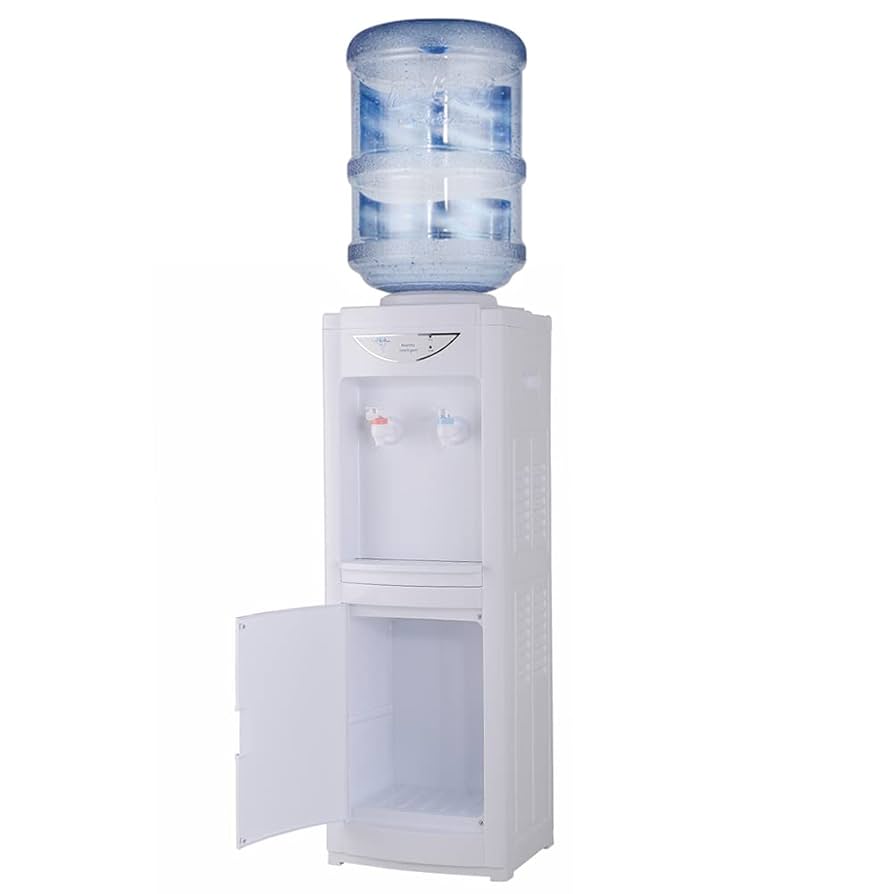
A stock image related to water bottle cooler.
In-depth Look: Manufacturing Processes and Quality Assurance for water bottle cooler
What Are the Key Manufacturing Processes for Water Bottle Coolers?
The manufacturing of water bottle coolers involves several critical stages, each designed to ensure that the final product meets quality and safety standards. The primary stages include material preparation, forming, assembly, and finishing.
How Is Material Prepared for Water Bottle Coolers?
The first step in the manufacturing process is material preparation. Typically, manufacturers use high-grade plastics, stainless steel, and other materials that meet health and safety regulations. Materials are sourced from reliable suppliers who adhere to international standards. This stage involves thorough inspections to ensure that all materials meet required specifications.
What Forming Techniques Are Commonly Used in Water Bottle Cooler Production?
After material preparation, the forming stage begins. This can involve various techniques, such as injection molding for plastic components or stamping for metal parts. Injection molding allows for precise shapes and designs, which is crucial for the aesthetics and functionality of the cooler. Manufacturers may also employ blow molding for hollow parts and vacuum forming for creating complex shapes. Each technique is selected based on the specific component being produced and its intended use in the final product.
How Are Water Bottle Coolers Assembled?
Once the parts are formed, assembly takes place. This stage can be manual or automated, depending on the scale of production. Automated assembly lines can enhance efficiency and consistency, while manual assembly may be preferred for complex or intricate components. The assembly process includes integrating key features such as cooling mechanisms, faucets, and safety locks. Each assembly line should have protocols to minimize errors and ensure that each unit meets the design specifications.
What Finishing Processes Are Applied to Water Bottle Coolers?
The final stage of manufacturing is finishing, which involves surface treatments and final inspections. Finishing processes can include polishing, painting, and applying coatings that enhance durability and aesthetic appeal. Quality checks are integral during this stage to ensure that all cosmetic and functional aspects of the cooler are up to standard. This is particularly important for B2B buyers who are concerned about branding and product presentation.
How Is Quality Assurance Implemented in Water Bottle Cooler Manufacturing?
Quality assurance (QA) is a vital component of the manufacturing process for water bottle coolers. It ensures that products are not only safe but also reliable and effective in their intended use.
What International Standards Guide Quality Assurance in Water Bottle Coolers?
Manufacturers typically adhere to international standards such as ISO 9001, which focuses on quality management systems. This certification indicates that the manufacturer has established processes to consistently provide products that meet customer and regulatory requirements. Additionally, region-specific certifications like CE for Europe or API for the oil and gas industry may be relevant, depending on the cooler’s application.
What Are the Key Quality Control Checkpoints in Manufacturing?
Quality control (QC) checkpoints are essential to maintain high standards throughout the manufacturing process. Common checkpoints include:
-
Incoming Quality Control (IQC): This is performed on raw materials before they enter the production line. It ensures that only materials that meet specified standards are used.
-
In-Process Quality Control (IPQC): Conducted during the manufacturing process, IPQC checks the quality of components at various stages of production. This helps identify defects early and reduces wastage.
-
Final Quality Control (FQC): This is the last line of defense, where finished products undergo thorough testing for functionality, safety, and compliance with specifications.
How Can B2B Buyers Verify Supplier Quality Control?
B2B buyers should take proactive steps to verify the quality control measures of suppliers. This can be achieved through:
-
Audits: Regular audits of the manufacturing facility can provide insights into the quality processes in place. Buyers can request to participate in these audits or hire third-party auditors for an objective assessment.
-
Quality Reports: Suppliers should be able to provide detailed quality reports that outline their QC processes, results from recent inspections, and any corrective actions taken.
-
Third-Party Inspections: Engaging independent inspection agencies can add an additional layer of assurance. These inspections can verify compliance with international standards and provide unbiased reports on product quality.
What QC and Certification Nuances Should International B2B Buyers Be Aware Of?
International buyers, particularly those from regions such as Africa, South America, the Middle East, and Europe, should be aware of specific nuances in quality control and certification. Different regions may have varying regulatory requirements, and understanding these is crucial for compliance.
How Do Regional Regulations Affect Quality Control?
Each region may have specific regulations regarding health and safety standards for water-related products. For instance, buyers in Europe must ensure that suppliers comply with EU regulations, while those in Africa may need to consider local health authorities’ guidelines.
What Should Buyers Know About Product Testing?
Product testing can vary widely based on regional requirements. Buyers should ensure that the products have been tested for relevant safety and performance criteria. This might include assessments for material safety, energy efficiency, and cooling capacity, which are critical for water bottle coolers.
Conclusion
Understanding the manufacturing processes and quality assurance measures for water bottle coolers is essential for B2B buyers. By focusing on material preparation, forming techniques, assembly, and finishing, buyers can gain insights into the product’s lifecycle. Moreover, awareness of international standards and quality control checkpoints will empower buyers to make informed decisions when selecting suppliers, ensuring that they procure high-quality, compliant products.
Practical Sourcing Guide: A Step-by-Step Checklist for ‘water bottle cooler’
Introduction
This practical sourcing guide serves as a comprehensive checklist for B2B buyers looking to procure water bottle coolers. With the growing demand for hydration solutions in various sectors, it is essential to approach the procurement process methodically. This checklist will help ensure that you make informed decisions, leading to successful partnerships and optimal product quality.
Step 1: Define Your Technical Specifications
Before initiating your sourcing process, clearly outline the technical specifications you require for your water bottle cooler. Consider factors such as capacity (e.g., 5-gallon vs. 10-gallon), temperature control features (hot, cold, or room temperature), and whether you need a bottom-loading or top-loading model. This step is vital as it helps narrow down your options and ensures that suppliers can meet your specific needs.
Step 2: Research Supplier Options
Conduct thorough research to identify potential suppliers who specialize in water bottle coolers. Utilize online directories, industry forums, and trade shows to compile a list of reputable manufacturers and distributors. Look for suppliers with a strong track record in your target markets, such as Africa or South America, as regional familiarity can be beneficial in logistics and customer support.
Step 3: Evaluate Supplier Certifications
Before finalizing your supplier choices, verify their certifications and compliance with international quality standards. Certifications such as ISO 9001 for quality management systems or NSF certification for water safety can indicate a commitment to quality and safety. This step is crucial to ensure that the products you procure will be reliable and meet regulatory requirements in your market.
Step 4: Request Product Samples
Always request product samples before making a bulk purchase. This will allow you to assess the quality, functionality, and design of the water bottle coolers firsthand. Pay attention to the materials used, insulation properties, and ease of use. Testing samples can prevent costly mistakes and ensure that the products meet your standards.
Step 5: Inquire About Warranty and After-Sales Support
Discuss warranty terms and after-sales support with potential suppliers. A strong warranty indicates confidence in the product’s durability, while comprehensive after-sales support can be crucial for maintenance and troubleshooting. Ensure that the supplier offers accessible customer service and support options in your region.
Step 6: Compare Pricing and Payment Terms
Once you have gathered all necessary information, compare the pricing structures and payment terms of different suppliers. Look for transparency in pricing, including shipping costs, import duties, and any additional fees. Favor suppliers who offer flexible payment options, as this can ease cash flow management for your business.
Step 7: Negotiate Terms and Finalize the Agreement
Finally, enter negotiations with your selected supplier(s) to finalize terms. Discuss aspects such as bulk purchase discounts, delivery timelines, and return policies. A well-negotiated contract should protect both parties and set clear expectations, ensuring a smooth procurement process.
By following this checklist, you will be better equipped to make informed decisions when sourcing water bottle coolers, ultimately contributing to the success of your business operations.
Comprehensive Cost and Pricing Analysis for water bottle cooler Sourcing
What Are the Key Cost Components of Water Bottle Coolers?
When sourcing water bottle coolers, understanding the cost structure is vital for international B2B buyers. The primary cost components include materials, labor, manufacturing overhead, tooling, quality control (QC), logistics, and profit margins.
-
Materials: The choice of materials significantly influences cost. Common materials include stainless steel, plastic, and glass. Eco-friendly materials may incur higher costs but can appeal to environmentally conscious buyers.
-
Labor: Labor costs vary by region. Countries with lower wage standards may offer more competitive pricing but could affect quality. Understanding local labor laws and conditions can aid in negotiating better terms.
-
Manufacturing Overhead: This encompasses utilities, rent, and equipment depreciation. Efficient manufacturing processes can reduce these costs, impacting the final price of the coolers.
-
Tooling: Custom tooling for unique designs increases upfront costs but may be necessary for specific market demands. Buyers should evaluate whether the added expense aligns with their long-term strategy.
-
Quality Control: Investing in robust QC processes ensures product reliability and safety. However, this can add to the overall cost. Buyers should consider the balance between quality and price based on their market needs.
-
Logistics: Shipping and handling costs can vary widely depending on distance, shipping method, and the chosen Incoterms. Understanding these factors is crucial, particularly for international shipments.
-
Margin: Suppliers typically add a margin to cover their costs and ensure profitability. This margin can vary significantly based on market competition and demand.
How Do Price Influencers Impact the Cost of Water Bottle Coolers?
Several factors influence the pricing of water bottle coolers, especially for international buyers:
-
Volume and Minimum Order Quantity (MOQ): Larger orders often qualify for bulk discounts. Buyers should negotiate MOQs that align with their consumption rates to optimize costs.
-
Specifications and Customization: Customized coolers with specific features or branding can incur higher costs. Buyers should assess the necessity of customization against their budget and market strategy.
-
Materials and Quality Certifications: Higher quality materials and certifications (e.g., NSF, ISO) typically lead to increased prices. Buyers should consider the long-term benefits of investing in certified products, especially in regulated markets.
-
Supplier Factors: Supplier reputation, experience, and location can significantly affect pricing. Engaging with reliable suppliers may yield better quality and service, justifying a higher price point.
-
Incoterms: Understanding Incoterms is crucial for international transactions. They define responsibilities for shipping costs, insurance, and tariffs, impacting the total landed cost of goods.
What Are the Best Buyer Tips for Cost-Efficiency in Sourcing Water Bottle Coolers?
To enhance cost-efficiency when sourcing water bottle coolers, international buyers should consider the following strategies:
-
Negotiate Terms: Building a strong relationship with suppliers can lead to better negotiation outcomes. Discuss payment terms, discounts for larger orders, and potential future orders to leverage favorable pricing.
-
Assess Total Cost of Ownership (TCO): Beyond the initial purchase price, consider maintenance, energy consumption, and potential disposal costs. A lower upfront cost may result in higher TCO if the product lacks durability.
-
Pricing Nuances for International Buyers: Currency fluctuations can impact pricing; consider hedging strategies to mitigate risks. Additionally, understand local market conditions, such as demand trends and competitive pricing, to make informed purchasing decisions.
-
Stay Informed on Trends: Keep abreast of innovations in water cooler technology and materials. Emerging trends may affect pricing and could present opportunities for cost savings or enhanced product offerings.
Disclaimer on Indicative Prices
Prices for water bottle coolers can vary significantly based on the aforementioned factors, regional market conditions, and supplier pricing strategies. It is advisable for buyers to conduct thorough market research and obtain multiple quotes to ensure competitive pricing and optimal sourcing decisions.
Alternatives Analysis: Comparing water bottle cooler With Other Solutions
Exploring Alternatives to Water Bottle Coolers for Hydration Solutions
In the quest for optimal hydration solutions, businesses often evaluate various technologies and methods that can effectively meet their needs. While water bottle coolers are a popular choice, understanding viable alternatives can help B2B buyers make informed decisions based on performance, cost, and maintenance. Below, we compare water bottle coolers with two notable alternatives: plumbed-in water dispensers and bottled water delivery services.
| Comparison Aspect | Water Bottle Cooler | Plumbed-In Water Dispenser | Bottled Water Delivery Service |
|---|---|---|---|
| Performance | Provides instant hot/cold water; efficient for small to medium spaces. | Continuous supply of cold and hot water; ideal for high-demand environments. | Offers bottled water delivered on a schedule; reliant on delivery times. |
| Cost | Moderate initial purchase; ongoing costs for bottled water. | Higher installation cost but lower ongoing costs; no need for bottled water. | Variable costs based on delivery frequency and volume; can become expensive over time. |
| Ease of Implementation | Simple setup; requires no plumbing. | Requires professional installation; may need plumbing modifications. | Easy to set up; requires coordination with a delivery service. |
| Maintenance | Regular cleaning and bottle replacement needed; some models have self-cleaning features. | Minimal maintenance; requires occasional filter changes. | No maintenance required; depends on the delivery schedule. |
| Best Use Case | Suitable for offices, small businesses, and homes. | Best for high-traffic areas like schools or large offices. | Ideal for remote locations or businesses that prefer flexibility in water supply. |
What Are the Advantages and Disadvantages of Plumbed-In Water Dispensers?
Plumbed-in water dispensers connect directly to the water supply, providing a consistent flow of cold and hot water. One of the significant advantages is the reduced ongoing cost, as there is no need to purchase bottled water. Additionally, these systems can cater to high-demand environments, making them ideal for larger offices or facilities. However, the initial installation can be costly and may require modifications to existing plumbing, which could be a barrier for some businesses.
How Do Bottled Water Delivery Services Work, and What Are Their Pros and Cons?
Bottled water delivery services provide a flexible option for hydration, delivering water directly to businesses on a scheduled basis. This method is particularly advantageous for organizations in remote locations or those that prefer not to commit to a permanent installation. The primary drawback is the potential for high costs, especially if the business requires frequent deliveries or large quantities. Moreover, reliance on delivery schedules can lead to interruptions if not managed properly.
Conclusion: How Can B2B Buyers Choose the Right Hydration Solution?
When selecting a hydration solution, B2B buyers should consider their specific needs regarding space, demand, and budget. Water bottle coolers offer a convenient and straightforward option, particularly for smaller operations or those looking for immediate access to hot and cold water. In contrast, plumbed-in dispensers may be more suitable for larger establishments that can accommodate the installation and require a constant water supply. Bottled water delivery services present an adaptable solution, especially for businesses with fluctuating water needs or those located in areas without reliable plumbing. Ultimately, the right choice will depend on a careful assessment of operational requirements, cost-effectiveness, and long-term sustainability.
Essential Technical Properties and Trade Terminology for water bottle cooler
What Are the Key Technical Properties of Water Bottle Coolers?
When considering water bottle coolers for B2B procurement, understanding the technical specifications is crucial for making informed purchasing decisions. Here are some essential properties:
-
Material Grade
– Definition: This refers to the type of materials used in the construction of the cooler, typically stainless steel, plastic, or BPA-free materials.
– B2B Importance: Higher-grade materials offer better durability, corrosion resistance, and aesthetics, which can influence the product’s lifespan and maintenance costs. For businesses, investing in quality materials can reduce replacement frequency and enhance brand image. -
Cooling Capacity
– Definition: This specification indicates the amount of water the cooler can chill within a specific time frame, often measured in liters per hour.
– B2B Importance: Understanding cooling capacity helps businesses assess whether the cooler meets their hydration demands, especially in high-traffic areas like offices or public spaces. Insufficient capacity can lead to customer dissatisfaction and operational inefficiencies. -
Temperature Control Features
– Definition: This includes options for tri-temperature settings (hot, cold, and room temperature) and advanced controls for precise temperature management.
– B2B Importance: Versatile temperature settings allow businesses to cater to diverse consumer preferences, making the cooler suitable for various environments such as gyms, offices, or healthcare facilities. This adaptability can enhance customer satisfaction and retention. -
Power Consumption
– Definition: This refers to the amount of energy the cooler uses, typically measured in watts.
– B2B Importance: Energy-efficient models can significantly reduce operational costs, which is vital for businesses looking to improve their sustainability practices. Understanding power consumption is essential for calculating long-term expenses and ensuring compliance with energy regulations. -
Dimensions and Weight
– Definition: These specifications indicate the size and weight of the cooler, affecting its portability and installation requirements.
– B2B Importance: Businesses need to ensure the cooler fits within designated spaces and is easy to transport if necessary. Misjudging dimensions can lead to logistical challenges and increased installation costs.
What Common Trade Terms Should B2B Buyers Know About Water Bottle Coolers?
Familiarity with industry jargon is essential for effective communication and negotiation in the B2B landscape. Here are some common terms related to water bottle coolers:
-
OEM (Original Equipment Manufacturer)
– Definition: A company that produces parts and equipment that may be marketed by another manufacturer.
– Importance: Engaging with OEMs can lead to customized solutions tailored to specific business needs, enhancing product offerings and branding. -
MOQ (Minimum Order Quantity)
– Definition: The smallest quantity of a product that a supplier is willing to sell.
– Importance: Understanding MOQ is critical for budgeting and inventory management. Businesses should assess whether they can meet these requirements without overcommitting capital. -
RFQ (Request for Quotation)
– Definition: A document sent to suppliers requesting a quote for specific products or services.
– Importance: RFQs help businesses compare pricing and terms from different suppliers, ensuring they make the best financial decisions. -
Incoterms (International Commercial Terms)
– Definition: A series of predefined commercial terms published by the International Chamber of Commerce (ICC) that clarify the costs and risks involved in shipping.
– Importance: Knowledge of Incoterms is vital for international transactions, as they dictate responsibilities regarding shipping, insurance, and tariffs, helping businesses avoid potential disputes. -
Lead Time
– Definition: The time taken from placing an order to delivery.
– Importance: Understanding lead times is crucial for planning and ensuring that products are available when needed, particularly in industries with fluctuating demand.
By grasping these technical properties and trade terms, B2B buyers can navigate the procurement of water bottle coolers more effectively, ensuring they make informed decisions that align with their operational goals.
Navigating Market Dynamics and Sourcing Trends in the water bottle cooler Sector
What Are the Key Trends Shaping the Water Bottle Cooler Market?
The water bottle cooler market is evolving rapidly, driven by several global trends that are reshaping B2B sourcing strategies. First, the increasing demand for convenient and efficient hydration solutions is pushing companies to innovate. The integration of smart technologies, such as touchless dispensing and self-cleaning features, is becoming standard, enhancing user experience while minimizing maintenance needs. In regions like Africa and South America, where access to clean water can be a challenge, portable and easy-to-use coolers are gaining traction, allowing businesses to provide reliable hydration in various settings, from offices to outdoor events.
Additionally, sustainability is a significant driver in the market. B2B buyers are increasingly prioritizing eco-friendly products, leading to a rise in demand for coolers made from recycled materials and designed to minimize environmental impact. The focus on reducing single-use plastic is encouraging manufacturers to develop bottle-free options and promote reusable containers, catering to environmentally conscious consumers across Europe and the Middle East.
Moreover, market dynamics are influenced by regional preferences and regulations. For instance, in the Middle East, there is a growing emphasis on water quality and safety standards, prompting buyers to seek suppliers who can demonstrate compliance with local regulations. In contrast, buyers in Europe are often guided by sustainability certifications, further complicating the sourcing landscape. Understanding these nuances is essential for international B2B buyers to navigate the complexities of the water bottle cooler market effectively.
How Can Sustainability and Ethical Sourcing Be Integrated in the Water Bottle Cooler Sector?
Sustainability and ethical sourcing are no longer just buzzwords; they are critical components for businesses looking to thrive in the water bottle cooler sector. The environmental impact of manufacturing and distributing coolers can be significant, especially in terms of resource consumption and waste generation. By prioritizing eco-friendly materials, such as biodegradable plastics and recycled metals, companies can reduce their carbon footprint and appeal to environmentally conscious buyers.
Furthermore, the importance of ethical supply chains cannot be overstated. B2B buyers are increasingly scrutinizing their suppliers’ practices, seeking those that adhere to ethical labor standards and fair trade principles. Certifications such as Fair Trade and Global Organic Textile Standard (GOTS) are becoming essential for suppliers aiming to attract international buyers, particularly in regions like Europe and North America, where consumer awareness regarding ethical sourcing is high.
In addition, implementing sustainable practices such as energy-efficient manufacturing processes and waste reduction initiatives can improve brand reputation and customer loyalty. Buyers should look for suppliers who not only offer innovative products but also demonstrate a commitment to sustainability through transparency in their sourcing and production processes. This alignment with ethical practices can enhance a company’s competitive edge in a crowded marketplace.
What Is the Brief History and Evolution of the Water Bottle Cooler Market?
The water bottle cooler market has undergone significant evolution since its inception. Originally designed for office environments in the late 20th century, these coolers primarily served to provide convenient access to drinking water. The introduction of bottled water in the 1980s revolutionized the sector, leading to a surge in demand as businesses sought reliable hydration solutions for their employees.
In the 2000s, the market witnessed a shift towards more sophisticated designs, including bottom-loading coolers and models with temperature controls, catering to a broader range of consumer preferences. The focus has now expanded beyond mere functionality to include aesthetics, portability, and sustainability. As businesses worldwide become more environmentally conscious, the demand for eco-friendly and ethically sourced coolers is expected to continue rising, marking a new chapter in the history of this essential product.
This evolution highlights the importance of adaptability for B2B buyers and suppliers alike, as they navigate an increasingly dynamic market landscape that balances convenience, technology, and sustainability.
Frequently Asked Questions (FAQs) for B2B Buyers of water bottle cooler
-
1. How do I choose the right water bottle cooler for my business?
Selecting the right water bottle cooler involves assessing your specific needs, such as the volume of water required and the desired features. Consider factors like capacity (e.g., 5-gallon or larger), temperature options (hot, cold, or room temperature), and ease of use (top-loading vs. bottom-loading). Additionally, evaluate the energy efficiency and maintenance requirements of the unit. It may also be beneficial to request samples from suppliers to test performance and durability before making a bulk purchase. -
2. What is the best type of water bottle cooler for commercial use?
For commercial environments, bottom-loading water coolers are often the best choice due to their convenience and aesthetic appeal. They eliminate the need to lift heavy bottles, making them safer for employees. Consider coolers with touchless technology to minimize cross-contamination and models with self-cleaning features for hygiene. Additionally, choose a cooler with a tri-temperature control system to cater to diverse customer preferences for hot, cold, or room-temperature water. -
3. What should I consider when vetting suppliers for water bottle coolers?
When vetting suppliers, assess their reputation, production capacity, and compliance with international quality standards. Request references and check reviews from other B2B buyers to gauge reliability. It’s crucial to verify their certifications, such as ISO or CE, which indicate adherence to quality management practices. Additionally, inquire about their logistics capabilities, including shipping times and methods, to ensure they can meet your delivery requirements. -
4. What are the typical payment terms for purchasing water bottle coolers internationally?
Payment terms can vary significantly based on the supplier and the buyer’s location. Common arrangements include upfront payment, letter of credit, or payment upon delivery. International buyers should also be aware of currency fluctuations and potential import duties that may affect the final cost. Always negotiate clear payment terms and consider using escrow services for large orders to mitigate risks. -
5. What are the minimum order quantities (MOQ) for water bottle coolers?
Minimum order quantities typically depend on the supplier and the specific model of the cooler. Many manufacturers set MOQs to cover production costs, which can range from as low as 50 units to several hundred. It’s advisable to discuss your requirements directly with suppliers to explore potential flexibility in MOQs, especially if you are a new customer or testing a market. -
6. How can I customize water bottle coolers for my brand?
Customization options vary by supplier but often include branding through colors, logos, and specific design features. Some manufacturers may offer personalized packaging or unique functionalities tailored to your business needs. When considering customization, ensure you communicate your branding requirements clearly and confirm any additional costs associated with these modifications. It’s beneficial to request prototypes to evaluate the final product before full-scale production. -
7. What quality assurance measures should I expect from suppliers?
Reputable suppliers should implement rigorous quality assurance measures, including inspections at various production stages and testing for durability, safety, and performance. Request documentation of quality control processes, such as ISO certifications and third-party testing results. Additionally, inquire about warranty policies and after-sales support, as these factors can significantly impact your satisfaction with the product and supplier relationship. -
8. What logistics considerations should I keep in mind when importing water bottle coolers?
Logistics play a crucial role in the timely delivery of water bottle coolers. Consider shipping methods (air vs. sea), estimated transit times, and costs associated with customs clearance. Familiarize yourself with import regulations in your country, including any tariffs or duties applicable to water bottle coolers. Collaborating with a reliable freight forwarder can help streamline the process and ensure compliance with all regulatory requirements, reducing the risk of delays.
Important Disclaimer & Terms of Use
⚠️ Important Disclaimer
The information provided in this guide, including content regarding manufacturers, technical specifications, and market analysis, is for informational and educational purposes only. It does not constitute professional procurement advice, financial advice, or legal advice.
While we have made every effort to ensure the accuracy and timeliness of the information, we are not responsible for any errors, omissions, or outdated information. Market conditions, company details, and technical standards are subject to change.
B2B buyers must conduct their own independent and thorough due diligence before making any purchasing decisions. This includes contacting suppliers directly, verifying certifications, requesting samples, and seeking professional consultation. The risk of relying on any information in this guide is borne solely by the reader.
Top 5 Water Bottle Cooler Manufacturers & Suppliers List
1. CSX – Water Bottle Cooler
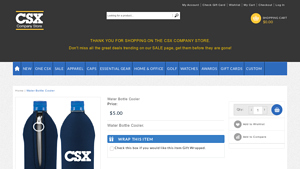
Domain: csxstore.com
Registered: 2006 (19 years)
Introduction: {“product_name”: “Water Bottle Cooler”, “availability”: “In stock”, “price”: “$5.00”, “description”: “Neoprene water bottle cooler with zipper. Holds a water bottle as well as most glass bottles.”, “color”: “Navy Blue”, “logo”: “white CSX logo”, “model_number”: “CT301”}
2. Brio – Bottled Water Coolers and Dispensers
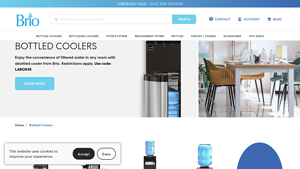
Domain: briowater.com
Registered: 2015 (10 years)
Introduction: Bottled Water Coolers and Dispensers by Brio include various models such as Bottom Load, Top Load, Countertop, and Ice Dispenser Coolers. Key features include self-cleaning technology, touchless dispensing, and tri-temperature controls (hot, room, cold). Products are available in different series like Brio 500, 400, Moderna, and 300, with prices ranging from $99.99 to $1,299.99. Discounts of up to…
3. Stanley – Insulated Hard Coolers & Water Jugs
Domain: stanley1913.com
Registered: 2019 (6 years)
Introduction: Insulated hard coolers and water jugs designed for rugged use. Features include: easy to clean with mild dish soap and warm water, ability to keep food hot with preheating and insulation techniques, suitable for various uses such as job sites, campsites, tailgating, and picnics. The 2-gallon water jug is reusable and can hold beverages like water, lemonade, juice, and iced tea.
4. Bison Coolers – Durable Outdoor Gear
Domain: bisoncoolers.com
Registered: 2014 (11 years)
Introduction: This company, Bison Coolers – Durable Outdoor Gear, is a notable entity in the market. For specific product details, it is recommended to visit their website directly.
5. Culligan – Hot/Cold Water Dispenser
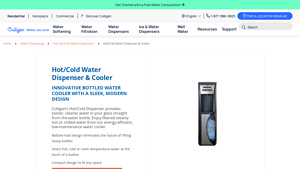
Domain: culligan.com
Registered: 1997 (28 years)
Introduction: Culligan’s Hot/Cold Water Dispenser provides tastier, cleaner water with a sleek, modern design. Key features include:
– Bottom-load design eliminates the hassle of lifting heavy bottles
– Select hot, cold, or room temperature water at the touch of a button
– Compact design to fit any space
– Compatible with 3- or 5-gallon water bottles
– Easily convertible to a bottle-free cooler
– 2.0 gall…
Strategic Sourcing Conclusion and Outlook for water bottle cooler
In the rapidly evolving market of water bottle coolers, strategic sourcing emerges as a vital component for B2B buyers looking to optimize procurement processes and enhance product offerings. By focusing on factors such as quality, sustainability, and technological advancements—like touchless dispensing and self-cleaning features—buyers can significantly improve their competitive edge. Additionally, understanding regional preferences and requirements, especially in diverse markets across Africa, South America, the Middle East, and Europe, is crucial for making informed purchasing decisions.
As the demand for eco-friendly and efficient hydration solutions continues to rise, leveraging strategic sourcing can facilitate access to innovative products that align with both consumer needs and corporate social responsibility goals. By establishing strong supplier relationships and staying abreast of market trends, businesses can not only meet the current demands but also anticipate future shifts in consumer behavior.
Looking ahead, international B2B buyers are encouraged to actively engage with suppliers and explore the latest advancements in water bottle cooler technology. This proactive approach will ensure that they remain at the forefront of the industry, delivering exceptional value to their customers while contributing to a more sustainable future.